Featured Quartzware Inventory for Palembang Laboratories
Explore engineering-grade quartz components engineered for high-temperature pyrolysis, acid digestion, catalytic synthesis, and petrochemical assay workflows.
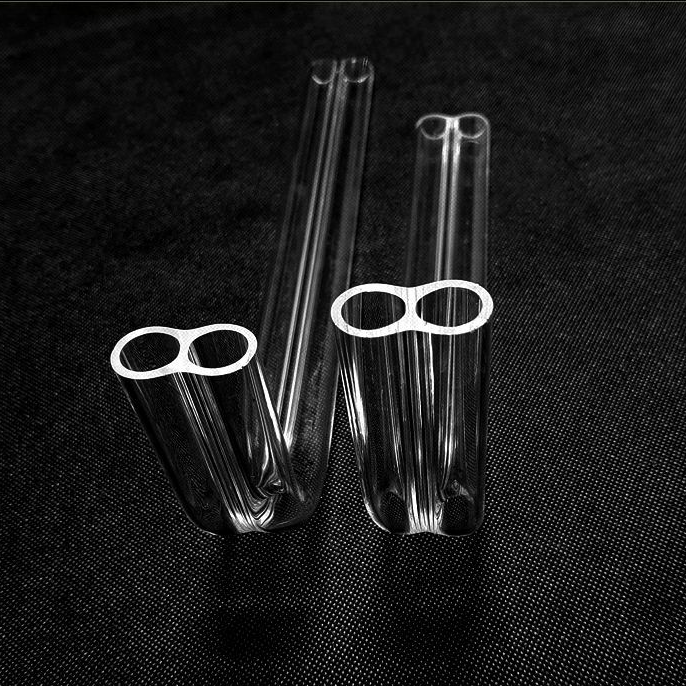
High-Temp 1100°C Quartz Double Elbow
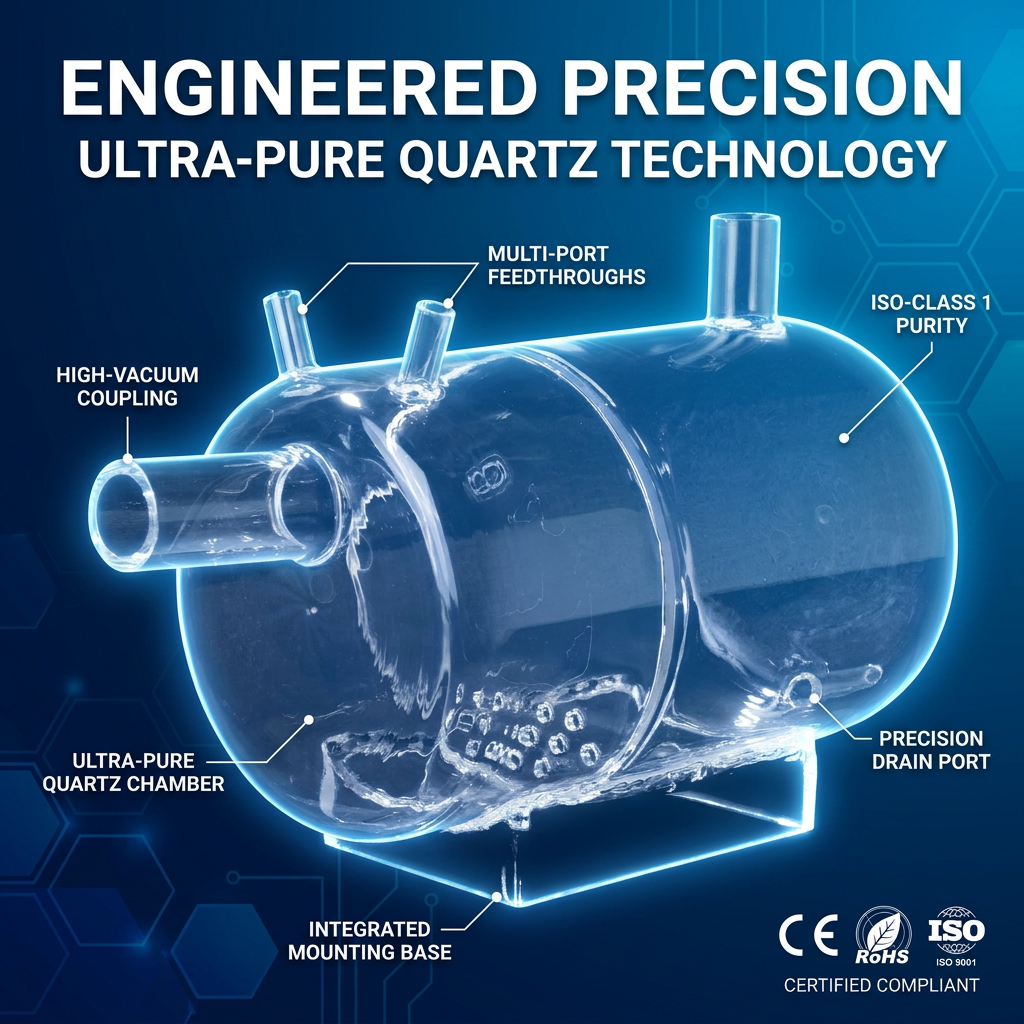
Precision Quartz Separating Container
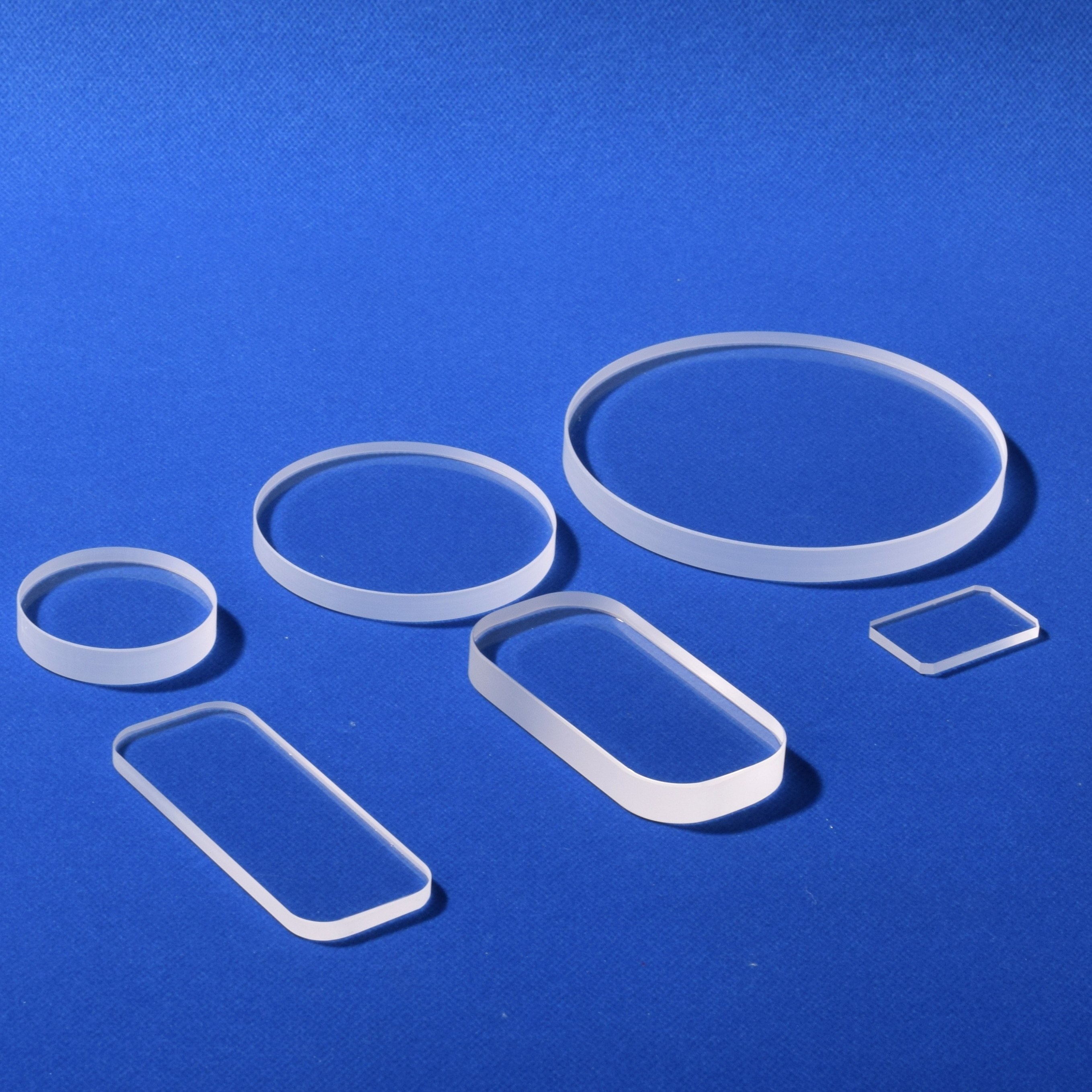
Heat-Resistant Quartz Sight Window
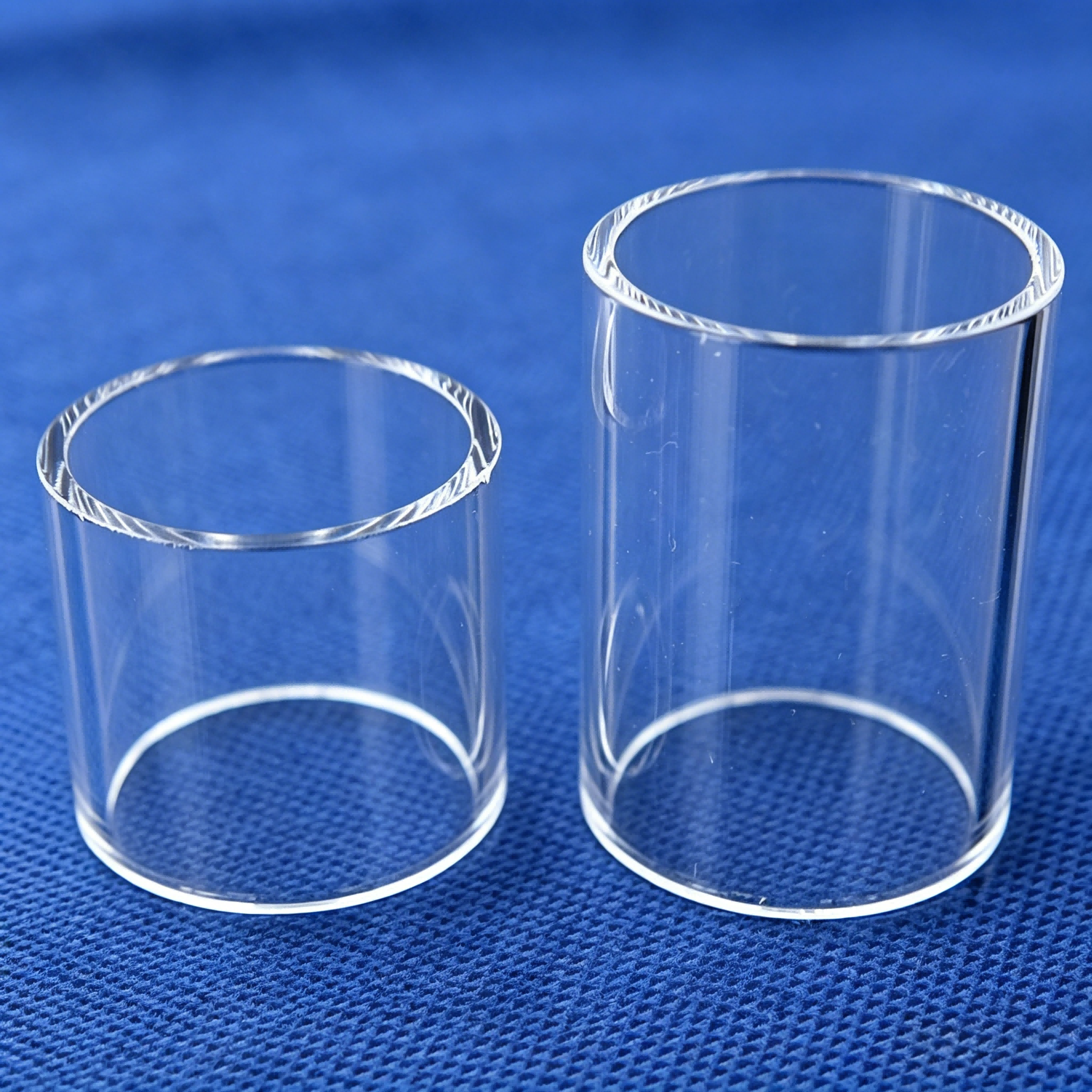
Custom Clear Twin Tube Quartz Pipe
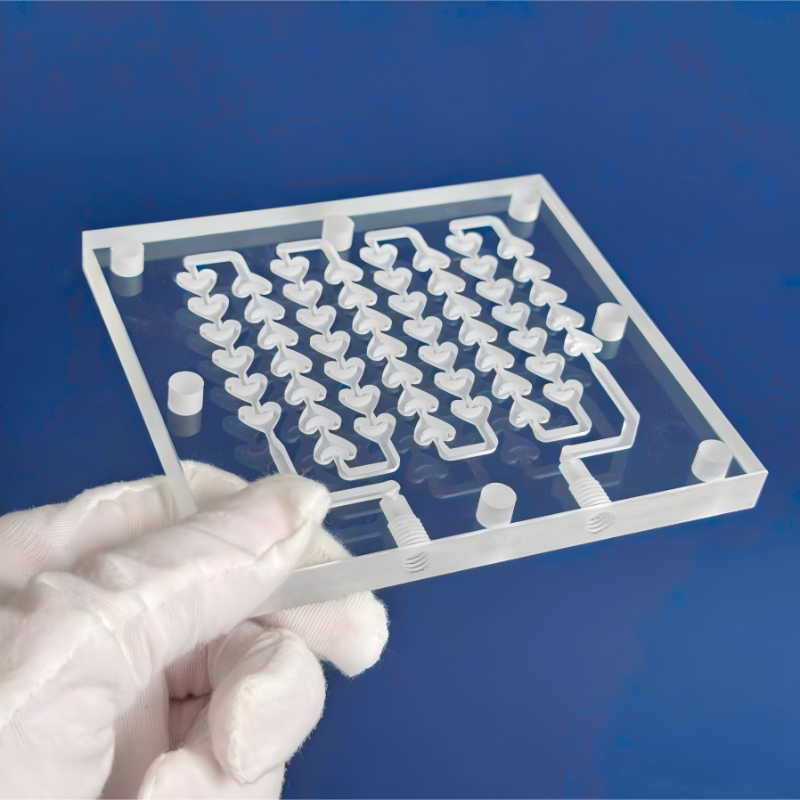
1750°C Melting Point Quartz Chips
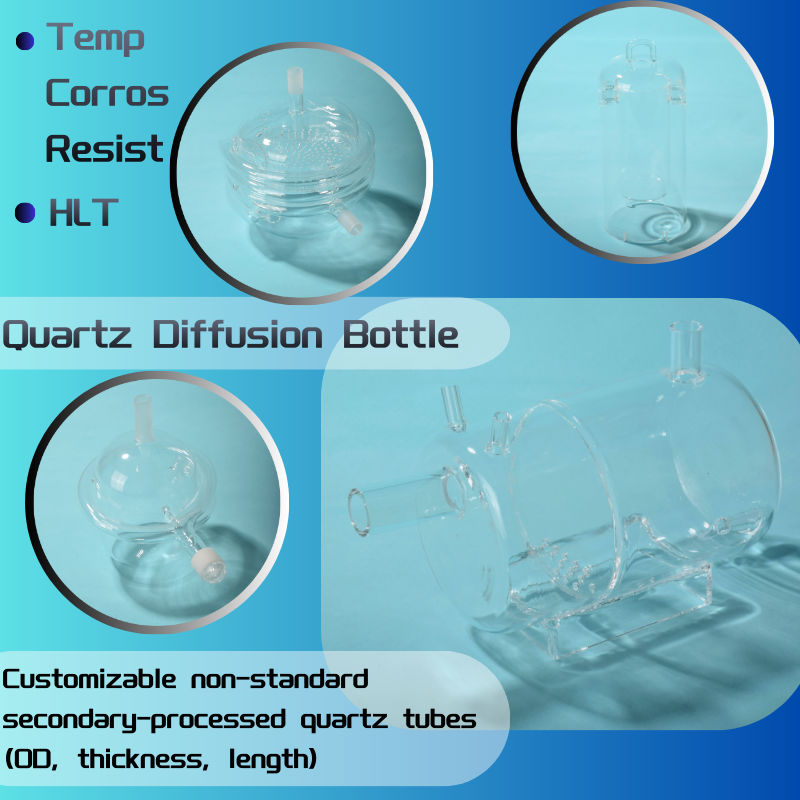
High-Purity Condenser & Waste Column
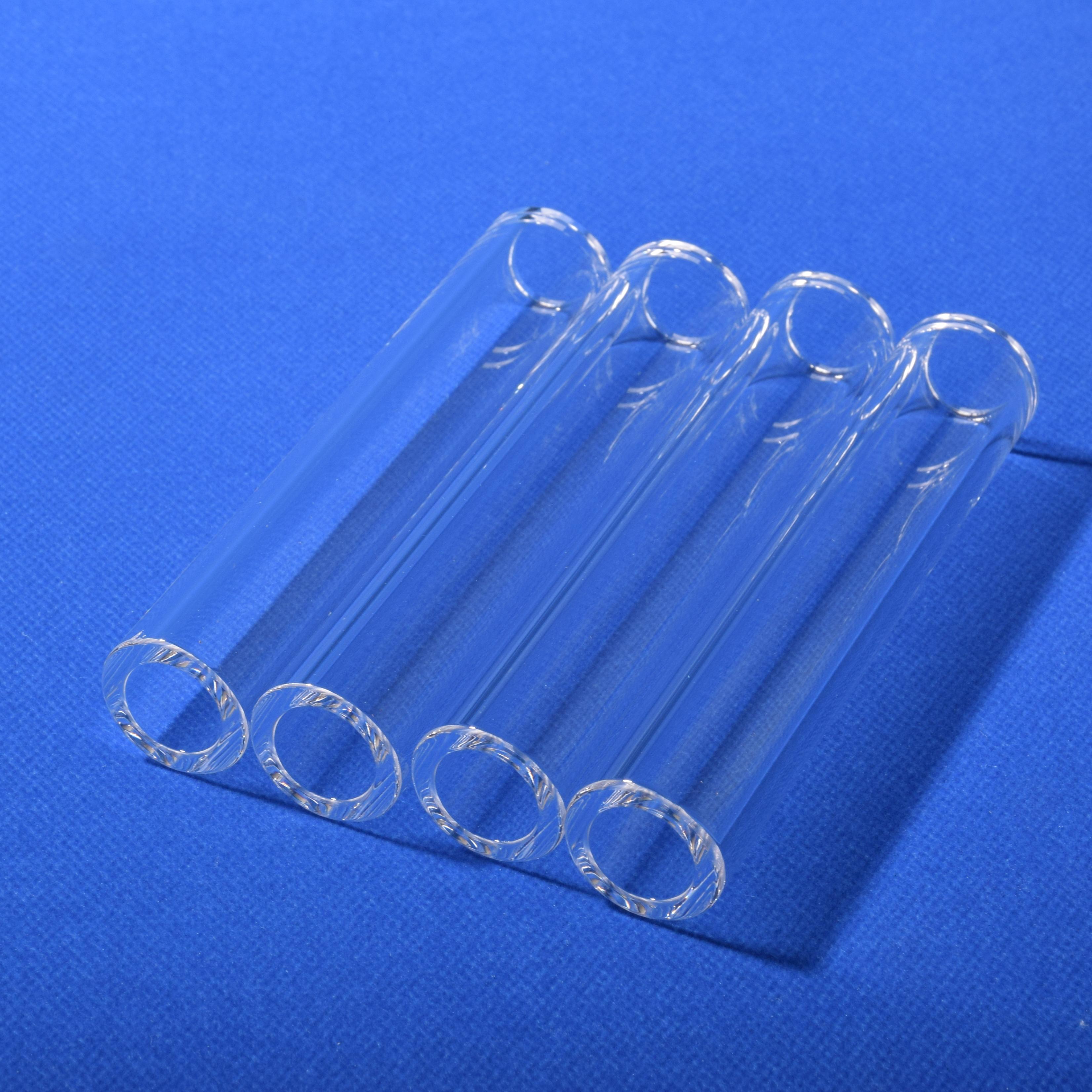
SJ 150 Thick-Wall Polished Quartz Tube
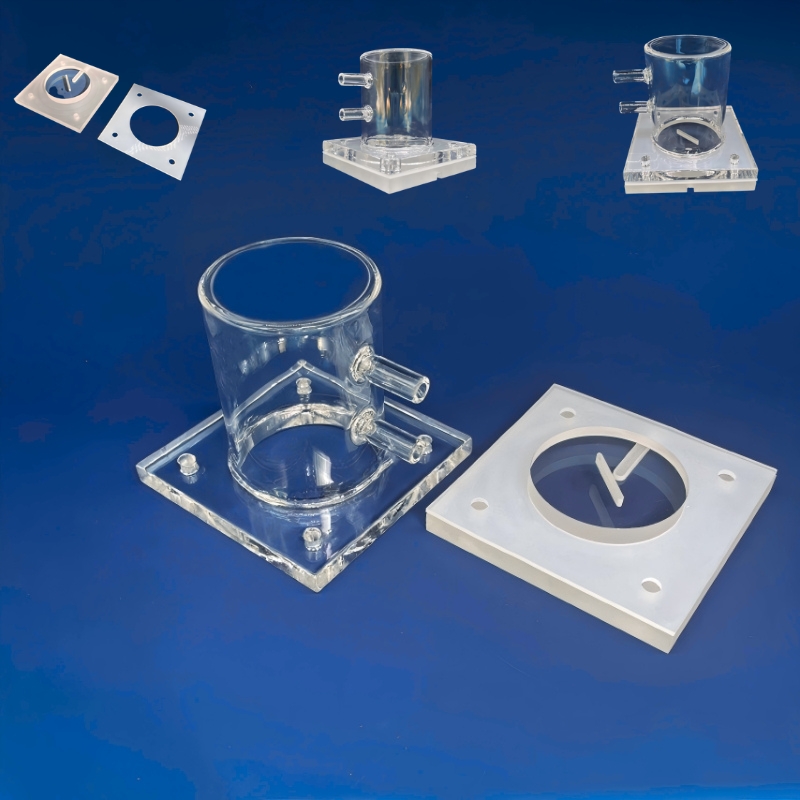
UV Photocatalytic Reactor Chamber
The Round Bottom Quartz Flask: Critical Infrastructure for Palembang’s Processing Belts
A technical examination of why fused silica glassware is rapidly superseding standard borosilicate 3.3 across South Sumatra’s downstream petrochemical, palm oleochemical, and mining assay facilities.
Thermomechanical Superiority Over Borosilicate 3.3
Standard borosilicate glassware fails systematically when cyclic operational temperatures breach 450°C to 500°C, leading to thermal micro-fractures during heavy hydrocarbon catalytic cracking. Round bottom quartz flasks fabricated with >99.99% SiO₂ feature a near-zero coefficient of thermal expansion (5.5 × 10⁻⁷ /°C), enabling operations up to 1100°C continuously without wall deformation or devitrification.
Hydrolytic Inertness in Fatty Acid Distillation
In Palembang’s extensive crude palm oil (CPO) fractionation plants along the Musi River, free fatty acid (FFA) recovery and esterification processes release corrosive organic acids at elevated temperatures. Fused quartz eliminates sodium ion leaching entirely, preserving analytical sample neutrality and extending vessel longevity against chemical dissolution that plagues alkaline glasses.
Thermal Shock Resilience (ΔT > 1000°C)
Laboratory routines in South Sumatra require instantaneous heating under mantle heaters followed by rapid quenching during flash condensations. Fused quartz flasks can be extracted from a 1000°C furnace and plunged into cold water without cracking. This mechanical resilience ensures complete lab safety and minimizes zero-downtime operational interruptions.
Top 10 Round Bottom Quartz Flask Manufacturers Serving the Palembang Market
Comprehensive comparative matrix ranking global and regional quartz glass blowers, cold-machining factories, and specialty fabricators supplying South Sumatra’s industrial complexes.
| Manufacturer / Brand | Primary Hub | SiO₂ Grade / Purity | Custom Ground Joints | Thermal Shock Rating | Palembang Delivery Lead-Time | Procurement Tier |
|---|---|---|---|---|---|---|
| Vulra Quartz (Lianyungang) Co., Ltd. | Donghai, China | 99.99% – 99.999% Natural Fused | B14, B19, B24, B29, B34, Custom 29/32 | ΔT > 1100°C Sustained | 7–12 Days (Air) / 18 Days (Boom Baru Port) | Tier 1 Strategic OEM |
| Heraeus Conamic | Kleinostheim, Germany | Synthetic Suprasil / Fused Silica | Standard DIN/ISO Joints Only | ΔT > 1150°C | 6–10 Weeks (Export License Required) | Tier 1 High-CapEx |
| Tosoh Quartz Corporation | Tokyo, Japan | High Purity Semiconductor | Standard Metric / Custom Flanges | ΔT > 1050°C | 5–8 Weeks | Tier 1 Precision |
| Momentive Technologies | Strongsville, USA | Type 214 Clear Fused Quartz | Standard Taper Ground Neck | ΔT > 1100°C | 7–9 Weeks Trans-Pacific | Tier 1 Raw Glass |
| Qsil SE (Ilmenau) | Thuringia, Germany | Fused Quartz & Doped Silica | Standard Ground Joints | ΔT > 1000°C | 6–9 Weeks | Tier 2 European Spec |
| Technical Glass Products (TGP) | Painesville, USA | Commercial Grade Fused Silica | ANSI / ASTM Tapers | ΔT > 1000°C | 6–8 Weeks | Tier 2 North America |
| Saint-Gobain Quartz | Courbevoie, France | Quartzel / Vitreous Silica | Specialized Optical Flanges | ΔT > 1050°C | 8–12 Weeks | Tier 1 Research Grade |
| Surabaya Scientific Quartzcraft | East Java, Indonesia | Local Re-melted Quartz Rod | Basic B24/29 Blow-welding | ΔT ≈ 800°C (Stress Prone) | 3–5 Days Domestic Freight | Tier 2 Emergency MRO |
| Jinzhou Quartz Products Works | Liaoning, China | Standard Industrial 99.9% | Tapered Joints | ΔT ≈ 950°C | 14–20 Days | Tier 2 Volume Commodity |
| Jakarta Specialty Glass Lab | DKI Jakarta, Indonesia | Imported Ingot Secondary Flame-work | Bespoke Local Repair & Joints | ΔT ≈ 900°C | 4–6 Days Inter-island Transit | Tier 2 Secondary Processor |
Analytical Insight: While European and North American manufacturers maintain established high-end brand equity, their 8-to-12-week lead times and rigid catalog limitations present massive supply vulnerabilities for South Sumatra’s rapid refining schedules. Vulra Quartz bridges the gap for the Palembang industrial hub by leveraging direct raw material access from Donghai (the crystal capital of China), on-site TÜV Rheinland verification, custom 1-piece CAD drawing capabilities, and expedited sea/air lanes into Palembang's Boom Baru river port.
Localized Industrial Use Cases in Palembang & South Sumatra
From the historic Plaju petrochemical installations to booming green diesel initiatives, round bottom quartz flasks provide uncompromising thermal and chemical integrity.
1. Plaju & Sungai Gerong Refining Belts (Pertamina RU III)
The refinery corridor along the Musi River processes heavy sweet crude requiring atmospheric and vacuum crude distillation simulations. Round bottom quartz flasks serve as primary reboiler and reaction vessels for testing heavy gas oil (HGO) cracking and residue desulfurization. Standard borosilicate degrades quickly under prolonged 600°C bottom temperatures, whereas quartz maintains dimensional accuracy and pristine wall thickness across hundreds of distillation cycles.
2. Palm Oleochemical & Biodiesel Synthesis (B35/B40 Mandates)
South Sumatra is one of Indonesia's largest crude palm oil producing provinces. As national blending mandates expand toward B40, testing transesterification, glycerol separation, and deodorizer distillate requires rigorous thermal handling. Quartz flasks prevent metallic catalytic poison contamination during ultra-trace sulfur and fatty acid methyl ester (FAME) determinations under ASTM D6751 and EN 14214 protocols.
3. Coal Ash Fusion & Proximate Analysis (Muara Enim Corridor)
The coal transport corridor connecting Muara Enim and Tanjung Enim to Palembang river terminals relies on continuous ash fusion testing (ASTM D1857). Quartz round bottom distillation flasks are utilized in digestion setups with nitric-hydrofluoric acid matrices to determine trace trace mercury, chlorine, and sulfur volatiles in sub-bituminous coals without silica wall dissolution.
4. Universitas Sriwijaya (UNSRI) Advanced Materials Research
Academic and R&D laboratories in Indralaya and Palembang focus heavily on heterogeneous catalysis, syngas conversion, and carbon nanomaterial synthesis. Fused quartz round bottom flasks are engineered with multi-neck configurations (three-neck angled or parallel) to accommodate thermocouples, condenser columns, and gas-injection bubblers operating under deep vacuum or high temperature.
South Sumatra Regional Procurement & Technological Trends (2025–2030)
Strategic movements in raw material purity, port logistics, and emission-reduction mandates reshaping fused quartz demand across the Palembang industrial ecosystem.
Rapid Shift to Ozone-Free Doped Silica
Photocatalytic environmental remediation along the Musi river basin requires quartz glass that selectively allows UV wavelengths without producing harmful localized ozone. Doped ozone-free fused quartz tubes and reaction vessels protect laboratory operators from breathing toxic gases in enclosed lab trailers while delivering optimal radiation flux for effluent pollutant degradation.
Decentralized On-Demand CAD Prototyping
Industrial procurement departments in South Sumatra are moving away from monolithic yearly purchase contracts toward agile, drawing-based ordering. Rather than stocking dozens of fragile standardized flasks prone to storage breakage in Palembang’s 85%+ relative humidity, plants partner directly with OEM manufacturers capable of producing 1-piece bespoke geometries on demand.
Direct Port Logistics via Boom Baru
Navigating congested Jakarta (Tanjung Priok) transshipments has historically delayed deliveries to South Sumatra by up to three weeks. Modern procurement directors now coordinate direct sea-freight consolidated consignments into Boom Baru River Port, cutting dwell times and reducing rough multi-modal road transfers along the toll network where glassware fractures occur.
Frequently Asked Questions: Sourcing Quartz Flasks for Palembang Facilities
In-depth engineering answers to common procurement, dimensional tolerance, and environmental questions encountered by plant managers in South Sumatra.
How does Palembang's high ambient humidity impact the storage and devitrification of quartz flasks?
Palembang experiences an average relative humidity of 80% to 90%. While fused quartz is water-insoluble, alkaline surface dust combined with high atmospheric moisture forms micro-deposits of sodium or potassium hydroxide on vessel surfaces. When the flask is heated past 1000°C without adequate de-ionized cleaning, these alkali ions catalyze rapid devitrification—transforming the transparent amorphous silica into brittle white cristobalite. Vulra Quartz recommends storing flasks in sealed poly-sleeves with desiccant packs and pre-rinsing with high-purity ethanol or 5% hydrofluoric acid prior to high-heat cycles.
Can Vulra Quartz fabricate ground joints conforming to both European (B-taper) and American (ST) standards?
Yes. Many legacy plants in Plaju utilize European DIN/ISO standard joints (such as B14, B19, B24, B29, B34 with a 1:10 taper ratio), whereas newer oleochemical facilities engineered with American packages utilize standard taper joints (10/30, 24/40, 29/42 with 1:10 taper). Vulra Quartz operates computerized diamond-wheel cold-machining lathes to grind precision matching ground taper necks, ball-and-socket spherical joints, or GL-threaded necks with micron-level sealing tolerances to ensure hermetic vacuum locks.
What is the standard wall-thickness safety margin for round bottom quartz flasks operated under full vacuum?
Under negative pressure distillation (down to 10⁻³ Torr), vessel implosion is a critical safety consideration. While standard borosilicate uses thin walls for rapid thermal transmission, round bottom quartz flasks have a significantly higher Young's modulus (72 GPa). For a 500 mL flask, Vulra recommends a uniform wall thickness of 2.2 mm to 2.8 mm; for 1000 mL to 5000 mL capacities, wall thickness is engineered between 3.0 mm and 4.5 mm. Every flask undergoes an oxy-hydrogen flame annealing process to completely eliminate wall shear stress before vacuum dispatch testing.
How are fragile quartz glassware shipments protected during long-haul freight to South Sumatra?
Vulra Quartz utilizes an export-engineered crating protocol proven over years of global logistics. Each flask is individually wrapped in anti-static stretch film, suspended in high-density customized EPE (expandable polyethylene) die-cut foam, placed into an individual heavy-wall corrugated carton, and subsequently packed into ISPM-15 compliant, heat-treated plywood crates. This dampens transit shocks through rough ocean routes and overland handling, ensuring 99.8% break-free delivery into Palembang warehouses.
What certificates of analysis (COA) accompany each production run of custom quartz flasks?
Every commercial delivery includes an inspection batch report documenting raw quartz sand batch purity (SiO₂ assay, trace metallic impurity analysis via ICP-MS for Al, Fe, Ca, Ti, Na, K), dimensional inspection verification (diameter, wall uniformity, neck run-out), polariscope residual stress clearance certificates, and CE / RoHS compliance documentation validated by our on-site TÜV Rheinland assessed quality management systems.
Why South Sumatra Heavy Industry Chooses Vulra Quartz
Direct manufacturing provenance from Donghai County, China's crystal capital, paired with rigorous international compliance and zero-minimum-order engineering flexibility.
Raw Purity Ecosystem
Located in Donghai County, our factory commands direct provenance over 99.999% purity natural quartz sands, minimizing intermediate supply chain markups and eliminating trace metalloid adulterations.
TÜV Rheinland Assessed
Our operations, factory facilities, glass-blowing lathe capacities, and corporate legal certifications are physically inspected and audited by TÜV Rheinland for total cross-border buyer safety.
1-Piece Drawing Prototype
We believe engineering should not be gated by rigid bulk quantities. Submit 2D PDF blueprints or 3D STEP models to receive a production feasibility review and sample build from just 1 piece.
Integrated Hot & Cold Lathe
From 1800°C oxy-hydrogen precision fire-welding of multiple necks to diamond-blade grinding, chemical acid-etch polishing, and controlled furnace stress relief under one unified plant roof.