Custom High Purity Quartz C-shaped Small BET Tube
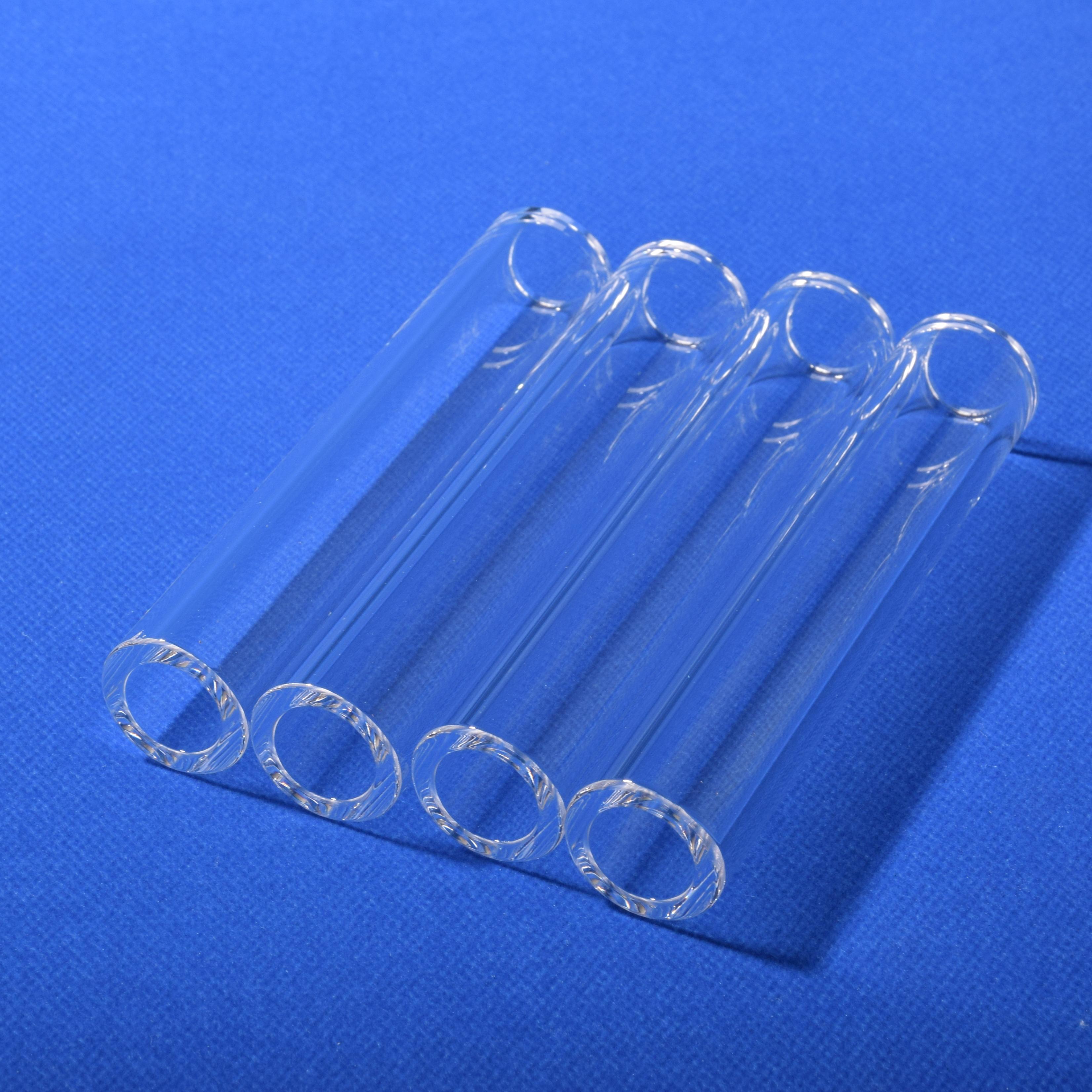
Precision C-shaped analytical quartz tube with flame-polished edges. Designed for BET surface area analysis of crushed basalt and synthetic zeolites at 1100°C.
Manufactured from ultra-pure natural crystal sand (SiO₂ ≥ 99.999%). Engineered with thermal shock resilience up to 1450°C to withstand rigorous elemental analysis, high-temperature calcination, and sub-polar laboratory thermal cycling.
Precision C-shaped analytical quartz tube with flame-polished edges. Designed for BET surface area analysis of crushed basalt and synthetic zeolites at 1100°C.
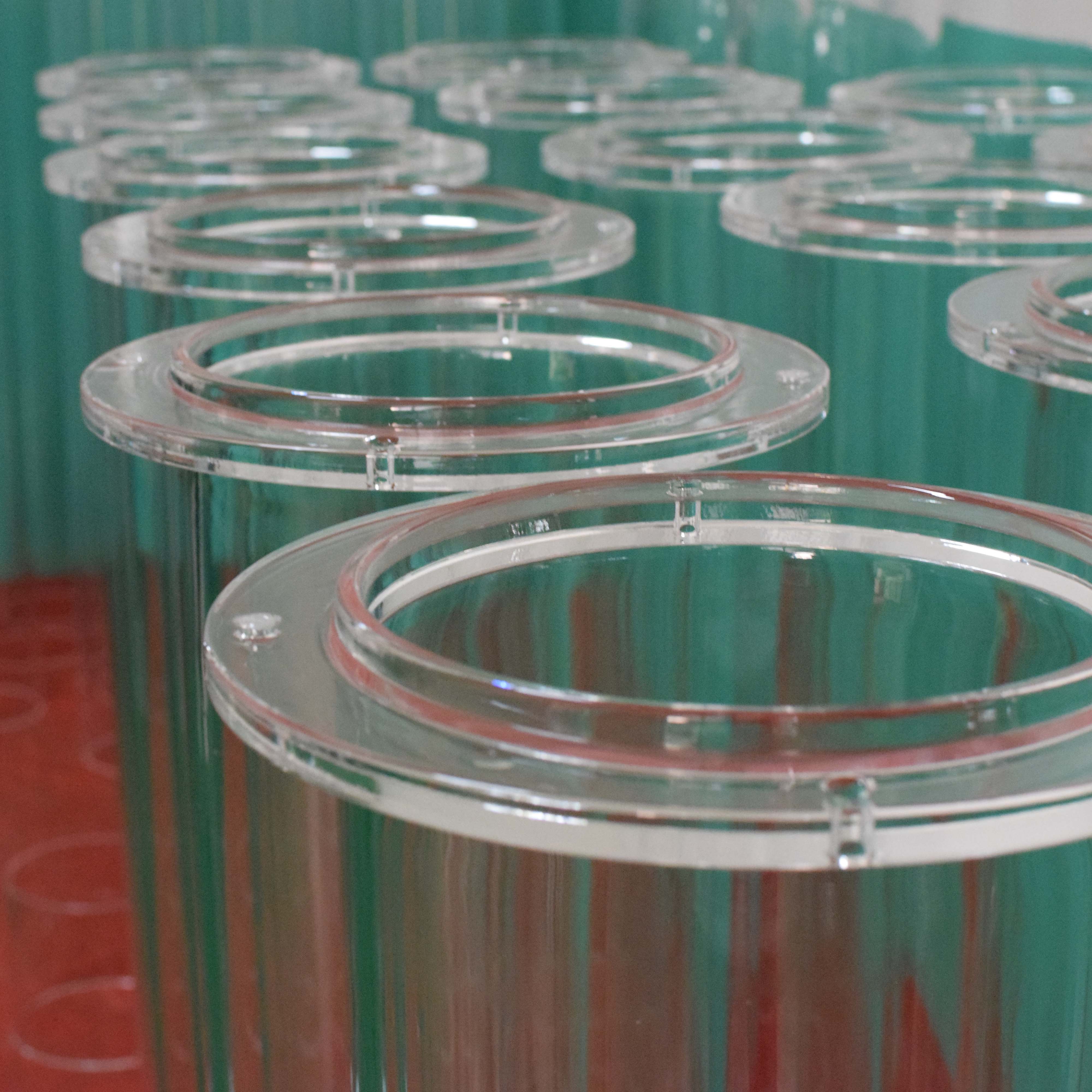
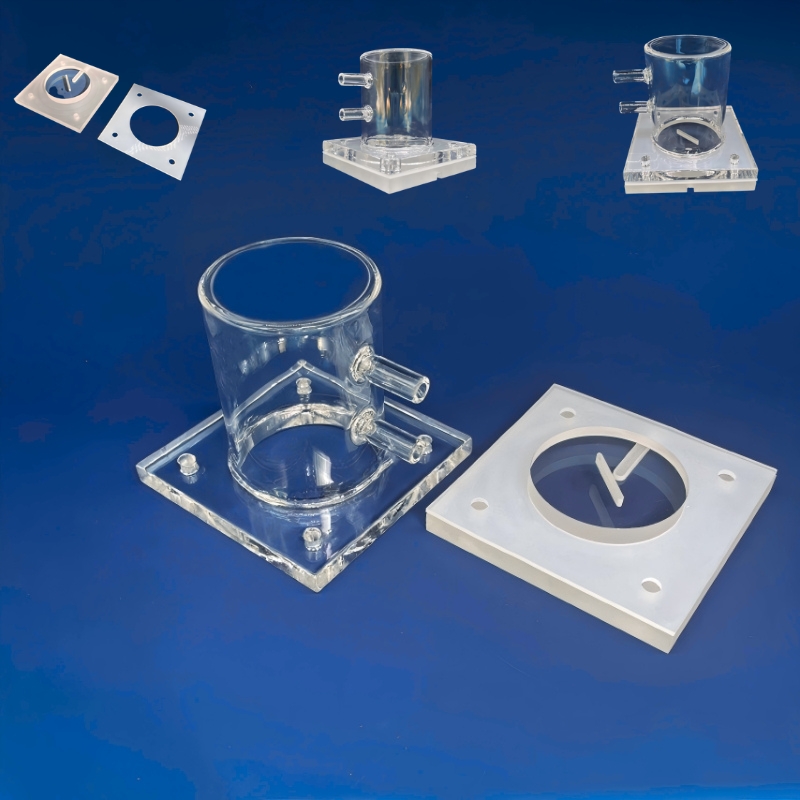
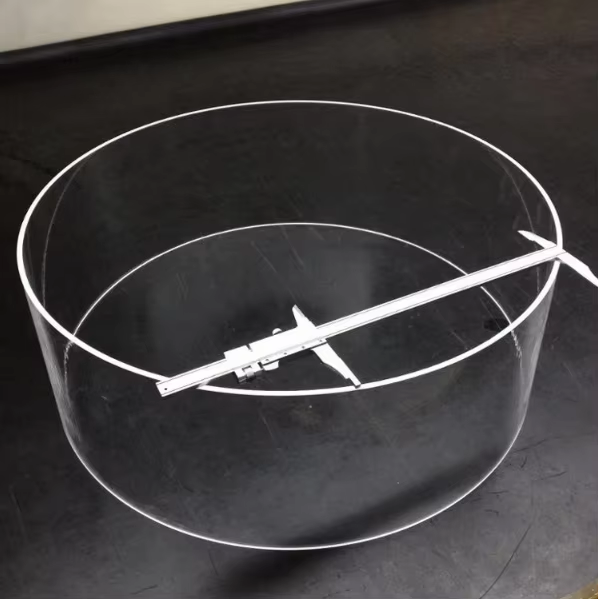
Heavy-duty fused quartz re-feeder flange container. Zero bubbling, optically polished interface for sealed muffle tube atmospheric calcination.
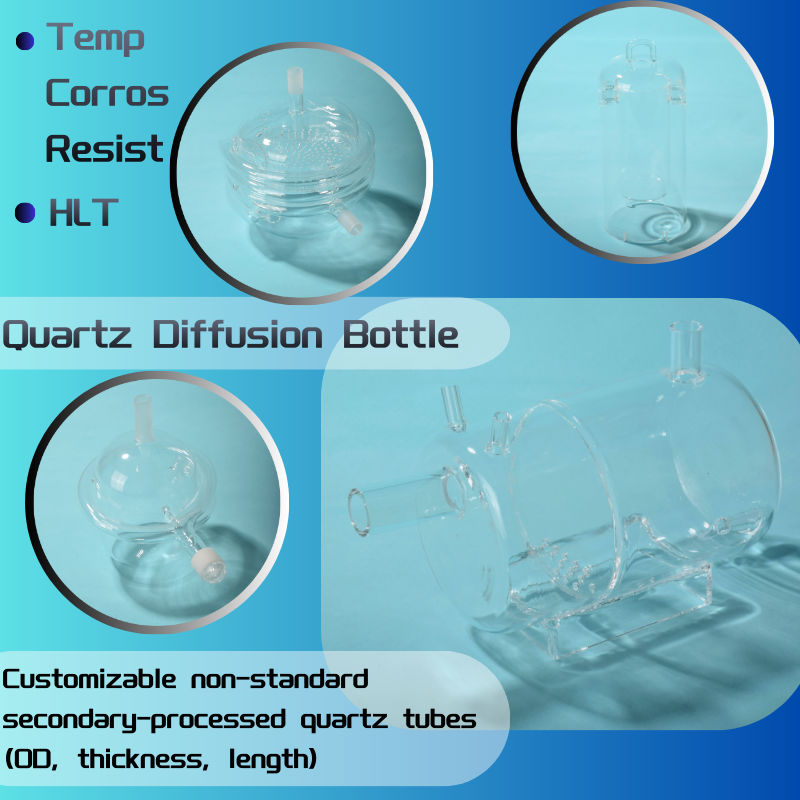
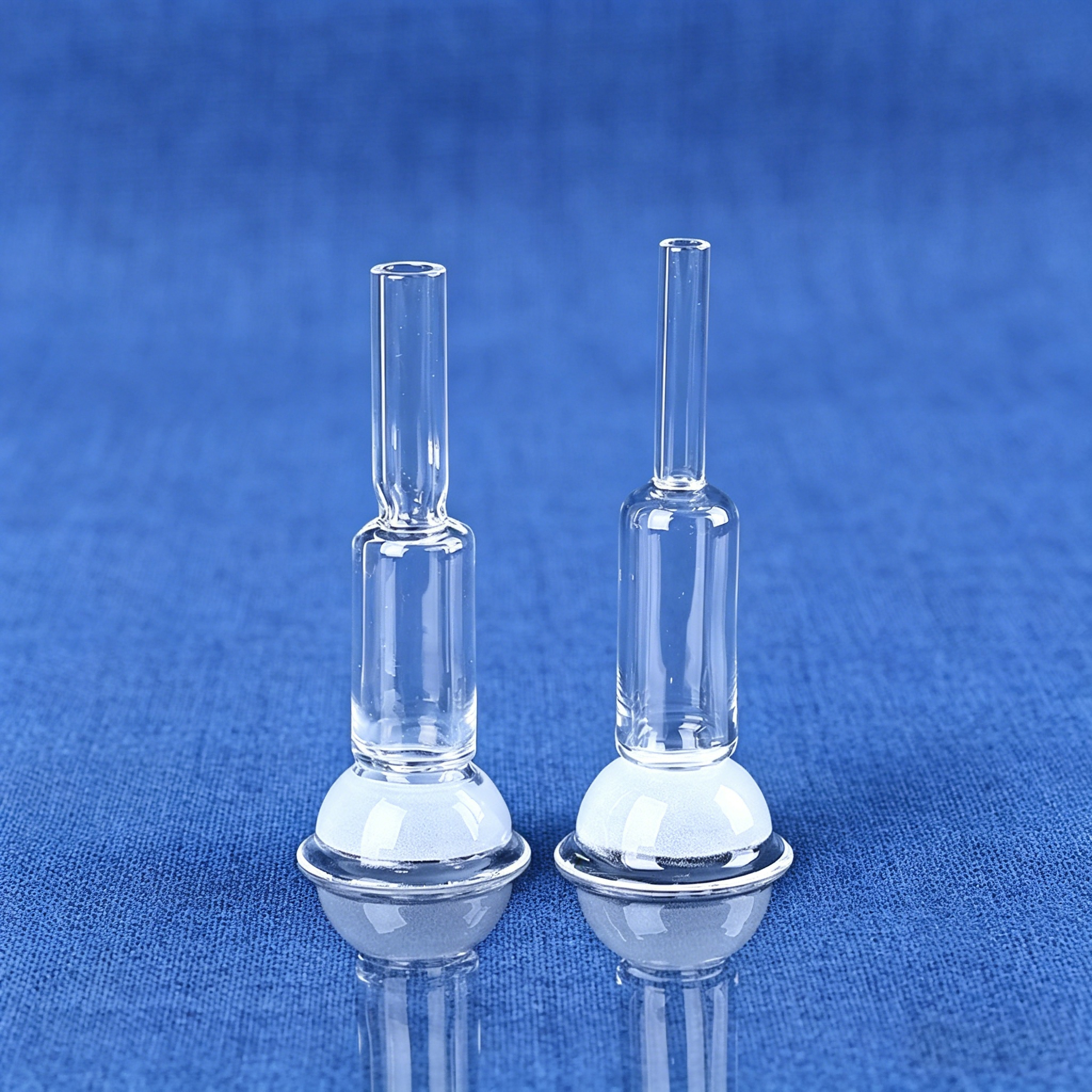
Integrated quartz condenser, separatory funnel, and acid digestion collector. Impervious to boiling aqua regia and perchloric vapors during sample preparation.
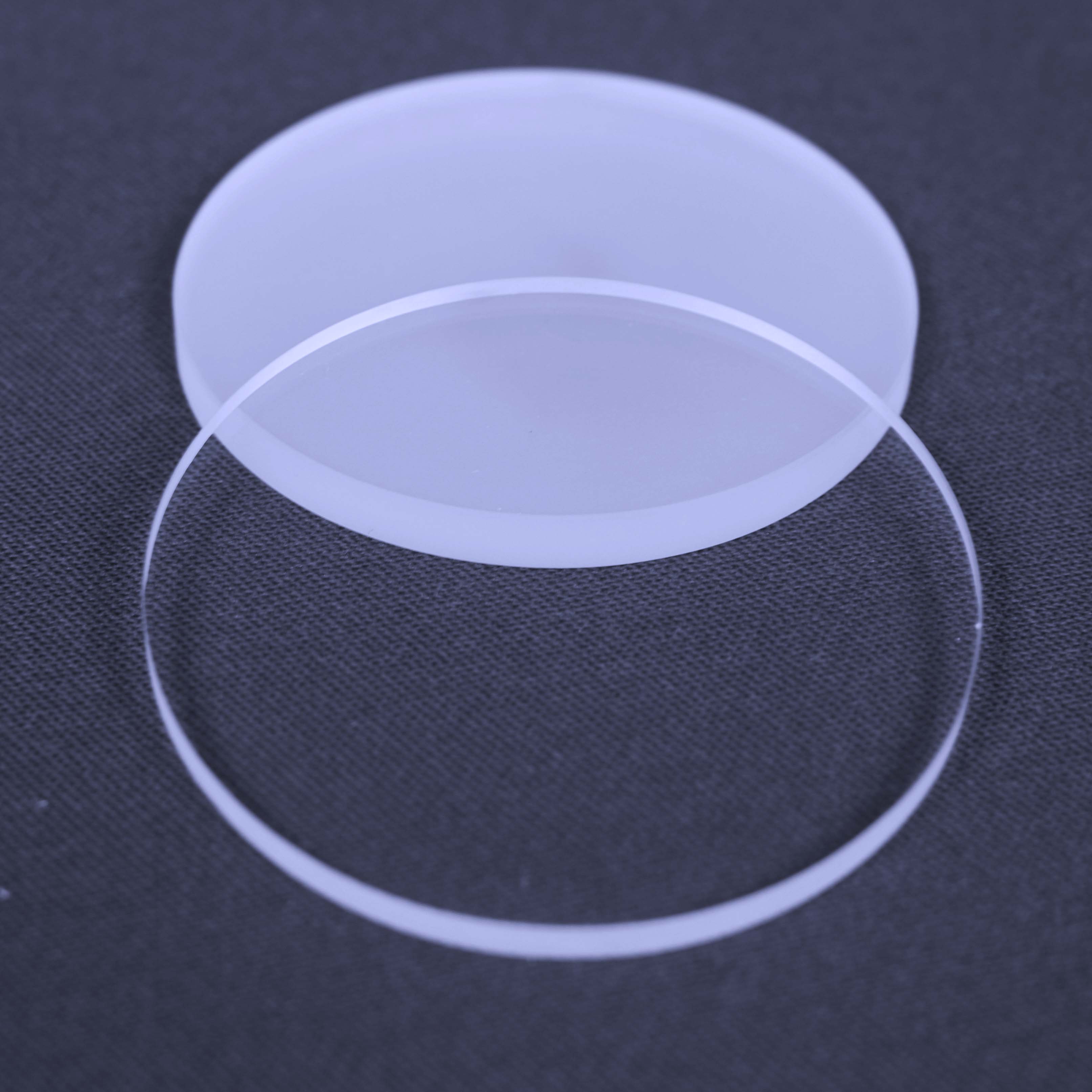
Ultra-flat optical quartz plate for volcanic tephra and geothermal scale X-ray diffraction analysis. Eliminates background scattering across broad 2-theta angles.
High deep-UV transmission vessel for hydrogen evolution and green e-fuel synthesis testing. Chemically synthesized for optimal photon penetration below 254nm.
Integrated 400-mesh fused silica porous disc for simultaneous filtration and gravimetric ignition of particulate matter from geothermal brines and exhaust gas scrubbers.
Heavy-wall quartz combustion pipe for tube-furnace Loss-on-Ignition (LOI) runs. Flame-bent and annealed to eradicate internal stresses up to 1250°C.
Ultra-thick wall translucent fused silica basin. Formulated to resist aggressive devitrification when ashing samples rich in alkali metal flux and molten salts.
Why volcanic geology, carbon capture mineralization, and high-amperage metallurgy make Iceland one of the world's most demanding testbeds for analytical fused quartz vessels.
Iceland presents an analytically rigorous environment for gravimetric high-temperature chemistry. Characterized by active volcanic rifting, vast geothermal energy complexes, large-scale primary aluminum smelters, and cutting-edge carbon mineralization initiatives such as Carbfix, testing laboratories throughout the island require thermal labware that exceeds standard ISO and ASTM parameters. Analytical accuracy in quantitative ashing, loss-on-ignition (LOI) testing, and trace metal determination hinges decisively on the chemical inertness and structural resilience of the sample container.
In standard elemental and petrological workflows, ashing dishes are exposed to aggressive thermal shock regimes. Vessels loaded at room temperature are introduced into pre-heated muffle furnaces operating between 950°C and 1150°C, frequently followed by immediate quenching or desiccator cooling. Under these conditions, conventional porcelain crucibles suffer microscopic micro-fracturing and glazes soften, resulting in sample retention and tare weight drift. Platinum crucibles, while thermally stable, present prohibitive capital expense and are highly susceptible to catalytic poisoning from sulfur, arsenic, and bismuth commonly concentrated in Icelandic geothermal precipitates.
Furthermore, the environmental geography of Iceland—operating research stations across Reykjavik, Akureyri, Reykjanes, and the remote Eastfjords—demands supply chain dependability. Brittle laboratory vessels shipped across North Atlantic freight lanes require engineered structural integrity, stress-relieved fusion welds, and specialized shockproof export packaging that guarantees zero-defect arrival at Keflavík or the Port of Reykjavik.
| Material Category | Max Continuous Service | Thermal Shock Resistance | Chemical Inertness (Acid Digestion) | Trace Element Background | Unit Cost & Reusability |
|---|---|---|---|---|---|
| High-Purity Fused Quartz (Vulra) | 1100°C (Peaks at 1450°C) | Exceptional (ΔT > 1000°C Quench Safe) | Resistant to all acids except HF | <10-20 ppm Total Impurities | Moderate / High Reusability |
| Technical Porcelain | 1050°C | Moderate (Prone to thermal cracking) | Glaze degrades in hot mineral acids | Al, Fe, K, Na Bleeding (>500 ppm) | Low / Short Lifespan |
| Sintered Alumina (Al₂O₃) | 1600°C | Poor (Requires slow ramp-up rates) | High resistance to neutral fluxes | Aluminum contamination interference | High / Prone to thermal shock failure |
| Platinum-Gold Alloy (95/5) | 1300°C | Outstanding | Vulnerable to S, As, Bi, and reducing gases | Negligible (Noble metal) | Extremely High / Risk of theft & poisoning |
A rigorous evaluation of global manufacturers supplying the Icelandic analytical chemistry, geothermal engineering, and metallurgy sectors.
Directly situated in the world-renowned Donghai crystal hub, Vulra Quartz is a vertically integrated manufacturing powerhouse. Specializing in high-purity natural fused quartz ashing dishes, circular basins, and rectangular combustion boats (99.99%–99.999% SiO₂), Vulra provides Iceland's testing laboratories with drawing-based customization starting from a flexible 1-piece minimum order quantity. Full flame-working, CNC grinding, and controlled vacuum annealing eliminate internal stresses, ensuring superior longevity in high-frequency thermal cycling.
A world leader in high-purity fused silica for semiconductor and optical infrastructure. Heraeus produces premium laboratory-grade crucibles and dishes characterized by exceptional transmission and minimal bubble content. While quality is uncompromising, high baseline prices and extended European distribution lead times frequently drive Icelandic research centers toward responsive custom OEMs.
Renowned for heavy industrial quartz components and semiconductor furnace hardware. Momentive provides quartz materials engineered to withstand severe devitrification under long-duration exposure above 1150°C. Their standard laboratory ware catalog is extensive but primarily caters to bulk industrial procurement contracts.
Known globally for the Quartzel® fiber brand and specialty fused silica parts, Saint-Gobain delivers high-temperature laboratory hardware tailored for advanced aerospace and nuclear chemistry, offering outstanding chemical tolerance for academic petrology labs in Iceland.
Positioned geographically close to North Atlantic shipping channels, Quartztec Europe fabricates custom quartz glassware for academic and semiconductor clients across the UK and Nordic region. Their capabilities encompass torch-welded lab dishes, reactor tubes, and specialized observation flanges.
TGP provides precision-machined fused quartz apparatus, including flat-bottom ashing dishes, watch glasses, and furnace crucibles. Their stringent dimensional tolerance controls make their dishes ideal for robotic automated autosampler systems utilized in modern Nordic laboratories.
A specialist manufacturer dedicated to refractory crucibles and ashing vessels in alumina, zirconia, and fused silica. Their fused quartz dish product line is engineered specifically for thermal analysis, differential scanning calorimetry (DSC), and high-temperature Loss on Ignition (LOI) testing.
A trusted household name in synthetic chemistry and life science glassware. Chemglass offers a robust portfolio of standard fused quartz evaporating and ashing dishes with spout pours, favored by university laboratories in Reykjavik for teaching and standard academic research.
Operating as the primary supply aggregator for Icelandic hospital laboratories, municipal water boards, and educational bodies, Avantor provides access to multi-brand quartzware via local distribution framework agreements, offering dependable customs clearing at the expense of higher retail distribution margins.
Thermo Fisher delivers integrated analytical workflows, pairing ICP-OES and XRF spectrometers with matched fused quartz sample digestion and ashing vessels. While their quartzware guarantees flawless instrument fitment, procurement costs are high, leading institutional buyers to seek direct factory alternatives for routine consumables.
How fused quartz ashing dishes solve complex thermal and chemical challenges across Iceland’s unique natural and industrial sectors.
In Iceland's landmark CO₂ storage facilities, crushed basaltic drill cores are calcined in wide-form quartz dishes at 1050°C to quantify carbonate mineralization efficiency via Loss on Ignition (LOI), without silica leaching or mass tare errors.
High-temperature geothermal power plants (Hellisheiði, Reykjanes) utilize quartz ashing vessels for gravimetric total dissolved solids (TDS) and silica scaling tests. The dishes withstand hot geothermal steam, sulfide fumes, and high chloride brines.
Smelters across Straumsvík, Grundartangi, and Reyðarfjörður rely on quartz dishes to determine moisture, volatiles, and ash content in calcined petroleum coke and pitch binders, enduring corrosive fluoride bath vapors at 950°C.
During rifting events along the Reykjanes Peninsula and Katla, geologists perform rapid whole-rock ashing of fresh volcanic tephra. Fused quartz dishes provide the thermal stability necessary to prepare glassy basaltic ash for fused-bead XRF spectroscopy.
Anticipating the technological transitions reshaping laboratory equipment requirements over the next decade.
The Krafla Magma Testbed (KMTC) and deep geothermal exploration require laboratory vessels capable of reproducing extreme pressures and temperatures beyond 1200°C for deep magma-fluid interaction testing.
With massive DAC facilities (such as Climeworks' Mammoth plant) commissioning in Hellisheiði, demand for high-throughput thermal ashing vessels to evaluate synthetic sorbent aging and degradation is accelerating.
Pilot projects recovering lithium, high-purity silica, and zinc directly from geothermal brine effluents necessitate ultra-pure quartz analytical labware with zero heavy-metal leaching profiles.
Iceland's circular bio-economy (extracting medical-grade marine collagen and high-purity lipids from seafood processing) utilizes quartz combustion dishes for trace organic nitrogen and mineral ash verification.
Direct from China's quartz capital to the Arctic North Atlantic: uncompromised material purity, verified engineering, and dedicated export logistics.
Headquartered in Donghai, Jiangsu, we control direct access to premium natural quartz crystal deposits, guaranteeing raw SiO₂ purity from 99.99% to 99.999% with exceptionally low alkaline and iron impurities.
Our manufacturing facility, thermal lathes, and cold-machining workshops are authenticated on-site by TÜV Rheinland. Our quartzware strictly complies with CE and RoHS safety and purity standards.
We believe research demands flexibility. Icelandic engineers can order bespoke custom-shaped ashing dishes, slotted trays, or combustion boats tailored to specific furnace internal dimensions starting from just a single piece.
Every piece is individually wrapped in clean-room protective film, isolated with customized high-density foam compartments, and encased in reinforced export plywood crates, ensuring safe transit to Reykjavik and Akureyri.
Practical guidance addressing logistics, technical thresholds, and compliance for lab directors sourcing quartzware in Iceland.
Platinum crucibles readily react with and become embrittled by sulfur, sulfides, arsenic, and heavy metals prevalent in Icelandic geothermal brines and volcanic rocks. Furthermore, high-purity fused quartz costs up to 95% less than platinum, eliminating capital lockup while ensuring virtually identical chemical neutrality during non-fluoride acid digestions.
Our quartz vessels operate continuously at 1100°C and can withstand short-duration exposure up to 1450°C. Devitrification (the transition from amorphous silica to crystalline cristobalite) begins above 1150°C. Keeping dish surfaces completely free from fingerprint oils and alkaline salt residues dramatically retards this surface crystallization process.
Iceland was the first European country to sign a comprehensive Free Trade Agreement with China. Under the ISFTA, high-purity scientific quartz glass products qualify for preferential zero-tariff or reduced duty customs entry into Iceland. We supply standard Certificates of Origin (Form E/ISFTA) along with complete commercial invoices and packing lists for swift customs processing.
For urgent analytical requirements and research prototype batches, air freight via DHL, FedEx, or dedicated air forwarders delivers directly to Keflavík (KEF) within 5–8 business days. For consolidated bulk recurring shipments supporting continuous smelting and geothermal operations, ocean freight to Reykjavik via Eimskip/Samskip takes approximately 30–38 days.
Yes. Many Nordic laboratories operate standard box chamber furnaces with strict hearth dimensions. Our cold-cutting and flame-working facilities can fabricate shallow, stackable, or rectangular quartz ashing dishes engineered to maximize hearth surface loading while maintaining uniform sample bed air exposure.
We recommend soaking vessels in a warm 10% hydrochloric acid (HCl) or 15% nitric acid (HNO₃) bath to strip carbonate and iron deposits, followed by extensive rinsing in 18.2 MΩ·cm deionized water. Avoid using hydrofluoric acid (HF) or aggressive alkaline cleaning solutions, which degrade the optical surface finish.