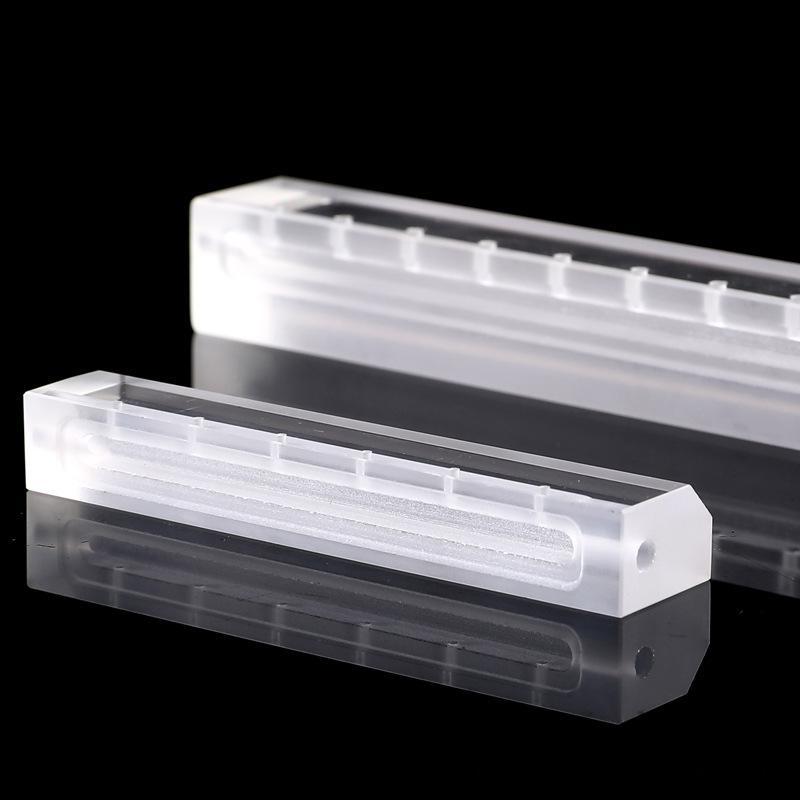
Catalog Overview
High-Purity Quartz Wafer Carriers & Engineered Laboratory Hardware
Engineered to withstand rigorous corrosive gases, thermal cycles up to 1100°C, and precision substrate handling standards in microelectronics, cleanrooms, and chemical pilot lines.
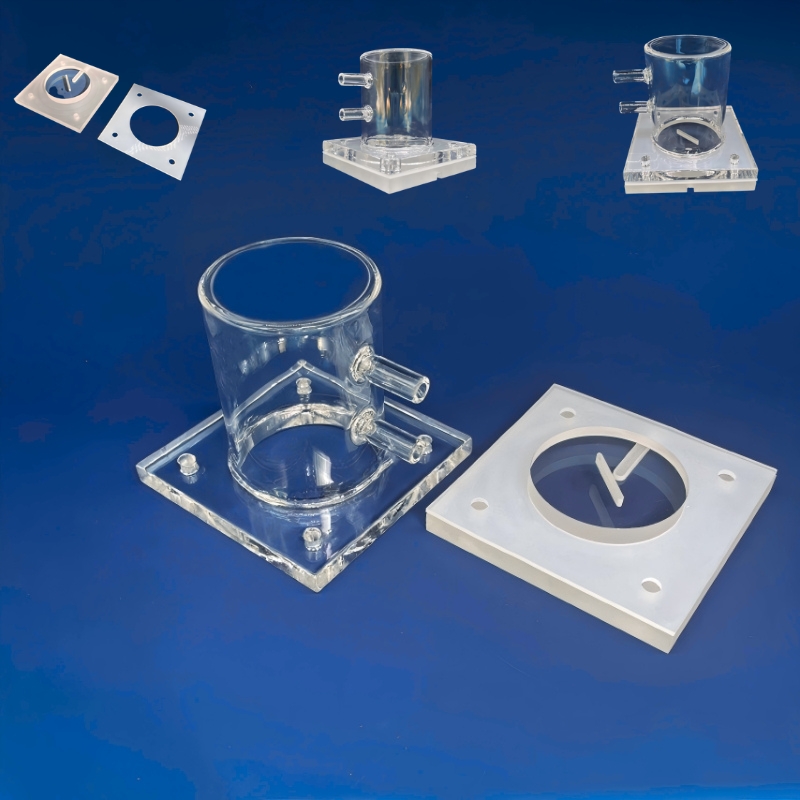
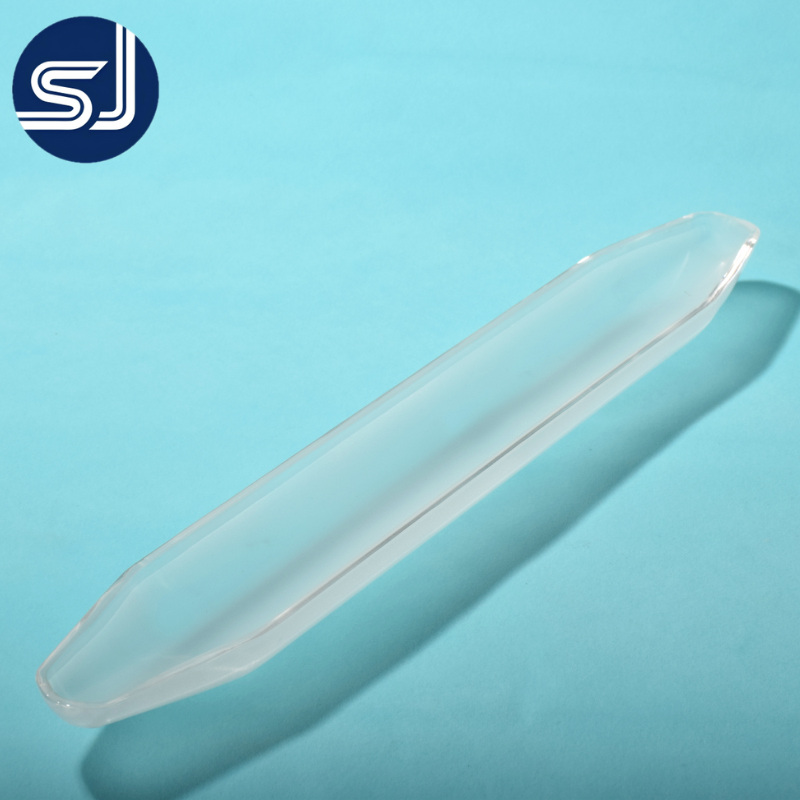
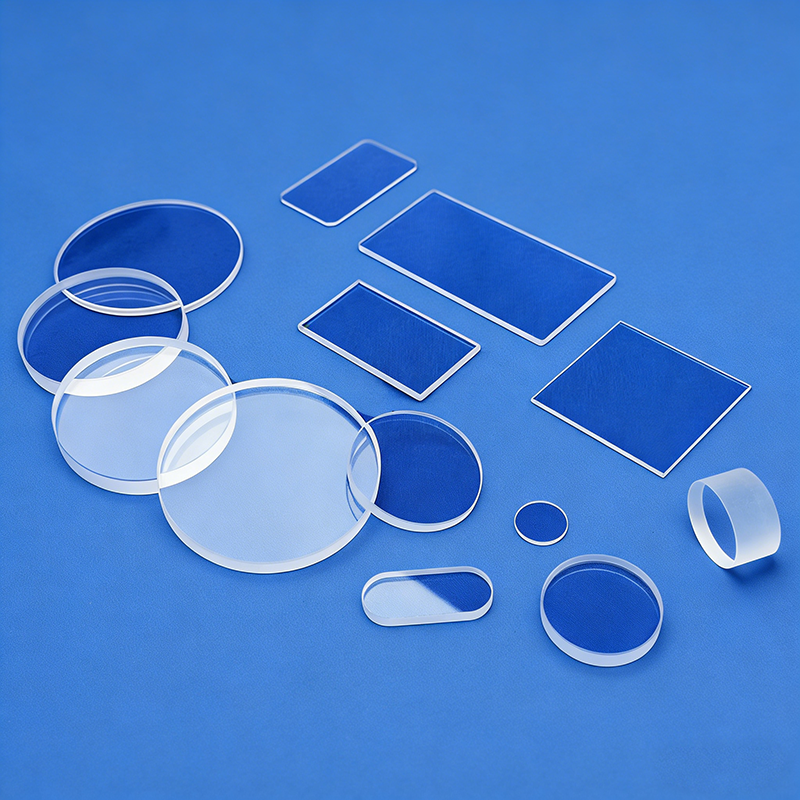
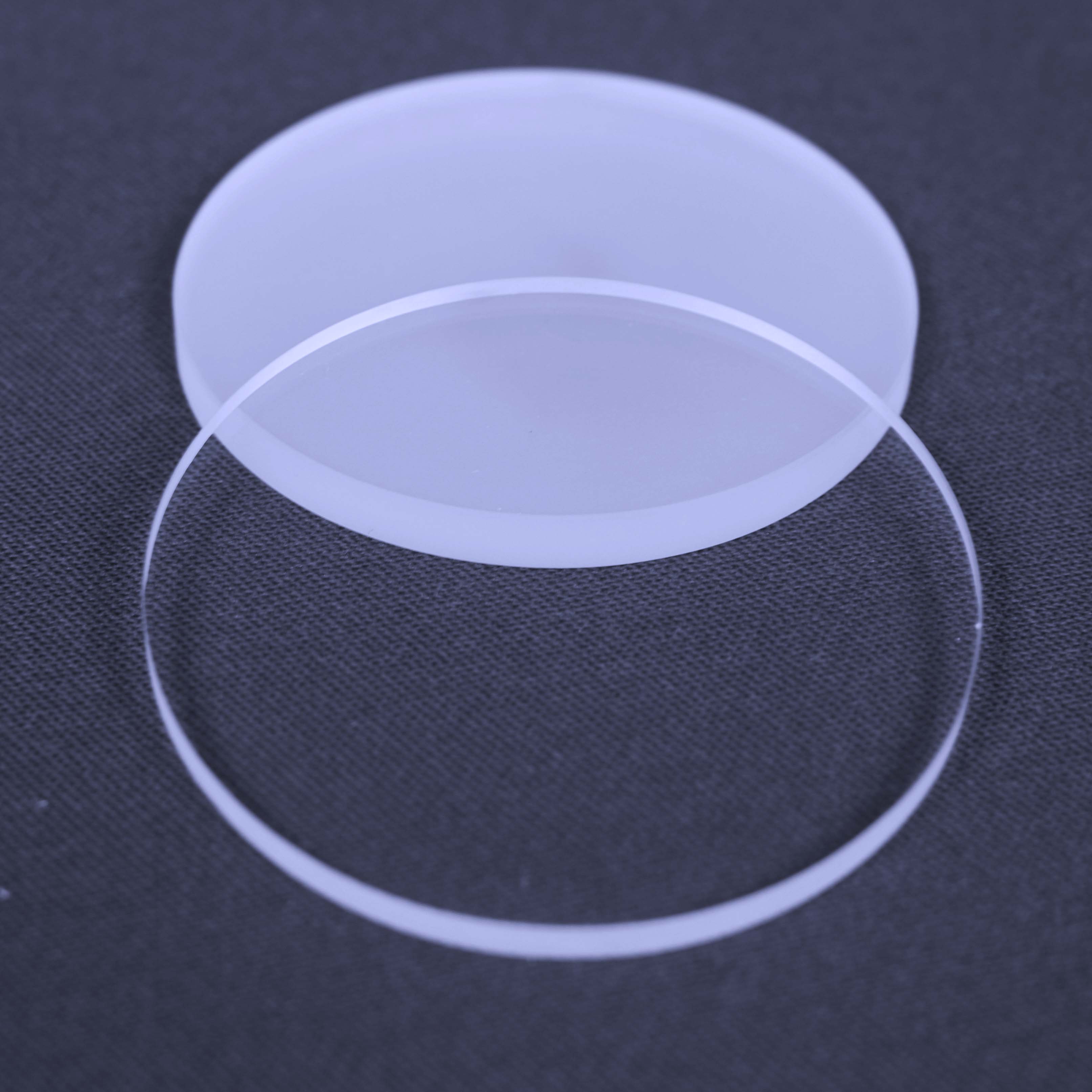
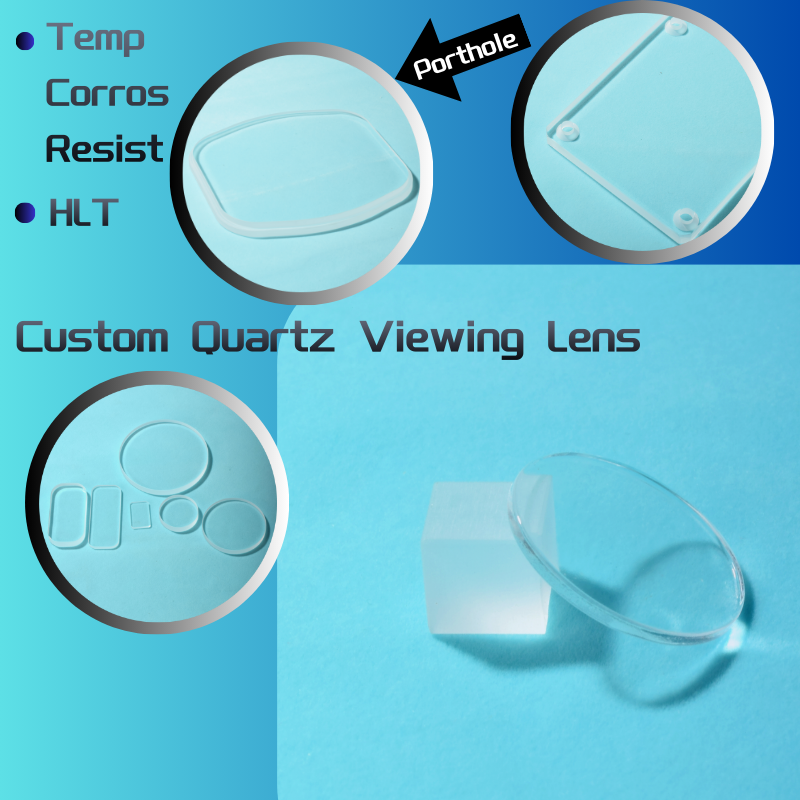
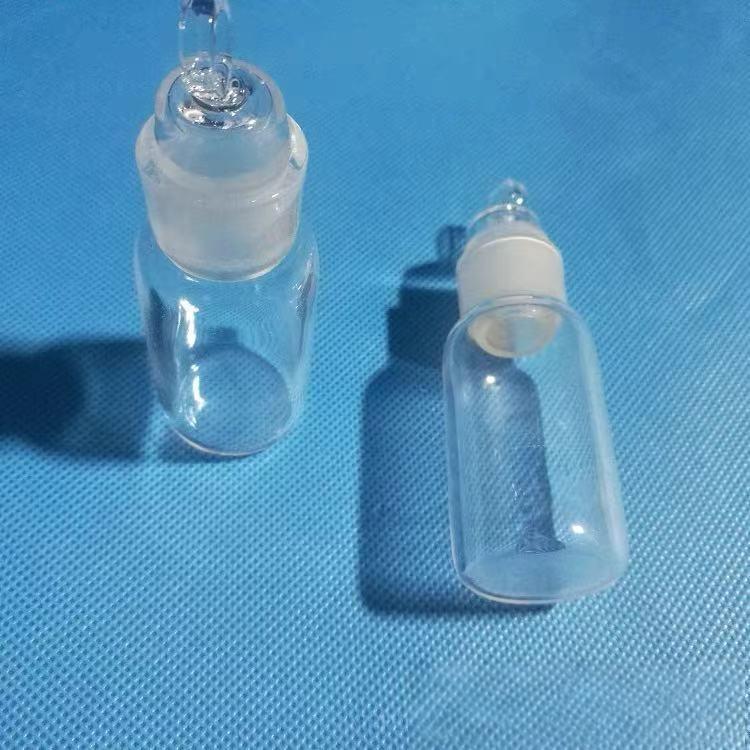
Acid Resistant
Semiconductor 400M
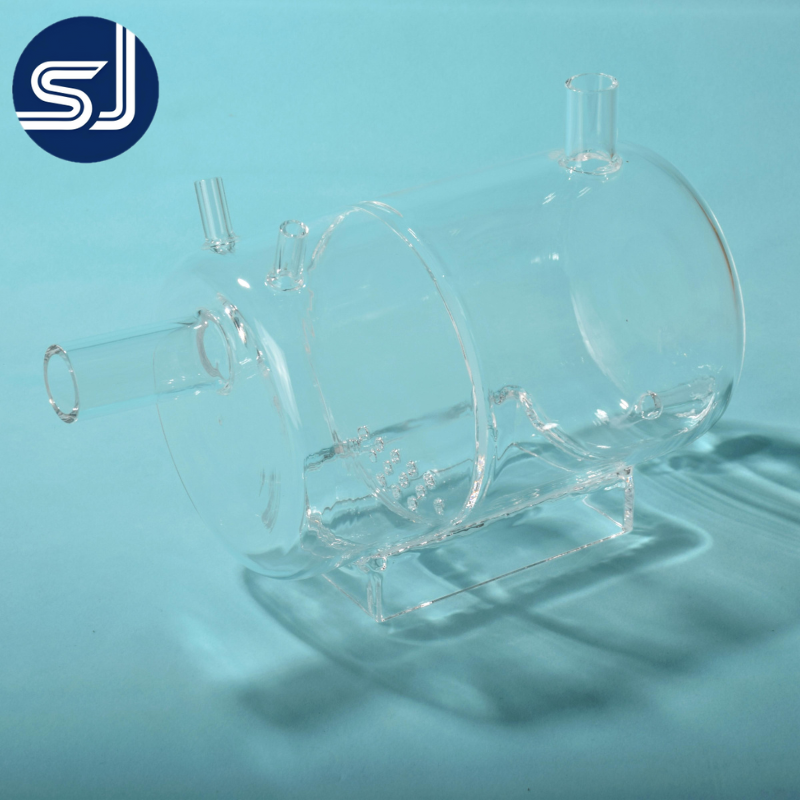
Thermal Shock Proof
Gas Fluidics
Technical Architecture
High-Purity Quartz Wafer Carriers in Strasbourg’s High-Tech & Research Ecosystem
A comprehensive examination of quartzware material properties, precision machining, slot geometry, and the thermodynamic requirements of advanced Alsace-based cleanroom production lines.
In modern microfabrication, photovoltaic epitaxy, and cutting-edge biophotonic device fabrication, the choice of material handling vessels determines baseline contamination thresholds and overall wafer yields. As cleanrooms across the Eurometropolis of Strasbourg, the Parc d'Innovation d'Illkirch, and the surrounding Grand Est / Upper Rhine trinational technology corridor transition toward tighter sub-micron geometries and elevated process temperatures, standard borosilicate glassware and lower-tier ceramics fail under mechanical shear, acid baths, and thermal fatigue. High-purity fused quartz (SiO₂) has consequently established itself as the indispensable substrate carrier medium.

TÜV Rheinland Inspected & Audited Facility: Every quartz wafer boat, diffusion carrier, and fluidic vessel dispatched to European buyers is produced in accordance with strict ISO quality management protocols, utilizing raw quartz crystal sand with residual metal impurity metrics held well below 5 ppm.
1. The Physical Chemistry of Fused Quartz in Semiconductor Processing
Fused silica and natural fused quartz represent the pinnacle of vitreous materials. With a SiO₂ composition exceeding 99.99% to 99.999%, these carriers exhibit an extraordinarily low coefficient of thermal expansion (CTE) of approximately 5.5 × 10⁻⁷ /°C within the operating band of 20°C to 1000°C. This micro-structural thermal stability is critical for horizontal and vertical furnace operations across Strasbourg research institutes, such as the Institut de Physique et Chimie des Matériaux de Strasbourg (IPCMS) and cleanroom facilities under the CNRS network.
When high-purity silicon, silicon carbide (SiC), or sapphire wafers are loaded into quartz boats (such as the SJ 140 Precision Polished Quartz Boat) and subjected to rapid thermal annealing (RTA), drive-in diffusion, or dry oxidation cycles peaking at 1100°C–1250°C, the negligible thermal expansion of the carrier ensures that:
- Slot Pitch Constancy: The dimensional distance between slots remains rigid within ±0.05 mm, preventing wafer pinching, focal distortion, and robotic loading collisions.
- Thermal Shock Resistance: Fused quartz items can endure sudden removal from furnace bores directly into ambient cleanroom air without micro-fracturing or localized spalling.
- Absence of Devitrification Nucleation: Minimal alkali metal concentrations (low ppm Sodium, Potassium, and Lithium) suppress high-temperature phase transformation into cristobalite, thereby drastically prolonging carrier service life in corrosive LPCVD environments.
Engineering Note on Thermal Creep & Sagging: While fused quartz maintains an exceptional softening point around 1683°C, prolonged continuous loads in excess of 1150°C can initiate subtle viscous flow (thermal creep). For heavy batch wafer processing, Vulra Quartz custom-engineers reinforced cross-rib supports, thickened structural end-plates, and high-frequency flame-welded tie bars to deliver prolonged structural integrity across months of furnace cycling.
2. Localized Industrial Application Scenarios in Strasbourg and Alsace
Strasbourg’s economic geography presents a distinct synthesis of pan-European academic research, specialized pharmaceutical biotechnology, and automotive sensor manufacturing. Each sector demands bespoke quartz wafer carriers and fluidic manifolds tuned to distinct mechanical and chemical parameters:
Semiconductor & MEMS Foundries
Utilized in wet etching benches, RCA wafer cleaning protocols, and LPCVD poly-silicon deposition. The quartz carrier resists heated hydrofluoric (HF), piranha (H₂SO₄ + H₂O₂), and hydrochloric acid lines without leaching metal ions that degrade gate-oxide layers.
Biomedical Diagnostics & Microfluidics
At the Parc d'Innovation in Illkirch, quartz substrates and wafer testing sheets (such as the SJ 077 Optical Sheet) function as transparent, inert carrier platforms for bio-sensing microarrays, fluorescence assays, and UV spectrometry where high optical transmission (>85% UV-vis) is paramount.
Photovoltaics & Advanced Energy
Serving cross-border research initiatives across the Upper Rhine for thin-film solar, Perovskite-silicon tandems, and photocatalytic water-splitting reactors where temperature-resistant quartz chambers sustain ozone-free, airtight seals under high-intensity UV exposure.
3. Future Technology Trends Driving Quartzware Evolution in Eastern France
As the European Chips Act channels capital into regional European supply chain resilience, Eastern France is progressively anchoring localized production and pilot R&D. Several structural trends are dictating procurement specifications for quartz wafer carriers:
- Transition to Thin-Kerf, Fragile Substrates: The rising usage of Gallium Nitride (GaN-on-Si) and Silicon Carbide (SiC) power electronic wafers mandates high-precision CNC slot milling. Non-contact diamond slotting ensures contoured slot profiles that cradle thin wafers without generating mechanical edge micro-cracks.
- Stringent Class 1 Cleanroom Packaging: Local Alsatian production facilities increasingly require suppliers to provide pre-cleaned quartz assemblies. By pairing high-temperature acid immersion, multi-stage 18.2 MΩ·cm deionized water rinses, and vacuum-sealed double-bag packaging, quartz boats can be directly introduced into class 10/100 cleanrooms without cross-contamination.
- Integrated Process Flow Vessels: Rather than utilizing disparate quartz ware, modern fabs favor unified reaction vessels. High-temperature corrosion-resistant split bottles, multi-port quartz reactors, and closed-loop testing cells (such as our SJ Flow Splitting Bottle series) streamline the fluidic transition from gas diffusion to acid neutralization.
Enterprise Credentials
Why Cleanroom Engineers Source Directly from Vulra Quartz
Direct factory engineering from Donghai County—the crystal center of the world—combined with export-grade European logistical standards.
Drawing-Based Feasibility
Every customized CAD drawing is reviewed by thermal-stress engineers for slot tolerances, thermal expansion margins, wall thickness ratios, and weld fillet strength before cutting starts.
Rapid Prototype: 1 PC MOQ
We eliminate large minimum order volumes. Research laboratories in Strasbourg can order a single custom wafer boat, slotted rod assembly, or optical plate for design validation.
Integrated Hot & Cold Lines
High-temperature oxy-hydrogen lathe welding, flame annealing for internal stress removal, coupled with 5-axis diamond cold grinding, ultrasonic drilling, and optical polishing under one roof.
Zero-Damage Export Crating
Individually vacuum-sealed, multi-layered high-density EPE foam buffering, and fumigated reinforced wooden export crates engineered specifically for international express and air cargo.
Require a Tailored Quartz Wafer Carrier or Furnace Boat?
Submit your 2D/3D drawings, tolerance specifications, or chemical process requirements for immediate technical review and formal quoting by our engineering specialists.
Production Standards
End-to-End Quartz Carrier Processing Methodology
From Donghai high-purity natural silica sand to verified dimensional compliance: how we ensure every slot, joint, and face exceeds fab requirements.
01
Purification & Fusion
Natural quartz sand is refined to remove transition metals and fused into high-purity rods and tubes with 99.99%+ SiO₂ content.
02
CNC Micro-Slotting
Diamond-coated grinding wheels machine wafer slots down to precision tolerances of ±0.05 mm without chipping or burrs.
03
Flame Assembly
Skilled glassblowers assemble structural frames using oxy-hydrogen flames, forming seamless, hermetic joints that resist process chemicals.
04
Thermal Annealing
Quartz components undergo programmable oven annealing up to 1150°C to eliminate residual internal lattice stresses from hot-working.
05
Acid Wash & CMM QC
Components undergo ultrasonic hydrofluoric and deionized water baths, followed by CMM laser verification before vacuum cleanroom packing.
Purchaser Advisory
Frequently Asked Questions by Strasbourg Technical Buyers
Key information regarding material selection, slot geometries, shipping procedures, and international procurement standards.
What is the difference between natural fused quartz and synthetic fused silica for wafer carriers?
Natural fused quartz is produced by melting natural high-purity crystalline quartz sand, achieving typical purity levels of 99.99% to 99.999% SiO₂. It exhibits exceptional thermal stability up to 1100°C continuous service, making it the industry standard for thermal diffusion, oxidation, and wet cleaning carriers. Synthetic fused silica is synthesized through chemical vapor deposition of silicon halides; it offers higher deep-UV transmission and near-zero metallic impurities (parts per billion), making it preferred for high-end optical masks and sub-nanometer lithography stages where cost parameters allow.
Can Vulra Quartz fabricate wafer carriers from customized technical drawings and non-standard slot pitches?
Yes. We specialize in custom OEM/ODM manufacturing based on customer CAD drawings (STEP, DWG, DXF, or PDF). We routinely fabricate non-standard slot profiles, variable slot pitch configurations (e.g., 2.38 mm, 3.0 mm, or 4.76 mm pitch), horizontal and vertical boats, multi-tier compact designs, and hybrid quartz carrier assemblies. Our engineers check wall thickness, weight distribution, and stress concentration points prior to production.
How do you ensure safe, chip-free international delivery to facilities in Alsace and Eastern France?
Every finished quartz carrier undergoes rigorous cleaning, is wrapped in anti-static, lint-free protective film, and is encapsulated within custom-cut, high-density shock-absorbing EPE foam molds. The foam-stabilized products are boxed in heavy-duty inner cartons and subsequently placed inside reinforced, shock-isolated outer plywood crates suitable for air courier (DHL, FedEx, UPS) and air freight directly into Strasbourg-Entzheim, EuroAirport Basel-Mulhouse-Freiburg, or Frankfurt hubs.
What surface finishes are available for quartz wafer boats (fire-polished vs. ground vs. chemically etched)?
We provide precision slot-finishing options based on your process demands. Slots can be left finely ground (Ra ~0.8–1.2 µm) to minimize wafer stickiness in wet benches, chemically polished via hydrofluoric acid etching to remove mechanical micro-fractures, or clear fire-polished with an oxy-hydrogen flame for maximum smoothness and particulate elimination in high-temperature LPCVD operations.
What are your typical turnaround times for custom prototype wafer boats?
Standard prototype orders with an MOQ of 1 piece typically undergo engineering drawing approval within 24–48 hours, followed by a manufacturing lead time of 7 to 15 business days depending on slot complexity and annealing schedules. Expedited air delivery to European receiving docks generally takes 3 to 6 working days.
Do you supply inspection reports and certificates of material conformity with the shipments?
Yes. We supply comprehensive material purity test sheets, dimensional inspection records, and CE / RoHS compliance certificates upon request. Our factory is an audited and on-site verified manufacturer assessed by TÜV Rheinland, providing complete supply chain transparency and traceability.
Have specific chemical resistance questions or need a fast feasibility evaluation?
Get a Quote