High-Performance Quartzware Solutions
Manufactured under strict ISO9001 and TÜV Rheinland protocols from pristine Donghai quartz deposits, tailored for continuous operating thermal profiles up to 1100°C.
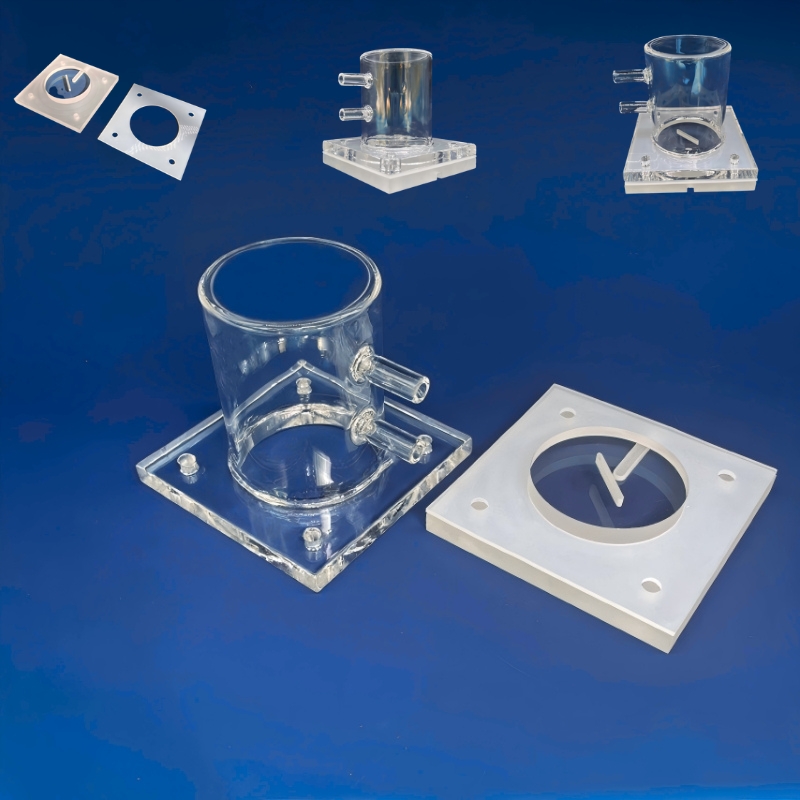
Quartz Photocatalytic Reactor Hydrogen Oxygen Production Via UV Photodegradation Ozone Free Translucent Quartz Moulding Cutting
Precision molded, UV-transmissive ozone-free fused silica for photocatalysis, green hydrogen synthesis, and laboratory photochemical oxidation experiments.
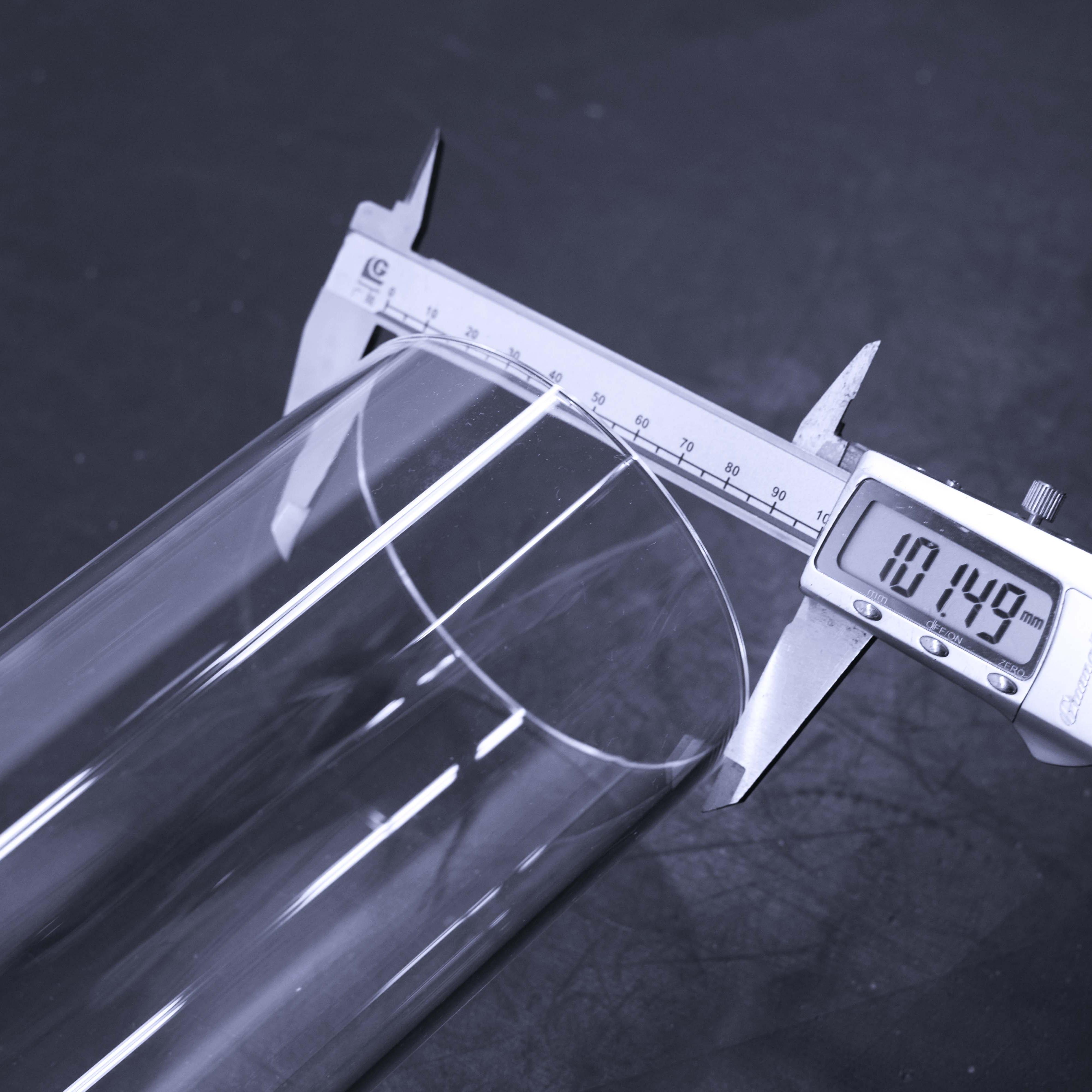
High Purity Quartz Transparent Polished Glass Tube Hollow High Temperature Resistance Clear Quartz Tube Bending Customizable
Custom dimension 5–800mm OD tubes featuring ultra-low OH radicals, optical transparency, and exceptional thermal shock endurance for furnace process chambers.
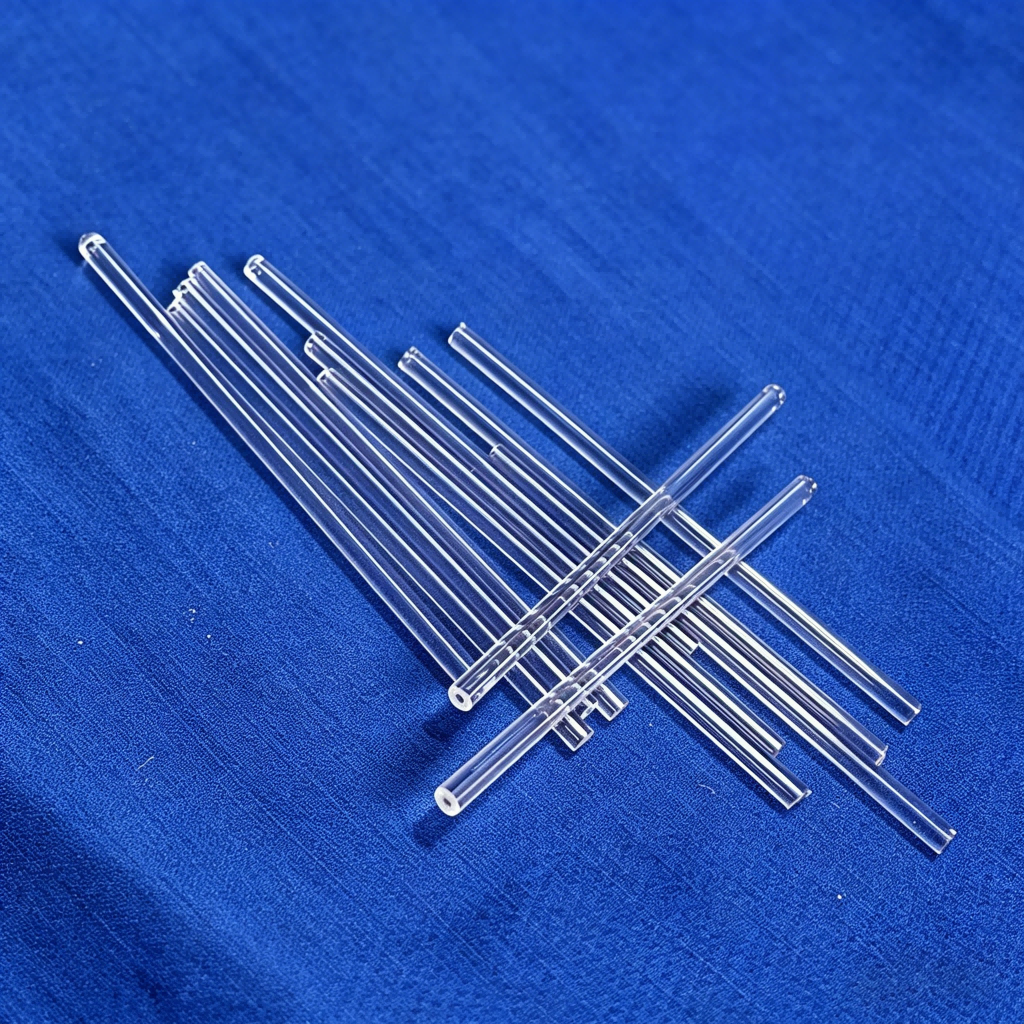
High Purity Opaque Micro Capillary Quartz Glass Tube | Laboratory Exhaust Capillary Tube 99.9%-99.999% Silicon Dioxide 2-10mm OD
Tight bore accuracy for analytical precision, chromatography injection, metallurgical exhaust, and micro-fluidic semiconductor gas sampling routes.
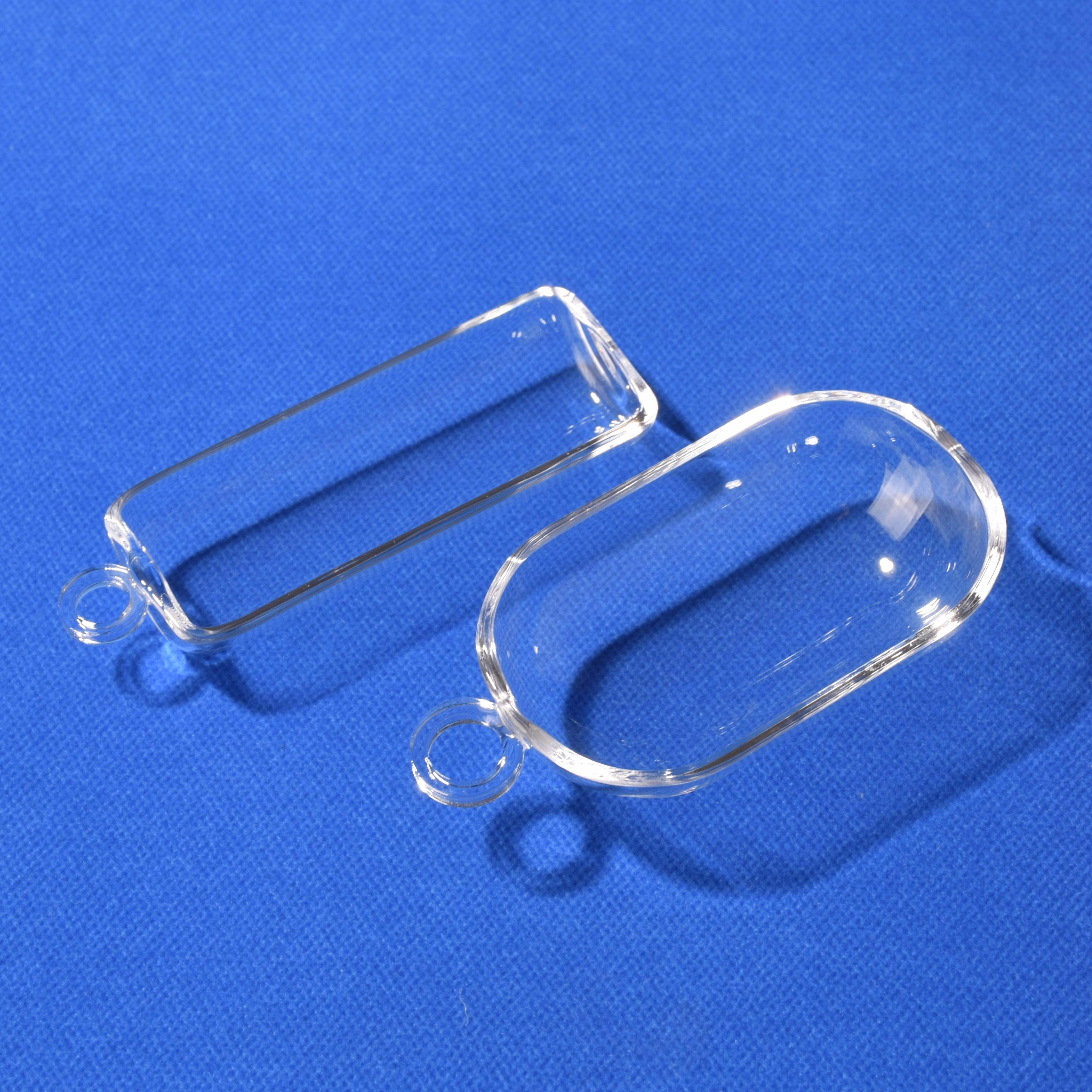
Semi-circular Flat Bottom High Temperature Resistant Transparent Ozone Free Polished Surface Tube Furnace High Bending Welding
Specifically calibrated for horizontal tube furnaces, providing planar stability, non-sagging thermal equilibrium, and zero devitrification under repeated cycles.
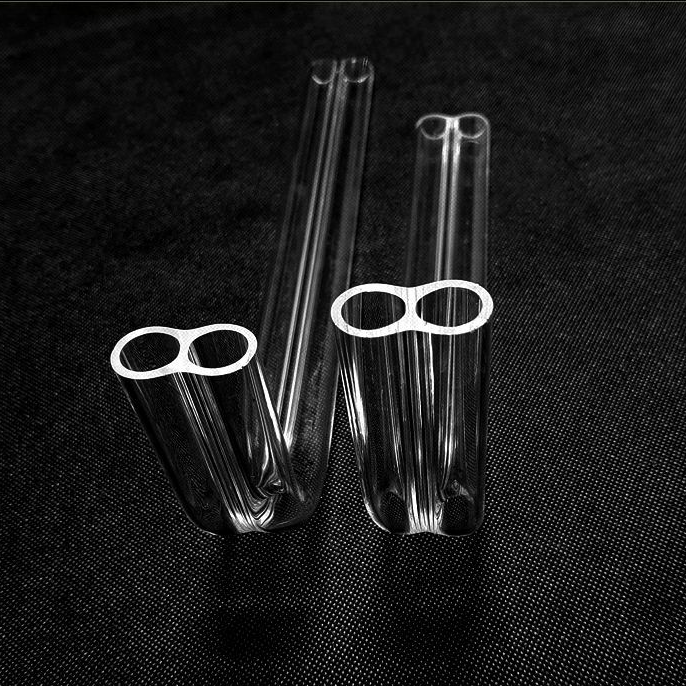
High-temperature (1100) Corrosion-resistant 99.999% Purity Ozone-Free Fused Quartz Double-tube Right-angle Elbow Bending Cutting
Corrosion-proof 90-degree gas feed elbow with seamless flame welds for corrosive halogens, silane, and dopant precursor distribution manifolds.
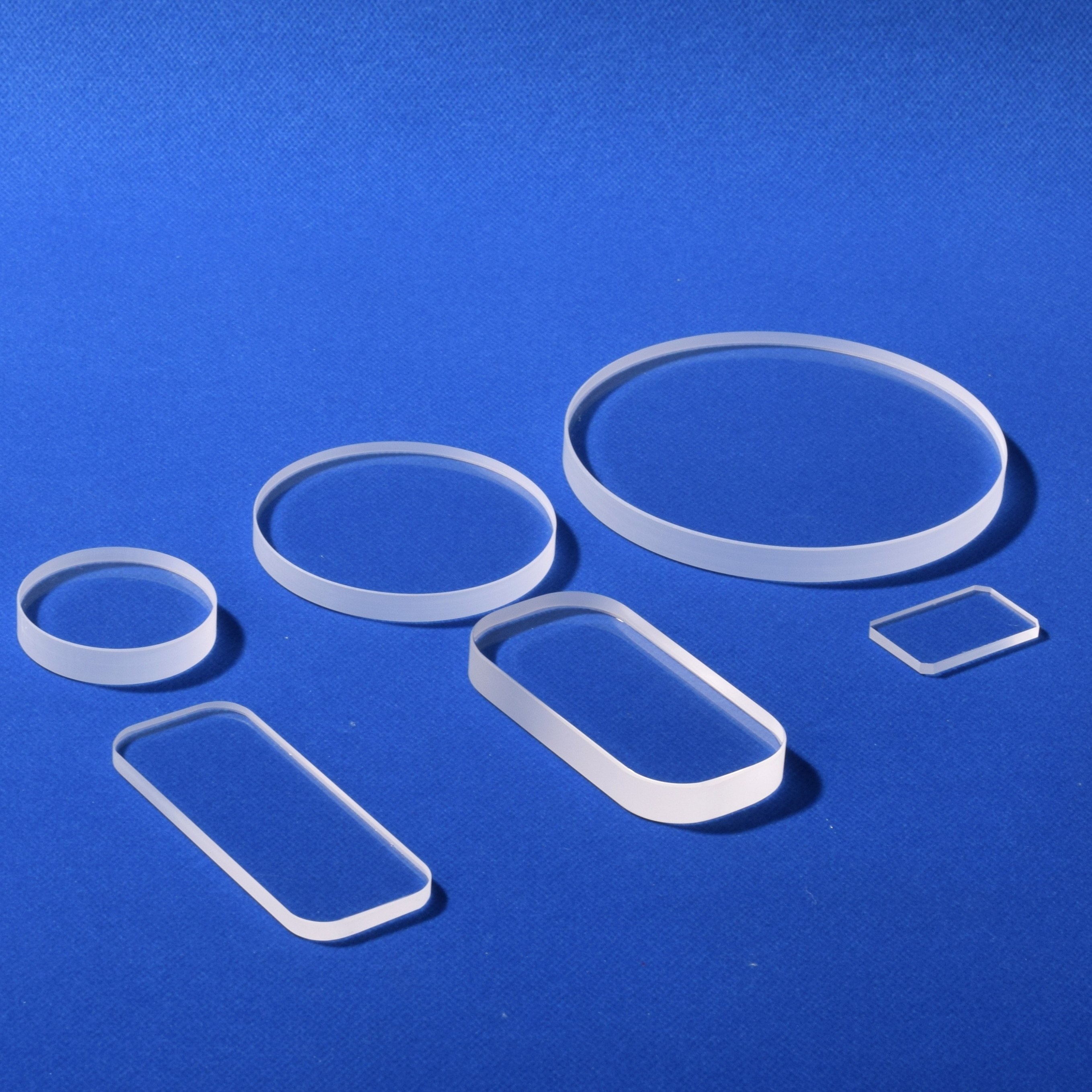
Clear Quartz Testing Sheet Ultra-thin Optical Grade Circular Shape SJ Brand Model SJ 077 High Thermal Conductance Welding
Micro-polished surface roughness (Ra < 0.5nm) for wafer dummy calibration, optical spectroscopy sensors, thin-film sputtering, and cleanroom inspection.
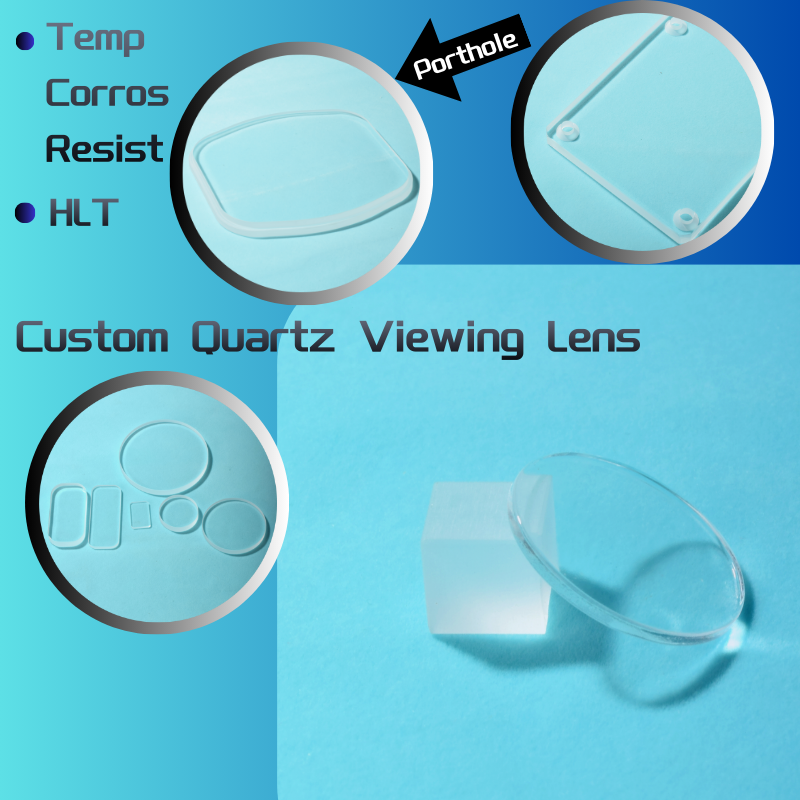
Sophisticated Technology High Transmittance Customized Heat Resistant Transparent Quartz Glass Watch Window High Insulation
Optically verified sight glasses engineered to withstand intense thermal radiation and corrosive furnace atmospheres while permitting pyrometric diagnostics.
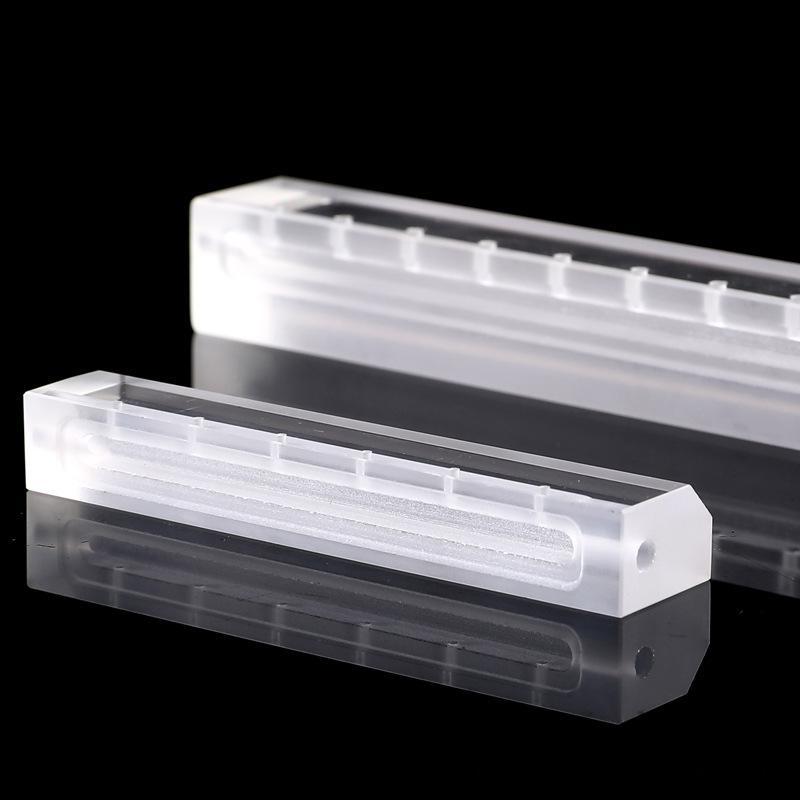
SJ SJ 126 Natural Fused Quartz Square Thin Glass Slide Optics-High Transparency Precision Laboratory Use High Purity Cutting
High-precision optical slides tailored for XRD zero-background plates, fluorescence microscopy, and chemical vapor deposition research substrates.
The Structural Physics & Chemistry of Semiconductor Quartz Wafer Boats
In modern microelectronic, power device, and photovoltaic cell manufacturing, the quartz wafer boat (often designated as a quartz diffusion carrier or wafer ladder) functions as the critical physical interface between raw semiconductor substrates and aggressive chemical vapor deposition (CVD), low-pressure CVD (LPCVD), liquid-source dopant diffusion (POCl₃ / BBr₃), and thermal oxidation processes. Because these thermo-chemical environments regularly exceed 1000°C and utilize corrosive halogenated atmospheres, standard industrial borosilicates and low-purity ceramics experience instantaneous thermal fracture, severe warping, or catastrophic heavy metal ionic migration.
Lianyungang Vulra Quartz Products Co., Ltd. synthesizes natural quartz crystal from Donghai—recognized globally as the primary crystal hub—employing proprietary electro-fusion and oxy-hydrogen flame continuous drawing techniques. The resulting amorphous silica network exhibits a nominal silicon dioxide purity exceeding 99.99% to 99.999% (5N grade), keeping harmful alkali metals such as Sodium (Na < 0.5 ppm), Potassium (K < 0.4 ppm), and Lithium (Li < 0.2 ppm) down to trace thresholds. In semiconductor lattice architectures, mobile alkali ions cause gate oxide breakdown and parasitic leakage currents; hence, Vulra’s ultra-pure quartzware preserves carrier lifetime and electrical yield across high-density wafer fabrication.
| Physical & Chemical Parameter | Vulra 5N Fused Quartz | Standard Technical Silica | Recrystallized Alumina (Al₂O₃) | Silicon Carbide (CVD SiC) |
|---|---|---|---|---|
| SiO₂ Purity Level | ≥ 99.999% | 99.5% – 99.8% | N/A (< 0.1% SiO₂) | N/A (SiC matrix) |
| Softening Point (°C) | 1683 °C | 1580 °C | 1900 °C | 2700 °C (Decomposition) |
| Max Continuous Temp (°C) | 1100 °C – 1150 °C | 950 °C | 1550 °C | 1400 °C |
| Coeff. of Thermal Expansion (CTE) | 5.5 × 10⁻⁷ / K (20–320°C) | 6.2 × 10⁻⁷ / K | 8.0 × 10⁻⁶ / K | 4.0 × 10⁻⁶ / K |
| Thermal Shock Tolerance | Extreme (1100°C to 20°C H₂O) | Moderate | Poor (Cracks under rapid ramp) | High |
| Alkali Metal Impurity (Na+K+Li) | < 1.0 ppm total | > 25.0 ppm | > 50.0 ppm | < 2.0 ppm |
| Acid Corrosion Resistance | Immune to HCl, HNO₃, H₂SO₄ (Attacked by HF) | Surface micro-etching | Selective grain leaching | Immune to HF/HNO₃ mixes |
The microstructural longevity of a wafer boat hinges on its devitrification kinetics. When vitreous silica operates continuously above 1150°C, the metastable glassy phase slowly nucleates into crystalline β-cristobalite. Upon cooling below 270°C, β-cristobalite undergoes a displacive phase transition into α-cristobalite, accompanied by a destructive 5% volume contraction that causes microscopic surface crazing, spalling, and particulate shedding. To inhibit high-temperature crystallization kinetics, Vulra Quartz employs strict hydroxyl (OH⁻) radical modulation (reducing OH content to under 15 ppm for low-OH electric fusion lines), maximizing structural cross-linking and postponing cristobalite nucleation during rigorous industrial batch cycling.
Localized Applications Across the Albania Market
Analyzing the strategic convergence of industrial expansion, solar PV power production, and scientific laboratory infrastructure throughout Albania's prime economic corridors.
Utility-Scale PV Cell Manufacturing & Refurbishment
Albania’s vigorous implementation of its National Energy and Climate Plan (NECP), spearheaded by massive photovoltaic generation plants such as the Karavasta Solar Farm (140 MW) and the Spitalla utility installations near Durrës, has sparked domestic demand for solar component repair, PV cell characterization, and local module assembly. High-throughput horizontal quartz ladder boats holding 50 to 100 wafer slices facilitate precise phosphorus oxychloride diffusion and silicon nitride anti-reflective coating cycles without atomic cross-contamination.
Higher Education & Nanotechnology Research
Academic institutes—most prominently the Polytechnic University of Tirana (Universiteti Politeknik i Tiranës - UPT) and scientific faculties at the University of Tirana—are expanding their advanced material synthesis laboratories. Using custom slotted quartz furnace boats, micro-capillaries, and fused quartz reaction tubes, research departments study chemical vapor deposition of graphene, photocatalytic hydrogen water-splitting systems, thin-film oxides, and high-entropy metallurgical alloys.
Industrial Electronics & Sensor Assembly
Along the rapidly developing Tirana-Durrës industrial axis and specialized free economic zones (such as Spitalla and Koplik), nearshoring trends across the Western Balkans are attracting tier-3 European electronics contractors, PCB assembly entities, and sensor calibration workshops. These plants deploy precision quartz watch windows, boat carriers, and cleanroom slides for high-temperature brazing, infrared drying, and specialized vacuum encapsulation.
Supply Chain Realignment in the Albanian Quartz Market
Direct factory procurement dynamics replacing high-markup European trading intermediaries as Albanian enterprises embrace EU regulatory synchronization.
The Balkan Nearshoring Wave: Moving from Intermediary Markups to Source Fabs
Historically, laboratory directors and procurement officers across Albania procured specialized fused silica hardware through regional commercial distributors located in Northern Italy, Austria, or Greece. This intermediated procurement route frequently resulted in markups exceeding 150% to 300%, prolonged lead times ranging from 8 to 14 weeks for non-standard configurations, and compromised technical communication when customized drawing modifications were required.
With Albania’s progressive integration into European supply chains and the modernization of the Port of Durrës alongside expanded express air cargo throughput at Tirana International Airport (TIA), domestic buyers are transitioning directly to source manufacturers. Technical buyers demand certified compliance documentation—notably CE conformity declarations, RoHS chemical testing certificates, and third-party supplier assessments—to satisfy both national standards and stringent EU pre-accession trade frameworks.
Furthermore, the surge in customized wafer processing geometries (such as non-standard rectangular substrate slots for thin-film solar devices or customized ladder pitches to mitigate thermal shadowing in rapid thermal processing systems) has rendered off-the-shelf catalog products obsolete. Vulra Quartz’s rapid OEM/ODM design engineering allows Albanian facilities to upload CAD/DXF specifications and receive customized quartz prototypes with a minimum order quantity (MOQ) of just 1 piece, bridging the gap between cost efficiency and extreme manufacturing accuracy.
TÜV Rheinland Assessed & CE/RoHS Certified Manufacturer
Lianyungang Vulra Quartz Products Co., Ltd. operates with verified on-site assessment, pristine material provenance, and strict compliance for European customs clearance.



Why International Engineers Choose Vulra Quartz
Combining raw mineral supremacy from Donghai crystal base with precision cold-machining, clean-room thermal annealing, and drawing-based CAD fabrication.
Donghai Crystal Provenance
Direct supply line access to premium high-purity natural silica sand in Donghai County, guaranteeing uncompromised purity (99.999% SiO₂) and consistent supply chain stability.
Full Hot & Cold Machining
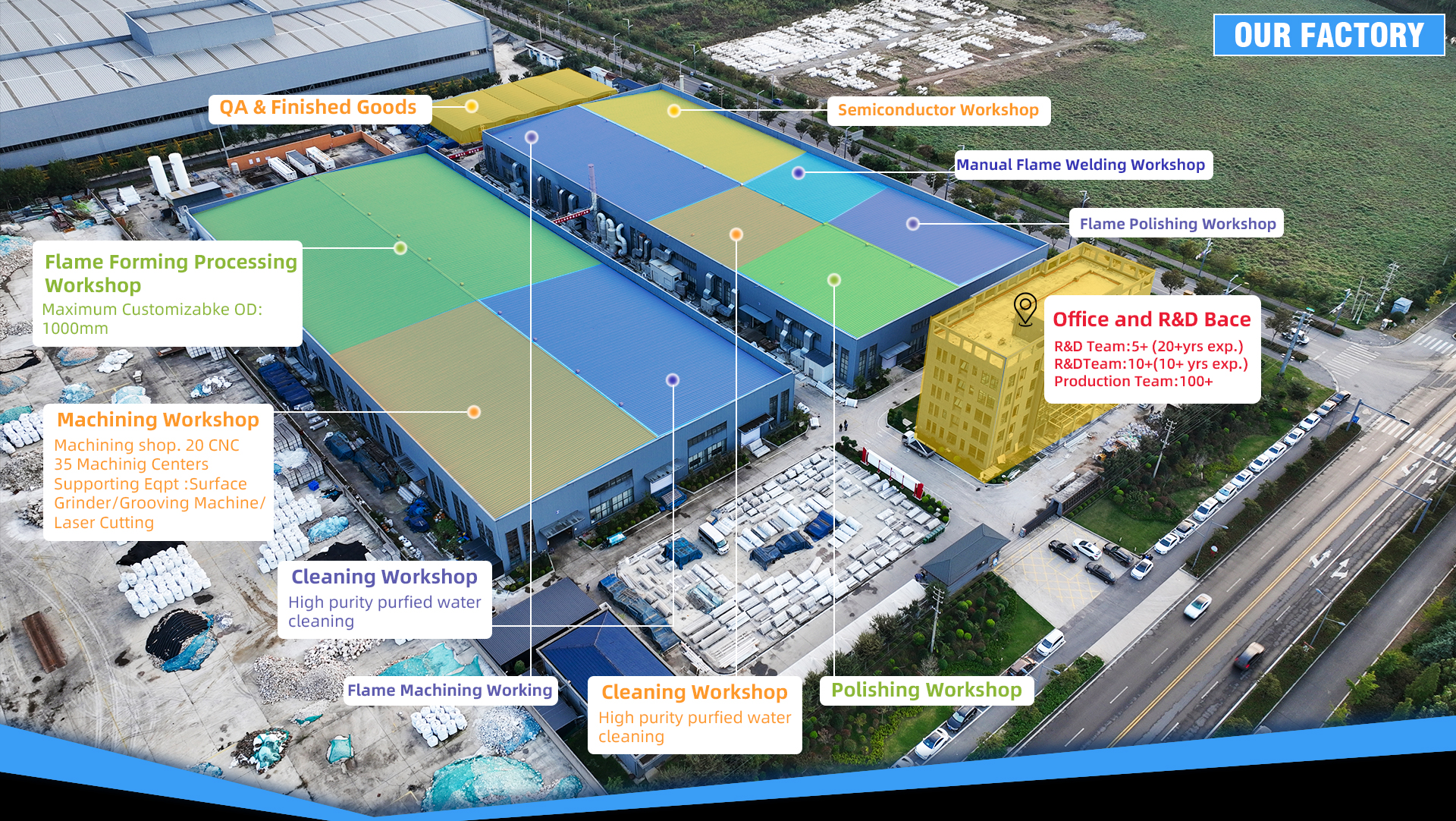
Integrated manufacturing under one roof: diamond-wire precision slotting, computer-controlled circular CNC edge grinding, automated glass lathe turning, and oxy-hydrogen welding.
Annealing & Stress Relief
Every welded wafer boat passes through a dedicated program-controlled annealing furnace (1150°C soaking followed by slow ramp-down) to remove localized mechanical tension.
Shatterproof Export Crating
Multi-layered polyethylene foam suspension, vacuum dust-free sealing, and reinforced fumigated timber cases engineered for long-haul maritime or air freight arriving at Durrës.

Albania Buyer Frequently Asked Questions
Comprehensive engineering, regulatory, and logistics clarifications addressing common inquiries from Albanian research teams and procurement managers.
What is the standard delivery timeline to Tirana or Durrës?
Standard drawing review and precision manufacturing require approximately 7 to 14 business days depending on design complexity. Expedited air transit via DHL, FedEx, or air freight directly into Tirana International Airport (TIA) arrives in 4 to 6 transit days. For bulk industrial shipments destined for the industrial corridor, maritime container freight to the Port of Durrës takes approximately 28 to 35 days.
How do you support custom wafer dimensions and non-standard slot pitches?
We operate fully customized OEM/ODM machining lines. Buyers provide 2D PDF drawings or 3D STEP/DWG CAD models specifying wafer diameter (e.g., 2-inch, 4-inch, 6-inch, 8-inch, or customized M6/M10/G12 solar wafer sizes), slot pitch, slot depth, and rod geometry. Our engineering desk verifies wall-stress ratios and thermomechanical integrity before issuing fabrication approval.
What documentation accompanies customs clearance in Albania?
Every consignment is furnished with complete commercial clearance packs, including Certificate of Origin (COO), CE Declaration of Conformity, RoHS Material Compliance Test Reports, Spectrographic Purity Analysis (listing trace metal concentrations in PPM), and detailed packaging manifests designed to expedite smooth clearance through the General Directorate of Customs of Albania (Drejtoria e Përgjithshme e Doganave).
What is the maximum operating lifetime and thermocycling protocol?
Under standard thermal diffusion cycling at 1050°C, a properly maintained Vulra quartz boat routinely achieves 12 to 24 months of operational service. To maximize operating longevity, furnace temperature ramp rates should not exceed 5°C to 10°C per minute when traversing the cristobalite inversion window (200°C–300°C), preventing microscopic structural crazing.
How should quartz boats be cleaned to remove dopant residue?
We recommend immersion in a 5% to 10% high-purity Hydrofluoric Acid (HF) bath for 10 to 15 minutes to strip phosphosilicate or borosilicate glass glaze, followed immediately by thorough cascading rinses in deionized (DI) water (> 18 MΩ·cm resistivity) and blow-drying with high-purity filtered gaseous nitrogen (N₂). Never use alkaline detergents, which react with silica at elevated temperatures.
Can we order a single 1-piece prototype before ordering batch production?
Yes. We welcome single-piece prototype orders for technical validation, furnace fitting confirmation, and chemical benchmarking. Once your laboratory or fab facility certifies fit and performance in Albania, repeat orders transition seamlessly into scalable volume production with identical CNC slot tolerances.
Accelerate Your Semiconductor & Solar Processing Yield
Direct manufacturer supply from Donghai County to Durrës and Tirana. Request customized engineering drawing appraisals, material composition spectroscopy sheets, or express prototype quotes today.
Inquire Now