Specialized Fused Quartz Components & Assemblies
Direct from our Donghai automated glass lathe and flame synthesis facility, certified to TÜV Rheinland protocols and dispatched under secure export crating for Hessen’s industrial clusters.
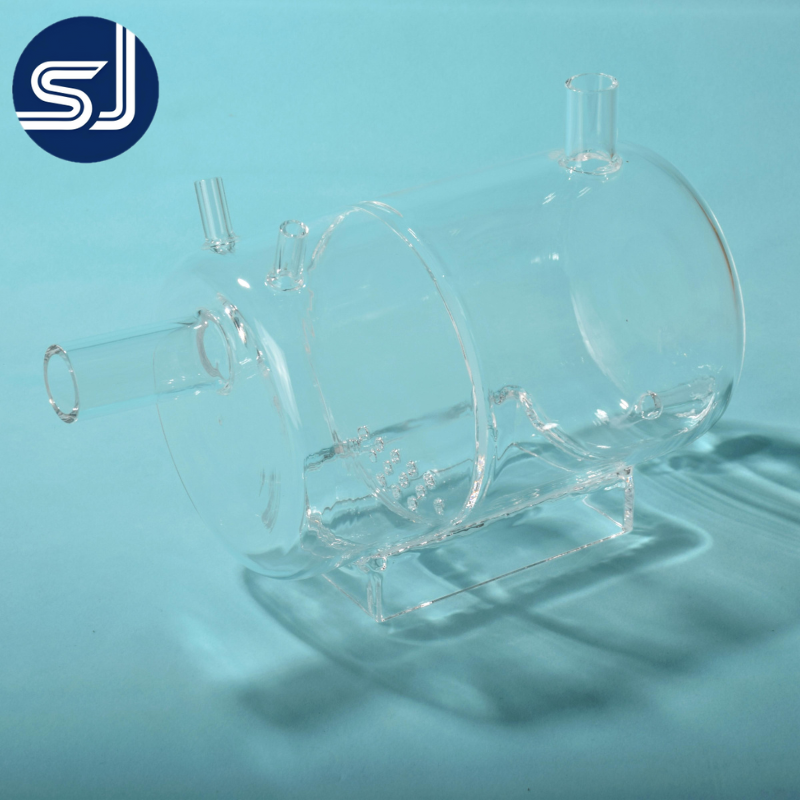
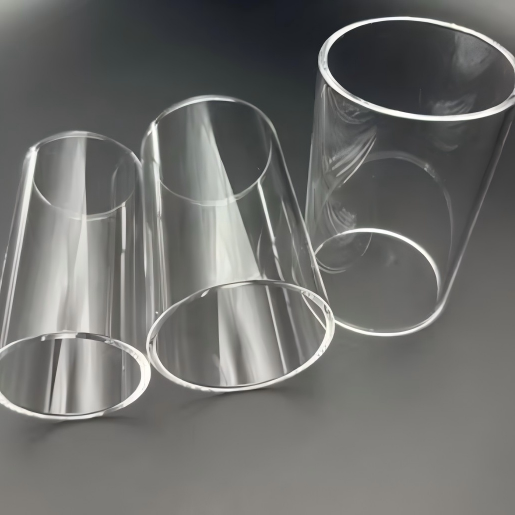
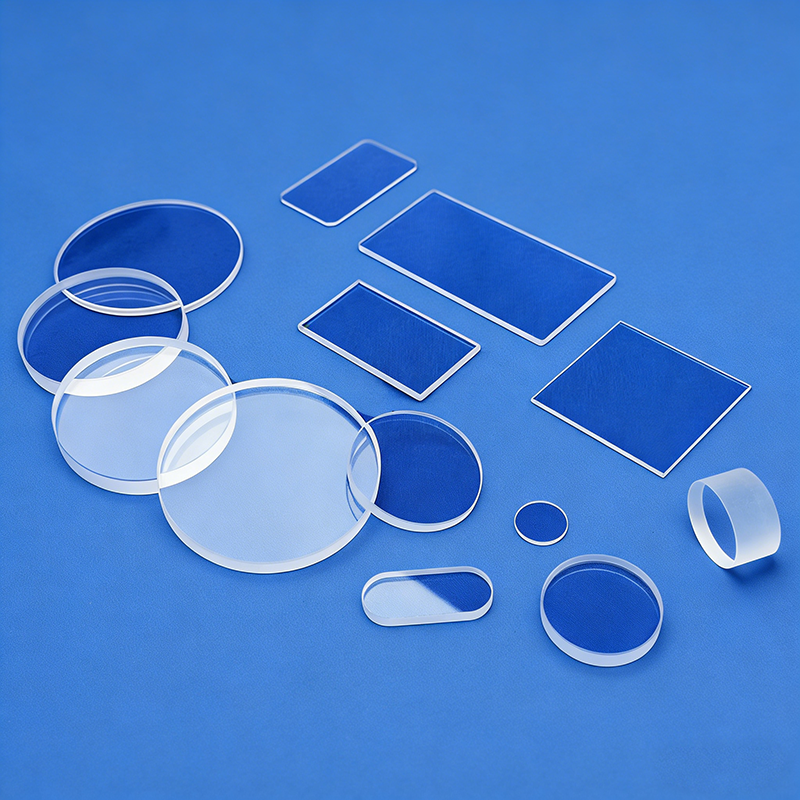
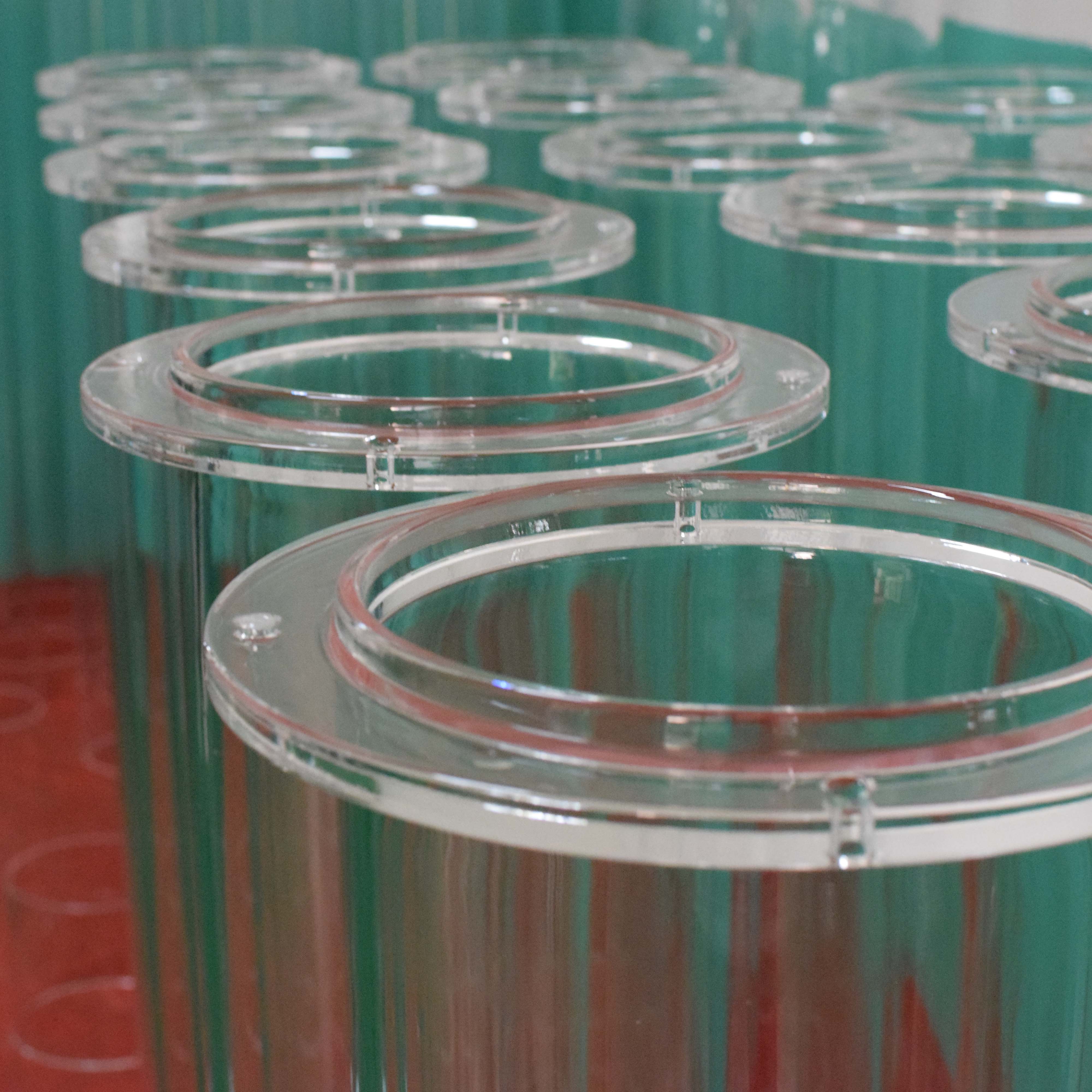
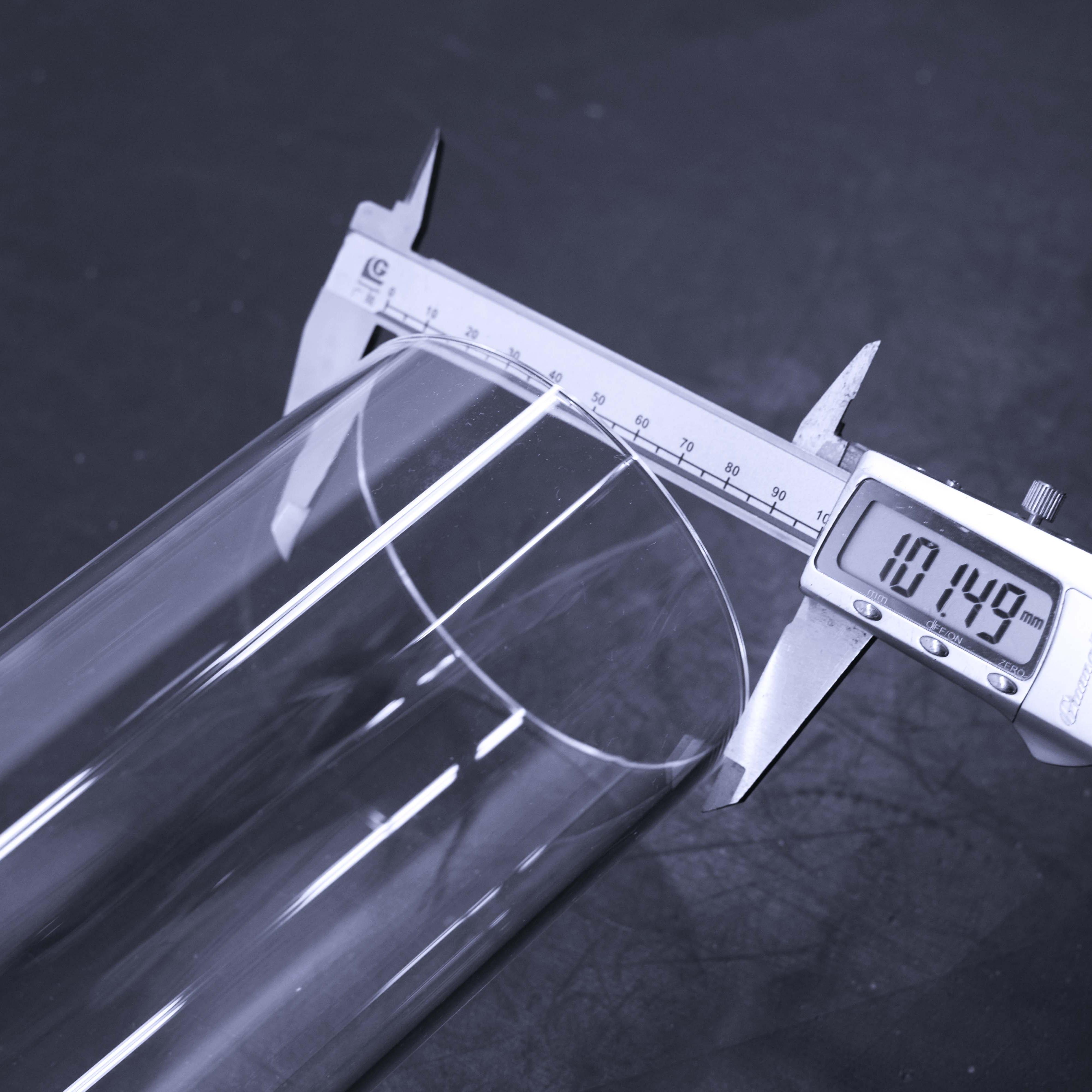
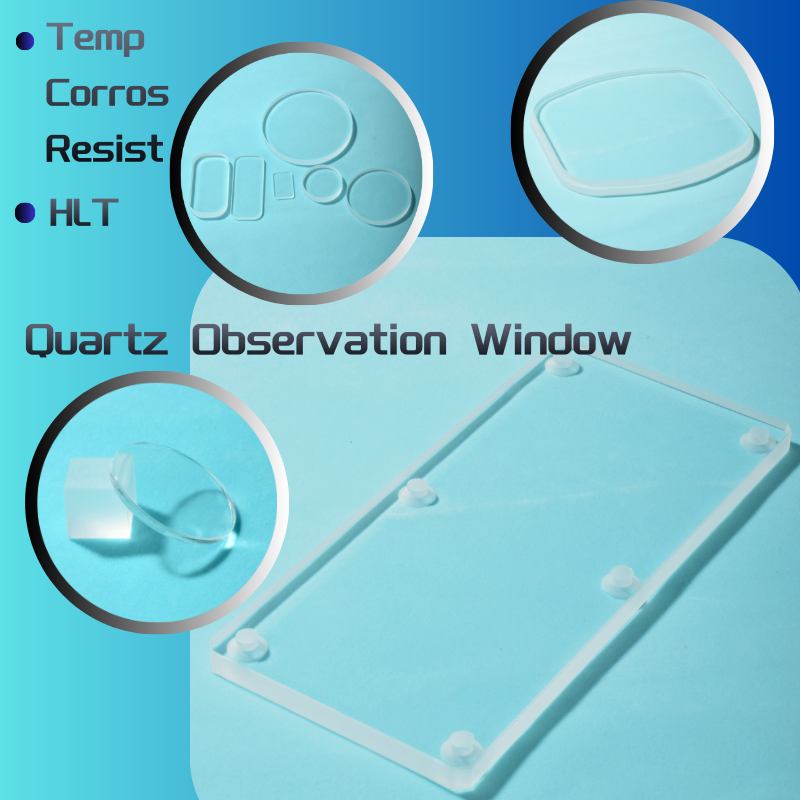
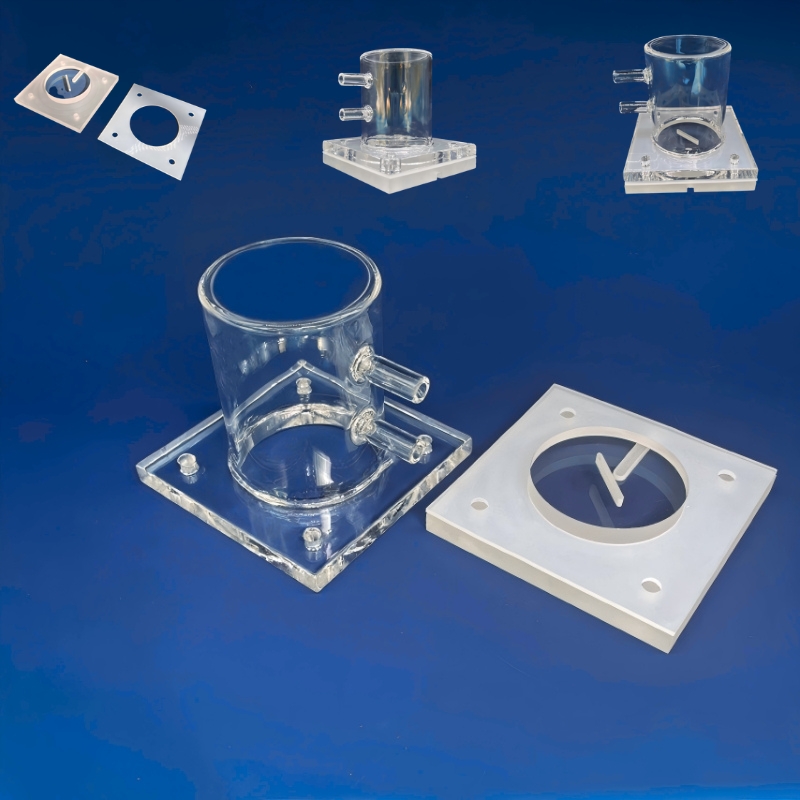
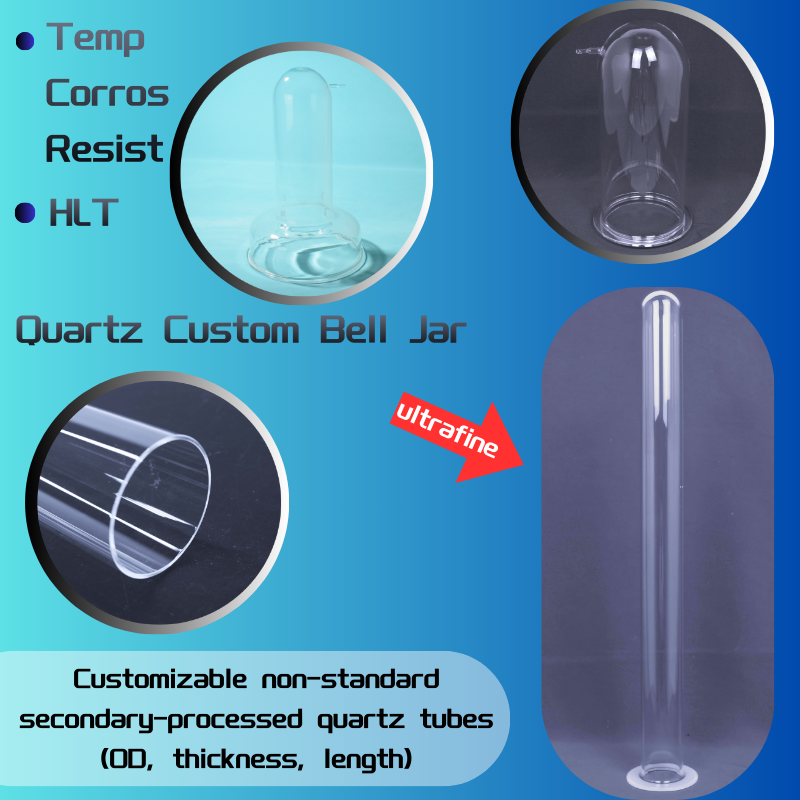
Technical Overview: The Mechanics of Fused Quartz in Continuous Condensation
In fractional distillation, vacuum reflux cooling, and corrosive acid synthesis, conventional borosilicate 3.3 glass frequently encounters operational bottlenecks. When process temperatures exceed 250°C, or when cycles alternate between harsh heating and cold quench baths, the mechanical integrity of borosilicate declines. Fused quartz (fused silica), derived from natural silica crystals (SiO₂ > 99.99%), presents an anomalous combination of an ultra-low linear thermal expansion coefficient (5.5 × 10⁻⁷ /°C between 20°C and 320°C) and structural resilience under continuous heating up to 1100°C.
As an OEM/ODM quartz factory supplying European processing hubs, our quartz condensers (Liebig, Allihn, Graham, and Dimroth geometries) eliminate contamination vectors from metallic leeching (such as Na+, Fe³+, and B3+ ions) that jeopardize semiconductor-grade reagent manufacture. Because silica exhibits exceptional resistance to almost all mineral and organic acids—excluding hydrofluoric and concentrated hot phosphoric acids—our condensing tubes prevent internal micro-fissuring and surface etching, thereby preserving calculated fluid dynamic flow coefficients and laminar heat transfer boundaries across extended duty cycles.
| Physico-Chemical Parameter | High-Purity Fused Quartz (Our Standard) | Borosilicate Glass 3.3 (DIN ISO 3585) | Operational Significance |
|---|---|---|---|
| SiO₂ Content | > 99.99% (Optical/Semiconductor Grade) | ≈ 81% (Contains B₂O₃, Na₂O, Al₂O₃) | Eliminates reagent contamination during ultra-trace analytical processing. |
| Thermal Expansion (20-300°C) | 5.5 × 10⁻⁷ K⁻¹ | 3.3 × 10⁻⁶ K⁻¹ | Permits instant cryogenic-to-furnace thermal shock without fracture. |
| Strain / Softening Point | 1075°C / 1683°C | 510°C / 820°C | Prevents tube sagging during vapor-phase catalytic reductions. |
| UV-Vis Spectral Transmission | > 90% (220 nm – 2500 nm) | Significant cut-off below 310 nm | Enables integrated photo-oxidation during photochemical distillation. |
| Dielectric Strength (20°C, 1MHz) | 25 – 40 kV/mm | ≈ 10 – 15 kV/mm | High insulation resistance under high-frequency RF-assisted heating. |
Localized Application Scenarios across Frankfurt am Main & the Rhine-Neckar Corridor
Frankfurt is not solely continental Europe’s financial switchboard; it serves as the beating heart of one of the world’s most interconnected chemical and engineering centers: the Frankfurt/Rhine-Main metropolitan region. The specialized deployment of our custom quartz tube condensers and high-temperature apparatus aligns precisely with the technical infrastructures operating within several local industrial poles:
Industriepark Höchst (Chemical & Pharma)
At one of Europe’s largest chemical estates, fine chemical synthesis, API crystallization, and active solvent recovery demand non-reactive condenser columns. Our clear quartz jackets and coiled inner tubes resist aggressive acyl chlorides, volatile organohalides, and reflux boiling nitric matrices without structural leaching.
Goethe University & Max Planck Institutes
In academic labs and research facilities across Riedberg, physicists and materials researchers utilize our custom-dimensioned flow-splitting systems, vacuum manifolds, and photoreactors for volatile gas scrubbing, organometallic synthesis, and advanced hydrogen degradation kinetics requiring optical clarity down to 200 nm.
Regional Green Hydrogen & Semiconductor Research
With Hesse’s strategic transition toward hydrogen tech and regional cleanroom microfabrication, our negative-pressure leak-proof quartz tubes and heavy-wall condensers act as heat exchangers during silane plasma cleanups, epitaxial tube reactor off-gas handling, and gas-phase chlorination processes.
Future Trends: Transitioning Toward Modular Micro-Reactors & Green Solvents
Industrial operations across Hessen are transitioning under stringent European Union chemical frameworks (including REACH revisions and the European Green Deal). Three pronounced developmental shifts govern our quartz manufacturing roadmap for Frankfurt procurement divisions:
1. Adoption of Continuous Flow Micro-Distillation: Standard batch glass reactors are increasingly replaced by miniaturized, high-throughput continuous flow microchannel systems. Fused quartz allows millimeter-scale inner coil fabrications with wall thicknesses maintained down to ±0.05 mm, sustaining optimal heat flux densities across minute process footprints.
2. Supercritical & Subcritical Fluid Condensation: As eco-friendly solvents (such as supercritical CO₂ and pressurized water extractions) replace traditional VOCs in pharmaceutical separations across Darmstadt and Frankfurt, condensers face volatile pressure spikes. Our engineered negative-pressure, ozone-free fused quartz tubes provide the required hoop strength to mitigate implosion or rupture risks under oscillating vacuum-pressure conditions.
3. Direct Photolytic In-Line Degradation: Combining condensation with photocatalytic scrubbing eliminates downstream emissions. Because our synthetic and optical-grade quartz tubes permit unmatched UV-C transmission, chemical engineers integrate external 254 nm excimer lamps directly around our condenser shells to decompose organic pollutants in statu nascendi.
Factory Direct Expertise: Donghai Supply Base to European Ports
Lianyungang Vulra Quartz Products Co., Ltd. combines geographical raw-material integration with advanced German-standard certification. Our manufacturing protocols address every critical tolerance variable before packing.
TÜV Rheinland Audited
Fully verified on-site by TÜV Rheinland for production capabilities, international trading legitimacy, and strict quality control management.
Drawing-Based Engineering
Every RFQ drawing is rigorously checked by glass-blowing technicians for expansion ratios, wall-thickness integrity, and thermal weld stresses.
Prototyping from 1 Piece
We actively support pilot-plant scaleups, R&D projects, and OEM replacement components with single-unit custom prototype production runs.
Complete In-House Working
Automated diamond-blade cold cutting, CNC precision drilling, surface flat-lapping, hydrogen-oxygen flame lathe welding, and high-temp annealing.
CE & RoHS Compliant
Raw materials contain no restricted heavy metals, fully qualifying for EU chemical plant deployment, cleanrooms, and medical device manufacturing.
Breakage-Proof Crating
Custom-molded pearl cotton inserts, suspended inner boxes, and fumigated multi-layer wooden cases guarantee zero-damage air and ocean cargo delivery.
Frequently Asked Questions for Frankfurt & German Technical Buyers
Engineered answers addressing logistics, dimensional verification, material grading, and compliance requirements for European imports.
What specific customs classification (TARIC / HS Code) applies to custom quartz condensers delivered to Frankfurt Airport (FRA)?
Can your factory match DIN / ISO ground joint specifications (e.g., NS 29/32, NS 45/40) on quartz condenser necks?
How does Vulra Quartz handle thermal stress relief in fused quartz assemblies with complex internal cooling coils?
What trace impurity limits can be certified for semiconductor-grade chemical apparatus?
What is the turnaround time for a custom quartz condenser delivered to Hessen?
Request an Engineering Review for Your Quartz Assembly
Submit your CAD files, sketches, or DIN component specifications. Our technical engineering division provides DFM analysis and unit pricing within 24 hours.