Featured Quartzware & Precision Electrolytic Components
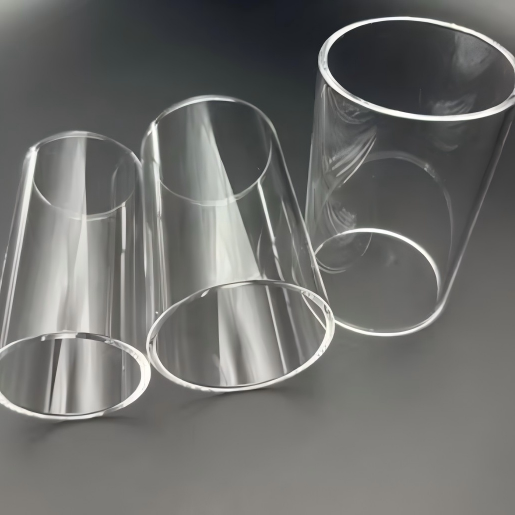
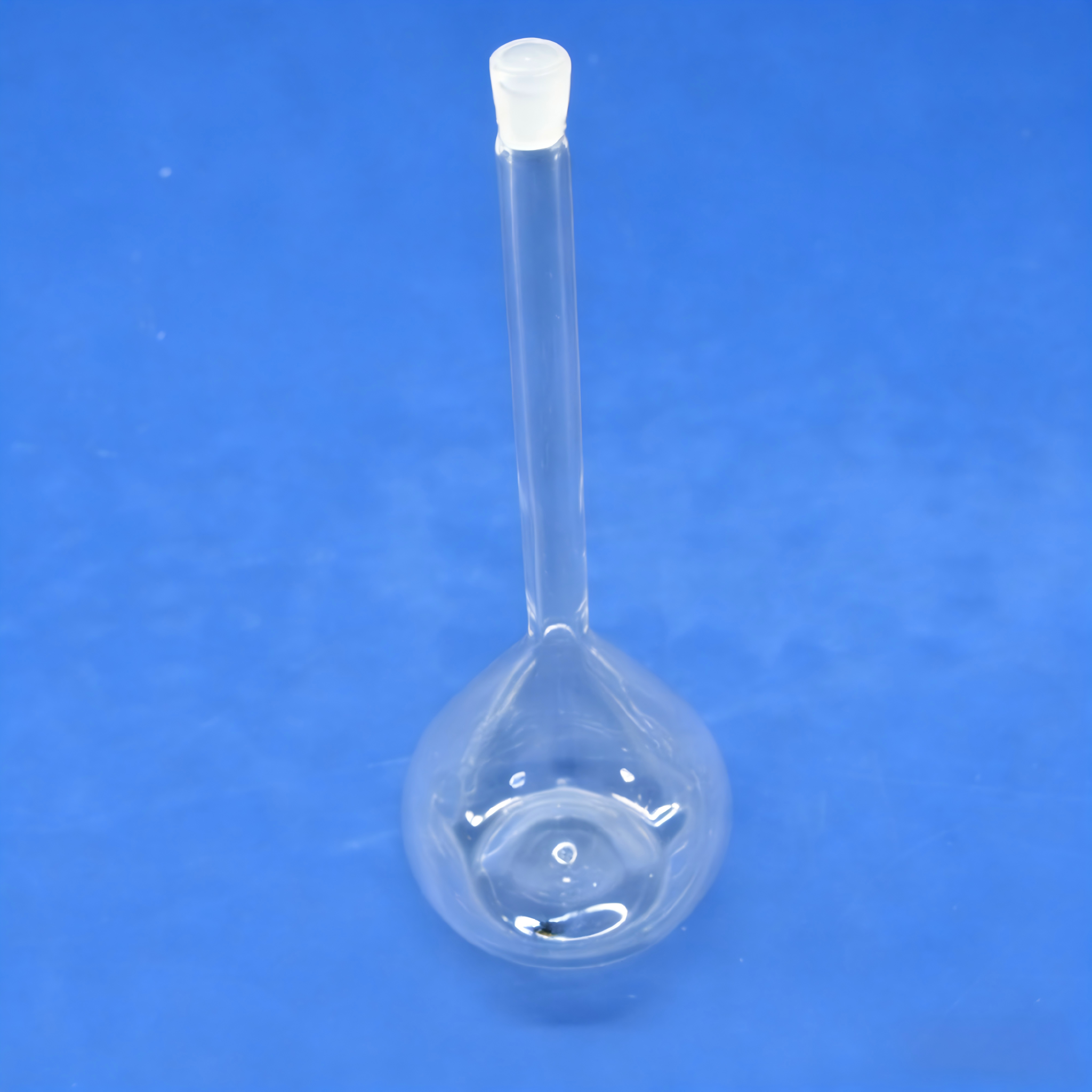
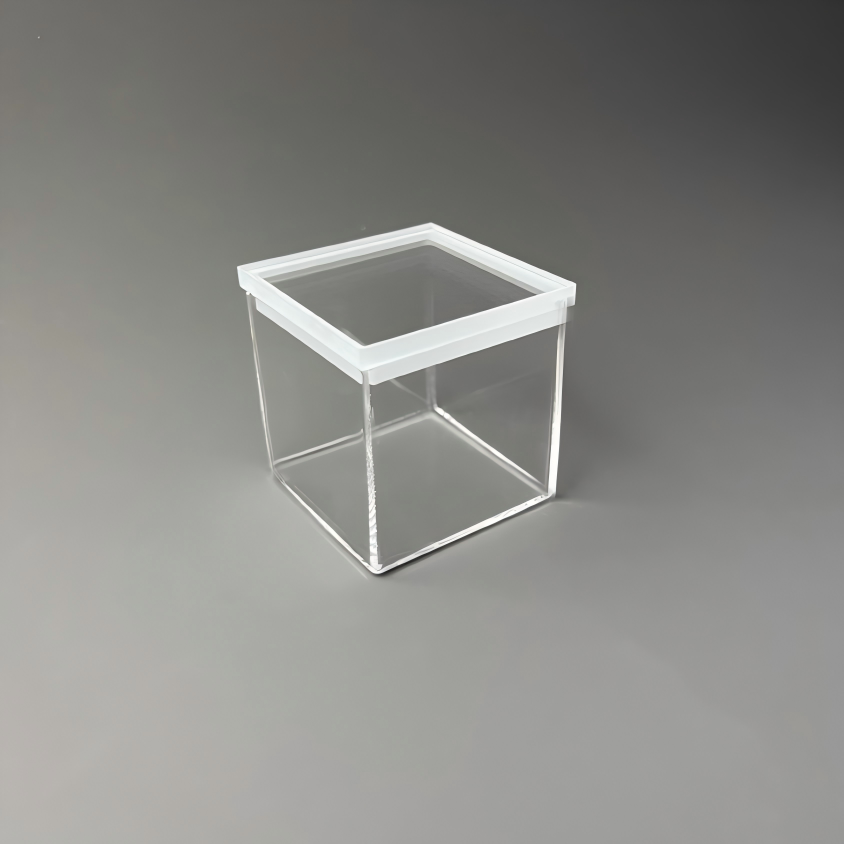
Direct manufacturer supply of ISO-compliant, CE-certified fused silica vessels, reactor tubes, optical plates, and hermetically sealed electrolytic cells manufactured from 99.999% SiO₂ crystal feedstock.

Electrochemical Cell Architecture in Jamaica’s Heavy Industry
Why high-purity quartz sealed electrolytic cells are replacing conventional borosilicate and fluoropolymer labware across Jamaican bauxite refineries, coastal testing stations, and renewable research facilities.
Demanding Chemical & Thermal Regimes in Jamaican Industrial Refining
Jamaica’s industrial economy is structurally driven by caustic metallurgical digestion, port maritime operations, and a national push toward the Vision 2030 renewable mandate. Within facilities operating throughout parishes such as Manchester, Clarendon, and St. Ann, laboratory electrochemistry faces demanding challenges. The Bayer process—the foundational chemical extraction used to transform Jamaican bauxite into smelter-grade alumina—relies on high-temperature, concentrated sodium hydroxide (NaOH) digestion under elevated pressures.
Standard laboratory glassware, such as ordinary borosilicate 3.3, undergoes severe alkali leaching when exposed to hot caustic Bayer liquors (concentrations often exceeding 200–250 g/L Na₂O). The dissolved silicate from degraded borosilicate compromises titration precision, introduces foreign ionic contamination into trace gallium and rare-earth recovery experiments, and causes micro-cracking at structural joints under cyclical thermal heating.
Furthermore, Jamaica's humid, tropical marine maritime environment—particularly around Kingston Freeport and coastal bauxite loading terminals like Port Rhodes and Discovery Bay—subjects maritime infrastructure to intense chloride pitting corrosion. Performing accelerated electrochemical impedance spectroscopy (EIS), cyclic voltammetry (CV), and linear polarization resistance (LPR) tests requires an impervious, hermetically sealed cell envelope that eliminates atmospheric oxygen ingression while enduring aggressive synthetic seawater electrolytes.
Fused Quartz Operational Tolerance Matrix
Engineering Blueprint: The Vulra Sealed Cell Advantage
Manufactured with proprietary oxy-hydrogen precision lathe welding and stress-relieving annealing furnaces to eliminate mechanical weak points, gas micro-leakage, and optical wavefront distortion.
Optical Dome Photocatalysis Window
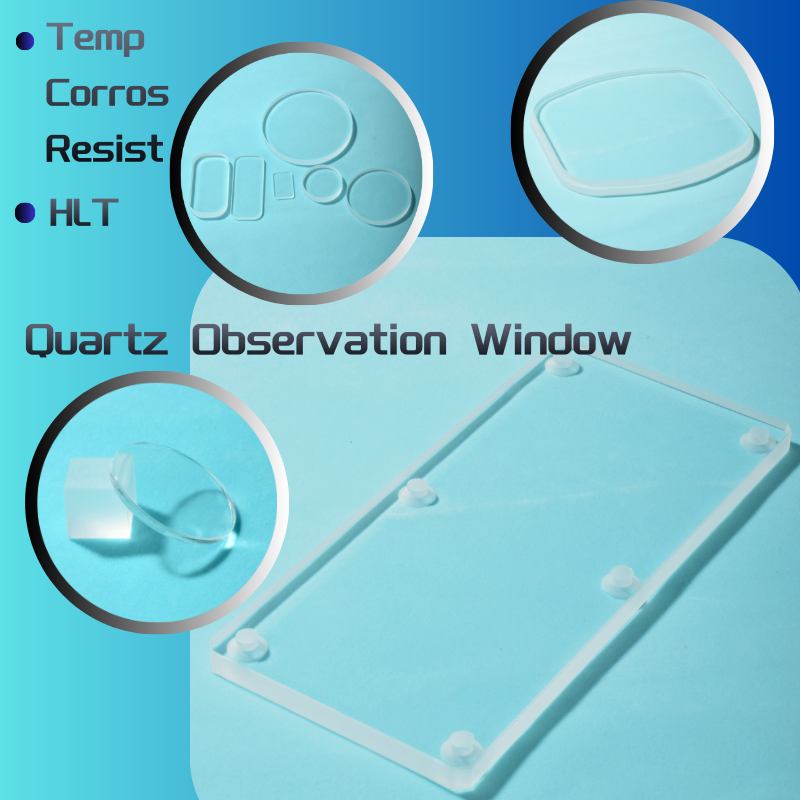
Designed specifically for photoelectrochemical (PEC) water-splitting and solar fuel synthesis under Caribbean solar irradiance. Optical dome caps exhibit optical parallelism within 30 arcseconds, maximizing direct photon flux to the working photoanode without scattering.
- UV-C / UV-B Cutoff: 190 nm transmission >88%
- Surface Quality: 40/20 Scratch-Dig polished
- Zero internal bubble clusters (Grade A DIN 58927)
Tri-Electrode Hermetic Architecture
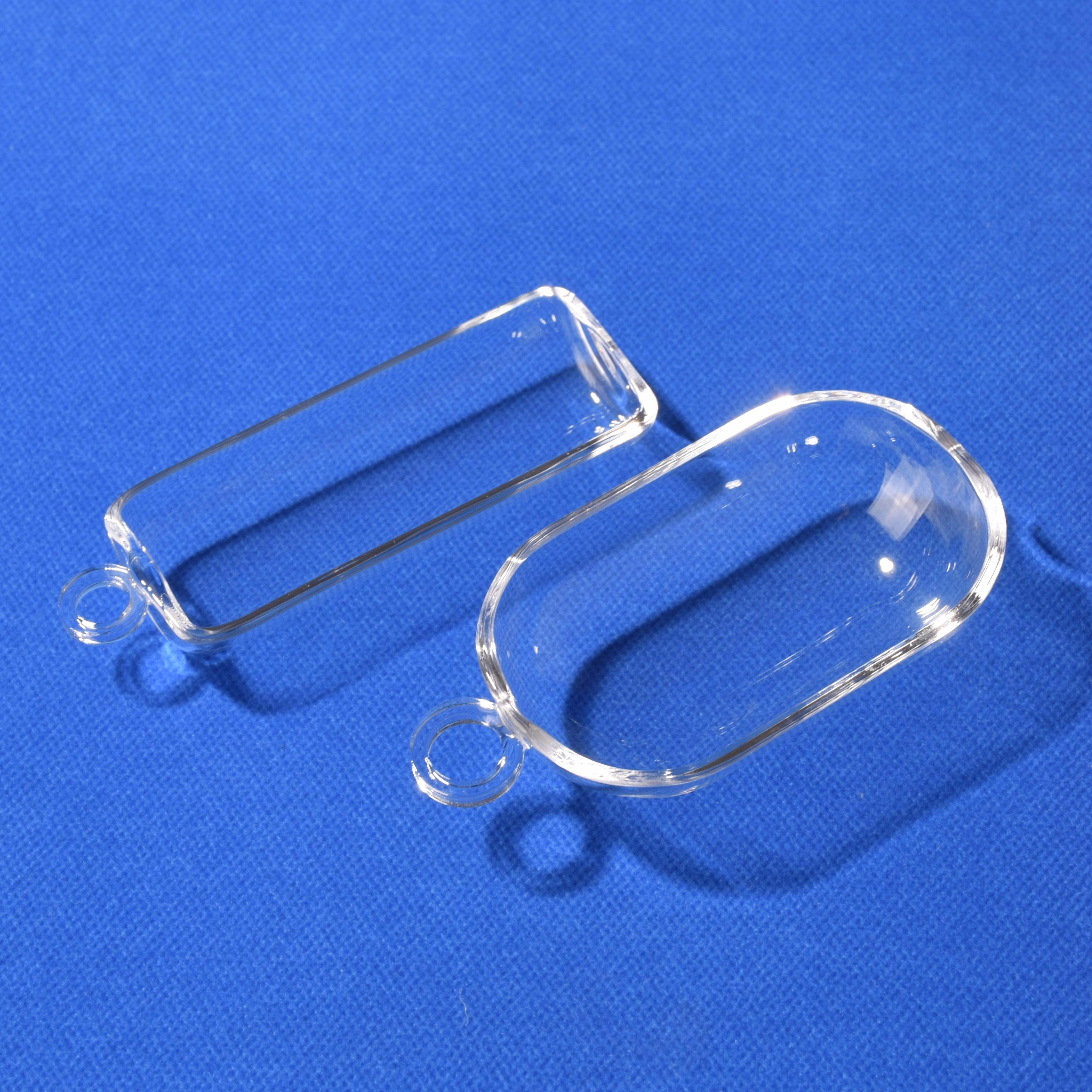
Facilitates seamless three-electrode electrochemical testing (Working Electrode, Counter Electrode, Reference Electrode) with auxiliary gas purge tubes. Equipped with inert PEEK and Chemraz/FFKM fluoroelastomer compression collars to ensure absolute air exclusion.
- Compatible with Ag/AgCl, SCE, Hg/HgO, and Pt coil
- Dual-channel purge & exhaust bubbler bypass
- Integrated Luggin capillary alignment bridge
Stress-Relieved Oxy-Hydrogen Welding
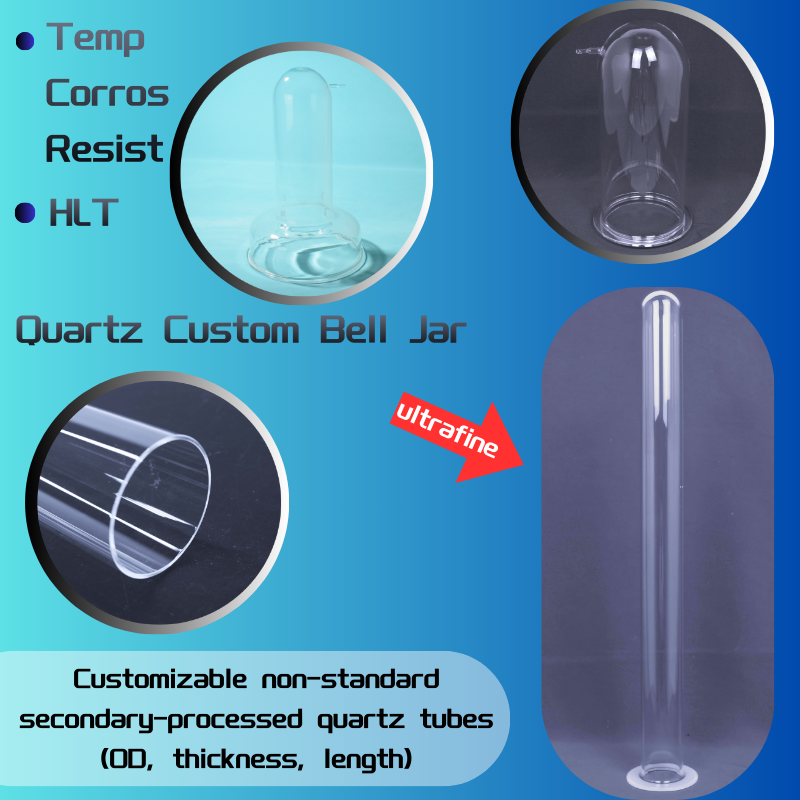
Complex quartz cells with welded side-arms, water cooling jackets, and ground tapers generate severe internal hoop stress during torch manipulation. Every cell is baked in our programmable 1150°C electric annealing lehr for 6 hours to eliminate polarization birefringence.
- Residual Optical Path Difference: <10 nm/cm
- Pressure tolerance up to 0.3 MPa (custom thick wall)
- Extreme resistance to rapid autoclave sterilization
| Engineering Attribute | Standard Borosilicate 3.3 Cell | Vulra Fused Quartz (SiO₂ 99.999%) | Operational Impact on Jamaican Facilities |
|---|---|---|---|
| Alkali Etch Resistance (Hot 2M NaOH) | Poor (Rapid clouding, silica leaching) | High Stability (Etch rate <0.1 μm/hr) | Prevents electrolyte contamination during Bayer process analysis |
| Deep UV (254 nm) Transmittance | < 5% (Total absorption of UV lines) | ≥ 90.5% (Crystal grade transmission) | Enables authentic UV photocatalytic hydrogen evolution |
| Maximum Operating Temperature | 500°C (Softens at 560°C) | 1100°C (Softening point at 1683°C) | Supports molten-salt and elevated-temperature electro-oxidation |
| Thermal Shock Limit (ΔT) | ≈ 160°C maximum | > 1000°C (Zero micro-crack propagation) | Eliminates catastrophic vessel breakage during rapid quenching |
| Hermetic Sealing Pressure Boundary | Greased glass joints (Vaporizes/Contaminates) | Dry ground taper + inert FFKM collars | Maintains ultra-pure inert gas blanket (Ar, N₂) for hours |
Targeted Industrial & Research Deployments Across Jamaica
Engineered to fulfill specialized analytical demands from industrial bauxite plants on the southern coast to academic research groups at the University of the West Indies.
Bauxite Bayer Liquor & Caustic Leaching Analysis
Refineries in Kirkvine, Jamalco (Halse Hall), and Discovery Bay require continuous electrochemical analysis of red mud residue, dissolved aluminate speciation, and organic degradation products (humates, oxalates) in Bayer digestion liquors. Our sealed quartz cells allow volatile-trapping analysis under continuous boiling digestion conditions without structural degradation.
- Zero leaching of heavy metals or silica tracers
- Double-jacketed thermal fluid circulation ports
Solar Photoelectrochemical (PEC) Water Splitting
At the University of the West Indies (UWI Mona, Kingston), advanced energy laboratories utilize artificial solar simulators to evaluate thin-film semiconductor photoanodes (TiO₂, BiVO₄, WO₃). The planar optical quartz window of our sealed cell delivers unfiltered AM 1.5G photon transmission, enabling direct Faraday efficiency calculations for clean green hydrogen generation.
- Sub-ppm hermetic gas-tight gas sampling septum
- Calibrated optical entrance flat window (<λ/4)
Marine Bio-Fouling & Coastal Infrastructure Corrosion
Kingston Harbour represents one of the largest natural harbours in the Western Hemisphere, hosting intensive marine shipping and offshore bunkering. Marine materials engineers conduct electrochemical impedance tests on galvanic anode alloys and marine-grade protective rebar coatings. Our dome-sealed cells prevent volatile salt evaporation while maintaining constant salinity concentrations during multi-week tests.
- Air-tight sealing keeps dissolved oxygen controlled
- Chemically inert to sulfate, chloride, and bio-acid media
Rum Distillation & Agro-Chemical Effluent Remediation
Jamaica’s world-renowned rum and cane sugar agro-industries face stringent environmental regulations set by the National Environment and Planning Agency (NEPA). Advanced electrochemical oxidation (BDD electrodes) is utilized to remediate distillery dunder/vinasse effluent. Our custom electrolytic reactors offer transparent, corrosion-proof platforms to optimize real-time chemical oxygen demand (COD) degradation.
- Compatible with high current density anode systems
- Integrated condenser reflux ports prevent VOC escape
Emerging Trends: The Decarbonization of Caribbean Industry
How evolving environmental mandates and national policies in Jamaica are escalating technical specifications for analytical lab equipment.
NEPA Strict Wastewater Compliance
The National Environment and Planning Agency (NEPA) continues to tighten trade effluent guidelines for high-salinity industrial discharges into coastal waters. Laboratories are upgrading from passive chemical titration to automated electrochemical in-line sensing and degradation cells that require non-reactive quartz chambers to prevent background ionic interference.
Green Hydrogen & Caribbean Solar Belt
Jamaica receives over 2,800 hours of direct sunlight annually, rendering photoelectrochemical electrolysis economically viable. The Ministry of Science, Energy, Telecommunications and Transport (MSETT) is backing clean fuel feasibility trials, creating urgent demand for calibrated PEC cells with standardized quartz window geometries that eliminate UV transmission variance.
Modernization of Alumina Calcination
As Jamaican bauxite plants explore electrochemical precipitation and decarbonized alkali liquor causticization, process testing laboratories are transitioning toward high-temperature pressurized analytical cells. Standard lab glass fails rapidly in these environments, cementing high-purity natural fused quartz as the standard material for reliability.
Lianyungang Vulra Quartz Products Co., Ltd.
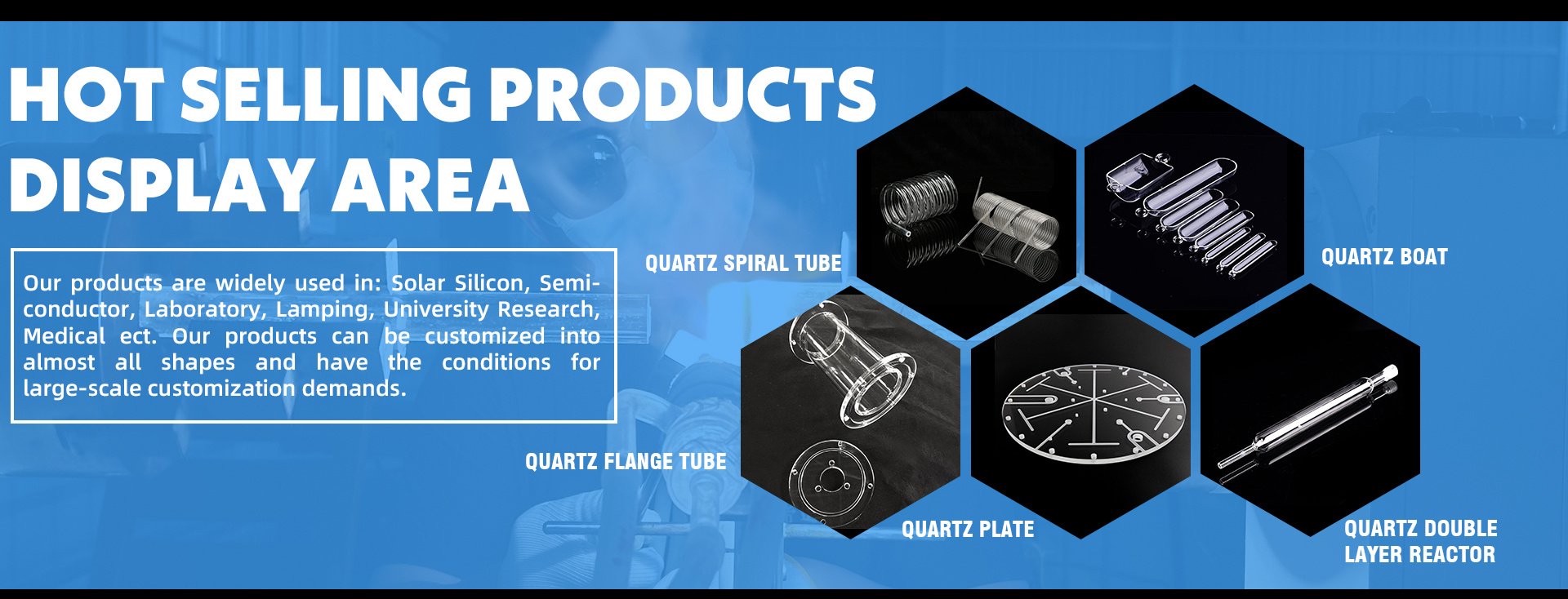
Located at No. 9, Dingxin Road in the Jiangsu Donghai Economic Development Zone—globally recognized as China’s premier crystal and high-purity silica cluster—we control the complete processing chain from raw SiO₂ crystal sand refining to automated oxy-hydrogen lathe fabrication and high-precision optical polishing.
Unlike trading intermediaries, Vulra Quartz provides direct drawing-based OEM/ODM manufacturing from as low as a single piece (1 pc MOQ). Every single quartz electrolytic cell destined for international transit undergoes strict coordinate measuring, polariscope optical strain detection, helium mass spectrometer leak inspection, and multi-stage ultrasonic deionized acid cleaning.
Procurement & Freight Protocol for Jamaican Consignees
Streamlined international supply chain protocols engineered to eliminate breakage risk across oceanic transit and expedite clearance through the Jamaica Customs Agency.
Air & Sea Freight Routing
For expedited laboratory prototypes and urgent replacement parts, Vulra routes door-to-door express air shipments directly into Norman Manley International Airport (KIN, Kingston) or Sangster International Airport (MBJ, Montego Bay) with 4 to 7-day transit times. For commercial bulk orders, consolidated container freight arrives via the Kingston Container Terminal with complete bill-of-lading dossiers.
ASYCUDA World Customs Coding
We supply pre-verified commercial invoices, certificates of origin, and packed declarations harmonized under HS Code 7017.10.00 (Laboratory, hygienic or pharmaceutical glassware of fused quartz or other fused silica). This ensures smooth filing within the Jamaica Customs Agency’s ASYCUDA automated system, eliminating customs delays and erroneous non-scientific tariff classifications.
Reinforced Protective Packaging
High-purity quartzware is susceptible to shock fractures if inadequately isolated. Every cell is packed inside custom-cut high-density Pearl Cotton (EPE) suspension molds, vacuum-sealed with moisture desiccant bags to resist tropical Caribbean humidity, and enclosed inside heavy-duty multi-layer corrugated export master boxes or fumigated plywood crates compliant with ISPM-15 standards.
Frequently Asked Questions for Jamaican Engineers & Sourcing Managers
Direct answers addressing technical tolerances, customs clearance, drawing customizations, and packaging reliability.
Can Vulra customize electrode ports and volume dimensions based on our laboratory's CAD drawing?
How does your fused quartz tolerate hot concentrated sodium hydroxide in Jamaican bauxite applications?
What is the minimum order quantity (MOQ) for non-standard custom photoelectrochemical cells?
What documentation do you provide to assist with customs clearance via the Jamaica Customs Agency?
What optical transmission performance can we expect for solar simulator photocatalytic experiments?
What happens if a delicate quartz cell arrives damaged or broken during transit to Jamaica?
Ready to Engineer Your Quartz Electrolytic Solution?
Submit your CAD drawing, operating temperature requirements, or electrolyte specifications. Our factory glassblowing master technicians and materials engineers provide feasibility reviews and official quotations within 24 hours.