High-Purity Fused Quartz Vessels & Precision Components
Certified thermal glassware configurations developed from 99.99%+ pure natural quartz crystal sand. Drawing-based bespoke fabrication for British chemical process innovators.
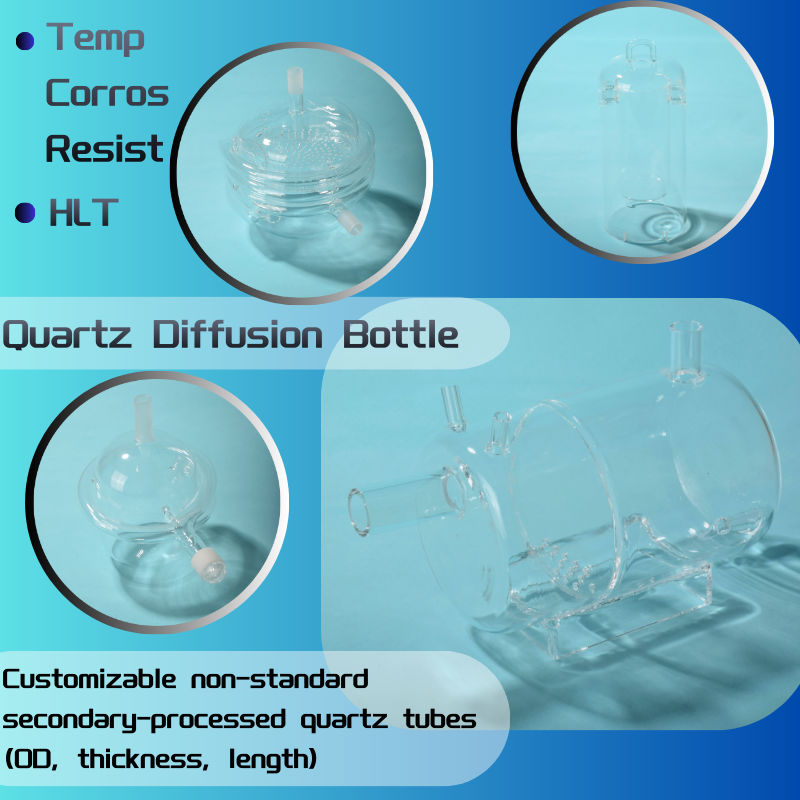
Quartz Condensers & Purification Units
Integrated condenser tubes, separatory funnels, and semiconductor-grade purification units tailored for continuous solvent recovery and acidic reagent extraction.
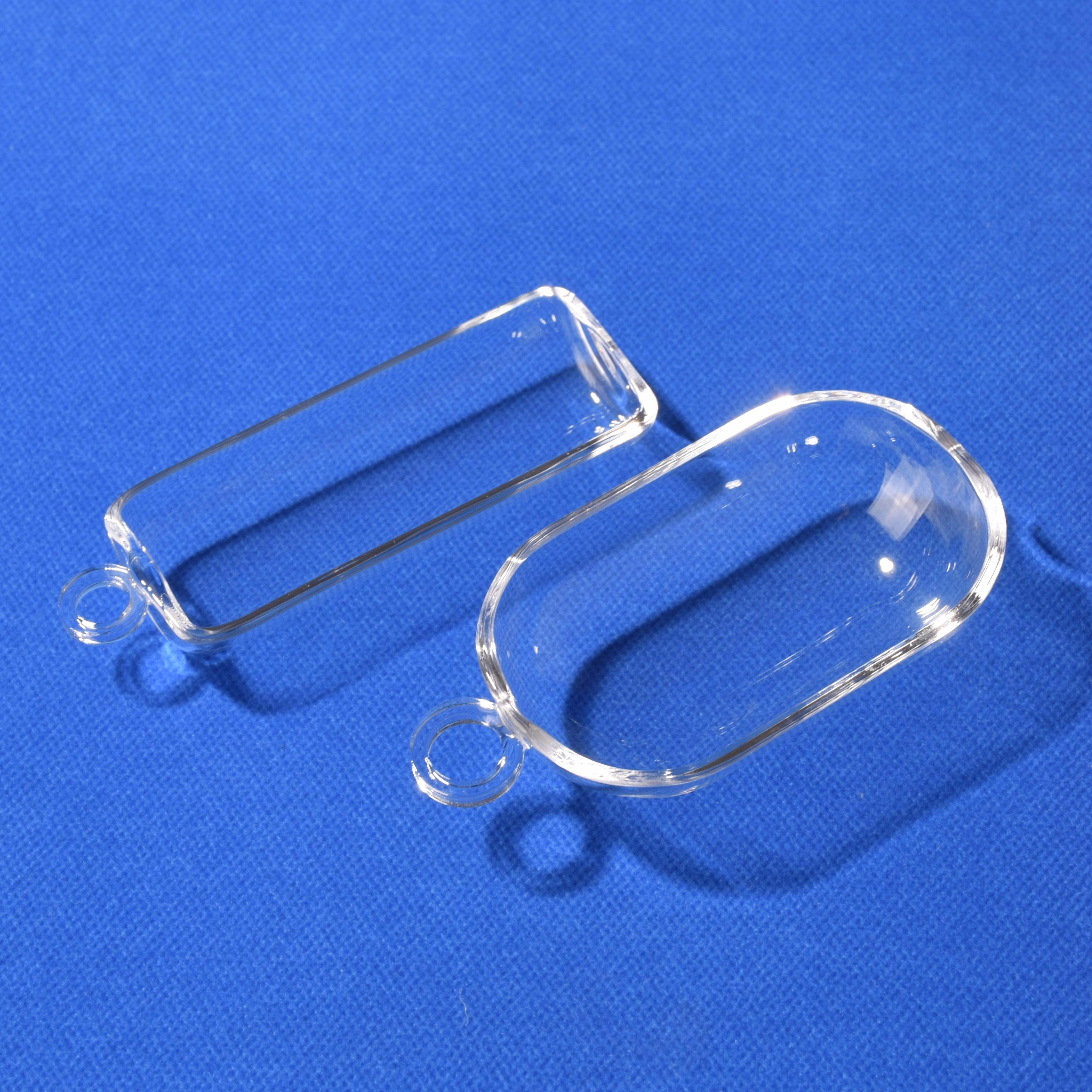
Semi-Circular Tube Furnace Reaction Vessel
Ozone-free, flat-bottom polished furnace tubes and reaction boats engineered to handle severe thermal cycles during continuous catalytic powder treatment up to 1100°C.
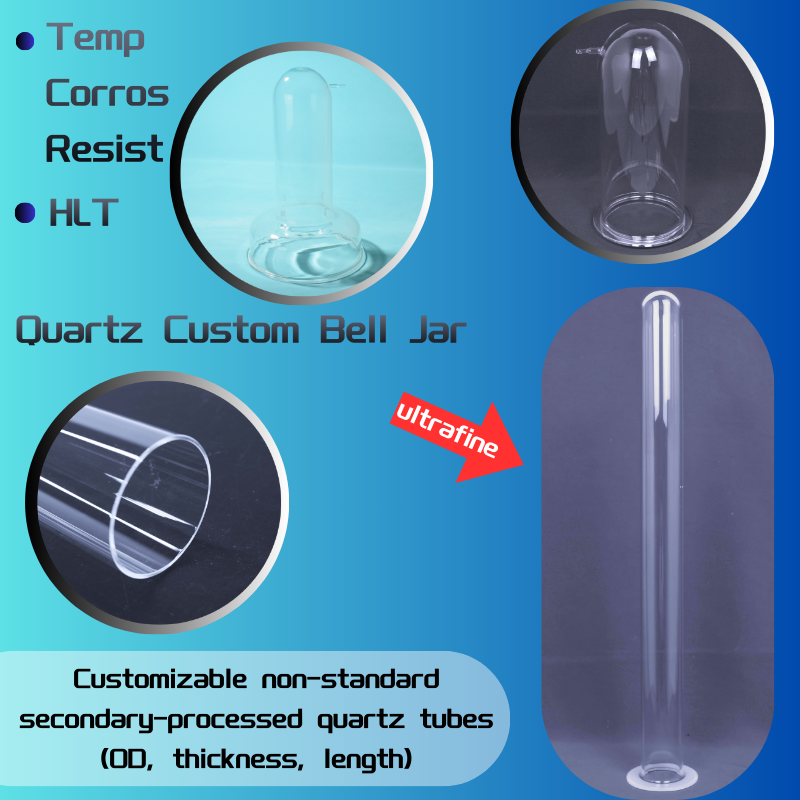
High-Precision Vacuum Reaction Tube
99.99% SiO₂ leak-proof negative pressure quartz vessels crafted with tight dimensional tolerances for controlled atmosphere chemical vapour reactions and sublimation.
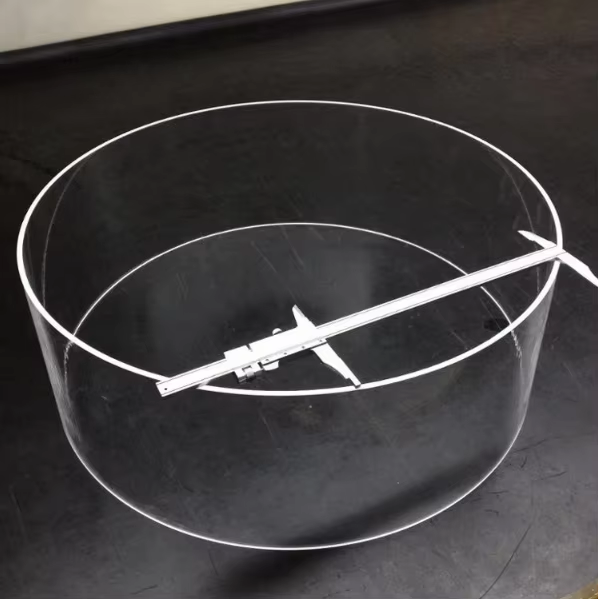
UV Optical Quartz Reaction Tubes
Broadband optical transmission tubes designed for photochemical synthesis, UV radiation kinetics, and powder sintering requiring minimal UV-band light attenuation.
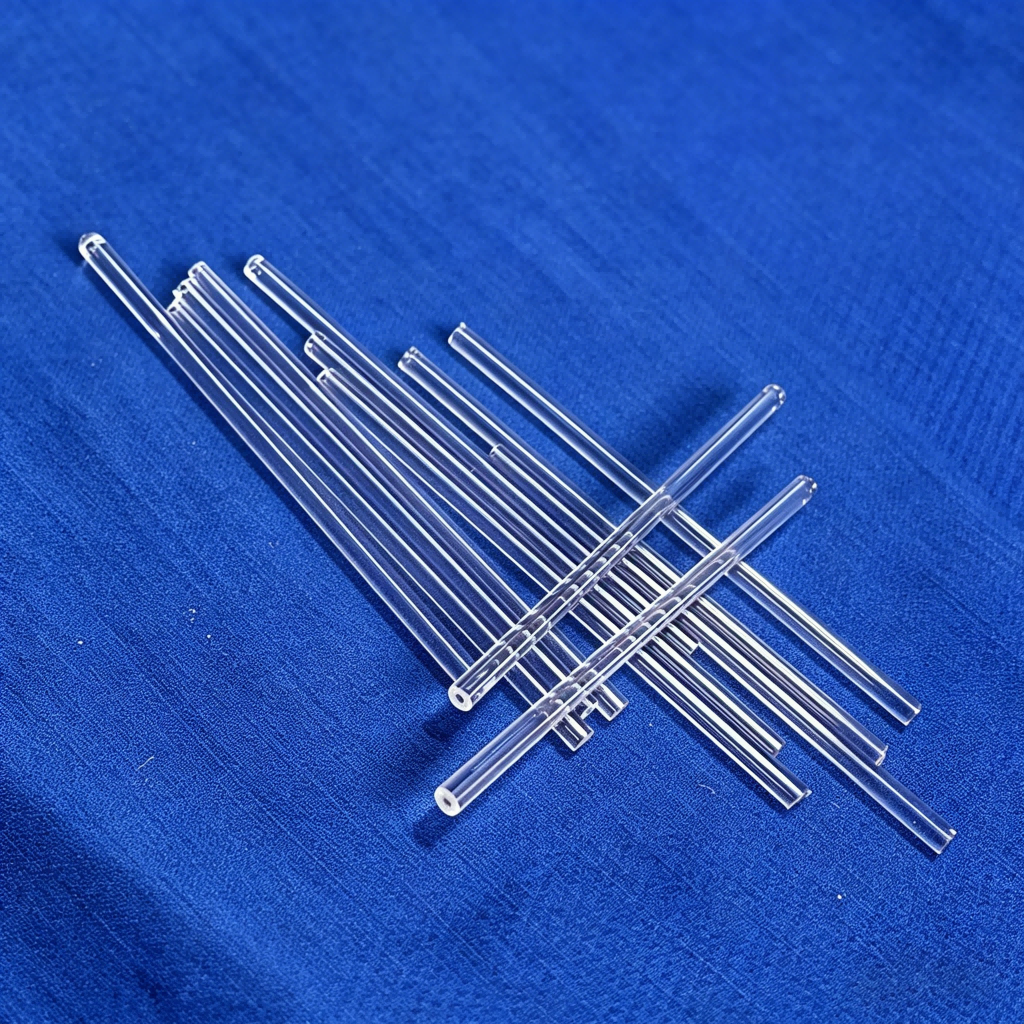
Micro-Capillary Exhaust Quartz Vessel
Opaque and clear capillary conduits (2–10mm OD) built from 99.999% silicon dioxide for high-temperature gas sampling, micro-titration, and inline analytical bypasses.
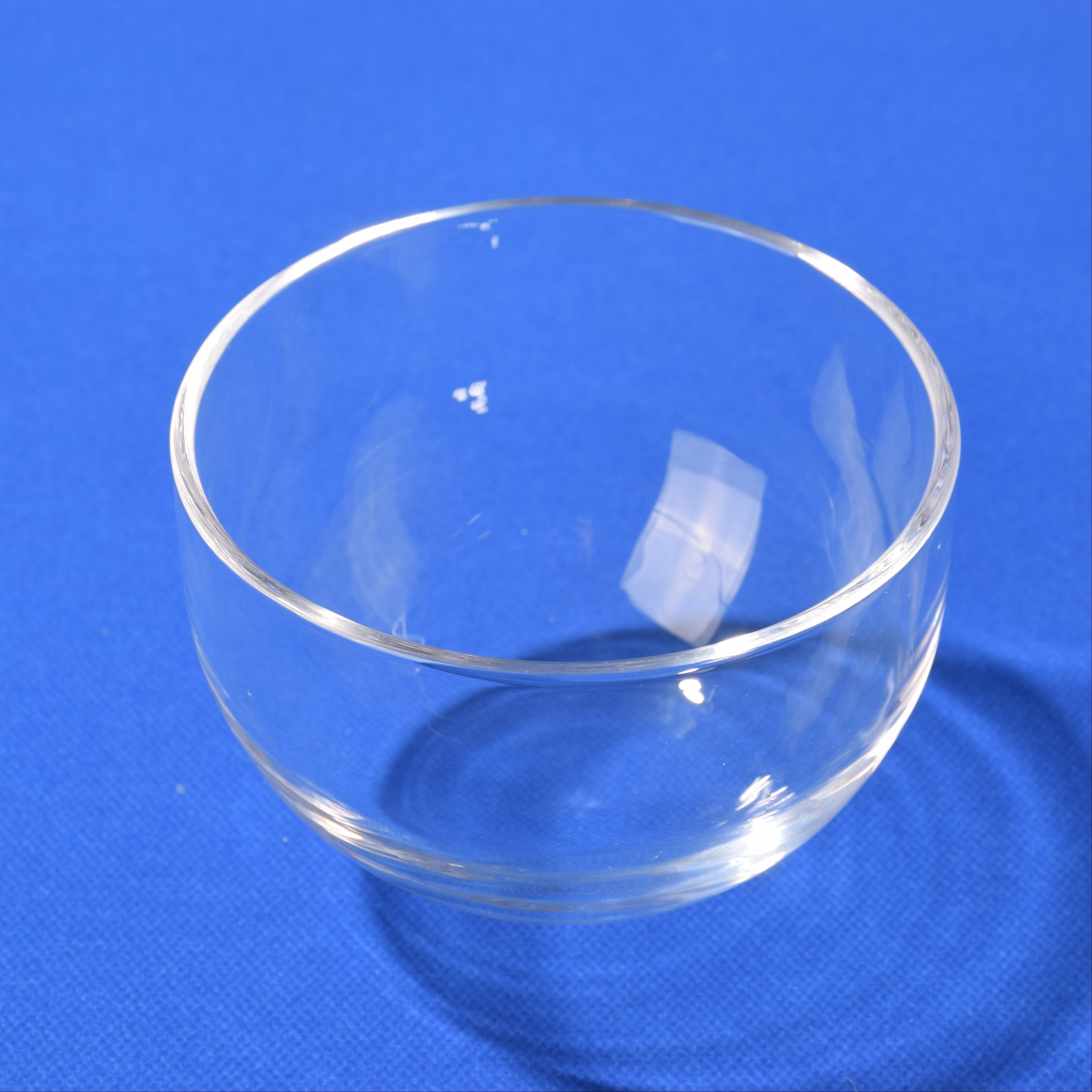
Refractory Fused Quartz Reaction Bowl
Heavy-wall refractory crucible vessels with a 1683°C softening point and 48 N/mm² tensile strength, resistant to thermal shock during batch calcination and metal digestion.
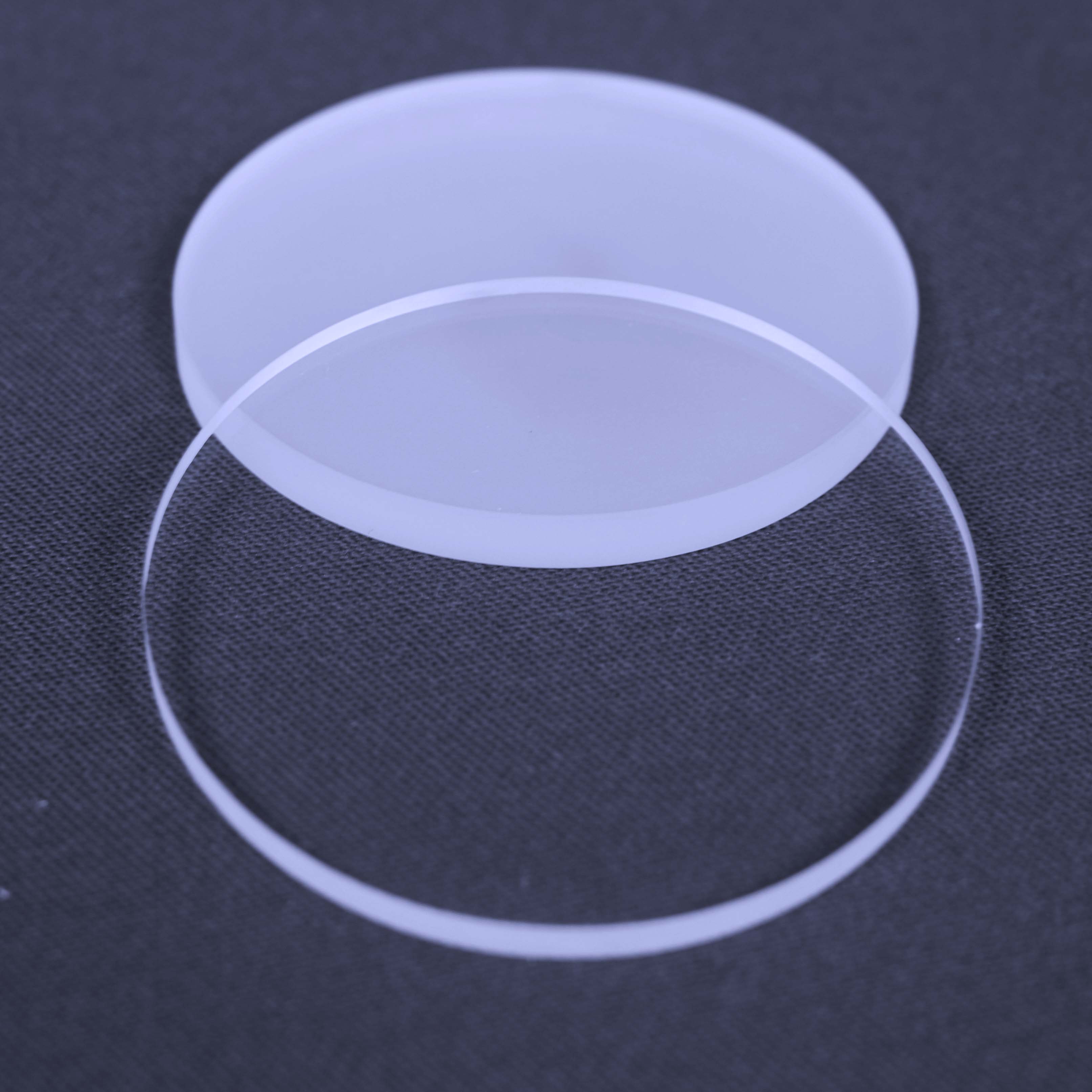
Zero-Background XRD Sample Chambers
Optical-grade polished circular quartz sample holders offering exceptional transmittance and near-zero background diffraction for crystallographic reaction tracking.
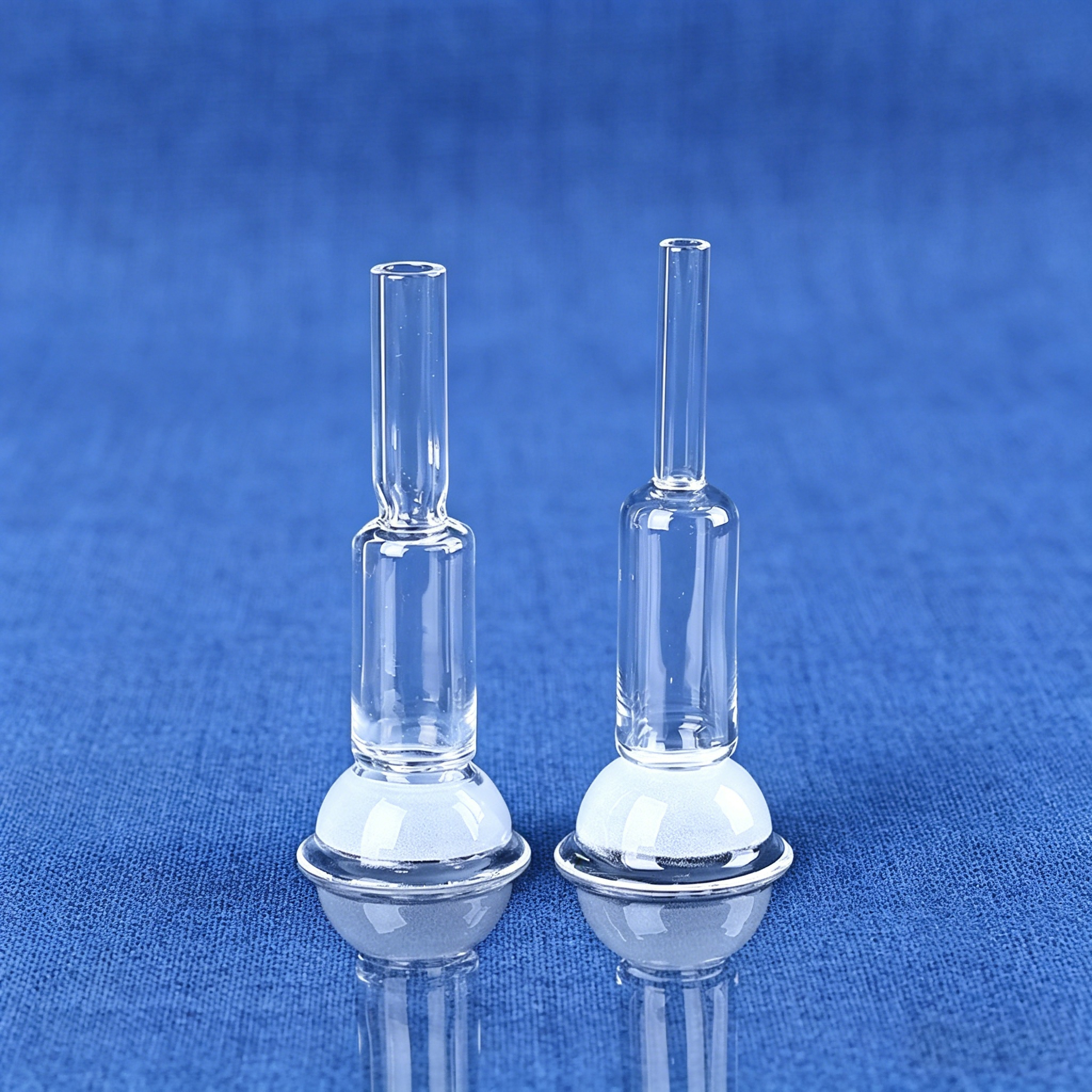
C-Shaped BET Sorption Reaction Cell
Precision-bent and welded C-profile quartz cells engineered for automated surface area characterization and gas physisorption studies at elevated operating temperatures.
Strategic Applications Across Leeds' Chemical & Material Hubs
The Leeds City Region, anchored by world-class academic institutions such as the University of Leeds Faculty of Engineering and Physical Sciences and dynamic innovation corridors along the M62 and Aire Valley, maintains an expanding demand for ultra-pure laboratory and process-scale glass systems. Fused quartz reaction vessels serve as foundational hardware where conventional borosilicate 3.3 fails due to thermal breakdown or alkaline leaching.
Unlike standard borosilicate which softens around 560°C, our fused silica reaction vessels (SiO₂ ≥ 99.99%) support continuous operations at 1,100°C with short excursion peaks approaching 1,450°C. For industrial chemists and research engineers across West Yorkshire, this thermal margin allows advanced catalytic synthesis, hydrothermal extraction, and high-vacuum chemical vapour deposition (CVD) without structural deformation or silica devitrification.
Active Pharmaceutical Ingredient (API) Synthesis
Pharmaceutical CDMOs and bio-incubators throughout Leeds and Bradford deploy our jacketed quartz reaction vessels for aggressive acid digestions, halogenations, and continuous-flow reactions where zero transition-metal contamination is mandated.
Photocatalysis & Green Hydrogen Research
Leveraging deep UV transmittance down to 190 nm, our custom photochemical quartz reactors enable Leeds-based energy researchers to drive ultraviolet-activated water-splitting reactions and volatile organic compound degradation studies efficiently.
Advanced Battery Materials & Sintering
Solid-state electrolyte calcination and precursor synthesis demand unyielding thermal resilience. Our heavy-walled quartz vessels and semi-circular combustion boats resist thermal cracking during rapid ramp-rate furnace processing.
Thermal & Mechanical Comparison: Fused Quartz vs. Standard Borosilicate
Procurement teams and facility engineers in the UK must balance thermal stress factors against chemical resistance. The comparative engineering properties outlined below show why fused silica is vital for extreme-envelope reaction chemistry.
| Physical / Thermal Parameter | Vulra Fused Quartz (Donghai) | Borosilicate Glass 3.3 | Engineering Advantage for Leeds Facilities |
|---|---|---|---|
| Silicon Dioxide (SiO₂) Content | ≥ 99.99% – 99.999% | ~ 81.0% | Eliminates alkali, boron, and alumina ion leaching into active syntheses. |
| Continuous Max Operating Temp | 1,100 °C | 450 °C – 500 °C | Enables pyrolysis, thermal decomposition, and molten salt protocols. |
| Short-Term Softening Point | 1,683 °C | 825 °C | Immune to structural slump or sag during high-heat exothermic events. |
| Thermal Expansion (20–300°C) | 5.5 × 10⁻⁷ cm/cm·°C | 33 × 10⁻⁷ cm/cm·°C | Virtually zero expansion: can withstand water quenching from 1,000°C. |
| UV-C Spectral Transmittance | > 85% at 254 nm | < 10% (Attenuated) | Direct optical penetration for photo-oxidation and UV polymerisation. |
| Tensile Strength Profile | approx. 48 N/mm² | approx. 35 N/mm² | Robust physical reliability in high-vacuum and agitation installations. |
Leeds & UK Specialty Glassware Market Trends
Key regulatory, technological, and supply-chain shifts impacting West Yorkshire's scientific and industrial manufacturing procurement.
Supply Chain Diversification
UK buyers are moving beyond domestic scientific distributors burdened by 12–16 week lead times, turning directly to primary crystal-cluster manufacturers for rapid prototype supply from 1 piece.
Continuous Flow Chemistry
Pharmaceutical labs in Yorkshire are replacing batch reactors with continuous-flow microreactors. This demands micro-capillary tubes, custom-welded sidearms, and tight concentricity tolerances.
Zero-Impurity API Regulations
Stricter MHRA regulations governing elemental impurities (ICH Q3D) push chemical engineers toward synthetic fused silica and 99.999% SiO₂ quartz to eliminate batch contamination.
Rapid In-Situ Optical Testing
The integration of spectrophotometry with reaction flasks demands optical-grade quartz viewports, XRD sample stages, and polished flat windows transparent across UV-Vis-NIR spectra.
Lianyungang Vulra Quartz Products Co., Ltd.
Direct supply from Donghai County—the world’s recognized crystal and quartz synthesis hub—backed by verified quality control and third-party facility accreditation.
Origin Advantage
Located in Donghai County with unmediated access to high-purity natural silica sand, minimizing baseline material variance across manufacturing runs.
Hot & Cold Tooling
In-house oxy-hydrogen flame benching, high-precision diamond cutting, core drilling, CNC glass grinding, and optical lapidary polishing.
Thermal De-Stressing
Multi-stage annealing furnaces remove residual structural stress after neck welding or jointing, preventing stress fractures under vacuum cycling.
Bespoke OEM/ODM
Drawing-based fabrication from 1-piece pilot runs to regular batch releases. Full 2D/3D CAD review before production begins.
Direct UK Export
Custom multi-tier foam and timber crating engineered for fragile quartz items dispatched via secure air or sea freight straight to Leeds.


Certified Quality Integrity: On-site operational assessment conducted by TÜV Rheinland verifying our custom fabrication lines, clean-room assembly, mechanical tolerances, and export management compliance.
Frequently Asked Questions by Leeds & UK Buyers
Key technical, commercial, and logistics considerations when importing custom-engineered quartz reaction glassware into the United Kingdom.
What are the key technical differences between natural fused quartz and synthetic fused silica?
Can you supply non-standard ground joints compatible with British laboratory glassware?
How do you protect fragile quartzware from breakage during international freight to West Yorkshire?
What are the lead times for custom-machined prototypes versus batch production?
What documents accompany shipments to satisfy UK chemical validation procedures?
Initiate Your Custom Quartz Engineering Consultation
Whether you require a one-off bespoke photochemical cell for academic research in Leeds or recurring OEM reaction column batches for industrial synthesis, our technical team is ready to review your CAD drawings and deliver a competitive factory quotation.
Contact Us