Silicon Valley Precision Thermal & Reaction Systems
Direct from our TÜV Rheinland-assessed manufacturing hub to Northern California wafer fabs, universities, and pilot clean-tech labs.

§1 High-Purity Quartz Protection Tubes: Strategic Materials Engineering
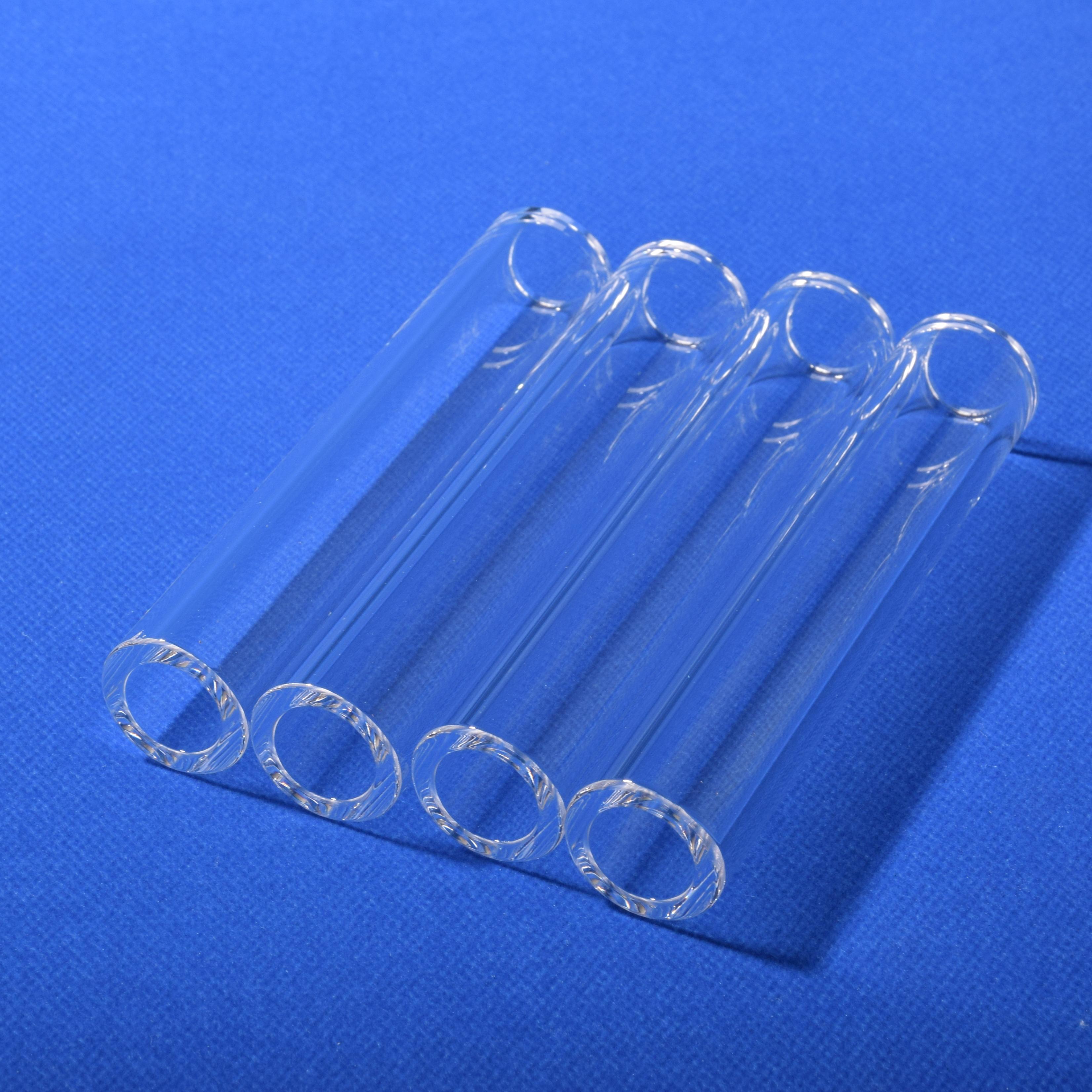
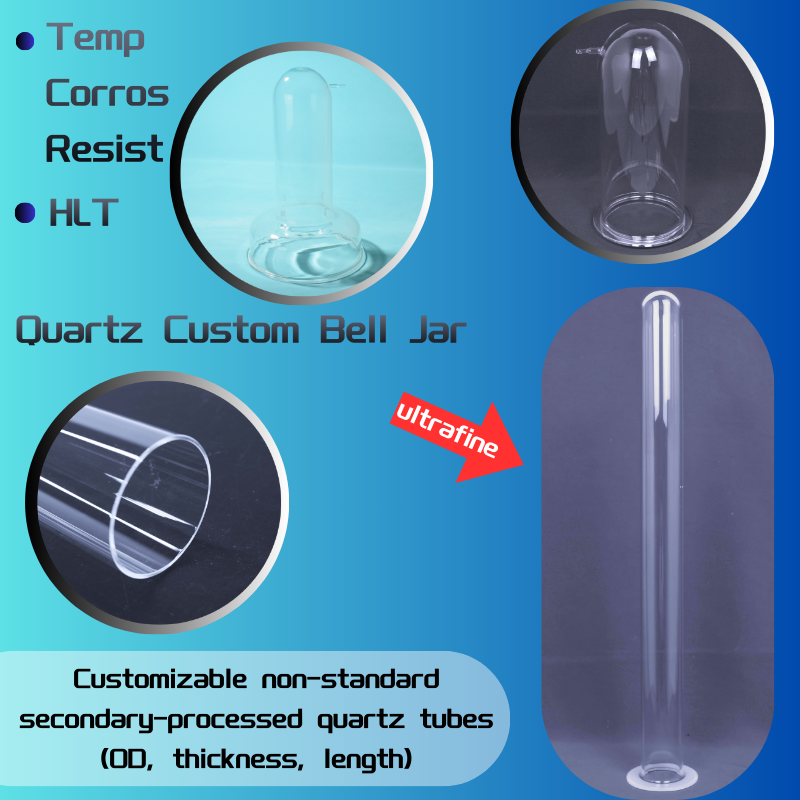
In high-temperature thermal processing, chemical vapor deposition (CVD), atomic layer deposition (ALD), and sensitive pyrometry, thermocouple and sensor reliability depends directly on the integrity of the primary protective enclosure. Quartz protection tubes (fused silica sheathings with closed or domed ends) function as impervious barriers against extreme chemical attacks, high-velocity corrosive gases, and devitrification at continuous thermal baselines up to 1,100°C (with transient excursions to 1,450°C).
Engineered from natural crystalline quartz originating from the world-renowned Donghai silica cluster, Vulra Quartz leverages electric fusion and oxy-hydrogen precision torch manipulation to control metallic impurities (Fe, Cu, Ni, Na, K, Li) down to single-digit parts per billion (≤ 5 ppb). This purity prevents trace cation migration from the tube body into furnace atmospheres—a fatal failure mode in Silicon Valley sub-5nm semiconductor wafer processing and Bay Area quantum research platforms.
| Physical / Thermal Parameter | Standard Clear Quartz Sheath | Semiconductor Ultra-Pure Fused Silica | Synthetic Deep-UV / High-Load Tube |
|---|---|---|---|
| Chemical Purity (SiO₂) | ≥ 99.99% | ≥ 99.995% – 99.999% | ≥ 99.9999% |
| Continuous Service Temperature | 1,050 °C | 1,150 °C | 1,250 °C |
| Hydroxyl Content (OH⁻) | < 30 ppm (Flame/Electric) | ≤ 5 ppm (Vacuum Annealed) | < 1 ppm (Dry Gas Purged) |
| Thermal Shock Tolerance | ΔT = 1,000 °C Water Quench | ΔT = 1,100 °C Rapid Cycle | ΔT = 1,200 °C Non-fracture |
| Dielectric Strength (20°C, 1MHz) | 25 – 40 kV/mm | 35 – 45 kV/mm | > 50 kV/mm |
§2 San Francisco Bay Area & Silicon Valley Application Ecosystem
The microclimate of high-technology manufacturing and advanced physics along the San Francisco Peninsula, Silicon Valley (San Jose, Santa Clara, Sunnyvale, Fremont), and the East Bay (Berkeley, Livermore) imposes distinct mechanical and compositional requirements on quartz protection hardware:
Semiconductor Thermal Profiling
Silicon Valley fabs running diffusion furnaces, rapid thermal processing (RTP), and silicon carbide (SiC) epitaxy demand ultra-straight closed-end quartz protection sheaths. These sheaths preserve the structural calibration of platinum/rhodium Type B, R, and S thermocouples without introducing alkali metals into high-vacuum process tubes.
Clean Energy & Solid-State Batteries
Across clean-energy venture corridors in San Carlos, Emeryville, and Fremont, R&D teams testing next-generation solid electrolytes utilize our heavy-wall quartz tubes (SJ 150 class) and sealed electrolytic domes to isolate lithium vapor reactions under negative pressure at 850°C to 1,000°C.
National Labs & Synchrotron Facilities
Lawrence Berkeley National Laboratory (LBNL) and Stanford Linear Accelerator (SLAC) deploy our polished optical and high-corrosion 400-mesh quartz components within beamline end-stations and sample heating chambers requiring non-fluorescing, transparent protection windows and thermocouple wells.
§3 Market Trends Across Northern California Industrial Hubs
The industrial dynamic of the Bay Area has evolved away from routine mass assembly toward hyper-specialized, fast-turnaround hardware engineering. Several procurement and design trends dictate quartz protection requirements in this regional corridor:
1. Sub-100-Nanometer Contamination Thresholds in Packaging: The expansion of 2.5D and 3D heterogeneous chiplet integration in Santa Clara has accelerated the need for quartz thermal sheaths that emit zero volatile condensates during fluxless thermal compression bonding. Traditional alumina and commercial-grade borosilicate tubes release micro-particles; high-OH quartz bubbles can crack under rapid cycle times. Precision flame-polished, fire-sealed high-purity quartz protection tubes eliminate particle generation entirely.
2. Fusion & High-Density Plasma Research: With nuclear fusion start-ups situated in the East Bay and South Bay, magnetic confinement and laser target chambers operate with diagnostic probe wells subjected to high-energy magnetic fields and radiation flux. Fused quartz protection tubes exhibit exceptional dielectric strength (>25 kV/mm at high frequencies) and radiation resistance, serving as optical and probe barriers without attenuating high-speed pyrometric sensors.
3. Transition from Multi-Layer Sheathing to Direct-Formed Closed Enclosures: Process engineers in Richmond and South San Francisco biotech/synthetic fuel labs are replacing dual-layer ceramic/metal protection assemblies with single-piece thin-wall quartz sheaths. Fused silica’s coefficient of thermal expansion (CTE of 5.5 × 10⁻⁷ /°C) is roughly 1/15th that of steel and 1/10th that of alumina, eliminating interfacial shearing during emergency shut-downs or rapid gas-cooling procedures.
§4 Manufacturing Excellence & Supply Verification (Vulra Quartz)
Vulra Quartz operates from No. 9, Dingxin Road within the Jiangsu Donghai Economic Development Zone, commanding a factory infrastructure built on comprehensive raw sand selection, advanced cold CNC diamond fabrication, and hot gas lathe benchwork. We bridge overseas prototyping speed with heavy OEM volume capability.
Verified on-site custom manufacturing capability, production capacity, and legal credentialing ensuring compliance for Fortune 500 equipment builders.
Multi-axis diamond wheel grinding, ultrasonic hole drilling, tight tolerances down to ±0.05 mm, and seamless oxy-hydrogen fire seals.
Every protection sheath undergoes programmable thermal annealing to eliminate residual flame stress, followed by hot HF-acid clean-room etching.
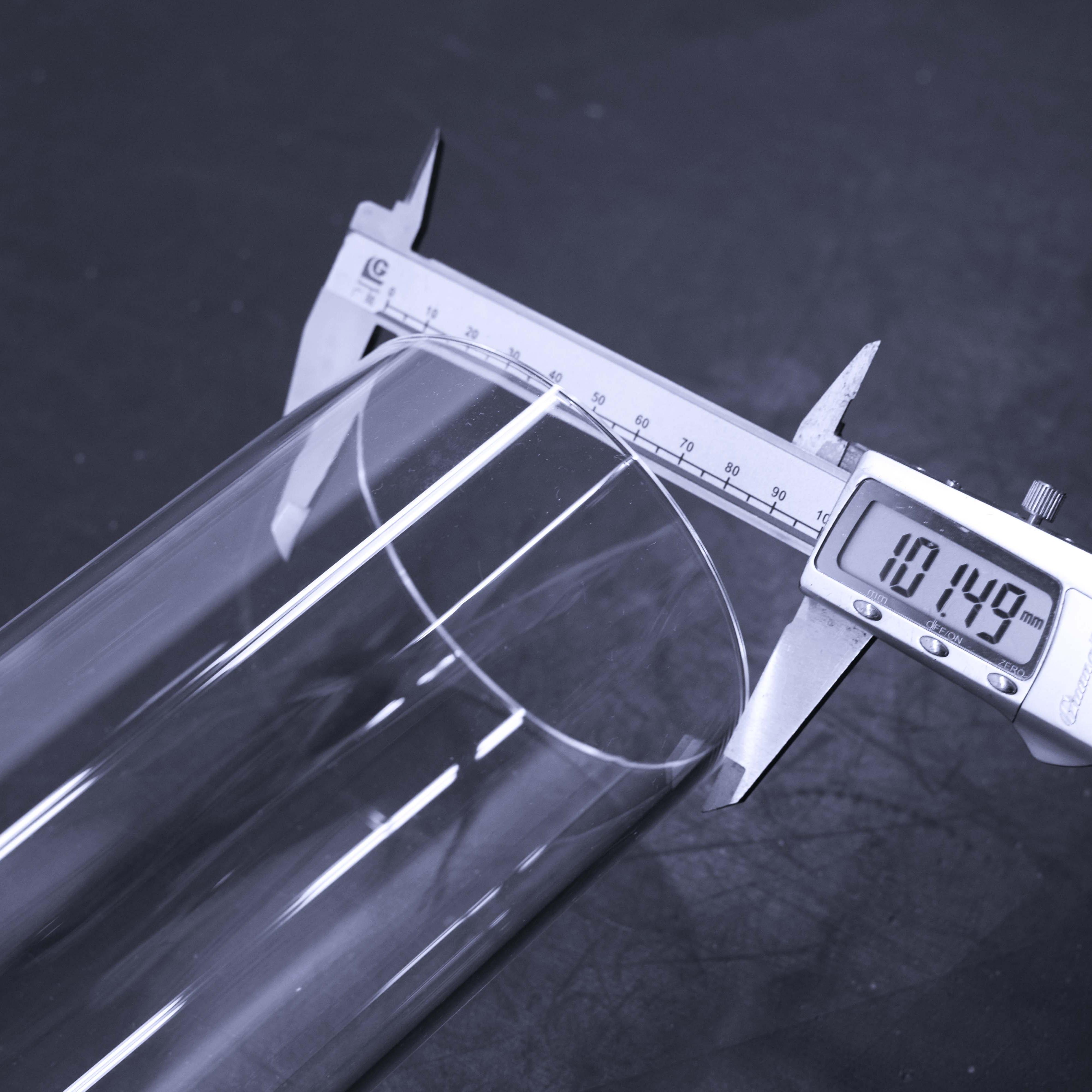
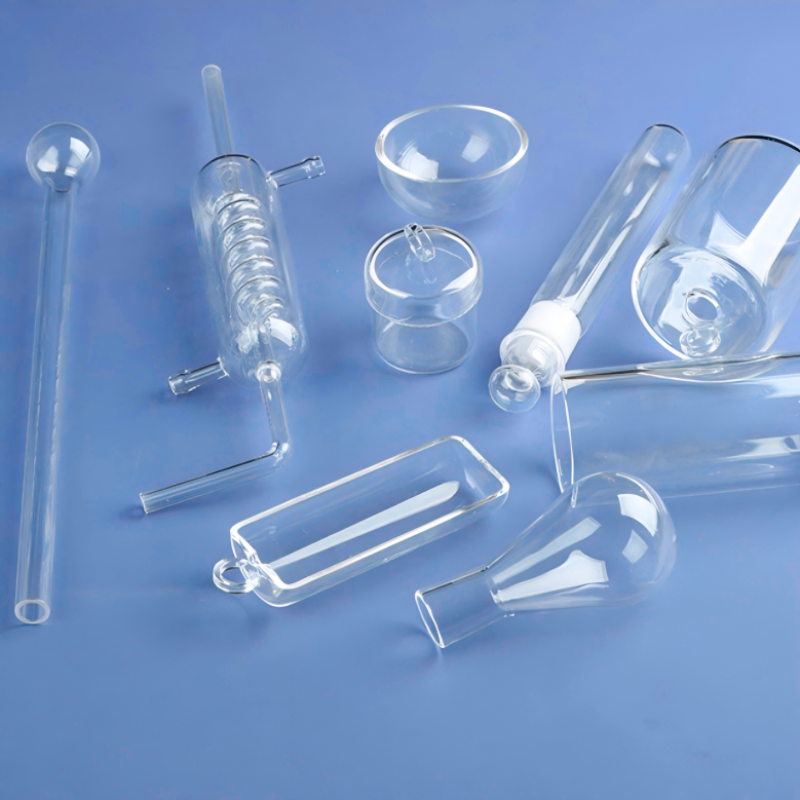
From our standard OD 5 mm – 800 mm product envelope to customized thermocouple sleeves with ground joints, flared flanges, and gas sampling ports, we review every custom drawing for thermal sag, wall uniformity, and port shear stress before executing initial pilot pieces.
§5 Frequently Asked Questions by San Francisco Procurement Engineers
Q: How do your quartz protection tubes handle thermal shock compared to alumina ceramic?
A: Fused quartz possesses a near-zero coefficient of thermal expansion (5.5 × 10⁻⁷ /°C from 20°C to 1,000°C), allowing it to withstand immediate water quenches from red heat (1,100°C) without cracking. Alumina exhibits high thermal conductivities and higher CTE, making it vulnerable to thermal shock during rapid furnace insertion or cold-gas purging cycles.
Q: What is the typical lead time for custom sheaths delivered to the San Francisco Airport (SFO) or Silicon Valley?
A: Standard prototype orders (1 to 10 pieces) are manufactured and annealed within 5 to 7 business days. We partner with express global air carriers (DHL Express, FedEx Priority) directly clearing customs into SFO or Oakland, delivering to labs in Palo Alto, Berkeley, or San Jose in under 4 days post-production.
Q: Can Vulra Quartz manufacture protection tubes with specialized closed-end geometries?
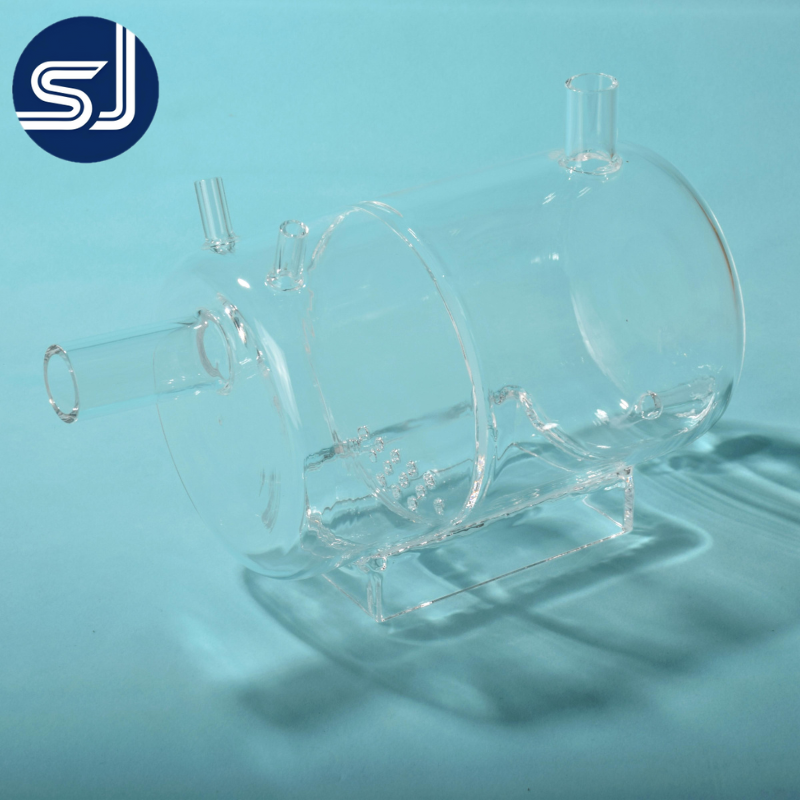
A: Yes. We fabricate hemispherical round bottoms, flat optical windows, conical closed tips for rapid thermal response, and localized thin-wall sensing tips (≤ 0.8 mm) where immediate thermocouple reaction times are critical for furnace process PID controllers.
Q: How are tubes secured against micro-fractures during cross-Pacific transit?
A: Fragile quartz tubes are isolated with dense custom-molded polyethylene foam suspension, individually sleeved in anti-static film, packed in crush-resistant dual-corrugated containers, and bolted inside exterior reinforced export wooden crates configured with tip-n-tell tilt indicators.
Q: Can your tubes be doped for ozone-free or specific spectral attenuation?
A: Absolutely. For optical pyrolysis or UV heater protection, we provide titanium-doped quartz that cuts off deep UV emissions below 220 nm (eliminating toxic ozone formation in confined cleanrooms) while passing near-infrared heat rays freely (>90% transmission at 1.0–2.5 μm).
Accelerate Your San Francisco Research & Semiconductor Runs
Submit your custom protection tube specifications or CAD drawings (.DWG, .DXF, .STEP, .PDF). Our engineering team will return a formal DFM feasibility review, wall-stress assessment, and quotation within 24 hours.
Get Catalog