TÜV Rheinland Verified Custom Quartz Manufacturer
[email protected] English
Metrology Standards & Optical Metrology Whitepaper

Quartz Optical Flat Manufacturers & Exporter serving the Memphis market

Precision-engineered fused silica reference surfaces, ultra-low expansion optical flats, and interferometric calibration standards built for Memphis biomedical, advanced logistics, and regional aerospace testing nodes.

λ/20 P-V
Peak Surface Flatness
99.999%
Maximum SiO₂ Purity
0.55×10⁻⁶/°C
Thermal Expansion (CTE)
1 PC
Custom Prototype MOQ

Metrology Engineering Brief: The Memphis Precision Testing Ecosystem

Industrial calibration and optical validation in the Greater Memphis metropolitan corridor—encompassing Southwest Tennessee, Northern Mississippi, and East Arkansas—demand unprecedented dimensional stability. Often celebrated primarily for its global multimodal air-cargo transit infrastructure, Memphis has simultaneously evolved into a high-density bioscience corridor, specialized medical device fabrication cluster, and critical staging zone for aerospace hydraulics and cryogenic cold-chain instrumentation. In these mission-critical sectors, verifying the planarity of optical surfaces, mechanical seal seats, and semiconductor gauge blocks is not merely an operational step—it is a baseline compliance imperative under ISO/IEC 17025 accreditation regimens.

As certified Quartz Optical Flat Manufacturers & Exporters, Lianyungang Vulra Quartz Products Co., Ltd. supplies the Memphis precision market with synthetic fused silica and high-purity natural fused quartz optical flats designed to eliminate measurement drift. Unlike standard borosilicate reference glass, which suffers from severe thermal deformation when exposed to thermal cycling and cleanroom environmental gradients, our optical flats leverage raw material sourced directly from the crystal hub of Donghai. Possessing an ultra-low Coefficient of Thermal Expansion (CTE of 0.55 × 10⁻⁶/°C between -50°C and 200°C) and an internal structural purity exceeding 99.99% SiO₂, our single-sided and dual-surface optical flats function as absolute reference planes for monochromatic fringe analysis, Twyman-Green interferometry, and laser-based surface profilometry.
Precision Optics & Engineered Quartz Line

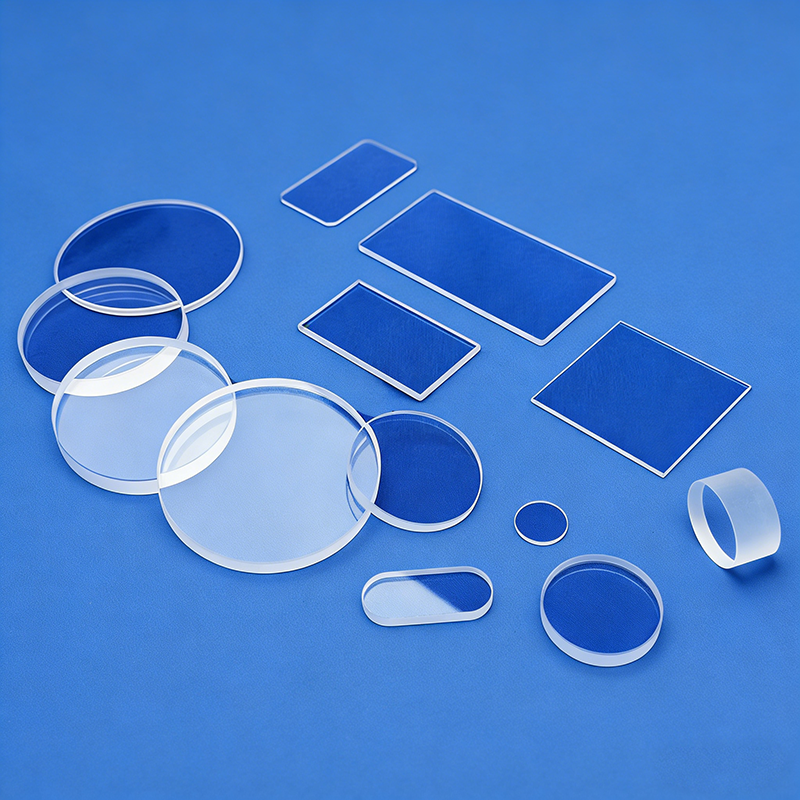
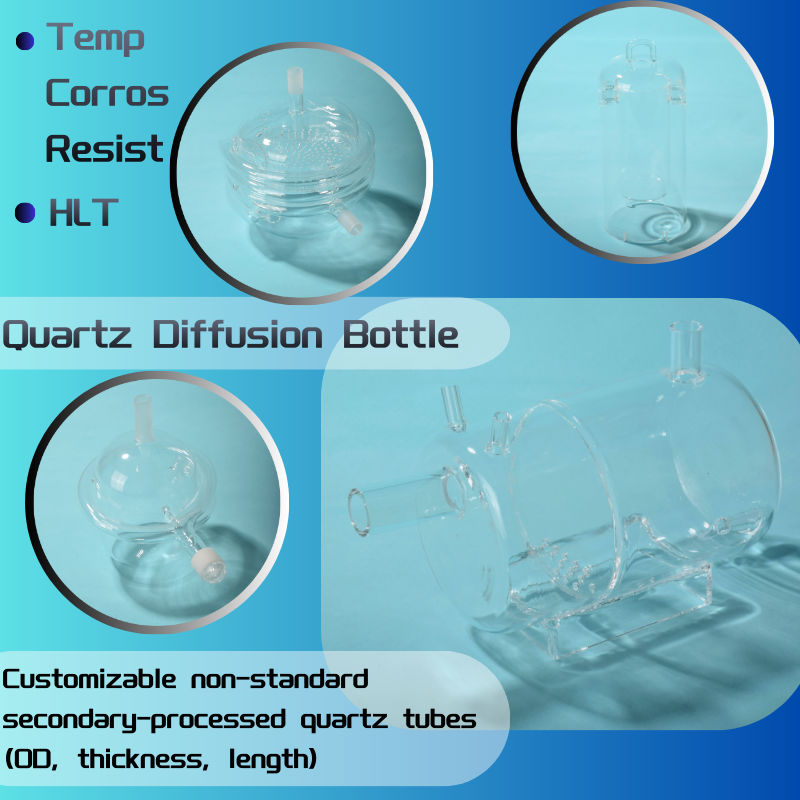
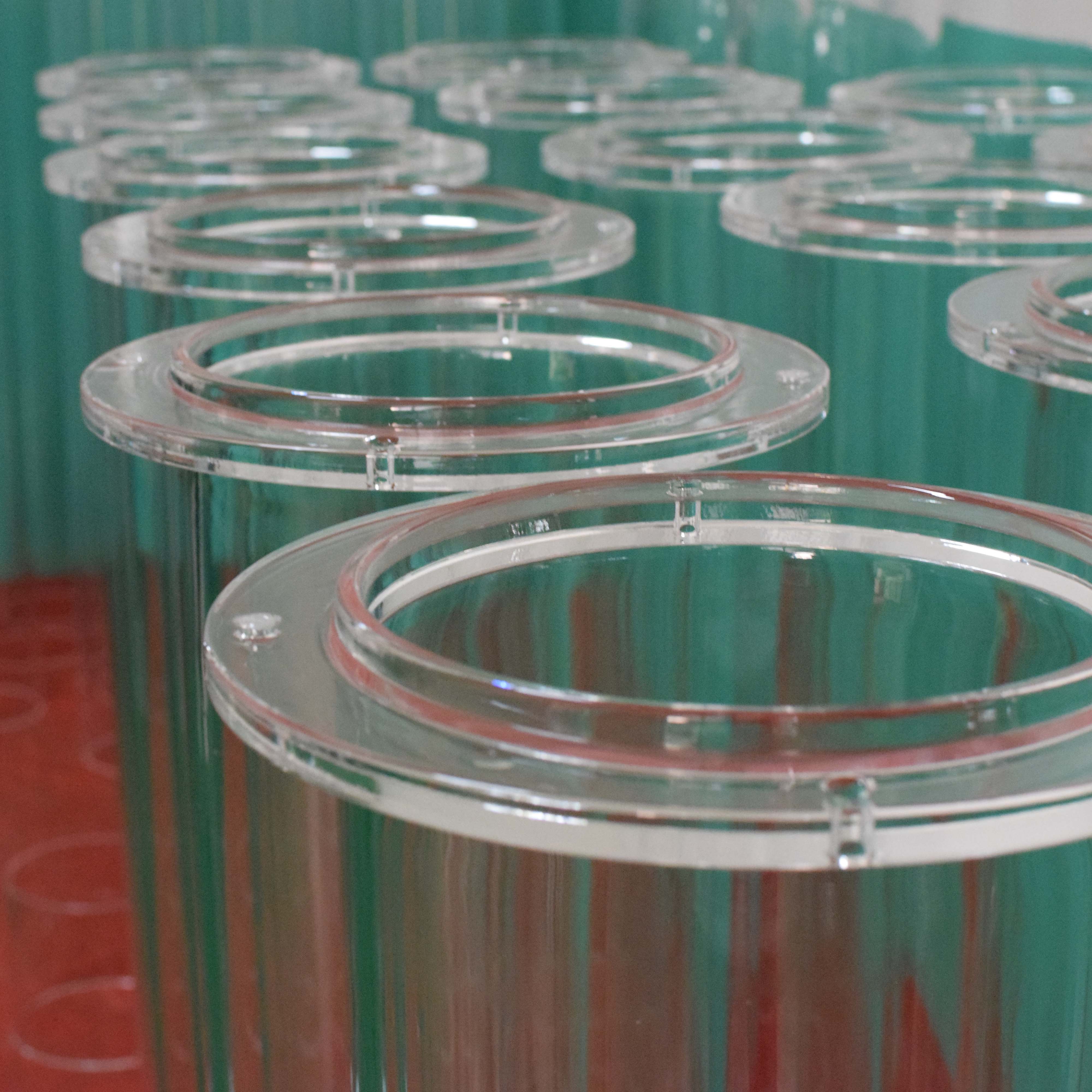
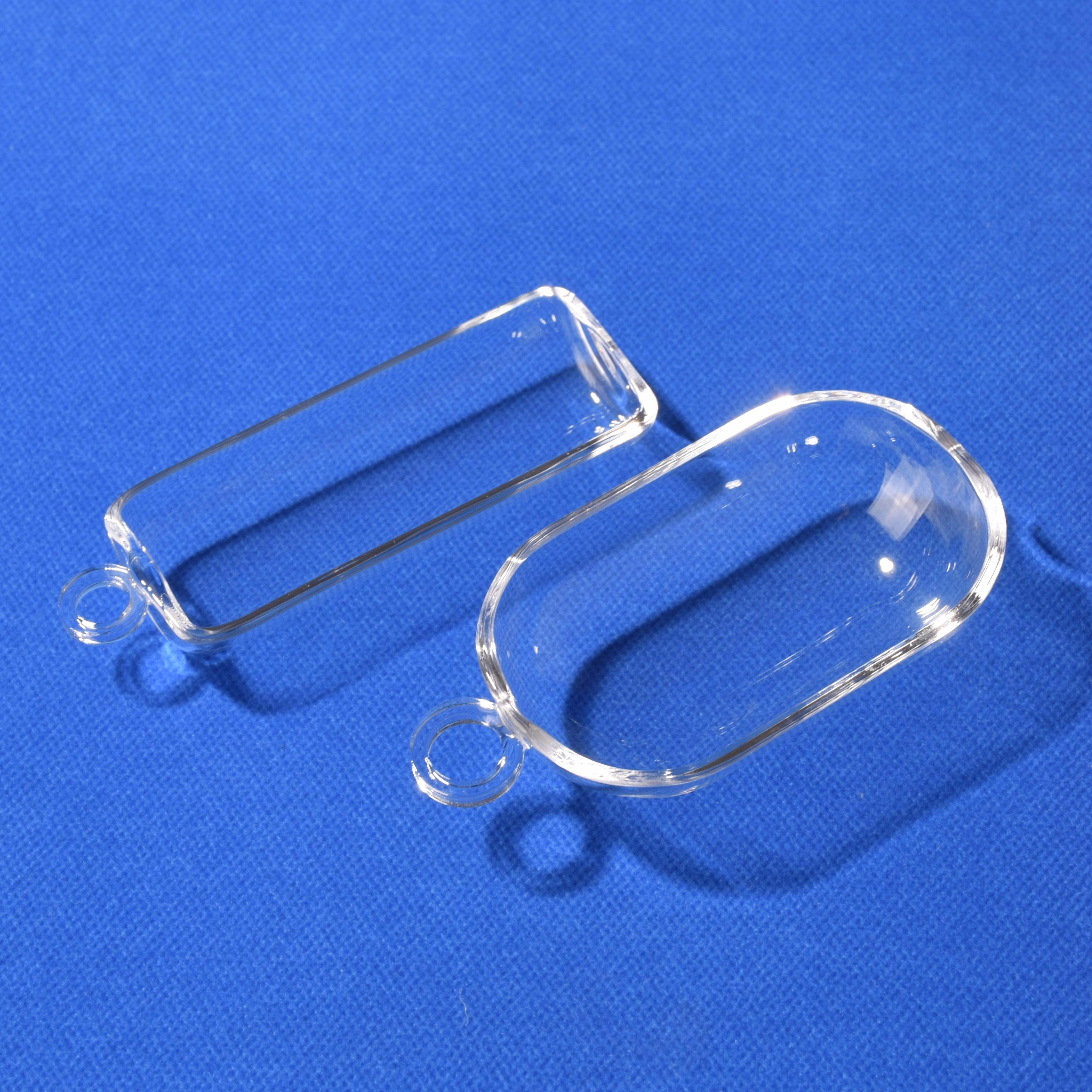
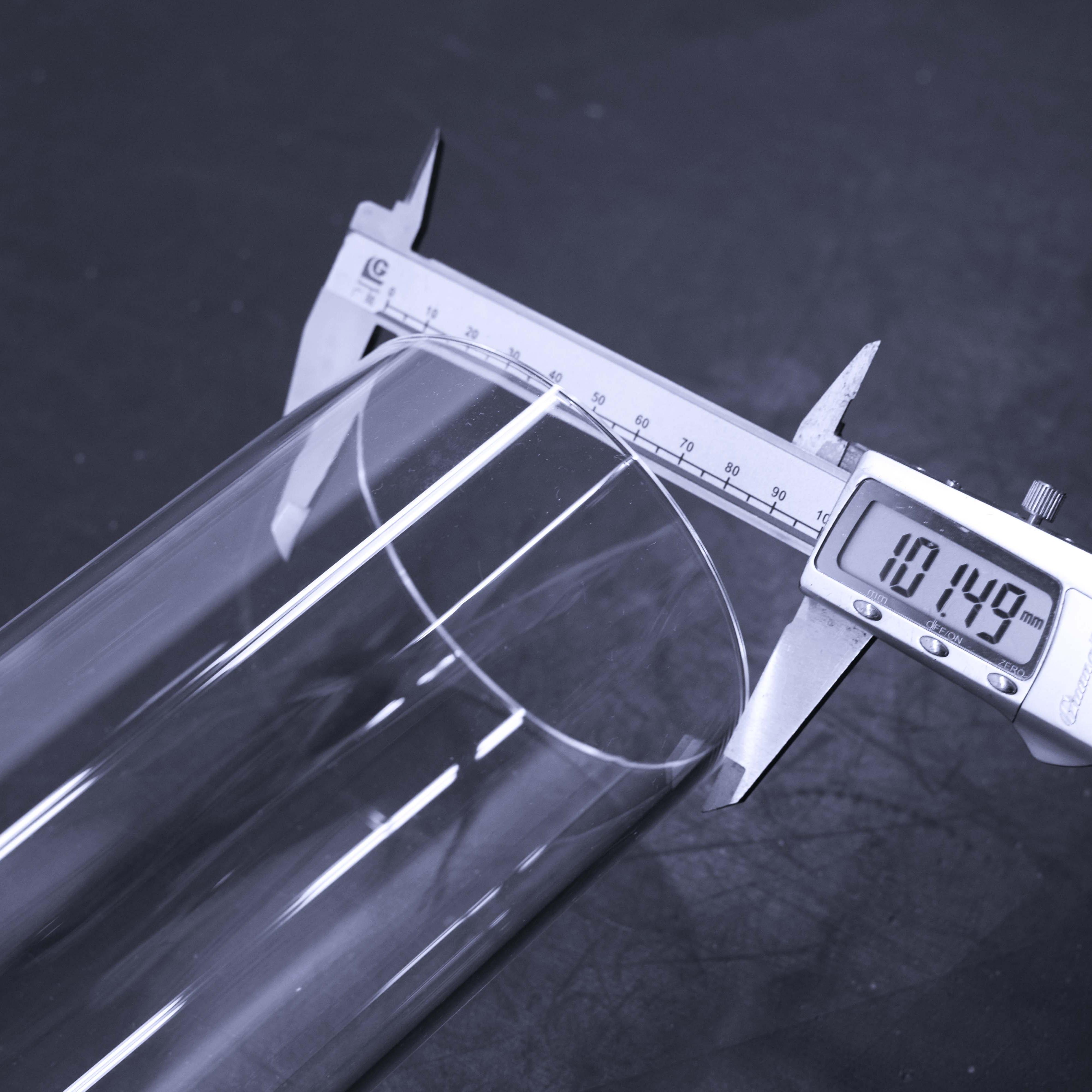
Featured Industrial & Metrology Quartz Solutions

Explore our verified high-purity quartz products engineered for severe thermal resistance, ultra-flat optical parallelism, and contamination-free laboratory processing. Customized from 1 piece according to CAD/CAM specifications.

Localized Application Scenarios Across the Memphis Industrial Hub

The deployment of optical flats across the Memphis ecosystem reflects the city's strategic role as an engineering testing ground and logistics gateway. Rather than typical commoditized glass distribution, local buyers demand rigorous surface-accuracy verification under ISO and ASTM protocols.

1. Orthopedic & Surgical Device Lapping

Memphis represents one of the largest concentrations of orthopedic design and device manufacturing in North America. Producing cobalt-chrome femoral heads, titanium spinal implants, and ultra-high-molecular-weight polyethylene articular inserts requires absolute flat lapping. Production quality managers deploy our dual-surface synthetic fused silica optical flats to inspect mechanical seals, micro-fluidic valves, and polished implant mating surfaces under helium monochromatic light fixtures.

2. Cold-Chain Sensor Calibration

Anchored by Memphis International Airport (MEM)—the primary air freight hub for FedEx Express—the region is the central artery for temperature-sensitive global biologics and clinical trial distribution. Cryogenic and thermal dataloggers require optical infrared windows and sapphire/quartz pressure sensors. Our quartz optical flats provide calibration laboratories with non-deforming reference baselines to calibrate thermal expansion sensors across extreme transit ranges from -80°C dry-ice storage to +50°C tarmac exposure.

3. Aerospace Hydraulic Sealing Rings

Regional aircraft maintenance, repair, and overhaul (MRO) facilities along the Mississippi corridor service critical flight-control actuators. Technicians utilize 100mm to 300mm quartz reference flats to verify the planarity of tungsten carbide mechanical seals and rotating fuel control faces, where a surface out-of-flatness exceeding two light bands (0.6 µm) could cause critical in-flight pressure degradation.

Emerging Regional Trends: Automation, Photon Testing & Sub-Nanometer Flats

Historically, visual air-wedge fringe counting served as the standard workshop method in local manufacturing. However, three prevailing trends are transforming how Memphis metrology teams procure optical flats:

  • Transition to Phase-Shifting Interferometry: Facilities are transitioning from manual optical flat inspection to computerized Fizeau interferometers. This shifts purchasing demand toward certified transmission flats with wave-front distortion controlled to λ/20 (31.6 nm at 632.8 nm helium-neon wavelength) and ultra-low internal stress birefringence (<5 nm/cm).
  • Reshoring High-Purity Synthesis: Biomedical and micro-electro-mechanical systems (MEMS) laboratories tied to regional research institutions (such as St. Jude Children's Research Hospital and University of Tennessee Health Science Center) require zero trace-metal leaching. Standard optical glasses are being replaced with high-purity synthetic fused silica flats that resist solarization, chemical etching, and optical clouding.
  • Rapid Direct-to-Hub Logistics Integration: Because Memphis operators function within just-in-time delivery models, local engineering buyers seek direct manufacturing partners capable of dispatching custom-dimensioned, custom-beveled flats via rapid customs corridors directly into the regional distribution grid.

Material Performance Matrix: Fused Quartz vs. Borosilicate & Soda Lime

Understanding optical flat performance requires deep material science insight. The table below outlines why fused silica and natural fused quartz remain the authoritative standard for calibration masters in high-precision testing environments:

Physical / Optical Property High Purity Fused Quartz (Vulra) Borosilicate Glass (Standard) Soda-Lime Float Glass
SiO₂ Purity Grade 99.99% – 99.999% ~ 80.5% ~ 72.0%
Thermal Expansion (CTE, 20-320°C) 0.55 × 10⁻⁶ / °C (Virtually Zero Drift) 3.3 × 10⁻⁶ / °C (6x Higher) 9.0 × 10⁻⁶ / °C (16x Higher)
Continuous Service Temperature 1100 °C (Short peak: 1450 °C) 450 °C 110 °C
Softening Point 1683 °C 820 °C 720 °C
Thermal Shock Resistance Immediate drop from 1100°C to 20°C water Moderate (Cracks > 150°C diff) Extremely Low (< 60°C diff)
Optical Transmission Band 190 nm (Deep UV) to 3500 nm (Near IR) 350 nm to 2200 nm 380 nm to 2000 nm
Surface Accuracy Tolerance λ/10 to λ/20 P-V (Certified Interferometric) λ/4 to λ/2 typical Commercial grade only

Why Memphis Procurement Teams Source Directly from Vulra Quartz

Lianyungang Vulra Quartz Products Co., Ltd. combines geographic raw material dominance with verifiable manufacturing credentials, providing North American industrial clients with uninterrupted access to high-precision optics and specialized laboratory quartz.

TÜV Rheinland Verified Production

Unlike sourcing middlemen, our complete factory facility at No. 9 Dingxin Road, Donghai Economic Development Zone, has been evaluated and independently authenticated on-site by TÜV Rheinland. Our fully customized processing lines, cleanroom annealing ovens, and quality assurance labs comply with strict international trade standards, confirmed by CE and RoHS conformity certifications.

Direct Access to Crystal Capital Raw Materials

Donghai County is recognized worldwide as the crystalline quartz epicenter. This direct proximity allows us to select optical-grade crystal quartz sand possessing sub-ppm trace metal levels. By controlling raw ingot fusion, diamond-wheel wire sawing, dual-face planetary lapping, and cerium oxide polishing under one roof, we eliminate intermediate supply chain margins and pass cost advantages directly to Memphis end-users.

Full In-House Cold & Hot Glass Lathe Processing

Our workshop integrates diamond core drilling, bevel edge grinding, ultrasonic degreasing, and laser micrometer inspection alongside automated oxy-hydrogen flame benches. Whether you require a single 50mm calibration flat certified to λ/20, a 500mm optical furnace sight glass, or complex multi-bend fused quartz reaction assemblies, our engineering group executes strict drawing-based manufacturing.

1-Piece Prototype to Enterprise Scaling

We operate with a customer-centric MOQ policy: single-piece custom prototyping for researchers, biomedical engineers, and quality assurance labs seeking proof-of-concept validation, backed by scalable batch-production capacity for tier-1 industrial equipment manufacturers.

Export-Grade Engineered Transit Cradles

Shipping high-precision optics trans-Pacific to the Memphis distribution hub requires specialized packaging science. Every optical flat undergoes multi-stage ultrasonic deionized water scrubbing, hermetic barrier sealing in vacuum-grade anti-static pouches, and isolation within custom cut shock-damping foam cells housed in certified export crates. We ensure zero scratch-dig degradation or shock fractures upon delivery.

Engineering-Led CAD/CAM Technical Audits

Every RFQ drawing submitted is reviewed by an experienced quartz glass metrology engineer. We scrutinize edge chamfers, aspect ratios, thickness-to-diameter stiffness factors (to eliminate gravitational sag during interferometric testing), and thermal gradient tolerances before production.

Memphis Regional Sourcing FAQ: Optical Flats & Precision Quartz

Detailed technical answers to common queries submitted by quality managers, calibration technicians, and procurement coordinators across Tennessee.

How does an optical flat measure flatness using monochromatic light?

An optical flat relies on the physical principle of light wave interference. When the master flat's polished reference surface is placed directly upon a clean, test-part surface, a very thin air wedge forms between them. Under monochromatic illumination (commonly Helium light at a wavelength of 632.8 nm or Sodium light at 589.3 nm), light reflections from the bottom of the flat and the top of the test part interfere with each other. This creates alternating bright and dark fringe bands. Each straight, parallel fringe indicates an elevation change equal to one-half the light source wavelength (approximately 0.316 µm or 12.5 micro-inches for Helium). Curved or uneven fringes instantly map out convex, concave, or stepped irregularities across the test component.

Should Memphis labs choose single-surface or dual-surface optical flats?

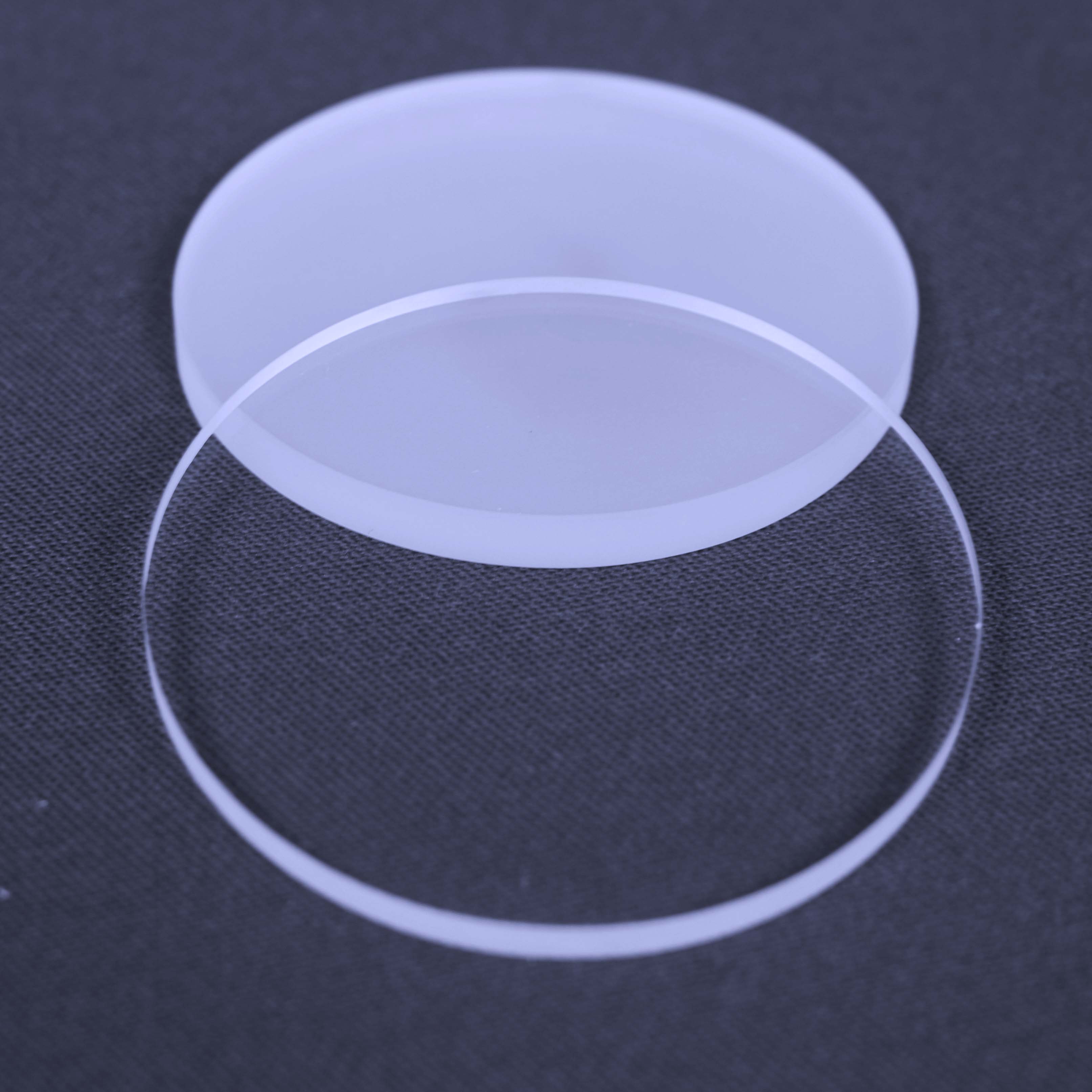
The choice depends on whether the flat functions solely as a direct-contact reference or as a transmission optic. Single-surface optical flats feature one master precision face (lapped to λ/10 or λ/20) while the reverse side is matte-ground to prevent distracting spurious internal reflections. These are ideal for physical contact testing of gage blocks and mechanical seals. Dual-surface optical flats possess both faces ground and polished to equal flatness and tight parallelism (<5 arcseconds). These are mandatory for calibration setups where light transmits through the flat (such as in Fizeau or Twyman-Green interferometry, laser windows, and optical beam splitters).

Why is quartz preferred over standard pyrex/borosilicate in calibration?

The critical performance factor is thermal expansion stability. Standard borosilicate (Pyrex-grade) glass expands at roughly 3.3 × 10⁻⁶/°C. Even the body heat from a technician's hand or an HVAC temperature shift in a Memphis lab can cause standard glass to expand unevenly, bending the reference surface out of tolerance. In contrast, high-purity fused quartz expands at only 0.55 × 10⁻⁶/°C—making it six times more dimensionally stable. Furthermore, fused quartz offers superior hardness (Knoop hardness of 820 vs. 480 for soda-lime), significantly resisting surface scratching from abrasive contact during repetitive daily inspection routines.

What is the recommended ratio of thickness to diameter for an optical flat?

To prevent gravitational sag and mechanical flexing when supported on test stands, optical flats require high structural rigidity. As a metrology design standard, we adhere to an aspect ratio between 1:5 and 1:6 (thickness to diameter). For example, a 150mm (6-inch) diameter optical flat is engineered with a standard thickness of at least 25mm to 30mm. Using thinner dimensions can result in surface distortion purely due to the flat's own weight, invalidating nanometer-level flatness measurements.

How do you clean and preserve quartz reference surfaces to prevent scratching?

Metrology flats should be cleaned using the drag-wipe solvent technique with high-purity isopropyl alcohol or optical-grade acetone and residue-free lintless lens tissue. Never scrub dry surfaces, as microscopic abrasive dust particles common in industrial environments will drag across the optical face, creating permanent scratches. When not actively measuring components, always store flats in their velvet-lined, shock-isolated wooden cases, protected with inert lens paper covers.

What are your international delivery options and lead times into Memphis?

For single-piece prototype orders or emergency replacements in Memphis calibration rooms, express door-to-door air freight services (via FedEx, DHL, or UPS) typically arrive within 4 to 7 business days following manufacturing and laser interferometer QC verification. Standard production lead times for custom dimensions range between 10 to 18 business days depending on optical coating and lapping complexity. Larger production batches are shipped directly via air cargo containers into Memphis International Airport (MEM) or via integrated ocean freight routes.

Engineering RFQ & Metrology Consultation

Request Custom Optical Flat Quotations & Technical Consultation

Planning a new metrology setup, replacing worn borosilicate inspection masters, or developing custom fused silica reaction hardware for your facility in the Greater Memphis region? Connect directly with our manufacturing engineering desk for immediate drawing reviews, custom tolerance assessments, and factory-direct pricing.

Contact Us