Precision Fused Quartz Products Showcase
TÜV Rheinland-Verified High-Purity Quartzware Engineered for Critical Thermal, Optical, and Chemical Applications
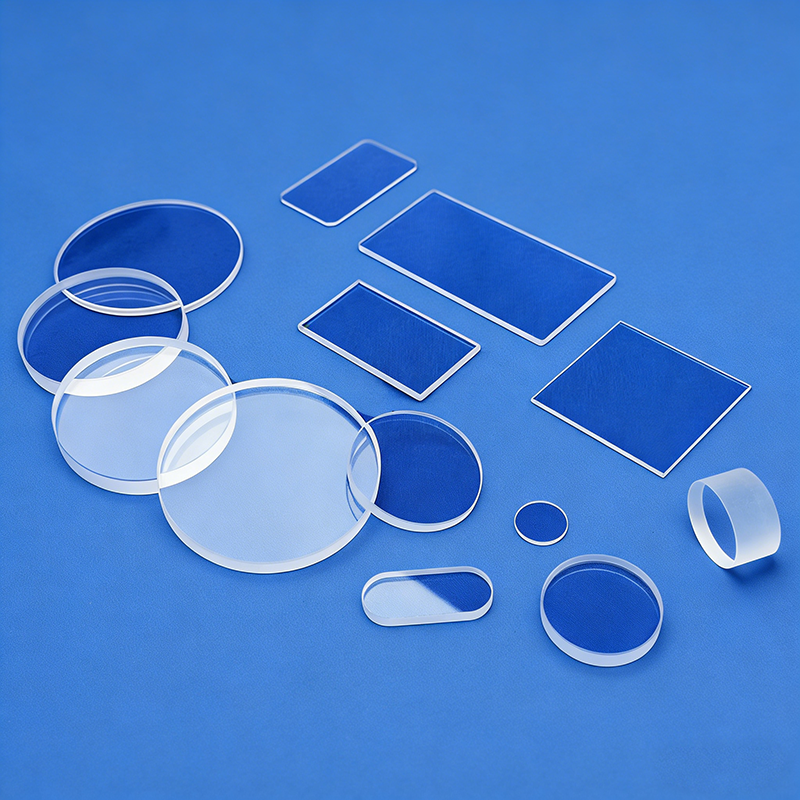
SJ QUARTZ Customized Translucent Natural Fused Quartz Arc-Welding Cutting Services
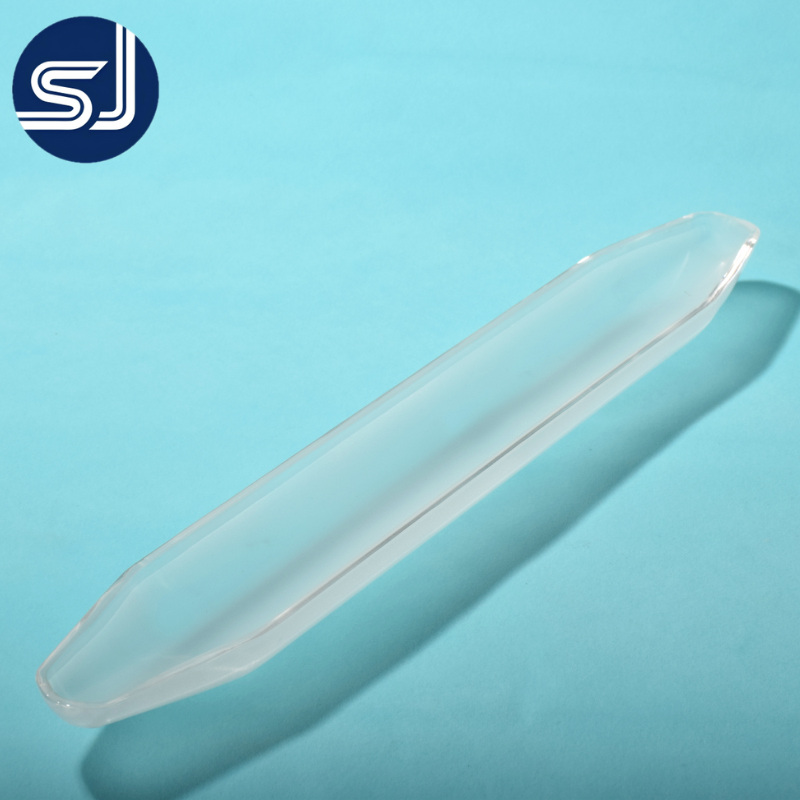
SJ 140 Customizable Transparent High Purity Precision Polished Quartz Boat
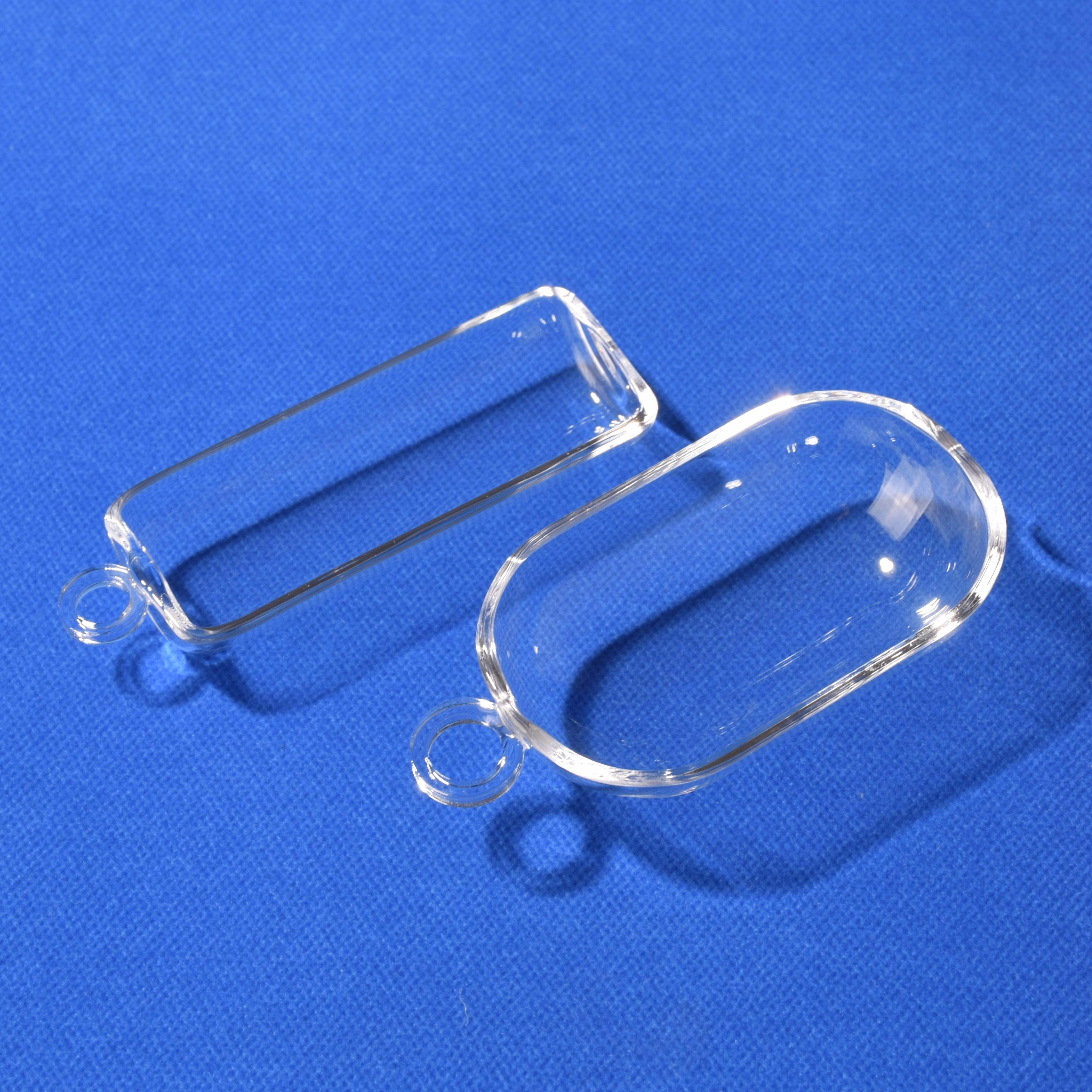
Semi-circular Flat Bottom High Temperature Resistant Ozone Free Quartz Tube
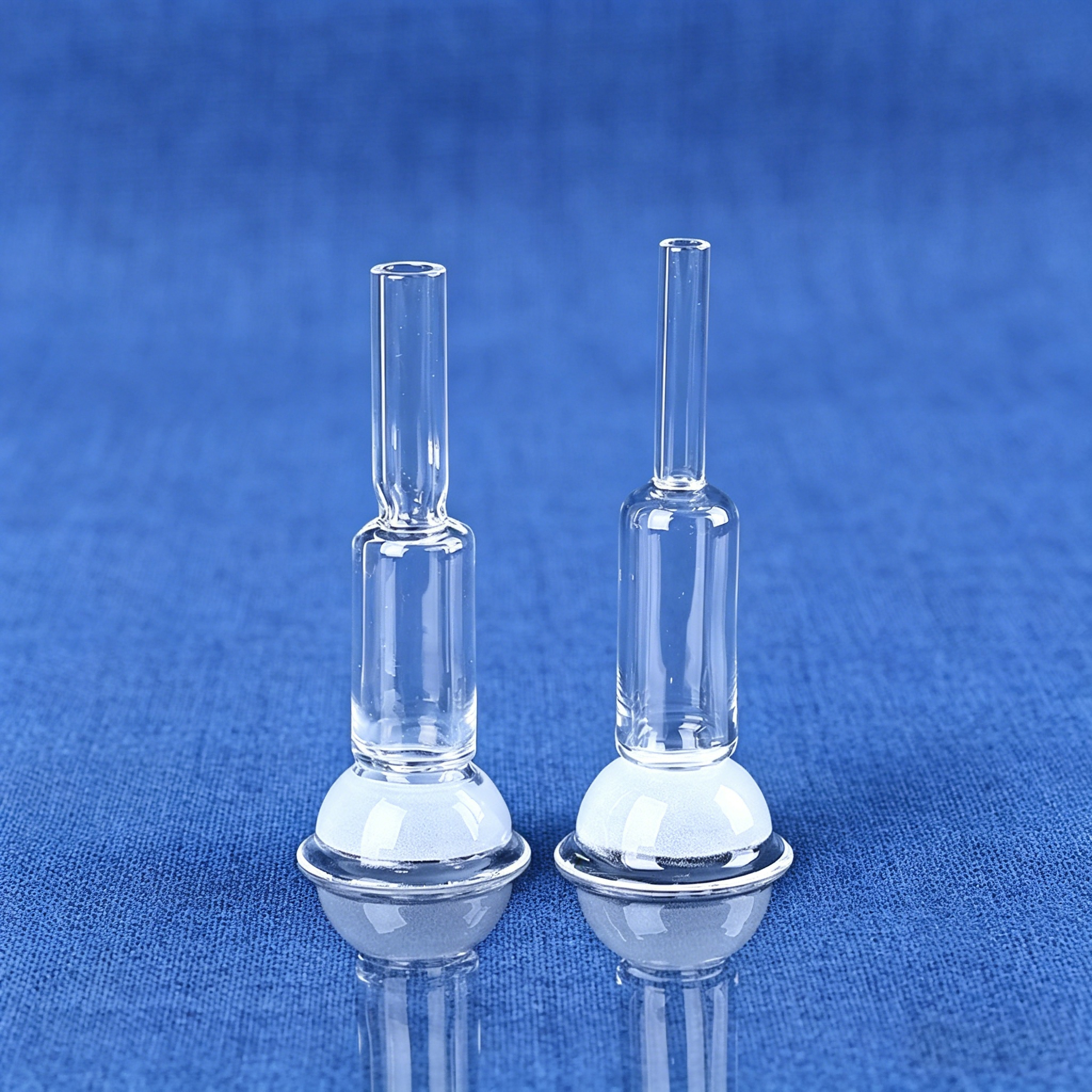
Custom High Purity Quartz C-shaped Small-sized BET Tube Welding & Bending
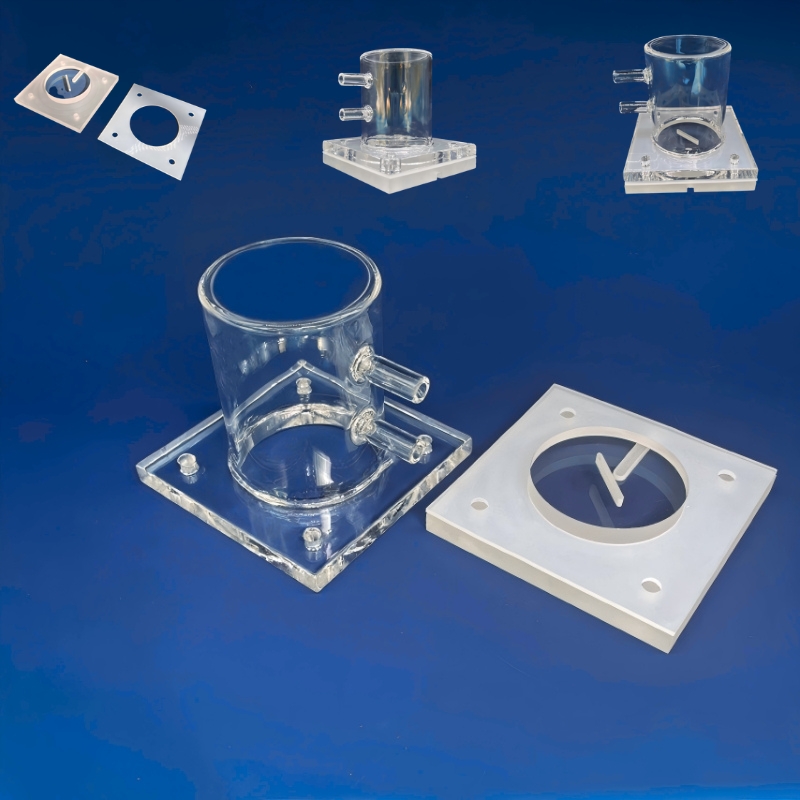
Quartz Photocatalytic Reactor for UV Photodegradation & Hydrogen Production
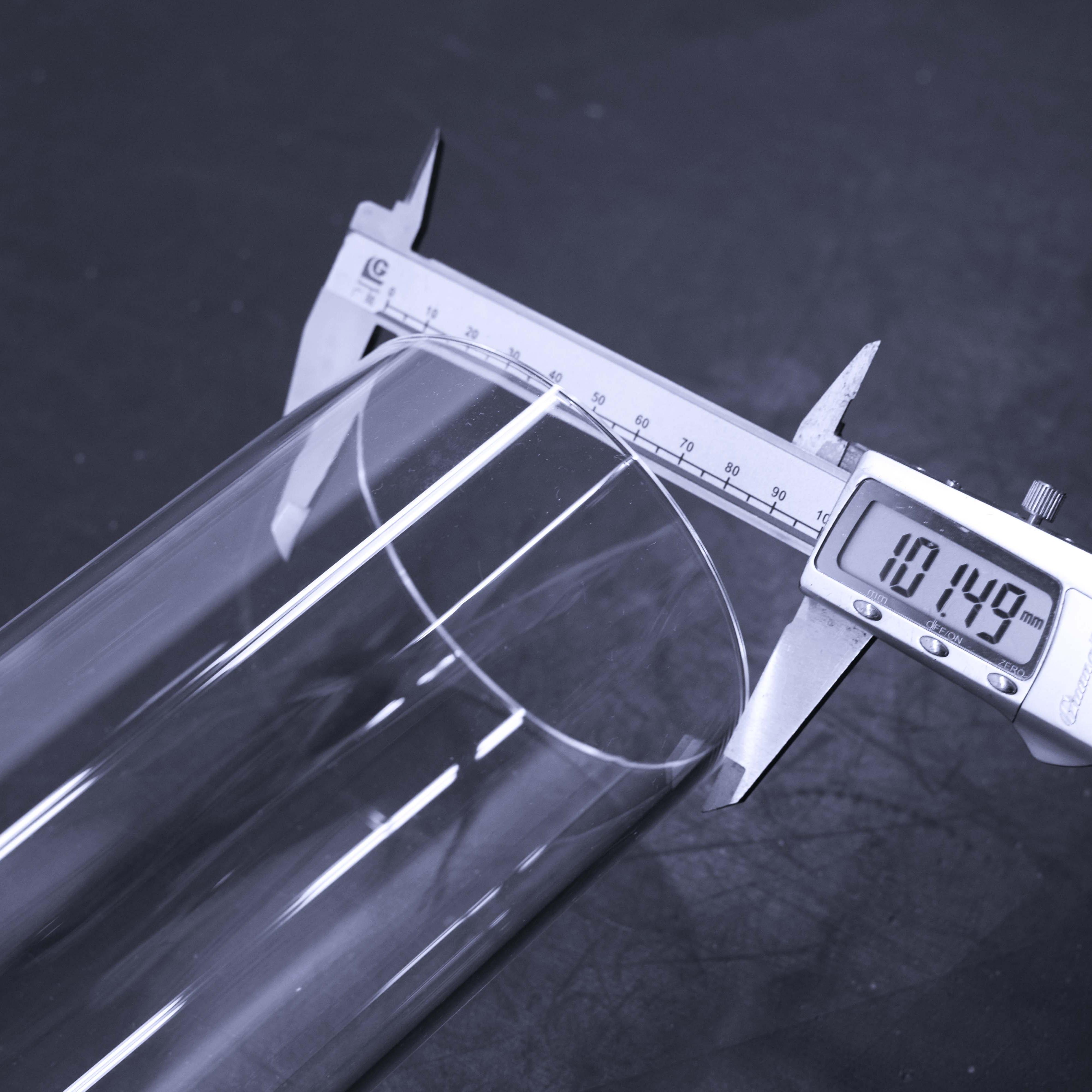
SJ 150 Oversized Thick Wall Polished Quartz Tube Heat Resistant 1100°C
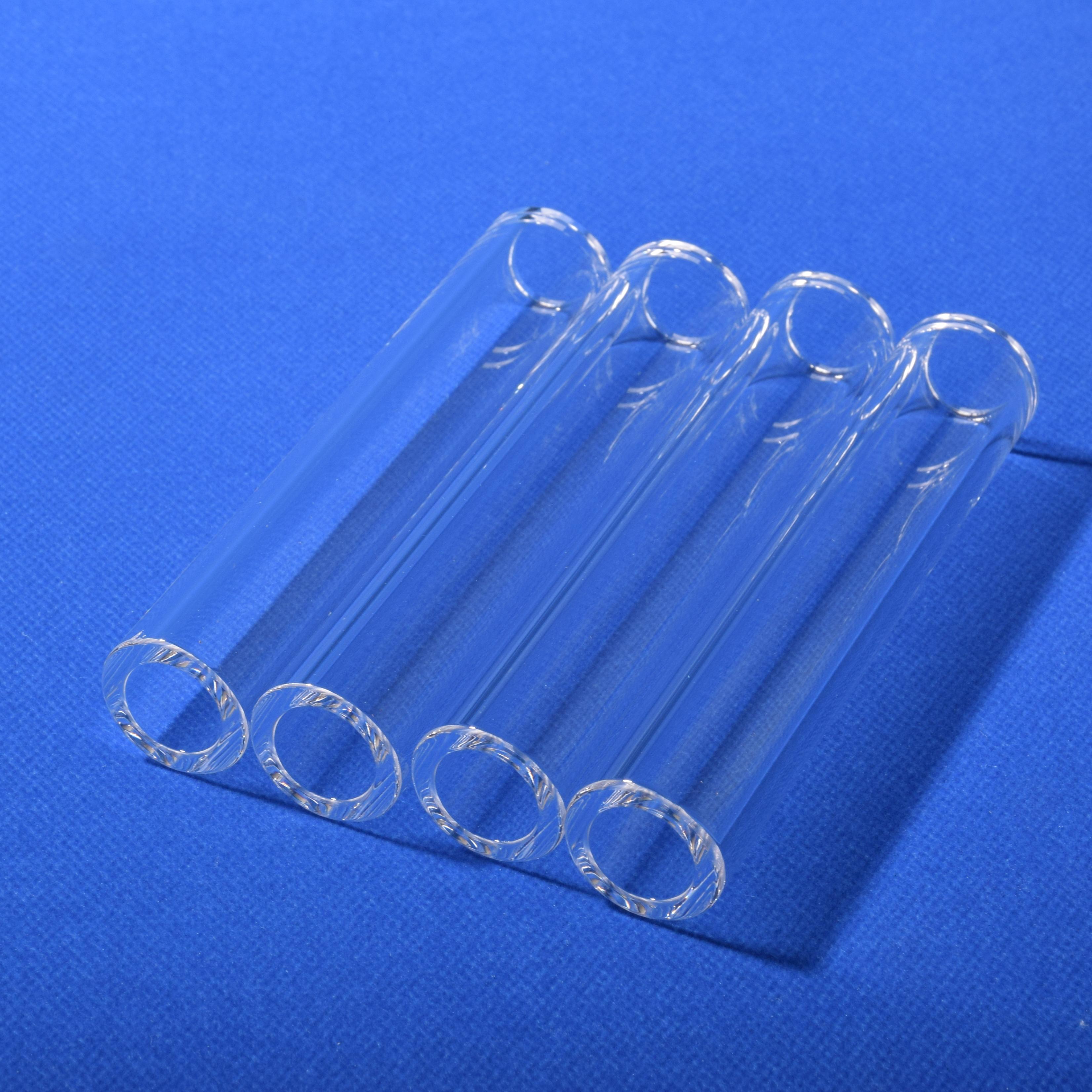
High Purity Quartz Transparent Polished Glass Tube Hollow High Temp
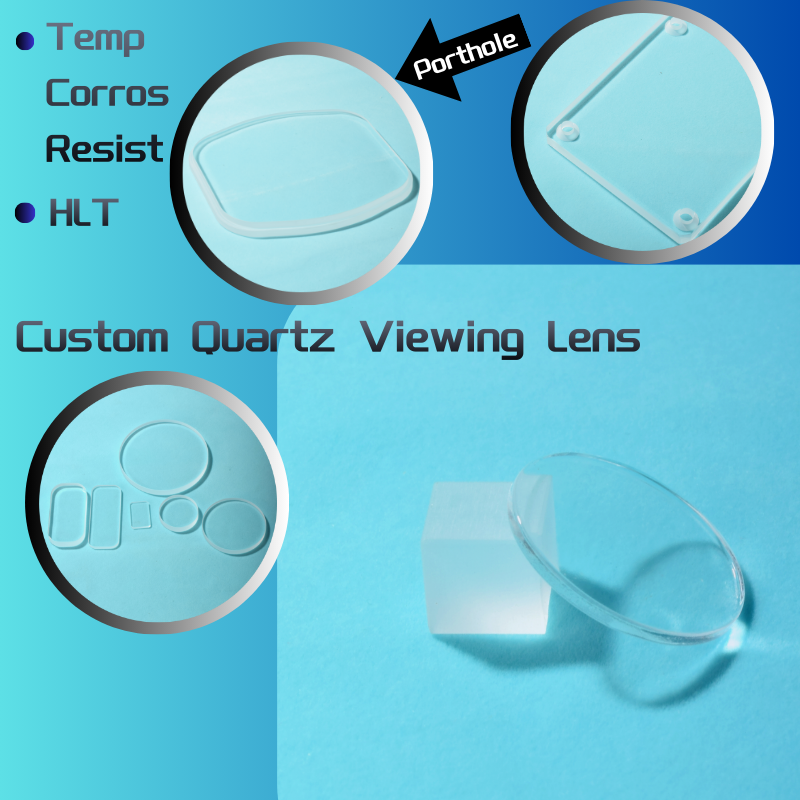
SJ 126 Natural Fused Quartz Square Thin Glass Slide Optics High Transparency
1. Comprehensive Engineering Analysis of Quartz Immersion Wells
In modern industrial photochemistry, advanced oxidation processes (AOP), municipal water purification, and high-purity chemical synthesis, the Quartz Immersion Well serves as a critical structural component. Functioning as a high-transmittance, thermal-shock-resistant protective barrier between intense light sources (such as low-pressure or medium-pressure mercury lamps, UV-C LEDs, and xenon arc lamps) and liquid chemical reactants, the immersion well must withstand rigorous physical and chemical stresses.
Engineered from natural fused quartz derived from ultra-pure silica sand (SiO₂ purity exceeding 99.99%), quartz immersion wells exhibit an exceptionally low coefficient of thermal expansion ($\alpha \approx 5.5 \times 10^{-7} \text{K}^{-1}$). This minimal expansion coefficient allows the immersion well to endure extreme thermal gradients—for instance, plunging a quartz sleeve heated to over 1000°C directly into cold water without structural fracturing or mechanical cleavage. This physical property is indispensable for photochemical reactors in Quetzaltenango, where ambient fluid temperatures can fluctuate rapidly during continuous industrial agitation.
1.1 Structural Configurations: Single-Walled vs. Double-Walled Jacketed Immersion Wells
To satisfy diverse industrial requirements, immersion wells are fabricated in two fundamental architecture types:
- Single-Walled Immersion Sleeves: Primarily used for non-exothermic UV disinfection systems and atmospheric gas-phase reactors. The lamp is inserted directly inside the single closed-end quartz tube. Heat generated by the light source dissipates through the quartz wall into the surrounding process fluid.
- Double-Walled Jacketed Immersion Wells: Designed specifically for precise temperature-controlled photochemical reactions. The inner core houses the UV/visible lamp, while a double-wall annulus permits the continuous circulation of cooling fluids (such as chilled water or specialized optical filter solutions). This jacketed architecture prevents thermal degradation of temperature-sensitive organic reactants while filtering out unwanted infrared wavelength thermal radiation.
| Physical / Optical Parameter | High-Purity Fused Quartz | Synthetic Fused Silica | Standard Borosilicate Glass |
|---|---|---|---|
| SiO₂ Purity Level | 99.99% – 99.999% | > 99.9999% | ~ 80% (contains B₂O₃, Na₂O) |
| Continuous Max Operating Temp | 1100°C | 1150°C | 450°C - 500°C |
| Softening Temperature Point | 1683°C | 1710°C | 820°C |
| UV Transmittance @ 254 nm (10mm) | ≥ 90% | ≥ 92% | 0% (Opaque below 300nm) |
| Thermal Shock Resistance ($\Delta T$) | 1000°C Rapid Water Quench | 1100°C Rapid Water Quench | 150°C Thermal Limit |
| Acid Resistance (except HF & H₃PO₄) | Exceptional (Immune) | Exceptional (Immune) | Moderate to High |
2. Localized Application Scenarios in Quetzaltenango & Western Guatemala
Quetzaltenango (locally known as Xela), situated in the Western Highlands of Guatemala at an elevation of 2,330 meters above sea level, is a major commercial, agricultural, and industrial manufacturing hub. The unique geographic, industrial, and hydrological profile of the Quetzaltenango department creates specialized demands for durable high-performance fused quartz equipment.
Industrial Textile Dyeing & Effluent AOP
Xela's renowned textile sector produces substantial volumes of wastewater containing stubborn organic azo dyes. Double-walled quartz immersion wells form the backbone of Advanced Oxidation Process (AOP) reactors, utilizing UV light combined with hydrogen peroxide ($\text{H}_2\text{O}_2$) or ozone to breakdown complex aromatic molecules prior to discharge into local waterways.
Agro-Industrial & Beverage Disinfection
Regional food processing facilities and beverage bottlers in the Samalá River basin rely on chemical-free UV-C sterilization systems. Oversized clear quartz immersion sleeves enclose high-output UV lamps to eliminate pathogens, mold spores, and bacteria in process water without imparting chemical tastes or byproduct residues.
Academic Research & Chemical Synthesis
Institutions such as the Centro Universitario de Occidente (CUNOC) and regional analytical laboratories utilize custom-built jacketed photochemical immersion wells for solar energy research, photocatalytic hydrogen evolution, and complex organic chemical transformations under controlled ultraviolet irradiance.
2.1 Addressing High-Altitude and Geothermal Water Challenges
Because Quetzaltenango is located in a volcanic zone rich in geothermal activity, ground and surface water sources frequently display elevated mineral concentrations, including dissolved silica, carbonates, and sulfur compounds. When standard quartz sleeves are deployed in local UV water treatment systems, high operating temperatures can induce surface scaling and mineral precipitation, which reduces optical UV clarity over time.
Lianyungang Vulra Quartz Products Co., Ltd. supplies precision-polished quartz immersion wells treated with ultra-smooth flame-polished surface finishing. The elimination of microscopic surface micro-cracks and ridges drastically reduces mineral adhesion rates, making routine cleaning with mild acid solutions fast and straightforward while maintaining optimal UV-C output over thousands of operating hours.
3. Market Trends and Regulatory Dynamics in Guatemala's Industrial Sector
Guatemala's Ministry of Environment and Natural Resources (MARN - Ministerio de Ambiente y Recursos Naturales) has progressively tightened environmental compliance standards under Technical Regulation Agreement 236-2006. Industrial facilities in Quetzaltenango, Salcajá, and San Mateo face strict limits regarding organic load (BOD/COD), color turbidity, and microbial contaminants in discharged wastewater.
This regulatory landscape has accelerated the regional industrial transition away from traditional chemical treatments (such as heavy chlorine dosage, which generates toxic trihalomethanes) toward eco-friendly photochemical oxidation and high-intensity ultraviolet disinfection. Consequently, the regional market demand for robust, high-transmittance quartz immersion wells, quartz reactor tubes, and custom quartzware has grown steadily year-over-year.
4. Technical Quality Metrics: Ensuring Zero Thermal-Stress Failure
The manufacture of quartz immersion wells requires rigorous stress-relieving annealing processes. When quartz tubes undergo flame-working—such as sealing one end, welding precision standard taper joints (ST joints), or attaching cooling hose barbs—internal mechanical stresses develop within the glass matrix.
If these thermal stresses are not systematically eliminated, the immersion well is susceptible to sudden catastrophic cracking when subjected to the internal heat of a 400W–1000W medium-pressure UV lamp or thermal cycling in a chemical reactor. At Lianyungang Vulra Quartz, all hot-worked immersion wells undergo computer-controlled thermal annealing cycles in specialized muffles up to 1150°C, followed by polariscopic strain inspection to guarantee zero residual stress before shipment.
Localized Procurement FAQ
Frequently Asked Questions from Purchasing Managers & Chemical Engineers in Guatemala
How can local industrial buyers in Quetzaltenango import custom quartzware directly from China?
Should we select standard fused quartz or ozone-free quartz immersion wells for water treatment?
What are the maximum operating pressure and temperature limits for double-walled immersion wells?
How do you prevent breakage during international transit to Central America?
Can Vulra Quartz reproduce a broken quartz immersion well if we only have a sample or hand sketch?
Why Industrial Buyers Partner with Vulra Quartz
Direct Factory Manufacturing Excellence from Donghai — China's Crystal Capital
Direct Supply Chain Control
Located in the Jiangsu Donghai Economic Development Zone, we benefit from direct access to the world's highest quality natural quartz sand deposits, ensuring consistent SiO₂ purity (99.99%-99.999%) and steady raw material cost advantages.
TÜV Rheinland Verified Manufacturer
Our production premises, hot-working glass lathes, cold CNC machining centers, and quality control protocols have been independently inspected and verified on-site by TÜV Rheinland, giving international buyers 100% supply security.
Precision Hot & Cold Machining
Under one unified roof, we integrate oxy-hydrogen glass lathe welding, thermal bending, precision diamond cutting, core drilling, edge grinding, optical surface polishing, and full computer-controlled annealing.
Flexibility: Prototypes from 1 Piece
Whether you require a single custom-designed double-wall jacketed immersion well for academic laboratory research or thousands of standard UV sleeves for industrial equipment manufacturing, we support OEM/ODM orders from 1 piece upwards.