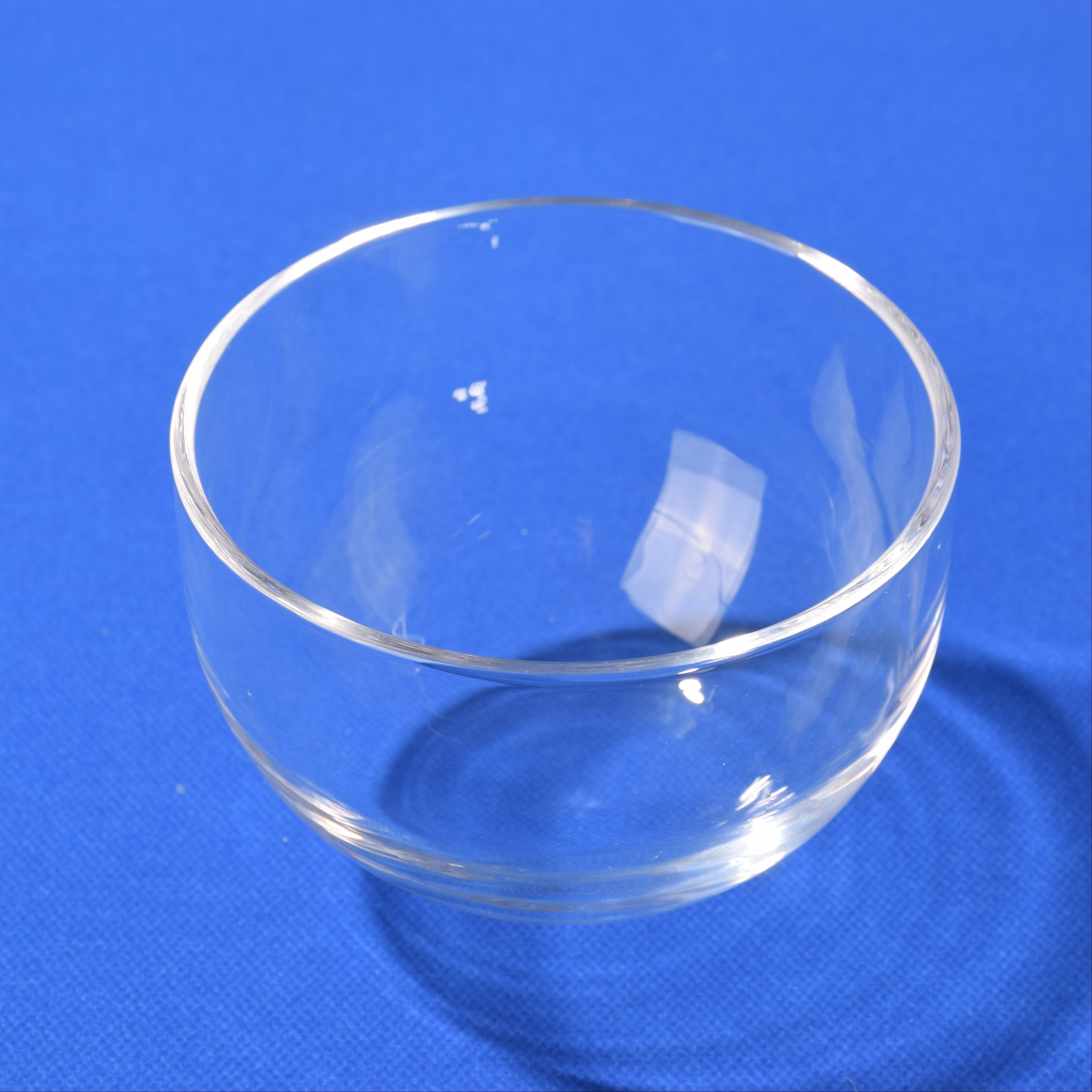
Factory Precision Components
Engineered Quartz Glass & Immersion Components
Explore our export-certified fused quartz solutions manufactured in Donghai, China. Designed for heavy-duty photochemical synthesis, high-temperature thermal sensing, and corrosive chemical immersion systems.
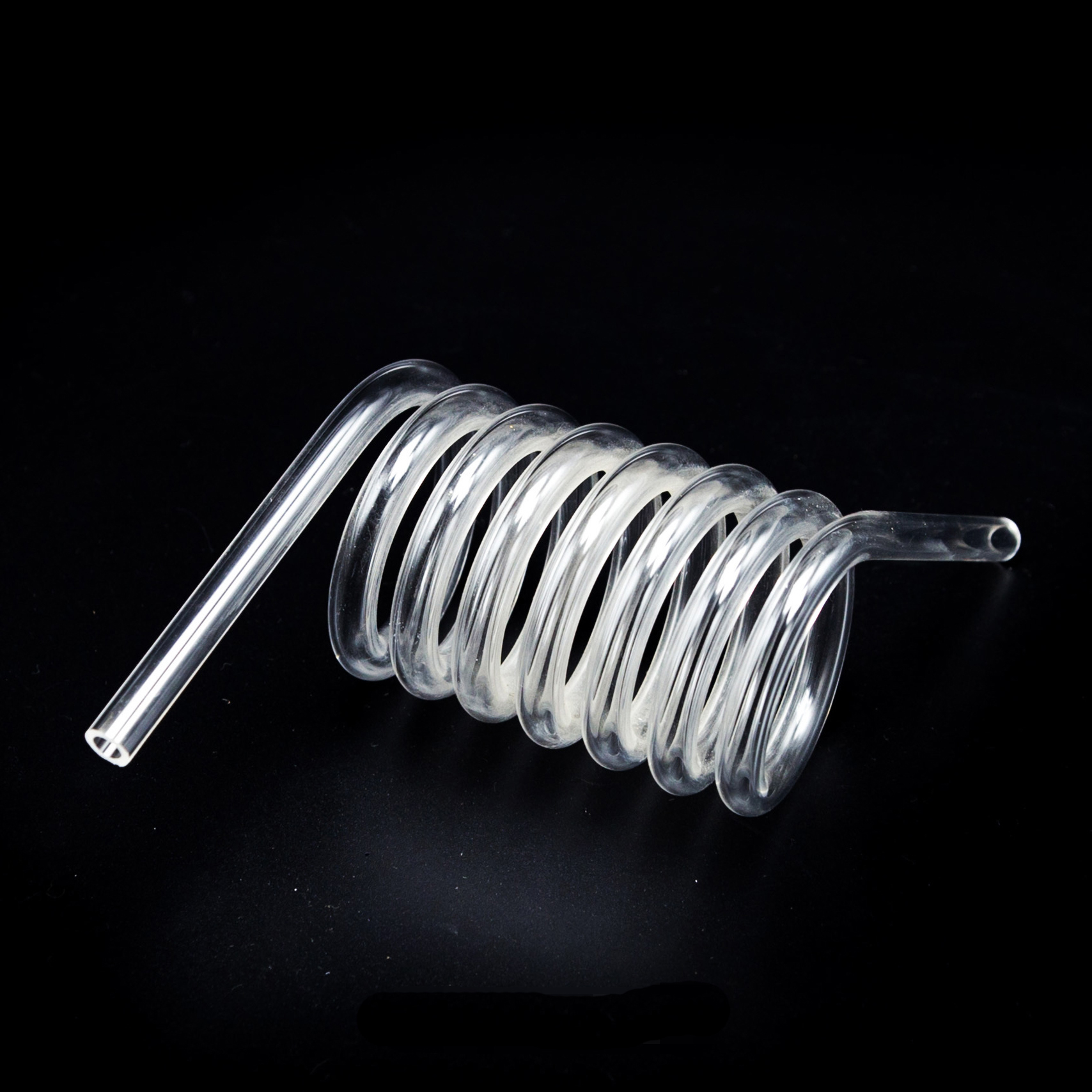
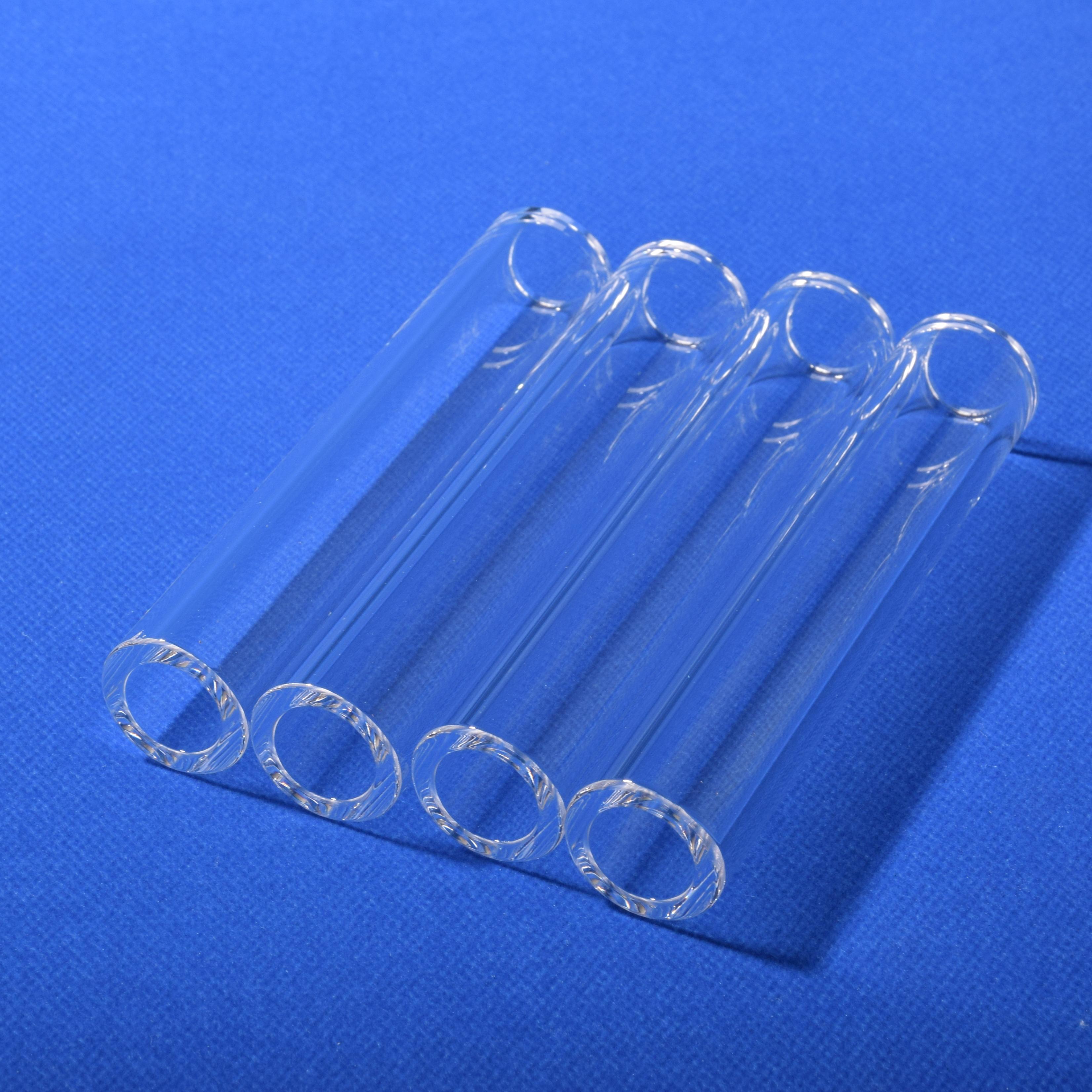
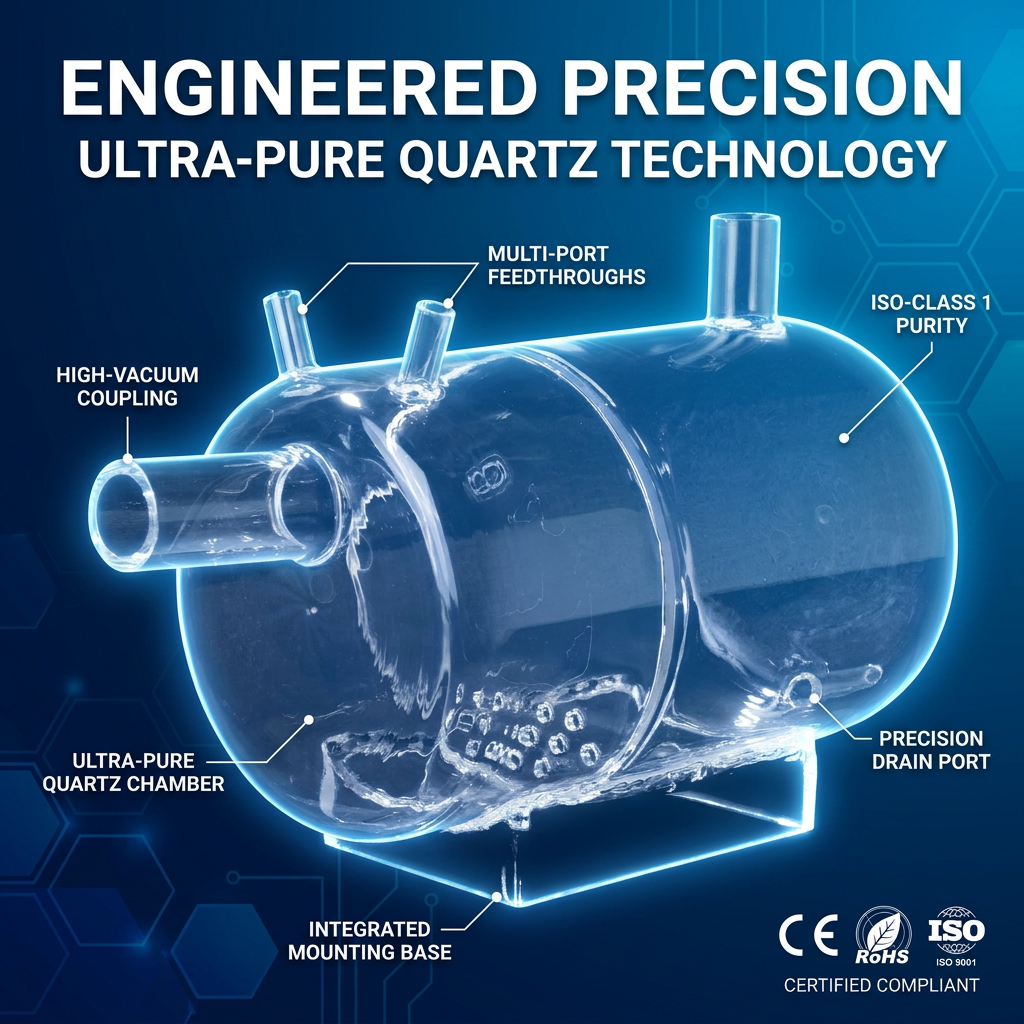
Require Custom Immersion Well Geometries for Mexican Plant Operations?
Provide your dimensional tolerances, joint ground glass tapers (ST/NS 24/40, 29/32, or flanged seals), and optical transmission bands.
Localized Engineering Impact
Quartz Immersion Well Applications Across Mexican Industries
From the petrochemical hubs of Veracruz to the high-tech electronics and automotive corridors of Jalisco, Bajío, and Nuevo León, operating conditions demand structural stability and extreme thermodynamic endurance.
Photochemical Chlorination & UV Reactors
In the industrial complexes of Coatzacoalcos and Altamira, bulk petrochemical producers utilize submerged quartz immersion wells for photochemical chlorination, sulfochlorination, and effluent remediation. The double-jacketed water-cooled fused silica design provides over 90% transmission at the crucial 253.7 nm UV-C mercury resonance band while maintaining a chilled barrier against exothermic reactants.
Active Pharmaceutical Synthesis (API)
Across the pharmaceutical corridors of the State of Mexico and Jalisco, fine organic synthesis relies on inert quartz thermowells and photo-oxidation wells. The virtually zero leaching of trace metallic ions (Fe < 0.2 ppm, Al < 14 ppm) protects delicate catalytic reactions from poisoning, guaranteeing cGMP validation and sanitary compliance in sterile batch synthesis.
Automotive E-Coat & Metal Finishing
Within the automotive plants in Puebla, Saltillo, and Querétaro, cathodic electrodeposition (E-Coat) and passivation baths operate continuously in aggressive nitric, chromic, and sulfuric solutions. Fused silica immersion protection sheaths isolate heater elements and thermocouple probes from electrolytic attack, offering operational longevity where stainless steel or titanium fail.
Macro-Economic Context
Nearshoring Dynamics & The Mexican Industrial Quartz Market
The transformation of Mexico as the premier Western manufacturing nearshoring hub under the USMCA trade pact has catalyzed an unprecedented surge in specialized laboratory and plant-scale vitreous quartz demand.
The Nearshoring Acceleration
Tier-1 automotive component developers and multinational semiconductor packaging entities entering Guadalajara's Silicon Valley and Monterrey require immediate replacement consumables that match strict European and North American OEM dimensional standards.
Supply Chain Diversification
Mexican procurement managers are shifting away from high-markup regional intermediaries. Direct sourcing from authenticated crystal-belt manufacturers in Donghai reduces landed inventory holding costs by 35% to 50% without compromising physical tolerances.
Standardization Challenges
Legacy manufacturing facilities across Mexico historically integrated a fragmented mix of DIN metric and ANSI imperial apparatus. Mexican engineers actively seek manufacturers capable of producing custom transition glass joints and hybrid flanges.
Strict Process Validation
Driven by strict environmental audits from SEMARNAT and international quality audits (ISO 9001/IATF 16949), plants require certified material trace records, polariscopic stress relief verification, and spectrophotometric transmission curves.
Material Engineering Data
Technical Specification & Comparative Analysis
Fused silica and natural fused quartz behave under precise physical parameters. The table below outlines empirical benchmarks critical for plant instrumentation and engineering design teams in Mexico.
| Property Parameter | Standard Fused Quartz (Ge-Doped/Natural) | Synthetic Fused Silica (Deep UV) | Borosilicate Glass 3.3 (Benchmark) |
|---|---|---|---|
| SiO₂ Purity Content | ≥ 99.99% (Electronic Grade) | ≥ 99.9999% (Semiconductor Grade) | Approx. 81% (Industrial Grade) |
| Continuous Operating Temp | 1,100 °C | 1,150 °C | 450 °C |
| Max Strain / Softening Point | 1,075 °C / 1,683 °C | 1,120 °C / 1,730 °C | 510 °C / 820 °C |
| Coefficient of Thermal Expansion (CTE) | 5.5 × 10⁻⁷ cm/cm·°C (20–320°C) | 5.2 × 10⁻⁷ cm/cm·°C | 33 × 10⁻⁷ cm/cm·°C |
| UV-C Spectral Transmittance (254 nm) | 85% – 92% (Optical Grade JGS2) | > 92% (High-Purity JGS1) | < 5% (Opaque in UV-C Band) |
| Thermal Shock Resistance | 1,100 °C to ice water without failure | 1,150 °C to ice water without failure | ΔT = 150 °C threshold limit |
| Dielectric Strength (20°C, 1 MHz) | 2.5 × 10⁷ V/m | 3.0 × 10⁷ V/m | 1.0 × 10⁷ V/m |
TÜV Rheinland Verified Manufacturing
Why Mexican Industrial Leaders Partner with Vulra Quartz
Located in the heart of Donghai County—the globally recognized epicenter of high-purity quartz crystal resources—Vulra Quartz operates an integrated supply network delivering verified reliability to North American enterprises.
Raw Material Mine Integration
Our strategic manufacturing base in Donghai provides direct sourcing of high-purity natural silica sand. This raw material security shields our Latin American clientele from raw supply volatility while guaranteeing SiO₂ purities ranging from 99.99% to 99.999%.
Integrated Dual Processing
We house heavy flame-lathe hot processing alongside high-precision CNC ultrasonic cold grinding under one single roof. Whether fusing large 800 mm OD reaction sleeves or slicing optical ground joints with 0.05 mm tolerances, structural integrity is retained.
Independent TÜV Rheinland Verification
Vulra Quartz is an assessed custom manufacturer certified on-site by TÜV Rheinland, accompanied by full CE and RoHS product compliance. Our international clients review complete third-party validation reports before finalizing high-value contracts.
CAD/CAM Drawing Engineering
We transform AutoCAD, SolidWorks, or hand-annotated sketch schematics into precision quartz hardware. Our senior glass engineers optimize weld interfaces, transition points, and structural fillets to prevent localized thermal expansion stress points.
Full Thermal Annealing Protocol
Every welded immersion well, closed-end jacket, or manifold assembly undergoes controlled electric annealing furnace cycles up to 1,150°C. This eliminates permanent frozen-in mechanical stresses, safeguarding against delayed shattering during sudden thermal shocks.
Export Crating for Latin America
Exporting vitreous quartz to Mexico requires specialized packaging. We employ customized pearl-cotton suspension chambers, vacuum sealing, moisture desiccants, and solid fumigated plywood crates engineered for air transit to MEX/GDL or sea freight to Manzanillo.
Procurement Knowledge Base
Frequently Asked Questions by Mexican Buyers
Direct technical and logistical answers addressing customs clearance, import tax documentation, transit safety, and dimensional customization for procurement managers in Mexico.
What customs clearance documentation (Pedimento) is provided for shipping quartz to Mexico? +
We provide full commercial documentation for smooth import processing through Mexican customs brokers (Agentes Aduanales). Every shipment includes a detailed Commercial Invoice with clear HS Code classification (typically under HS 7017.10 for laboratory, hygienic, or pharmaceutical glassware of fused quartz/silica), a Packing List itemizing net/gross weights, and a Certificate of Origin (CO). Upon request, we furnish Factory Mill Test Certificates (MTC) stating SiO₂ chemical assay analysis to satisfy Mexican NOM regulatory or customs physical inspection requirements at entry ports such as Manzanillo, Veracruz, or Mexico City International Airport (AICM).
How do you guarantee that long, fragile quartz immersion wells do not shatter in transit? +
Our overseas packaging protocol is engineered specifically to withstand multimodal international transit. Each quartz immersion well is internally isolated with high-density, die-cut expanded polyethylene (EPE) foam dampeners that support the internal walls against harmonic vibration. The tubes are enclosed within reinforced rigid card cylinders, and subsequently suspended within moisture-barrier plastic envelopes inside heavy export-grade fumigated plywood crates (ISPM 15 compliant). ShockWatch impact indicators and 'Tilt-Watch' labels are affixed to the exterior crates to monitor handling conditions across maritime and air logistics lines.
Can you replicate broken immersion wells or photolysis equipment from legacy European or US brands? +
Yes. Many chemical plants and research universities across Mexico (such as UNAM, Cinvestav, and IPN) operate legacy reactor assemblies produced by European or American laboratory glassmakers whose replacement parts carry steep markups or excessive lead times. If you provide a dimensional technical drawing, CAD file (STEP, DWG), or the broken physical assembly itself, our flame-lathe artisans can reproduce exact replicas. We match metric and standard standard-taper ground joints (e.g., ST 24/40, ST 29/32, ST 45/50), flat flanges, and threaded GL connection ports with identical optical clear zones.
What is the difference between Clear Fused Quartz and Ozone-Free Quartz in immersion UV sleeves? +
Standard clear optical fused quartz transmits deeply down to 180–190 nm. The 185 nm resonance line generated by medium and low-pressure mercury lamps converts atmospheric oxygen dissolved in water or air into ozone (O₃). While beneficial for advanced oxidation processes (AOP), ozone is corrosive to reactor gaskets and toxic to operators. In contrast, Ozone-Free Quartz is chemically doped with trace elements (such as Titanium) during initial crystal smelting. This doping creates a sharp cutoff that blocks high-energy radiation below 220 nm while allowing the germicidal and photochemical 253.7 nm band to pass freely with over 88% transmittance.
What are your minimum order quantities (MOQ) and delivery lead times to Mexico? +
For custom-fabricated quartz immersion wells, jackets, and engineered photolysis reactor parts, our MOQ is 1 piece to support prototype validation, research benches, and emergency industrial repairs. Standard production lead times run between 7 to 15 business days depending on geometric complexity and flame-annealing furnace schedules. Transit via DHL/FedEx Express to Mexico takes approximately 4 to 6 business days door-to-door, while consolidated air cargo to MEX/GDL requires 7 to 10 days, providing rapid turnaround for plant operations.
Can your quartz thermowells survive high static pressure inside petrochemical autoclave reactors? +
Yes, but wall thickness and end-closure geometry must be calculated based on your maximum reactor vessel pressure and operating temperature. We fabricate thick-wall quartz protection tubes with wall thicknesses up to 8–12 mm and execute spherical or hemispherical bottom closures, which distribute compressive stresses far more effectively than flat bottom designs. For pressurized process vessels, we perform hydrostatic pressure testing and supply polariscopic birefringence stress-relief verification documents.