Export-Certified Quartz Products for Cyprus Industry
Direct supply from Donghai, the world’s crystal capital. Featuring 99.99%–99.999% purity fused silica, high-radiation quartz heating elements, and corrosion-resistant vessels ready for express deployment to Limassol Port.
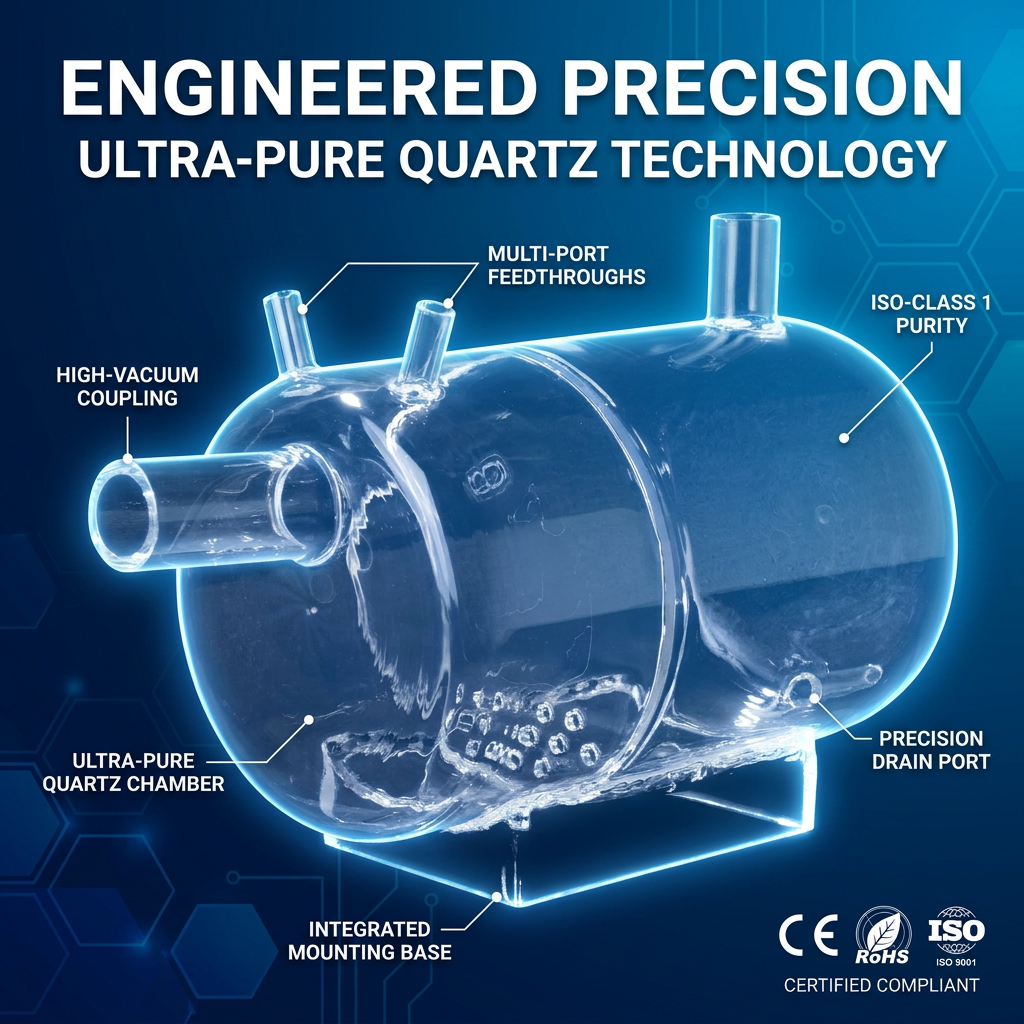
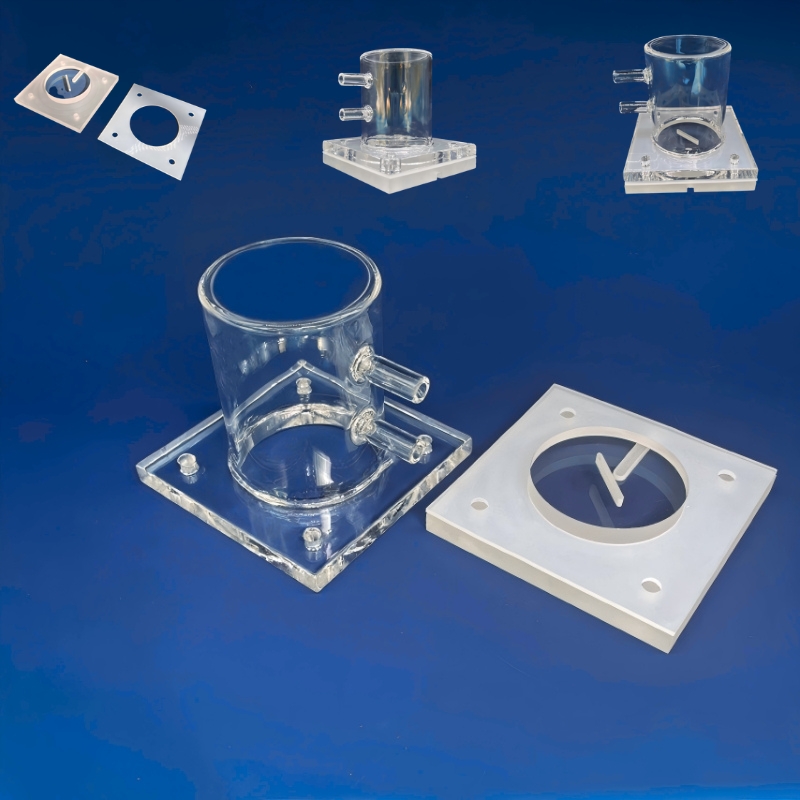
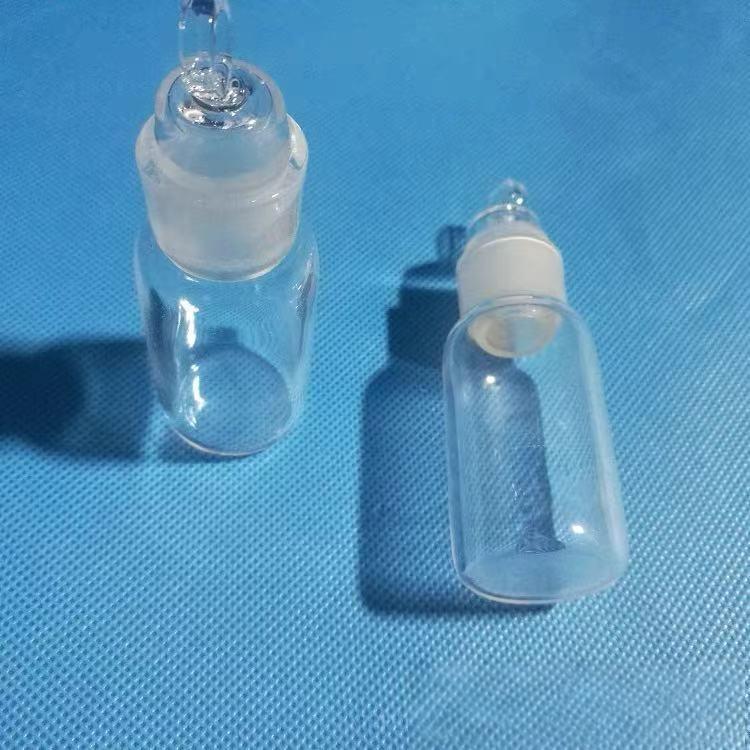
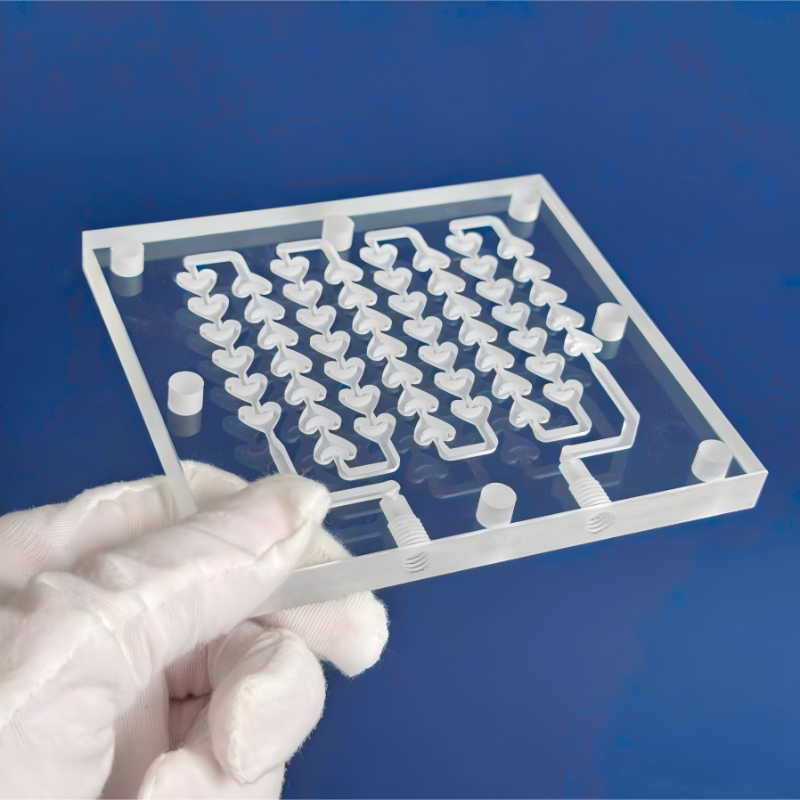
Industrial Thermal Engineering: Quartz Infrared Heating Dynamics
In demanding thermal processing, fused silica quartz heating tubes represent the zenith of precision radiant heat transfer. Unlike traditional metallic sheath heating elements or ceramic emitters that suffer from excessive thermal lag, low radiant efficiency, and oxidative degradation, fused quartz infrared heaters transfer thermal energy directly via targeted electromagnetic waves. Operating primarily within the medium-wave (1.4 to 3.0 μm) and fast medium-wave spectrums, quartz infrared emitters match the peak molecular absorption bands of industrial polymers, moisture films, organic solvents, and protective marine coatings commonly treated across the manufacturing facilities of Limassol, Cyprus.
At Lianyungang Vulra Quartz Products Co., Ltd., based in Donghai—the world-renowned hub of high-grade silica mineral resources—our quartz heating tubes are manufactured using continuous electric fusion and precision oxy-hydrogen flame drawing. This metallurgical pedigree yields an amorphous silicon dioxide ($\text{SiO}_2$) matrix with structural purity spanning 99.99% to 99.999%. The nearly zero coefficient of thermal expansion ($5.5 \times 10^{-7}/\text{K}$ from 20°C to 1000°C) renders our tubes completely immune to destructive thermal shock. A red-hot quartz heating tube can be subjected to instant cold-water immersion without microscopic fracturing, structural micro-crazing, or dimensional distortion.
Technical Specification & Comparison Matrix
Physical, mechanical, and radiative performance criteria of Vulra Fused Quartz vs. Standard Industrial Glassware.
| Thermal & Material Parameter | Vulra Semiconductor/IR Fused Quartz | Borosilicate Glass 3.3 | Alumina Ceramic Emitters |
|---|---|---|---|
| $\text{SiO}_2$ Purity Level | 99.99% – 99.999% (Donghai Natural Crystal) | ~81% $\text{SiO}_2$ (+ 13% $\text{B}_2\text{O}_3$, 4% $\text{Na}_2\text{O}$) | Trace $\text{SiO}_2$ (95%–99% $\text{Al}_2\text{O}_3$) |
| Maximum Working Temperature | Continuous: 1100°C | Peak: 1450°C | Continuous: 450°C | Peak: 500°C | Continuous: 900°C | Peak: 1050°C |
| Thermal Shock Resistance ($\Delta T$) | > 1100°C to Water Quench (No Fracture) | ≈ 150°C – 180°C Differential | ≈ 250°C Differential |
| Thermal Expansion Coeff. ($20\text{--}300^\circ\text{C}$) | $5.5 \times 10^{-7} \text{ K}^{-1}$ | $3.3 \times 10^{-6} \text{ K}^{-1}$ | $7.2 \times 10^{-6} \text{ K}^{-1}$ |
| Infrared Radiation Efficiency | > 88% Direct Radiant Vector Transfer | < 55% (High Convective Heat Losses) | ≈ 60% – 68% (Heavy Convective Loss) |
| Thermal Response Rise Time | 1 – 2 Seconds (Instant On/Off Cycling) | Slow (15 – 25 Minutes Stabilization) | 8 – 15 Minutes Pre-Heating Lag |
| Coastal Saline Air Resistance | Hermetic & Impervious to $\text{NaCl}, \text{SO}_2, \text{HCl}$ | Surface Leaching over Extended Cycles | Glaze Cracking & Porosity Moisture Intake |
Localized Applications Across Limassol's Industrial Zones
How Vulra Quartz heating tubes, custom crucibles, and optical process vessels solve localized thermal challenges across Limassol Port, Agios Athanasios, Linopetra, and Ypsonas industrial ecosystems.
Maritime Marine Curing & Limassol Port Ship Repair
As the Eastern Mediterranean's principal transshipment and maritime servicing cluster, the Port of Limassol requires rapid, non-contact curing systems for high-solid marine epoxies, hull antifouling polyurethanes, and ceramic thermal barrier coatings. Traditional hot-air blowers circulate humid, salt-laden marine air that contaminates freshly prepared marine coatings. Vulra’s gold-reflector twin-tube quartz infrared heaters project pure radiant energy directly into the coating matrix, evaporating volatile solvents from the base metal outward within minutes, eradicating pinholes and blister formation under harsh maritime humidity.
Pharmaceutical & Fine Chemical Manufacturing
The pharmaceutical clusters in Agios Athanasios and Linopetra demand chemical inertia and absolute batch sterility. Metal heating elements leach trace metallic ions (Fe, Cr, Ni) when exposed to aggressive acidic reagents or high-temperature organic reactions. Our semiconductor-grade clear quartz heating jackets, sealed reaction tubes, and customized precision separating containers guarantee non-contaminating, zero-extractable thermal synthesis across pharmaceutical formulation, crystallization, and reflux condensation units.
Clean-Tech, Solar-Thermal Hybrid & Hydrogen Labs
In alignment with the Cyprus Institute and Limassol-based clean energy research initiatives, Vulra’s quartz photocatalytic reactors and high-transmittance tube envelopes support breakthrough water-splitting for green hydrogen production and concentrated solar thermo-chemical storage. The deep optical transmission of our ozone-free fused silica allows high-flux solar simulation wavelengths and short-wave UV radiation to penetrate directly into catalysts without envelope self-absorption or solarization solar decay.
Agro-Industrial Distillation & Dehydration
Limassol's historic winemaking districts and regional food processing operations rely on thermal consistency for vacuum distillation, fruit pulp drying, and hygienic container sterilization. Vulra medium-wave quartz heating tubes match water’s critical absorption peak at 3.0 μm, enabling rapid moisture vapor extraction without scorching delicate sugars, altering organoleptic profiles, or wasting energy via unnecessary ambient air heating.
Carbon-Fiber & Marine Composite Thermoforming
Shipbuilding, offshore repair, and localized advanced manufacturing workshops across the Ypsonas industrial area utilize quartz twin-tube heating arrays to thermoform composite panels, cure carbon-fiber prepregs, and stretch acrylic marine glazing. Rapid dynamic ramping allows operators to execute exact multi-step curing curves (±1°C tolerance) that prevent resin starvation and delamination in mission-critical composite components.
Seawater Desalination & Brine Evaporation Systems
Cyprus depends fundamentally on municipal and industrial reverse osmosis and thermal desalination plants. In brine concentration and crystallization towers, standard metallic boiler tubes fail rapidly under boiling chloride salt attack. Vulra’s heavy-wall clear fused silica thermal tubes provide absolute resistance to pitting corrosion, acidic scaling wash cycles, and high thermal stress during crystallizer operation.
Strategic Trends: Electrification & Decarbonization of Cyprus Industrial Heat
Cyprus is currently accelerating its National Energy and Climate Plan (NECP) under European Union "Fit for 55" statutory directives. For decades, industrial manufacturing across Limassol has depended heavily on localized diesel or heavy fuel oil (HFO) burners and LPG boilers for process drying, baking, and thermo-curing. This reliance exposes operators to volatile Mediterranean bunker fuel prices, heavy carbon penalty levies, and considerable thermodynamic inefficiencies—often wasting over 45% to 60% of heat energy as exhaust through ventilation stacks.
The industrial shift across Limassol is resolutely moving toward clean infrared electrification. Quartz heating tubes offer an unmatched electrical-to-radiant conversion efficiency exceeding 85%, eliminating the convective chimney effect entirely. Infrared radiant waves heat the targeted workpiece directly rather than heating thousands of cubic meters of ambient warehouse air.
Furthermore, high ambient relative humidity (frequently exceeding 80% during Limassol summers) coupled with airborne coastal halides ($\text{NaCl}$ aerosols) leads to catastrophic galvanic oxidation and rapid insulation failure in conventional metal-sheathed tubular elements. Vulra’s vitreous fused quartz heating tubes, featuring vacuum-sealed quartz end-pinches, high-temperature ceramic insulators, and fluoropolymer or braided nickel leads, eliminate galvanic oxidation pathways entirely.
Why Limassol Engineers Source Direct from Vulra Quartz
TÜV Rheinland verified manufacturer credentials, Donghai raw silica sourcing, and drawing-based precision processing.
Donghai High-Purity Silica Epicenter
Our manufacturing facility at No. 9, Dingxin Road, Donghai Economic Development Zone, sits directly atop China's crystal capital. Direct access to premium quartz deposits ensures uninterrupted raw material stability, negligible trace metal contaminations, and unmatched cost-performance advantages passed directly to overseas procurers in Cyprus.
TÜV Rheinland Verified On-Site
Vulra Quartz has undergone rigorous on-site facility and capacity assessment by TÜV Rheinland. Our operations hold full CE-marking compliance and strict RoHS conformity. European buyers in Limassol can source with absolute regulatory confidence, backed by fully authenticated third-party assessment audit dossiers.
Hot Flame Lathe & Precision CNC Cold Machining
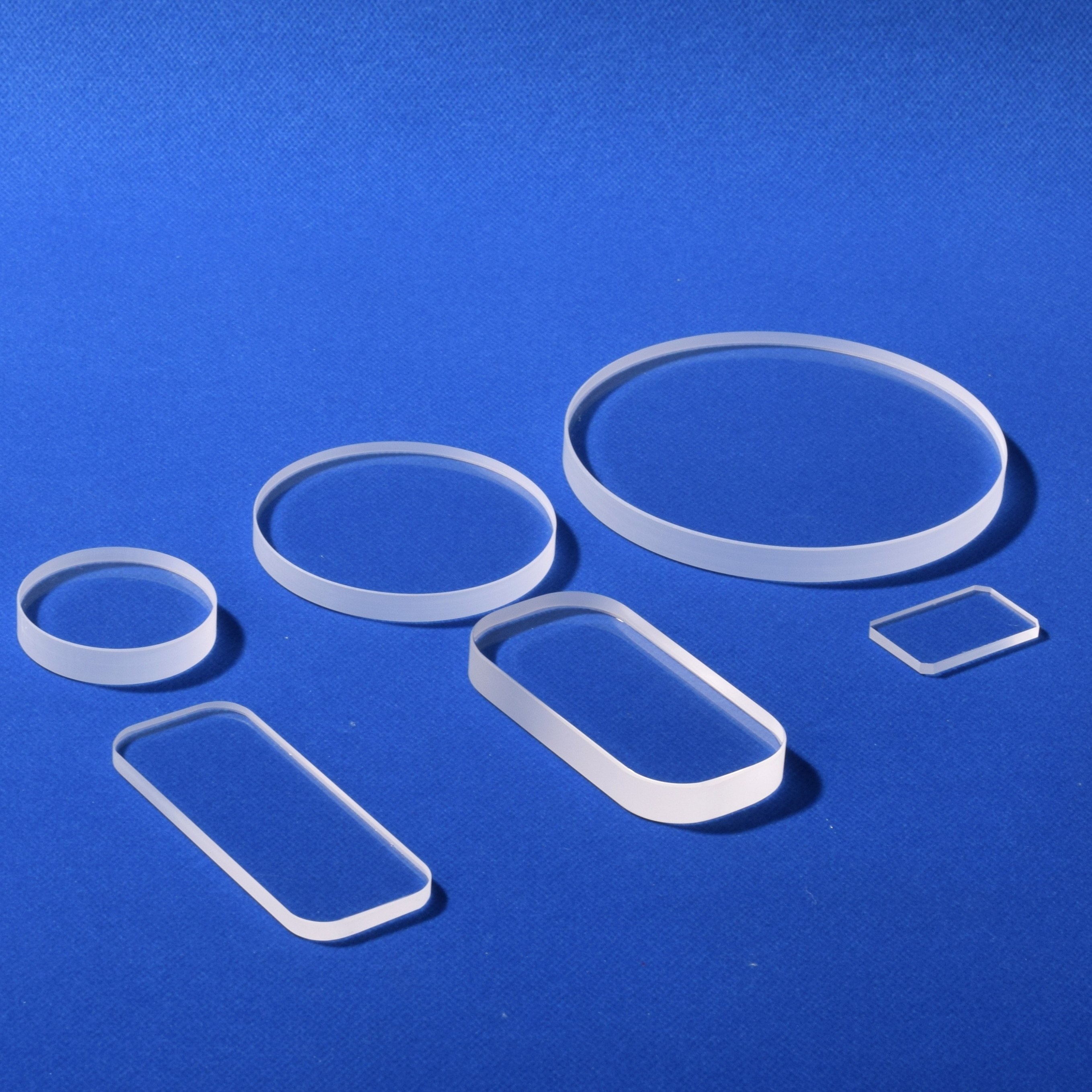
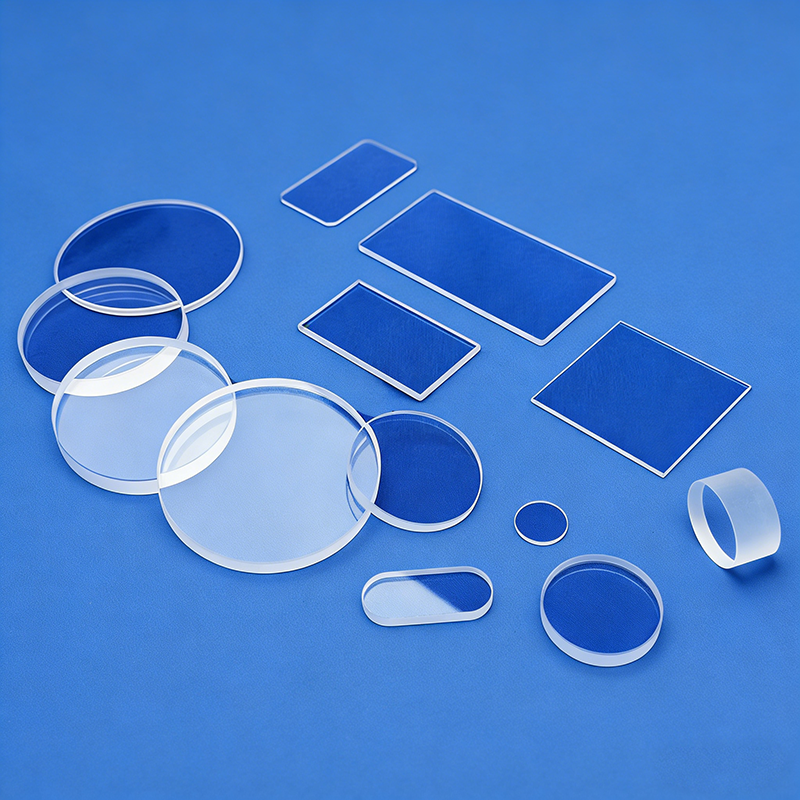
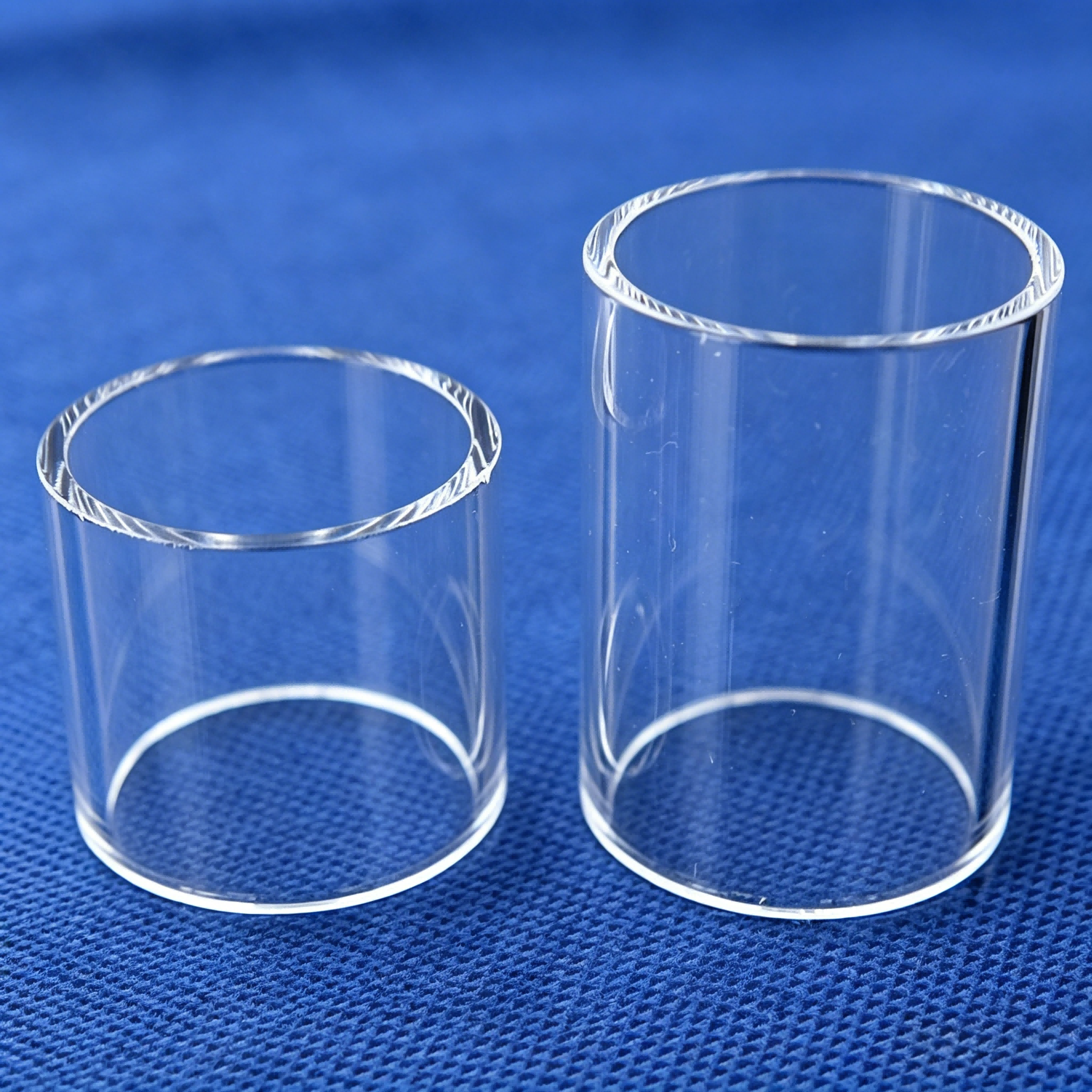
Unlike trading intermediaries, we run fully integrated hot-working glass lathes and CNC cold-machining under one roof. We bend, flare, seal, drill, grind, and fire-polish tubes ranging from 5 mm micro-heaters up to 800 mm industrial reaction cylinders, while maintaining tolerances down to ±0.05 mm on custom optical windows and plates.
Zero-Breakage Export Logistics to Limassol
Quartz glass requires specialized maritime and air freight packaging. Every Vulra heating tube is individual-wrapped in high-density polyethylene sleeves, isolated in custom molded EPE shock-dampening foam cells, packed in double-wall corrugated outers, and strapped inside fumigated plywood crates engineered for intermodal container transit to Limassol Port.
Drawing-Based Prototyping (1-Piece Trial Orders)
We eliminate supplier lock-in and high-risk procurement hurdles. Whether you require a single bespoke quartz reaction cell for a laboratory trial in Limassol or thousands of twin-tube infrared emitters for an assembly line overhaul, we engineer directly from your CAD (.step, .dwg, .pdf) drawings starting from an MOQ of just 1 piece.
Custom Reflective Coatings: Gold & White Ceramic
Maximize radiative efficiency onto your target substrates. Vulra applies high-temperature vacuum-deposited 24K gold reflectors (reflecting up to 98% of infrared energy forward) and specialized white diffuse ceramic backings that operate reliably at continuous temperatures exceeding 1000°C without peeling or discoloring.
Frequently Asked Questions by Limassol Procurers
Detailed technical, customs, electrical, and operational guidance addressing real-world concerns of engineers and purchasing directors across Cyprus.
1. How do Vulra quartz heating tubes resist the severe coastal saline humidity in Limassol?
2. What are the shipping lead times, customs protocols, and freight options to Limassol Port?
3. Are your quartz heating tubes fully compliant with European Union Directives?
4. What internal heating filaments do you configure for different industrial wavelengths?
- Short-Wave Infrared (0.9 – 1.4 μm): Utilizes helical tungsten filaments operating at 1800°C–2400°C in a halogen gas atmosphere; ideal for deep penetration, metal pre-heating, and high-speed web drying.
- Fast Medium-Wave / Carbon Fiber (1.4 – 2.0 μm): Utilizes proprietary woven carbon fiber elements; features exceptionally rapid thermal ramp-up (< 2 seconds) and rapid cool-down, highly recommended for plastics thermoforming and marine paint drying.
- Standard Medium-Wave (2.0 – 3.5 μm): Features high-grade NiCr (Nickel-Chromium) or FeCrAl (Kanthal) iron-chromium alloys operating inside clear or translucent quartz tubes; directly matches the absorption spectrum of water and organic solvents for dehydration, food processing, and textile curing.
5. Can Vulra fabricate custom twin-tube or 3D-bent quartz emitters to retrofit existing European machinery?
6. What prevents quartz devitrification when heaters run at high continuous temperatures?
7. What is the process for receiving a formal engineering quote for my project in Limassol?
Accelerate Your Thermal Efficiency in Limassol
Consult directly with Vulra Quartz application engineers. Whether you need drawing-based custom quartz heating elements, specialized chemical quartzware, or containerized OEM supply delivered to Limassol, we deliver certified high-purity performance.