Precision Quartz Components for Netherlands Industries
High-purity fused quartz tubes, customized flow splitting bottles, optical slides, and vacuum containers tailored for demanding laboratory and OEM environments.
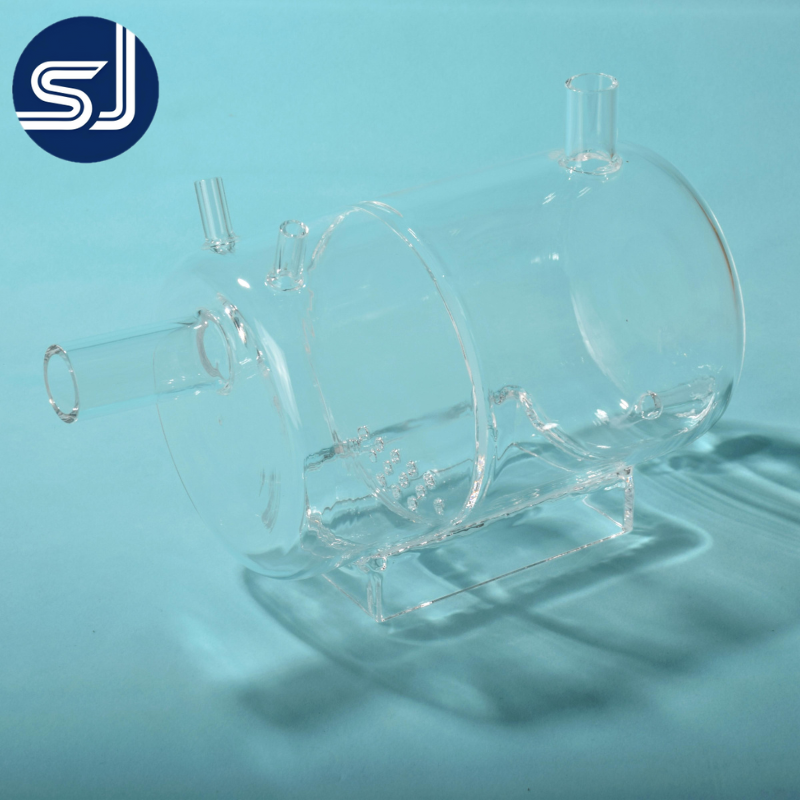
SJ QUARTZ High-Temp Corrosion-Resistant 99.99% SiO2 Flow Splitting Bottle
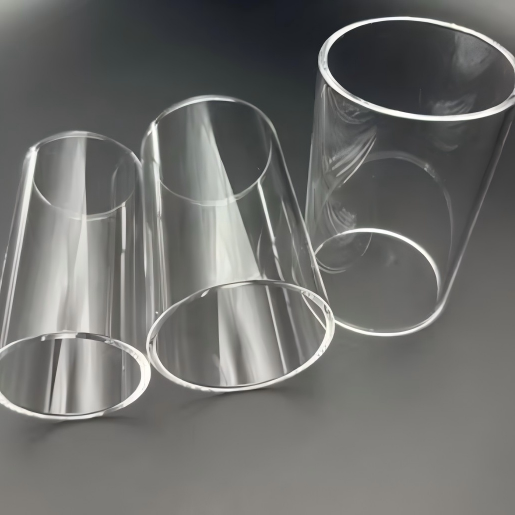
High Temp Transparent Polished Ozone Free One End Closed Quartz Tube
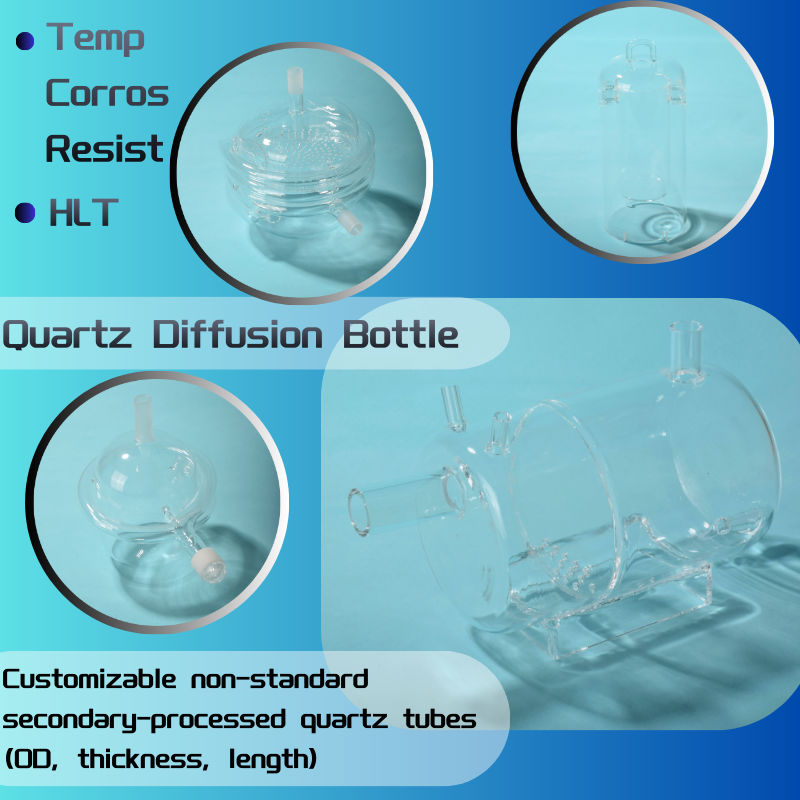
SJ 135 High Purity Quartz Tube Condensers & Purification Units
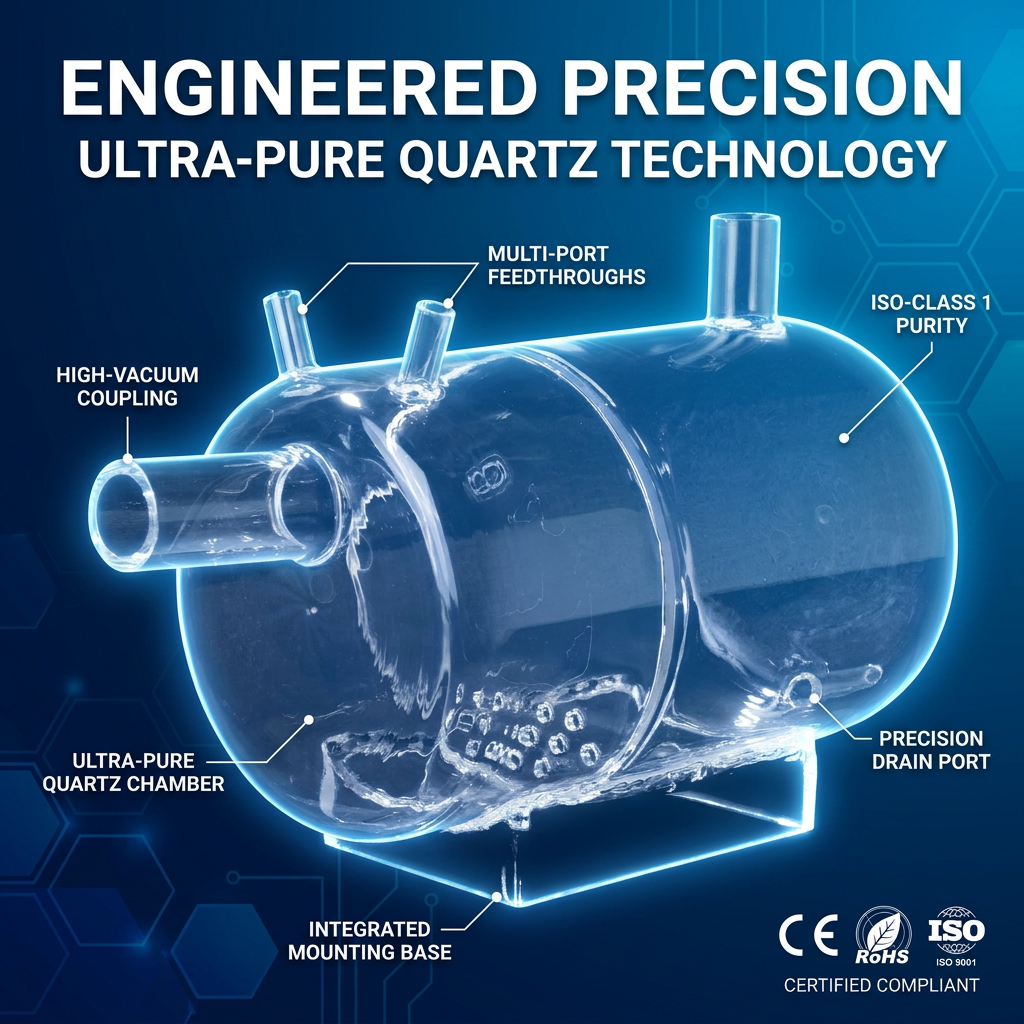
Customized Precision Quartz Separating Container (Semiconductor Grade)
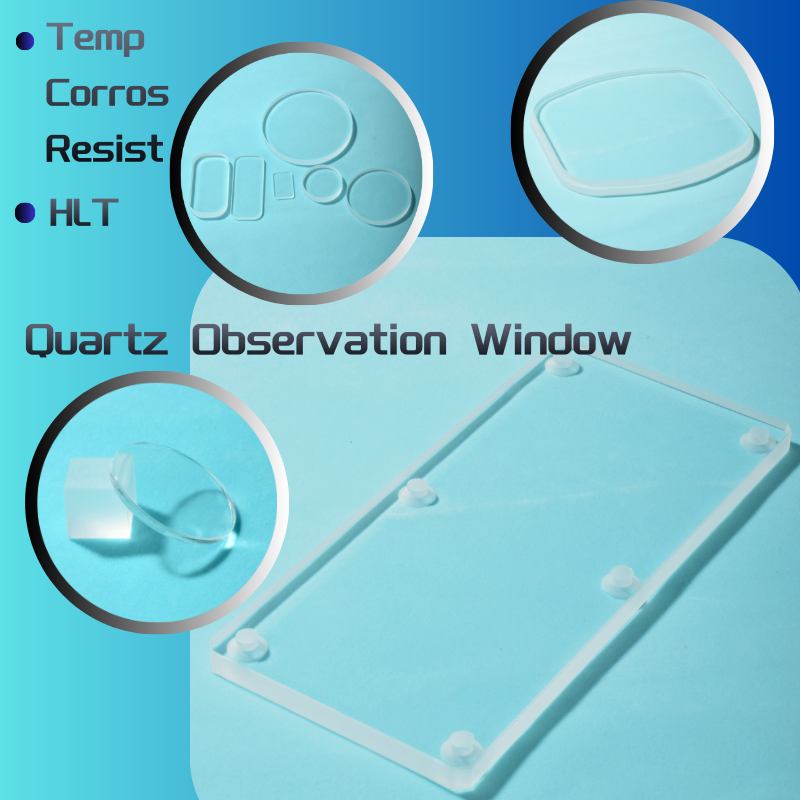
SJ Natural Fused Quartz Polished Plate Optical Clear Heat-Resistant
SJ QUARTZ Translucent Natural Fused Quartz Arc-Welding Services
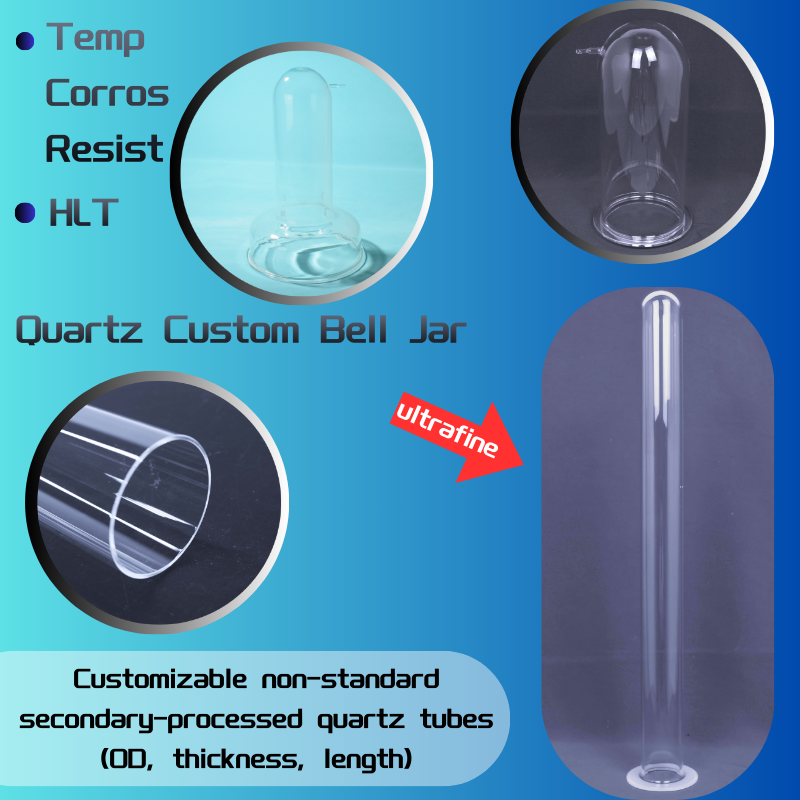
SJ 130 Clear High-Precision Quartz Vacuum Tube 99.99% SiO2
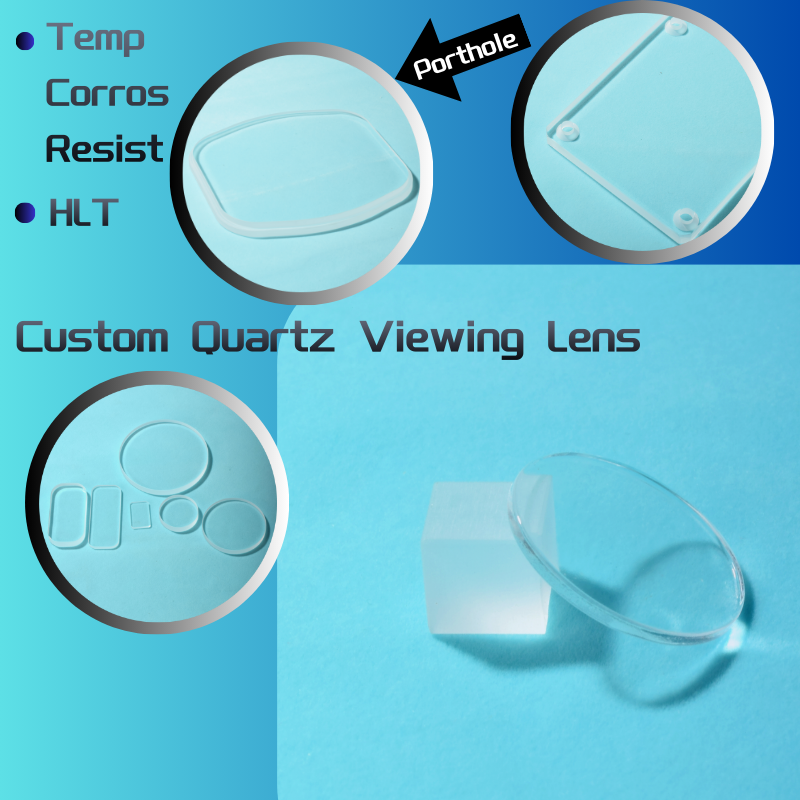
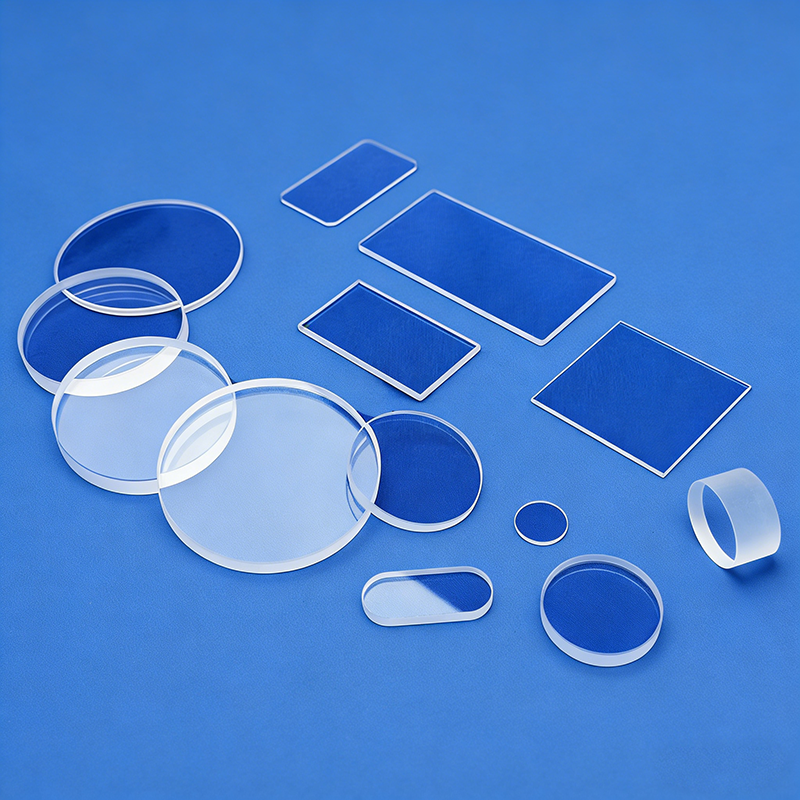
SJ 126 Natural Fused Quartz Square Thin Glass Slide Optics
Technical Specification & Sourcing Guide: High-Purity Fused Quartz Slides for the Dutch Advanced Technology Sector
The Netherlands stands as the epicenter of European semiconductor equipment manufacturing, integrated photonics research, and quantum computing innovation. From the Brainport Eindhoven ecosystem to the academic laboratories of Delft University of Technology (TU Delft), Leiden University, and the University of Twente, the demand for uncompromising material purity, optical clarity, and dimensional stability in quartz glass components is among the most stringent globally.
Quartz glass slides—often categorized under fused silica plates, optical quartz substrates, or microfluidic quartz chips—are critical foundational components in this ecosystem. Unlike standard borosilicate or soda-lime glass slides, high-purity fused quartz slides demonstrate exceptional resistance to thermal shock, high chemical resistance against harsh etch acids (such as HF/HNO₃ mixtures), and ultra-high transmission spanning the Deep Ultraviolet (DUV) to Near-Infrared (NIR) spectrums.
Material Physics: Natural Fused Quartz vs. Synthetic Fused Silica
When engineering procurement teams in the Netherlands source quartz glass slides for photolithography mask substrates, wafer carriers, or UV-Vis spectroscopy, understanding the distinction between natural fused quartz and synthetic fused silica (such as JGS1, JGS2, and JGS3 grades) is essential for avoiding thermal stress failures or spectral absorption interference.
Technical Insight for Dutch Engineers: For DUV optical applications (such as 193nm or 248nm excimer laser illumination), Synthetic Fused Silica (JGS1 equivalent) is mandatory due to its virtually zero metallic impurity level and ultra-low bubble classification. Conversely, for high-temperature chemical vapor deposition (CVD) or tube furnace sample holders operating up to 1100°C, Natural Fused Quartz (JGS2/JGS3) provides superior viscosity and resistance to sag at elevated temperatures.
| Property Parameter | Synthetic Fused Silica (JGS1) | Natural Clear Quartz (JGS2) | Opaque / Translucent Quartz (JGS3) |
|---|---|---|---|
| Primary Raw Material | Silicon Chemical Precursors (SiCl₄) | High-Purity Natural Quartz Sand | Refined Natural Pegmatite Quartz |
| SiO₂ Purity Grade | > 99.9999% (6N) | > 99.99% (4N–5N) | > 99.95% |
| Optical Transmission Range | 185 nm – 2500 nm (DUV to NIR) | 220 nm – 2500 nm (UV to NIR) | Infrared / Thermal Insulation |
| Hydroxyl (OH⁻) Content | Typical < 5 ppm (Dry) / > 1000 ppm (Wet) | 150 ppm – 300 ppm | < 30 ppm |
| Coefficient of Thermal Expansion | 5.5 × 10⁻⁷ / K (20°C to 320°C) | 5.5 × 10⁻⁷ / K (20°C to 320°C) | 5.4 × 10⁻⁷ / K |
| Bubble & Inclusion Class | Class 0 / DIN 58927 Zero Bubbles | Class 1–2 (ISO 12123 Compliant) | Micro-porous / Uniformly Diffuse |
| Primary Dutch Application | EUV/DUV Optics, Photonics Chips | Wafer Handling Slides, Lab Vessels | Furnace Heat Shields, Thermal Barriers |
Localized Application Scenarios in the Dutch High-Tech Industry
The Netherlands' technological landscape requires bespoke quartzware solutions tailored to localized industry clusters. Our manufacturing processes directly support four major industrial pillars in the region:
In the Eindhoven region, semiconductor OEMs and tier-1 suppliers utilize precision-ground quartz glass slides as low-thermal-expansion substrates, reticle protection covers, and sacrificial etch carriers during atomic layer deposition (ALD) and plasma-enhanced chemical vapor deposition (PECVD).
Research hubs like QuTech and photonics foundries require ultra-smooth quartz slides with surface roughness Ra < 0.5 nm. These slides serve as waveguiding testing platforms and optical windows capable of sustaining high laser power densities without experiencing laser-induced damage thresholds (LIDT).
Biomedical researchers leverage our custom chemical-etched quartz microfluidic slides and coverslips for single-molecule fluorescence microscopy, where background autofluorescence from standard glass must be reduced to absolute zero.
Dutch solar innovation groups investigating perovskite-on-silicon tandem photovoltaics employ optical-grade quartz plates as thermal stability substrates during high-temperature annealing of conductive oxide layers.
Sourcing Trends & Regulatory Demands in the Dutch Sourcing Ecosystem
Procurement directors and quality assurance managers in the Netherlands face evolving regulatory frameworks and technical requirements when importing customized quartzware from global manufacturers:
- PFAS-Free Cleanroom Processing: Dutch high-tech OEMs strictly prohibit the presence of per- and polyfluoroalkyl substances (PFAS) in cleaning surfactants used during post-machining ultrasonic bath cycles.
- Full Material Traceability & RoHS/REACH Compliance: Every batch of quartz slides exported to the Netherlands must be accompanied by third-party spectroscopic analysis certificates verifying zero heavy metal contamination (Pb, Cd, Hg, Cr VI free).
- Rapid Prototyping (1-Piece Low MOQ): Dutch innovation spin-offs operating within university incubators require low-volume, highly complex prototype fabrication (1 to 5 pieces) without incurring exorbitant custom tooling fees.
Why Choose Lianyungang Vulra Quartz Products Co., Ltd.
Located in Donghai County—the world’s recognized crystal capital—we combine direct raw material access with TÜV Rheinland-verified manufacturing rigor.
TÜV Rheinland Verified Factory
Our manufacturing facilities, legal status, and quality control management systems are independently audited on-site by TÜV Rheinland, offering Dutch buyers complete risk mitigation.
Drawing-Based CNC & Laser Machining
Equipped with 5-axis CNC diamond grinding centers, precision laser cutting rigs, and automated fire-polishing benches to achieve strict dimensional tolerances within ±0.01 mm.
99.99%+ High-Purity Raw Material
Sourced directly from Donghai’s premium high-purity quartz crystal deposits, guaranteeing minimal thermal expansion, low bubble density, and high spectral transmittance.
Full Thermal Annealing Protocol
All hot-worked and welded quartz slides undergo rigorous computer-controlled annealing cycles to eliminate internal mechanical stress, preventing catastrophic thermal shock fractures.
1-Piece Prototype to Volume OEM
We support R&D agility. Dutch research institutions can order 1-piece custom prototypes from 2D/3D CAD drawings (STEP, DWG, PDF) before scaling up to mass production.
Export-Ready Shockproof Packaging
Vacuum sealed in Class 10,000 cleanroom packaging, cushioned with custom-molded high-density foam, and shipped in international air-freight compliant wooden cases.
Frequently Asked Questions for Netherlands Procurement
Addressing common questions regarding import logistics, technical tolerances, custom coatings, and testing standards for Dutch buyers.
What standard lead times can Dutch buyers expect for custom quartz slide fabrication?
What surface roughness and flatness tolerances can your factory achieve for optical quartz plates?
Are your quartz glass products compliant with EU RoHS, REACH, and PFAS regulations?
Can you apply anti-reflective (AR) or conductive ITO coatings to custom quartz slides?
How do you ensure zero breakage during transit from China to the Netherlands?
Ready to Source High-Precision Quartzware for Your Dutch Operation?
Send us your 2D/3D CAD drawings, material requirements, or target specifications. Our engineering team will review your project parameters and provide a comprehensive technical quote within 12 hours.