Featured Fused Silica & Quartz Components for Industry
Engineered from 99.999% purity natural quartz crystal sand. Tested for extreme thermal resistance up to 1450°C and superior acid inertness.
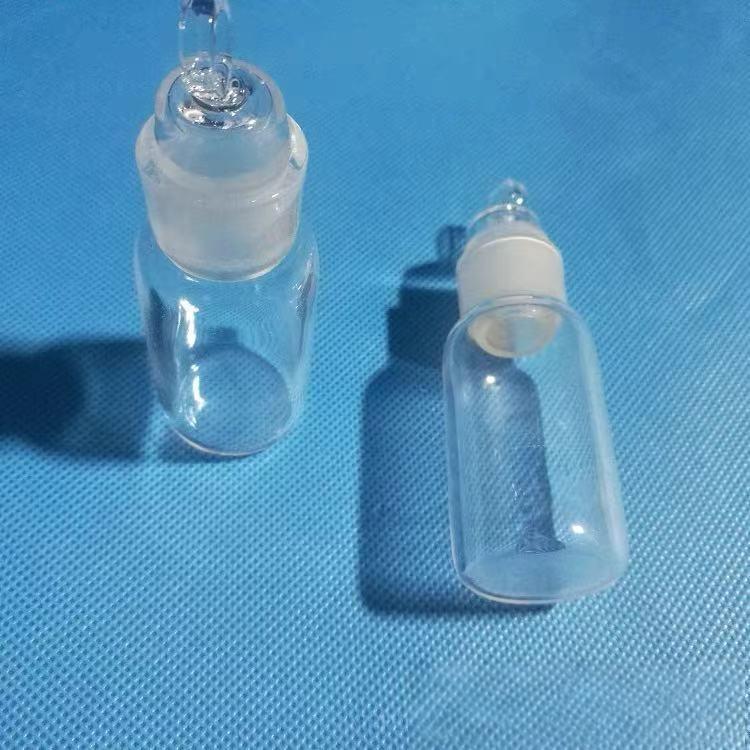
High-Corrosion Resistant Semiconductor 400 Mesh Laboratory Quartz
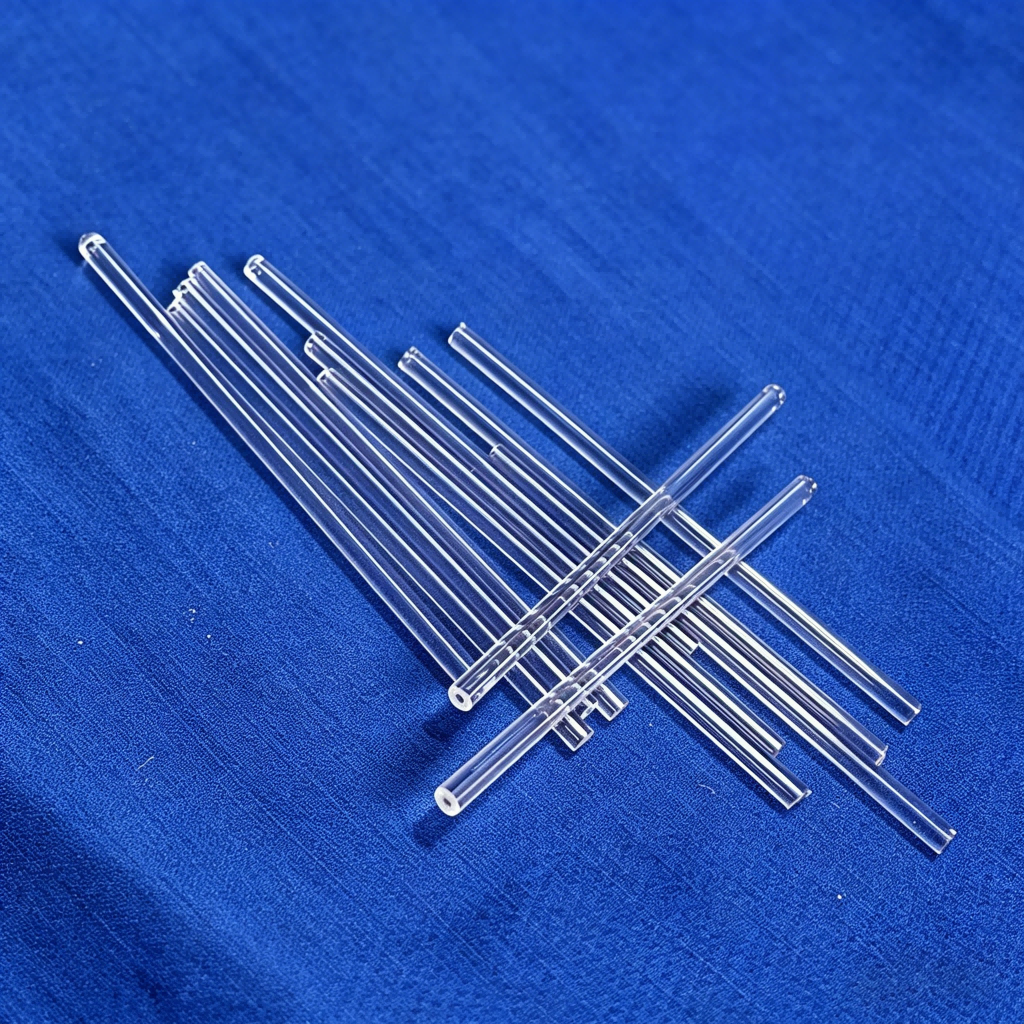
High Purity Opaque Micro Capillary Quartz Glass Tube
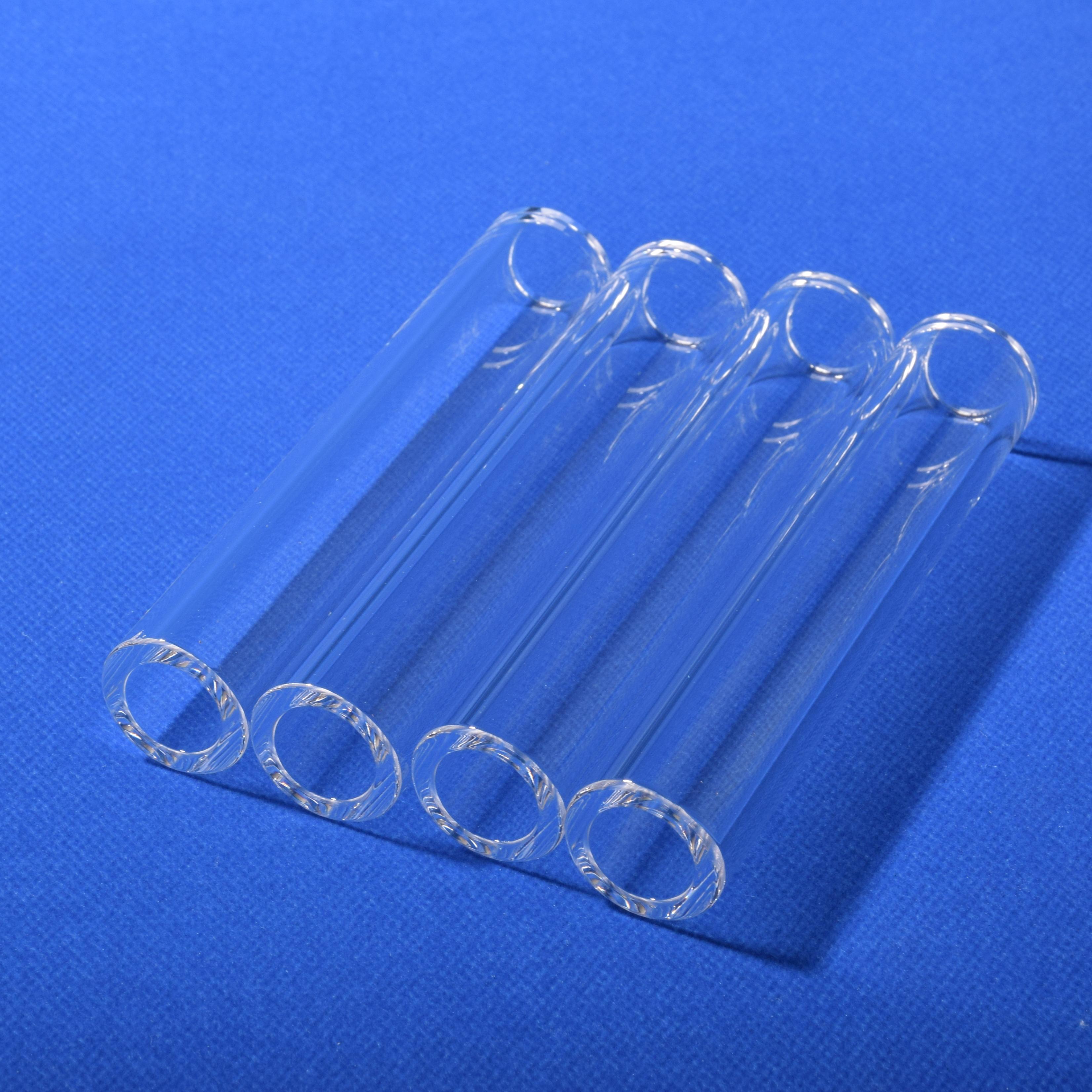
SJ 150 Translucent Oversized Thick Wall Polished Quartz Tube
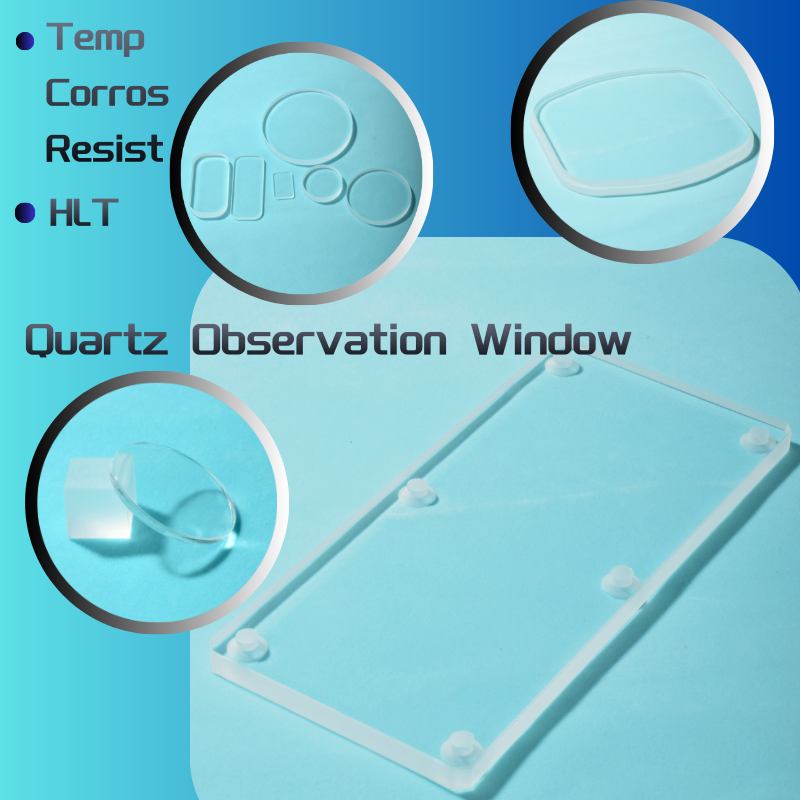
SJ Natural Fused Quartz Polished Plate Optical Clear
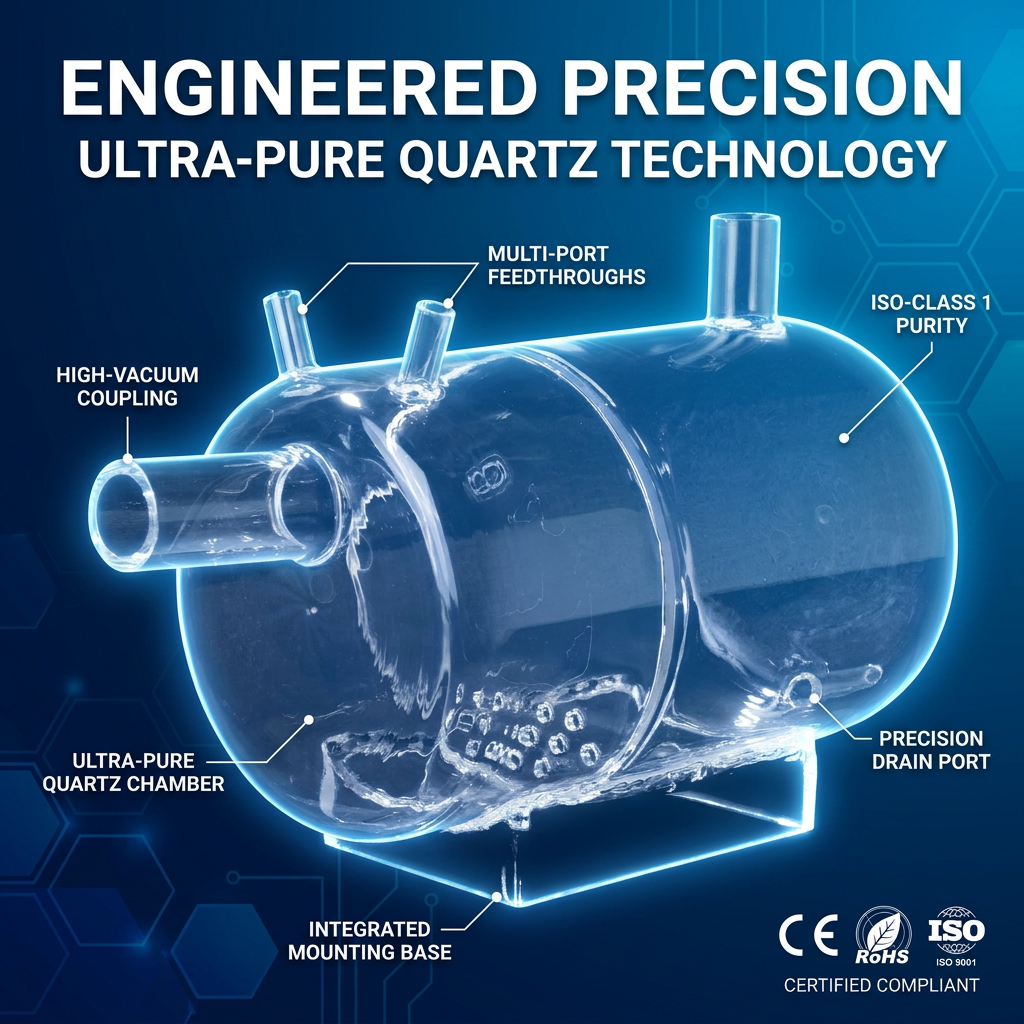
Customized Precision Quartz Separating Container
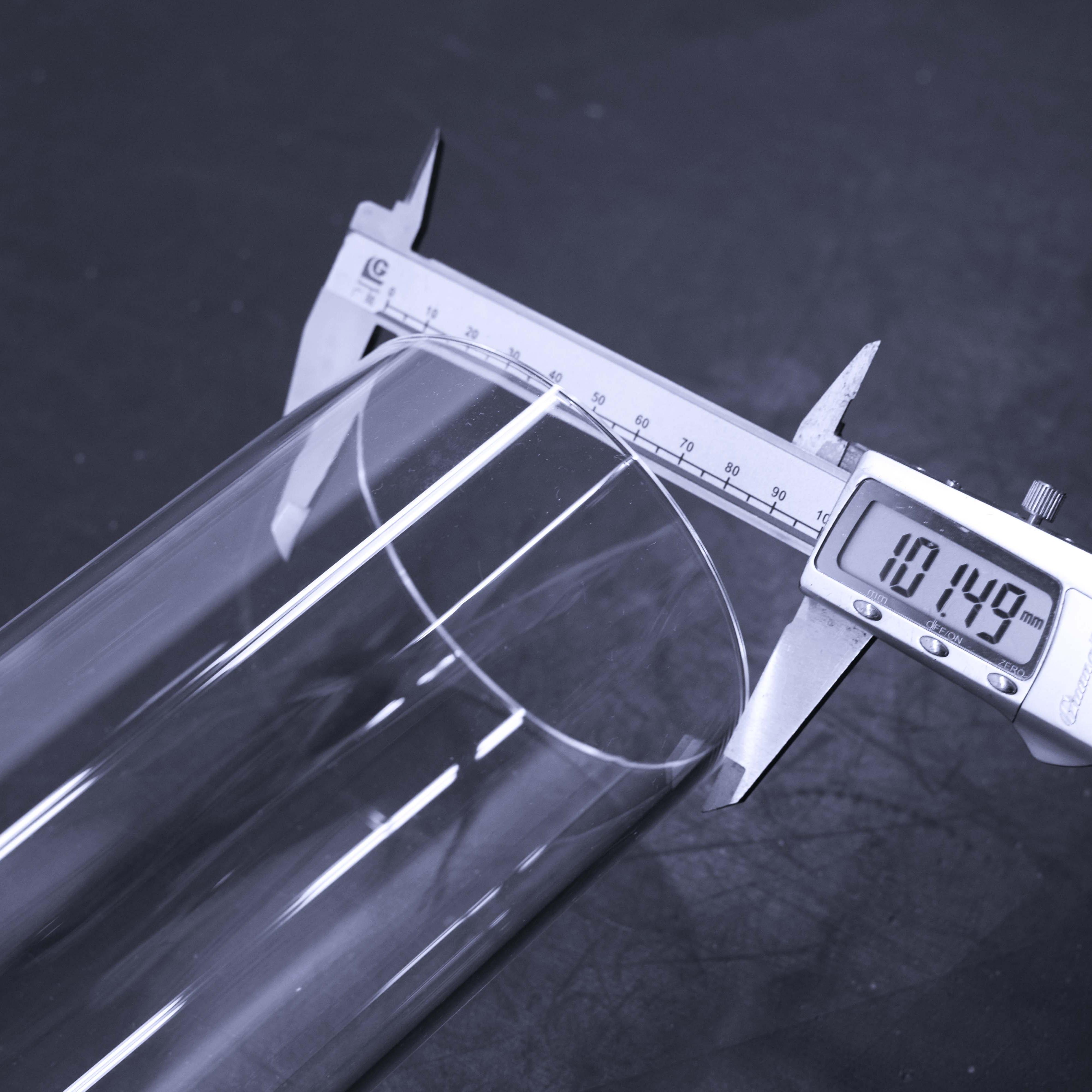
High Purity Quartz Transparent Polished Glass Tube
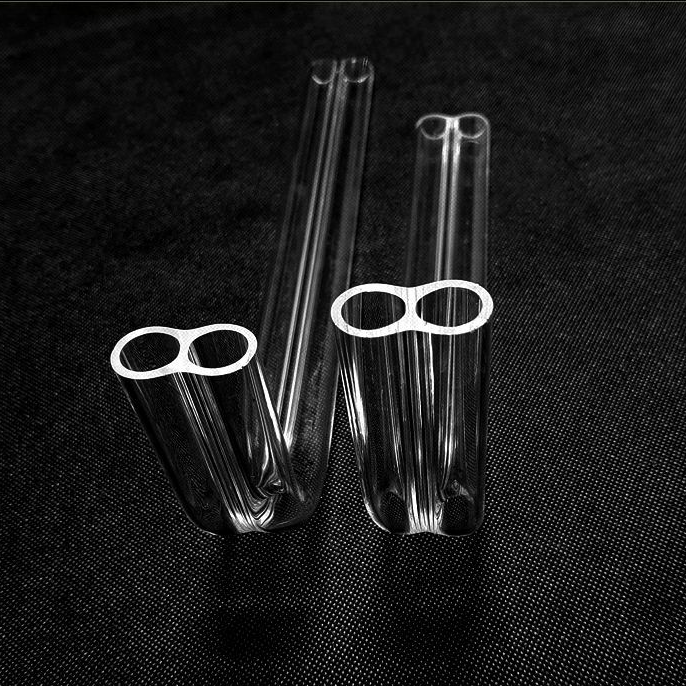
Fused Quartz Double-tube Right-angle Elbow Bending
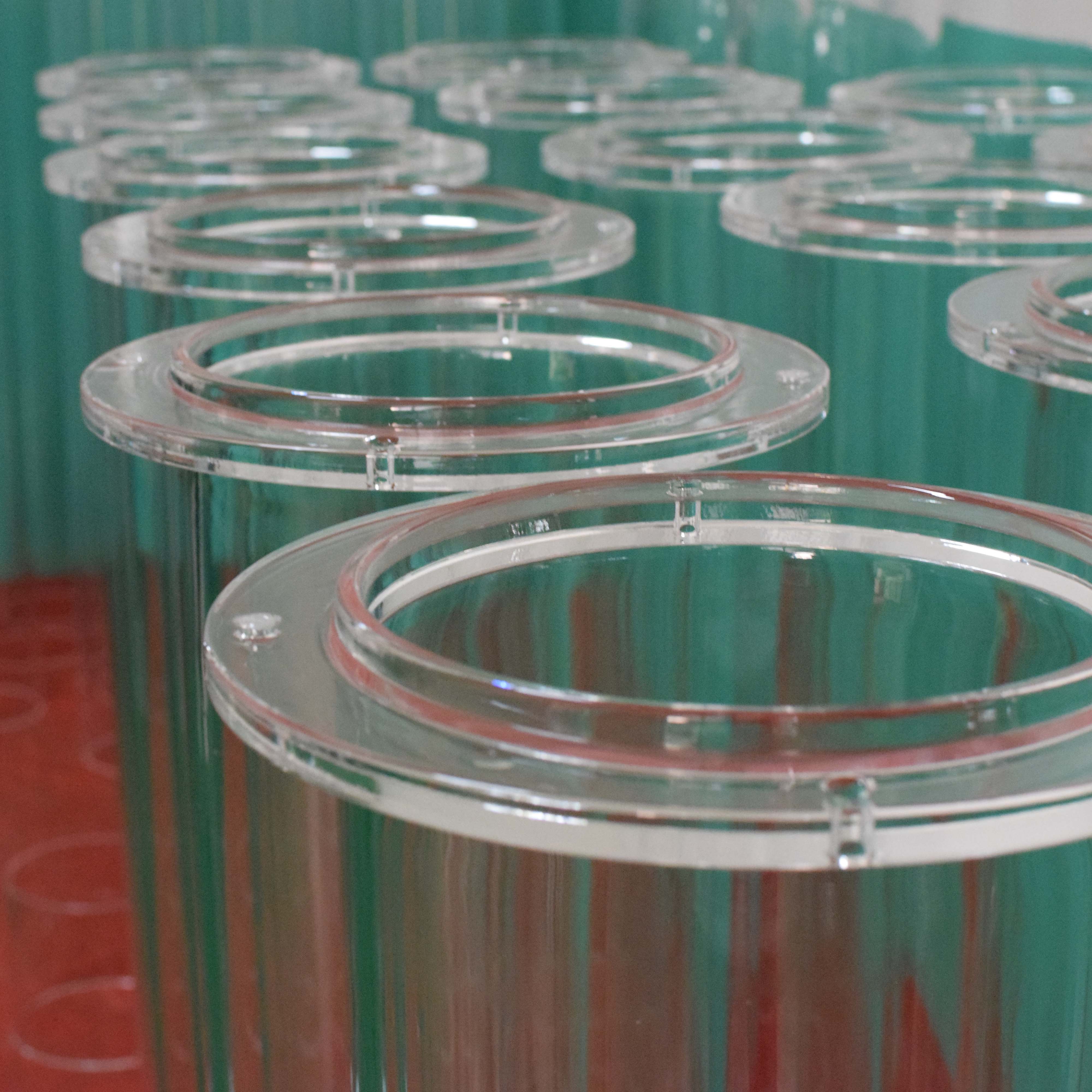
High Purity 99.999% Single Crystal Quartz Glass Flange Container
Evaluating High-Purity Fused Quartz Beakers for Industrial Testing in Constanța
In modern industrial testing, petrochemical synthesis, and marine analysis laboratories across Constanța, Romania, laboratory glassware is subjected to extreme conditions. Standard borosilicate 3.3 glassware often fails under rapid thermal cycling, prolonged exposure to boiling concentrated mineral acids, or high-temperature ignition procedures. For lab managers, chemical engineers, and procurement directors in the Black Sea region, upgrading to high-purity fused silica quartz beakers is essential for ensuring operational safety, sample purity, and long-term equipment ROI.
Information Gain Insight: Fused quartz consists of purely amorphous silica ($\text{SiO}_2$) with trace metal impurities below 10 ppm. Its thermal expansion coefficient ($\alpha = 5.5 \times 10^{-7}/\text{K}$) is approximately 1/6th that of standard borosilicate glass. This ultra-low expansion allows a fused quartz beaker to be heated to 1100°C and plunged directly into ice-cold water without structural cracking or thermal shock fatigue.
Material Comparison: Fused Quartz Glass vs. Borosilicate 3.3 Glass
To assist technical buyers in Constanța’s industrial port, energy, and research sectors, the following material performance matrix outlines the operational thresholds between standard laboratory glass and specialized fused silica quartzware:
| Physical / Chemical Property | Standard Borosilicate 3.3 | High-Purity Fused Quartz (Vulra) | Performance Benefit for Constanța Labs |
|---|---|---|---|
| Max Continuous Temperature | 450 °C - 500 °C | 1100 °C (Short peak 1450 °C) | Enables high-temp calcination, ash testing, and direct flame ignition. |
| Softening Point | 820 °C | 1683 °C | Prevents vessel sagging and structural deformation under continuous load. |
| Thermal Shock Resistance | $\Delta T \approx 160\text{ K}$ | $\Delta T > 1000\text{ K}$ | Allows instantaneous transfer from high-heat furnace to room temperature. |
| Chemical Leaching (ICP-MS) | Boron, Sodium, Alumina leaching | Near Zero Leaching ($< 0.1 \text{ ppb}$) | Critical for trace heavy metal analysis in Black Sea environmental testing. |
| Acid Resistance (except HF) | Good (affected by strong alkalis) | Exceptional ($\text{HNO}_3$, $\text{HCl}$, $\text{H}_2\text{SO}_4$) | Ideal for aggressive aqua regia and concentrated acid digestions. |
| UV-Vis Light Transmittance | Cut-off below 310 nm | Deep UV Transmission down to 190 nm | Essential for photochemical reactors and optical spectroscopy. |
Anatomy of an Industrial-Grade Quartz Beaker
A high-performance quartz beaker engineered for heavy industrial duty must incorporate specific physical geometry features to withstand repetitive handling in rigorous lab environments:
Reinforced Fire-Polished Rim
Formed through high-temperature oxy-hydrogen flame working to eliminate micro-fractures, preventing chipping during aggressive pouring or automated robotic handling.
Precision Spout Design
Engineered pour spout geometry prevents liquid surface-tension droplet backlash when decanting concentrated acids or viscous petroleum samples.
Uniform Heavy-Wall Structure
Controlled wall thickness tolerance within $\pm 0.1\text{ mm}$ ensures uniform heat distribution across the bottom contact area, preventing localized thermal stress zones.
Quartzware Solutions Tailored for Constanța's Core Industries
As Eastern Europe's primary Black Sea maritime and petrochemical hub, Constanța requires specialized laboratory glass engineered for high salinity, aggressive refining chemicals, and heavy port logistics.
1. Petromidia Refinery & Năvodari Petrochemical Complex
The Midia-Năvodari refining hub just north of Constanța process millions of tons of crude oil annually. Testing catalyst activity, crude fraction sulfur content, and heavy hydrocarbon residues requires heating samples above 800°C with concentrated sulfuric acid ($\text{H}_2\text{SO}_4$) and nitric acid ($\text{HNO}_3$).
The Quartz Advantage: Standard glass reacts with acid at elevated temperatures, contaminating samples with alkali oxides. Vulra’s 99.999% fused silica quartz beakers provide absolute chemical inertness, ensuring pure, uncorrupted spectrographic readings during fuel certification.
2. Maritime Environmental & Black Sea Water Quality Testing
The Constanța Port Authority and environmental protection institutes continuously monitor marine seawater quality, ballast water treatment compliance, and coastal trace heavy metal pollution (e.g., Cadmium, Lead, Mercury, Arsenic).
The Quartz Advantage: Preparing marine samples requires acid boiling and evaporation down to dry salts. Fused quartz beakers do not leach trace heavy metals into seawater solutions during digestion, keeping baseline background interference below ICP-MS detection thresholds ($<0.01\text{ ppb}$).
3. Energy Sector & Cernavodă Nuclear Water Chemistry
In proximity to the Cernavodă Nuclear Power Plant and local thermal energy units in Dobrogea, boiler feed water purity must be verified down to ultra-trace silica and ion concentration levels to prevent turbine blade fouling.
The Quartz Advantage: Using borosilicate glass to test ultra-pure water causes silica dissolution into the sample. High-purity quartz containers ensure zero silica contamination during high-temperature water evaporation and conductivity testing.
4. Agribusiness & Grain Export Quality Control
As one of Europe's largest agricultural export ports, Constanța handles massive quantities of grain. Moisture analysis, nitrogen determination (Kjeldahl digestion), and pesticide residue extraction labs operate non-stop around grain shipping seasons.
The Quartz Advantage: High-throughput automated digestion systems utilize custom-dimensioned quartz beakers and digestion tubes that tolerate continuous thermal cycling without cracking, reducing lab downtime.
Industry Trends Driving Quartzware Demand in Constanța
With Romania’s expanding energy infrastructure, Black Sea offshore gas extraction projects (Neptun Deep), and green hydrogen research initiatives, regional laboratories are modernizing their quality control systems to meet strict European Union REACH and ISO/IEC 17025 standard laboratory accreditations. Key trends include:
- Shift to Trace Elemental Accuracy: Standard analytical methods are moving toward lower detection limits (parts-per-trillion). Analytical chemists in Constanța can no longer tolerate sodium, boron, or calcium ion leaching from traditional borosilicate beakers.
- Direct OEM Customization: Standard catalog size beakers often fail to fit specialized hot plates, custom heating blocks, or automated robotic samplers. Procurement managers increasingly contract directly with certified quartz manufacturers for custom drawing-based dimensions.
- Supply Chain Optimization: B2B buyers in Romania require direct manufacturer partnerships that guarantee certified raw materials ($\text{SiO}_2 \ge 99.999\%$), third-party verification (TÜV Rheinland), and air/sea packaging optimized for zero transport breakage.
Direct Factory Sourcing for Constanța Laboratories
Eliminate distributor markups and secure custom-engineered fused quartz beakers, crucibles, and tubes made directly to your CAD drawings. Prototype orders start from 1 piece.
Get a QuoteDirect Manufacturing Superiority from Donghai
Lianyungang Vulra Quartz Products Co., Ltd. is located at the center of world's premier natural quartz processing cluster in Donghai, Jiangsu Province.
TÜV Rheinland Verified
On-site inspected facility. Authenticated production lines for hot flame lathe working, cold diamond machining, precision grinding, optical polishing, and stress annealing ovens.
Drawing-Based Custom OEM/ODM
Our engineering team evaluates every RFQ drawing for thermal-stress zones, rim wall ratios, and pour spout hydrodynamics before production begins, ensuring zero batch-to-batch variation.
Export Shock-Proof Packaging
Every glass piece is acid cleaned, DI-water rinsed, vacuum sealed, and encased in dual-layer shock-absorbing foam within reinforced wooden crates built for ocean freight to Constanța Port or express air shipment.
Procurement & Technical FAQ for Constanța Buyers
Get answers to technical specification, thermal limit, custom design, and shipping inquiries from our quartz glass engineers.
What is the thermal limit of a quartz glass beaker during direct hot-plate heating?
Vulra’s fused silica quartz beakers can withstand continuous operating temperatures up to 1100°C and short-term peak temperatures up to 1450°C. The softening point occurs at 1683°C. Unlike standard borosilicate glass which deforms above 500°C, quartz beakers can be placed directly onto intense heating sources or worked with direct gas-torch burners without structural softening or sagging.
How do quartz beakers react to hydrofluoric acid (HF) and phosphoric acid?
Fused quartz is inert to virtually all acids including Nitric Acid, Hydrochloric Acid, Sulfuric Acid, and Aqua Regia at elevated temperatures. However, Hydrofluoric Acid (HF) and concentrated Phosphoric Acid above 150°C will etch silica ($\text{SiO}_2$). For HF application, specialized polymer containers (such as PTFE/PFA) are required. For all other acid digestions, quartz remains the supreme material choice.
Can Vulra manufacture quartz beakers to custom CAD dimensions or drawings?
Yes. We specialize in custom OEM/ODM manufacturing based on customer-provided 2D/3D drawings (STEP, DWG, PDF). We can adjust beaker height, wall thickness, spout angle, add custom flanged rims, weld ground glass joints, or print acid-resistant ceramic graduations based on your laboratory’s exact specs.
What is the Minimum Order Quantity (MOQ) for custom quartzware shipped to Romania?
To support research institutes, universities, and industrial pilot plants in Constanța, our MOQ for custom quartz beakers, rods, plates, crucibles, and specialized containers starts at just 1 piece. Standardized tubing and analytical capillary products typically start at 5–10 pieces.
How is fragile quartzware protected during transit to Constanța Port or Bucharest airport?
We use export-grade shockproof packaging protocols perfected over years of international trade. Each piece undergoes ultrasonic clean water rinsing, protective polyethylene vacuum wrapping, individual foam cell isolation within heavy-duty corrugated cartons, and outer plywood crating. We guarantee 100% intact arrival with full insurance replacement coverage.
What certificates and quality documentation are provided with shipment?
Every shipment is supplied with a Certificate of Analysis (CoA) certifying silica purity ($\ge 99.999\%$), CE and RoHS compliance certificates, and dimensional inspection sheets. Third-party TÜV Rheinland inspection verification reports are available upon request.
Request a Custom Quartz Glass Quotation Today
Send your CAD drawing, specifications, or inquiry details directly to our technical engineering team. We provide rapid price quotes, engineering feedback, and estimated delivery schedules for Constanța and European destinations within 24 hours.
Get a Quote