High-Purity Quartz Liners & Precision Thermal Assemblies
Manufactured from 99.99% - 99.999% pure fused silica sand sourced from Donghai. Rated for 1100°C continuous service, exceptional thermal shock stability, and extreme corrosion resilience.
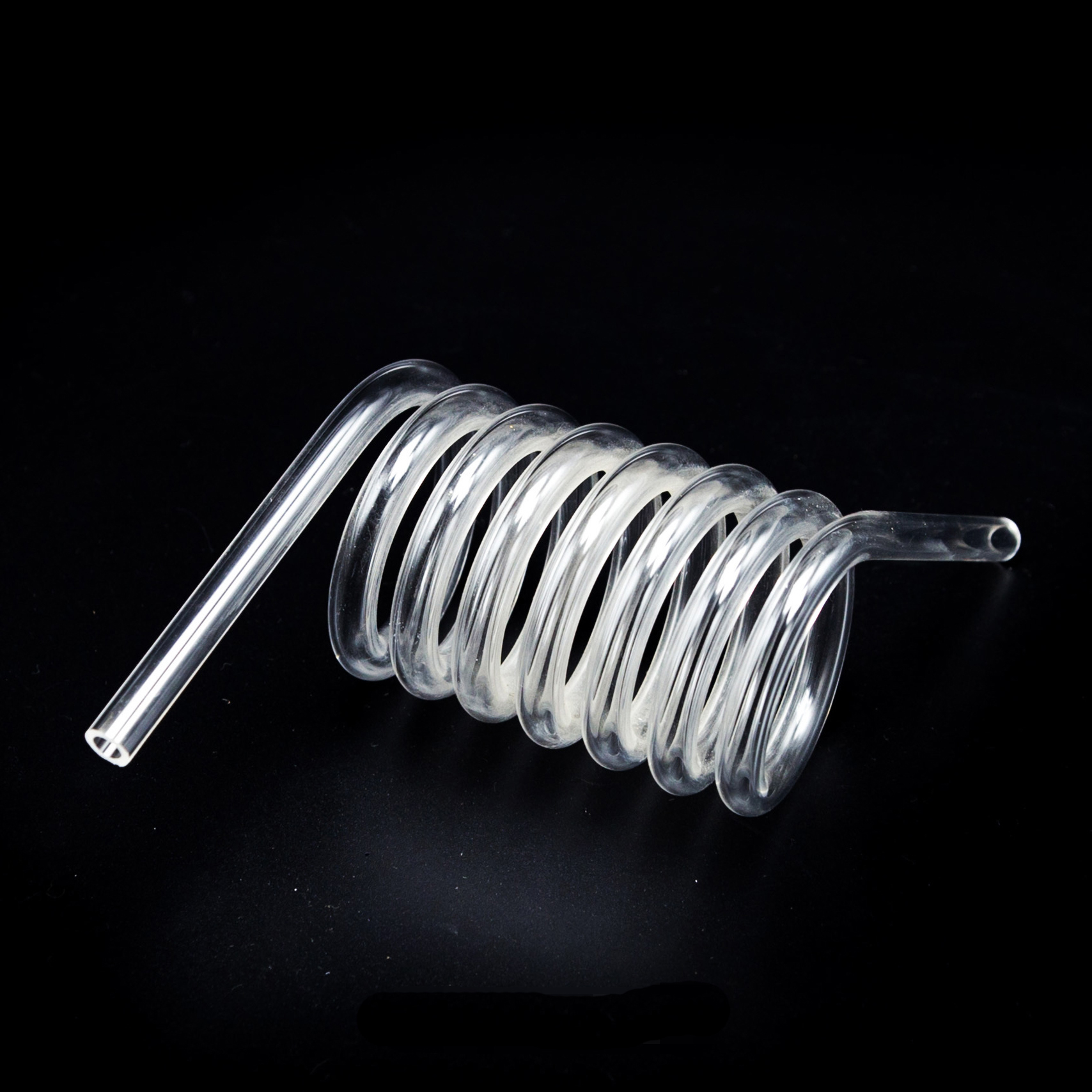
Factory Hot Sale High Purity Polished Clear Quartz C Shape Spiral/Bent/Custom Tubes Small Diameter Cutting/Welding Bending
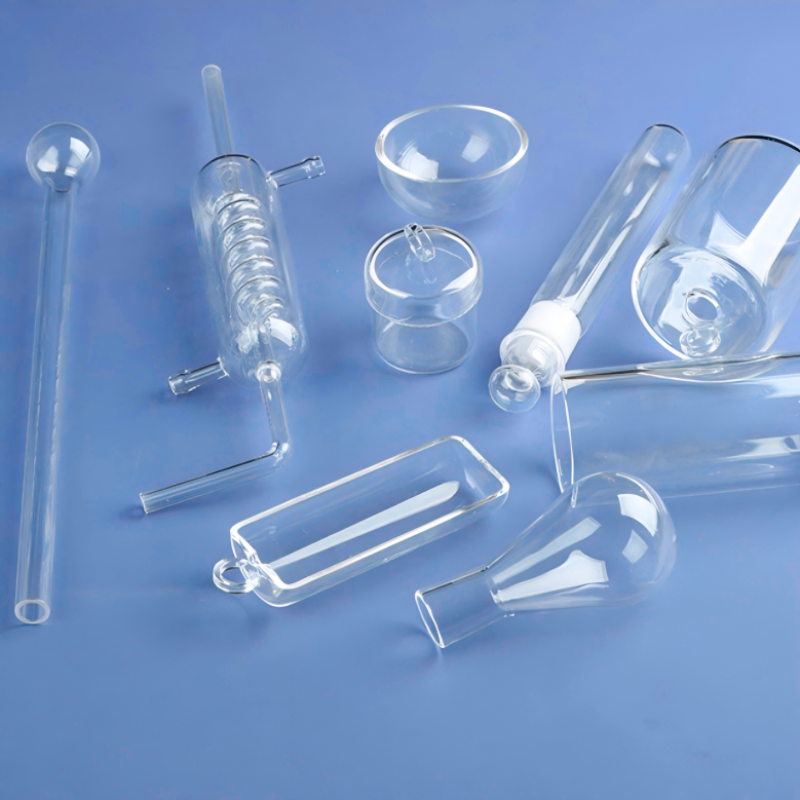
Quartz Glass Tube Plugging Rod Heating Test Tube Boat High Temperature Resistant High Frequency Transparent Polished Surface
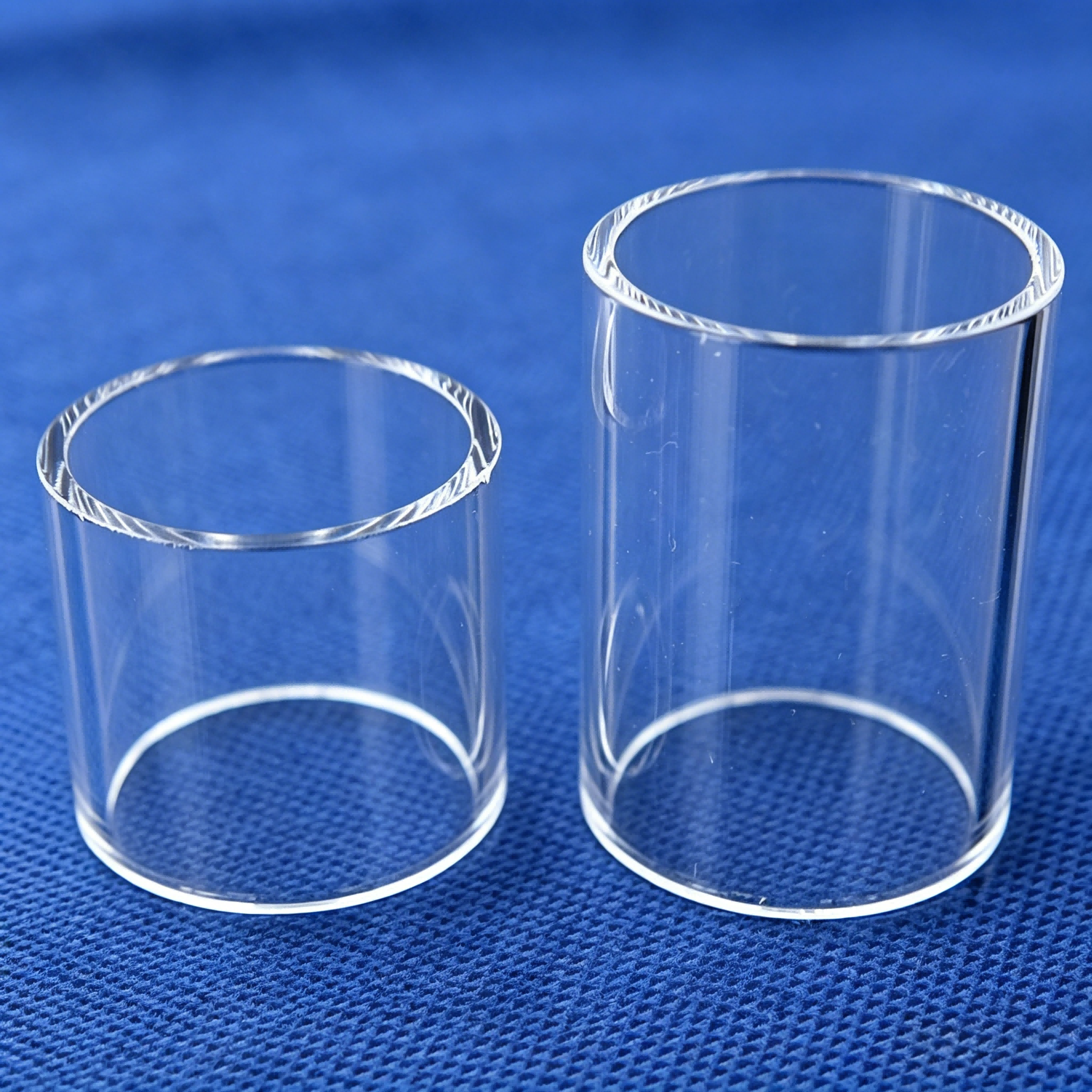
Custom High Temperature Corrosion Resistant Clear Quartz Glass Pipe | Twin Tube Polished Surface Bending/Welding/Cutting SJ 210
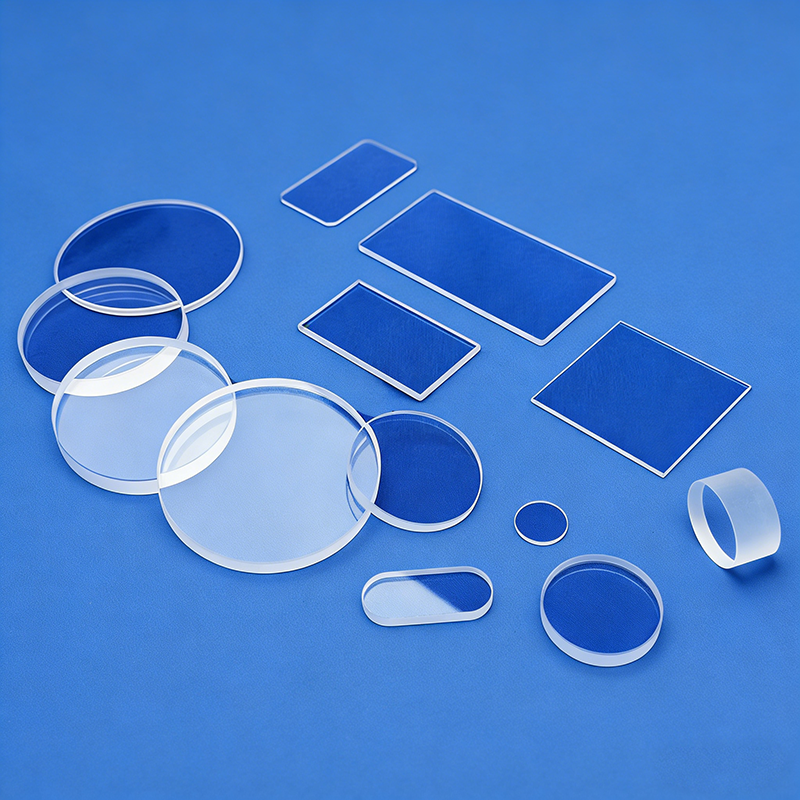
SJ QUARTZ Customized Translucent Natural Fused Quartz Arc-Welding Cutting Services Industrial Lab Applications High Purity Flat

Clear Refractory Fused Quartz Crucible Bowl SJ Brand High Tension Strength 48 N/mm 1683 Softening Point Semiconductor
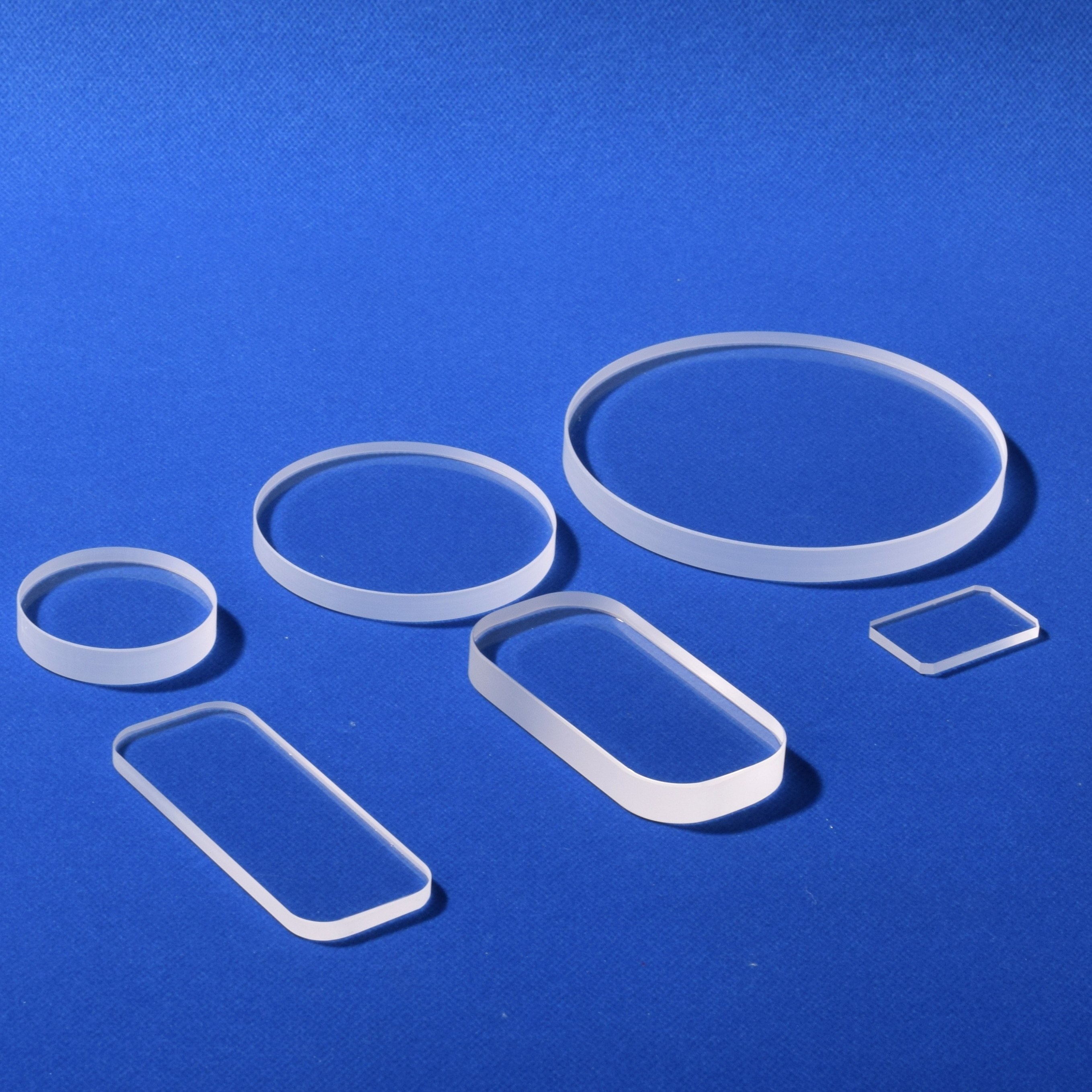
Sophisticated Technology High Transmittance Customized Heat Resistant Transparent Quartz Glass Watch Window High Insulation
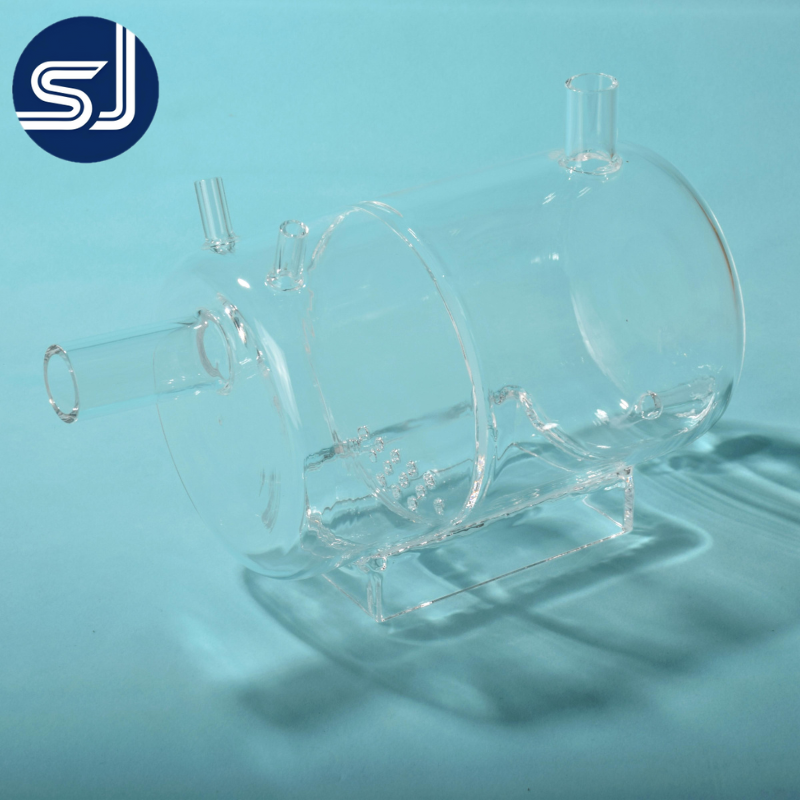
SJ QUARTZ High-Temperature Corrosion-Resistant 99.99% SiO2 1100 Laboratory Custom Quartz Flow Splitting Bottle >85%
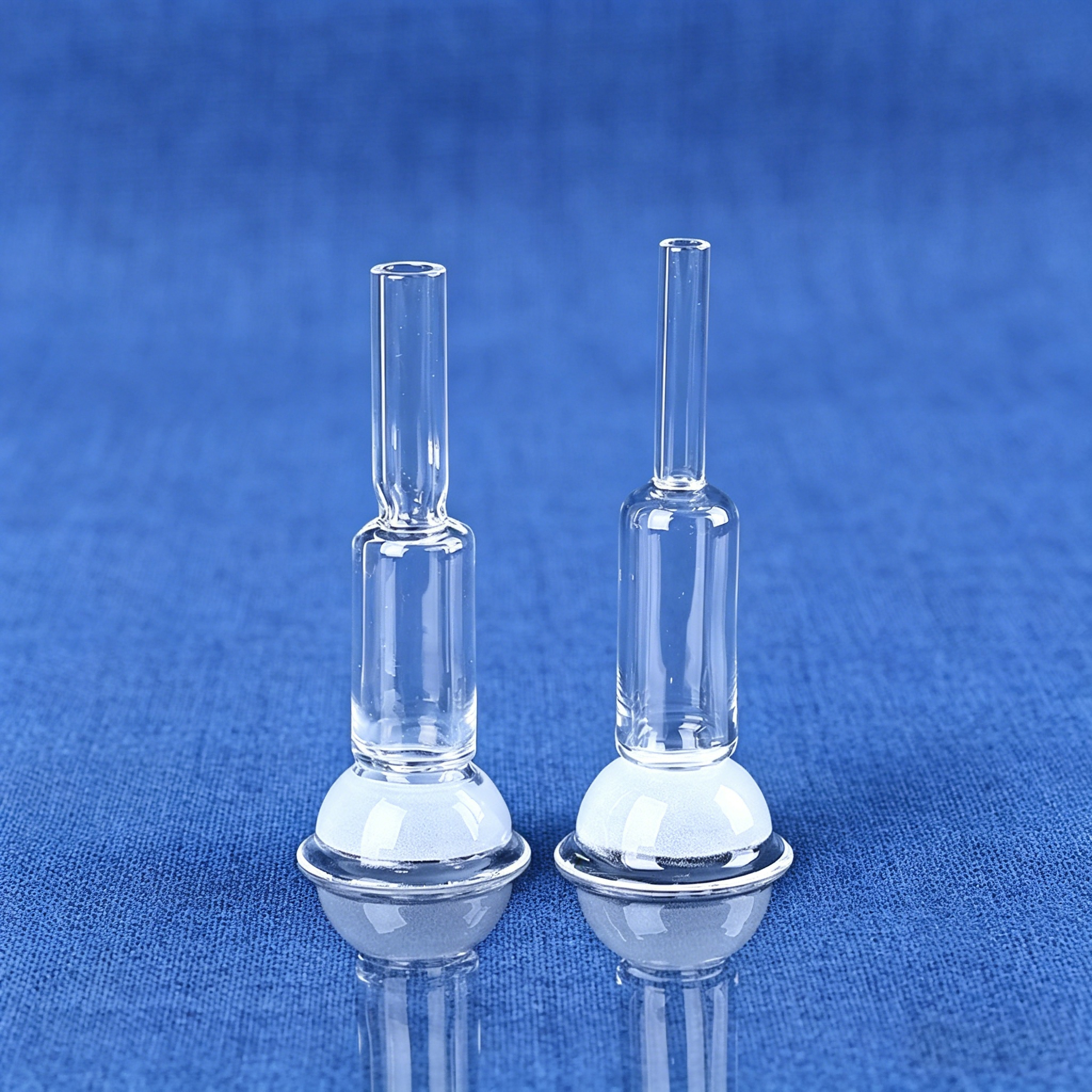
Custom High Purity Quartz C-shaped Small-sized BET Tube Welding Bending Cutting Polished Surface Semiconductor High Temp 1100
Engineering Vitreous Silica: The Science of High-Temperature Quartz Furnace Liners
In modern thermal processing, furnace liners serve as the primary containment envelope separating extreme heating elements from aggressive reactive process atmospheres, vulnerable heating charges, and volatile chemical vapors. For process operations, research facilities, and thermal engineering plants located in Gouyave and the wider Caribbean basin, selecting high-performance quartz furnace liners is critical to preventing process contamination, ensuring thermal shock resilience, and eliminating destructive corrosion phenomena.
Manufactured by Lianyungang Vulra Quartz Products Co., Ltd. (SJ Quartz) in Donghai County—the crystal manufacturing capital of China—our furnace liners are precision-fabricated from continuous-melt natural fused silica crystals yielding an inorganic purity exceeding 99.99% to 99.999% SiO₂. Unlike conventional refractory mullite, dense alumina (Al₂O₃), or graphite furnace tubes, fused quartz possesses an amorphous, non-crystalline vitreous microstructure characterized by an extraordinarily low coefficient of thermal expansion (CTE) of approximately 5.5 × 10⁻⁷ /°C between 20°C and 1000°C.
"Vitreous silica liners provide near-zero thermal expansion, allowing rapid cycling from ambient temperature up to 1100°C without mechanical degradation, structural cracking, or spalling. This makes our furnace liners the premier choice for demanding thermal extraction, calcination, and CVD operations."
This near-zero thermal expansion affords our quartz furnace liners the highest thermal shock endurance of any commercially available refractory glass. A red-hot quartz furnace tube heated to 1100°C can be repeatedly exposed to ambient convective cooling or cold gas purging without catastrophic mechanical cracking. Furthermore, with an ultimate softening point reaching 1683°C and an annealing point centered around 1215°C, our custom-engineered liners provide outstanding structural rigidity, maintaining shape and dimensional roundness even under continuous operating regimes.
Material Comparison Matrix: Quartz vs. Traditional Furnace Liners
Thermal system architects frequently weigh fused quartz against sintered ceramic and metallic alternatives. The following technical parameter comparison clarifies why vitreous quartz remains the indispensable standard for high-purity thermal engineering:
| Thermal Property / Metric | High-Purity Fused Quartz | High-Alumina (99.5% Al₂O₃) | Silicon Carbide (SiC) | 310S Stainless Steel |
|---|---|---|---|---|
| Base Purity / Composition | 99.99% – 99.999% SiO₂ | 99.5% Al₂O₃ | Recrystallized / Reaction Bonded | Fe-Cr-Ni High-Temp Alloy |
| Coefficient of Thermal Expansion (CTE) | 0.55 × 10⁻⁶ K⁻¹ | 8.0 × 10⁻⁶ K⁻¹ | 4.5 × 10⁻⁶ K⁻¹ | 16.5 × 10⁻⁶ K⁻¹ |
| Max Continuous Temperature | 1100°C – 1150°C | 1600°C – 1700°C | 1450°C – 1550°C | 1050°C (Oxidizes rapidly) |
| Thermal Shock Resistance | Exceptional (Immune to rapid drops) | Moderate (Susceptible to cracking) | Moderate to High | High ductility, severe warping |
| Chemical / Acid Corrosion Resistance | Immune to all acids except HF / H₃PO₄ | Vulnerable to acid slag and fluxes | Sensitive to oxidation at 1100°C+ | Severe pitting in chloride/saline air |
| Optical Clarity / Observation | High Optical Transmittance (>90%) | Opaque White | Opaque Black / Grey | Opaque Metallic |
| Heavy Metal Leaching Risk | Virtually Zero (<0.1 ppm trace elements) | Risk of trace Al/Fe/Na migration | Risk of Si/C free element diffusion | High vapor pressure Fe, Cr, Ni ions |
Localized Application Scenarios in Gouyave & the Caribbean Coast
Situated in the parish of St. John on Grenada's western coastline, Gouyave represents a critical hub of regional commerce, agricultural processing, maritime engineering, and advanced coastal research. Thermal installations operating within this coastal microclimate face distinctive environmental and operational challenges that make fused quartz furnace liners indispensable.
Nutmeg & Spice Essential Oil Distillation
Gouyave is world-renowned for its historic nutmeg processing. Industrial extraction of volatile nutmeg essential oils, myristicin fractions, and botanical essences requires high-temperature pyrolytic or steam cracking columns. Metallic liners leach nickel and iron catalysts, degrading oil clarity and pharmaceutical grades. Our ultra-pure quartz liners provide chemically inert contact surfaces that guarantee absolute biological purity and zero product contamination.
Marine Atmosphere Corrosion Immunity
Industrial facilities operating directly on the Caribbean coast contend with heavy marine aerosols containing sodium chloride (NaCl) and airborne moisture. Traditional metallic furnace muffle tubes suffer from catastrophic chloride-induced stress corrosion cracking and rapid high-temperature scaling. Fused quartz is completely non-reactive to chlorine ions and halogen gases, providing an indefinitely durable thermal chamber that eliminates unscheduled downtime.
Agrochemical & Environmental Soil Calcination
Agricultural testing institutes, regional university laboratories, and soil analytical stations in St. John utilize horizontal tube furnaces to determine organic matter fractions, heavy metal soil pollution, and mineral compositions. High-temperature testing tubes and quartz furnace boats allow repeatable testing up to 1100°C without alkaline leaching, cross-sample memory effects, or background analytical noise.
Biomass Pyrolysis & Sustainable Biochar
As Grenada moves aggressively toward carbon-neutral waste management, agricultural residues from spice plantations and fishing offal are increasingly converted via localized pyrolysis into high-grade activated biochar and bio-fuels. Quartz reactor liners withstand severe cyclic temperatures and volatile organic acids generated during anaerobic thermal cracking, providing optical clarity for reaction kinetics monitoring.
Solar Thermal Energy & Nanomaterials
Caribbean clean energy initiatives are testing parabolic concentrating collectors and high-efficiency photo-thermal absorbers. Our high-transmittance, ozone-free quartz tubes act as vacuum receiver enclosures, ensuring optimal solar spectrum penetration from 260 nm to 2500 nm while enduring intense focal heat without mechanical sagging or solarization darkening.
Maritime Sight Glasses & Thermal Observation
Commercial fishing vessels, marine diesel retrofits, and local dock engineering facilities in Gouyave require rugged, high-pressure sight glasses for thermal boilers and exhaust gas monitors. Our heat-resistant quartz watch windows maintain optical clarity and pressure containment across severe marine thermal gradients without clouding or thermal rupture.
Emerging Thermal Processing Trends in Gouyave & the Windward Islands
The industrial landscape across the Eastern Caribbean is undergoing a major paradigm shift toward high-value, decentralized specialty manufacturing and ecological modernization. In Gouyave, several technological trends directly influence the demand for advanced quartz furnace equipment:
1. Transition to High-Value Botanical Phytochemical Extraction
Moving beyond raw agricultural commodity exports, Grenadian processing centers are scaling pharmaceutical-grade nutraceutical extracts, essential oil refining, and cosmetic essences. These processes rely on continuous-flow quartz reactors, quartz tube condensers, and distillation flasks capable of maintaining thermal stability up to 800°C under vacuum without emitting trace contaminants. Fused quartz remains the only certified contact material that preserves organic bioactive compounds without triggering unwanted oxidation.
2. Decarbonization & Clean High-Frequency Electric Heating
In response to volatile imported hydrocarbon fuel costs, regional operations are retrofitting old fuel-fired kilns with induction, high-frequency, and resistance electrical heating. Quartz furnace liners excel in electrical furnaces due to their dielectric strength (over 25–40 kV/mm at 20°C) and exceptionally low electrical loss angle, preventing electrical arc-overs and maximizing radiant thermal transfer directly to the workload.
3. Decentralized Testing & Quality Certification Infrastructure
To access high-tier European and North American export markets for food, spices, and fine chemicals, regional testing hubs require in-house BET surface area testing, XRD crystal diffraction sample holders, and precision ash determination furnaces. Replacing vulnerable glass or metal components with semiconductor-grade quartz ensures compliance with rigorous ISO and ASTM verification standards.
Our Manufacturing Superiority: Why Global Engineers Choose Vulra Quartz
For industrial buyers in Gouyave, purchasing specialized quartzware across international shipping lanes necessitates uncompromising confidence in manufacturer competence, verified credentials, and export reliability. Lianyungang Vulra Quartz Products Co., Ltd. offers structural advantages that distinguish us from typical trading intermediaries:
TÜV Rheinland Audited
Our manufacturing plant, machining floors, and export credentials have undergone rigorous on-site audit and verification by TÜV Rheinland. We operate certified production lines for custom ODM/OEM fabrication, ensuring every liner meets exacting mechanical and chemical specifications.
Source Crystal Cluster Advantage
Based in the Donghai Economic Development Zone—the heart of the world’s crystal sand processing cluster—we control raw material selection from raw crystal ore to finished vitreous tubes. This geographic integration guarantees rock-solid chemical purity (99.99%–99.999% SiO₂) at direct-from-factory pricing.
Drawing-Based OEM / 1-Piece Prototyping
We do not impose prohibitive minimum order quantities for bespoke furnace engineering. Whether you need a single 1-piece replacement liner for a custom laboratory tube furnace or 500 production runs for an equipment manufacturing line, our engineers review your 2D/3D CAD drawings for thermal stress and fabricate to exact tolerances.
Hot & Cold Machining Under One Roof
From high-temperature oxy-hydrogen flame welding, lathe tube bending, and dome-closing to diamond-wheel cold cutting, CNC precision drilling, optical surface grinding, and laser-assisted edge chamfering, all secondary processes occur in our own controlled workshop.
Full Stress-Relief Annealing
Improperly annealed quartz components crack under initial furnace heating due to residual weld stress. Every custom furnace liner and joined fitting undergoes continuous thermal annealing in our programmable electric ovens, followed by ultrasonic acid bathing and deionized water rinsing.
Export-Grade Shockproof Logistics
Shipping fragile quartz goods across maritime routes to Grenada demands specialized packaging. Each quartz liner is wrapped in anti-scratch electrostatic film, encased in high-density polyethylene shock absorption molds, and boxed in reinforced multi-layer cartons or fumigated sea-freight wooden crates.
Procurement FAQ: Engineering Answers for Gouyave & Regional Buyers
To assist procurement managers, thermal engineers, and laboratory directors in Gouyave, our senior technical engineering team has compiled direct answers to frequent sourcing questions:
What is the maximum continuous and short-term operating temperature?
Our fused quartz furnace liners are rated for continuous operational service up to 1100°C (2012°F) under normal atmospheric conditions. For short-term excursions or transient processing spikes, they reliably endure temperatures up to 1350°C - 1450°C. The softening point occurs at 1683°C. For vacuum furnaces or heavy mechanical tube loading, we recommend maintaining temperatures below 1050°C or specifying reinforced wall thicknesses (e.g., 5 mm to 10 mm) to prevent high-temperature sagging.
Can you manufacture furnace liners directly from our custom 2D or 3D drawings?
Yes. Fully drawing-based custom manufacturing is our primary service. We produce quartz furnace tubes ranging from 5 mm up to 800 mm in diameter, lengths up to 3000 mm, and wall thicknesses from 1 mm to over 15 mm. We can integrate welded quartz flanges, ground joint ball/socket couplings, thermocouple access wells, gas inlet/outlet stems, or optical sight windows. Simply share your PDF, DWG, DXF, or STEP files with our engineering team for immediate review.
How do you guarantee that fragile quartz tubes will arrive in Gouyave without breaking?
We boast a 99.8% intact export arrival rate worldwide. We engineer custom interior cushioning for every shipment: individual items are wrapped in bubble barrier layers, suspended within custom-cut EPE (expandable polyethylene) closed-cell foam buffers, and packed in reinforced double-wall cartons. For long furnace tubes, heavy crucibles, or bulk orders to the Caribbean, shipments are secured in heavy-duty fumigated wooden crates with internal dampening ribs.
What is the difference between natural fused quartz and synthetic fused silica?
Natural fused quartz is produced by electric-arc or gas-fusion melting of high-purity natural silica sand (99.99%+ SiO₂). It provides exceptional mechanical durability, high viscosity at elevated temperatures, and is the standard, cost-effective choice for furnace liners, process boats, and general labware. Synthetic fused silica is synthesized via chemical gas vapor oxidation of silicon precursors (SiCl₄), yielding negligible metallic trace impurities (<10 ppb) and superior deep-ultraviolet (DUV) optical transmission down to 190 nm.
How does coastal marine salt spray affect quartz furnace liners compared to metal?
Coastal marine salt spray contains concentrated sodium chloride (NaCl) and moisture that aggressively attacks metal alloy liners (such as Inconel, 310S, or Hastelloy), producing rapid intergranular oxidation, catastrophic chloride pitting, and metallic oxide flaking at high temperatures. Fused quartz is completely inert to chlorine ions and ambient moisture. As long as operating temperatures are controlled to prevent salt flux devitrification, quartz liners outlast metallic muffles by multiple service cycles in coastal atmospheres.
What causes devitrification in quartz liners, and how can Gouyave operators prevent it?
Devitrification is the transition of amorphous vitreous quartz into crystalline cristobalite, which manifests as cloudy white spots and increases thermal brittleness. It is triggered when quartz is operated above 1150°C in the presence of surface alkaline contamination (fingerprints, sodium salts, calcium dust, or flux residues). To maximize liner lifespan: always handle quartz with clean cotton gloves, wash tubes periodically with a 5% dilute hydrofluoric or nitric acid bath followed by deionized water rinsing, and ensure thorough drying before thermal ramp-up.