Featured Precision Quartzware & Evaporating Vessels
Direct factory fabrication of semiconductor-grade fused silica ware. All components are thermally annealed, acid-washed, and custom-tailored to global academic and industrial standards.
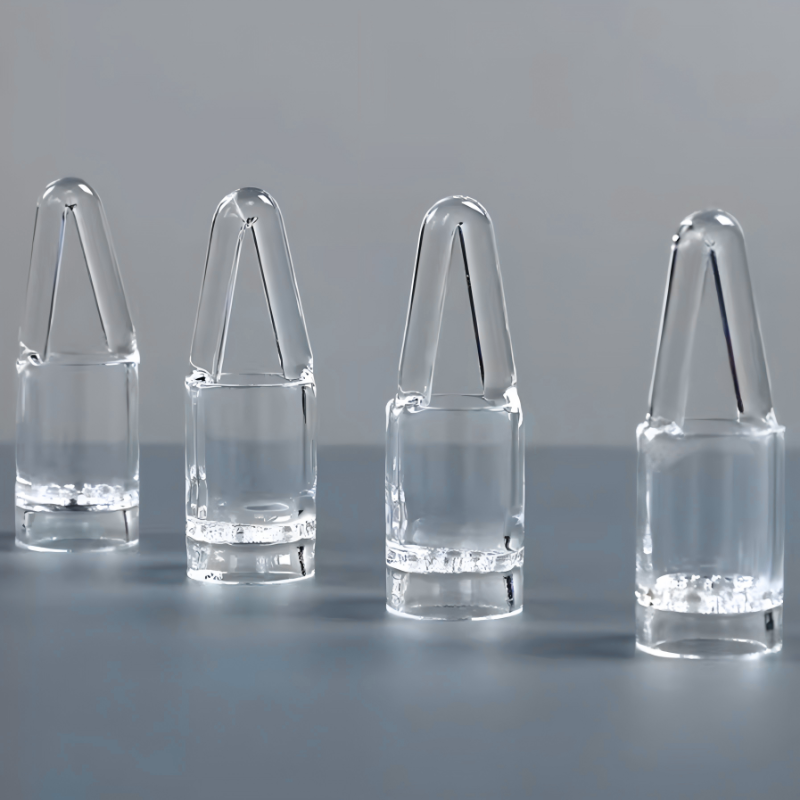
Quartz Crucible Acid/Alkali Resistant Polished High Temperature
200-mesh closed-end quartz glass basket dome beaker with superior acid/alkali resistance up to 1450°C. Polished ozone-free thermal vessel.
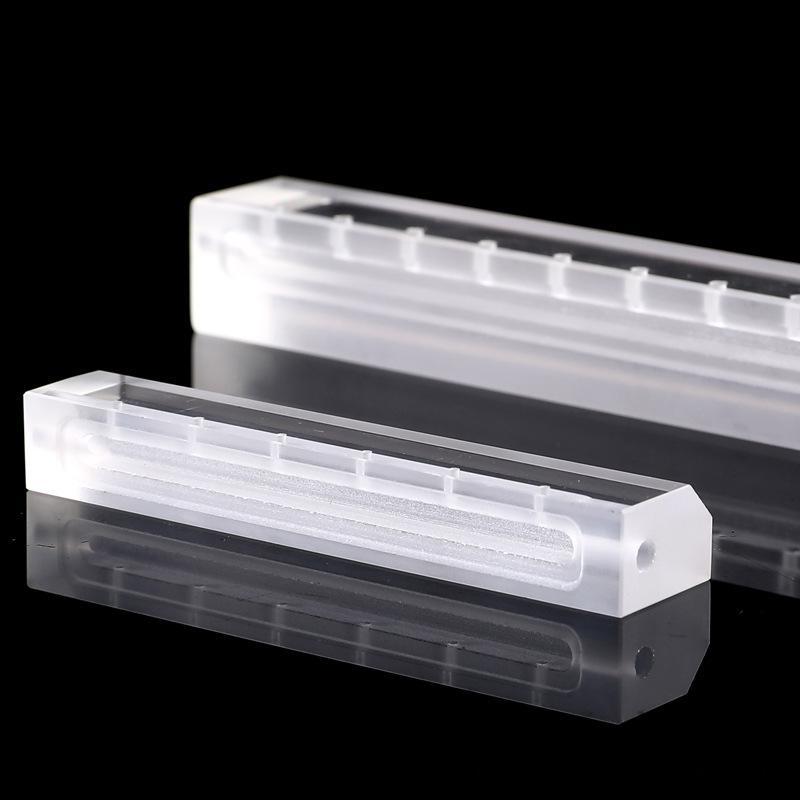
Clear Quartz Testing Sheet Ultra-Thin Optical Grade Plate
Model SJ 077 circular shape ultra-thin quartz testing plate engineered for high thermal conductance, laser window containment, and precision welding.
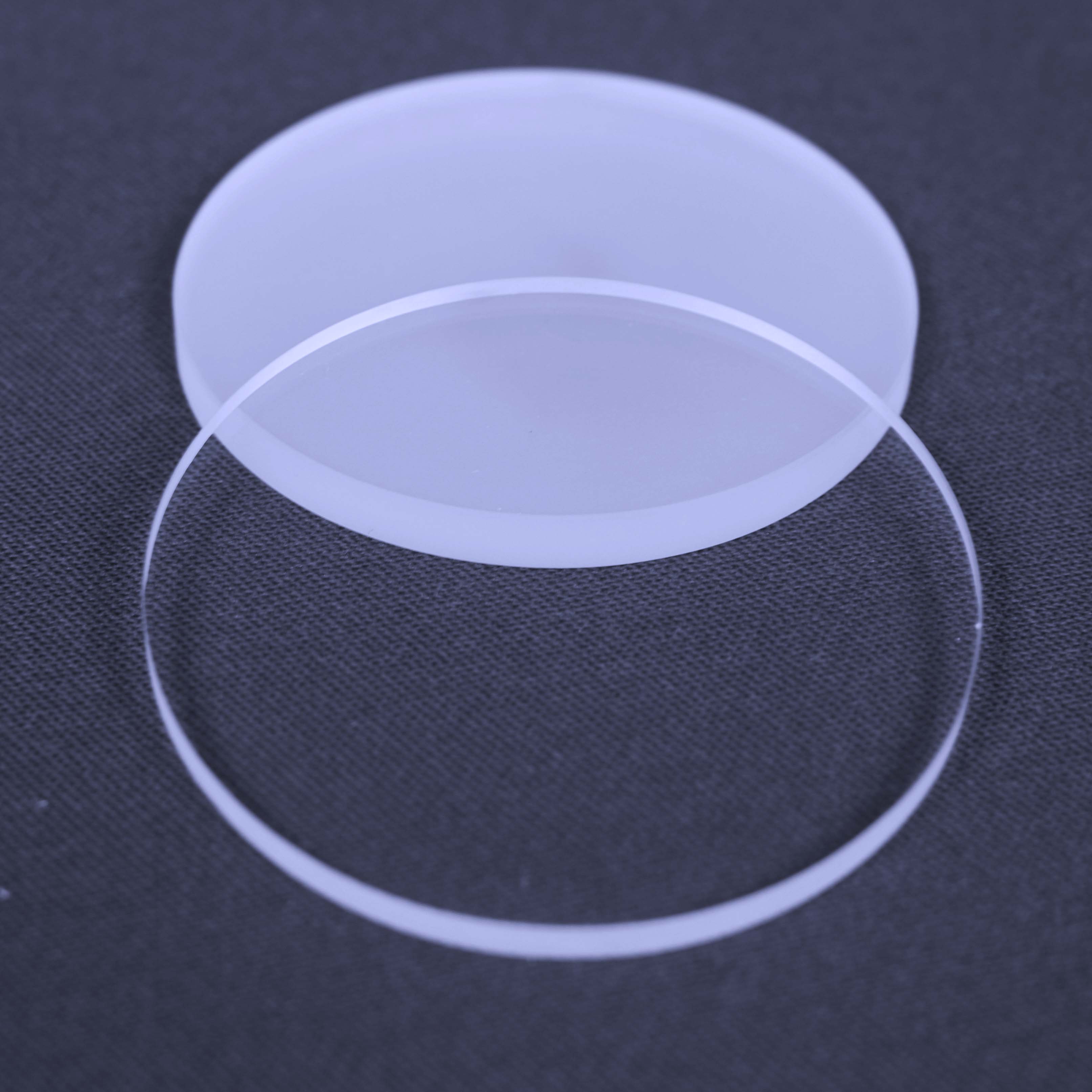
XRD Quartz Sample Holder High Transmittance Clear Plate
Zero-background X-ray diffraction sample substrate, circular shape high melting point quartz plate with optical-grade flame-cut and edge-polished precision.
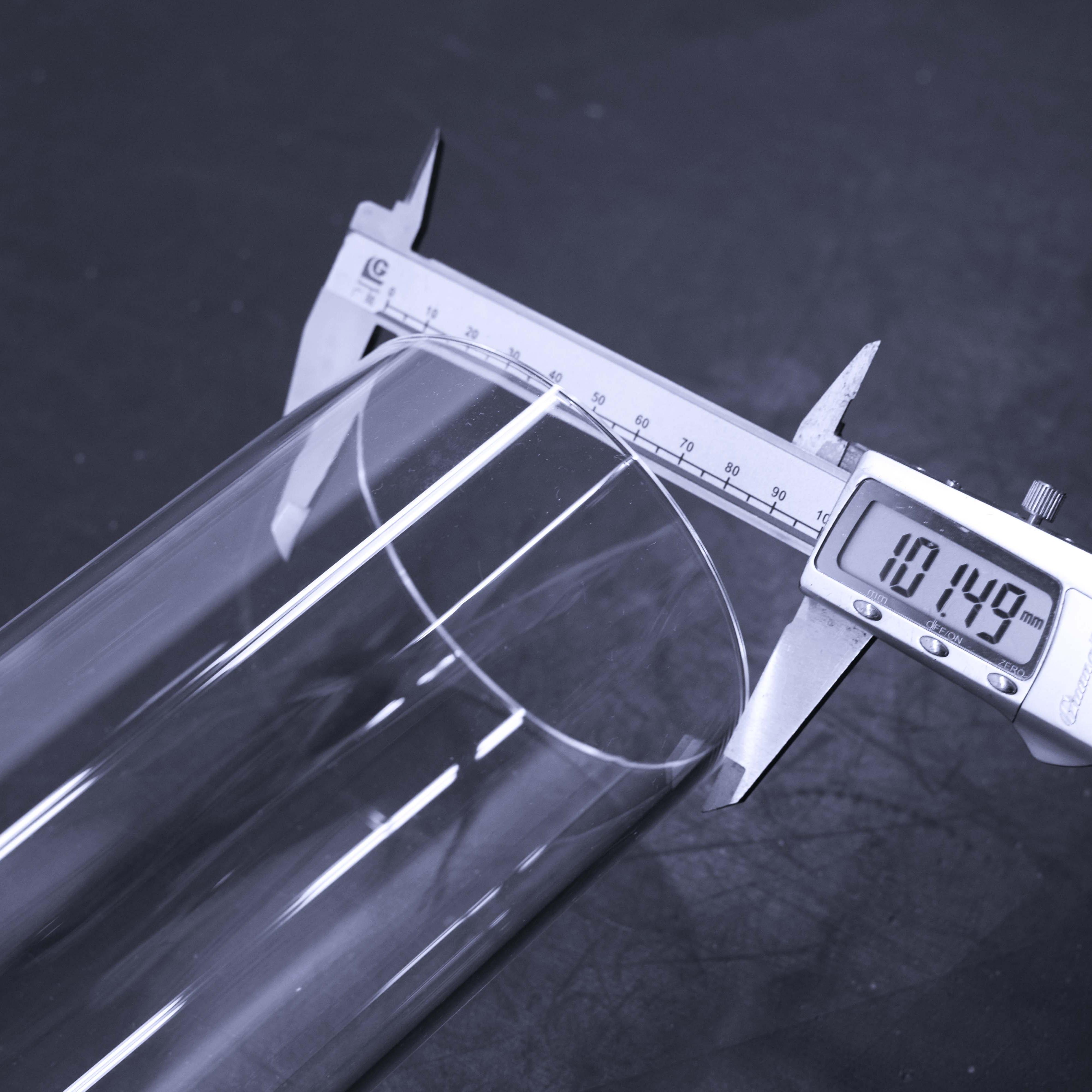
High Purity Transparent Polished Quartz Glass Hollow Tube
High-temperature resistant clear quartz furnace tube, custom bent and calibrated for thermal expansion resistance and gas-tight reactor processing.
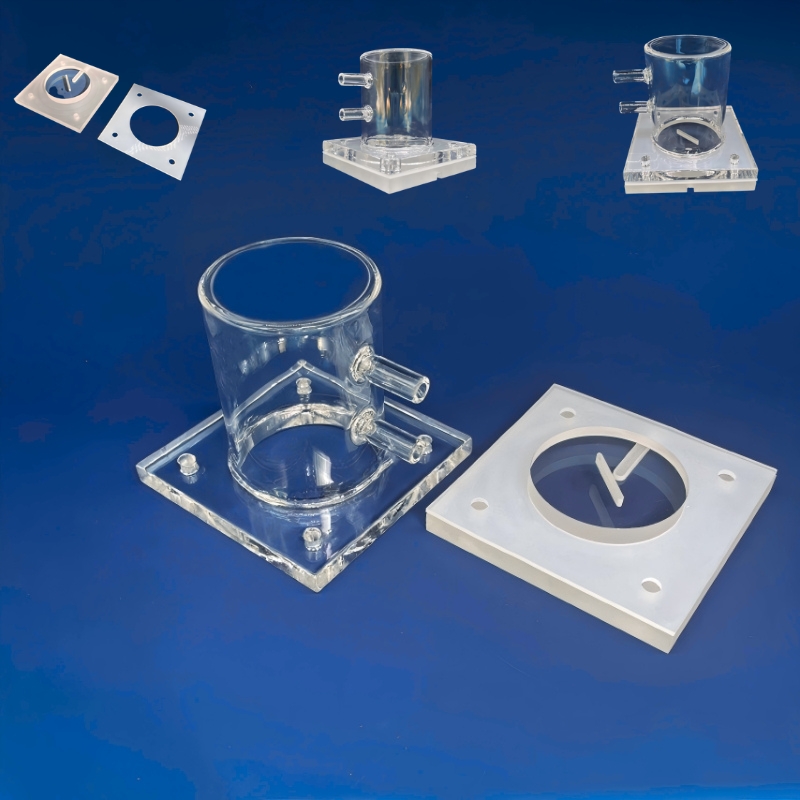
Quartz Photocatalytic Reactor for Hydrogen-Oxygen Production
UV photodegradation reactor vessel fabricated from ozone-free translucent and transparent quartz, providing pristine UV transmissive chemical kinetics.
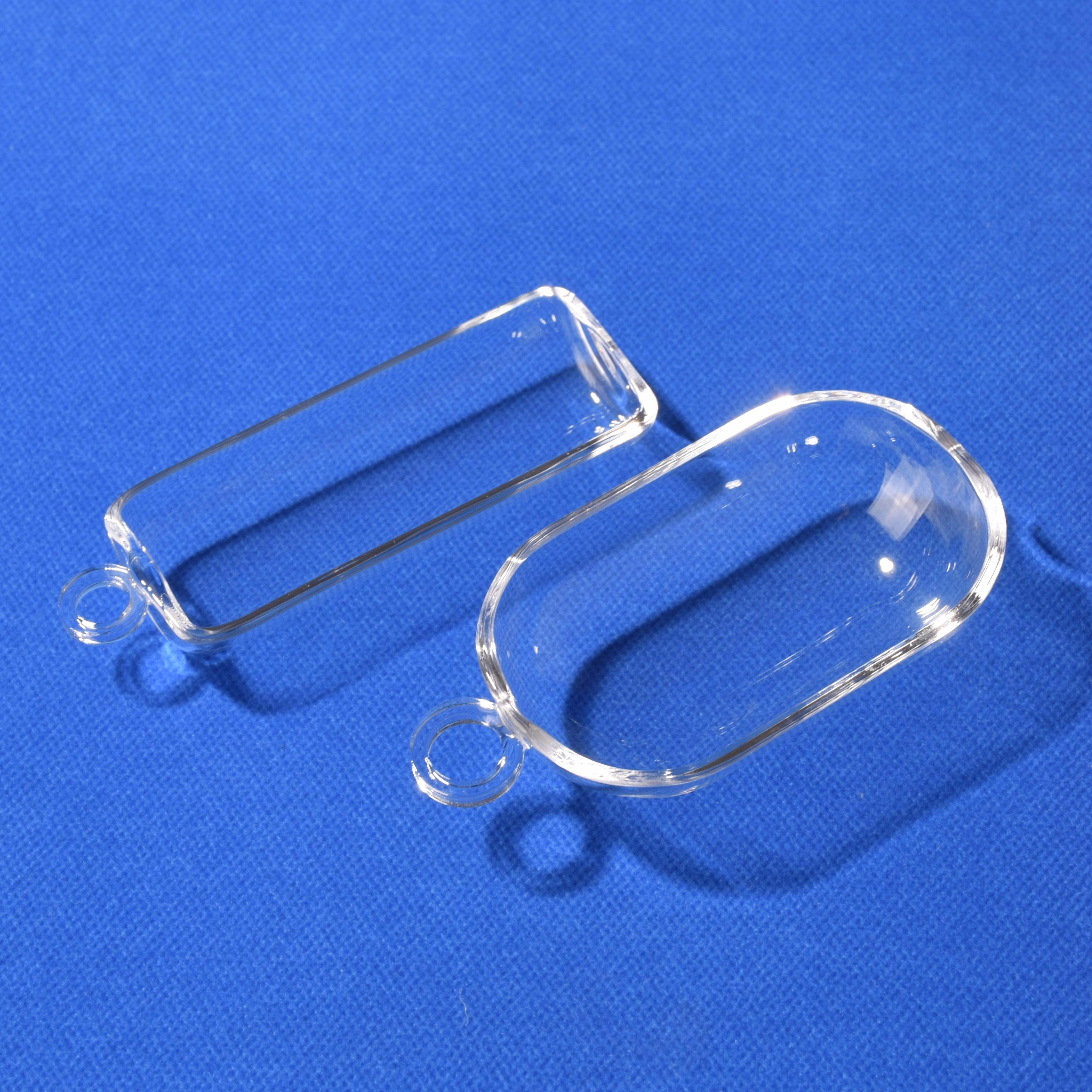
Semi-Circular Flat Bottom High-Temp Tube Furnace Boat
Transparent ozone-free polished surface sample combustion boat, high bending and welded joint strength designed for horizontal tube furnaces up to 1200°C.
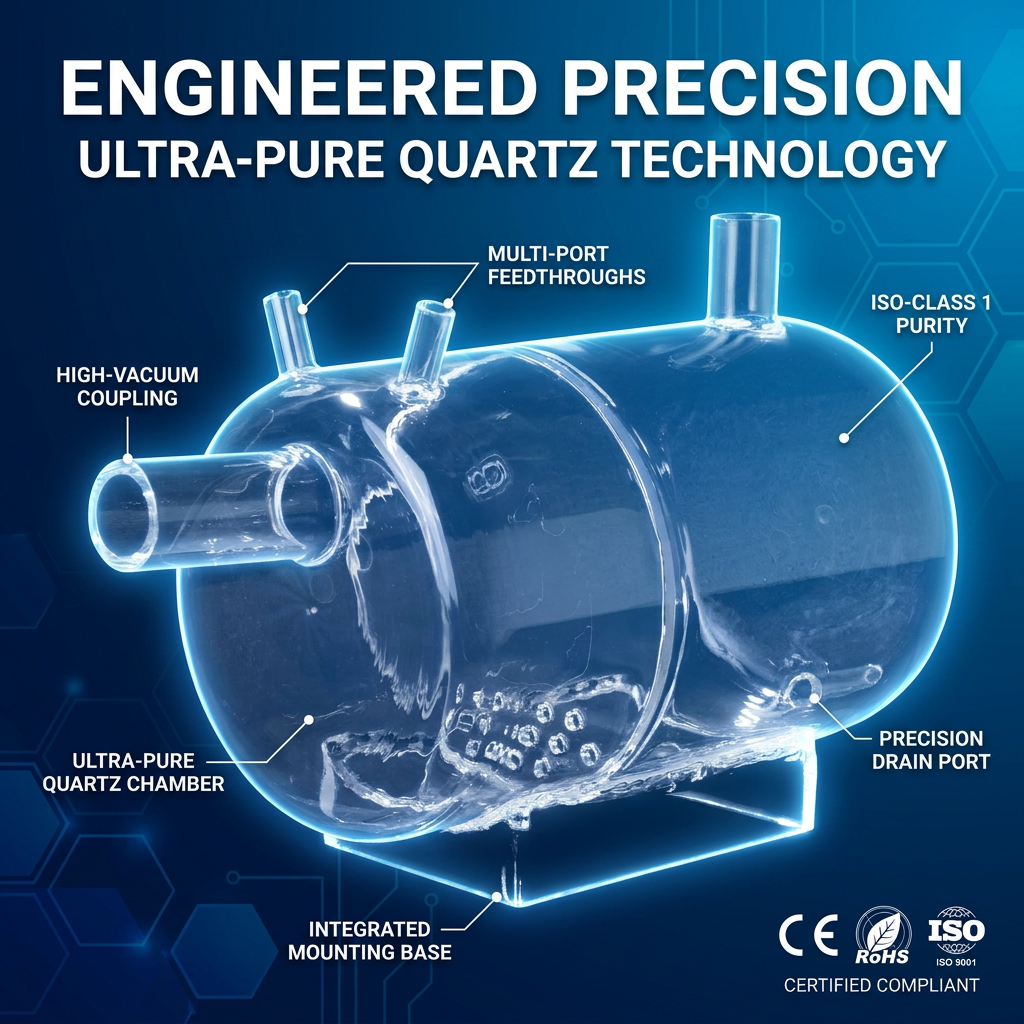
Semiconductor Grade Quartz Separating Container 99.999%
Ultra-trace chemical separating container and funnel assembly. Virtually zero metal leaching, ideal for high-purity volatile solvent extraction and drying.
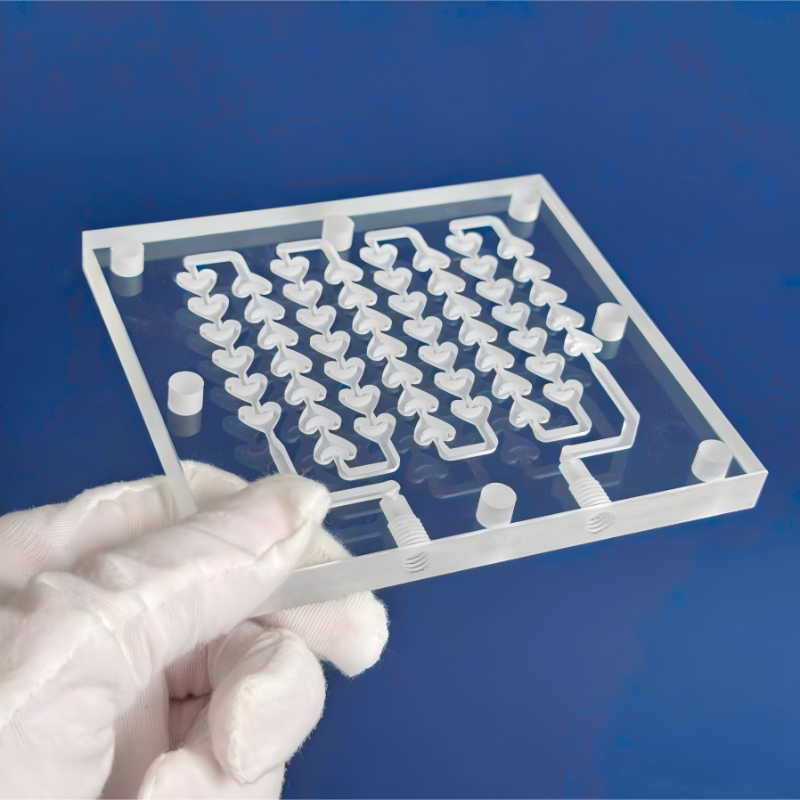
High Thermal Conductance 1750°C Melting Interlayer Chips
Circular shape heat-exchange quartz glass wafers. Engineered for high-load thermal dissipation, furnace bed spacers, and high-vacuum baking pads.
Engineering Whitepaper: Fused Quartz Evaporating Dishes in Extreme Laboratory Environments
In analytical, geochemical, and pharmaceutical workflows, the choice of evaporation and calcination vessels governs the accuracy of gravimetric calculations and trace element quantitation. While standard borosilicate glassware and glazed ceramic porcelain have historically filled laboratory benches, their metallurgical and compositional limits lead to sample contamination, mechanical degradation, and destructive thermal shock in advanced analytical regimens. Lianyungang Vulra Quartz Products Co., Ltd. manufactures high-purity fused quartz evaporating dishes engineered specifically to eliminate these analytical uncertainties.
1. Thermodynamic Integrity & Near-Zero Thermal Shock Vulnerability
Standard laboratory borosilicate 3.3 glass exhibits a coefficient of thermal expansion (α) of approximately 33 × 10⁻⁷ K⁻¹. In high-throughput solvent evaporation, acid fuming, and dry ashing, temperature differentials between the vessel basin and boiling zone can induce sudden fracture. Glazed porcelain dishes, possessing a complex multiphase crystalline structure, suffer from internal micro-stresses that cause surface crazing and catastrophic failure when transferred directly from muffle furnaces to ambient cooling stages.
In contrast, our synthetic and natural fused quartz evaporating dishes feature a coefficient of thermal expansion of merely 5.5 × 10⁻⁷ K⁻¹ from 20°C to 1000°C. This extraordinarily low thermal expansion coefficient renders our quartzware completely impervious to violent thermal transients. A Vulra quartz evaporating dish can be heated to 1100°C in a muffle furnace and plunged directly into ice-cold water without micro-fracturing, structural deformation, or loss of mechanical containment.
Devitrification Resistance & Heat Treatment: Below 1050°C, high-purity fused quartz remains in a metastable amorphous state indefinitely. At sustained temperatures above 1150°C, quartz initiates surface-nucleated conversion to β-cristobalite. To mitigate devitrification kinetics during extended fuming in Caribbean laboratories, Vulra applies proprietary oxy-hydrogen fire-polishing to all evaporating dish rims and internal surfaces, minimizing surface micro-defects that serve as nucleation seeds.
2. Chemical Resistance & Elimination of Trace-Metal Leaching
Trace elemental analytical techniques—such as Inductively Coupled Plasma Mass Spectrometry (ICP-MS) and Atomic Absorption Spectroscopy (AAS)—require blank limits measured in the parts-per-billion (ppb) or parts-per-trillion (ppt) range. Borosilicate glass vessels leach significant quantities of network-modifying cations, including sodium (Na⁺), potassium (K⁺), calcium (Ca²⁺), and boron (B³⁺), particularly during continuous boiling of concentrated nitric (HNO₃), perchloric (HClO₄), or sulfuric (H₂SO₄) acids. Porcelain surfaces, once their thin glaze suffers microscopic acid degradation, expose porous aluminosilicate matrices that absorb analytes and release aluminum, iron, and lead into digestates.
Vulra fused quartz evaporating dishes are fabricated from ultra-pure refined silicon dioxide (SiO₂ ≥ 99.99% to 99.999%), with aggregate heavy metal impurities restricted below 15 ppm (semiconductor-grade batches below 5 ppm). Fused quartz remains chemically inert to all mineral and organic acids across their boiling envelopes, with the sole exceptions of hydrofluoric acid (HF) and concentrated phosphoric acid (H₃PO₄) above 300°C. Analytical evaporation of corrosive salts and aggressive digests in Vulra dishes preserves pristine sample stoichiometry with zero leaching artifacts.
Materials Engineering Performance Comparison
| Physical & Chemical Parameter | Vulra Fused Quartz Dish | Borosilicate 3.3 Glass | Glazed Lab Porcelain | PTFE (Polytetrafluoroethylene) |
|---|---|---|---|---|
| Silicon Dioxide (SiO₂) Purity | ≥ 99.99% – 99.999% | ~ 81% | ~ 65% (Al₂O₃ / SiO₂ mix) | 0% (Fluoropolymer) |
| Thermal Expansion Coeff. (20-300°C) | 5.5 × 10⁻⁷ K⁻¹ | 33 × 10⁻⁷ K⁻¹ | ~ 40–50 × 10⁻⁷ K⁻¹ | 1000 × 10⁻⁷ K⁻¹ |
| Maximum Continuous Service Temp. | 1100°C | 450°C | 1050°C | 260°C |
| Thermal Shock Tolerance (ΔT) | > 1100°C (Instant plunge) | ~ 150°C | ~ 200°C | N/A (Softens/Creeps) |
| Trace Leaching into Boiling HNO₃ | Undetectable (< 0.1 ppb) | High (Na, B, Al, Ca) | Moderate to High (Al, Fe) | Low (Organic fluorides risk) |
| Surface Roughness (Ra) | Optical Fire-Polished (< 0.2 μm) | Smooth (< 0.4 μm) | Micro-porous glaze defects | Porous micro-texture |
| Direct Flame / Burner Compatibility | Full (Oxy-Gas / Bunsen) | Requires Wire Gauze | Requires Gradual Heating | Fatal (Decomposes at 300°C) |
Analytical Purity Assurance: When preparing botanical ash residues from Grenada’s renowned spice harvests or biological tissues for toxicology screens, evaporating in Vulra fused quartz dishes ensures that gravimetric measurements reflect 100% dry solids without contribution from vessel mass erosion or silicate dissolution.
Precision Quartzware Applications Across Grenada
Supporting clinical medicine, marine ecosystems, export agriculture, and geothermal clean energy initiatives throughout St. George’s and the surrounding Grenadine islands.
St. George’s University (SGU) Biomedical Research
Laboratories within SGU’s School of Medicine and School of Veterinary Medicine utilize quartz evaporating dishes for clinical pathology, tissue sample calcination, solvent extraction, and trace-mineral profiling. The absolute non-reactivity of high-purity quartz prevents cross-contamination in pharmacokinetic crystal recovery and toxicological assays.
Agro-Industrial Spice & Cocoa Refining
Grenada’s agricultural backbone relies heavily on the export of nutmeg, mace, cinnamon, and fine cocoa beans. Quality assurance laboratories employ quartz dishes for dry ashing of botanical lipids, essential oil residue profiling, and moisture-to-solid ratio verification under strict international phytosanitary and heavy-metal screening mandates.
Marine Salinity & NAWASA Desalination Testing
The National Water and Sewerage Authority (NAWASA) and environmental marine institutes monitor coastal seawater quality, reef run-off, and reverse osmosis brine discharges. Quartz evaporating vessels resist the aggressive pitting typical of boiling hypersaline brines, enabling accurate total dissolved solids (TDS) gravimetric determinations.
Volcanic Geothermal Exploration & Soil Geochemistry
Exploration of Grenada’s geothermal prospects around Mount Saint Catherine involves aggressive thermal fluid digestion and sulfurous rock dissolution. Withstanding concentrated acid fumes and continuous muffle furnace baking up to 1100°C, Vulra quartz vessels are vital for volcanic soil digestion and trace geothermal tracer analysis.
Strategic Trends Shaping Quartz Laboratory Procurement in Grenada
As the tri-island state of Grenada, Carriacou, and Petite Martinique positions itself as a regional hub for climate-resilient science and higher education in the Eastern Caribbean, analytical and laboratory requirements are undergoing a marked technological evolution.
Transition to ISO 17025 Accredited Methodologies
Grenadian governmental and university testing laboratories are increasingly aligning with ISO/IEC 17025 accreditation. This operational shift mandates strict limits on laboratory contamination blanks, compelling lab supervisors to replace legacy borosilicate and ceramic ware with semiconductor-grade fused quartz for all acid evaporation and sample digestion routines.
Value-Added High-Purity Nutraceutical Extracts
Moving beyond raw agricultural exports, local agro-processing enterprises are developing refined nutmeg oleoresins, organic botanical distillates, and single-origin cocoa bioactives. Extract purification requires contamination-free evaporating surfaces capable of rapid thermal cycles without solvent degradation or catalyst poisoning.
Coastal Resilience & Ocean Acidification Monitoring
Through Caribbean Community Climate Change Centre (CCCCC) partnerships and regional marine initiatives, Grenadian marine scientists are expanding carbonate chemistry and ocean acidification research. Fused quartz dishes and optical testing sheets provide the chemical neutrality needed for ultra-precise trace element profiling in coral reef matrices.
Direct Factory Manufacturing by Lianyungang Vulra Quartz
Headquartered at No. 9, Dingxin Road within the Jiangsu Donghai Economic Development Zone—globally recognized as the crystal capital—Vulra Quartz integrates high-purity natural silica sand sourcing with state-of-the-art thermal glassblowing and cold optical machining.
As a verified Custom Manufacturer assessed on-site by TÜV Rheinland, our technical team executes full ODM and drawing-based customization from a single prototype to multi-container consignments. Every quartz evaporating dish, crucible, and tube is manufactured under strict ISO quality systems, fire-polished, and fully annealed to relieve residual thermal stresses.
Marine & Island Transit Packing Safeguards
- Hermetic Moisture Barrier: Multi-layer nitrogen-purged or desiccant-sealed vacuum wrapping prevents maritime humidity hazing during transit to the Caribbean.
- Custom Molded Polyethylene Cushioning: High-density fitted EPE foam surrounds each evaporating dish, isolating delicate spouts and rims from mechanical shock.
- Fumigated Export Plywood Crating: Heavy-duty, ISPM-15 compliant wooden cases built to withstand rough port handling at Port of St. George’s.
- Zero-Breakage Guarantee: Pre-shipment photographic inspection and full transit replacement insurance on every Grenada delivery.
Frequently Asked Questions for Grenadian Buyers
Practical insights on customs clearance, thermal handling, dimensions, and logistics for laboratory buyers in St. George’s and across Grenada.
For express requirements (replacement dishes, critical research vessels), we dispatch via DHL, FedEx, or air freight directly to Maurice Bishop International Airport (GND), typically arriving in 5 to 8 business days. For institutional batch orders and large furnace equipment, ocean freight consolidations ship directly to the Port of St. George's via major Caribbean shipping lanes, with standard port-to-port transit averaging 25 to 35 days.
Yes. Under Grenada Customs & Excise regulations and CARICOM Common External Tariff (CET) guidelines, qualifying tertiary academic institutions (such as St. George's University) and certified governmental testing bodies can obtain import tariff and VAT exemptions on scientific, educational, and medical research instruments. Vulra provides complete commercial invoices, HS-coded packing lists (HS Code: 7017.10 - Laboratory Quartzware), and Certificates of Origin to ensure seamless exemption processing through ASYCUDA World.
Transparent fused quartz dishes are drawn from high-purity natural silica sand melted at over 2000°C, offering complete optical clarity, a smooth fire-polished finish, and maximum chemical inertness suitable for visual crystal monitoring and trace metal analysis. Opaque (translucent) silica dishes contain microscopic trapped air bubbles that scatter light; while they offer identical thermal expansion and refractory resistance at a lower price point, their slightly textured surface makes them better suited for bulk calcination and foundry ashing rather than trace chemical residue analysis.
Yes. As a verified custom manufacturer, we routinely fabricate round-bottom, flat-bottom, shallow-form, and deep-form quartz evaporating dishes based on customer sketches or CAD drawings. We can customize vessel depth, wall thickness (1.5 mm to 5.0 mm), pouring spout angle, fire-polished beaded rims, or add quartz handling ears/handles. Prototyping starts from just 1 piece.
Never use mechanical abrasives or scouring powders that create surface scratches. For routine contamination, immerse dishes in warm 10% hydrochloric acid (HCl) or nitric acid (HNO₃) bath, followed by thorough rinsing with deionized (DI) water and drying in a class 100 clean oven. Avoid cleaning with concentrated hydrofluoric acid (HF), as even dilute HF dissolves the silicon dioxide matrix. If heavy organic calcination residues persist, dishes can be heated to 600°C in an oxidizing muffle furnace to burn off all carbonaceous residues without harming the quartz.
Fused quartz is chemically stable against atmospheric humidity and will not leach alkaline bloom like soda-lime glass. However, airborne sea spray (saline aerosols) common in coastal island environments can deposit microscopic sodium chloride crystals on quartz surfaces. If heated above 1000°C with salt deposits present, sodium acts as a fluxing agent and triggers localized surface devitrification (cristobalite hazing). We advise storing clean quartzware in a desiccator cabinet or enclosed dust-free storage, and rinsing with deionized water prior to high-temperature furnace insertion.
Equip Your Grenadian Laboratory with Factory-Direct Quartzware
Consult with our engineering team for technical reviews of custom drawings, purity certifications, volume discounts, and rapid air/sea logistics directly to Grenada.