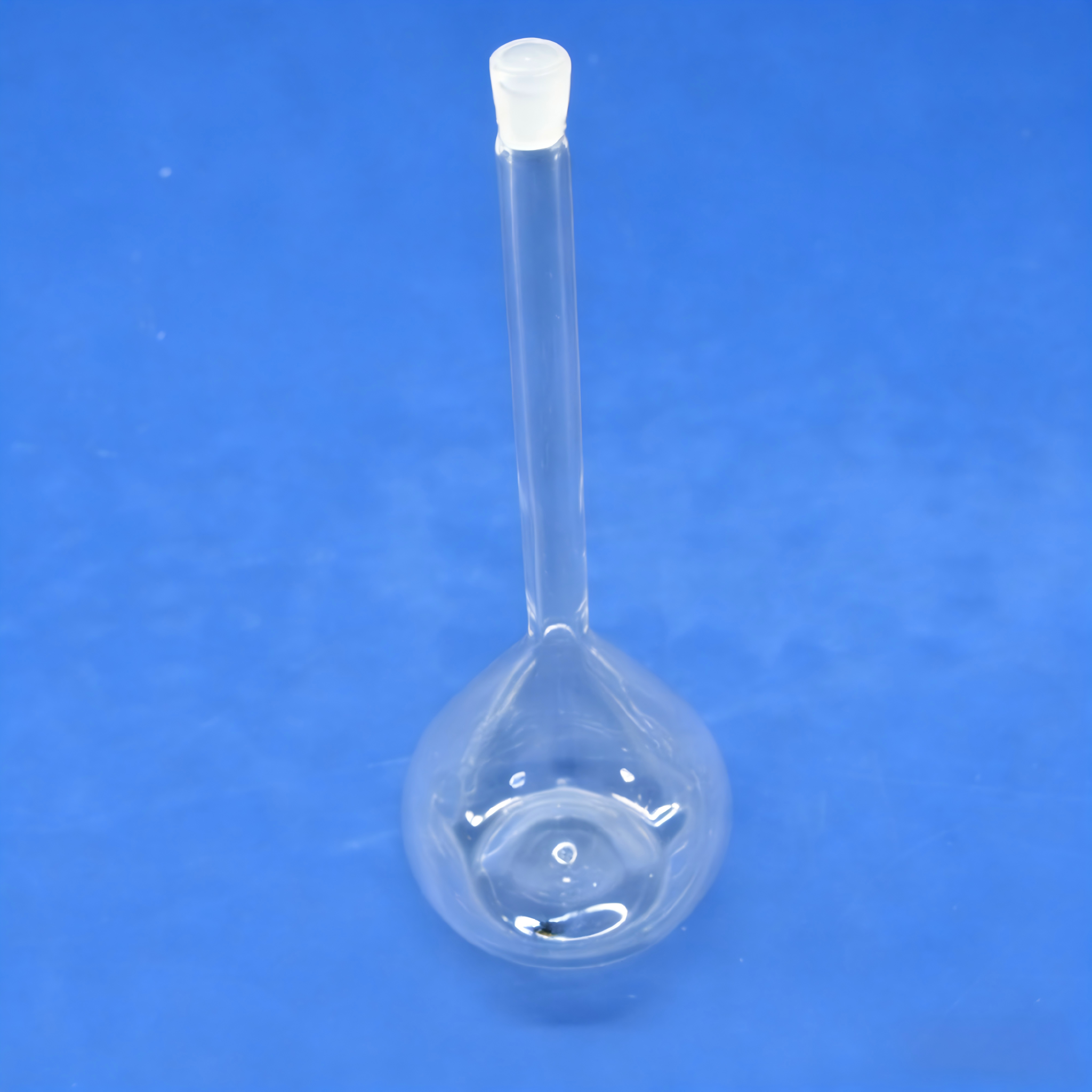
High Purity Transparent Quartz Glass Ampoule Clear Quartz Flask Lab Use
- Purity: SiO₂ ≥ 99.99%
- Process: Flame Bending & Polishing
- Thermal Cap: 1100°C Continuous
Manufactured from ultra-pure Donghai quartz sand, our fused quartz basins, crucibles, and customized analytical glassware guarantee zero ionic leaching, near-zero thermal expansion, and unmatched optical clarity across extreme thermal gradients.
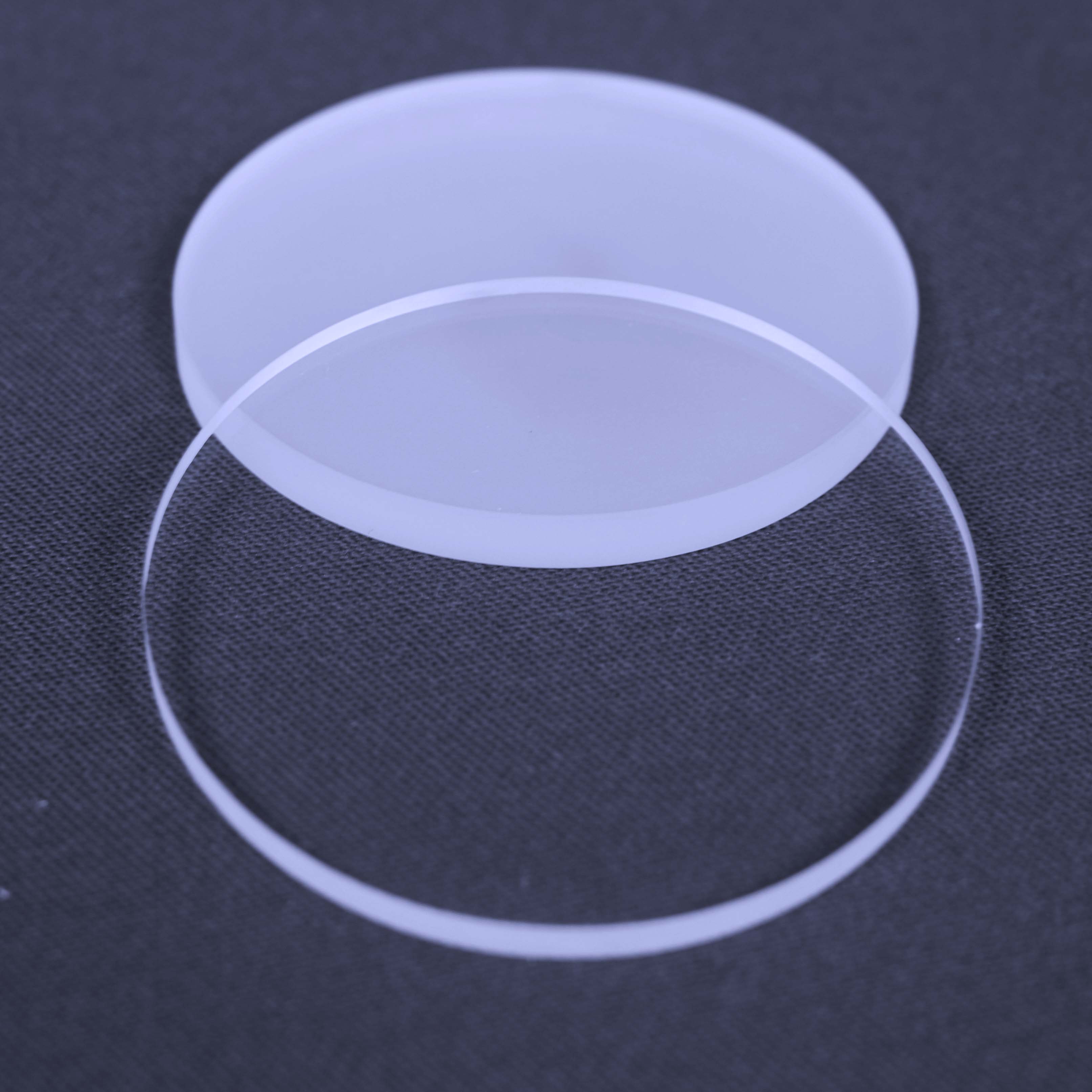
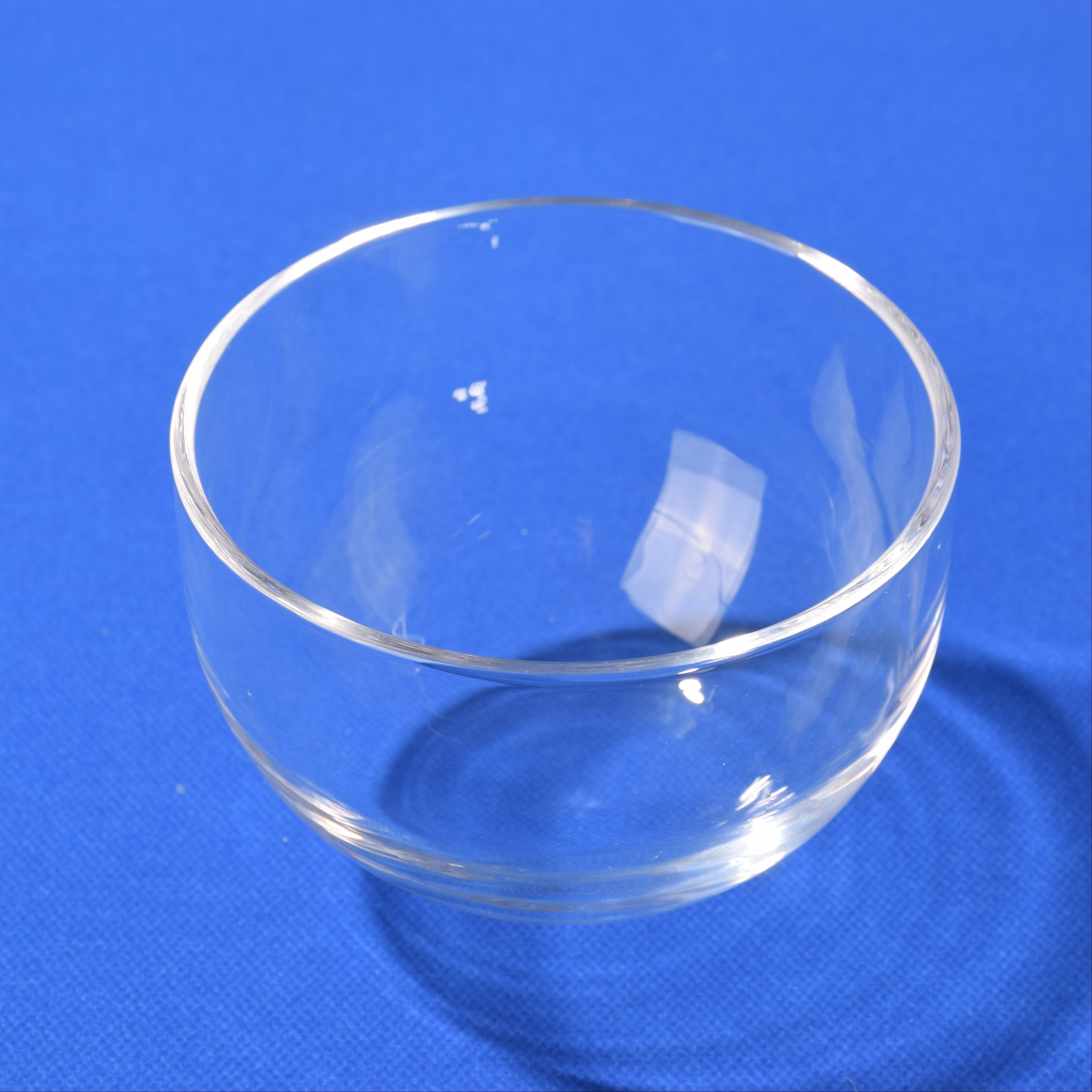
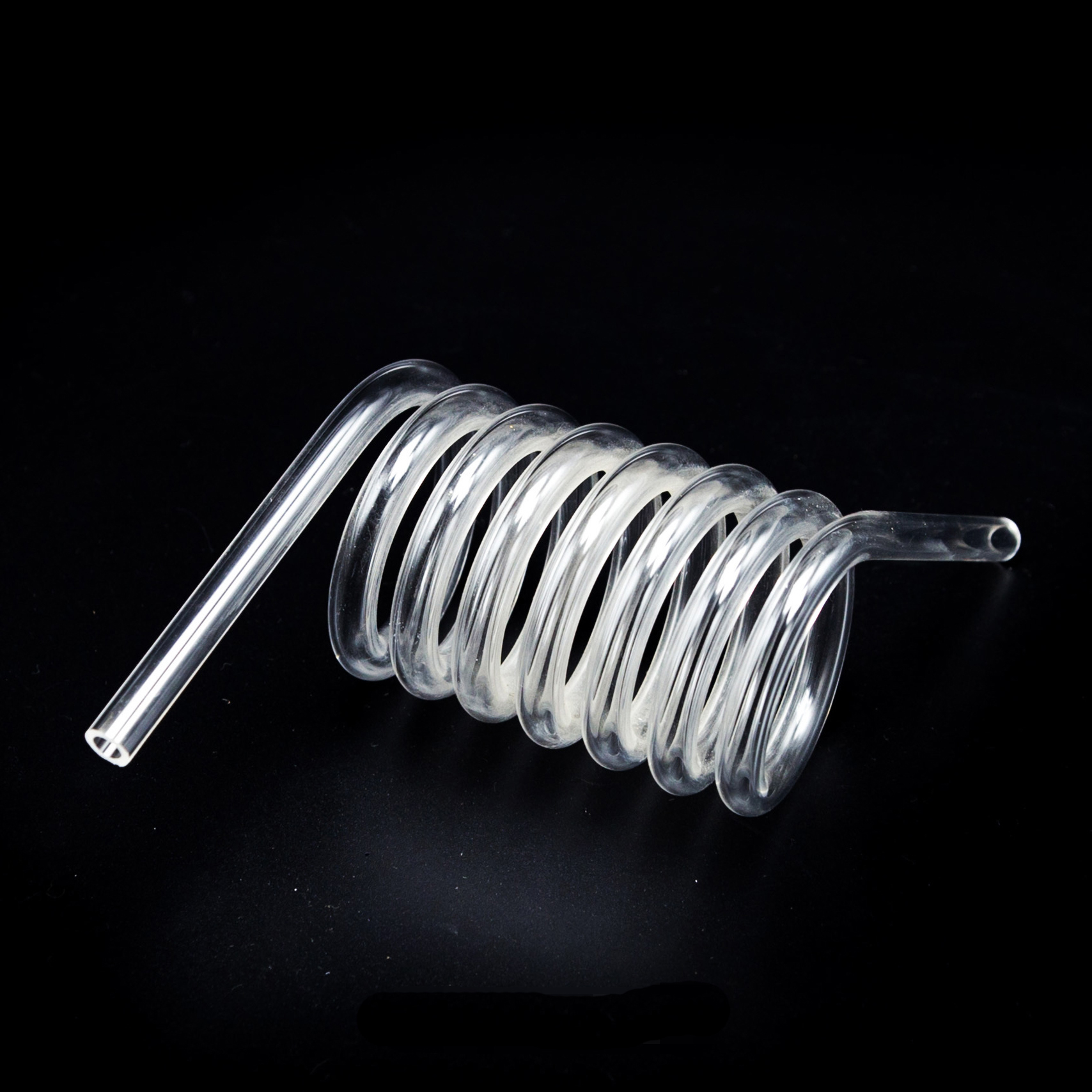
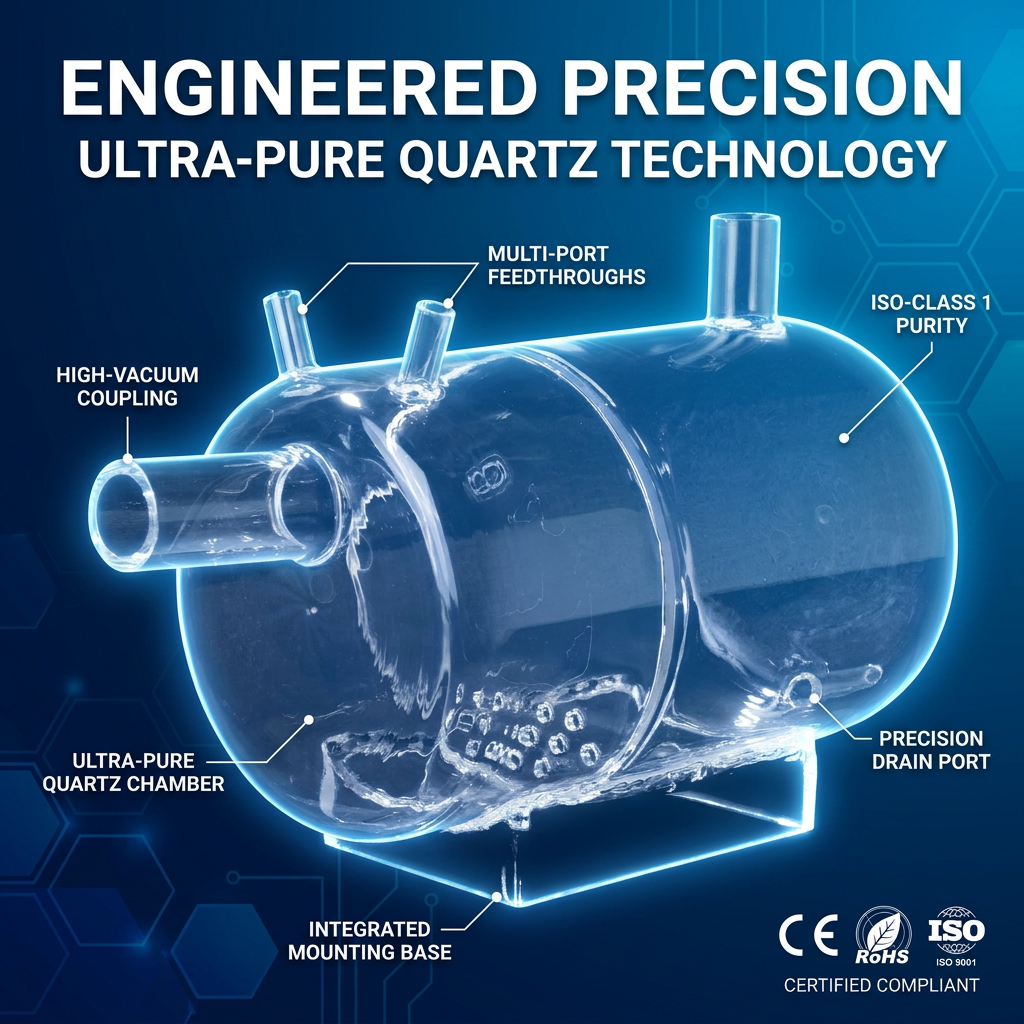
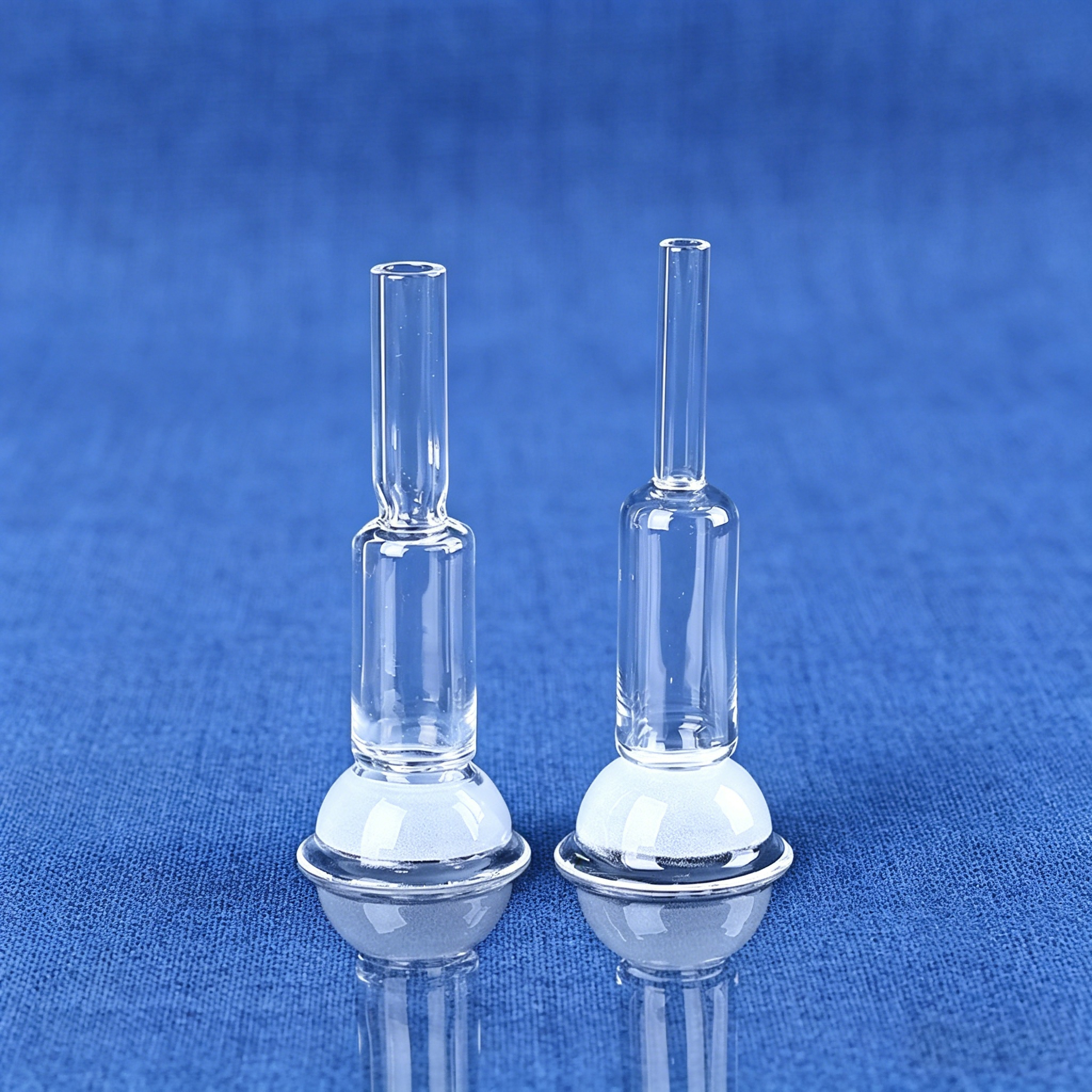
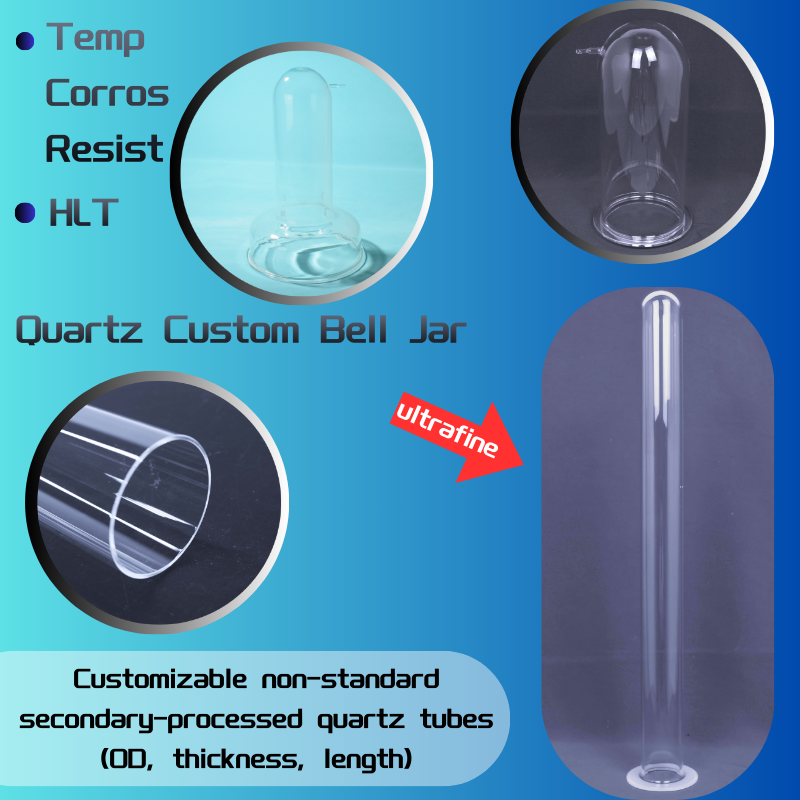
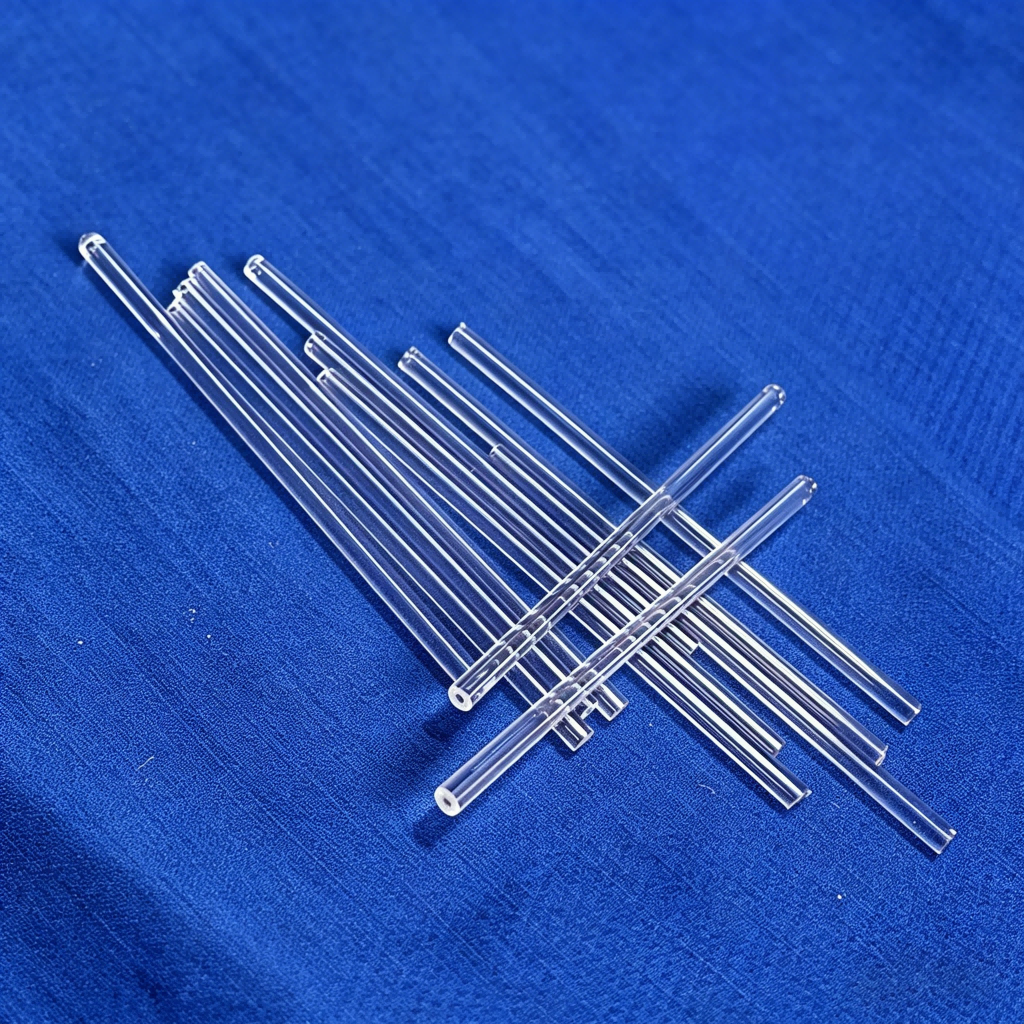
A rigorous examination of quartz evaporating dishes under high-flux thermal stress, aggressive acid digestion, and trace-element-sensitive analytical regimes in Szeged's leading research facilities.
In chemical analytics, materials synthesis, and photonic sample preparation, the quartz evaporating dish represents the quintessential convergence of refractory stability and chemical passivity. While standard borosilicate glassware (such as Pyrex or Borosilicate 3.3) fails catastrophically when subjected to temperatures exceeding 500°C or rapid thermal quenching, electric-arc and oxy-hydrogen fused quartz dishes maintain continuous dimensional stability up to 1100°C, with intermittent excursion limits reaching 1450°C.
Synthetic and natural fused silica consists of a continuous, three-dimensional vitreous network of tetrahedral silicon-oxygen units ($\text{SiO}_4$). Unlike crystalline quartz, fused quartz exhibits short-range structural order but lacks long-range periodicity. When exposed to temperatures higher than 1150°C in an oxidizing atmosphere, thermal relaxation induces devitrification—the phase transformation from metastable amorphous quartz into crystalline $\beta$-cristobalite.
For scientific users across Szeged—specifically within the Department of Physical Chemistry and Materials Science at the University of Szeged (SZTE)—preventing surface devitrification is critical. Surface contamination by alkali ions ($\text{Na}^+, \text{K}^+, \text{Ca}^{2+}$) accelerates cristobalite nucleation by several orders of magnitude. Vulra Quartz mitigates this through a proprietary hydrofluoric-nitric acid deep-etching wash followed by thermal flame annealing, ensuring our evaporating dishes possess zero residual micro-stress and ultra-low surface hydroxyl ($\text{OH}^-$) levels.
| Physical & Thermodynamic Property | Fused Quartz (Vulra SJ-Grade) | Borosilicate Glass 3.3 | Glazed Lab Porcelain | Analytical Platinum (Pt) |
|---|---|---|---|---|
| Silica / Purity Content | 99.99% – 99.999% SiO₂ | ~81% SiO₂ (13% B₂O₃) | Al₂O₃·SiO₂ complex | 99.95% Pt |
| Continuous Operating Temp | 1100 °C | 450 °C | 1050 °C | 1200 °C |
| Maximum Peak Temp | 1450 °C | 520 °C | 1200 °C | 1600 °C |
| Thermal Expansion (20-300°C) | 5.5 × 10⁻⁷ K⁻¹ | 33 × 10⁻⁷ K⁻¹ | ~45 × 10⁻⁷ K⁻¹ | 90 × 10⁻⁷ K⁻¹ |
| Resistance to Boiling Aqua Regia | Absolute (0.00 mg/cm²) | Minor Leaching | Glaze Degradation | Dissolves rapidly |
| Trace Leaching (B, Na, Fe, Al) | < 0.05 ppm (ICP-MS grade) | High (Boron, Sodium) | High (Alumina, Silicate) | Zero (Catalytic risks) |
| UV-Vis Spectral Transmittance | > 90% (200 nm – 2500 nm) | Zero below 310 nm | Opaque (0%) | Opaque (0%) |
In analytical digestion protocols—such as trace heavy-metal determination via Inductively Coupled Plasma Mass Spectrometry (ICP-MS) or Atomic Absorption Spectroscopy (AAS)—the vessel substrate must not cross-contaminate the analyte. Traditional borosilicate dishes leach substantial boron, calcium, and sodium into boiling acidic matrices. Glazed porcelain releases aluminum, iron, and potassium when exposed to fluorides or heated mineral acids.
Vulra Quartz dishes are chemically inert to all industrial acids—including concentrated hydrochloric ($\text{HCl}$), nitric ($\text{HNO}_3$), sulfuric ($\text{H}_2\text{SO}_4$), perchloric ($\text{HClO}_4$), and aqua regia—at boiling temperatures. The only exceptions are hydrofluoric acid ($\text{HF}$) and concentrated phosphoric acid ($\text{H}_3\text{PO}_4$) above 300°C. For laboratories in Szeged conducting mineral digestion, soil analysis in the Great Southern Plain, or synthetic organometallic evaporation, our quartz basins preserve pristine analyte stoichiometry without sample adsorption.
Szeged has evolved into Central-Eastern Europe’s focal point for cutting-edge laser optics, biophysics, and pharmaceutical development. Discover how our quartz solutions directly empower localized research pipelines.
At the Extreme Light Infrastructure (ELI-ALPS) in Szeged, femtosecond and attosecond laser systems demand optics and target containment with damage thresholds exceeding standard specifications. Our quartz evaporating dishes and custom sample holders serve as inert calcination boats for the synthesis of ultra-thin metallic foil targets, chemical vapor deposition (CVD) pre-evaporation, and laser ablation debris capture under ultra-high vacuum (UHV) conditions.
The University of Szeged (SZTE) conducts globally recognized research in heterogeneous catalysis, sol-gel synthesis, and metal oxide nanoparticles (such as $\text{TiO}_2$, $\text{ZnO}$, and quantum dots). Our quartz evaporating dishes facilitate the thermal crystallization and slow concentration of liquid-phase precursors at 800°C–1000°C without risk of boron contamination or substrate fusion.
For structural biology, pyrogen-free dry ashing, and biochemical sample recovery at HUN-REN BRC Szeged, our quartz basins offer ultra-smooth fire-polished inner geometries. This non-porous finish allows total extraction of evaporated protein residues and trace enzymatic precipitates while enduring repeated autoclave sterilizations and piranha solution wash cycles.
With rapid commercial development around the Szeged Industrial Park and electric mobility battery supply networks in southern Hungary, our high-purity quartz containers are used for lithium cathode trace analysis, electrolyte non-volatile residue (NVR) testing, and high-temperature moisture Karl Fischer titration testing.
Soil and aquatic analytical monitoring stations across Csongrád-Csanád utilize Vulra fused quartz evaporating dishes for heavy-metal digestion (Arsenic, Lead, Cadmium) under boiling perchloric/nitric acid conditions. Unlike porcelain, quartz guarantees zero cross-batch baseline contamination.
Solar cell research and thin-film pilot lines in the region rely on our semiconductor-grade evaporating dishes for wafer texturing bath analysis, ultra-pure solvent refluxing, and high-frequency induction heating without electrical loss or thermal breakdown.
An executive synthesis of regional procurement evolutions, technological migrations, and regulatory requirements driving fused quartz adoption across Southern Hungary.
Szeged laboratories are rapidly upgrading to ISO 5 (Class 100) cleanroom protocols. This has triggered a complete phase-out of glazed porcelain basins, whose microscopically crazed surfaces shed mineral particulate dust during thermal cycles. Fire-polished fused quartz provides an atomically smooth, non-shedding vitreous substrate.
With expanded pulse repetition rates at ELI-ALPS, optical sample vessels are increasingly exposed to high-harmonic radiation and intense UV flux. Standard glasses solarize, darken, and absorb laser energy, leading to thermal fracture. Fused quartz dishes with OH < 20 ppm maintain over 90% transmission at 254 nm, eliminating localized absorption.
Procurement managers at university institutes are abandoning cheap borosilicate dishes that shatter after 3-5 thermal stress cycles. A high-purity fused quartz evaporating dish possesses an operational lifespan 20 times longer than borosilicate under identical 800°C conditions, drastically reducing downtime and replacement expenditures.
Hungarian academic grants (NKFIH / Horizon Europe) mandate stringent chemical verification. Vulra Quartz provides comprehensive Batch Certificates of Analysis (CoA), verifying raw materials are free from toxic flux additives, lead, cadmium, and arsenic, fully conforming to EU Directive 2011/65/EU (RoHS).
Direct-from-foundry manufacturing engineered in Donghai—the world's crystal capital—paired with European-standard quality validation and custom drawing support.
Our production facilities, legal standing, and quality management systems have undergone rigorous on-site audit by TÜV Rheinland, certifying full OEM/ODM precision capabilities.
Located in the heart of China's quartz capital, we possess primary access to the purest natural quartz sand deposits, ensuring stable mineral supply and superior cost performance.
From hydrogen-oxygen glass lathes to CNC diamond grinding, drilling, ultrasonic cutting, and optical surface polishing, every step is executed within our integrated facility.
Need a non-standard evaporating dish with custom pour spouts, flat bottoms, ground joints, or handle lugs? We fabricate custom laboratory prototypes starting from a single unit.
Critical answers regarding technical parameters, international logistics to Hungary, customs clearance, and care instructions for fused quartz evaporating dishes.
Whether you require standard 50ml–500ml quartz evaporating dishes or specialized OEM components built to CAD drawings, our technical engineers will review your thermal, chemical, and dimensional specifications within 24 hours.
Send an Inquiry