High-Purity Quartz Vessels & Crucible Components
Manufactured from crystalline natural quartz and synthetic fused silica with 99.99%–99.999% SiO₂ purity, delivering exceptional thermal shock resistance, optical clarity, and low trace element contamination.
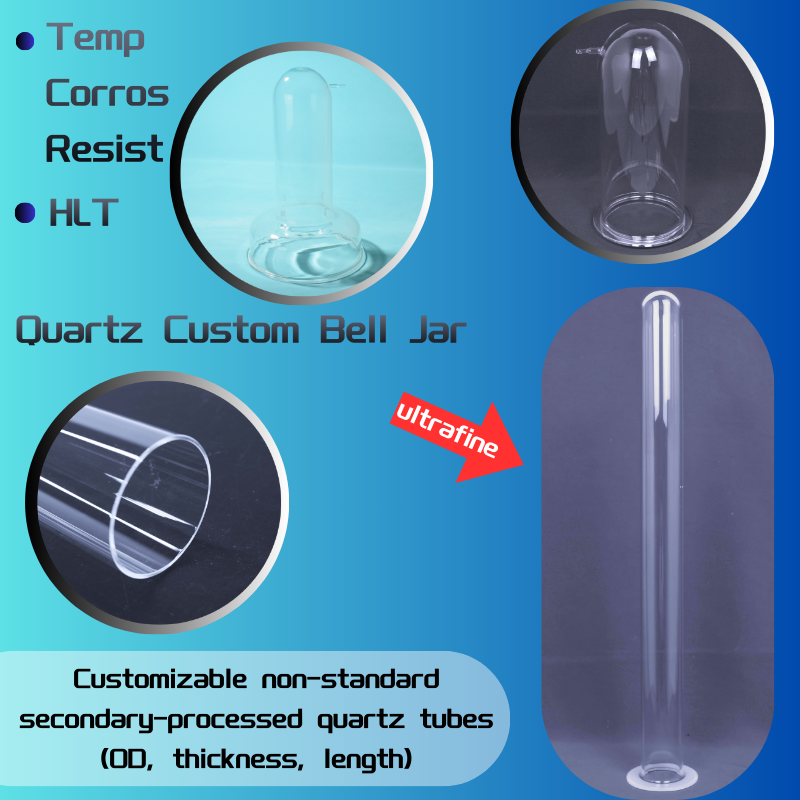
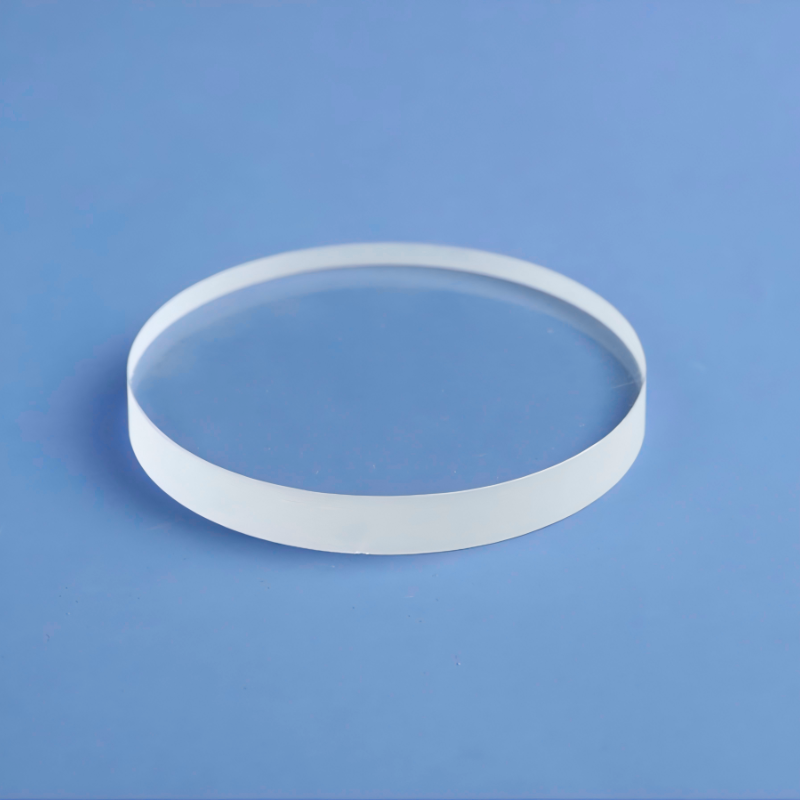
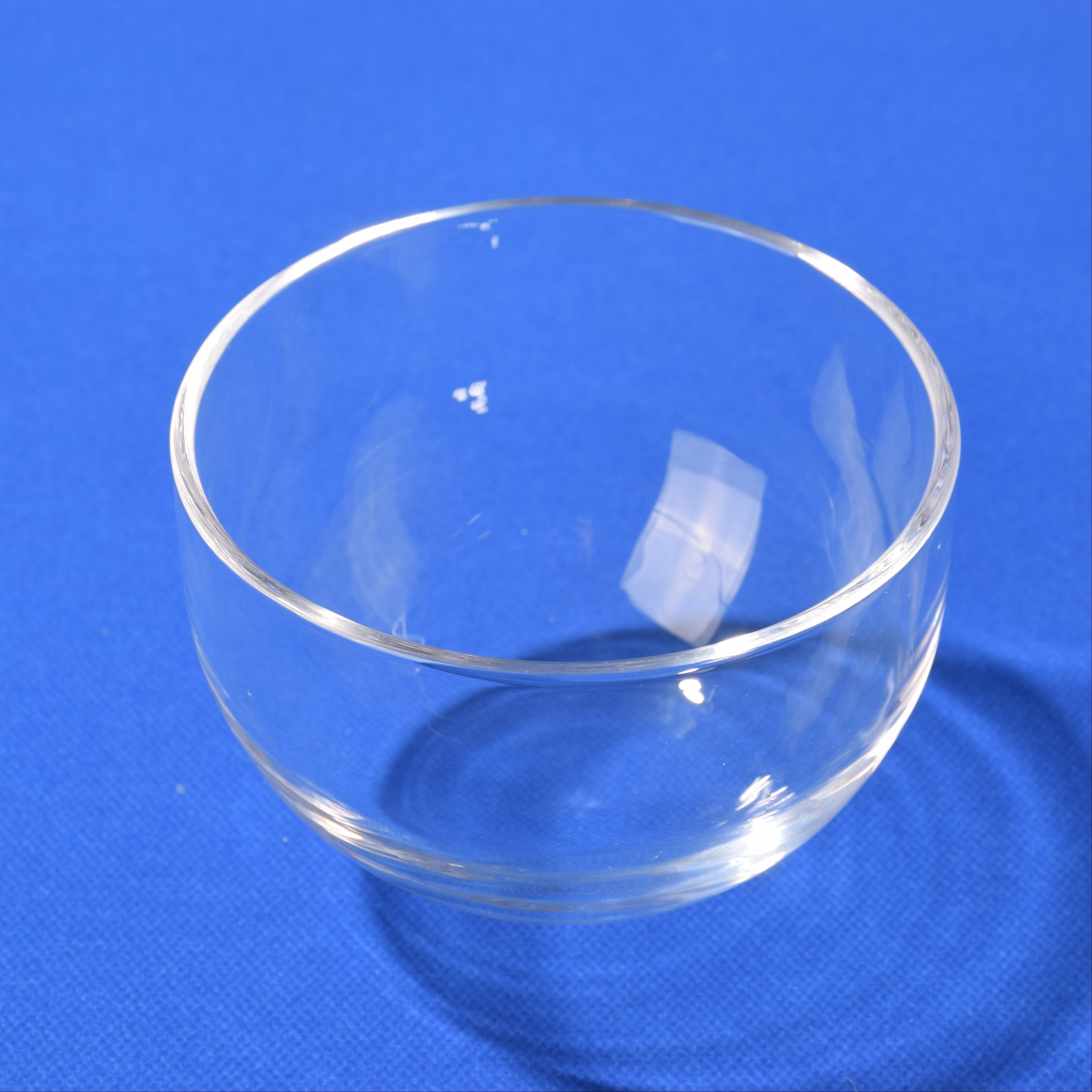
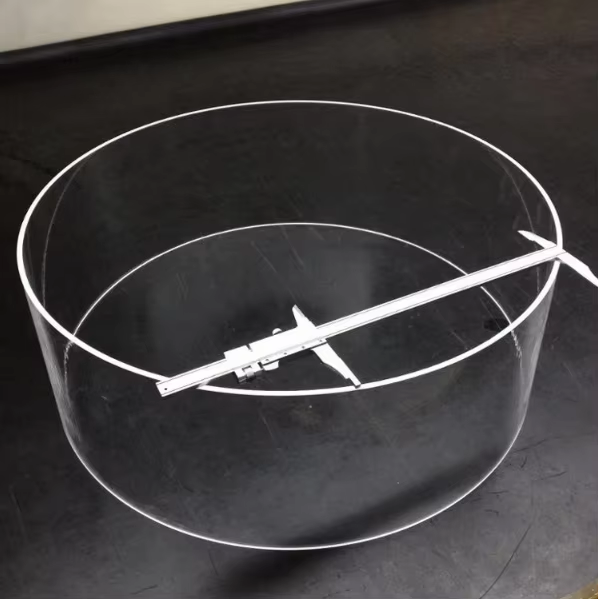
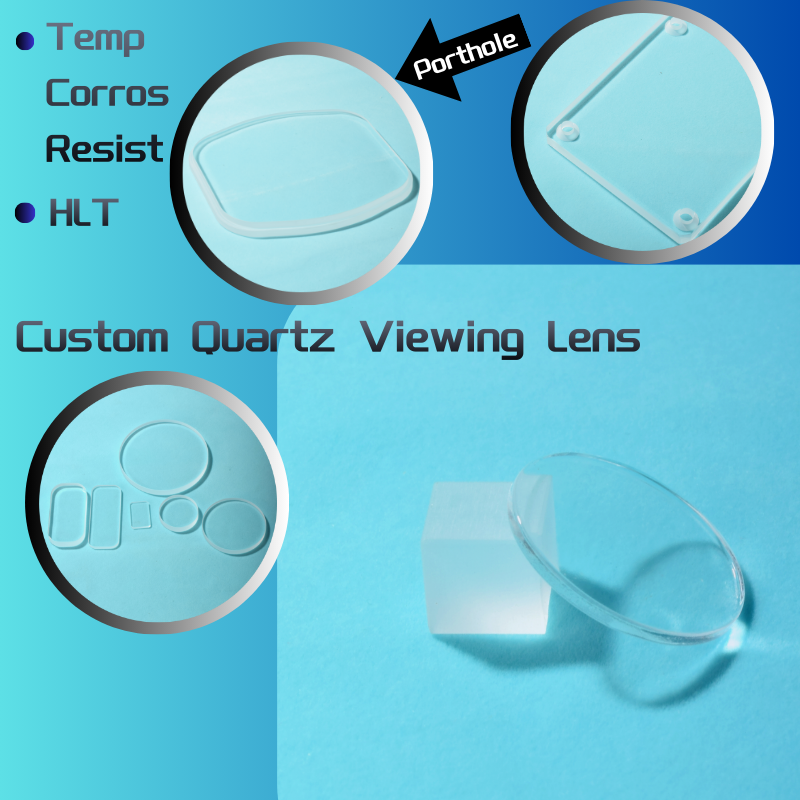
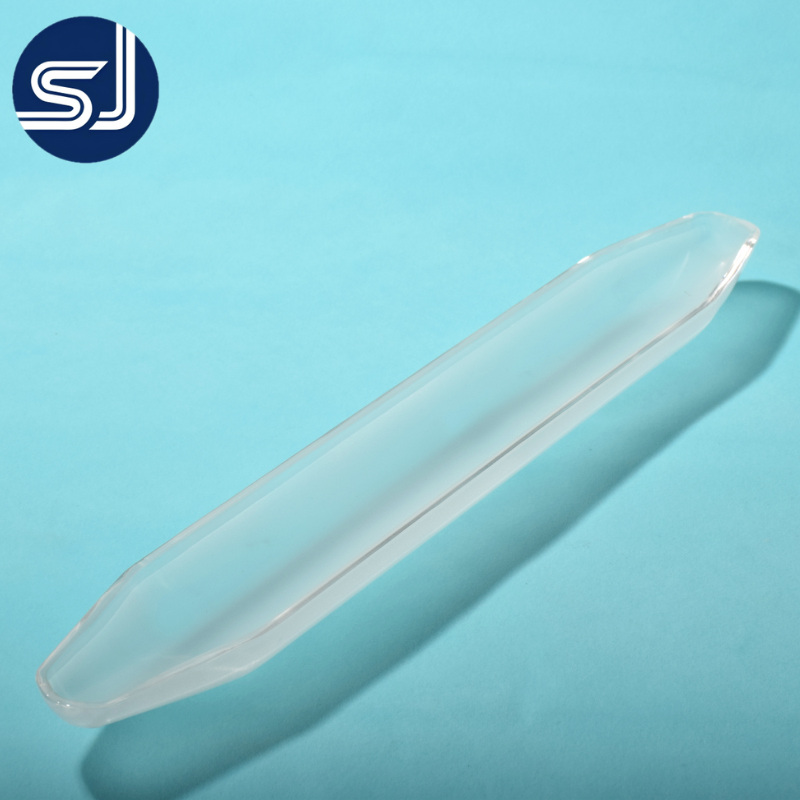
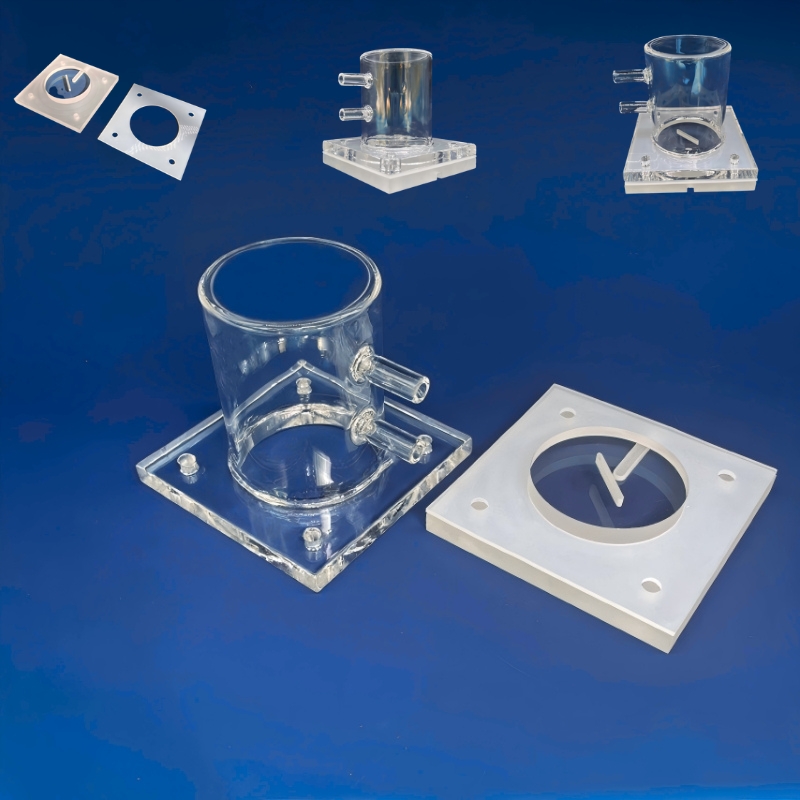
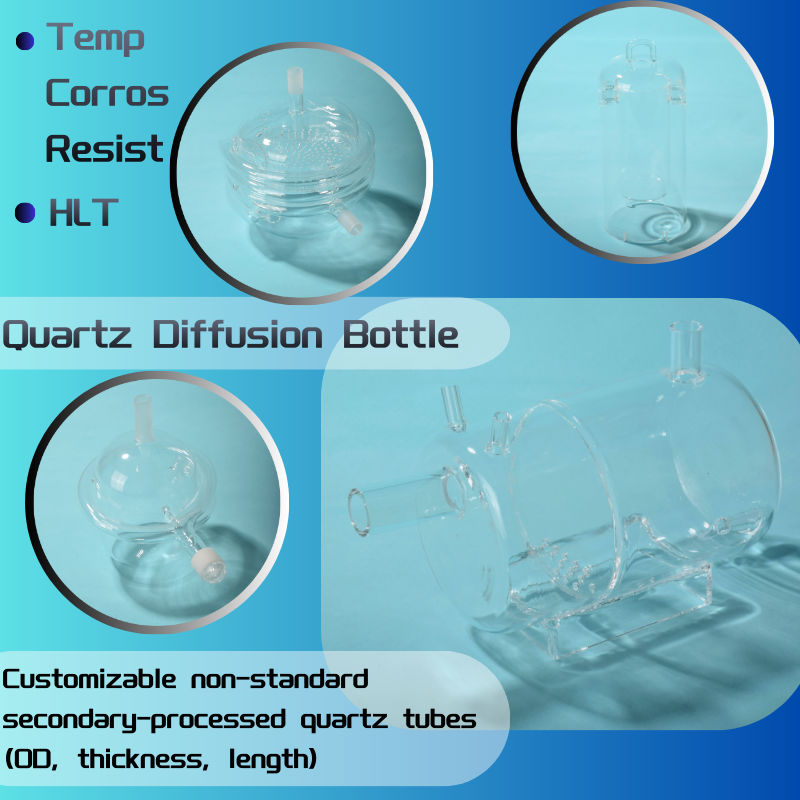
Technical Specifications of Fused Quartz Crucible Bases for Santiago de Cuba Industrial Plants
As industrial automation, pyrometallurgical refining, and analytical wet chemistry expand throughout the eastern provinces of Cuba, industrial procurement teams in Santiago de Cuba face heightened demands for refractory glassware that maintains absolute chemical inertness under extreme thermal cycling. The quartz crucible base serves as the foundational contact interface in high-temperature melt vessels, induction furnaces, and chemical fusion analyzers. Sourced directly from our manufacturing hub in Donghai, China—the global epicenter of crystal and fused silica refining—our quartz crucible bases are engineered to prevent thermal deformation, mitigate ionic migration, and withstand corrosive acid digestion protocols.
Key Engineering Metric: With a microscopic coefficient of thermal expansion (α = 5.5 × 10⁻⁷ /°C from 20°C to 1000°C), our clear refractory fused quartz crucible bases endure instantaneous temperature deltas exceeding 1000°C without micro-fracturing, spalling, or mechanical creep. This is vital for industrial metallurgical facilities operating near the Port of Santiago de Cuba.
Crystallographic Purity and Devitrification Kinetics
In thermal operations above 1150°C, commercial-grade refractory glassware frequently suffers from surface devitrification—the phase transformation of amorphous silica into crystalline cristobalite. Cristobalite undergoes a destructive displacive α–β phase transition upon cooling through the 200°C to 270°C range, resulting in volumetric contraction (roughly 5%) that induces crazing and premature crucible base failure. Our Donghai manufacturing line incorporates ultra-high-vacuum electric fusion and oxy-hydrogen precision fire-polishing to reduce total metallic impurities (Fe, Na, K, Li, Ca, Mg, Al) below 15 ppm. By strictly curbing alkali metal concentrations to sub-ppm levels, nucleation activation energies remain high, effectively suppressing devitrification pathways even across extended thermal holds up to 1450°C.
| Material Property | High-Purity Fused Quartz (Our Standard) | Synthetic Fused Silica (Optical Grade) | Standard Alumina Refractory (99% Al₂O₃) |
|---|---|---|---|
| SiO₂ Purity Level | ≥ 99.99% – 99.999% | ≥ 99.9999% | N/A (Al₂O₃ Matrix) |
| Softening Point (°C) | 1683 °C | 1600 °C | ~ 2050 °C (Melting) |
| Continuous Operating Temp | 1100 °C – 1200 °C | 1050 °C – 1150 °C | 1600 °C |
| Coefficient of Thermal Expansion | 5.5 × 10⁻⁷ /°C | 5.2 × 10⁻⁷ /°C | 8.0 × 10⁻⁶ /°C (14x higher) |
| Thermal Shock Resistance | Superior (Water Quench at 1100°C) | Superior (Water Quench at 1100°C) | Moderate (Susceptible to Thermal Shock) |
| Acid Resistance (Aqua Regia, HNO₃) | Completely Inert (Except HF) | Completely Inert (Except HF) | Gradual Leaching under Boiling Acids |
Mechanical Flatness and Flame-Polished Edge Profiles
Precision crucible bases require total planarity to guarantee uniform heat transfer between the furnace heating platen and the reaction vessel. Our cold-machining CNC diamond-surfacing lines achieve parallel tolerances within ±0.05 mm and surface roughness profiles of Ra < 0.2 μm. For high-vibration rotary kilns or induction fixtures utilized in mining laboratories across eastern Cuba, flame-annealed radius edges eliminate micro-notch stress concentrations, providing superior tensile strength (48 N/mm²) and structural resilience under dynamic loads.
Localized Applications Across Santiago de Cuba & Eastern Cuba
From metallurgical assaying in the Sierra Maestra foothills to port-side industrial chemical plants, our fused quartz crucibles and custom bases fulfill mission-critical roles across key Caribbean industrial sectors.
Nickel & Cobalt Hydrometallurgical Assaying
The eastern mining corridor linking Santiago de Cuba, Moa, and Nicaro relies on aggressive borate and sodium peroxide fusions to quantify nickel and cobalt concentrations. Our high-purity quartz crucible bases and bowls ensure zero baseline contamination from iron, calcium, or aluminum, preserving analytical integrity during high-temperature flux dissolutions prior to ICP-OES and XRF spectroscopy.
Cement Clinker & Mineral Analysis
Santiago de Cuba's extensive building material manufacturing plants require rigorous loss-on-ignition (LOI) testing and clinker phase determinations at continuous temperatures exceeding 1050°C. Our flat-bottomed fused quartz crucible bases resist alkali-vapor etching, preventing crucible sticking to furnace hearths and preventing sample loss during rapid gravimetric determinations.
University & Research Centers
At institutions like the Universidad de Oriente in Santiago de Cuba, cutting-edge academic laboratories exploring catalytic chemistry, solid-state battery electrolytes, and solar photovoltaic materials deploy our clear quartz tubes, boats, and crucible holders to maintain pristine, ultra-clean reaction atmospheres without outgassing.
Petroleum Refining & Lubricant Testing
Refinery installations situated along Santiago Bay utilize our quartz distillation glassware and furnace ash crucibles for total sulfur, trace vanadium, and heavy hydrocarbon analysis. Fused quartz withstands boiling nitric, sulfuric, and hydrochloric acids indefinitely, safeguarding delicate diagnostic equipment from vessel dissolution.
Solar Cell & Photovoltaic Development
In support of national renewable energy transitions across Cuba's solar parks, our high-purity quartz boats and crucible bases serve as pristine carriers during wafer thermal diffusion, chemical vapor deposition (CVD), and anti-reflective coating annealing cycles, eliminating trace metal poisoning that degrades minority carrier lifetimes.
Port Logistics & Maritime Sample Fusion
The Port of Santiago de Cuba handles extensive bulk export cargo including mineral ores, agricultural commodities, and chemical intermediates. Fast, high-frequency crucible fusion bases allow port-side laboratory technicians to conduct rapid verification of shipping grades, moisture ratios, and elemental assays prior to maritime vessel clearance.
Procurement Dynamics & Emerging Trends in the Eastern Cuban Market
The metallurgical and scientific testing market in Santiago de Cuba has entered a crucial modernization phase. Historically reliant on heavy porcelain or low-grade translucent quartz crucibles imported through fragmented intermediaries, regional industrial procurement departments are now shifting directly toward verified custom manufacturers capable of supplying drawing-based, certified fused silica ware.
1. Substitution of Opaque Ceramics with Transparent High-Purity Fused Quartz
Traditional porcelain and alumina crucibles exhibit high porosity and are notorious for retaining mineral residue between sample runs. In high-precision mining assays throughout eastern Cuba, cross-contamination leads to costly analytical re-runs. Fused quartz features near-zero apparent porosity (< 0.1%), providing an impenetrable glass barrier that permits clean acid washing and immediate reuse, cutting overall laboratory consumable expenses by up to 35% on an annualized basis.
2. Consolidation of Drawing-Based OEM/ODM Supply Chains
Due to specialized furnace dimensions in regional factories—often combining European, Russian, and North American legacy systems—standard off-the-shelf crucibles rarely match existing heating hearth dimensions. Buyers in Santiago de Cuba require flexible manufacturing where customized diameters, flange seals, one-end closed tubes, and specific base bevels can be ordered with low minimum order quantities (from 1 piece) without prohibitive tooling surcharges.
3. Maritime Packaging Resilience for Caribbean Freight Routes
Consignments traversing maritime routes to the Port of Guillermón Moncada face intense tropical humidity, saline air exposure, and multi-stage container handling. Sourcing from manufacturers who offer hermetically sealed inner packaging, reinforced high-density polyethylene foams, and moisture-barrier custom wooden crating is non-negotiable for Cuban industrial buyers seeking zero-defect delivery.
Lianyungang Vulra Quartz Products Co., Ltd.
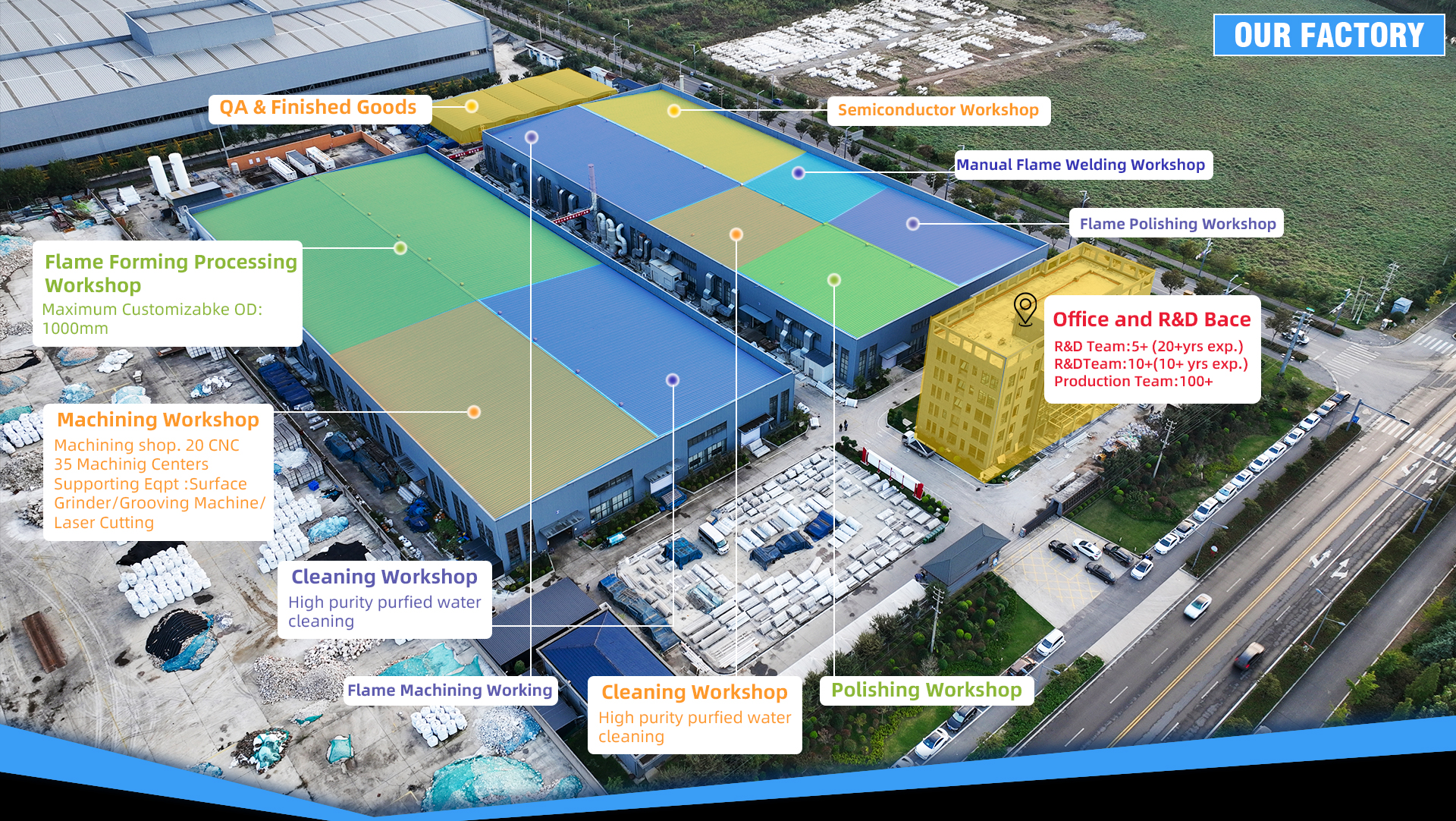
Located in the Jiangsu Donghai Economic Development Zone—the world's crystal capital—we combine direct access to supreme quartz crystal sand with comprehensive hot-flame and cold-machining capabilities. We are an audited and verified Custom Manufacturer delivering precision-engineered quartz components to 50+ countries worldwide.
Oxy-Hydrogen Flame Bench
Seamless bottom sealing, welding, and fire-polishing
CNC Diamond Cold Machining
Tight dimensional tolerances to ±0.05 mm
Full Thermal Stress Annealing
Eliminating internal strain for extended working life
Frequently Asked Questions by Industrial Buyers in Santiago de Cuba
Technical and logistical guidance directly from our factory engineers for sourcing high-purity quartz crucibles, tubes, and custom furnace components into Cuba.
What is the maximum working temperature of your fused quartz crucible bases in continuous metallurgical service?
Our clear fused quartz items are rated for continuous service at 1100°C in air or inert gas environments, and can sustain short-term operational peaks up to 1450°C. The softening point occurs at 1683°C. For heavy metallurgical charges, we recommend increasing the base wall thickness to 4.0–6.0 mm to resist high-temperature gravitational sag.
Can our laboratory team order custom-dimensioned crucible bases or boats with a 1-piece MOQ?
Yes. As an authenticated Custom Manufacturer, our minimum order quantity for custom quartz plates, furnace boats, and crucible bases starts at just 1 piece. This allows metallurgical assays and academic researchers across Santiago de Cuba to validate mechanical dimensions and chemical compatibility before committing to recurring batch volumes.
How does fused quartz handle aggressive chemical reagents like aqua regia, HF, and molten borates?
Fused quartz is chemically inert to virtually all acids, including hot aqua regia, concentrated nitric acid, hydrochloric acid, and sulfuric acid at elevated temperatures. The only acids that attack fused quartz are hydrofluoric acid (HF) and hot phosphoric acid above 150°C. In molten borate or peroxide fusions, quartz offers far superior purity compared to platinum alternatives while mitigating cross-sample memory effects.
How are fragile quartz items protected against breakage during ocean freight to the Port of Santiago de Cuba?
Every piece undergoes an ultrasonic deionized water rinse and acid wash before individual shrink-wrapping in anti-static film. Items are enveloped in multi-layer pearl cotton (EPE) shock absorption foam and packed into five-ply reinforced corrugated cartons. For international ocean shipments to Cuba, cartons are crated inside fumigated plywood boxes with exterior drop sensors and moisture desiccant packs.
What documentation and technical certifications accompany each shipment?
Shipments include Certificate of Analysis (COA) specifying SiO₂ purity and trace metallic element parts-per-million (ppm) levels, dimensional inspection reports, CE conformity documentation, and TÜV Rheinland assessment verification certificates. Commercial export paperwork is prepared strictly adhering to international maritime export regulations.
What is the recommended cleaning procedure to maximize quartz crucible working life?
To avoid surface devitrification, quartz crucibles should never be touched with bare hands, as sodium and potassium from skin oils accelerate cristobalite growth above 1000°C. We recommend cleaning with a 5%–10% hydrochloric acid bath, rinsing thoroughly with deionized water, and air-drying in a dust-free environment prior to insertion into the furnace.
Request an Engineering Drawing Review & Quotation
Consult with our quartz fabrication engineers today. Whether you require customized crucible bases for Santiago de Cuba metallurgical plants, optical quartz observation windows, or tube furnace vessels, we deliver precision from 1 piece.
Send an Inquiry