Recommended High-Purity Quartz Vessels & Components
Precision-engineered fused quartz boats, reactor vessels, and optical tubes optimized for 1100°C–1450°C continuous analytical and combustion performance across Zadar's specialized laboratories.
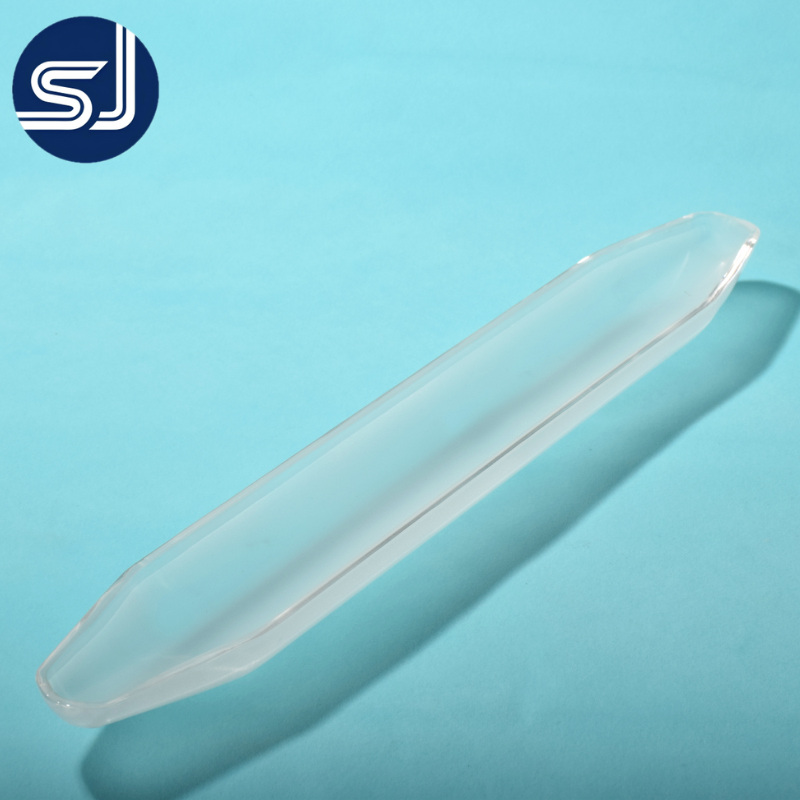

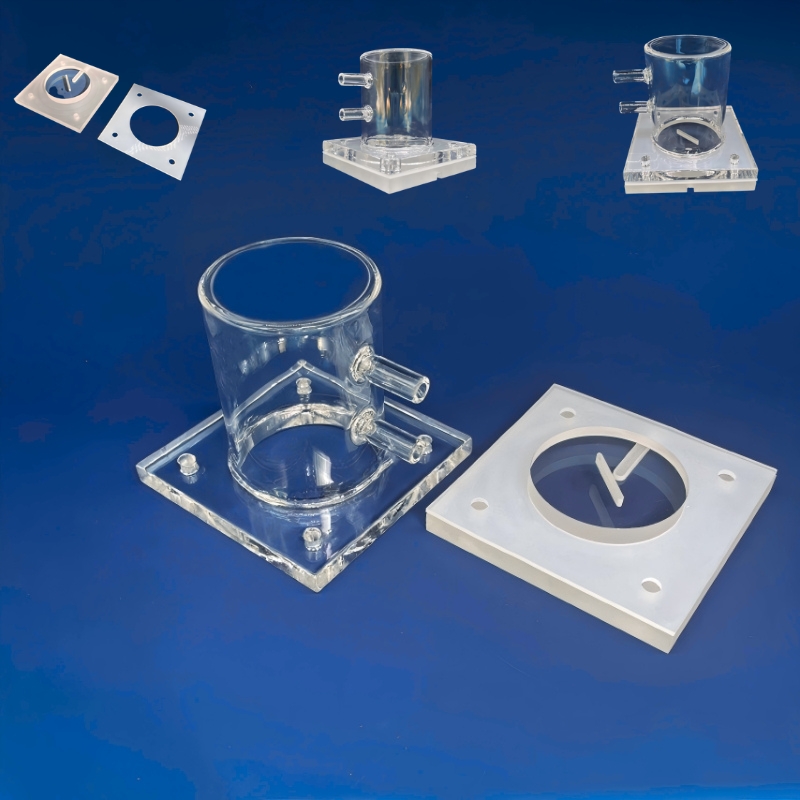
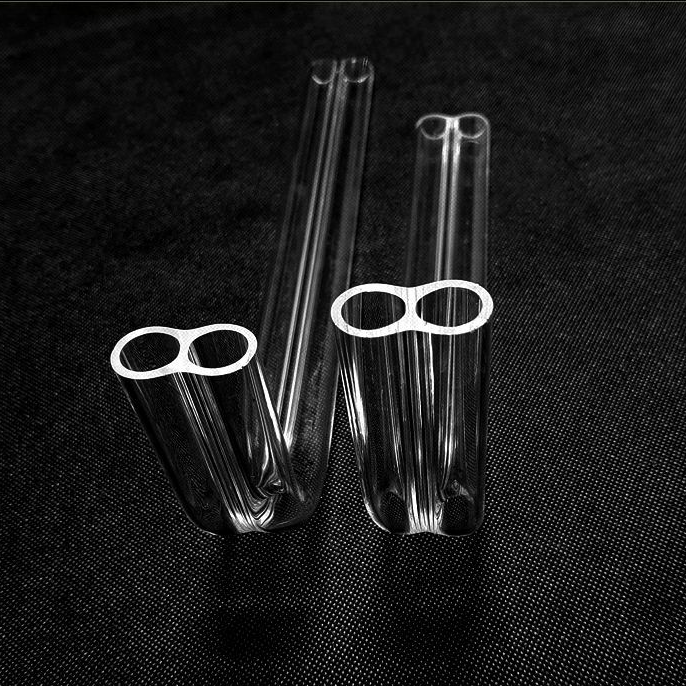
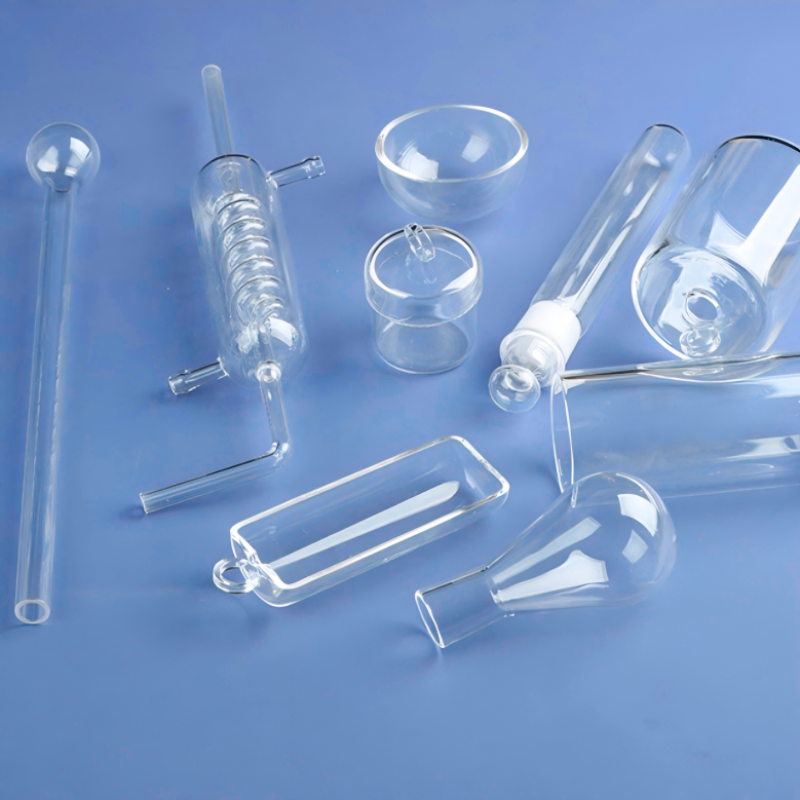
Industrial White Paper: Fused Quartz Combustion Vessels in High-Stress Elemental Pyrolysis
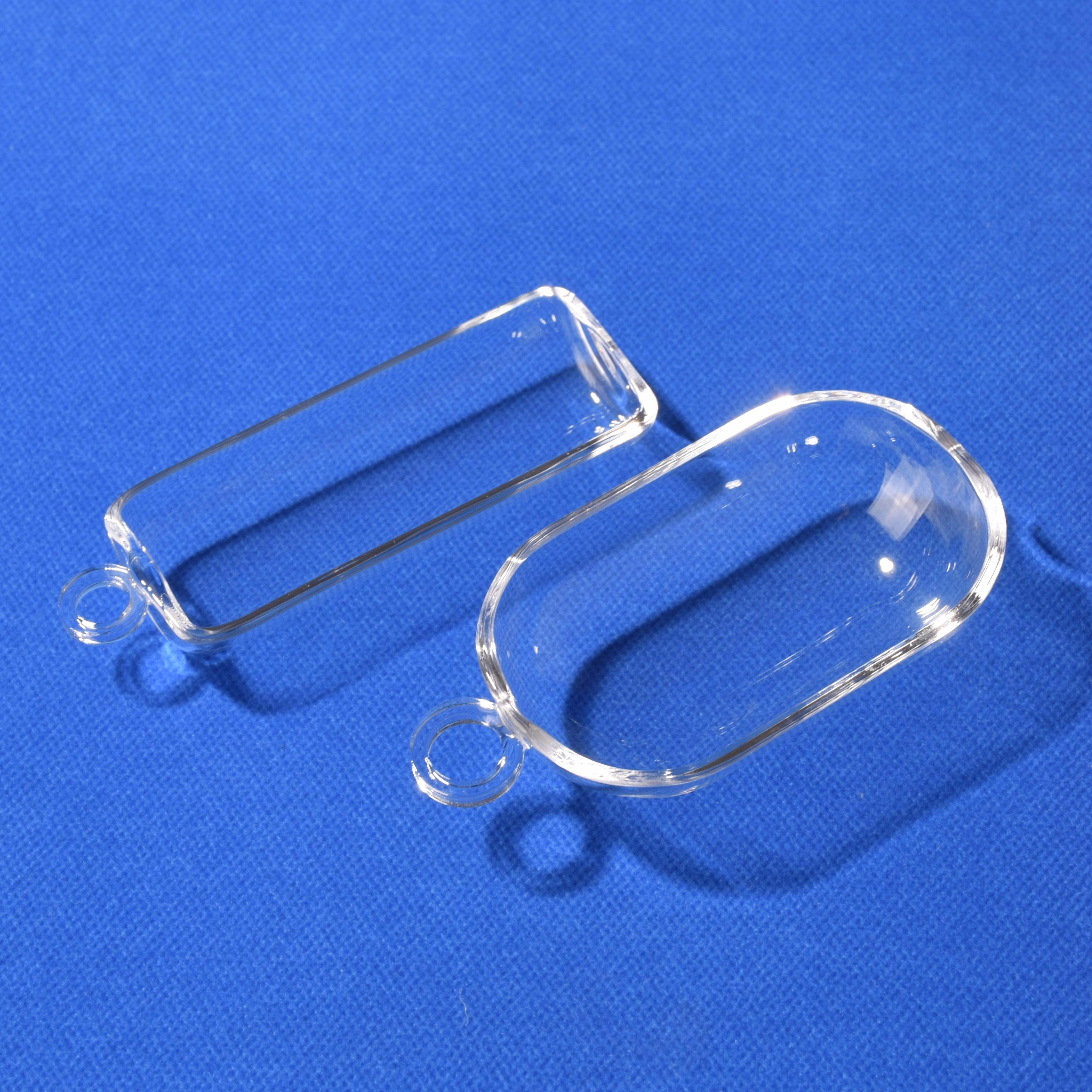
In analytical high-temperature chemistry, precision tube furnace calcination, and carbon/sulfur combustion analysis, the operational integrity of the sample specimen carrier dictates test repeatability and instrument safety. A quartz combustion boat is not merely an inert sample dish; it represents a finely balanced thermodynamic boundary layer. Engineered from high-purity amorphous silicon dioxide ($SiO_2$), our combustion boats provide an ultra-clean vessel that resists thermal degradation, alkali vapor penetration, and thermal shock during rapid cyclic insertion into furnace heating zones operating between 1000°C and 1350°C.
Standard silicate laboratory glassware and conventional alumina/porcelain ceramics frequently fail to satisfy the demanding requirements of modern high-sensitivity spectrometry, including Inductively Coupled Plasma Mass Spectrometry (ICP-MS), X-ray Fluorescence (XRF), and elemental macro combustion analyzers (such as LECO, Eltra, and Horiba systems). Ceramic boats often display porous surface topographies, leading to residual sample retention, micro-slag adhesion, and unpredictable background contamination of trace elements like aluminum, sodium, potassium, and iron. Conversely, natural quartz boats manufactured by Lianyungang Vulra Quartz Products Co., Ltd. are electro-fused from premium Donghai natural crystal sands, yielding an entirely vitrified, non-porous silica matrix with total metallic impurity levels below 15-20 ppm.
Our vitreous fused silica maintains an extraordinary coefficient of thermal expansion ($\alpha \approx 5.5 \times 10^{-7} \text{ cm/cm}\cdot^\circ\text{C}$ across the 20°C to 1000°C spectrum). This near-zero expansion coefficient confers exceptional thermal shock resistance: a Vulra quartz combustion boat can be extracted red-hot from a 1150°C tube furnace directly into an ambient or forced-air cooling dock without mechanical failure, spalling, or micro-crack propagation. For analytical laboratories in Zadar handling repetitive analytical runs of volatile materials, organic fuels, and marine sediment samples, this mechanical reliability translates to reduced downtime, eliminated baseline noise, and guaranteed structural longevity.
Localized Application Scenarios Across the Zadar Region
Targeted thermal analytical solutions engineered to support Northern Dalmatia’s maritime infrastructure, environmental monitoring of the Adriatic shelf, and burgeoning regional manufacturing.
Maritime Bunkering & Fuel Analysis (Port of Gaženica)
The Port of Gaženica serves as a pivotal international cargo hub and passenger gateway in Northern Dalmatia. Maritime regulatory protocols under MARPOL Annex VI demand stringent verification of fuel oil sulfur content (0.10% m/m in emission control zones). Testing facilities utilize our precision polished quartz combustion boats inside high-temperature combustion tube analyzers to determine sulfur and carbon indices without memory effects from heavy bunker fuel residues.
Adriatic Marine Ecology & Sediment Geochemistry
Academic institutions and ecological bodies—such as research teams affiliated with the University of Zadar (Sveučilište u Zadru)—monitor benthic sediment cores, aquaculture effluents, and mariculture zones in the Pašman and Zadar channels. Fused silica boats allow high-heat catalytic combustion of marine organic matrices, facilitating precise total organic carbon (TOC) and nitrogen quantification without trace-mineral leaching.
Poličnik Industrial Zone Metal & Thermal Processing
In the industrial clusters surrounding Zadar, such as the Business Zone Grabi in Poličnik, precision aluminum casting, mechanical machining, and metal surface treatments operate high-temperature sintering and annealing lines. Our semi-circular flat-bottom boats and custom rectangular crucibles provide non-reactive atmospheres for calcining metal powders, flux evaluation, and alloy oxidation assays up to 1100°C.
Agricultural Testing, Olive Chemistry & Nin Salt Works
Northern Dalmatia boasts rich agricultural legacies in Ravni Kotari alongside historic coastal salt extraction in nearby Nin. Regional quality-assurance labs utilize our fused silica combustion vessels to ash organic materials for soil mineral profiling, food contaminant screening, and testing heavy metal bounds in brine residues, relying on zero trace alkali transfer from the quartz matrix.
Pharmaceutical & Fine Chemical Quality Assurance
Croatia maintains high standards within the European pharmaceutical framework. Specialized testing labs handling active pharmaceutical ingredients (APIs), packaging barrier tests, and excipients in the Zadar-Split-Zagreb industrial corridor implement quartz combustion boats for loss-on-ignition (LOI) determinations and residue on ignition analysis in strict compliance with European Pharmacopoeia (Ph. Eur.) guidelines.
Advanced Materials Research & Green Energy Transition
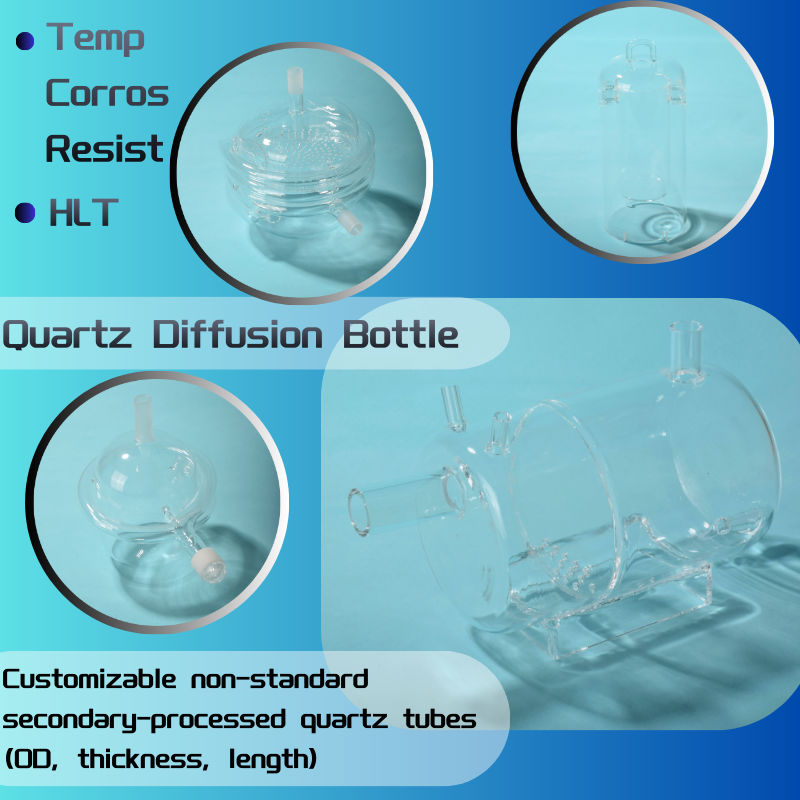
Collaborative research ventures funded under Horizon Europe across Croatian coastal universities explore photocatalytic hydrogen generation and renewable synthetic fuel catalysts. Our specialized quartz photoreactors, double-tube right-angle elbows, and custom quartz boats serve researchers conducting vapor-phase photochemical testing under high-energy UV illumination.
Material Performance Matrix: High-Temperature Sample Carriers
When selecting laboratory vessels for high-temperature tube furnaces and elemental spectrometers in Dalmatia, laboratory managers must balance thermodynamic stability, chemical inertia, and lifecycle replacement costs. The table below delineates the physical and analytical differences between Vulra Fused Quartz and alternative materials:
| Performance Parameter | Vulra Fused Quartz (SiO₂) | High-Alumina Ceramic (Al₂O₃) | Glazed Porcelain | Platinum-Rhodium Metal |
|---|---|---|---|---|
| Purity Level | ≥ 99.999% Amorphous Silica | 95.0% – 99.7% Alumina | Standard Silicate Blend | 99.9% Pt / Rh Alloy |
| Continuous Service Temp | 1100°C (Short peak to 1450°C) | 1600°C – 1700°C | 1000°C – 1050°C | 1400°C – 1600°C |
| Thermal Shock Resistance | Extreme (ΔT > 1000°C Rapid Quench) | Moderate (Cracks with rapid thermal shift) | Poor (Susceptible to shock cracking) | Excellent |
| Chemical Contamination Risk | Virtually Zero (<15 ppm total metals) | Medium (Al, Na, Fe trace leach) | High (Alkali silicate migration) | Low (Risk with molten heavy metals) |
| Acid Resistance | Superior (Inert except HF & hot H₃PO₄) | Moderate to Good | Moderate | Excellent (Except Aqua Regia) |
| Optical Clarity / Visual Inspection | Transparent (>85% Transmittance) | Completely Opaque White | Opaque White/Off-White | Opaque Metallic |
| Unit Cost vs Longevity | Optimal Balance (Economical custom runs) | Moderate Cost | Low Cost / High Breakage | Extremely Expensive |
*Note: For vacuum or heavily reducing gas atmospheres at temperatures above 1150°C, custom wall thickness specifications are recommended to mitigate devitrification risks.
Localized Trends & Procurement Drivers in the Zadar Market
The commercial and industrial landscape of Zadar County (Zadarska županija) is undergoing an accelerated modernization cycle. Driven by integration into trans-European transport networks and sustainable Adriatic maritime policies, procurement specifications for laboratory consumables are shifting rapidly:
EU Green Compliance
Stringent compliance with EU REACH (EC 1907/2006) and RoHS standards requires analytical labs to utilize consumables completely free of heavy-metal fluxing additives or hazardous leachable elements.
Port Decarbonization
With Gaženica positioning itself for green maritime corridors, high-frequency combustion profiling of alternative low-carbon marine biofuels and LNG lubricants has elevated demand for 1100°C-rated quartz boats.
Direct OEM Customization
Laboratories increasingly bypass domestic European distributor markups by engaging directly with verified Chinese source manufacturers who fabricate to exact 2D/3D CAD tolerances from a single piece.
Transparent Traceability
Zadar QA institutions require documented purity certificates, TÜV factory verification, and bubble-free optical clarity to ensure clean visual combustion validation without sample contamination.
Why International Procurement Teams Partner with Vulra Quartz
Direct supply from China's premier high-purity quartz manufacturing belt in Donghai, backed by verifiable third-party auditing, technical expertise, and bespoke OEM agility.
TÜV Rheinland Verified
Our production premises, registered capital, export credentials, and manufacturing operations are on-site assessed and certified by TÜV Rheinland, offering uncompromised procurement safety.
Donghai Crystal Capital Source
Located in the heart of Donghai's world-renowned silicon resources, Vulra secures direct access to 99.999% natural quartz sand, controlling supply-chain stability and pricing at source level.
Full Hot & Cold Machining
From hydrogen-oxygen flame lathe bending and precision sealing to CNC ultrasonic drilling, diamond wire slicing, and chemical fire polishing, all fabrication occurs in a unified facility.
Armored Long-Haul Packaging
Each boat is individually cleaned with 18.2 MΩ·cm DI-water, sealed in dust-free film, cushioned in multi-layer high-density EPE foam, and packed into reinforced shock-damped timber cases for international air/sea freight.
Certified Trace Impurity Baseline (ppm by Weight)
Combustion analytics in marine biogeochemistry and metallurgical trace-element verification require absolute certainty regarding vessel background spectra. Below is our verified standard inductively coupled plasma spectrometry profile for clear fused quartz combustion boats:
| Element | Aluminum (Al) | Iron (Fe) | Calcium (Ca) | Magnesium (Mg) | Sodium (Na) | Potassium (K) | Lithium (Li) | Titanium (Ti) |
|---|---|---|---|---|---|---|---|---|
| Typical (ppm) | < 14.0 | < 0.18 | < 0.40 | < 0.10 | < 0.30 | < 0.40 | < 0.20 | < 1.10 |
| Ultra-Grade | < 7.0 | < 0.08 | < 0.15 | < 0.05 | < 0.10 | < 0.15 | < 0.08 | < 0.50 |
Frequently Asked Questions: Sourcing Quartzware for Zadar
Comprehensive engineering, commercial, and logistics guidance for Croatian research facilities, industrial laboratories, and import procurement managers.
What is the typical working lifespan and continuous thermal limit of your quartz boats?
How do you ship fragile quartz boats safely to Zadar, Croatia, and what are typical lead times?
Can you manufacture customized combustion boats based on our laboratory's specific CAD drawings?
How does vitreous fused quartz perform against corrosive marine salt residues and heavy fluxing agents?
What cleaning protocols are recommended to maintain optical clarity and prevent devitrification?
What HS codes and documentation accompany shipments imported into the Republic of Croatia?
Need Precision Quartz Combustion Boats for Your Facility in Zadar?
Whether you require standard LECO-compatible combustion vessels, custom-dimensioned flat bottom tube furnace boats, or specialized optical glassware, our engineering team reviews your CAD files and technical specifications within 24 hours.