Engineered Quartz Components & Tank Configurations
Direct OEM/ODM quartz hardware manufactured from 99.999% purity natural and synthetic silica. Fully certified for wafer cleaning, laser crystal acid stripping, and chemical leaching lines.
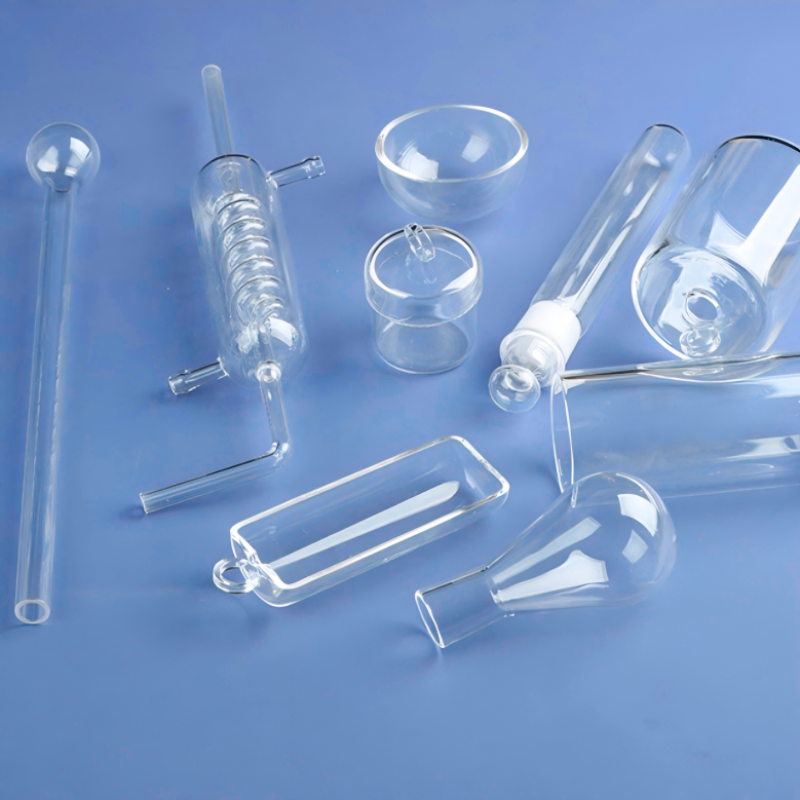
High Temperature Quartz Tube Plugging Rod Heating Tube Boat
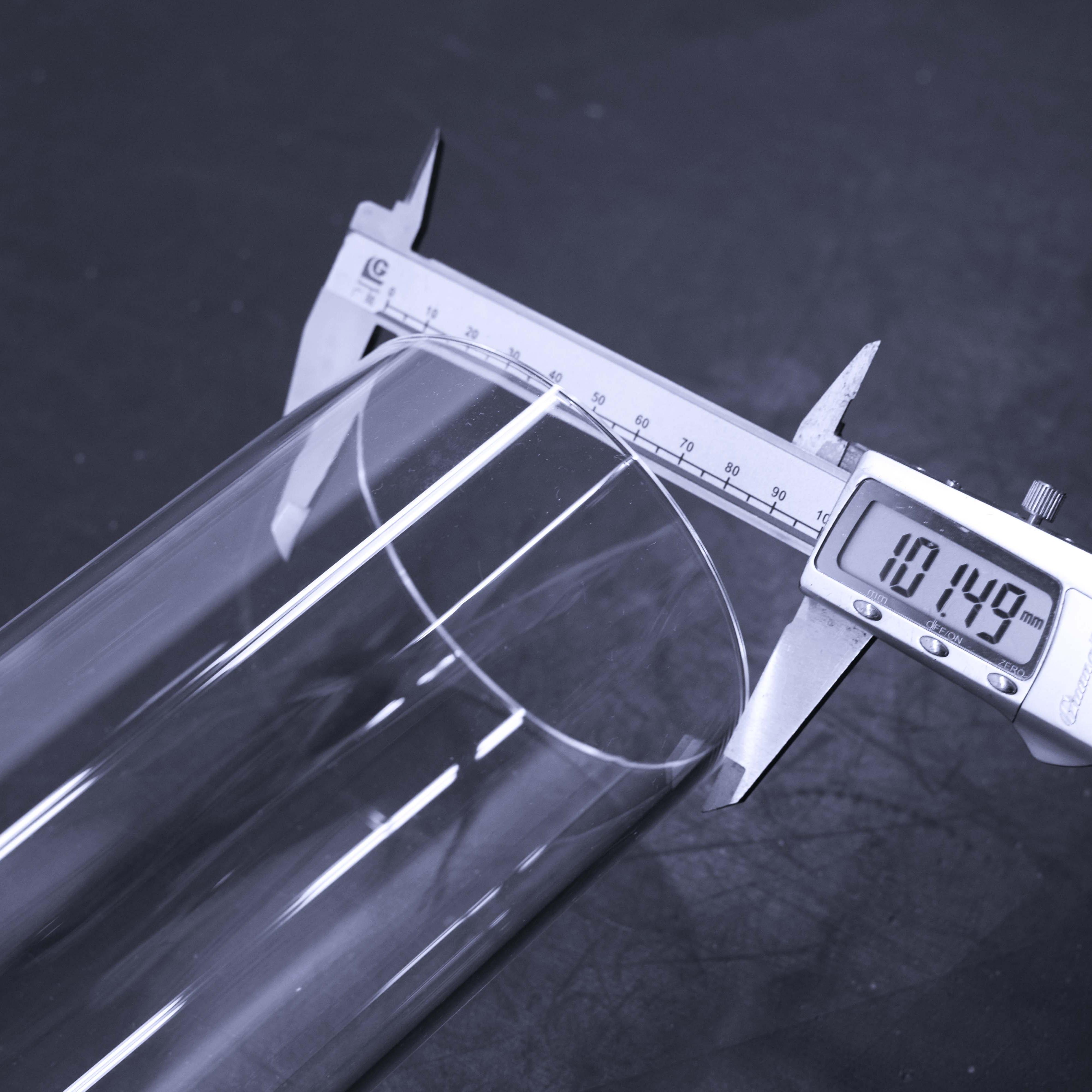
High Purity Clear Quartz Polished Tube Hollow Bending Customizable
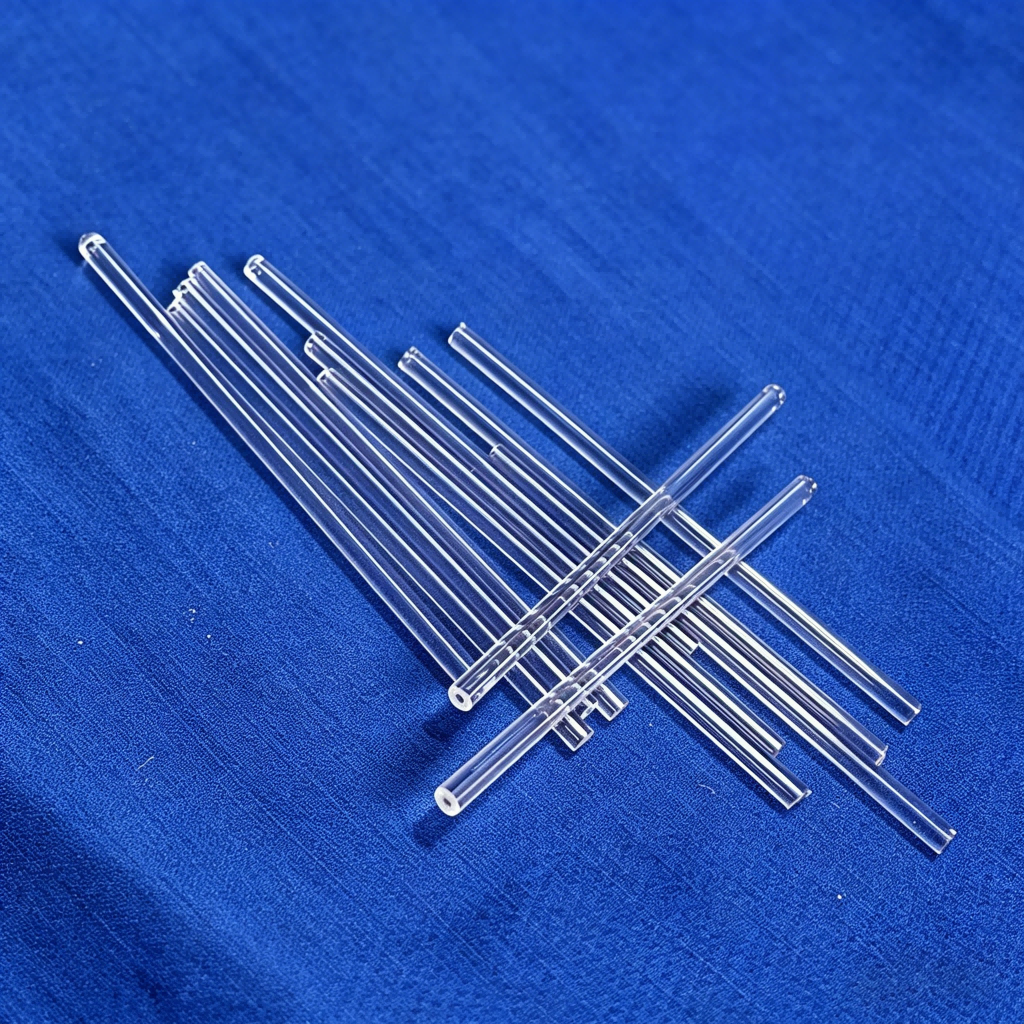
High Purity Micro Capillary Exhaust Quartz Glass Tube 2-10mm OD
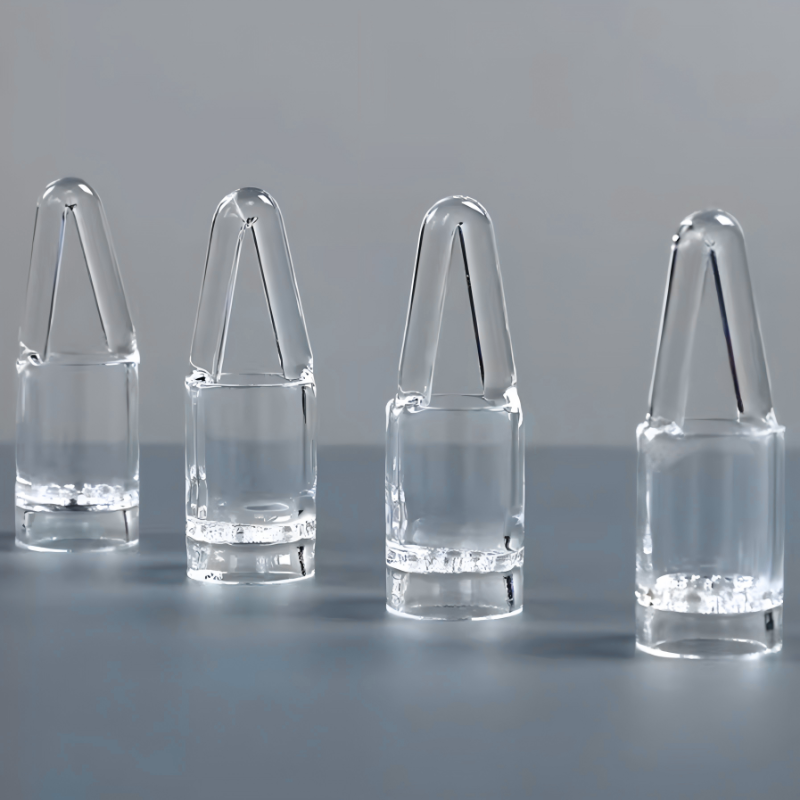
Acid & Alkali Resistant Polished Quartz Basket Crucible Beaker
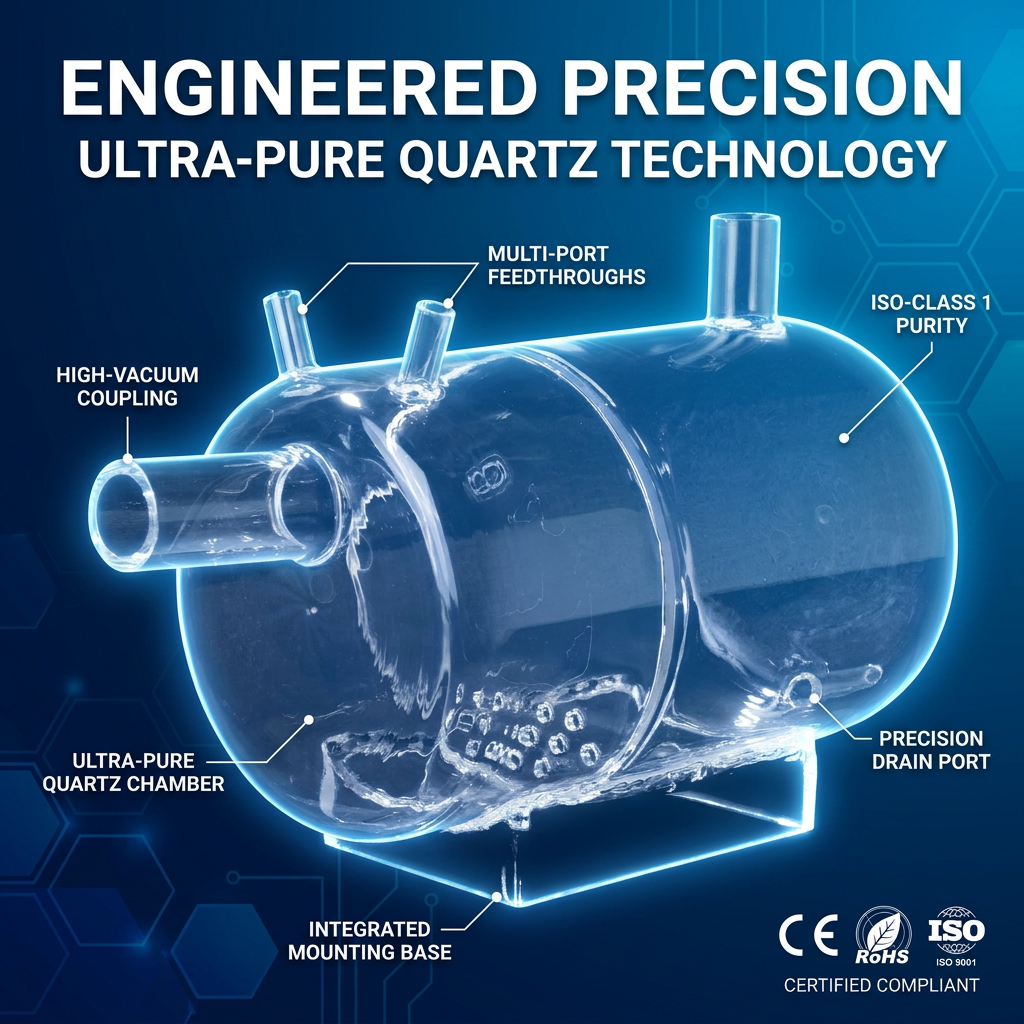
Semiconductor Grade Precision Quartz Separating Wet Chemical Container
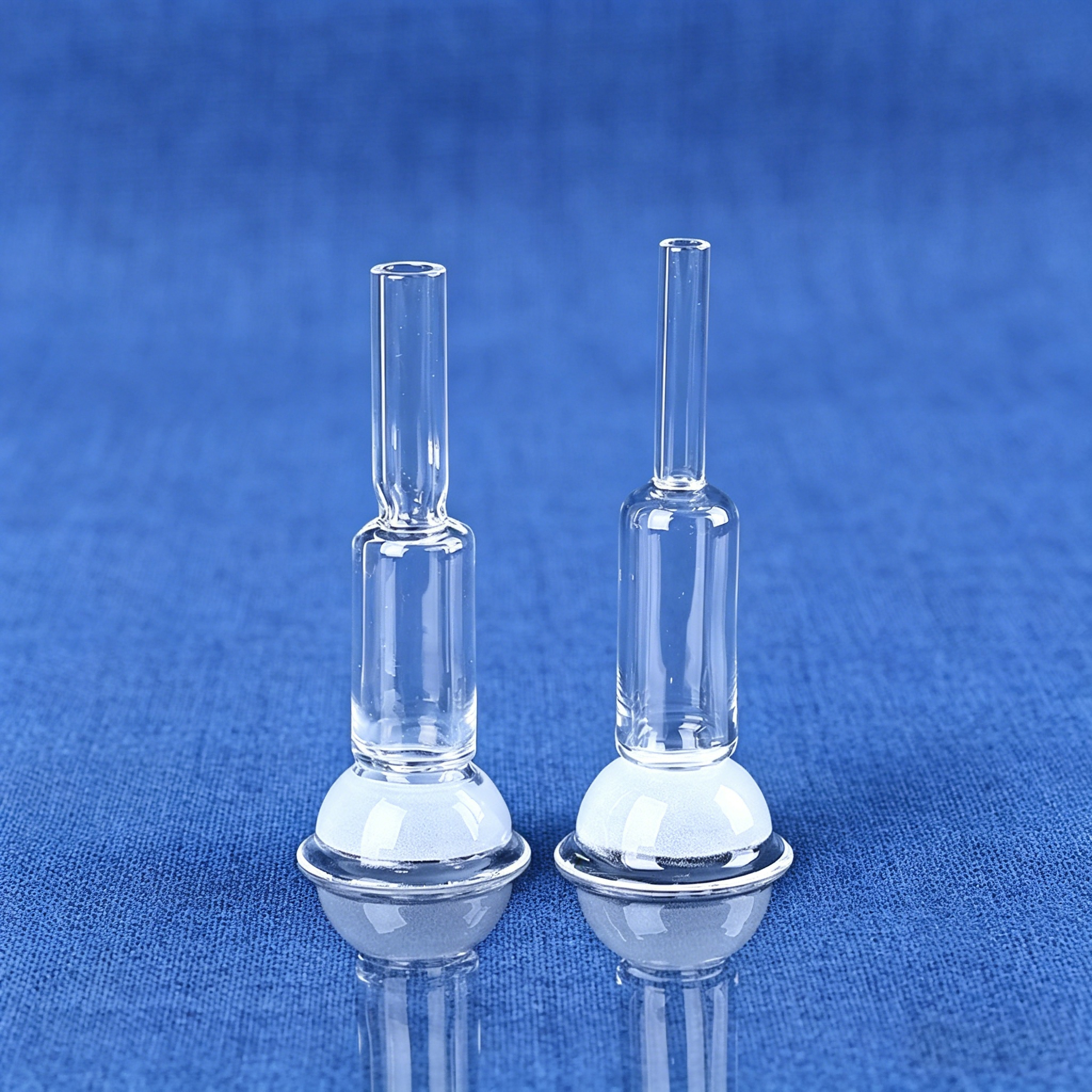
High Purity Quartz C-Shaped Precision BET Tube 1100°C Rated
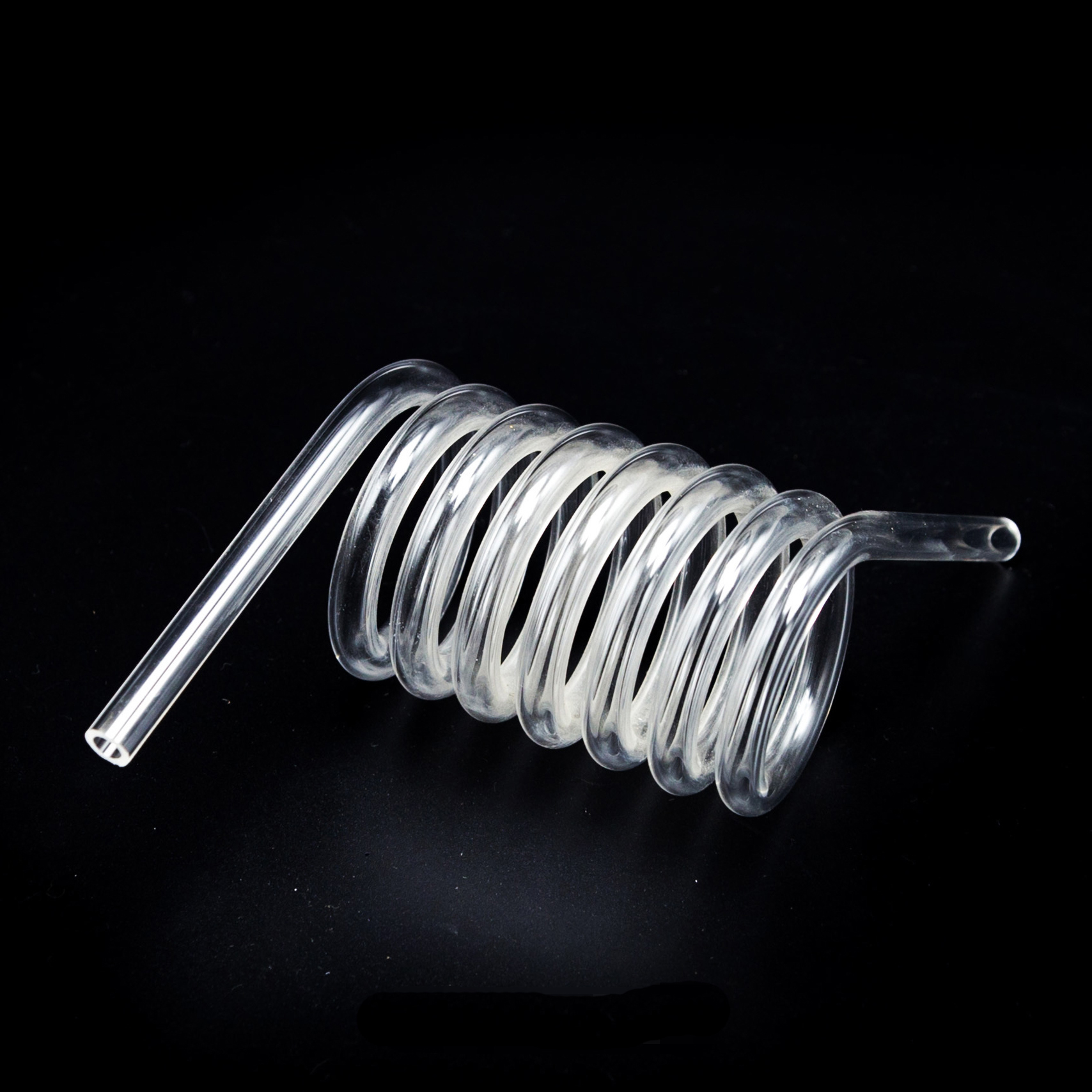
Bent & Spiral Custom Welded Quartz Immersion Cleaning Tubes
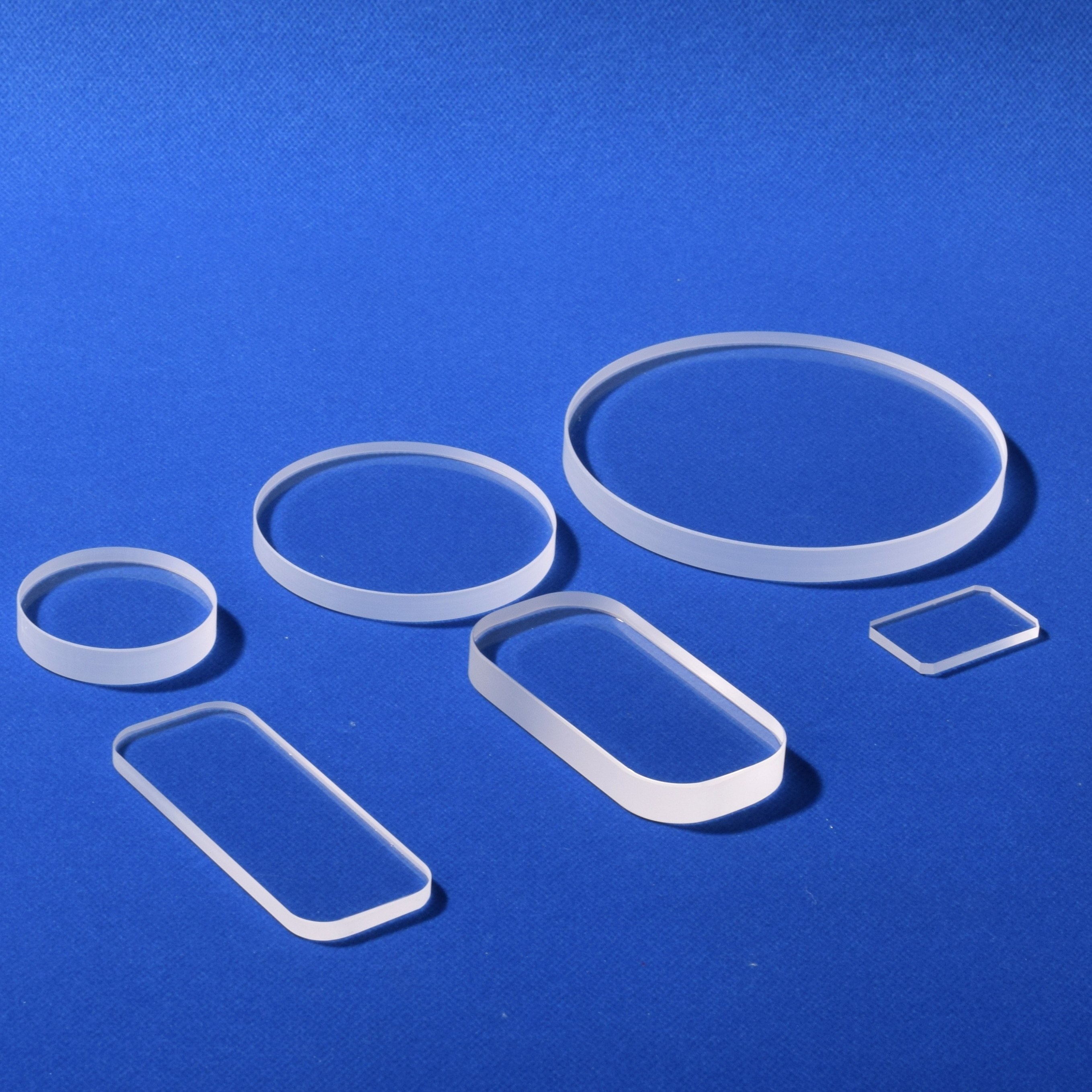
High Transmittance Quartz Watch Window & Tank Sight Glass Flange
High-Purity Fused Quartz Wet Cleaning Tanks: The Critical Enabler for Lithuania's Laser & Semiconductor Ecosystem
Lithuania has carved out a globally commanding position in ultrafast femtosecond lasers, photonics, and optoelectronic assemblies. With industrial clusters concentrated around Vilnius (Saulėtekis Valley, Visoriai Information Technology Park) and Kaunas, Lithuanian technology enterprises supply over 50% of the world's academic and industrial femtosecond lasers. These ultra-precise coherent systems require laser crystals (Nd:YAG, Yb:KGW, Ti:Sapphire), nonlinear optics (BBO, LBO), and precision dielectric mirrors manufactured to sub-nanometer surface roughness. At this tier of physics, surface particulate contamination measuring merely 50 nm can trigger irreversible optical breakdown under gigawatt-level laser peak power.
Consequently, the cleanroom wet benches deployed in Lithuania’s photonics fabrication lines and emerging semiconductor ventures (such as the Teltonika High-Tech Hill semiconductor packaging initiatives in Liepkalnis) rely fundamentally on high-purity fused quartz cleaning tanks and wet process baths. Quartz glass (amorphous silicon dioxide, SiO₂) is the premier material of choice across Baltic research institutes such as the Center for Physical Sciences and Technology (FTMC) and Vilnius University, offering unmatched chemical inertness against boiling piranha etch (H₂SO₄ + H₂O₂), aqua regia, RCA Standard Clean 1 and 2, and hot nitric acid de-smearing baths.
Chemical Kinetics & Thermal Shock Dynamics in Aggressive Cleaning Environments
Wet processing tanks fabricated from standard borosilicate glass or fluoropolymers (PTFE, PFA) fail systematically under specific high-temperature wet clean routines. Fluoropolymers suffer from thermal dimensional creeping, micro-porosity trapping trace metallic ions, and localized burning when hot sulfuric acid solutions reach exotherms over 140°C. In contrast, fused quartz tanks manufactured by Vulra Quartz leverage raw quartz sand from Donghai—the globally recognized epicenter of crystal processing—to achieve complete amorphous uniformity.
When Lithuanian engineers clean substrates in Piranha etching solutions (SPM: Sulfuric-Peroxide Mixture at 120°C to 150°C), the quartz substrate exhibits zero ionic leaching. Alkali metals like sodium (Na), potassium (K), and heavy transition metals like iron (Fe) and copper (Cu) are strictly maintained below 0.1 ppm. This prevents catastrophic cross-contamination during wafer front-end cleaning and laser optic AR/HR thin-film vacuum deposition.
| Physical & Chemical Parameter | Standard Electronic Grade (EG) Quartz | Synthetic Semiconductor Grade (SG) Fused Silica | Lithuania Cleanroom Compliance Match |
|---|---|---|---|
| Silicon Dioxide (SiO₂) Content | ≥ 99.99% | ≥ 99.9999% | SEMI G4 Compliant / FTMC Approved |
| Trace Iron (Fe) Contamination | ≤ 0.2 ppm | ≤ 0.01 ppm | Sub-threshold for P-N Junction Etching |
| Hydroxyl Group (OH⁻) Density | < 30 ppm (Flame Fused) | < 5 ppm (Vacuum Dehydroxylated) | High Megasonic Cavitation Transmission |
| Coefficient of Thermal Expansion (0–300°C) | 5.5 × 10⁻⁷ cm/cm · °C | 5.0 × 10⁻⁷ cm/cm · °C | Zero Stress Cracking During QDR Water Quench |
| Softening Point / Annealing Point | 1683°C / 1215°C | 1730°C / 1250°C | Extreme Mechanical Rigidity at 150°C Hot Acid |
| Surface Roughness (Ra) After Polish | Ra ≤ 0.4 μm (Fire Polished) | Ra ≤ 0.15 μm (Optical Lapped) | Eliminates Chemical Stagnation Pockets |
Eliminating Ultrasonic & Megasonic Tank Fatigue
A primary operational failure mode reported by Baltic precision engineers is mechanical weld cracking induced by transducer-driven acoustic cavitation. Tanks operating with submerged ultrasonic transducers (40 kHz, 80 kHz) or bottom-bonded megasonic arrays (750 kHz to 2 MHz) focus intense acoustic energy through the tank base to dislodge sub-micron particles from semiconductor wafers and laser substrates. If the quartz base plate retains residual cooling stresses from manual glassblowing or demonstrates uneven wall thickness, cavitation pitting rapidly develops along the weld seams.
Vulra Quartz solves this through our integrated manufacturing route: raw plates undergo CNC cold edge-profiling followed by multi-axis automated oxy-hydrogen thermal fusion. Post-welding, every custom quartz cleaning tank is subjected to a programmable 1150°C electric annealing lehr cycle for over 8 hours to relieve all molecular hoop stress, verified via crossed Nicol polariscope inspection before vacuum leak testing.
Specialized Deployment Across Lithuania's High-Tech Sectors
Tailored structural designs matching the spatial, chemical, and fluid-handling constraints of modern cleanrooms throughout the Baltic region.
Vilnius Ultrafast Laser Optics Cleaning
Precision cleaning of chirped mirrors, non-linear harmonic crystals, and Brewster angle prisms for manufacturers in the Saulėtekis photonics corridor. Seamless overflow weirs prevent redeposition of particulate matter during solvent and detergent rinse cycles.
Semiconductor Wafer Etching & RCA Baths
Designed for front-end wafer fabrication and advanced IC packaging ventures in Liepkalnis and Kaunas Free Economic Zone (FEZ). Resists boiling SC-1 (NH₄OH + H₂O₂ + H₂O) and SC-2 (HCl + H₂O₂ + H₂O) with quick-dump rinse (QDR) bottom discharge compatibility.
Photovoltaic & Silicon Heterojunction Lines
Texturing, acid washing, and PSG (Phosphosilicate Glass) removal for high-efficiency solar cell manufacturers across Lithuania. Large-format quartz tanks custom-built to support 156mm, 182mm (M10), and 210mm (G12) PV wafer carrier cassettes without chemical stagnation.
Biomedical Microfluidics & Bio-Sensors
Acid digestion and microfluidic chip bonding pre-treatment for life science leaders like Thermo Fisher Scientific Baltics. High UV-transmittance watch windows integrated directly into tank walls allow in-situ UV photochemical activation and spectroscopic tracking.
University & FTMC Academic Nanotech Labs
Compact, modular 1-piece prototype quartz tanks custom fabricated from CAD drawings for university cleanrooms. Enables student and researcher experimentation with corrosive chemical solvents, supercritical drying, and thin-film lift-off processing without safety degradation.
Optomechanical Thin-Film Coater Tooling
Pre-coating stripping tanks for ion-beam sputtering (IBS) and magnetron sputtering fixtures. Removes oxidized metal oxides and residual dielectric multi-layer stacks using hot concentrated phosphoric acid and specialized acid solutions up to 250°C without tank leaching.
Strategic Sourcing Trends & Regulatory Compliance in the Baltic Cleanroom Sector
Lithuanian high-tech procurement officers and fab managers face stringent supply-chain criteria dictated by the European Union’s European Chips Act, RoHS 3 Directive (EU 2015/863), and REACH regulations (EC 1907/2006). For years, European cleanrooms experienced crippling lead times exceeding 24–36 weeks when ordering custom quartzware through legacy Western European glass houses. With the rapid escalation of Lithuania’s electronics manufacturing footprint, procurement dynamics have shifted toward verified Asian direct-manufacturer partnerships capable of rapid bespoke drawing execution.
1. Transition Toward Automated Overflow Weir Tanks
Static immersion quartz baths are rapidly being decommissioned across Baltic laser optical labs in favor of continuous four-sided cascade overflow quartz tanks. In high-precision laser crystal cleaning, floating particulate oils and airborne sub-micron particles re-adhere to optical faces upon substrate extraction. Cascading tanks utilize precision CNC laser-ground knife edges that continuously skim the chemical meniscus, diverting surface contaminants into an external quartz weir basin connected to an acid recirculation and filtration loop.
2. Stringent Trace Contamination Certification (ICP-MS)
Lithuanian chipmaking and advanced research applications require certified lot traceability. Every quartz cleaning tank manufactured for export to Vilnius or Klaipėda is subjected to Inductively Coupled Plasma Mass Spectrometry (ICP-MS) raw-material analysis. With total transition metal impurities held strictly under 0.1 ppm, customers eliminate trace metal interstitial doping in silicon, silicon carbide (SiC), and gallium nitride (GaN) crystal lattices.
3. Direct Digital Integration (STEP & DXF Direct-to-CNC)
Agile engineering teams at Ekspla, Light Conversion, and university spin-offs frequently design cleanroom fixtures with unique dimensional geometries, sloped bottoms for rapid drainage, and integrated thermowell ports. Modern procurement requires direct translation of CAD/STEP solid models into 5-axis CNC ultrasonic grinding centers, bypassing traditional weeks-long drafting revision cycles.
Why Baltic Industrial Leaders Partner with Vulra Quartz
Combining China’s Donghai crystal supply heartland with rigorous TÜV Rheinland-inspected production standards and expedited Baltic freight corridors.
TÜV Rheinland Verified Facility
On-site certified custom manufacturer. Validated export trade compliance, fully audited workshop infrastructure, legal status, and verified OEM/ODM production lines for global semiconductor and research clients.
Donghai Raw Material Direct Access
Situated at No. 9, Dingxin Road in the Jiangsu Donghai Economic Development Zone. Direct, unmediated access to the world's premier high-purity natural silica reserves guarantees continuous batch chemical consistency.
Integrated Hot & Cold Processing
Seamless execution under one roof: diamond-wheel cold cutting, CNC milling, laser drilling, oxy-hydrogen bench lathe fusion welding, and programmable annealing to eliminate internal micro-stresses.
Low MOQ: Prototypes from 1 Piece
Empowering Lithuanian photonic startups and academic institutions. Validate your custom tank dimensions, drain valves, and weir geometries with an initial single-piece order before scaling to mass manufacturing batches.
Certified CE & RoHS Compliance
Every standard and custom quartzware component complies fully with European Union industrial environmental standards. Free from heavy metals, phthalates, and restricted chemical compounds.
Shockproof Multi-Layer Export Packaging
Custom-molded closed-cell EPE foam enclosures, reinforced vacuum barriers, and heavy-duty ISPM-15 compliant plywood crates guarantee zero transit fractures via direct air cargo to Vilnius (VNO) or sea freight via Klaipėda Port.
Lithuanian Procurement & Engineering Inquiries
In-depth technical answers addressing chemical compatibility, mechanical limits, and Baltic delivery logistics.
Accelerate Your Cleanroom Wet Process Reliability
Consult with our quartz engineering specialists today. Submit your 2D/3D CAD drawings (STEP, DXF, PDF) for rapid manufacturability review, thermal tolerance assessment, and factory-direct pricing for Lithuania.