Precision Fused Quartz & Optical Substrates
Engineered to MIL-PRF-13830B and ISO 10110 standards. Ultra-low OH synthetic fused silica and thermal shock resistant optical quartz components fabricated for Kuala Belait's analytical laboratories, maritime sensors, and offshore exploration units.
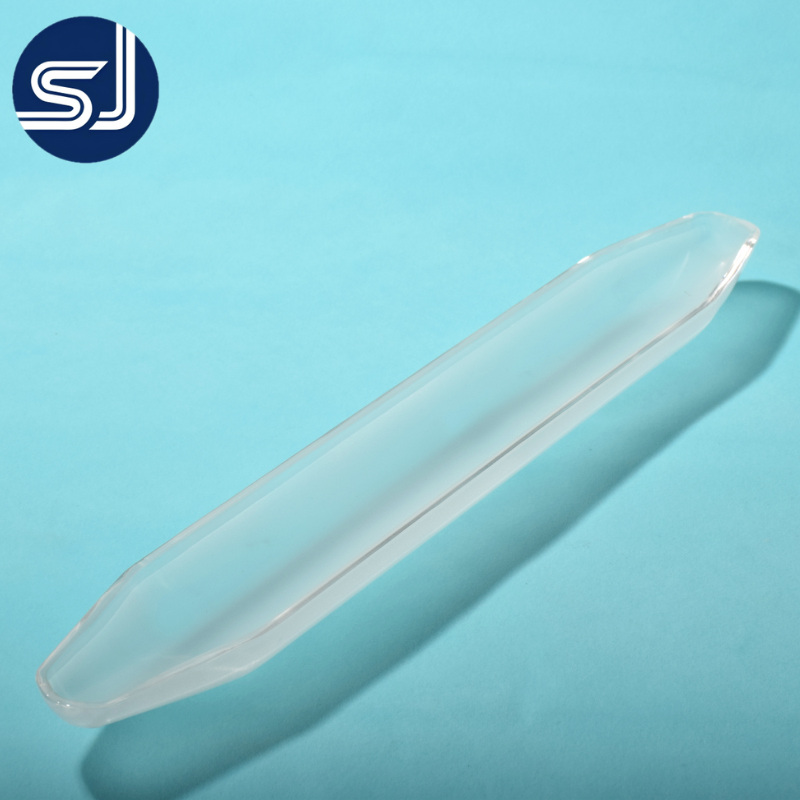
SJ 140 Customizable Transparent High Purity Quartz Boat
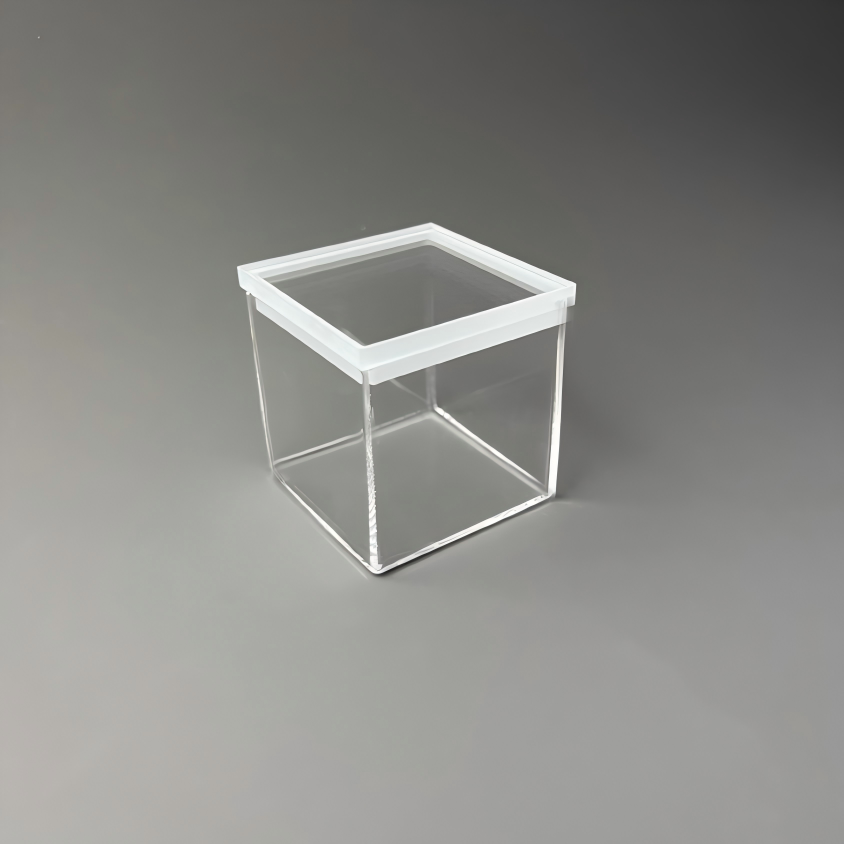
Quartz Sealed Electrolytic Cell Dome Closed End
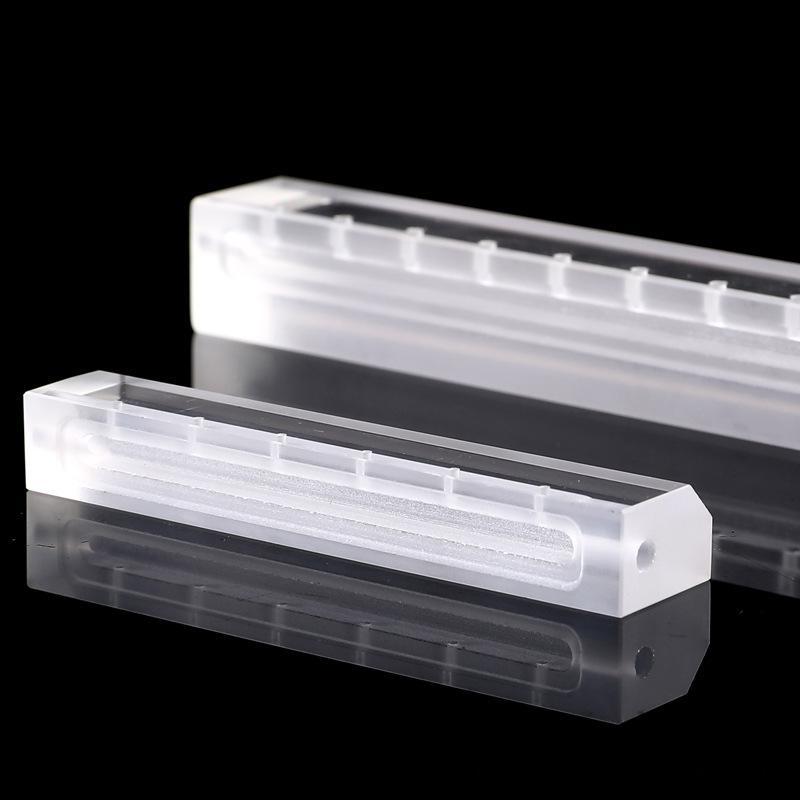
Ultra-Thin Optical Grade Quartz Testing Sheet (SJ 077)
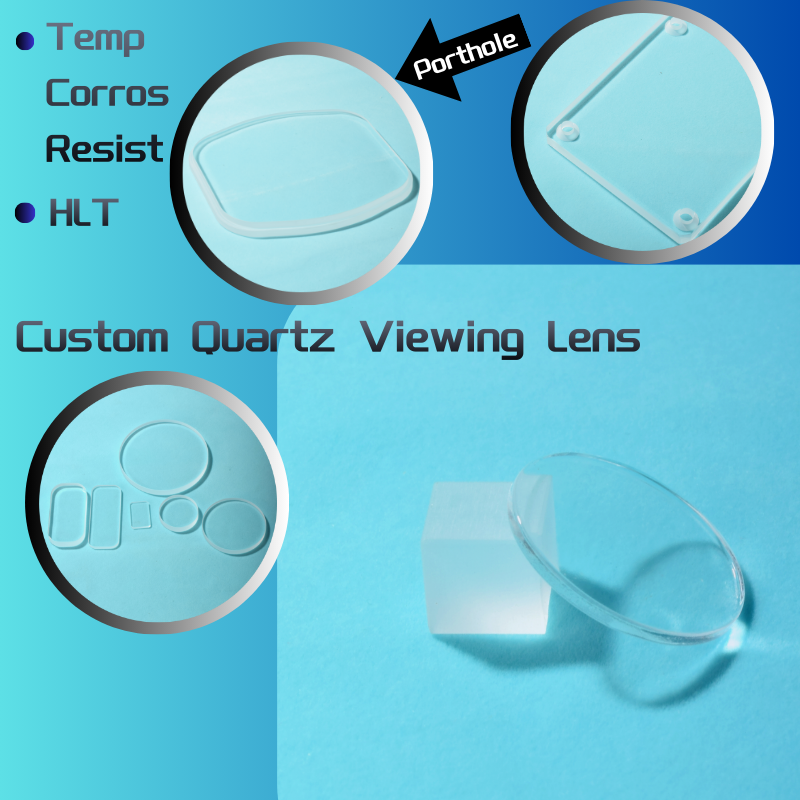
SJ 126 Natural Fused Quartz Square Thin Glass Slide
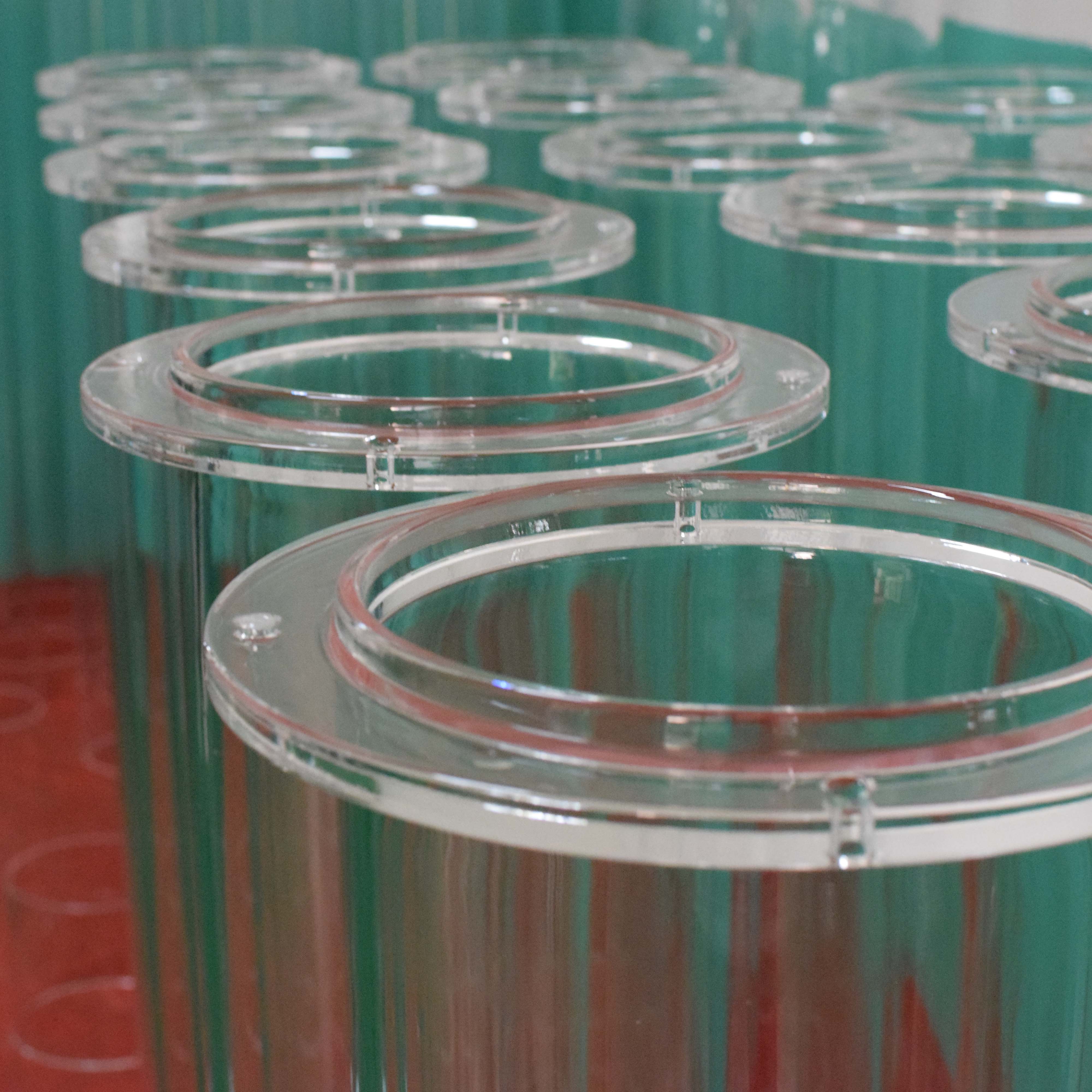
High Purity 99.999% Quartz Glass Tube Flange Re-feeder
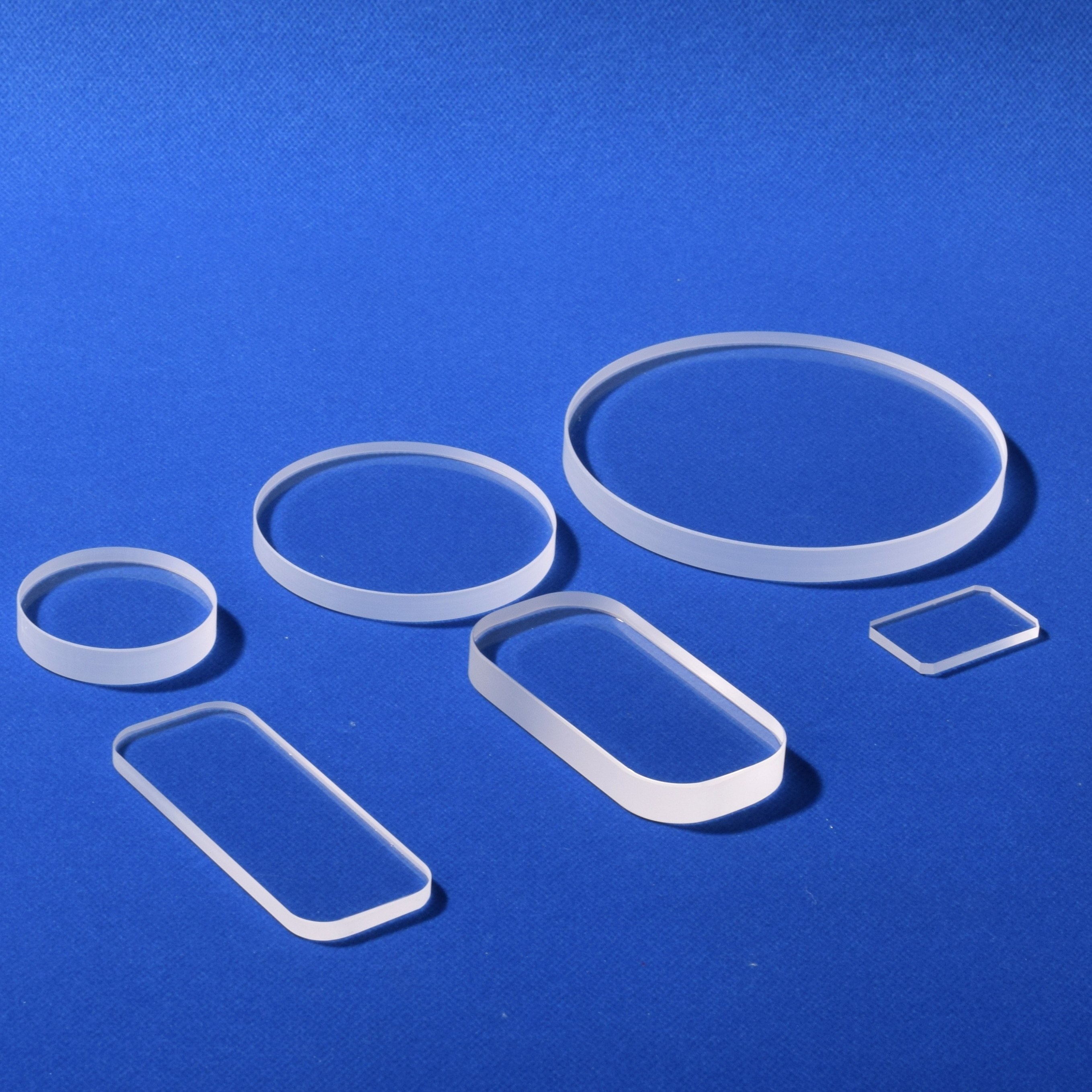
Customized Heat-Resistant Quartz Glass Watch Window
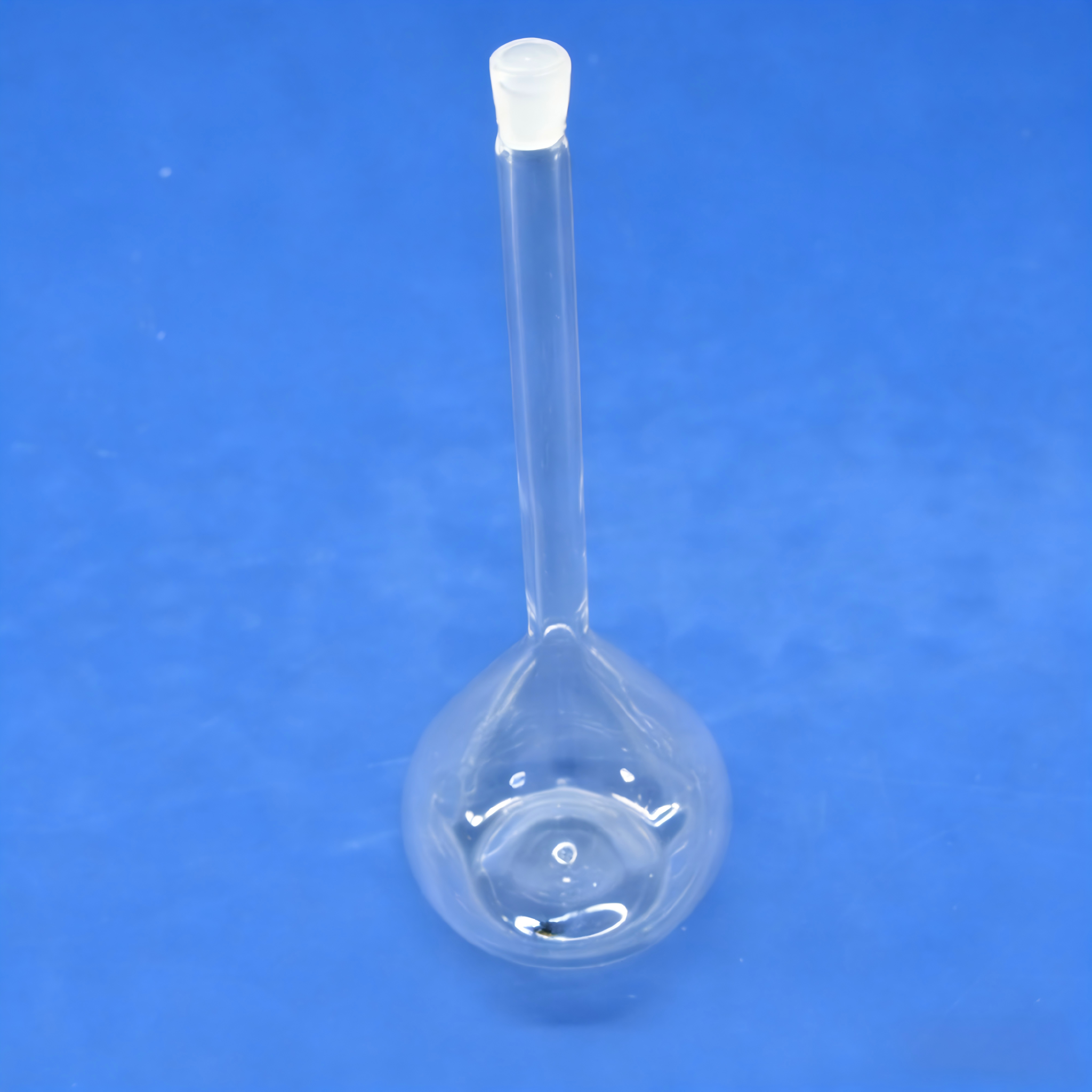
Custom High Purity Quartz Glass Lab Flask & Ampoule

High-Corrosion Resistant Semiconductor 400-Mesh Quartz
Optical Quartz Prism Physics & Material Selection for Kuala Belait
A rigorous examination of optical-grade silica grades, dispersion control, thermal stability, and Brewster-angle reflection in high-temperature, humid, and sulfur-rich operating regimes.
Synthetic Fused Silica (JGS1) vs. Natural Quartz (JGS2/JGS3)
Optical design engineers in the Belait District must balance spectral transmittance against structural rigidity. JGS1 (Synthetic Fused Silica) is produced via vapor-phase oxidation of high-purity silicon tetrachloride (SiCl₄), reducing metallic impurity concentrations below 1 ppm. This guarantees extreme transmission from 185 nm to 2500 nm, completely free of absorption bands in the UV-C region.
For downhole infrared spectrometry (e.g., MWD/LWD fluid analysis tools operating offshore Kuala Belait), JGS3 (Electrically Fused Silica) is deployed. With hydroxyl (OH⁻) content suppressed under 5 ppm, JGS3 eliminates the destructive 2.73 µm absorption dip, delivering transmission up to 3500 nm.
Thermal Shock Resilience & Wavefront Integrity (λ/10)
Kuala Belait’s equatorial ambient temperatures (32°C–38°C with >85% relative humidity) juxtaposed against high-temperature petrochemical discharge lines or downhole logging chambers (up to 200°C) cause severe wavefront distortion in standard optical borosilicate (N-BK7). Borosilicate exhibits a thermal expansion coefficient (CTE) of approximately 7.1 × 10⁻⁶/K, whereas fused quartz achieves an ultra-low CTE of 5.5 × 10⁻⁷/K.
This near-zero thermal expansion ensures that optical right-angle prisms, retroreflectors, and penta prisms retain their surface figure accuracy (λ/10 to λ/20 at 632.8 nm) across dynamic temperature deltas of over 800°C without mechanical fracturing or thermal lensing.
Surface Roughness & Laser Damage Threshold (LIDT)
Precision quartz prisms exported to Brunei undergo double-sided planetary pitch polishing, achieving surface roughness (Ra) down to <0.5 nm (5 Å) and scratch-dig specifications of 20-10 or 10-5 per MIL-PRF-13830B. Low sub-surface damage is non-negotiable for optical gas sensors and marine LiDAR transmitters deployed in the South China Sea.
High surface roughness induces localized electric field enhancement, triggering catastrophic dielectric breakdown when exposed to pulsed lasers. Our optical quartz prisms provide a validated Laser Induced Damage Threshold (LIDT) exceeding 10 J/cm² at 1064 nm (20 ns pulse, 20 Hz), preventing optics degradation.
| Optical Parameter | JGS1 (Synthetic Fused Silica) | JGS2 (Optical Fused Quartz) | JGS3 (Infrared Fused Quartz) | Borosilicate (Standard N-BK7) |
|---|---|---|---|---|
| Primary Spectral Range | 185 nm – 2,500 nm (Deep UV-NIR) | 220 nm – 2,500 nm (Standard Optical) | 260 nm – 3,500 nm (Extended IR) | 350 nm – 2,000 nm (Visible Only) |
| Hydroxyl (OH⁻) Concentration | < 1,200 ppm (Optimized for UV) | < 30 ppm | < 5 ppm (Water-Peak Free) | Not applicable (Multicomponent) |
| Thermal Expansion (20°C–320°C) | 5.5 × 10⁻⁷ / °C | 5.5 × 10⁻⁷ / °C | 5.5 × 10⁻⁷ / °C | 7.1 × 10⁻⁶ / °C (High Drift) |
| Refractive Index ($n_d$ @ 587.6 nm) | 1.4585 | 1.4585 | 1.4585 | 1.5168 |
| Continuous Service Temperature | 1,100 °C (Short peak 1,450 °C) | 1,100 °C (Short peak 1,450 °C) | 1,150 °C | < 450 °C |
| H₂S / Acid Condensate Stability | Inert (Zero etching by wet sour gas) | Inert | Inert | Subject to surface clouding & leaching |
| Recommended Kuala Belait Applications | UV Water Disinfection, Laser Spectrometry | Pyrometric Sight Windows, Surveying Prisms | Downhole Hydrocarbon FTIR Analysis | Non-critical benign indoor lab use |
Mission-Critical Quartz Prism Applications in Kuala Belait
From the upstream offshore rigs off the Seria coastline to the downstream processing facilities at Sungai Liang Industrial Park (SPARK), our custom optical quartz components serve Brunei’s core economic infrastructure.
1. Downhole MWD/LWD Optical Spectrometry
Offshore drilling in the Champion and Southwest Ampa fields relies on real-time Measurement-While-Drilling (MWD) optical fluid analyzers. Custom micro-prisms made of synthetic fused silica endure hydrostatic pressures exceeding 20,000 psi and 175°C downhole heat, isolating optical paths for spectral methane/ethane discrimination.
2. Refinery Flare Gas & Emission Monitoring
Downstream petrochemical operations in the Belait coastal corridor demand continuous Differential Optical Absorption Spectroscopy (DOAS) and tunable diode laser absorption spectroscopy (TDLAS). Right-angle quartz retroreflector prisms return probe beams across emission stacks, unimpeded by acidic soot and SO₂ gas.
3. Marine Offshore Surveying & Port Hydrography
Maritime logistics operating across the Kuala Belait River bar and supply vessel corridors require high-accuracy geodetic total stations and LiDAR bathymetry. Precision corner-cube prisms encased in marine-grade housing deliver total internal reflection with beam deviation under 2 arcseconds, resisting tropical sea-spray corrosion.
4. Produced Water Environmental Compliance
Strict environmental oversight requires continuous testing of Total Petroleum Hydrocarbons (TPH) in discharged formation water. Fused quartz spectrophotometer flow cells and dispersive equilateral prisms provide transmission down to 200 nm, capturing aromatic hydrocarbon absorption bands without background fluorescence.
5. High-Pressure Boiler & Reactor Sight Glasses
Steam-assisted gravity drainage and thermal recovery boilers in regional utility units utilize custom-machined optical quartz disc windows. Annealed to eliminate internal stresses, these observation windows withstand 150 bar steam pressures and severe thermal shock during unexpected emergency boiler shutdowns.
Macro Trends Driving Optical Quartz Consumption in Belait
Strategic structural shifts across Brunei Darussalam's energy matrix and technical manufacturing clusters demand increasingly sophisticated optical components.
Wawasan Brunei 2035 & Petrochemical Diversification
The Sultanate's long-term economic blueprint emphasizes moving down the hydrocarbon value chain. The expansion of downstream processing, ammonia/urea synthesis, and specialized chemical manufacturing in the Belait District necessitates laboratory-grade analytical hardware. Plant revamps replace standard optical glass with high-purity quartz prisms to prevent sensor drift in caustic process streams.
Offshore Asset Automation & Digital Oilfield Deployment
To reduce human exposure in unmanned offshore platforms in the South China Sea, operators are rolling out automated fiber-optic distributed sensing (DTS/DAS) and spectroscopic wellhead analyzers. Optical quartz prisms serve as resilient beam-steering elements inside explosion-proof sensor housings, functioning continuously without manual cleaning cycles.
Stringent Marine Environmental ESG Mandates
Brunei's maritime regulations have instituted tighter thresholds on produced-water effluent and fugitive methane venting. Kuala Belait testing laboratories are upgrading their UV-Vis spectrophotometers and Gas Chromatography-Mass Spectrometry (GC-MS) units, triggering recurring demand for certified high-transmittance optical cuvettes, windows, and prisms.
Climate-Resilient Optical Coatings for Tropical Salinity
High ambient heat combined with pervasive salt aerosols accelerates surface fogging, micro-pitting, and anti-reflective (AR) coating delamination. Kuala Belait buyers increasingly specify dielectric hard-coated quartz prisms compliant with MIL-C-675C, ensuring environmental durability over 5-year maintenance cycles.
Manufacturing Infrastructure & Technical Governance
Operating from Donghai County—the crystal manufacturing capital—Vulra Quartz controls every phase of the value chain, from raw silica crystal refining to CNC cold-machining and Zygo interferometer qualification.
End-to-End Precision Glass Fabrication Under One Roof
At Lianyungang Vulra Quartz Products Co., Ltd., we eliminate outsourcing vulnerabilities. Raw quartz sand is electrically or gas-fused into high-homogeneity ingots with bubble class 0 (no bubbles or inclusions under polarized examination).
Our state-of-the-art cold-machining workshop features 5-axis CNC diamond grinding, high-precision wire saws, double-sided planetary lapping, and pitch polishing machines capable of controlling angular tolerances to within <3 arcseconds and surface flatness to λ/20. Every optical prism destined for export to Kuala Belait is thermally annealed in computer-controlled electric kilns to permanently relieve internal mechanical stresses, preventing optical birefringence.
Following hot and cold processing, parts undergo hydrofluoric/nitric acid pickling, ultrasonic deionized-water cleaning in a Class 10,000 cleanroom, and spectrophotometer verification.
TÜV Rheinland Assessed Manufacturer
On-site audited production facilities, engineering workflow, and legal operational status verified by third-party inspection.
CE Marked Optical & Laboratory Lines
Fully compliant with European Union product safety directives, standardizing glass pressure and thermal parameters.
RoHS Hazardous Substance Compliance
Guaranteed 100% free of lead, cadmium, mercury, or harmful heavy metals—safe for marine discharge testing hardware.
Direct CAD/Drawing Custom Prototyping
OEM/ODM from 1 single piece. Send STEP, IGES, DXF, or PDF engineering prints for rapid DFM analysis within 24 hours.
Frequently Asked Questions by Kuala Belait Buyers
Crucial commercial, technical, and regulatory clarity for Brunei supply chain managers, instrumentation engineers, and laboratory procurement leads.
How do you ship fragile optical quartz prisms directly to Kuala Belait, Brunei?
We manage door-to-door (DAP/DDP) and port-to-port (CIF Muara Port) freight routes. For urgent shutdown or drilling maintenance in Seria/Kuala Belait, we utilize DHL/FedEx Express into Brunei International Airport (BWN) with transit times typically ranging from 4 to 6 business days. For bulk tubes, furnace boats, or heavy sight glass windows, sea-freight consolidations clear customs at Muara Port before transport via the Muara-Tutong Highway directly into the Belait District.
How does your optical quartz endure Kuala Belait's >85% relative humidity and marine salinity?
Unlike multi-component silicate optical glasses (e.g., standard flint or crown glass) which contain alkali oxides susceptible to water leaching, ionic migration, and surface hazing, our prisms are fabricated from 99.99%+ pure fused silica (SiO₂). SiO₂ is chemically inert to saline atmosphere, hydrochloric mist, and sour hydrogen sulfide (H₂S). Our optical-grade prisms maintain surface figure and zero fogging without hydrolytic breakdown.
What documentation and test reports accompany custom optical shipments?
Every dispatch to Brunei includes a comprehensive Quality Dossier: Certificate of Conformance (CoC), raw material spectrometry assay (verifying 99.99%–99.999% SiO₂ purity and trace metal limits), spectrophotometer UV-Vis-NIR transmission curves (190 nm–3200 nm), Zygo laser interferometer surface flatness reports (showing PV and RMS values), and precise dimensional inspection certificates.
Can you provide custom anti-reflective (AR) and mirror coatings on prisms?
Yes. We apply vacuum electron-beam dielectric hard coatings tailored to your application: single-wavelength AR (e.g., 532 nm, 1064 nm for Nd:YAG lasers), broadband AR (BBAR 400–700 nm or 1050–1600 nm for telemetric sensors), and high-reflection metal coatings (Protected Gold, Enhanced Aluminum, or Silver) on retroreflector hypotenuses. All thin-film coatings comply with MIL-M-13508C for severe abrasion, adhesion, and salt-fog durability.
What is the minimum order quantity (MOQ) for non-standard geometric prism designs?
Our MOQ for customized, drawing-based optical quartz prisms, windows, and sight glasses starts at just 1 piece. This enables instrumentation engineers in Kuala Belait to validate physical dimensional fit, beam-deviation tolerance, and optical path alignment in pilot downhole logging tools or experimental refinery setups before committing to serial batch orders.
How do you safeguard fragile optical glass during long-distance export handling?
We implement optical-grade, zero-residue lens wrapping paper, vacuum static-dissipative sealed bags, custom high-density CNC cut EVA foam chambers, and reinforced multi-wall corrugated cartons. For larger batches or heavy quartz sight-glass flanges, items are enclosed in export-certified, ISPM-15 compliant heat-treated wooden crates, ensuring zero transit breakage across maritime container or air freight routes.
Accelerate Your Optical Engineering Project
Connect directly with Vulra Quartz application engineers. Submit your 2D/3D optical drawings or custom specifications for instant Design-For-Manufacturability (DFM) assessment and an export quotation for the Kuala Belait market.