Semiconductor Grade
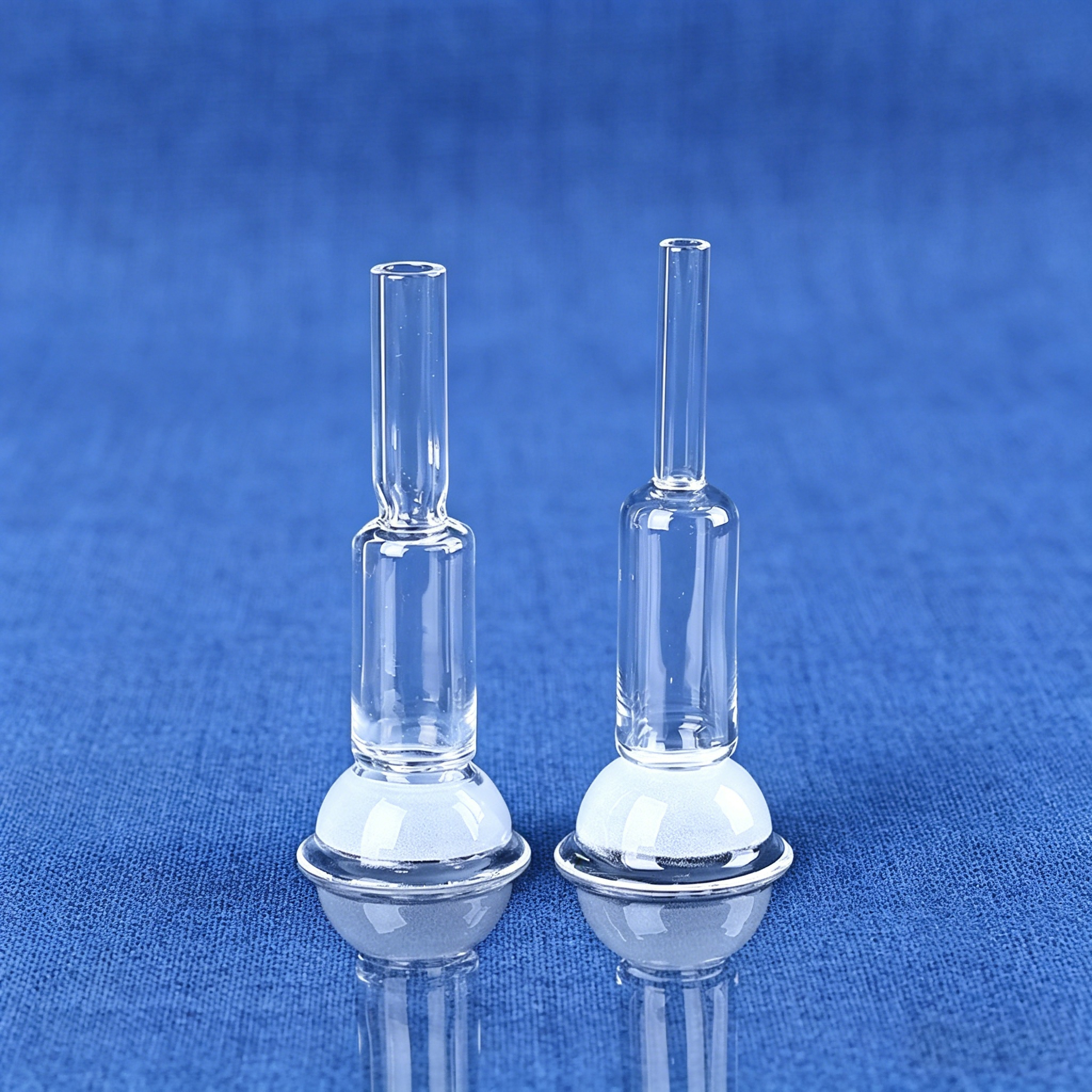
Selected high-temperature quartz components manufactured to tight tolerances (ISO 2768-m) for immediate export delivery to Emilia-Romagna industrial zones.
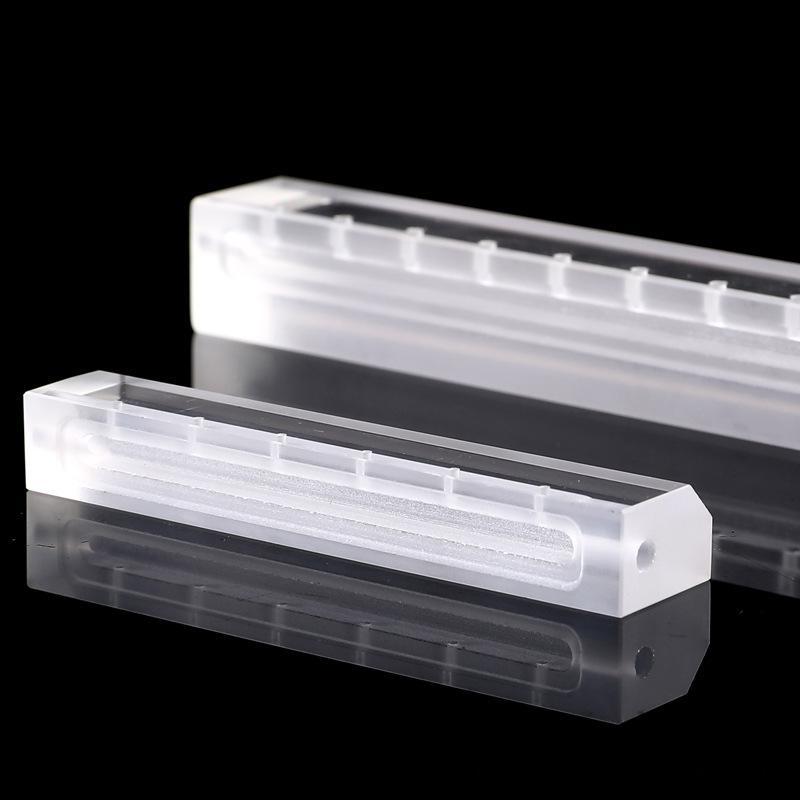
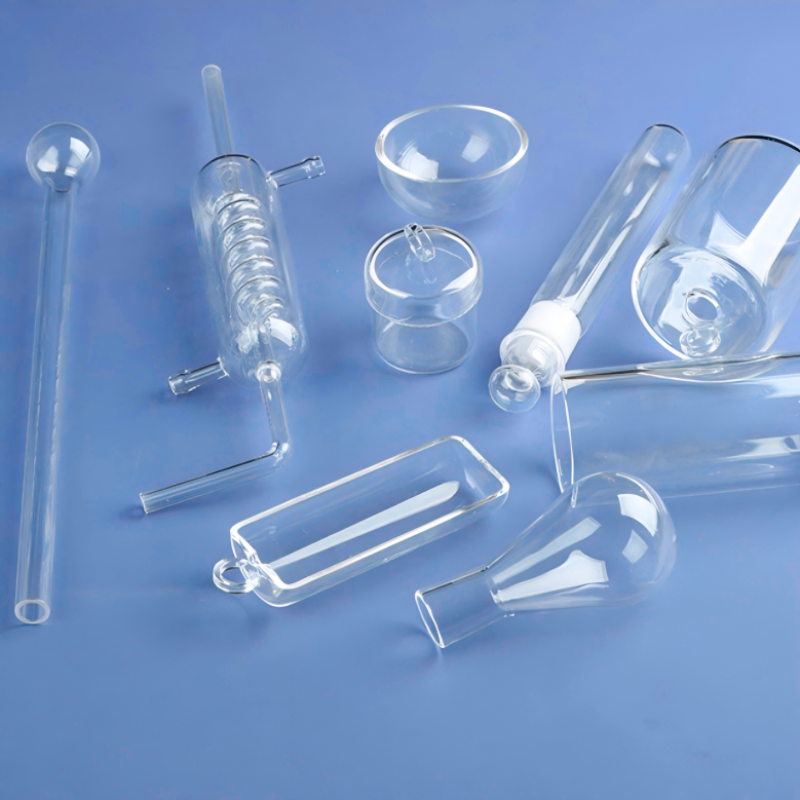
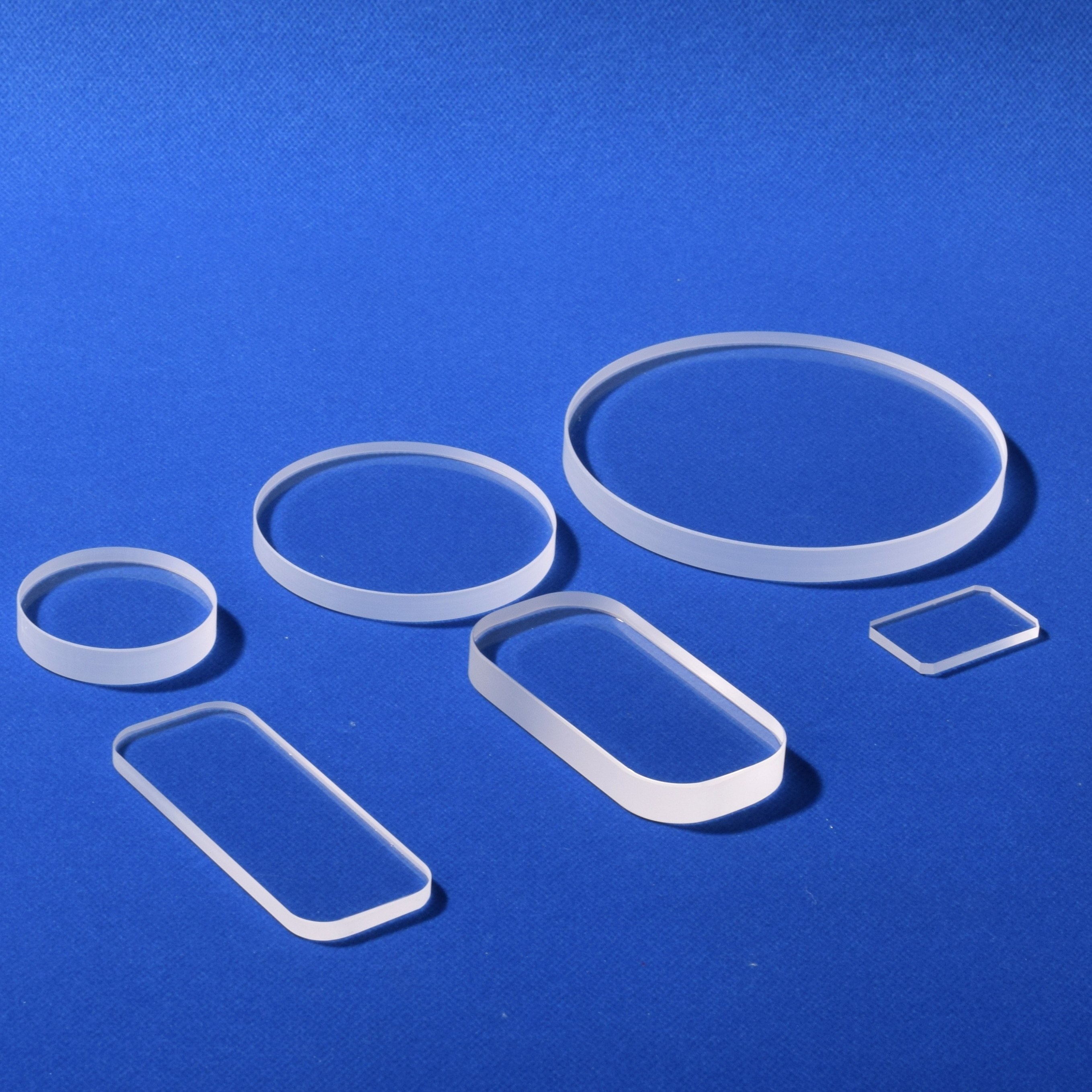
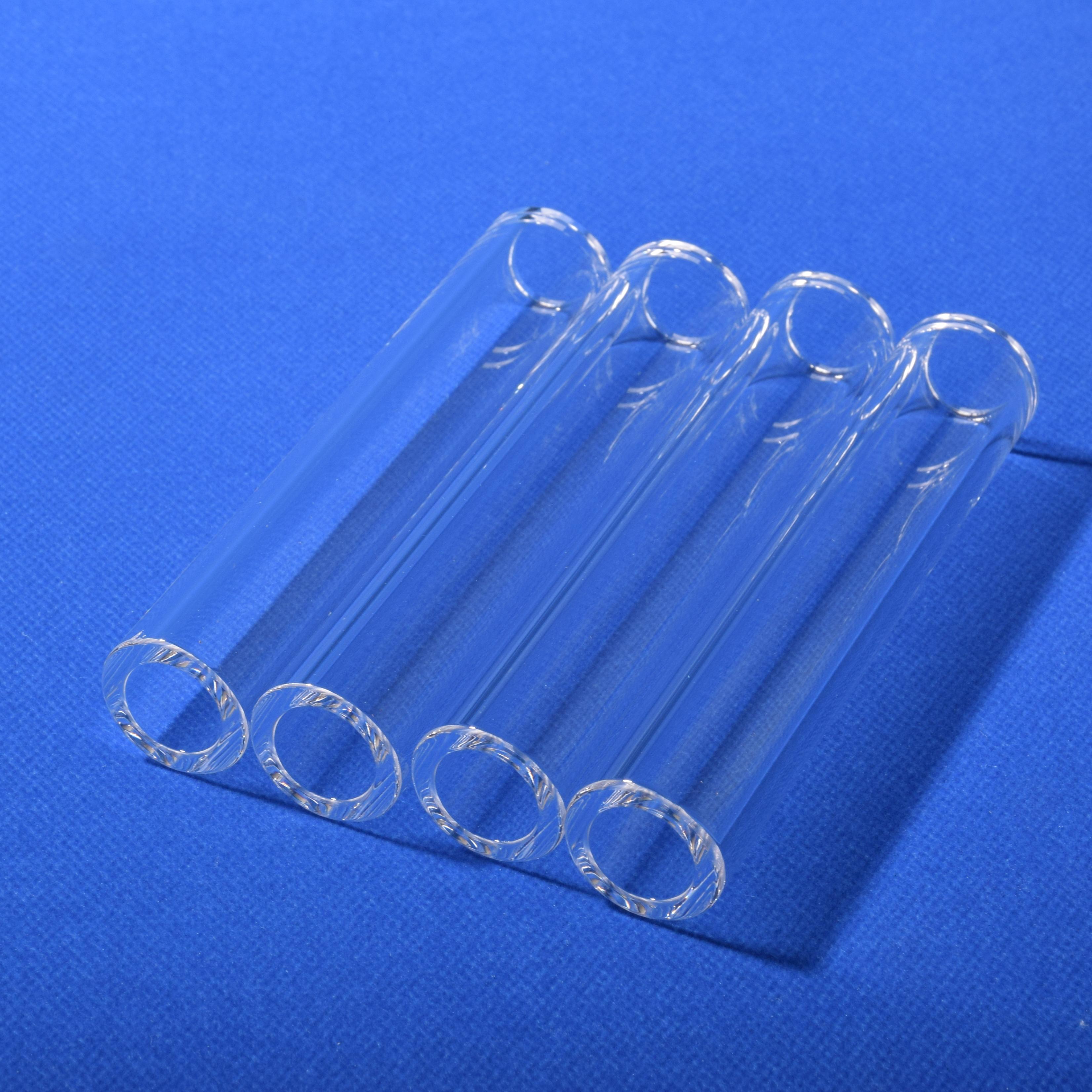
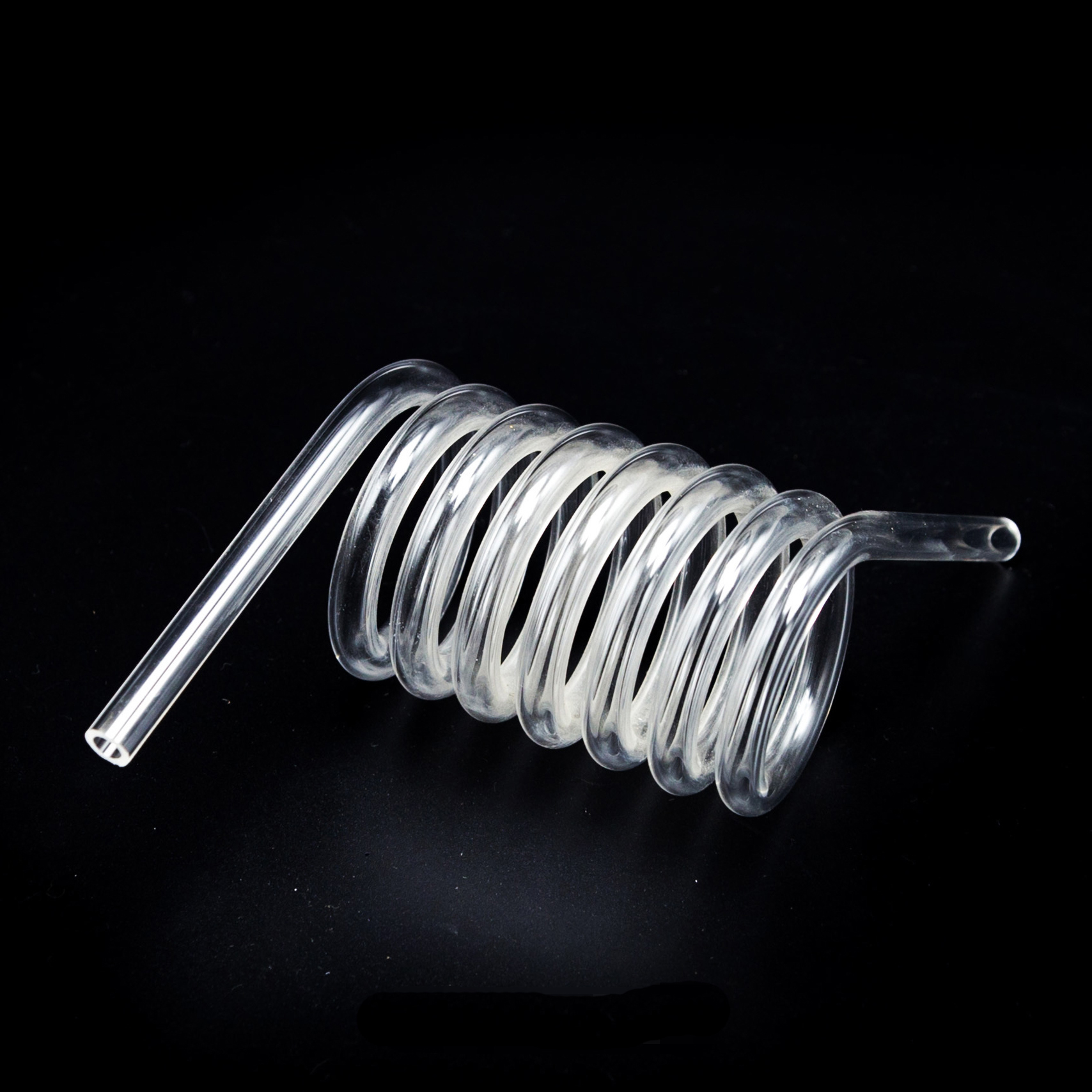
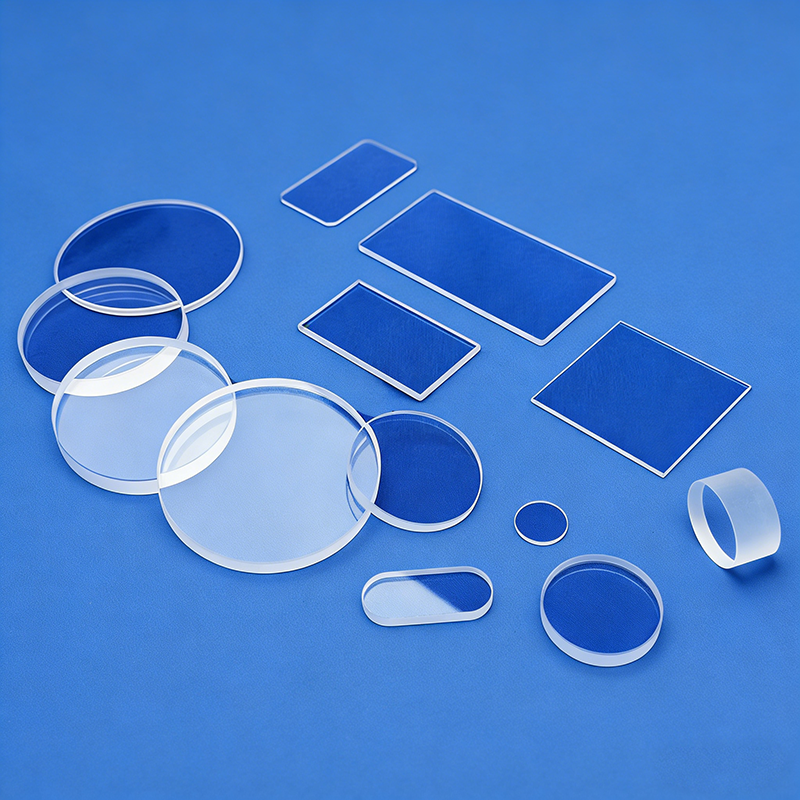
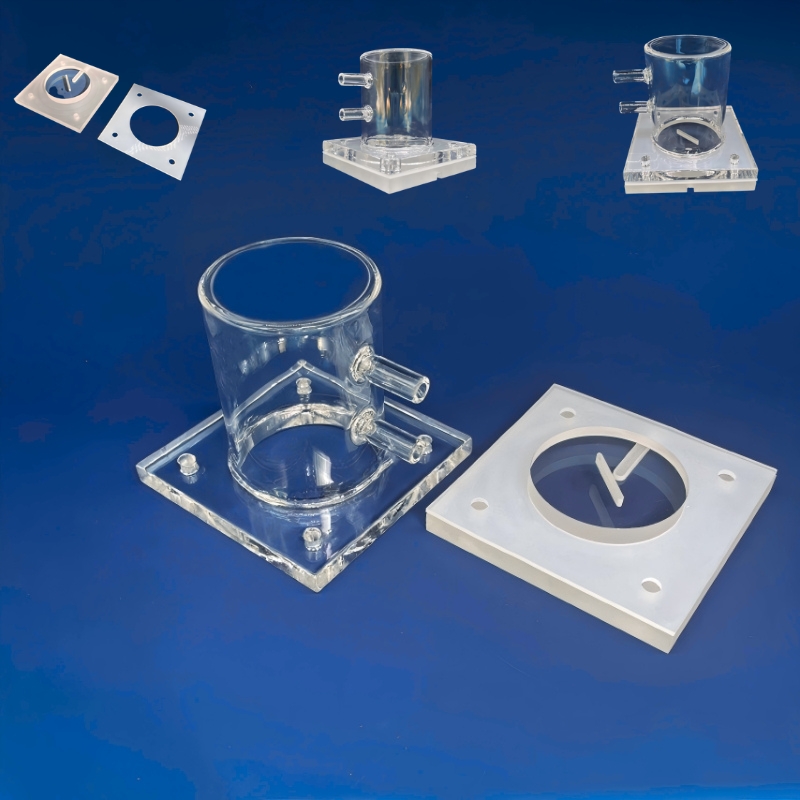
A rigorous metallurgical and thermodynamic evaluation of opaque fused silica rods for high-temperature insulation, chemical inertness, and structural support in Northern Italy's advanced machinery corridors.
Opaque quartz rods (often designated as translucent fused silica or milky quartz rods) are engineered by melting ultra-pure quartz grains derived directly from high-grade natural deposits under controlled thermal parameters. Unlike standard optical clear quartz glass, opaque quartz deliberately incorporates an engineered matrix of uniformly distributed microscopic gas bubbles (typically 10 to 50 micrometers in diameter). This specialized porous internal structure alters the refractive index gradient, resulting in exceptional optical diffuse reflection, drastically lower thermal radiation conductivity at elevated temperatures, and superior resistance to thermal deformation.
For industrial design engineers in Bologna, San Lazzaro di Savena, Calderara di Reno, and Imola, opaque quartz rods provide an indispensable combination of properties: near-zero coefficient of thermal expansion ($5.5 \times 10^{-7} / ^\circ\text{C}$), unparalleled thermal shock tolerance (capable of withstanding instantaneous red-hot cycling from $1100^\circ\text{C}$ directly into ambient water without catastrophic cracking), and complete chemical neutrality against aggressive reagents, oxidizing atmospheres, and molten salts.
The internal scattering mechanism within opaque quartz rods attenuates direct infrared radiation transfer. In conventional transparent quartz, radiative heat transfer increases as $T^3$ according to the Stefan-Boltzmann principles, rendering clear quartz relatively transparent to high-temperature thermal radiation between $800^\circ\text{C}$ and $1400^\circ\text{C}$. In contrast, the micro-bubble dispersion inside opaque quartz reflects and diffracts radiant heat back toward the heat source, functioning as an active ceramic-like heat baffle while preserving the mechanical integrity and purity of semiconductor-grade fused silica.
| Physical Property Parameter | Standard Clear Quartz Rod | Opaque (Translucent) Quartz Rod | Engineering Implication for Machinery |
|---|---|---|---|
| Chemical Purity ($\text{SiO}_2$) | $\ge 99.99\%$ | $\ge 99.98\% - 99.99\%$ | Zero heavy metal leaching in cleanroom heating |
| Thermal Expansion ($0-1000^\circ\text{C}$) | $5.5 \times 10^{-7} / ^\circ\text{C}$ | $5.4 \times 10^{-7} / ^\circ\text{C}$ | Eliminates structural buckling under cyclic heat |
| IR Radiation Attenuation | Low (Direct Transmission) | Ultra-High (Diffuse Reflection > 90%) | Acts as an energetic thermal barrier & shield |
| Max Continuous Operating Temp | $1100^\circ\text{C}$ | $1100^\circ\text{C}$ | Maintains dimensional stability in kiln atmospheres |
| Short-Term Peak Temperature | $1450^\circ\text{C}$ | $1400^\circ\text{C}$ | Survives sudden furnace overshooting surges |
| Dielectric Strength ($20^\circ\text{C}$) | $25-40\ \text{kV/mm}$ | $20-35\ \text{kV/mm}$ | Exceptional high-voltage & HF coil insulation |
Our raw quartz sand originates from Donghai—the global hub of natural silica refinement. The processing cycle includes high-temperature chlorination, magnetic separation, and hydrofluoric/nitric acid pickling to suppress detrimental alkali and transition metals that catalyze devitrification (cristobalite formation) at temperatures above $1050^\circ\text{C}$.
A typical batch ICP-OES elemental analysis indicates: Aluminum (Al) < 14 ppm, Iron (Fe) < 0.8 ppm, Calcium (Ca) < 0.6 ppm, Sodium (Na) < 1.0 ppm, Potassium (K) < 1.2 ppm, and Titanium (Ti) < 1.1 ppm. This purity profile ensures that when opaque quartz rods are deployed as thermal supports or thermocouple sheaths inside controlled-atmosphere furnaces in Emilia-Romagna, zero contamination risks compromise the workpieces.
Bologna represents the pinnacle of European automated packaging, advanced automotive engineering, and ceramic equipment manufacturing. Here is how our opaque quartz rods integrate into local mechanical architectures.
The Bologna Packaging Valley (comprising global packaging machinery builders) requires high-end thermal isolation in thermoforming, blister sealing, and continuous shrink-wrapping bars. Opaque quartz rods serve as precision non-conductive backer rods and radiant heat shields, preventing unwanted heat dissipation into nearby robotic servos and pneumatic guides.
Within the prestigious Motor Valley (Modena-Bologna corridor), precision heat treatment of engine blocks, transmissions, and EV motor copper windings utilizes high-frequency induction heating. Opaque quartz rods function as non-magnetic, high-dielectric structural alignment pins and workpiece positioners that withstand proximity to 300 kHz RF electromagnetic fields without internal heating.
Along the Bologna-Sassuolo ceramic machinery corridor, tile and sintered stone continuous kilns require durable thermal baffles, pyrometer isolation rods, and burner block isolators. Our opaque quartz rods resist molten silicate vapor corrosion, providing months of continuous service at $1100^\circ\text{C}$ without sagging or vitreous spalling.
Bologna's active biomedical hub produces medical devices and injectable vials requiring depyrogenation tunnels and autoclave infrared drying arrays. Opaque quartz rods act as ultra-pure emitter reflectors and glass transport rollers, ensuring zero chemical shed, zero particulate dusting, and full compliance with strict cleanroom standards.
Research departments at the University of Bologna (Alma Mater Studiorum) and regional CNR institutes employ custom machined opaque quartz rods as thermal decoupling spacers in vacuum tube furnaces, chemical vapor deposition (CVD) tubes, and analytical testing rigs where low radiative background is required.
Manufacturers of cartridge heaters, tubular immersion elements, and radiant heating panels utilize slotted and centerless ground opaque quartz rods as high-temperature internal insulating cores. The micro-bubble structure cushions resistance wire expansion, preventing short circuits and lengthening heating mantle lifespan.
Analysis of how procurement heads, R&D managers, and system integrators in Bologna are reconfiguring quartz sourcing strategies for competitiveness and supply security.
Traditionally, Italian machine builders procured quartz stock via local European resellers who added 200–400% markups while offering standard lead times of 8 to 12 weeks. Bologna manufacturers are increasingly executing direct-from-factory OEM contracts with audited Asian producers like Vulra Quartz, cutting supply costs by up to 50% while achieving full drawing customization from 1-piece batches.
With Italian packaging automation running at faster cycle rates (>800 cycles/min), thermal components must maintain precise concentricity, tight outer diameter tolerances (±0.05 mm), and polished chamfered ends. Procurement specs in Emilia-Romagna now demand complete CNC cold-machining reports, dimensional CMM verifications, and stress-relieved flame annealing certificates before shipment.
Under Italy's "Transizione 5.0" tax incentive frameworks, machinery makers must prove measurable reductions in kilowatt-hour consumption per cycle. Replacing standard transparent quartz rods with high-reflectance opaque quartz rods in heating tunnels significantly cuts radiative thermal losses, lowering total machine power draw and earning Italian equipment OEMs vital energy certifications.
Combining world-class natural mineral reserves from Donghai County with rigorous European quality assurance (TÜV Rheinland, CE, RoHS) and precision hot & cold processing.
Our production base at No. 9 Dingxin Road, Jiangsu Donghai Economic Development Zone has undergone exhaustive on-site audit by TÜV Rheinland. Legal manufacturing status, hot and cold processing facilities, quality management systems, and export trade capacity are independently authenticated.
Located in Donghai County—recognized globally as the crystal capital—we command immediate, uninterrupted access to top-tier quartz sand feedstock. This direct supply chain integration eliminates raw material delays and guarantees consistent silica purity (>99.99%) across every production run.
From high-temperature oxy-hydrogen flame benches and precision glass-blowing lathes to automated diamond saw cutting, centerless cylindrical grinding, slotting, threading, and laser polishing—all operations are housed under one roof, guaranteeing tight structural concentricity and zero inter-supplier friction.
We empower Bologna R&D teams and bespoke machine builders to order exact drawing-specified quartz prototypes from just 1 piece. Our senior application engineers evaluate wall thickness ratios, flame-affected zones, and thermal stress points before firing a single torch.
All finished opaque and transparent quartz components comply fully with the European Union's RoHS directives and carry CE conformity markings. Each shipment is traceable with batch material test reports (MTR) verifying the absence of hazardous lead, mercury, cadmium, or hexavalent chromium.
Fragile quartzware demands specialized global transit. We utilize custom high-density EPE foam cradles, individualized corrugated partitions, and ISPM-15 compliant export plywood crates with air-freight options into Bologna Guglielmo Marconi Airport (BLQ) or sea shipments through Ravenna/Genoa.
Direct answers from our senior quartz application engineering team to the technical and commercial questions most frequently raised by Italian mechanical engineers and supply chain directors.
Opaque quartz rods contain microscopic air bubbles that act as diffuse reflectors, preventing up to 90% of direct infrared radiation from penetrating through the rod. In Bologna's packaging and film-sealing machines, this creates a localized thermal barrier that concentrates radiant heat where needed (at the packaging film) while protecting adjacent mechanical fixtures, belts, and bearings from excessive heat accumulation.
For standard drawn opaque quartz rods, we hold OD tolerances of ±0.2 mm. For precision automated machinery requirements in Emilia-Romagna, our centerless grinding and diamond polishing lines can deliver outer diameter tolerances down to ±0.02 mm and total length tolerances of ±0.1 mm, adhering strictly to ISO 2768-fine specifications.
We deploy a zero-breakage export packaging protocol: each quartz rod is wrapped in scratch-resistant antistatic PE film, suspended individually inside high-density EPE foam cavities, and secured inside shock-absorbing master cartons. Larger rods or bulk batches are crated in custom-built, fumigated plywood boxes with exterior shock-watch and tilt indicators. Our verified ocean and air loss rate is below 0.1%.
Yes. Our engineering department works natively with CAD/CAM platforms (AutoCAD, SolidWorks, STEP, IGES). You can supply drawings specifying required slotting, chamfers, internal bores, threading, or bent shapes. We perform a complimentary manufacturability review (DFM) within 24 hours, flagging any thermal stress risks or wall thickness constraints.
For custom prototype quantities (1 to 10 pieces), production typically requires 5 to 8 working days. Express air courier transit (DHL/FedEx/UPS directly into Bologna Guglielmo Marconi Airport - BLQ or Milan MXP) requires an additional 3 to 5 business days. Recurring scheduled batch shipments can be routed via air freight or LCL sea freight directly through the Port of Ravenna or Genoa.
Every industrial consignment shipped to Italy is accompanied by our Certificate of Conformity (CoC) and batch chemical purity report detailing trace elemental analysis. Formal RoHS compliance statements and CE declaration certificates are supplied directly to assist with machine CE marking files.
Connect immediately with our technical sales engineers. Whether you need a single prototype opaque quartz rod for machinery validation in Bologna or high-volume series supply for your production lines, we provide competitive factory-direct pricing, drawing verification, and full compliance documentation.