High-Purity Quartz Hardware for Specialized Industrial Processing
Direct supply from verified manufacturing facilities to Sofia Tech Park, Botevgrad microelectronics corridors, and academic research institutions across Western Bulgaria.
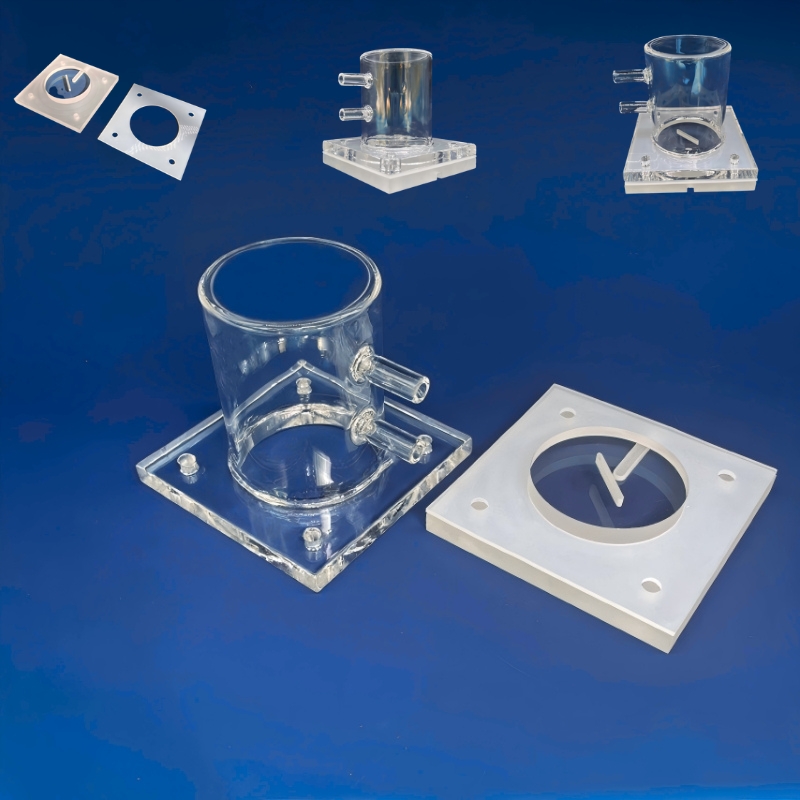
Quartz Photocatalytic Reactor Hydrogen Oxygen Production Via UV Photodegradation
Ozone-free translucent fused quartz moulding with precision flame-polished cutting designed for chemical water splitting and advanced oxidation.
View Specifications →
High-Corrosion Resistant High-Temperature Semiconductor 400 Mesh Lab Quartz
Ultra-pure semiconductor grade fused silica with long lifespan, resilient against aggressive acid exposure and rapid thermal cycling up to 1100°C.
View Specifications →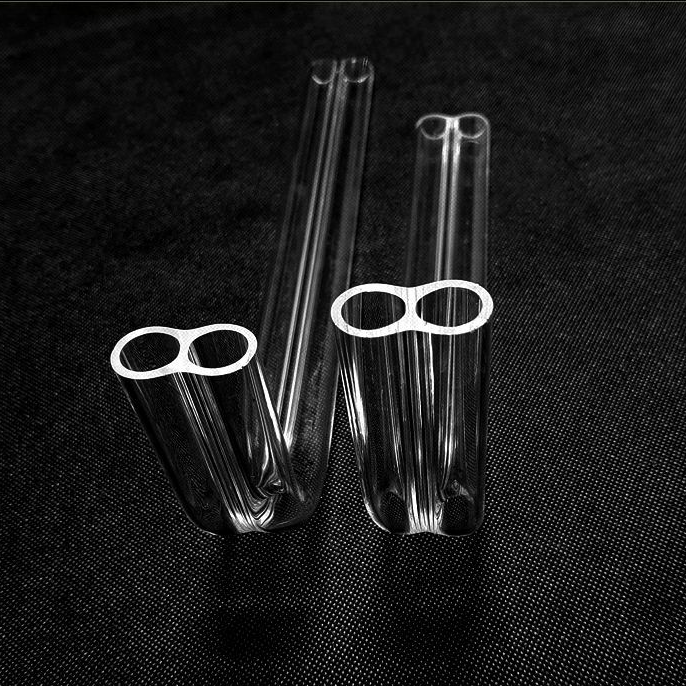
High-Temperature 99.999% Fused Quartz Double-Tube Right-Angle Elbow
Precision multi-axis lathe bending and cutting. Engineered for CVD tube furnace gas delivery lines and high-temperature vacuum purge connections.
View Specifications →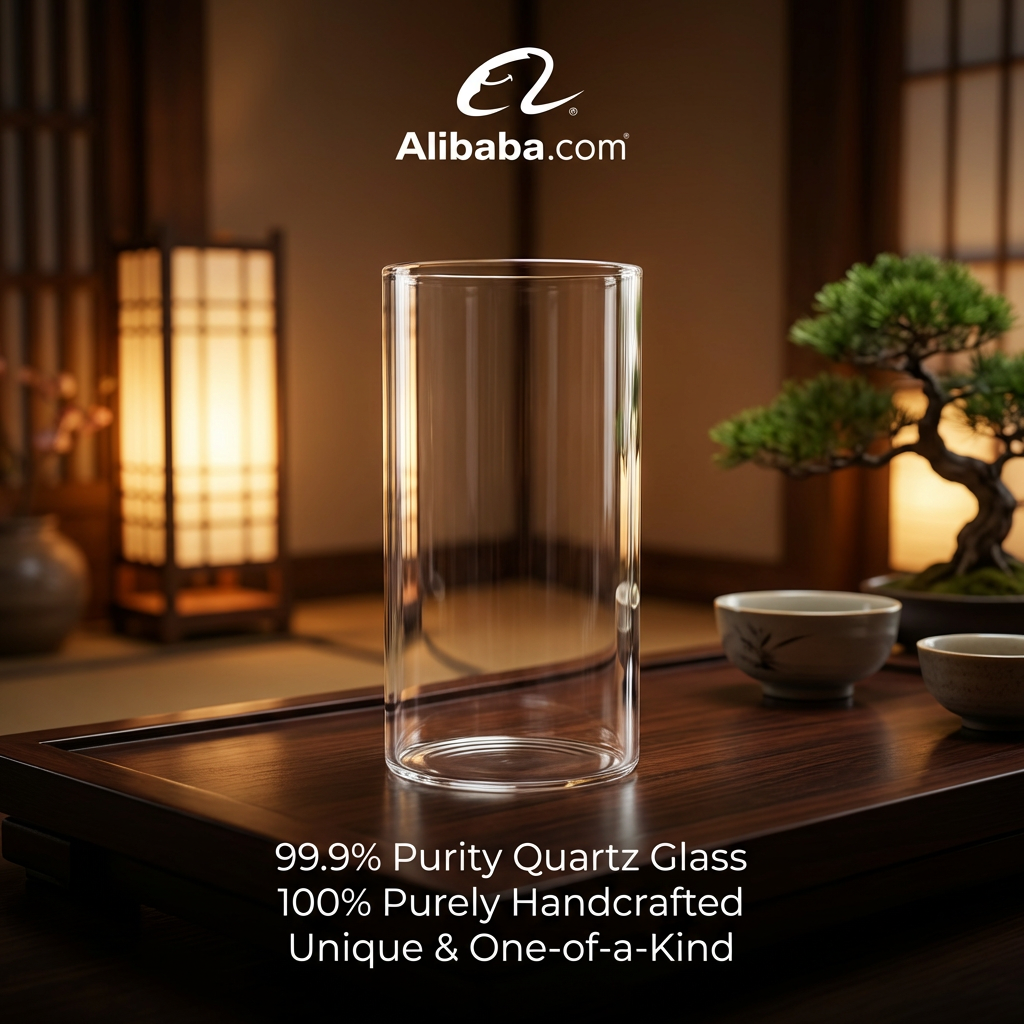
Custom Clear Fused Quartz Tube Fire Polished Hand-Blown Silica Glass Cup SJ 226
Heavy-wall hand-blown optical grade fused silica vessel. Highly resistant to instantaneous thermal shock across a differential of 1000°C.
View Specifications →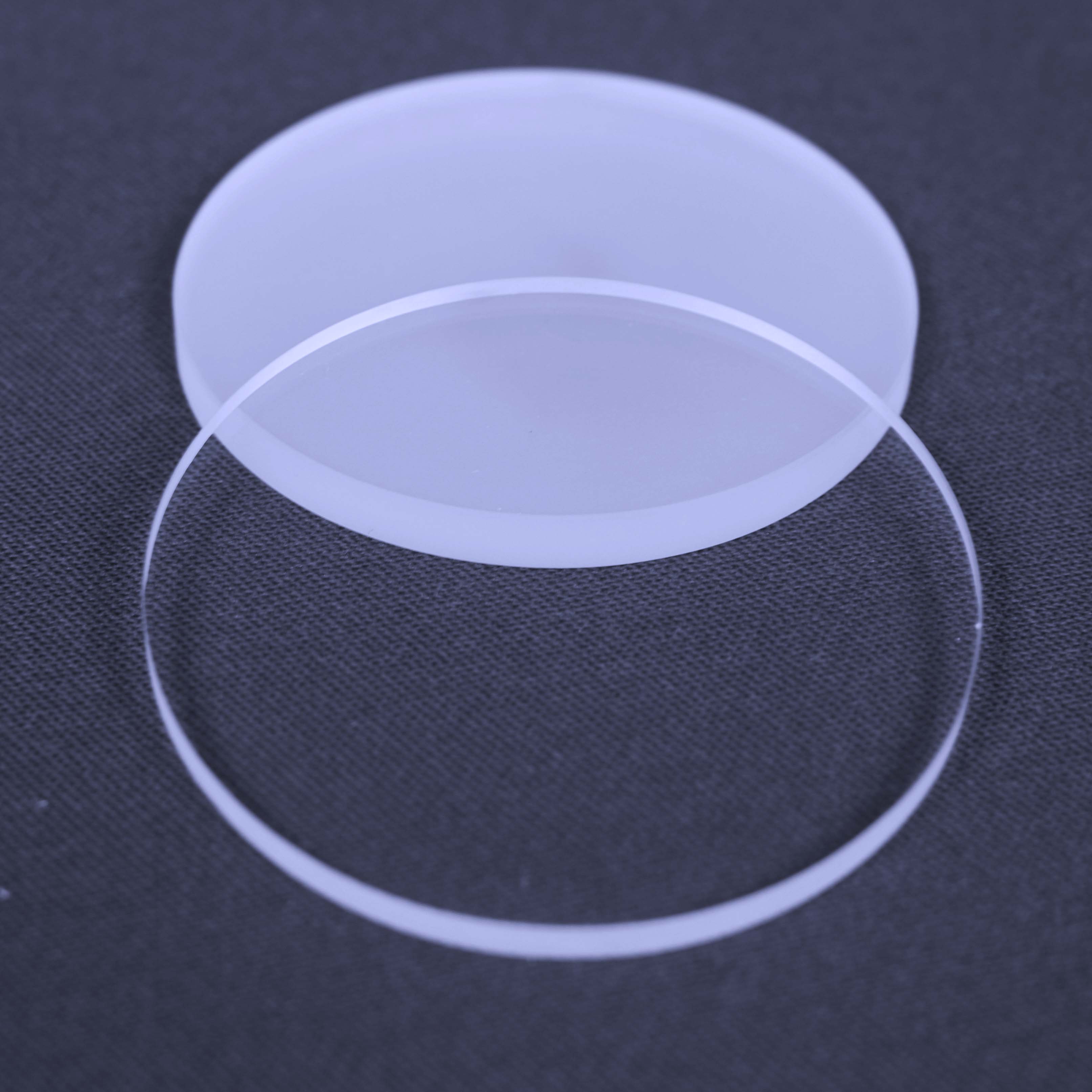
XRD Quartz Holder Circular Plate High Transmittance Optical Grade Welding
Ultra-flat X-ray diffraction sample holders minimizing background diffraction noise. Precision ground and laser-profiled for crystal crystallography testing.
View Specifications →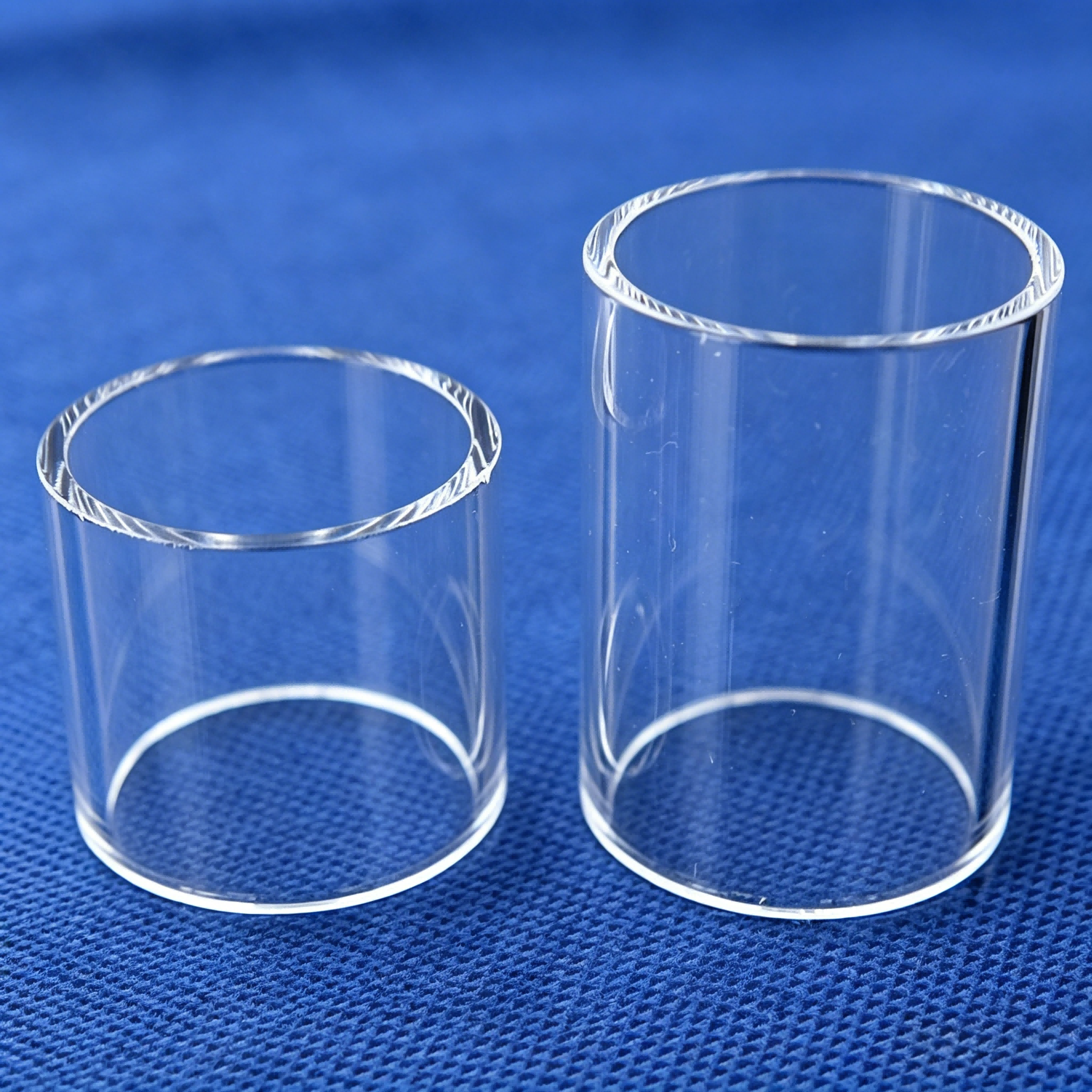
Custom High-Temperature Corrosion-Resistant Twin-Tube Quartz Pipe SJ 210
Dual-channel structural quartz piping featuring polished exterior surfaces and precision welding. Ideal for heat exchangers and plasma reaction jackets.
View Specifications →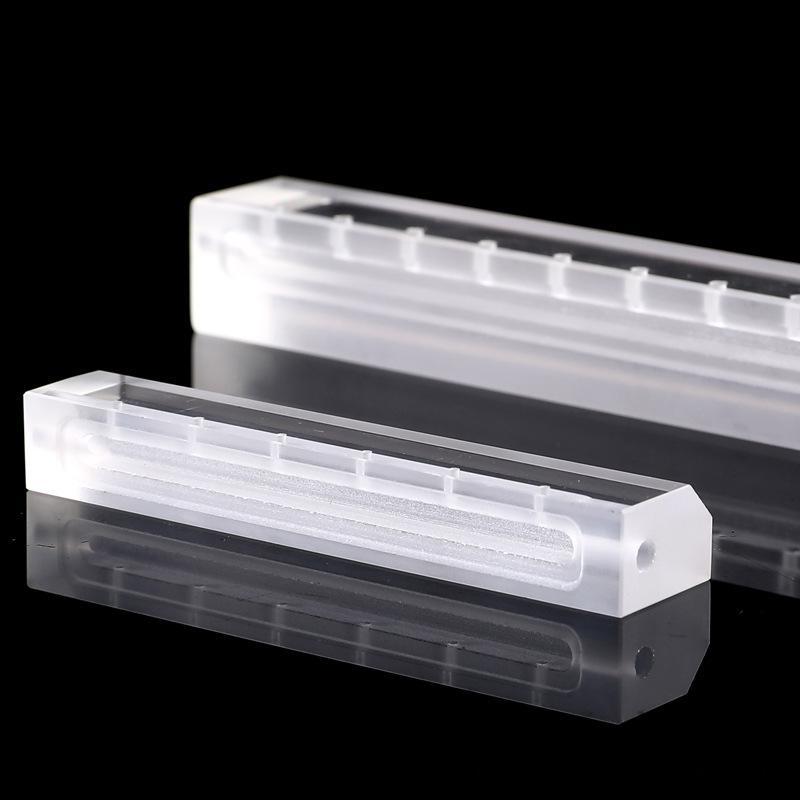
Clear Quartz Testing Sheet Ultra-Thin Optical Grade Circular Disc Model SJ 077
Super-polished thin substrate with superior thermal conductance and high transmission spanning deep ultraviolet through near-infrared spectra.
View Specifications →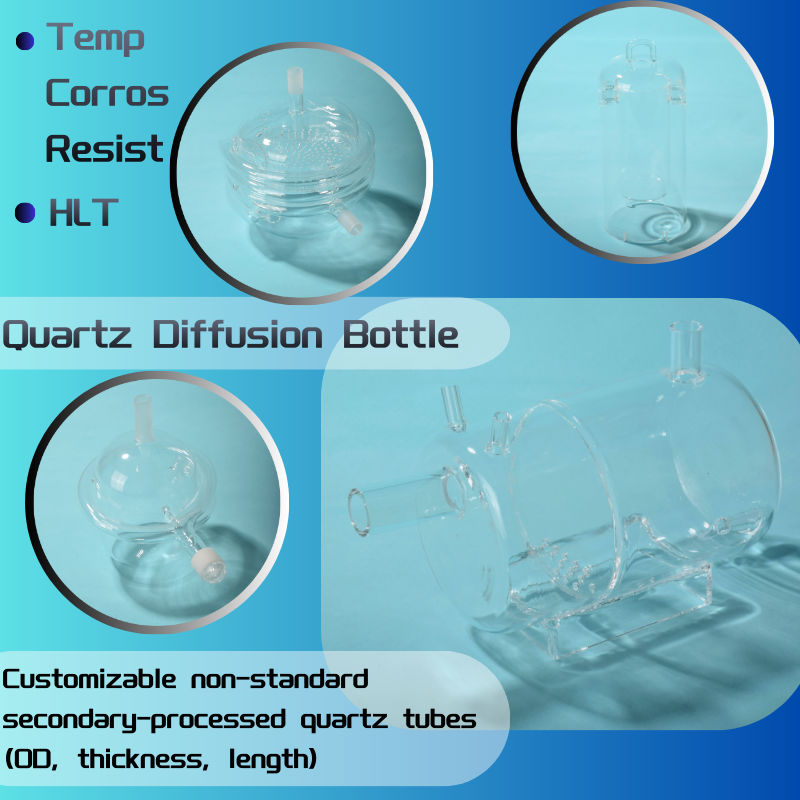
SJ 135 High-Purity Clear Quartz Condensers Separatory Funnels Purification Units
Semiconductor grade chemical separation apparatus, high-vacuum condensers, and fractional purification glassware customized for ultra-pure fluid control.
View Specifications →The High-Purity Fused Silica Ecosystem in Sofia: Industrial Modernization and Nearshore Sourcing
The Sofia municipality and Western Bulgaria's industrial belt—extending through the Bozhurishte Industrial Park, the Botevgrad microelectronics cluster, and scientific centers such as Sofia Tech Park and the Bulgarian Academy of Sciences (BAS)—are experiencing a critical technological transformation. The rapid integration of high-temperature manufacturing, semiconductor sensor packaging, industrial photovoltaic cell processing, and advanced electrochemical research requires material substrates that survive beyond the structural limits of standard borosilicate glass (3.3 expansion glass) and technical ceramics.
High-purity fused silica (SiO₂ ≥ 99.99% to 99.999%) stands as the foundational enabling material across these industries. Operating with an extraordinarily low coefficient of thermal expansion (α = 5.5 × 10⁻⁷ /°C from 20°C to 320°C), exceptional dielectric breakdown strength (> 25 kV/mm), and near-total chemical inertness against aggressive halogenated gases and concentrated mineral acids (with the lone exception of hydrofluoric and hot phosphoric acid), fused quartz provides the process stability required for modern micro-fabrication and high-temperature furnace atmospheres.
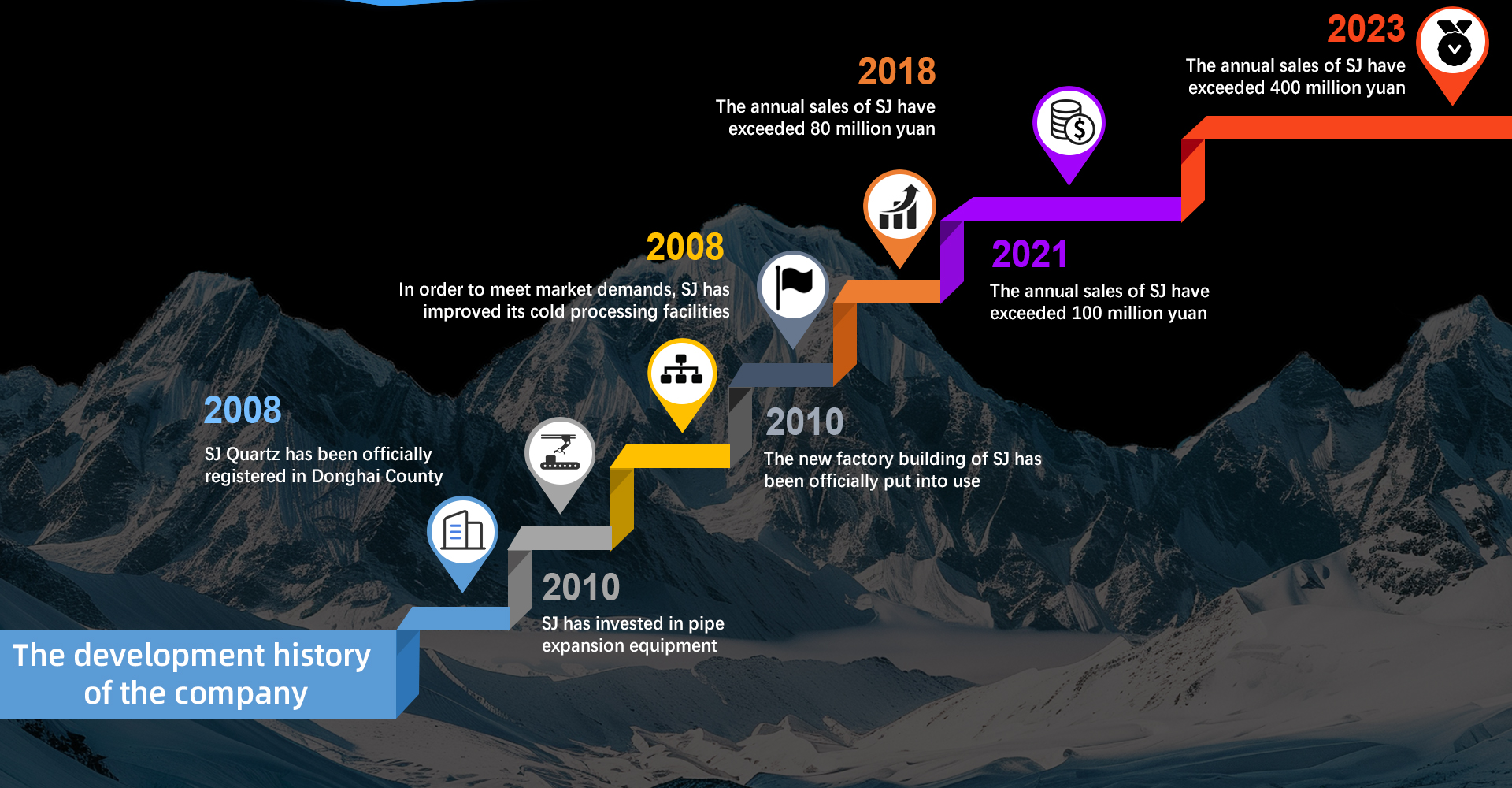
Historically, manufacturers and research laboratories in Sofia relied heavily on fractured regional distribution networks that sourced standardized western European catalog glass at high margins with extended lead times. As competitive pressures accelerate within the European Union's Horizon Europe framework and private electronics production lines scale throughout Sofia-Grad, procurement managers require direct manufacturer engagement. Vulra Quartz bridges this logistical and technical divide: leveraging raw quartz mineral access from Donghai County (the global capital of crystal refining), verified on-site by TÜV Rheinland, and offering end-to-end custom hot- and cold-machining from 1-piece prototypes to volume deliveries.
Fused Quartz vs. Synthetic Silica vs. Borosilicate 3.3
Critical mechanical, thermal, and optical parameters governing material selection for high-temperature reactors and optical inspection interfaces.
| Physical / Chemical Property | Natural Fused Quartz (Vulra SJ Grade) | Synthetic Fused Silica (Deep UV) | Borosilicate Glass 3.3 |
|---|---|---|---|
| SiO₂ Content (Purity) | ≥ 99.99% – 99.999% | ≥ 99.9999% (< 0.1 ppm metals) | ≈ 81% (contains B₂O₃, Na₂O, Al₂O₃) |
| Continuous Operating Temp | 1100 °C | 1150 °C | 450 °C – 500 °C |
| Softening Point | 1683 °C | 1730 °C | 820 °C |
| Thermal Expansion (20–300°C) | 5.5 × 10⁻⁷ / °C | 5.2 × 10⁻⁷ / °C | 33 × 10⁻⁷ / °C |
| Thermal Shock Tolerance | Quench from 1100°C into cold water without fracture | Quench from 1150°C into cold water without fracture | Maximum ΔT of 100°C to 120°C |
| UV Transmission (185–260 nm) | High (Ozone-free or Optical grade options) | Maximum Deep UV Transmission (>90% @ 193 nm) | Opaque below 300 nm (absorbs UV) |
| Dielectric Strength (at 20°C) | 25 – 40 kV/mm | ≥ 40 kV/mm | 10 – 15 kV/mm |
Localized Applications Across Sofia's Industrial Sectors
Engineered fused silica parts integrated directly into research rigs, cleanroom manufacturing, and industrial chemical processing plants in Sofia and surrounding regions.
Micro- & Power Electronics (Botevgrad & Sofia)
For industrial semiconductor and sensor assemblers in Western Bulgaria, our quartz diffusion tubes, furnace boats, wafer carriers, and right-angle elbow elbows provide non-contaminating thermal barriers during high-temperature dopant drive-in, silicon oxidation, and wire-bonding annealing processes.
Photocatalysis & Green Hydrogen (Sofia Tech Park)
Researchers targeting renewable hydrogen generation via water splitting utilize our quartz photocatalytic reactors. Offering extreme ultraviolet transmittance without solarization degredation, our custom reactors permit maximized photon excitation of titania and transition-metal catalysts under high irradiation.
XRD & Spectroscopy Analysis (BAS & Universities)
Analytical laboratories at the Bulgarian Academy of Sciences and Sofia University deploy our zero-background XRD sample holders and optical test sheets. The absence of crystal grain boundary diffraction ensures pristine baselines during powder diffraction, Raman spectroscopy, and thin-film ellipsometry.
Pharmaceutical & Corrosive Synthesis (Sub-Balkan Hub)
High-purity quartz condensers, extraction columns, and round-bottom distillation flasks provide absolute structural stability when purifying active pharmaceutical ingredients (APIs). Immune to leaching, our labware protects high-purity chemical batches from metal ion contamination.
Industrial UV Curing & Ozone Management
For automated coatings and electronic conformal encapsulation systems, our ozone-free quartz tubes selectively absorb short-wave UV radiation below 220 nm while allowing 254 nm and 365 nm emission bands to pass, safeguarding factory personnel from ambient toxic ozone generation.
High-Temperature Furnace Processing (Kremikovtsi Cluster)
In heavy industrial heat-treatment setups, thermocouple protection sheaths and sight-glass observation windows manufactured by Vulra Quartz resist constant thermal strain, combustion atmospheres, and severe mechanical vibration up to continuous working limits of 1100°C.
End-to-End Processing: From Donghai Crystal to Precision Quartzware
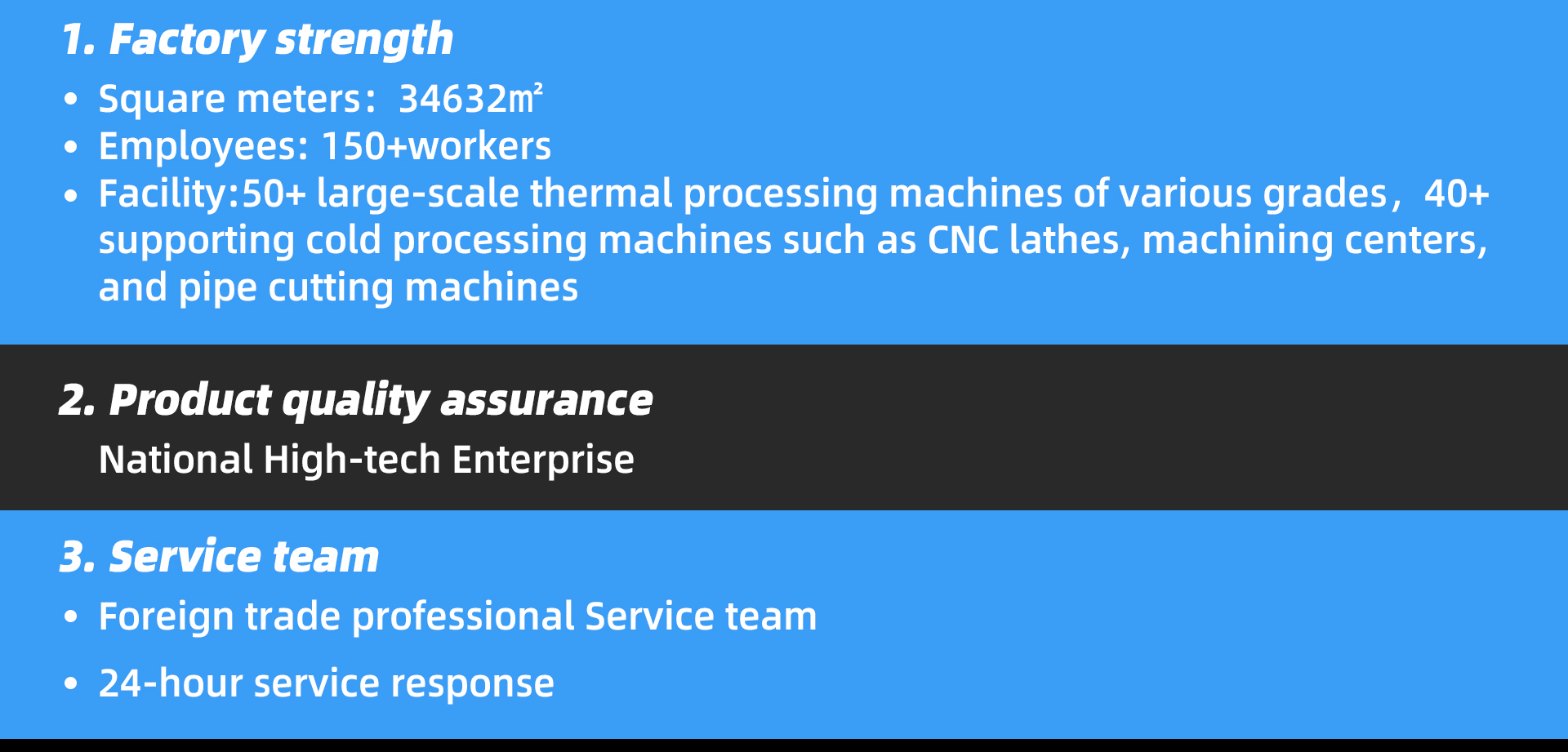
TÜV Rheinland assessed custom manufacturing facilities equipped for high-precision hot flame manipulation and micron-tolerance cold CNC profiling.
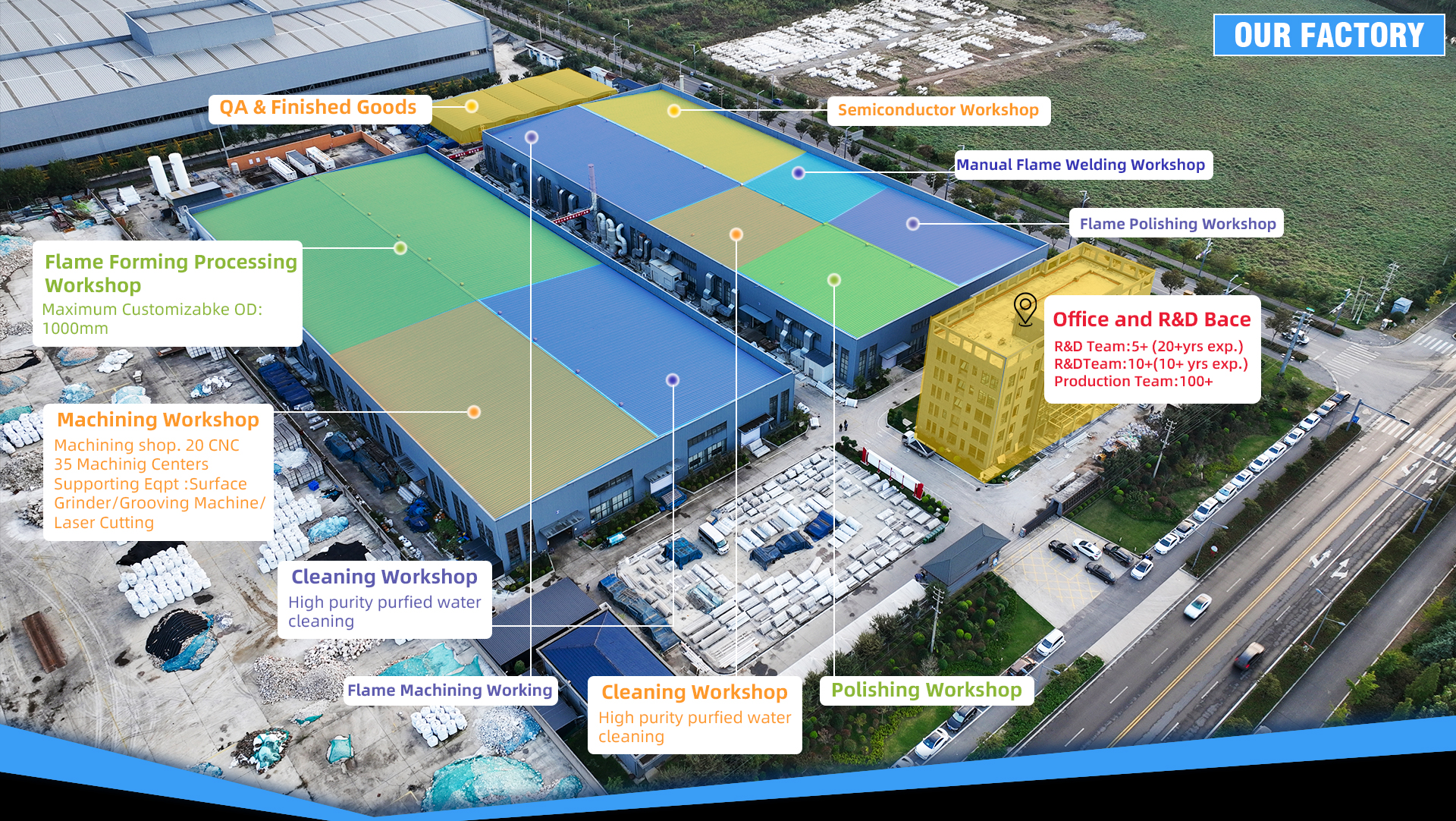
Hot Flame Lathe Working
High-temperature oxy-hydrogen torch bench shaping, precision flange fusion, right-angle elbow bending, and dome-end closures without micro-bubble entrainment.
Diamond Cold Machining
Ultra-clean diamond saw dicing, ultrasonic drilling, edge chamfering, and CNC milling capable of holding strict dimensional tolerances (±0.05 mm).
Annealing & Stress Relief
Computer-monitored electric soaking kilns operating through 1150°C annealing and 1020°C strain relief ramps to eliminate internal thermal stresses before dispatch.
Supply Chain Modernization & Nearshoring Dynamics Across Bulgaria
Procurement practices across Sofia's high-tech manufacturing parks are evolving rapidly in response to supply chain realignments across Central and Eastern Europe. Historically, secondary intermediaries distributed quartzware across the Balkans through extensive warehousing markups. Today, Bulgarian production facilities demand three core competencies from global manufacturers:
1. Drawing-Based Customization from Single-Unit Batches: Prototype development for custom CVD equipment, photocatalytic reactors, or optical observation windows frequently requires iterations before scaling to production volumes. Vulra Quartz offers 1-piece custom prototyping directly from customer CAD drawings (STEP, DWG, PDF), validated by production engineers for wall thickness ratios and thermal expansion margins before fire polishing begins.
2. Complete Elemental Chemical Traceability: As Sofia-based electronics and optoelectronic manufacturers prepare for European regulatory compliance and high-yield wafer production, trace elemental documentation has become mandatory. Each batch of high-purity quartz tubing and labware is verified via Inductively Coupled Plasma Mass Spectrometry (ICP-MS), ensuring total metallic concentrations remain strictly controlled:
| Impurity Element | Al | Fe | Ca | Mg | Ti | Cu | Na | Li | OH⁻ Content |
|---|---|---|---|---|---|---|---|---|---|
| Typical Concentration (ppm) | ≤ 14.0 | ≤ 0.2 | ≤ 0.4 | ≤ 0.1 | ≤ 1.0 | ≤ 0.05 | ≤ 0.7 | ≤ 0.6 | ≤ 20 (Standard) / ≤ 5 (Low-OH) |
3. Streamlined Logistics & Export Compliance: Direct air freight consolidation into Sofia Airport (SOF) combined with standardized TARIC code declarations (under Harmonized System Headings 7002 and 7017) allows Bulgarian enterprises to clear customs quickly, avoiding production stoppages. Full CE conformity and RoHS non-hazardous materials compliance documentation accompany all industrial quartz consignments.
Technical FAQ for Sofia Buyers
Key operational and commercial questions answered directly by Vulra Quartz process engineers regarding customs, material ratings, and custom tolerances.
What is the maximum continuous working temperature of Vulra Quartz tubes?
Our standard clear fused quartz is certified for continuous long-term service at 1100°C and short-term peak thermal spikes up to 1450°C. The softening point occurs at 1683°C. For vacuum furnaces or high-load mechanical applications in Sofia facilities, we recommend wall thickness adjustments to prevent structural deformation above 1150°C.
How are custom quartz components shipped safely to Sofia without breakage?
We deploy specialized multi-layer export crating. Every component is acid-cleaned, dried, enclosed in vacuum-sealed dust-free sleeves, cushioned in form-fitted high-density EPE foam chambers, and boxed into heavy multi-ply corrugated cartons or reinforced plywood crates. Long tubes are reinforced with rigid internal mandrels, ensuring zero breakage via air cargo to Sofia Airport (SOF) or road transport.
What are the customs duty considerations for importing quartz glass into Bulgaria?
Shipments to Bulgaria are categorized under EU TARIC code 7002.31.00 (tubes of fused quartz or other fused silica) or 7017.10.00 (laboratory, hygienic or pharmaceutical glassware of fused quartz). Vulra Quartz provides comprehensive export documentation including Commercial Invoices, Packing Lists with detailed net/gross weights, and Certificates of Origin to expedite clearance at Sofia customs terminals.
What is the practical difference between natural fused quartz and synthetic fused silica?
Natural fused quartz is produced by melting natural crystalline quartz sand (SiO₂ ≥ 99.99%), making it ideal for tube furnaces, semiconductors, and high-temperature reactors. Synthetic fused silica is chemical-vapor-synthesized from silicon tetrachloride (SiCl₄), achieving 99.9999% purity with near-zero trace metals and superior transmission in the deep UV (185–260 nm) spectrum. We advise based on your application's wavelength and thermal needs.
Can Vulra Quartz fabricate complex laboratory apparatus from customer drawings?
Yes. Over 65% of our production consists of custom OEM manufacturing. We accept standard CAD files (.STEP, .DWG, .DXF) and dimensional PDF schematics. Our engineers evaluate critical wall tolerances, ground joint standards (NS/ST tapers), and weld boundaries before initiating lathe fabrication.
How does ozone-free quartz eliminate harmful gas generation?
Ozone-free quartz is selectively doped with trace elements (such as titanium) that act as an optical cut-off filter for vacuum ultraviolet (VUV) radiation below 220 nm. By blocking the 185 nm mercury resonance wavelength that splits oxygen molecules into ozone, the quartz allows high 254 nm germicidal transmission without requiring hazardous ozone extraction ventilation.
Why Sofia's Leading Institutes & OEMs Partner with Vulra Quartz
Combining primary crystal mining resources with international quality management systems verified by third-party testing leaders.
TÜV Rheinland Assessed
Lianyungang Vulra Quartz Products Co., Ltd. has undergone comprehensive on-site factory verification by TÜV Rheinland, validating production capacity, legal compliance, and strict internal quality assurance infrastructure.
Donghai Crystal Origin
Situated in Donghai County—the acknowledged epicenter of global quartz purification—our manufacturing operations benefit from unhindered raw supply lines, ensuring stable, uncontaminated silica input from ingot to finished piece.
CE & RoHS Certified
All quartz tube series, round bottom flasks, and observation plates comply with European Directive standards. Full chemical compliance documentation ensures effortless integration into European industrial process machinery.