High-Purity Quartzware Portfolio for German Industry
Manufactured according to DIN EN ISO dimensional standards, with low hydroxyl [OH-] concentrations, negligible metallic trace impurities, and full surface polish customization from prototype (1 pc) to series supply.
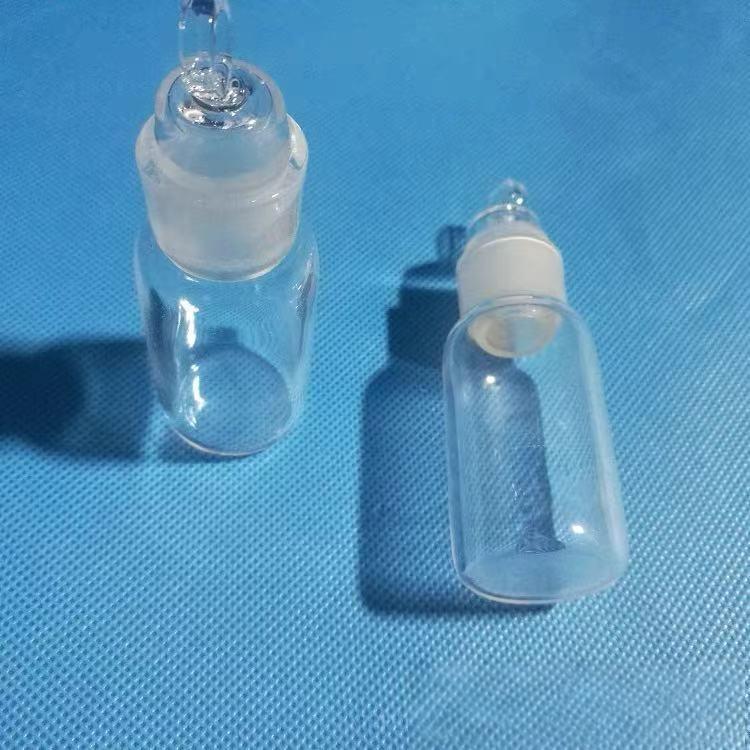
High-Corrosion Resistant High-Temperature 400 Mesh Laboratory Quartz
Ultra-pure sintered quartz engineered for aggressive chemical leaching resistance and extended operational life in high-temperature semiconductor processing.
Technical Specs →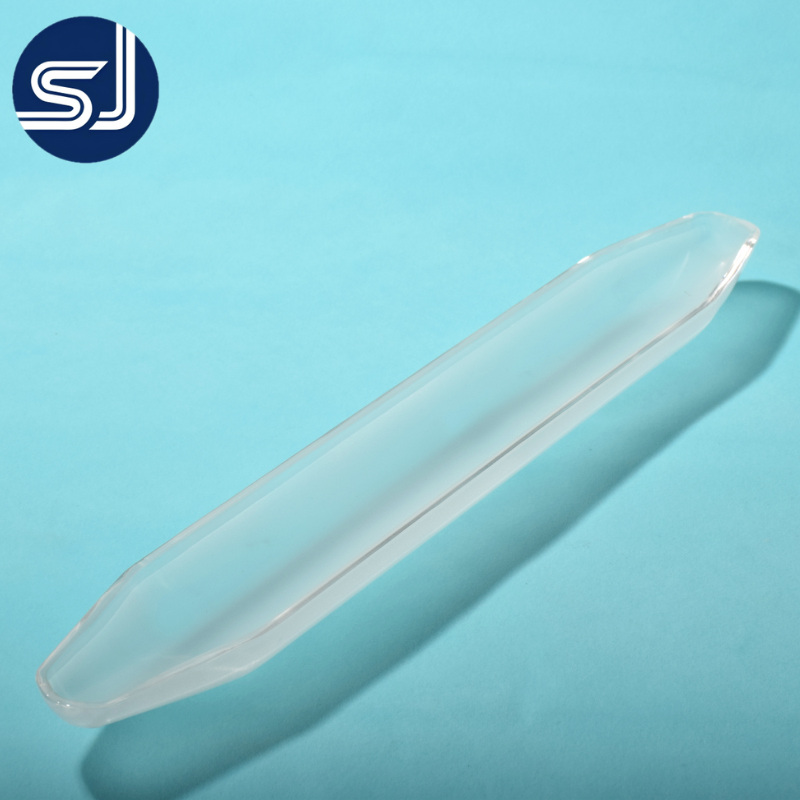
SJ 140 Customizable Transparent High Purity Precision Polished Quartz Boat
Precision-slotted furnace carriers featuring >85% optical transmittance and 1100°C continuous thermal stability for wafer diffusion and analytical annealing.
Technical Specs →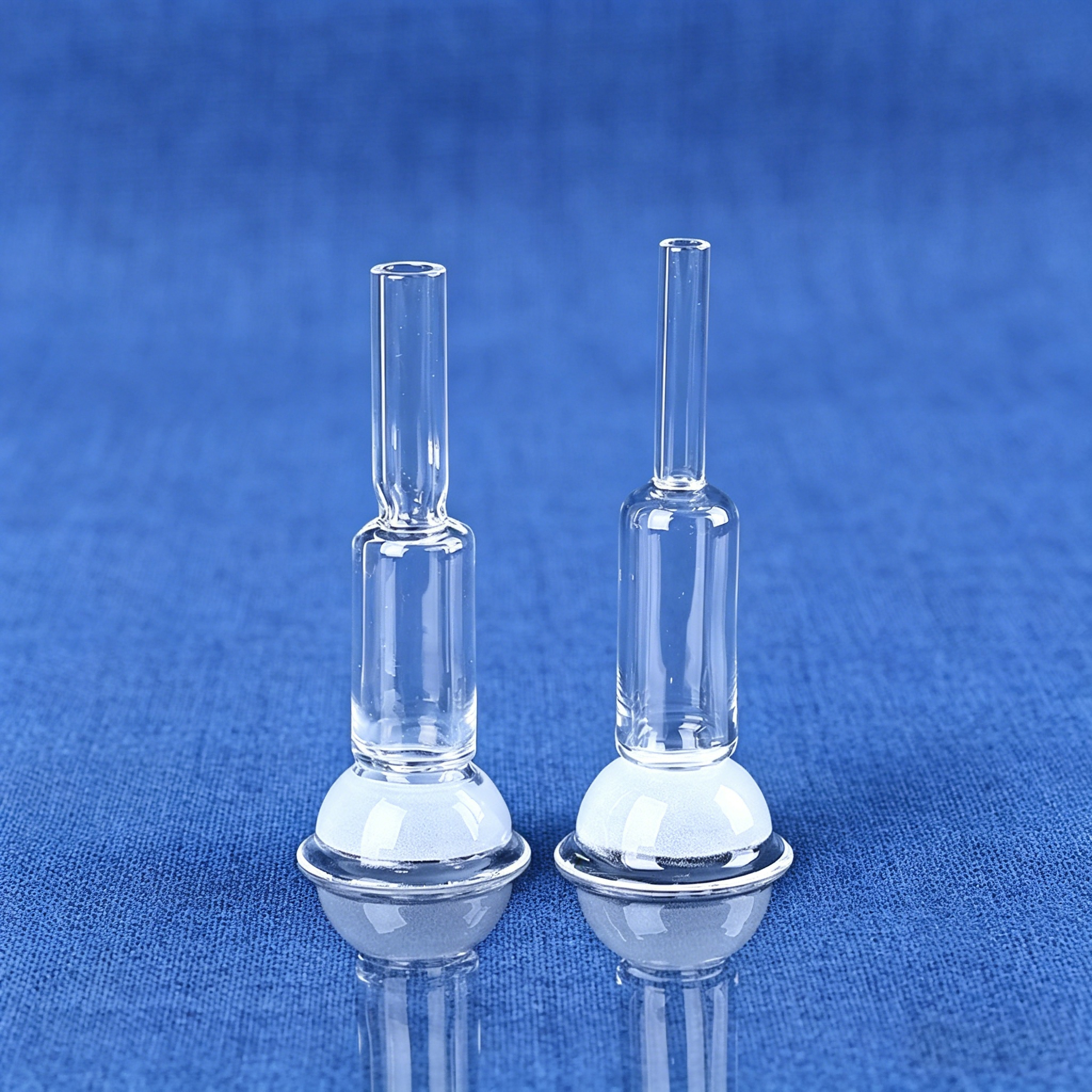
Custom High Purity Quartz C-shaped Small-sized BET Tube
Bespoke hot-bent and flame-welded micro-tubes designed specifically for high-vacuum BET gas sorption analyzers and precision analytical manometry.
Technical Specs →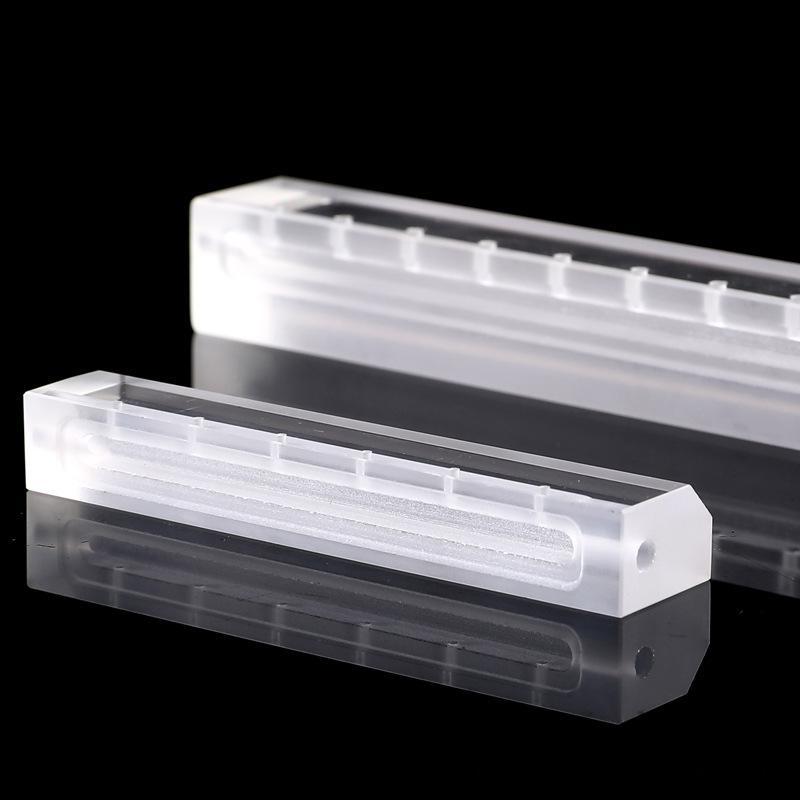
Clear Quartz Testing Sheet Ultra-thin Optical Grade Circular Shape SJ 077
Double-sided optical pitch-polished fused silica discs with superior thermal conductivity, high UV-cutoff precision, and minimal wavefront distortion.
Technical Specs →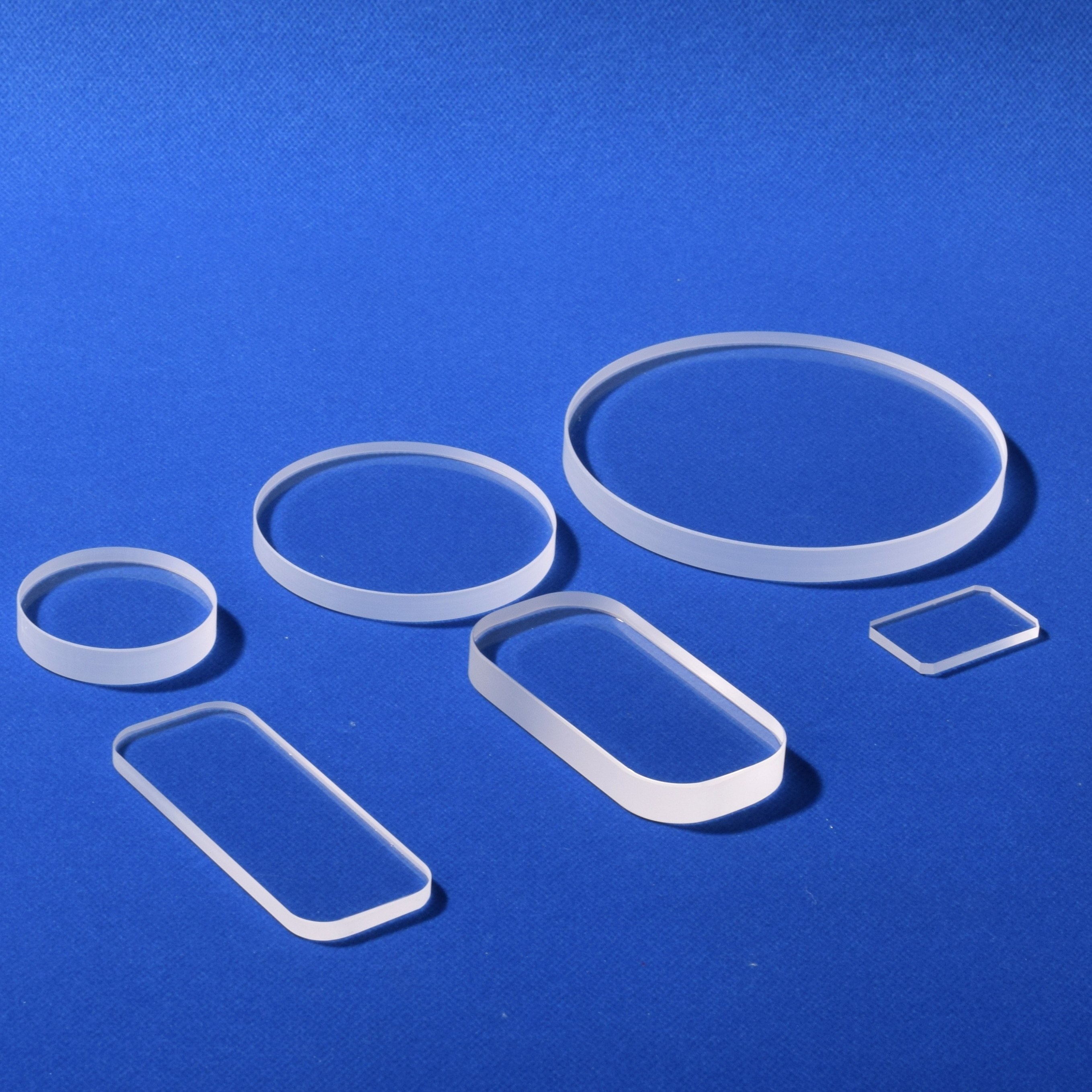
Sophisticated Technology High Transmittance Heat Resistant Quartz Glass Watch Window
High-dielectric insulation sight glasses built for vacuum furnace inspection ports, resistant to abrupt 1100°C-to-water thermal shock without micro-fracturing.
Technical Specs →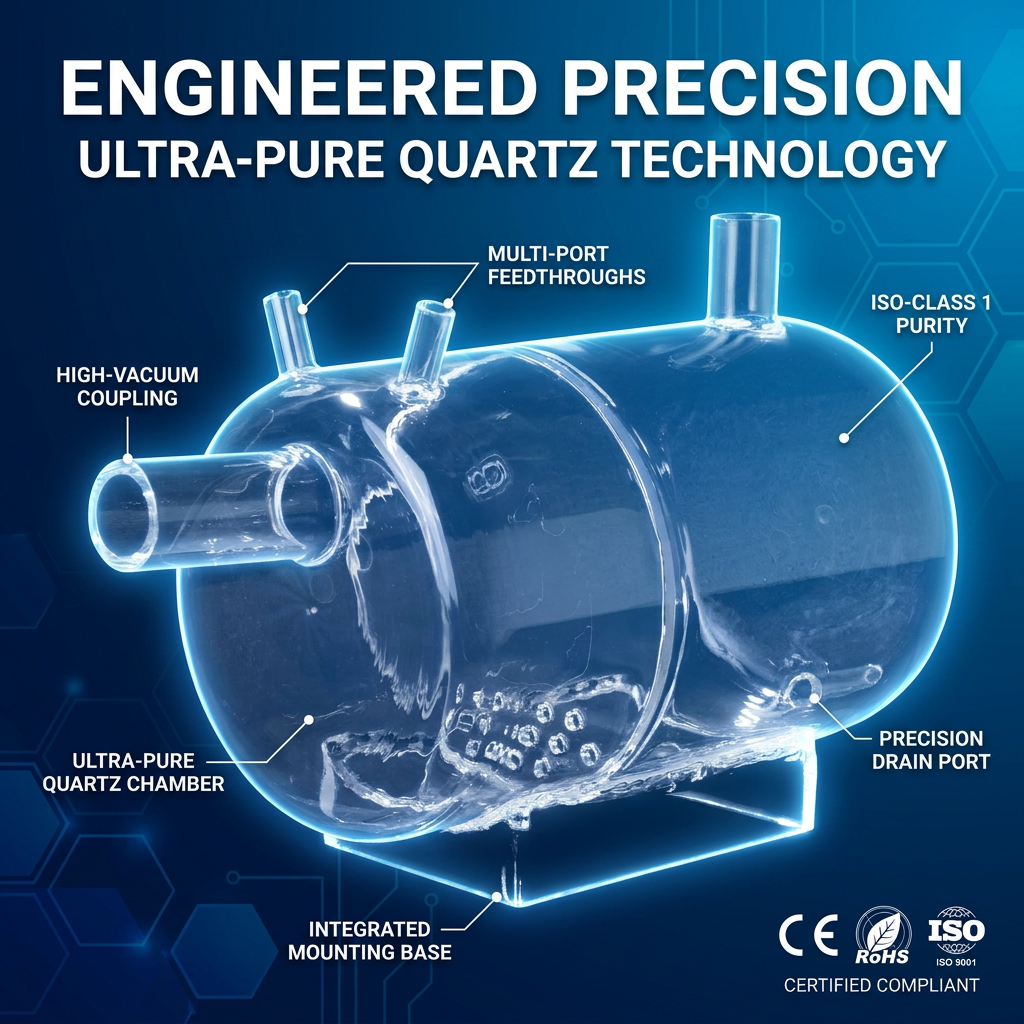
Customized Precision Quartz Separating Container Semiconductor Grade 99.9%-99.999%
Corrosion-proof separating vessels and vessels engineered with near-zero heavy metal extraction rates (Fe < 0.1 ppm, Cu < 0.05 ppm) for wet chemical processing.
Technical Specs →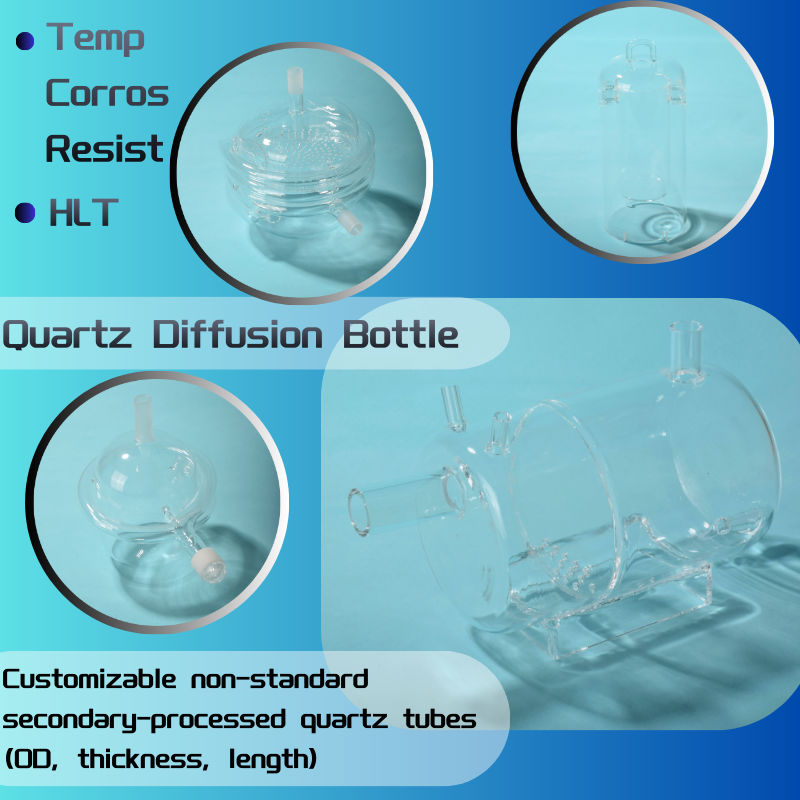
SJ 135 Custom High Purity Clear Quartz Tube Condensers & Purification Units
Integrated glassware configurations including jacketed condensers and separatory funnels flame-lathed for semiconductor chemical purification protocols.
Technical Specs →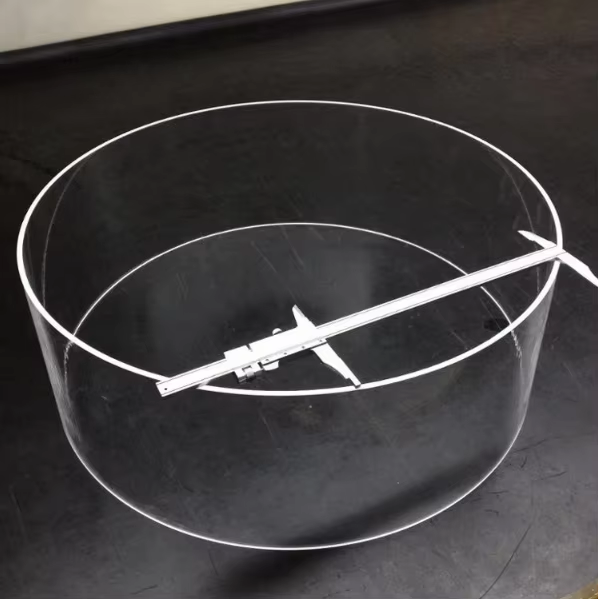
Factory Supply Optical Quartz Sapphire Tubes High Temperature UV Powder Sintering
Heavy-wall fused quartz test tubes and reaction pipes configured for powder metallurgy sintering, laser-induced fluorescence, and high-intensity UV irradiation.
Technical Specs →High-Purity Silica (SiO₂) in Critical German Engineering
A technical examination of raw material origin, trace element impact, and thermomechanical performance across Germany's primary high-technology manufacturing clusters.
1. Semiconductor & Microelectronics (Silicon Saxony)
Within Germany's semiconductor capital in Dresden and greater Saxony, sub-micron front-end wafer fabrication cannot tolerate alkali or heavy metal leaching. Typical borosilicate glasses release sodium and boron when exposed to high processing temperatures, destroying gate oxide integrities.
Our fused quartz maintains total metallic impurity sums strictly below 15 ppm (with 5N grades keeping Fe, Al, and Ti under single-digit ppb levels). This level of chemical inertness guarantees zero cross-contamination during LPCVD, wet etching in hot acids, and wafer annealing routines at 1050°C.
- Negligible Sodium (Na < 0.5 ppm) preventing mobile ionic drift.
- Low hydroxyl content ([OH-] < 5–30 ppm) eliminating high-temperature bubble generation and wall thinning.
- Custom slotted boats with precision pitch spacing toleranced down to ±0.05 mm.
2. Photonics, Laser & Optical Instrumentation (Jena & Wetzlar)
Germany's precision optics hubs around Jena, Oberkochen, and Wetzlar require high-transmittance substrates across the full spectral range from DUV (193 nm) up to near-infrared (3500 nm). Conventional optical glass exhibits severe absorption bands that cause thermal blooming in high-power laser optics.
We supply both natural electrically fused quartz (JGS2) for broad-spectrum thermal stability and synthetic chemical-vapor-deposited fused silica (JGS1) characterized by zero internal striae, class 0 bubble specifications, and superior laser-induced damage thresholds (LIDT).
- Transmittance >90% across the critical 254 nm and 365 nm UV lithography peaks.
- Surface polish options down to Ra < 0.5 nm (80/50 to 10/5 scratch-dig).
- Minimal fluorescence emissions under excimer and Nd:YAG harmonic irradiation.
3. Chemical Synthesis & Green Hydrogen (NRW & Bavaria)
Industrial giants along the Rhine-Ruhr chemical corridor and Bavarian research centers require reaction hardware capable of surviving severe acid attack, high galvanic voltages in electrolysis research, and continuous gas evolution up to 1100°C without devitrification.
Our quartz reaction tubes, electrochemical H-cells, and condensers remain unreactive in concentrated boiling nitric, sulfuric, and hydrochloric acids. Fused silica's coefficient of thermal expansion (5.5 × 10⁻⁷ /°C) guarantees extreme thermal shock survivability during rapid cycling.
- Stable across the entire acidic pH range from pH 0 to 10.
- Extremely low dielectric loss tangent (< 0.0001 at 1 MHz) for microwave-assisted synthesis.
- Certified pressure vessels tested against ISO 4796 laboratory standard protocols.
4. Automotive Sensors & E-Mobility Battery R&D (Stuttgart & Munich)
In Baden-Württemberg and Bavaria, automotive testing centers require quartz analytical vessels for BET specific surface area analysis of cathode materials and XRD sample disks for lithium dendrite growth tracking.
Our ultra-thin zero-background XRD sample plates preserve crystal diffraction integrity by eliminating baseline background scattering, allowing precise identification of nano-scale phase transitions during in-situ battery degradation studies.
- Zero-background single-crystal cut orientations for X-ray diffraction analysis.
- BET bulb stems calibrated to micrometric tolerances for helium dead-volume calculations.
- Non-magnetic, highly isolated containment cells for high-field NMR investigations.
Emerging Fused Quartz Sourcing Trends in Germany
How German procurement heads, Fraunhofer research teams, and Tier-1 fab suppliers are restructuring their raw material intake to balance sovereign resilience with cost effectiveness.
1. Near-Zero Tolerance on Metallic Leaching
With TSMC, Infineon, and Intel investing heavily across Germany, demand has shifted toward 5N (99.999%) purity grades. Buyers now demand complete ICP-MS chemical assay certificates verifying that iron, aluminum, and copper fractions do not exceed fractions of a part per million.
2. "China + 1" Balance via Direct Cluster Sourcing
German engineering groups rely on Donghai — the world's primary natural quartz refining cluster — to bypass intermediate European distributor markups of 200–400%. Direct partnerships with verified manufacturers secure volume supply lines without sacrificing custom drawing-based modifications.
3. Accelerated Prototype-to-Pilot R&D Cycles
Universities and R&D spin-offs require rapid drawing feasibility assessments within 24 hours. The ability to supply a single custom prototype (MOQ 1 pc) before commissioning full furnace line runs has become a prerequisite for Tier-1 German approval.
Integrated Manufacturing & Testing Facility
From Donghai's refined crystalline sand to CNC cold grinding and flame-lathe manipulation, we maintain full chain-of-custody control under ISO-certified quality oversight.
Lianyungang Vulra Quartz Products Co., Ltd. operates out of the Jiangsu Donghai Economic Development Zone. By controlling raw-sand purification alongside hot and cold glass-fabrication under one roof, we eliminate intermediate handling defects and reduce lead times for overseas buyers.
Our quality management infrastructure has undergone independent on-site factory verification by TÜV Rheinland, confirming our status as a certified custom manufacturer with full ODM/OEM production lines, vacuum-testing chambers, and precision CNC cutting units.
| Chemical Composition | SiO₂ 99.99% – 99.999% (4N – 5N) |
|---|---|
| Max Service Temp (Continuous) | ≈ 1100 °C |
| Softening Temperature | ≈ 1683 °C |
| Thermal Expansion (0–1000°C) | 5.5 × 10⁻⁷ cm/cm · °C |
| Tensile Strength | ≈ 48 N/mm² (MPa) |
| Compressive Strength | > 1100 N/mm² |
| Dielectric Constant | 3.80 at 1 MHz (Low dielectric loss) |
| Available Outer Diameters | 5 mm – 800 mm |
| Plate Thickness Range | 0.5 mm – 30 mm |
Raw Material Selection
High-purity natural silica crystal sand is refined to strip away residual iron, aluminum, and alkali traces prior to electric/oxy-hydrogen fusion.
Thermal & Cold Machining
Robotic glass-working lathes weld and bend complex geometry, followed by diamond-wheel CNC edge cutting and ultrasonic drilling.
De-Stressing & Annealing
Parts undergo controlled thermal annealing cycles up to 1150°C to relieve internal stresses, preventing cracking during customer thermal cycling.
Acid Wash & Packaging
Hydrofluoric/nitric acid pickling removes surface micro-impurities, followed by 18 MΩ DI-water rinses and cleanroom vacuum packaging.
Frequently Asked Questions • Sourcing from Germany
Clear, engineering-grade answers addressing customs compliance, purity documentation, and transit safety for buyers in Germany, Austria, and Switzerland.
How do you ensure zero breakage during freight delivery to German destinations?
What specific documentation is provided for German customs (Zoll) and CE/RoHS compliance?
Can you manufacture components according to DIN EN ISO technical drawings?
What is the difference between natural fused quartz and synthetic fused silica (e.g., JGS1 vs. JGS2)?
Do you accept prototype orders of 1 piece for university or pilot projects?
Can you supply material purity certificates (ICP-MS) with the delivery?
Ready to Discuss Your High-Purity Silica Project?
Send your CAD drawing or technical specifications to our engineering team. We evaluate thermal tolerances, chemical purity thresholds, and production schedules for prompt delivery to Germany.