Featured Industrial & Analytical Quartz Solutions
Engineered to excel in high-temperature environments up to 1450°C. Fully customized cold and hot working components manufactured from premium natural quartz crystal and synthetic silica.
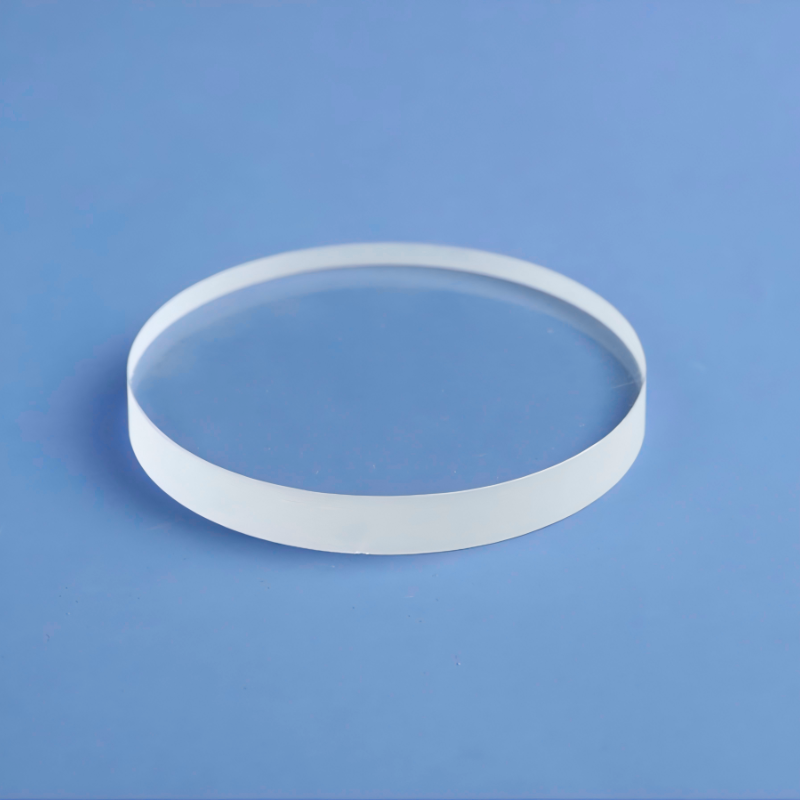
Clear Sapphire Quartz Tablets & Fused Silica Sheets
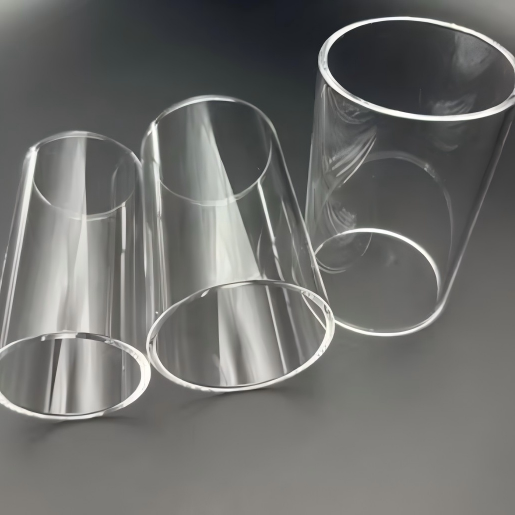
Ozone-Free One End Closed Quartz Tube
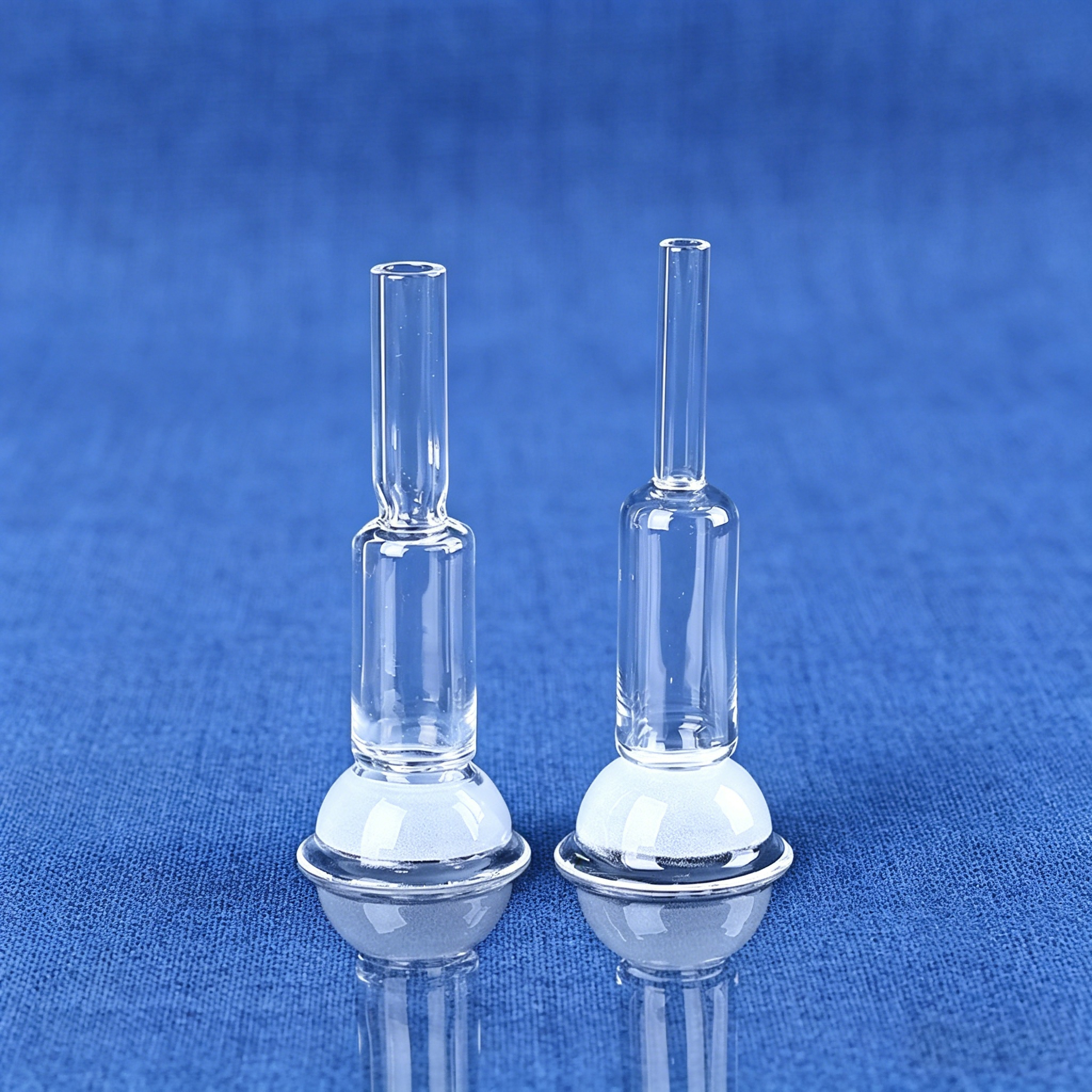
Custom High Purity C-Shaped BET Sorption Tube
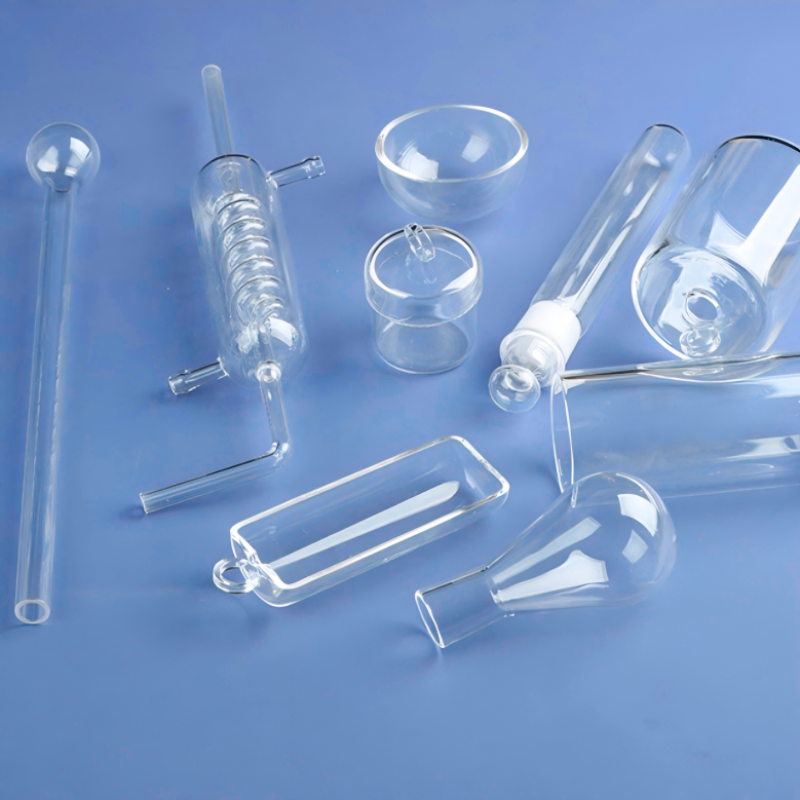
Plugging Rod & Heating Test Furnace Boat
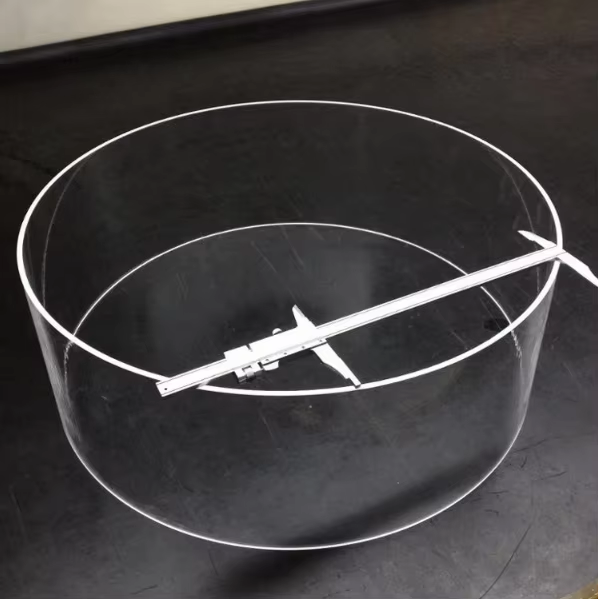
Optical Quartz Sapphire Tube for Sintering
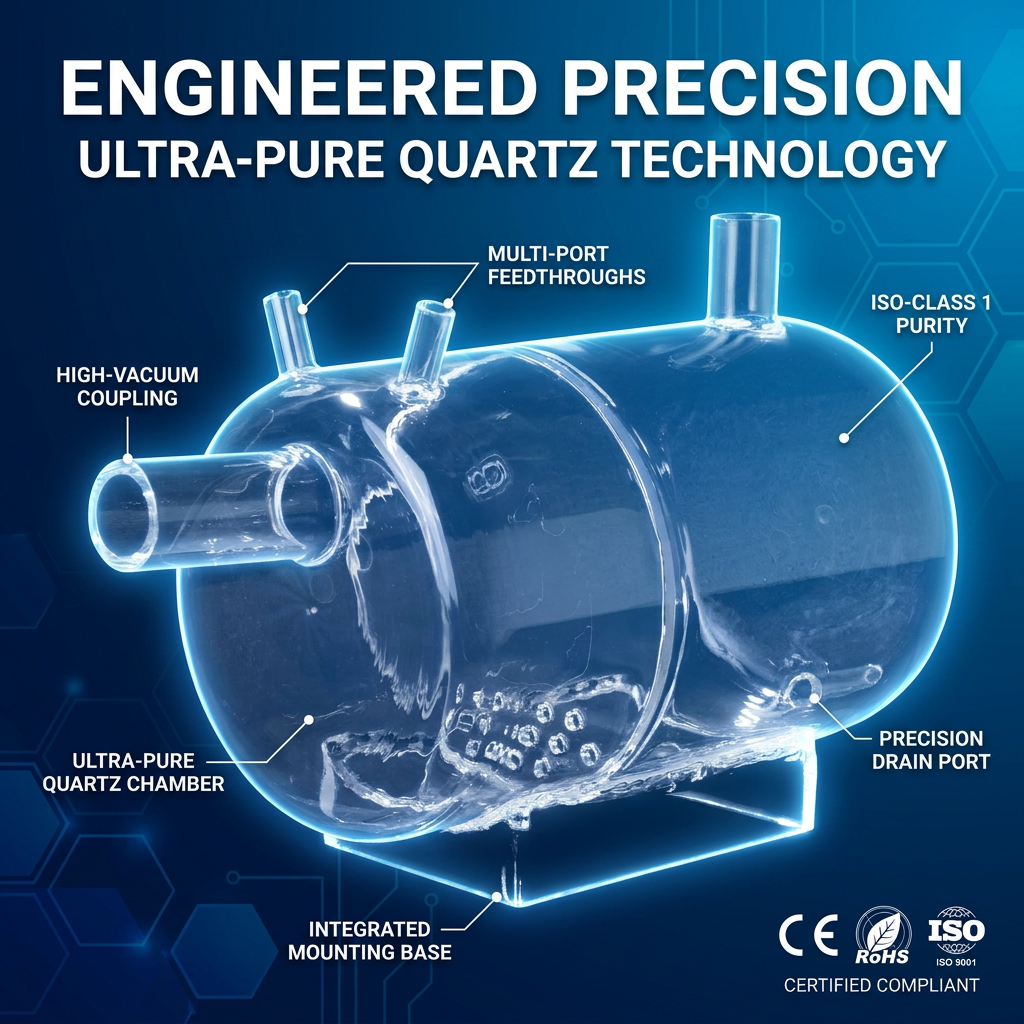
Precision Quartz Separating Reaction Container
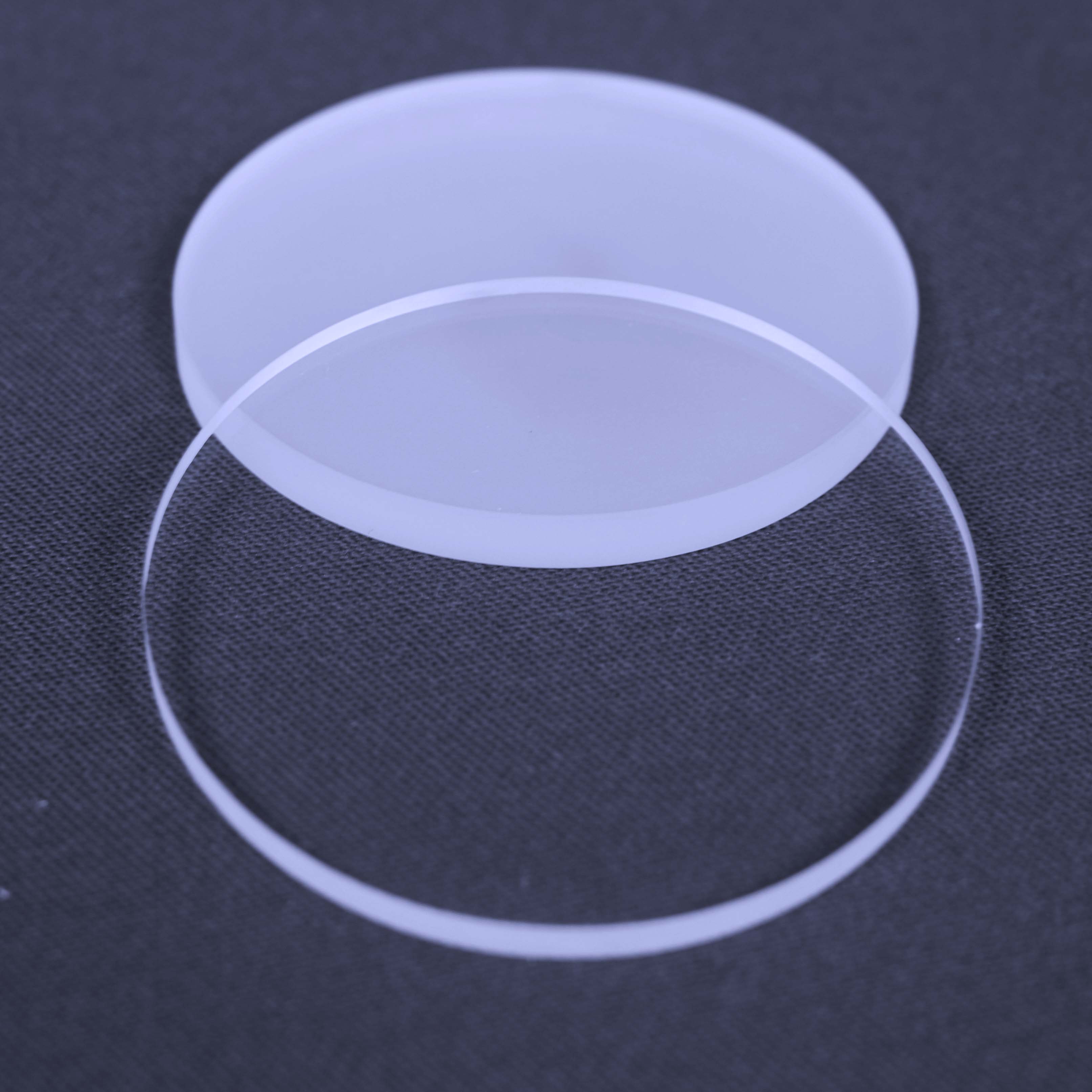
High-Transmittance XRD Quartz Sample Holder Plate

Refractory Fused Quartz Crucible Bowl
Far-Infrared Quartz Technology: Physics, Emissivity & Thermal Kinetics
Far-infrared (FIR) radiation, occupying the spectral domain from 3.0 μm to 1000 μm (with industrial heating focused predominantly within the 2.5 μm to 10.0 μm medium-to-long wave bandwidth), is governed fundamentally by Planck’s Radiation Law and Wien’s Displacement Law. For thermal process engineers in the Thessaloniki metropolitan and Central Macedonian industrial sectors, selecting the correct quartz substrate is not merely a choice of mechanical housing—it directly determines energy conversion efficiency, emission spectral density, and lifetime against devitrification.
Fused quartz ($SiO_2$) stands unique among dielectric materials due to its exceptionally low thermal expansion coefficient of approximately 5.5 × 10⁻⁷ K-1 (from 20°C to 1000°C). This imparts near-infinite resistance to thermal shock, enabling quartz radiant tubes and plates to transition instantaneously between cold states and operational surface temperatures exceeding 1100°C without mechanical rupture. In radiant tube heater configurations, pure fused quartz serves a dual function: it possesses an optical transmission window that selectively transmits near-infrared while capturing and reradiating medium-to-far infrared wavelengths, transforming resistive heating coil elements into high-efficiency diffuse electromagnetic radiating surfaces.
When dealing with industrial dehydration, organic polymer curing, or specialized metallurgy in Macedonia, the absorption bands of water ($H_2O$), hydrocarbons (C-H bonds), and organic esters peak heavily within the 2.7 μm to 3.2 μm and 5.8 μm to 9.0 μm spectrum. Conventional metallic sheathed heating elements deliver broad, uncalibrated convective energy that wastes power through ambient heat dissipation. Conversely, precision-fabricated Far Infrared Quartz components engineered by Vulra Quartz match these molecular resonance bands precisely, decreasing cycle durations by up to 45% and slashing process electrical loads across automated manufacturing lines.
| Performance Parameter | Vulra High-Purity Fused Quartz | Standard Borosilicate Glass | Ceramic / Alumina Sheath |
|---|---|---|---|
| Silica Purity (SiO₂) | 99.99% – 99.999% | ~80% – 81% | N/A (Al₂O₃ base) |
| Continuous Service Temperature | 1100°C (Short peak: 1450°C) | 450°C – 500°C | 1200°C – 1400°C |
| Thermal Expansion (20–300°C) | 5.5 × 10⁻⁷ K⁻¹ (Ultra-low) | 33 × 10⁻⁷ K⁻¹ | 70–80 × 10⁻⁷ K⁻¹ |
| Thermal Shock Resistance (ΔT) | > 1100°C to cold quench | ~150°C to cold water | ~200–300°C |
| Far-Infrared Emissivity Factor | 0.88 – 0.93 (>3.5 μm) | 0.75 – 0.82 | 0.80 – 0.85 |
| Hydroxyl (OH⁻) Concentration | < 20 ppm (Standard) / < 5 ppm (Low-OH) | High / Variable | N/A |
| Tensile Strength | ~48 N/mm² | ~35 N/mm² | ~20 N/mm² |
Critical Factor: Controlling Hydroxyl (OH⁻) Groups for Infrared Applications
In thermal processing applications, residual hydroxyl ions (OH⁻) within the quartz glass matrix create localized absorption bands at 2.72 μm. For far-infrared quartz tubes engineered for continuous baking or drying tunnels, Vulra Quartz employs electric vacuum fusion and specialized thermal desiccation annealing to suppress OH content below 15 ppm. This guarantees that radiant energy is emitted forward into the target medium rather than accumulating inside the quartz envelope, extending element tube life and preventing envelope swelling or structural crystallization.
Industrial Application Scenarios in the Thessaloniki Metropolitan Area
How Northern Greek engineering teams, plant operators, and academic researchers leverage custom far-infrared quartz glass to maximize throughput and energy efficiency.
Agro-Food Processing & Dehydration (Sindos)
The Industrial Area of Sindos (BI.PE. Sindos) houses Greece’s largest food production cluster. Our far-infrared quartz tubes and heating plates drive industrial dehydrators for Mediterranean fruits, herbs, grains, and tomato paste evaporation. FIR radiation selectively excites water molecules without overheating surface proteins, preserving aroma, nutrients, and organoleptic qualities while slashing gas consumption.
Polymer Thermoforming & Packaging (Kalochori)
Located along the strategic Kalochori logistics and manufacturing corridor, plastics processors rely on custom-cut quartz radiant sheets and twin-tube quartz emitters. Fused silica sheets deliver perfectly uniform infrared field temperatures for thermoforming PET, PP, and biopolymer packaging sheets, eliminating localized cold spots and minimizing scrap rates in automated high-speed cycle presses.
Chemical Synthesis & Solvents (Thermi / Sindos)
Chemical plants and specialty solvent refiners in Central Macedonia utilize Vulra’s semiconductor-grade quartz separating containers, distillation flasks, and condenser columns. The extreme chemical inertia of 99.999% SiO₂ protects against all aggressive acids (except hydrofluoric) and ensures zero heavy-metal ion leaching during high-temperature reactive purification processes.
Maritime Repair & Hull Coatings (Port of Thessaloniki - ThPA)
The Port of Thessaloniki ship repair facilities and drydocks utilize portable far-infrared quartz radiant heating arrays for rapid curing of marine-grade epoxies, polyurethanes, and anti-fouling coatings. Infrared radiation penetrates deep into coating substrates, driving out moisture even in damp maritime air and cutting drydock turnaround times by more than 50%.
Advanced Metallurgy & Foundry Crucibles
Northern Greek light metallurgy foundries and dental alloy manufacturers in Oreokastro and Sindos employ our clear refractory fused quartz crucibles (with 1683°C softening points and 48 N/mm² tension strength) for induction melting, fluxless alloy fusing, and high-frequency precious metal reclamation without thermal cracking or crucible spalling.
Academic & Nanotech Research (AUTH & CERTH)
Aristotle University of Thessaloniki (AUTH)—the largest university in the Balkans—along with the Centre for Research and Technology Hellas (CERTH), requires research-grade XRD sample holders, BET adsorption C-tubes, and photochemical sealed cells. Our low-background, high-transmittance optical quartz enables nanoscale materials characterization and green hydrogen catalysis experiments.
Industrial Modernization Trends in Northern Greece: Electrification & The Green Deal
Under the framework of Greece’s National Energy and Climate Plan (NECP) and the European Union’s Fit for 55 decarbonization mandates, the manufacturing sector of Central Macedonia is undergoing a profound structural transition. Historically reliant on natural gas burners, LPG arrays, and diesel-fired steam boilers for industrial drying, baking, and curing, facility managers in Thessaloniki are accelerating the shift toward full process electrification.
In this modernization drive, Far Infrared Quartz emitter systems represent the pinnacle of energy efficiency. Unlike convection ovens that suffer from massive heat losses through flue gas and chamber air circulation, quartz infrared heaters transfer thermal energy directly via electromagnetic waves with instantaneous on/off response times (< 2 seconds). When paired with rooftop photovoltaic installations—which have experienced explosive adoption across Macedonian industrial parks due to Greece’s high solar irradiance (averaging > 1,700 kWh/m² annually)—quartz heating solutions allow plants to run zero-emission, solar-powered thermal processes.
Furthermore, smart industrial heating systems deployed in Thessaloniki increasingly require precision PID pulse-width modulation control. Vulra’s low thermal inertia quartz tubes allow millisecond-level heating adjustments, preventing scorching of delicate food products or deformation of automotive polymer trim during unplanned conveyor stoppages. This digital integration aligns with the Hellenic Smart Industry initiative, positioning Greek exporters to lead in green European supply chains.
92% Radiant Efficiency
Electromagnetic radiation hits product surfaces directly. Eliminates convective parasitic heat losses in tunnel kilns and sheet dryers across Sindos factories.
Instantaneous Cycling
Ramps from ambient to full 1100°C output in under 2.5 seconds. Standby idling power drops to zero, reducing daily kWh consumption by 30% to 55%.
Solar-PV Synergy
Seamlessly powered by industrial rooftop photovoltaic arrays. Eliminates reliance on volatile imported natural gas pipelines throughout Northern Greece.
Why Global Engineers & Thessaloniki Procurement Teams Choose Vulra Quartz
From raw crystal reserves in China’s Silicon Valley to strict European conformity standards, our vertically integrated plant controls every stage of quartz fabrication.
Located at the Crystal Capital: Donghai Base
Our modern manufacturing facility is situated at No. 9 Dingxin Road in the Jiangsu Donghai Economic Development Zone. Donghai County is the world’s premier natural quartz processing cluster, affording Vulra direct access to the highest purity natural silica reserves with low impurity counts (Fe < 0.2 ppm, Al < 15 ppm, Ti < 1.0 ppm). This localized raw material superiority guarantees chemical purity and batch-to-batch stability that secondary processors cannot replicate.
TÜV Rheinland Audited & CE/RoHS Certified
Transparency is foundational for European B2B procurement. Lianyungang Vulra Quartz Products Co., Ltd. has undergone rigorous on-site factory verification by TÜV Rheinland, validating our production infrastructure, cleanrooms, and testing metrology. All export-bound tubes, plates, crucibles, and lab glassware carry valid CE certifications under the Low Voltage Directive (LVD) and complete RoHS environmental declarations for frictionless importation into Greece.
Unified Hot & Cold Machining Capabilities
Unlike standard trading intermediaries, our integrated workshop handles both flame glassblowing (oxy-hydrogen lathes for seamless tube welding, dome seals, and C-bends) and computerized cold machining (CNC precision sawing, diamond coring, ultrasonic drilling, surface lapping, and double-sided optical polishing). We support custom tolerances down to ±0.05mm per technical drawing specifications.
Engineered Anti-Shock Export Packaging
Fragile quartz requires military-grade packaging to survive multimodal international transit to the Port of Thessaloniki. Each finished component undergoes multiple deionized ultrasonic acid cleanings, individual polyethylene vacuum encapsulation, high-density EPE custom foam shock absorption, and placement in reinforced fumigated solid-plywood crates engineered to withstand crane transfers and marine container vibrations.
Frequently Asked Questions for Buyers in Thessaloniki & Northern Greece
Practical answers to legal, logistics, technical, and operational questions asked by plant managers, maintenance engineers, and purchasing officers.
How do you ship far-infrared quartz components directly to Thessaloniki, and what are transit durations?
What HS codes and import tariffs apply when clearing high-purity quartz products into Greece?
- HS Code 7002.31.00: Tubes of fused quartz or other fused silica (unworked).
- HS Code 7002.39.00 / 7002.10.00: Quartz rods, balls, and unworked profiles.
- HS Code 7017.10.00: Laboratory, hygienic, or pharmaceutical glassware made of fused quartz/silica (crucibles, boats, BET tubes, distillation vessels).
- HS Code 8516.80.20: Heating resistors mounted with a quartz sheath or radiant heating elements.
What is the minimum order quantity (MOQ) for custom-engineered quartz parts?
How does Vulra ensure quartz tubes resist devitrification in high-heat industrial applications?
- Utilizing ultra-pure natural crystal sands containing less than 0.5 ppm total alkali elements.
- Performing high-temperature hydrogen flame fire-polishing that seals microscopic surface micro-fissures.
- Applying multi-stage hydrofluoric and nitric acid pickling followed by 18.2 MΩ·cm deionized water rinses to strip surface impurities prior to vacuum oven annealing.
Can you manufacture replacement quartz tubes for older European or domestic heating equipment?
How do clear quartz and opaque (milky) fused silica compare for infrared heating?
How to Initiate a Custom Quartz Project from Greece
A direct, four-step technical procurement process engineered for clarity, speed, and exact tolerance conformity.
Drawing & RFQ Submission
Submit your 2D/3D technical drawings or dimensional specs. Specify operating temperatures, gas environments, chemical exposure, and required purity grade (99.99% vs 99.999%).
Engineering Feasibility Review
Our glassblowing engineers evaluate thermal stress points, wall thickness-to-diameter ratios, weld zones, and dimensional tolerances (ISO 2768-mK), confirming quote within 24 hours.
Precision CNC & Flame Machining
Production proceeds at our Donghai factory under cleanroom conditions. Parts undergo controlled stress annealing, acid de-alkalization cleaning, and multi-axis optical inspection.
Export Pack & Thessaloniki Transit
Components are vacuum-sealed in custom foam cushioning inside reinforced plywood crates, dispatched with CE/RoHS documentation via direct air to SKG or sea vessel to ThPA.
Connect Directly with Vulra’s Quartz Engineering Team
Whether you require standard far-infrared quartz tubes for industrial drying tunnels in Sindos, custom XRD sample holders for university research in Thessaloniki, or heavy refractory crucibles, our technical sales engineers are ready to review your project drawings.