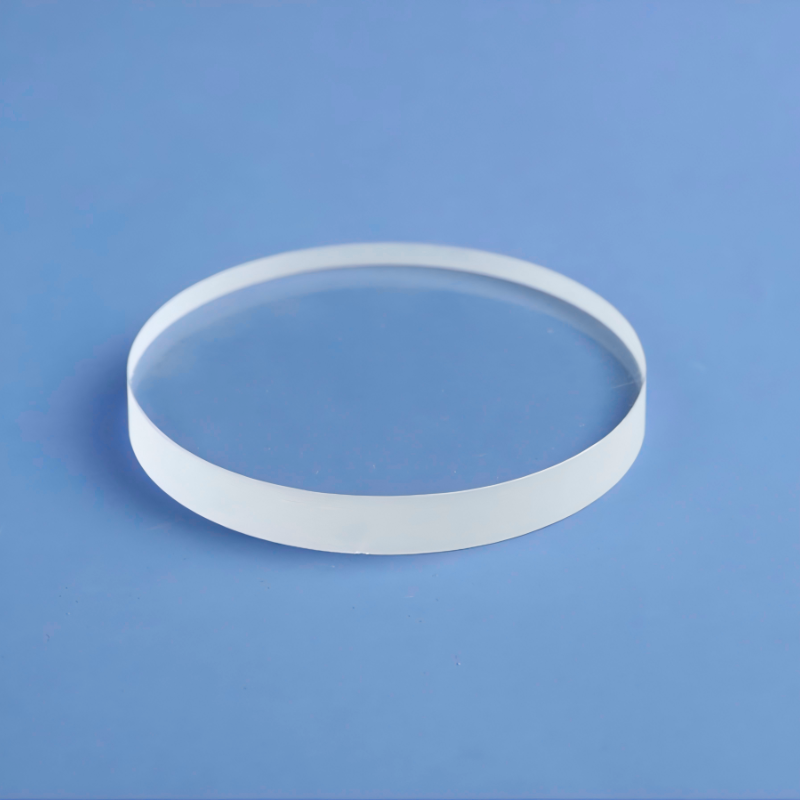
Fused Silica Quartz Glass Sheets & Clear Sapphire Tablets
T > 92%
1100°C Cont.
Optical Polish
View Details
Direct-from-factory high-temperature fused silica and precision-machined quartzware, engineered to withstand aggressive chemical environments, 1100°C continuous thermal loads, and rigorous industrial quality benchmarks.
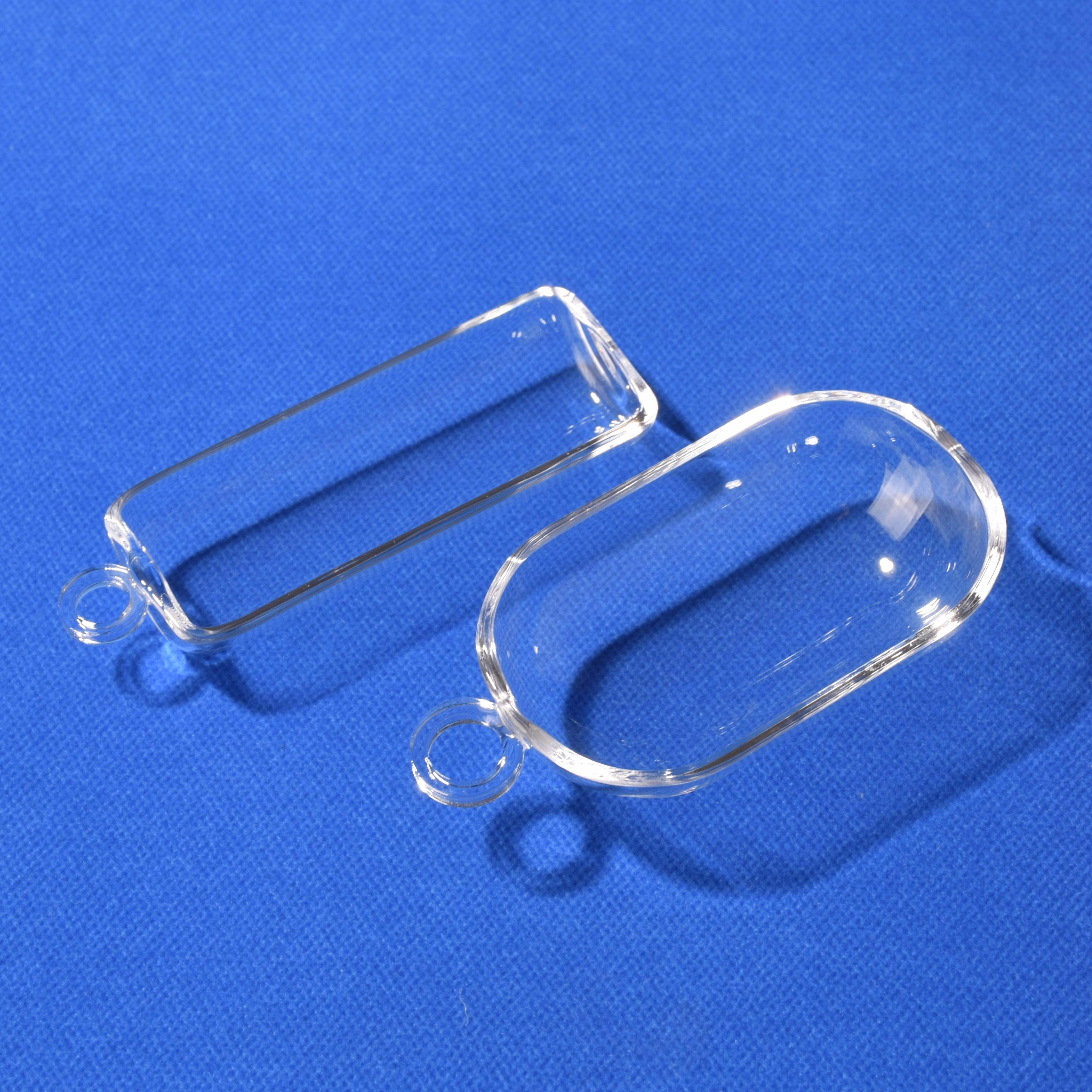
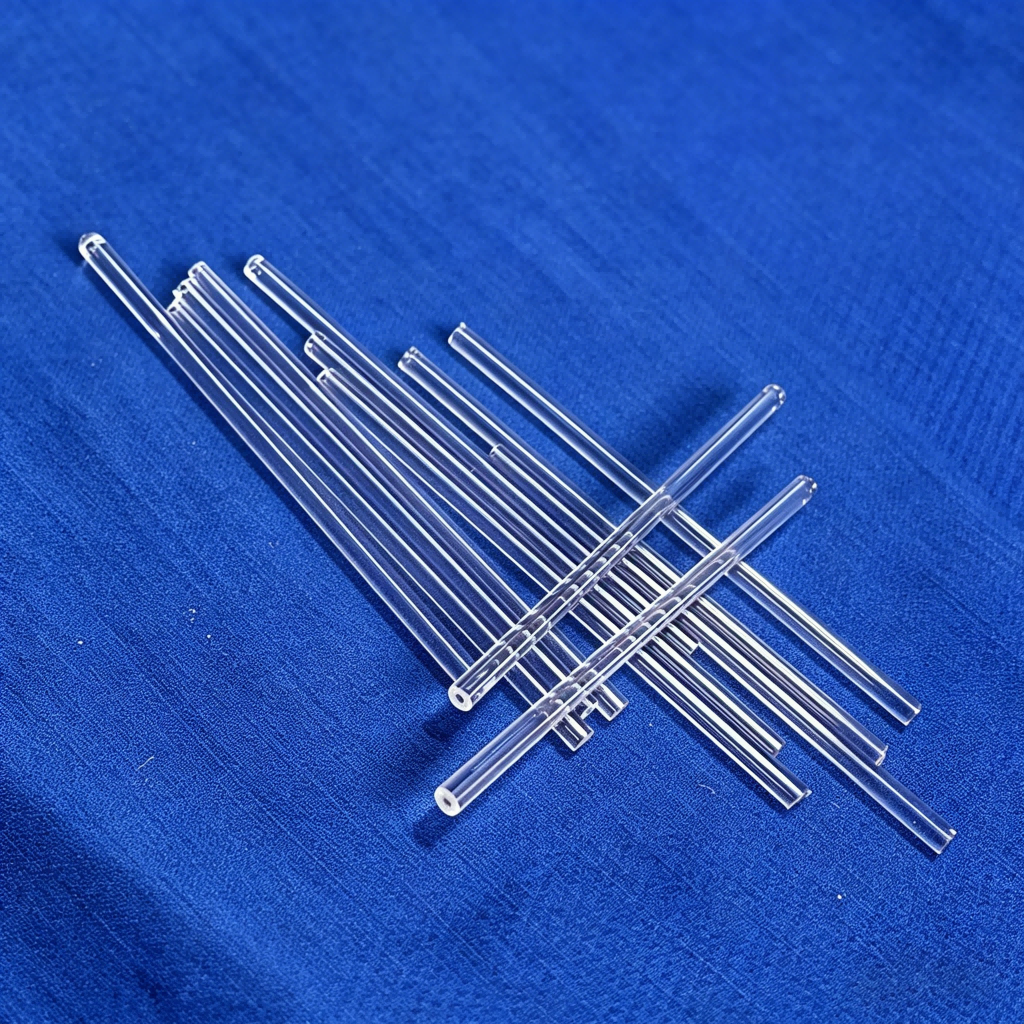
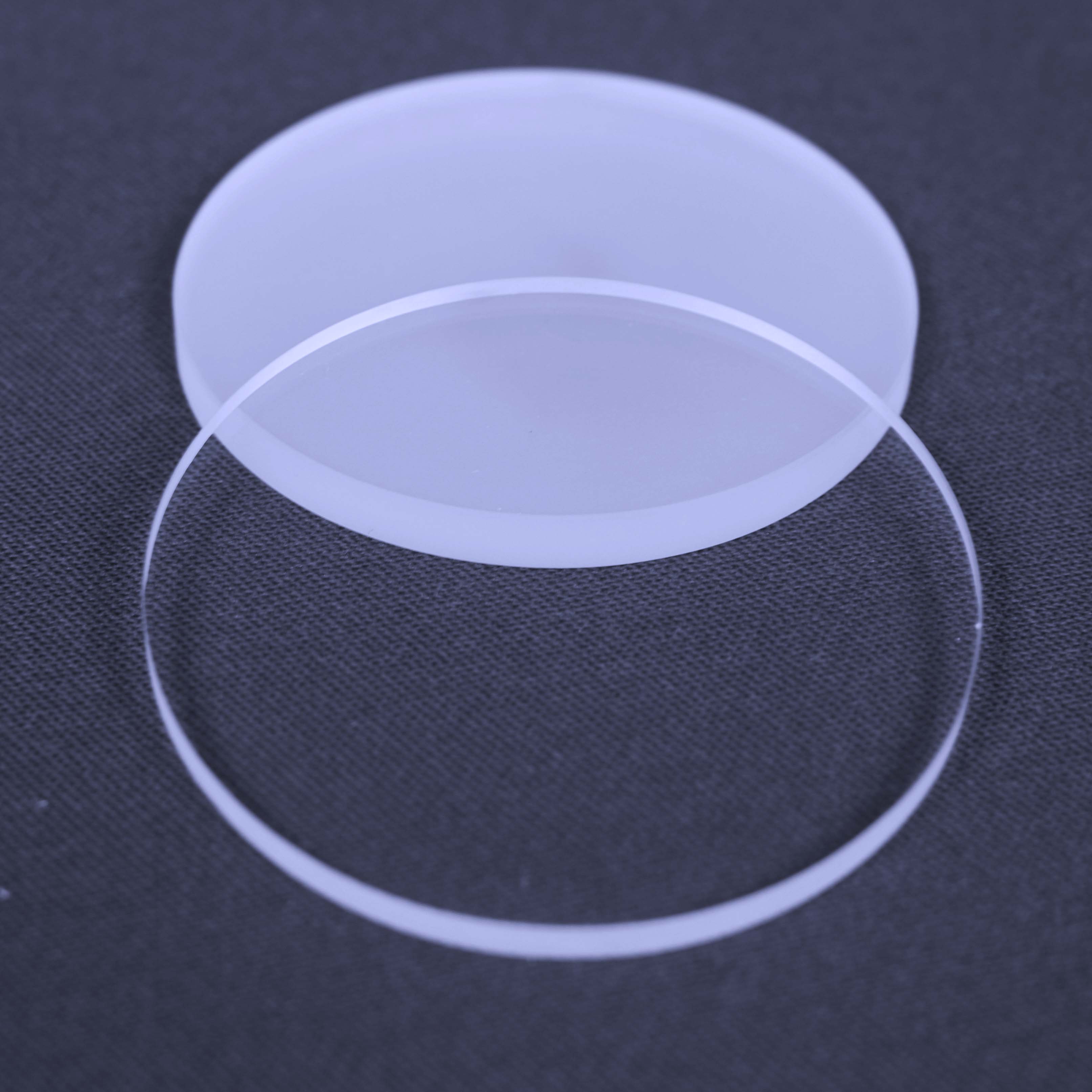
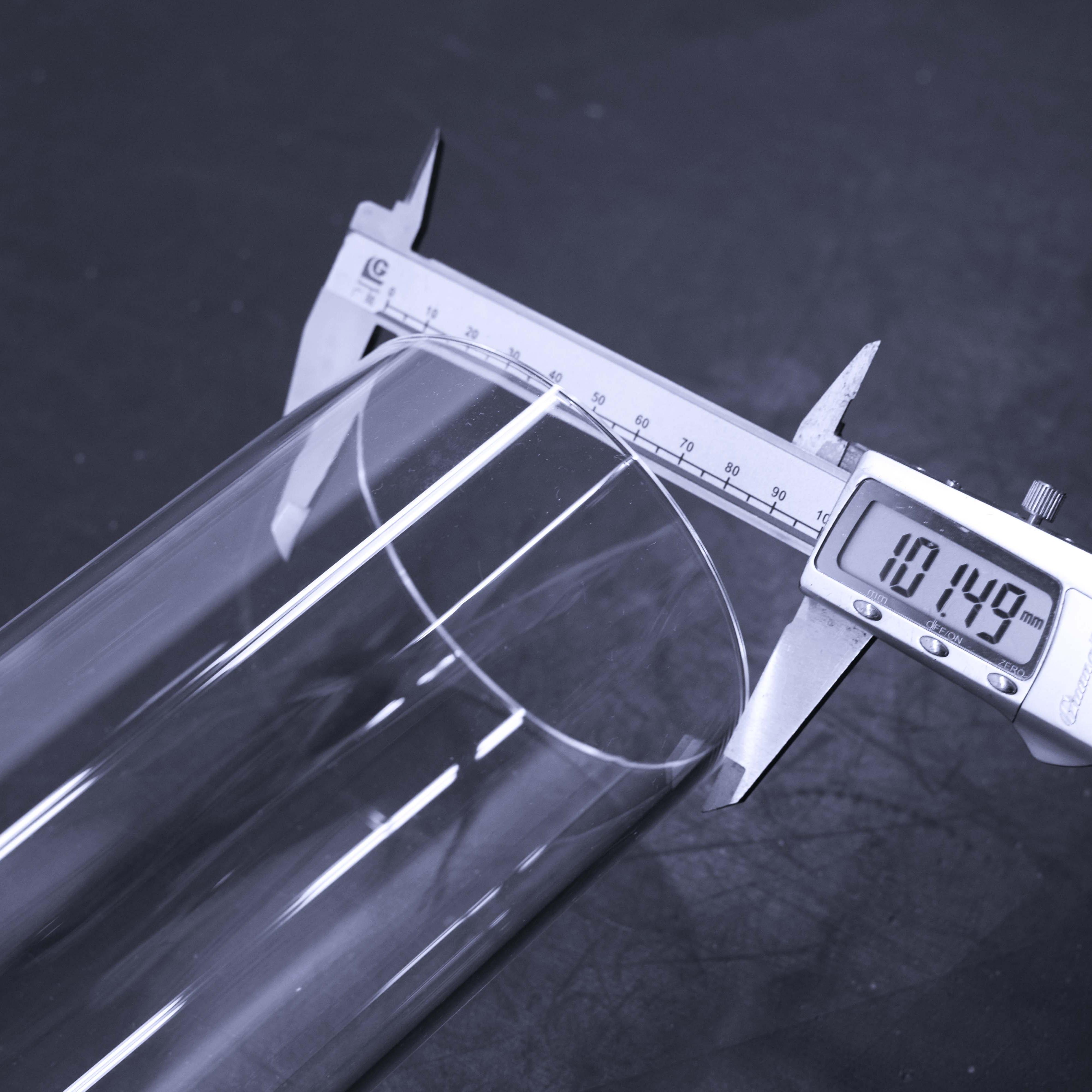
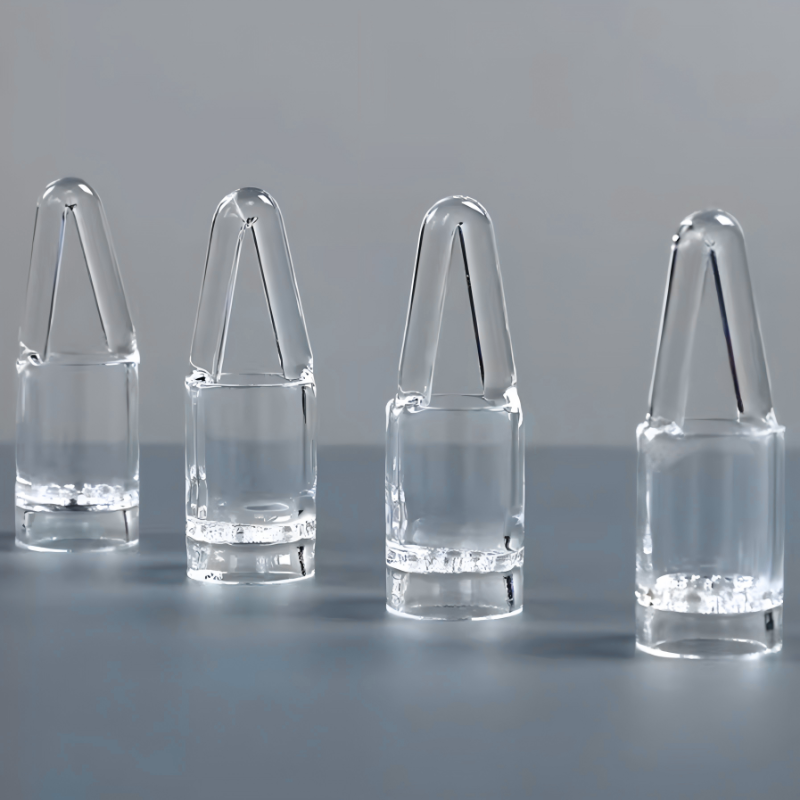
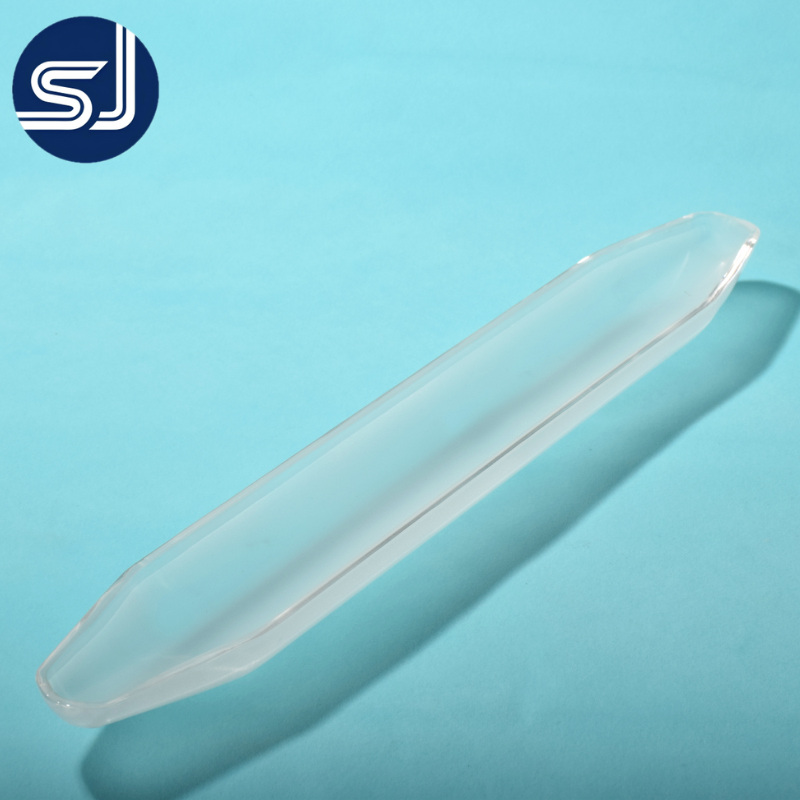
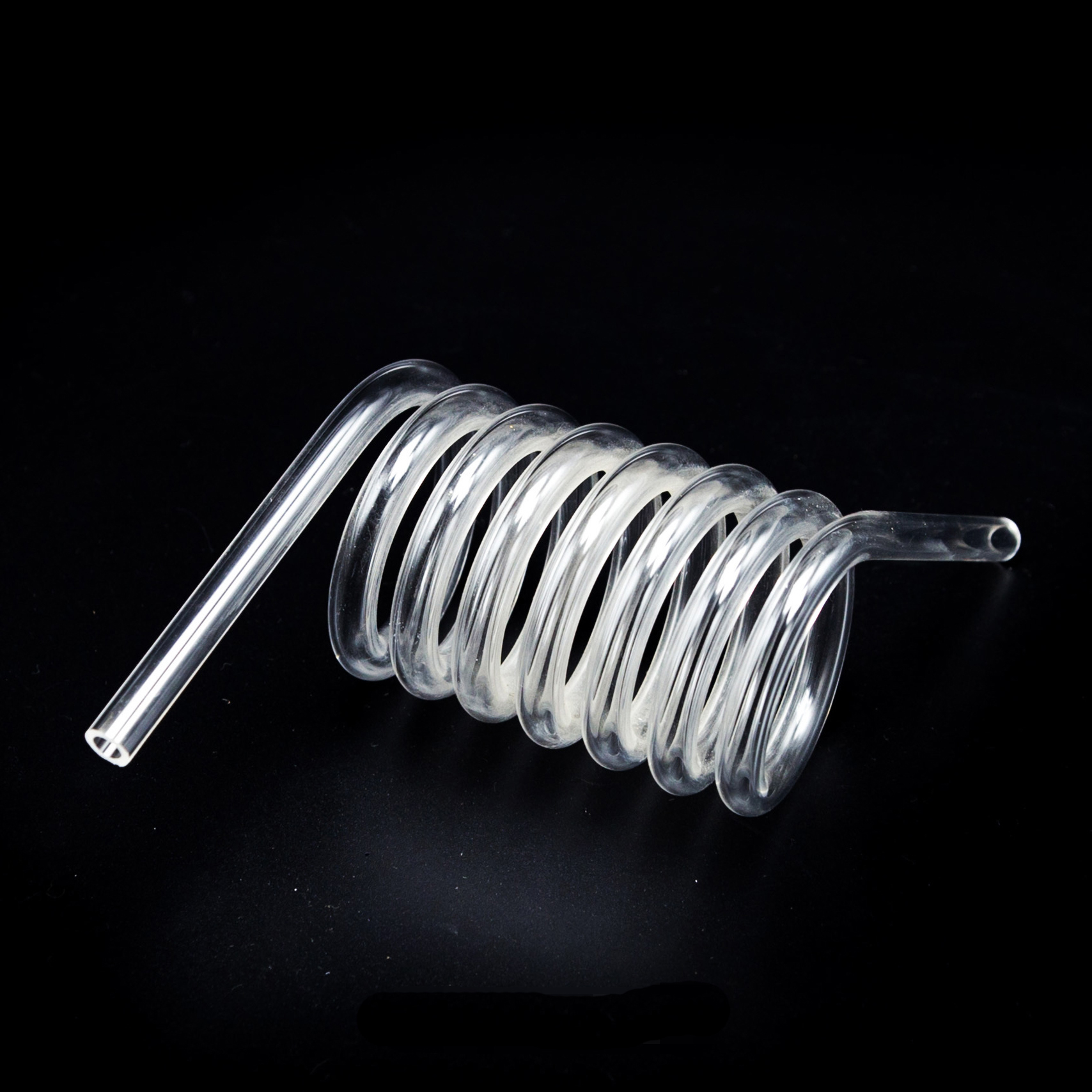
These empirical baseline values reflect laboratory and factory tests for standard fused quartz and high-purity synthetic silica manufactured for high-stress continuous duty:
| Physical / Thermal Parameter | Standard Clear Fused Quartz | Opaque Micro-Porosity Quartz | Optical Synthetic Silica |
|---|---|---|---|
| Silicon Dioxide (SiO₂) Purity | ≥ 99.99% | ≥ 99.9% | ≥ 99.999% |
| Density (g/cm³) | 2.20 | 2.08 – 2.15 | 2.201 |
| Thermal Expansion (0–300°C) | 5.5 × 10⁻⁷ K⁻¹ | 5.4 × 10⁻⁷ K⁻¹ | 5.2 × 10⁻⁷ K⁻¹ |
| Continuous Service Temperature | 1100°C | 1050°C | 1200°C |
| Peak Operating Temperature (Short-Term) | 1450°C | 1350°C | 1500°C |
| Annealing Point | 1140°C | 1120°C | 1180°C |
| Tensile Strength (MPa) | 48 – 52 N/mm² | 42 – 46 N/mm² | 54 – 58 N/mm² |
| Dielectric Strength (kV/mm at 20°C) | 25 – 30 | 22 – 26 | 35 – 40 |
| Infrared Absorption / Emission Peak | Transmissive to 3.5 μm; FIR emitter above 4.5 μm | High diffuse emissivity across 2.5–12.0 μm | Deep UV through NIR; high laser damage threshold |
| Engineering Attribute | Far Infrared Fused Quartz | Ceramic Infrared Emitters | Calrod / Metallic Sheathed |
|---|---|---|---|
| Thermal Response / Ramp-up Speed | Fast (< 25 to 45 seconds); instant thermal flux modulation | Slow (8 to 15 minutes) due to high ceramic thermal mass | Moderate (3 to 6 minutes); significant lag |
| Radiant Conversion Efficiency | 88% – 92% directly transferred to workload | 65% – 72%; high residual conductive/convective loss | 45% – 55%; largely convective |
| Thermal Shock Resistance | Extreme (ΔT > 1000°C); zero fracture on water quench | Poor to moderate; prone to micro-cracking and spalling | High, but sheath warps and oxidizes over time |
| Chemical & Corrosive Inertness | Completely inert to all acids (except HF/Phosphoric >150°C) | Glaze degrades under acidic or sulfur atmospheres | Severe scaling and pitting under corrosive vapors |
| Surface Particulate Contamination | Zero dust / Non-shedding; pure vitreous quartz | Ceramic binder degrades; potential particulate fallout | Flaking metal oxide scales |
Gomel represents a critical industrial corridor characterized by intense chemical synthesis, massive architectural and automotive glass production, agricultural machinery engineering, and high-standard agro-processing.
Within prominent facilities such as the Gomel Chemical Plant, processing phosphate fertilizers, sulfuric acid derivatives, and fluorinated compounds generates intensely aggressive, corrosive atmospheres. Conventional metals corrode rapidly. Our high-purity quartz immersion heaters, reaction vessels, and capillary sample lines resist acid attack across wide thermal cycles, preserving continuous online analyzer accuracy.
Acid Resistance · 99.99% SiO₂As home to large-scale flat glass operations, Gomel requires ultra-precise thermal gradient management in annealing lehrs and tempering lines. Fused quartz observation ports, optical sight glasses, and calibrated far-infrared preheating panels deliver distortion-free optical pyrometry and uniform edge heating, preventing devitrification and thermal stress fractures in architectural float glass.
Optical Flatness · PyrometryHeavy engineering leaders such as Gomselmash fabricate massive combine harvesters and chassis components requiring heavy-duty powder coating, rapid primer drying, and weld stress relief. Customized quartz IR radiant cassettes heat thick steel substrate masses directly without overheating surface topcoats, reducing paint curing cycles from 30 minutes to under 8 minutes.
Rapid Curing · Heavy DutyThe agricultural belt surrounding Gomel relies on low-temperature, gentle radiant dehydration for grain seeds, starch derivatives, and dairy pasteurization. Far infrared quartz emitters deliver deep cellular moisture extraction via resonance without scorching or altering nutrient proteins, maintaining strict sanitary standards and zero combustion byproduct contamination.
Clean Sanitary · Uniform FIRStrategic initiatives across Eastern European manufacturing hubs emphasize lower kilowatt-hour consumption per ton, automated closed-loop thermal PID control, and resilient direct supply partnerships.
With natural gas volatility and industrial efficiency targets, Gomel manufacturing installations are actively converting gas-fired convection ovens to zoned electric far-infrared quartz radiant arrays. This shift cuts net thermal footprint by up to 35%, eliminates convective stack exhaust losses, and significantly lowers localized NOx emissions.
Modern production facilities require split-second temperature feedback. Quartz emitters provide sub-30-second ramp-up and cool-down cycles, allowing multi-zone PLC/SCADA integration. Unlike massive thermal inertia in ceramic heaters, quartz arrays prevent line overheating during unexpected mechanical stoppages.
Gomel procurement directors are increasingly bypassing tiered regional trading intermediaries in favor of certified original equipment manufacturers. Direct procurement ensures strict compliance with technical drawings, exact chemical trace analysis, and customized export-grade packaging engineered for trans-Eurasian transport corridors.
Headquartered in the Jiangsu Donghai Economic Development Zone—globally recognized as the crystal capital—Lianyungang Vulra Quartz Products Co., Ltd. combines raw mineral purity with advanced CNC machining and thermal lathe craftsmanship.
Our production facilities, testing protocols, legal status, and manufacturing lines are independently assessed and verified on-site by TÜV Rheinland. Full CE and RoHS compliance documentation accompanies all product series.
Direct supply from Donghai’s premier quartz reserves guarantees exceptionally low transition metal content (Fe < 1.5 ppm, Al < 15 ppm, Ti < 1.0 ppm). This ensures maximum UV-VIS-NIR transmittance and resistance to high-temperature devitrification.
We welcome 2D CAD and 3D step files for customized laboratory and furnace components. Whether validating a single prototype or executing recurring container-load batch orders, our engineering review flags wall-thickness and thermal shock risks before manufacturing.
Equipped with high-precision oxy-hydrogen flame benches, CNC continuous cutting lathes, ultrasonic core drills, double-sided optical planar polishing, and computer-controlled annealing ovens for total internal stress elimination.
Quartzware is exceptionally fragile. Every tube, plate, and custom vessel is acid-cleaned, DI-water rinsed, hermetically sealed, cushioned in high-density customized EPE foam, and encased in reinforced fumigated plywood cases tailored for rail and maritime transit.
Every lot undergoes laser outer-diameter and wall-thickness scanning, optical transmission spectrometry, polarimetric residual stress verification, and hydrostatic vacuum pressure testing before release.
Detailed technical and logistical answers addressed directly by Vulra Quartz production engineers to guide Eurasian procurement teams.
Our high-purity clear fused quartz is rated for continuous continuous operation up to 1100°C and short-term excursion limits up to 1450°C. The softening point is approximately 1683°C. In high-temperature horizontal tube furnaces (such as those used in Gomel metallurgical powder sintering), tube sagging occurs when temperatures exceed 1150°C under vacuum or high physical loads. To prevent deformation, we engineer custom heavier wall thicknesses (e.g., increasing wall thickness from 3mm to 5–6mm for diameters exceeding 100mm) and recommend intermediate support saddles or periodic tube rotation (180°) during service cycles.
Hydroxyl ions (OH⁻) bound within the amorphous silica lattice create strong fundamental absorption bands around 2.73 μm and secondary overtones at 2.2 μm and 1.38 μm. For optical infrared emitter tubes, an excessively high OH⁻ content (>150 ppm) absorbs a portion of the useful near/mid infrared output, converting it into localized tube wall thermal stress rather than radiating outward. Vulra Quartz utilizes specialized electrical fusion and vacuum thermal dehydroxylation to reduce OH⁻ content down to <20 ppm (or <5 ppm on specialized vacuum grades), ensuring superior radiant transmission efficiency, mechanical stability at high temperatures, and higher devitrification resistance.
Clear quartz tubes emit primarily in the short to medium-wave spectrum (1.0 to 3.0 μm), which provides deep penetration suitable for thin films or transparent media. However, for dense primers, viscous paints, and epoxy powder coatings used in agricultural machinery (such as Gomselmash combine bodies), opaque (milky/translucent) quartz is preferred. Opaque quartz contains billions of microscopic trapped gas micropores that scatter radiation, transforming emitted energy into wide-band medium and far-infrared wavelengths (3.0 to 8.0 μm). This ensures optimal surface absorption, prevents substrate blistering, and guarantees uniform cross-linking across complex metal profiles.
Shipping fragile quartz products over several thousand kilometers requires specialized multi-layer packaging engineering. Each quartz component is individually washed, wrapped in dust-free film, cushioned in custom-molded high-density expanded polyethylene (EPE) foam, and housed in compartmentalized heavy-duty inner cartons. These are packed into reinforced, ISPM-15 compliant fumigated export wooden crates equipped with perimeter internal shock absorbers. Tilt and shock indicators are affixed to outer crates. Over our 6+ years of international export, our freight arrival damage rate remains below 0.2%.
Yes. Our engineering department regularly translates legacy GOST equipment drawings and European metric specifications into precision production plans. We review critical tolerances (linear tolerances down to ±0.05 mm, angular tolerances, ground finish specifications, and thermal weld relief requirements) and provide a comprehensive DFM (Design for Manufacturability) feasibility report prior to cutting. Prototypes can be produced from a single piece (MOQ 1 PC) for on-site fit testing and thermal validation in Gomel factories.
Devitrification is the phase transformation of vitreous, amorphous silica glass into crystalline cristobalite. It typically occurs above 1000°C in the presence of surface nucleating contaminants (such as alkali metals, fingerprints, sodium, potassium, or airborne dust). Once cristobalite forms, cooling through 270°C causes a dramatic 3% volumetric shrinkage that results in opaque white hazing and micro-fracturing. To maximize component life: (1) Operators must handle quartz solely with clean cotton gloves; (2) Prior to firing, clean quartz surfaces with 5% hydrofluoric acid or high-purity ethanol followed by DI-water rinse; (3) Maintain a clean furnace atmosphere free of salt vapours.