Featured OEM Quartz Glass Products & Components
Precision-crafted fused silica tubes, optical plates, laboratory flasks, and custom substrate designs tailored for Estonian industrial R&D and high-tech manufacturing facilities.
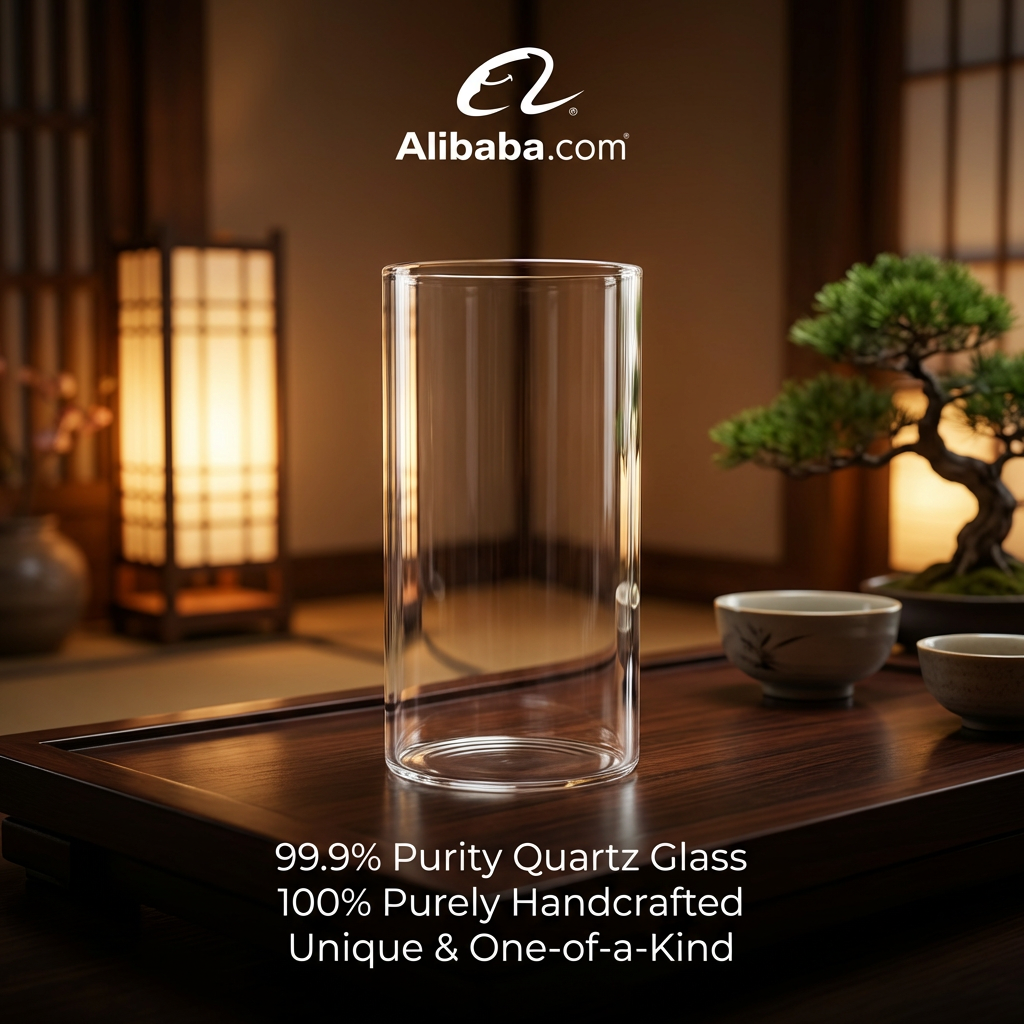
Custom Clear Fused Quartz Tube (99.999% Purity)
Fire-polished silica glass tubes crafted for high-vacuum, high-temperature fluidic handling and specialized chemical vapor deposition.

High-Corrosion Resistant Semiconductor Lab Quartzware
400-mesh precision quartz engineered for aggressive thermal acid etching and chemical synthesis in cleanroom environments.
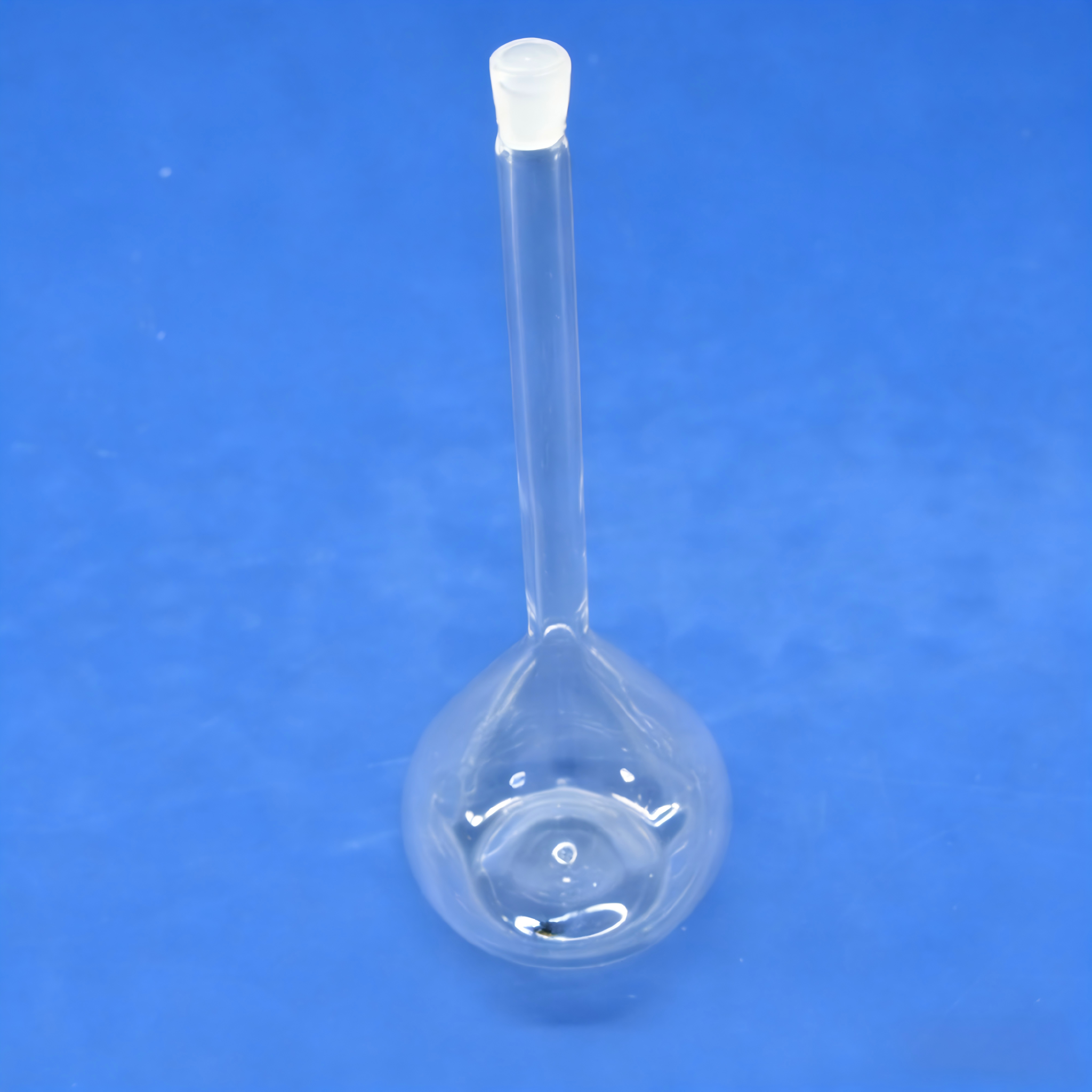
High-Purity Customized Quartz Flasks & Ampoules
Custom bent, welded, and ozone-free polished quartz glass vessels designed for sensitive chemical research and material purity.
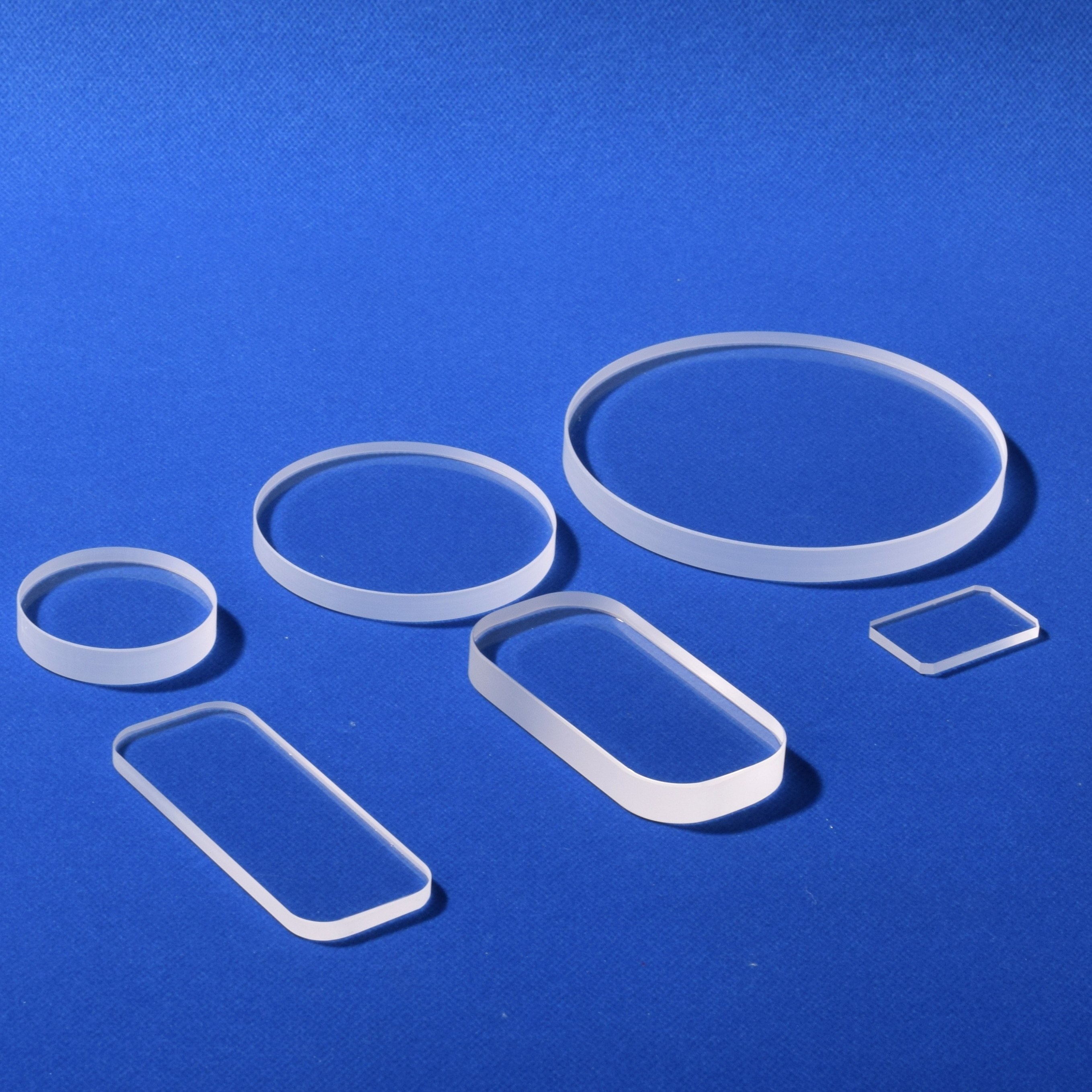
High Transmittance Heat Resistant Quartz Observation Windows
Ultra-clear sight glasses providing high electrical insulation and exceptional UV-Vis optical transparency for pressure chambers.
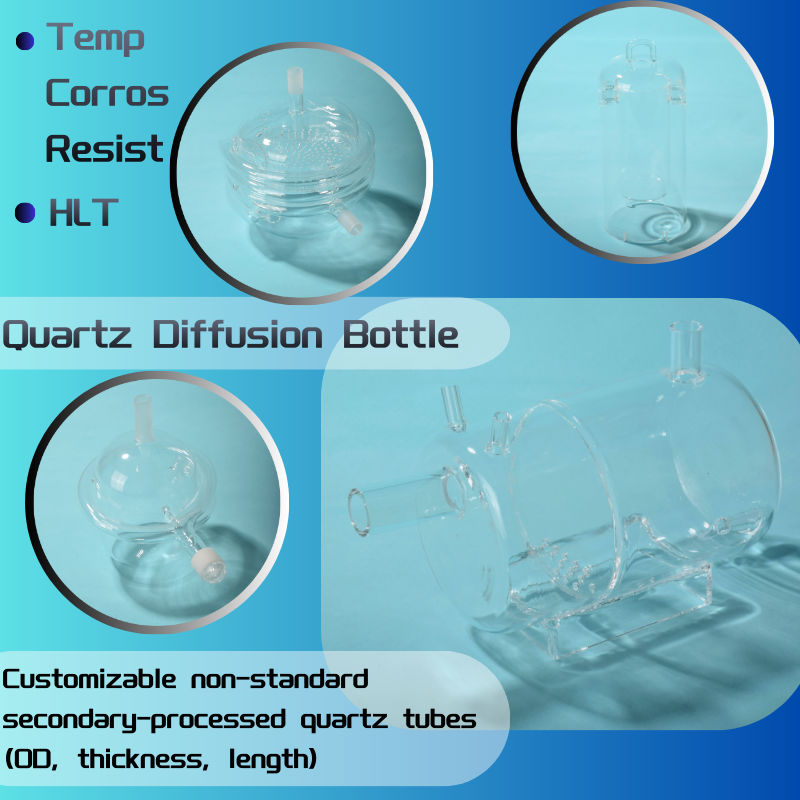
Custom Clear Quartz Condensers & Purification Units
Complex separatory funnels and distillation assemblies custom-fabricated for chemical refinement and electronics-grade purifications.
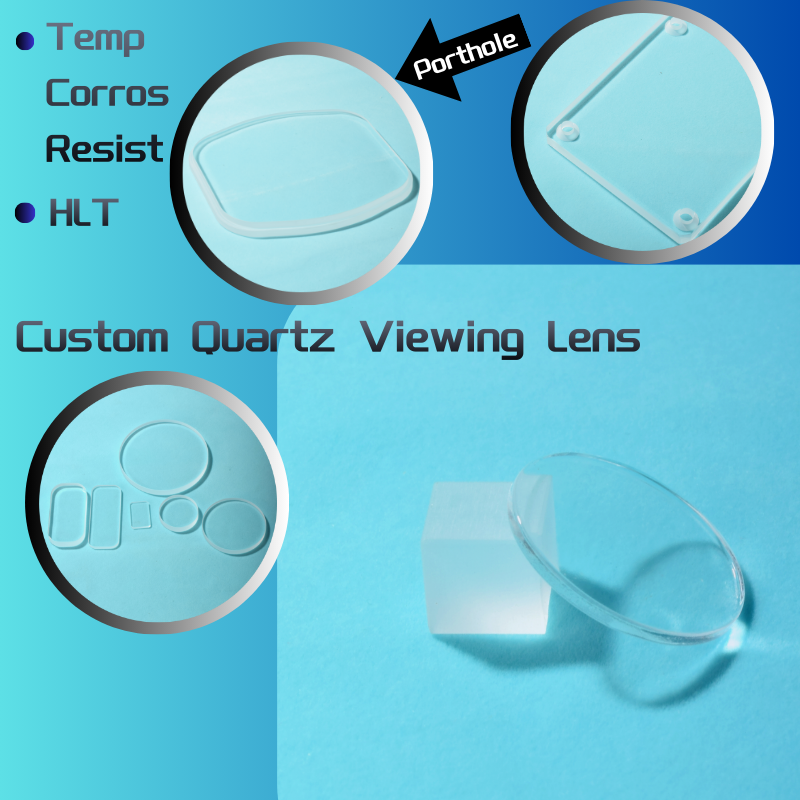
Natural Fused Quartz Square Thin Glass Substrate Slides
Precision-sliced, ultra-flat square silica substrates for optical microscopy, thin-film deposition, and laser target mountings.
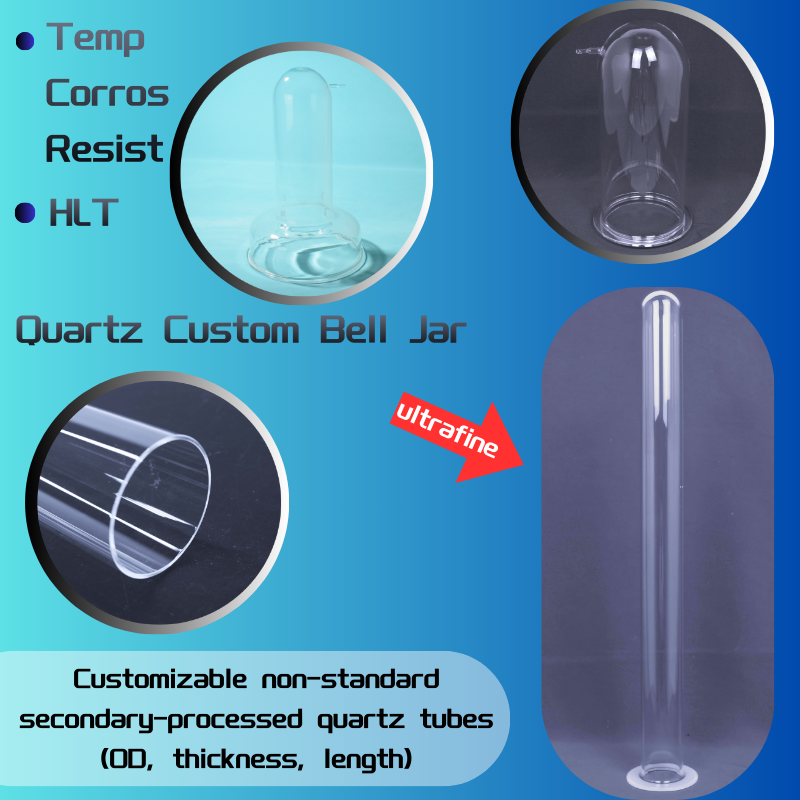
Negative Pressure Leak-Proof Quartz Vacuum Tubes
High-precision customizable 99.99% SiO2 vacuum containment tubes engineered for leak-free, high-temperature plasma processing.
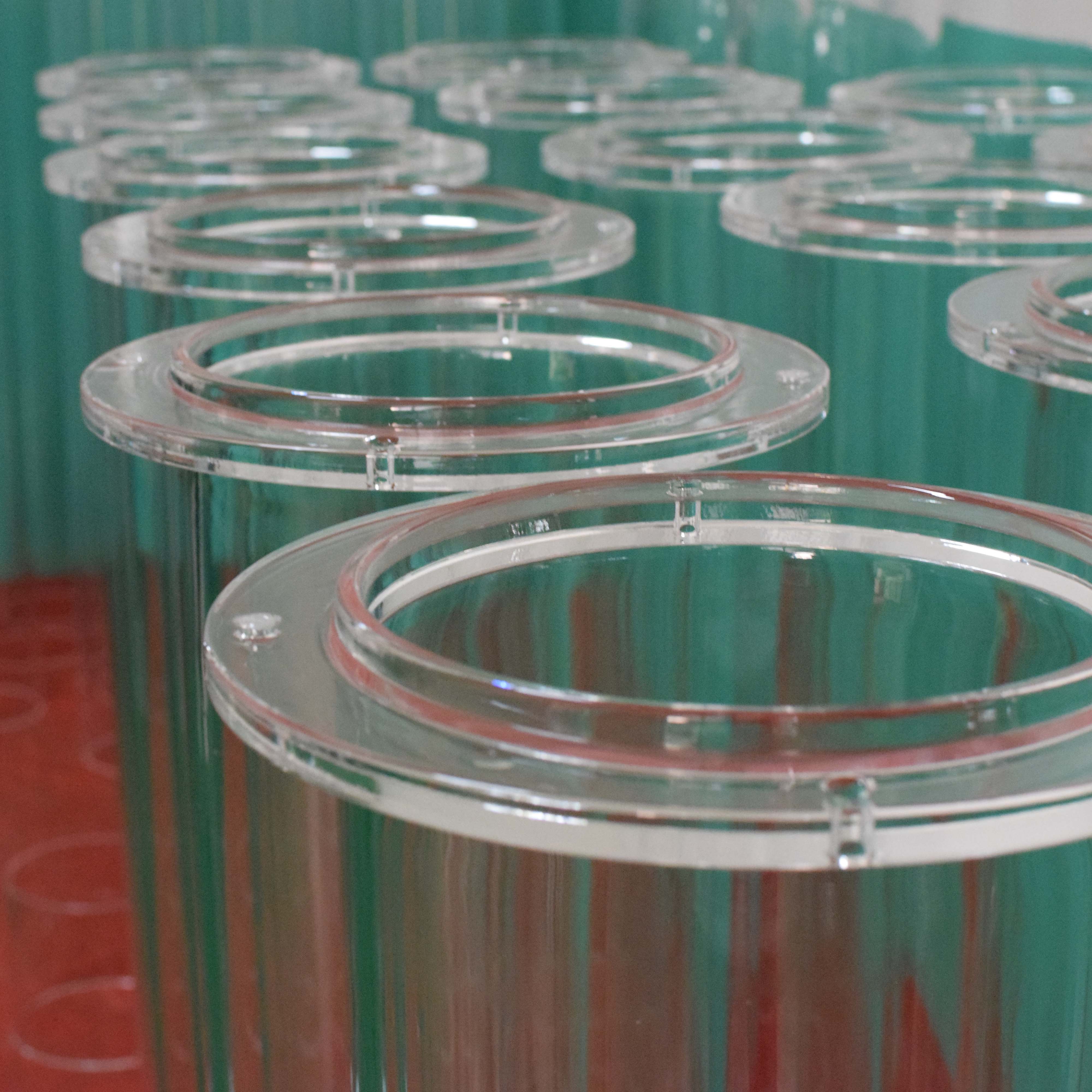
Single Crystal & Fused Quartz Tube Flanges & Re-feeders
Heavy-wall quartz flange systems, re-feeder containers, and welded quartz manifolds custom machined to exacting drawing tolerances.
1. Technical Whitepaper: Engineering Precision Quartz Substrates for Northern European Industries
In modern high-technology manufacturing, Fused Quartz Substrates and synthetic fused silica components serve as foundational materials where conventional glass families—such as borosilicate or float glass—fail under thermal strain, chemical attack, or optical degradation. As Estonia rapidly evolves into a Northern European center for deep-tech innovation, photonics, and microelectronics assembly, the demand for precision OEM quartz substrates engineered to micro-inch tolerances has intensified.
1.1 Physical Dynamics & Structural Properties of Synthetic Silica
High-purity fused quartz is produced through the thermal synthesis or oxygen-hydrogen melting of silicon dioxide ($\text{SiO}_2$) crystal grains. The resulting non-crystalline, amorphous material features ultra-strong silicon-oxygen covalent bonds without long-range crystalline order. This chemical structure imparts unmatched physical attributes:
- Ultra-Low Thermal Expansion: Featuring an extraordinarily low coefficient of thermal expansion ($\text{CTE} \approx 5.5 \times 10^{-7} /\text{K}$ from $20^\circ\text{C}$ to $320^\circ\text{C}$), quartz substrates exhibit immune behavior against thermal shock. An engineer can heat a fused quartz plate to over $1100^\circ\text{C}$ and plunge it directly into cold water without inducing structural micro-cracks.
- Broad Spectrum Optical Transmission: From deep ultraviolet (UV-C wavelengths starting down at $190\text{ nm}$) up to the near-infrared spectrum ($3700\text{ nm}$), synthetic quartz substrates maintain over $90\%$ internal transmittance. This renders them critical for laser windowing, photolithography masks, and optical spectroscopy.
- Dielectric Integrity & Electrical Insulation: Possessing a dielectric constant ($\varepsilon_r \approx 3.75$ at $1\text{ MHz}$) and negligible dielectric loss tangent ($\tan \delta < 0.0001$), fused silica substrates enable distortion-free signal propagation in high-frequency microwave and 5G/6G RF semiconductor packaging.
- Chemical Resistance: Fused quartz is completely inert to almost all acid matrices (hydrochloric, nitric, sulfuric, aqua regia) at ambient and elevated temperatures, dissolving only when exposed to hydrofluoric acid ($\text{HF}$) or hot concentrated phosphoric acid ($>200^\circ\text{C}$).
1.2 Technical Comparison: Fused Quartz vs. Standard Industrial Substrates
Understanding material selection tradeoffs is vital for design engineers at Estonian OEMs and university research institutes. Below is a detailed performance matrix comparing natural fused quartz, synthetic fused silica, borosilicate, and sapphire substrates:
| Property Parameter | Fused Quartz (Natural) | Synthetic Fused Silica | Borosilicate Glass | Single-Crystal Sapphire |
|---|---|---|---|---|
| $\text{SiO}_2$ Purity Level | 99.99% – 99.999% | > 99.9999% | ~81% $\text{SiO}_2$ + $\text{B}_2\text{O}_3$ | $\text{Al}_2\text{O}_3$ (>99.99%) |
| Max Continuous Working Temp. | 1100°C | 1200°C | 450°C | 1800°C |
| Softening Temperature | 1683°C | 1710°C | 820°C | 2040°C |
| Thermal Expansion ($\times 10^{-7}/\text{K}$) | 5.5 | 5.1 | 32.5 | 53 (Anisotropic) |
| UV Spectrum Range ($T > 80\%$) | 220 nm – 3500 nm | 185 nm – 2500 nm | 320 nm – 2500 nm | 200 nm – 5000 nm |
| Surface Roughness ($Ra$) via CNC | < 0.5 nm (Polished) | < 0.2 nm (Optical) | ~1.0 nm | < 0.3 nm |
2. Specialized Processing & Custom OEM Manufacturing Capabilities
Our fully equipped manufacturing plant provides comprehensive hot flame fabrication and cold CNC diamond machining from single-piece prototypes to volume production.
Ultra-Precision CNC Machining
5-axis CNC diamond grinding, edge beveling, waterjet profiling, micro-drilling holes down to 0.3mm diameter, and precision slotting on quartz plates.
Thermal Stress Relief Annealing
Computer-controlled 24-hour thermal annealing cycles eliminate residual internal stresses from flame-welding, preventing thermal fracture under stress.
Double-Side Lapping & Polishing
Achieving surface flatness within $\lambda/4$ per 25mm, parallelism under 10 arcseconds, and surface scratch-dig specifications down to 10-5.
3. Localized Industrial Applications in the Estonian Ecosystem
Estonia's industrial transition toward a digital, high-tech, and sustainable eco-economy has driven demand for specialty quartz substrates across multiple regional technological hubs:
3.1 Tallinn & Harju County: Laser Systems, Microelectronics & Optical Sensors
In the greater Tallinn area, including the Tehnopol Science and Business Park, advanced optics firms and defense systems integrators utilize optical-grade fused silica substrate disks as laser window mirrors, beam splitters, and protective sight lenses. High-power fiber lasers ($1064\text{ nm}$) require low-absorption synthetic quartz windows to prevent thermal lensing—a phenomenon where local heating deforms glass and distorts beam symmetry. Custom OEM quartz substrates supplied by our factory deliver absorption coefficients below $10^{-5} \text{cm}^{-1}$, ensuring thermal focal stability.
3.2 Tartu & Southern Estonia: Scientific Instrumentation & Semiconductor Physics
Centering around the University of Tartu Institute of Physics and surrounding spin-off enterprises, research into atomic layer deposition (ALD), microfluidic chips, and spectroscopy demands customizable quartz micro-substrates. Quartz's optical transparency in the UV spectrum allows for real-time fluorescence imaging and UV cross-linking within analytical microfluidic channels. Furthermore, quartz crystal slides serve as ultra-clean sample holders for X-ray diffraction (XRD) and Raman scattering spectroscopy due to their non-interfering background signals.
3.3 Narva & Ida-Viru Region: Industrial Thermal Processing & Chemical Energy
As Eastern Estonia modernizes its industrial manufacturing and transitions into clean energy research, high-temperature chemical reactions and materials processing require robust quartzware. Heavy-wall fused quartz diffusion tubes, furnace boats, and flange containers provide corrosion-proof containment for thermal processing up to $1150^\circ\text{C}$, preventing metal-ion contamination during high-purity chemical vapor reactions.
4. Strategic Trends Shaping Quartz Substrate Demand in Estonia (2025–2030)
To maintain a strategic procurement edge, procurement directors and engineering leads across the Baltic region must align with critical market dynamics:
4.1 European Chips Act Expansion & Baltic Assembly Integration
With the European Union investing heavily in localized semiconductor supply chains through the European Chips Act, Baltic firms are increasing their presence in semiconductor assembly, testing, and specialty sensor packaging. High-purity quartz carrier wafers and vacuum holding plates are essential tooling elements that guarantee zero sodium ($\text{Na}$) or heavy metal leaching during high-temperature thermal annealing of silicon wafers.
4.2 Deep-Tech Quantum Optics & Integrated Photonics
Estonian tech start-ups and European research consortia are pioneering integrated photonics circuits (PICs) and quantum key distribution (QKD) hardware. These systems rely on synthetic fused silica plates with optical surface roughness ($Ra < 0.2\text{ nm}$) as ultra-flat base substrates for optical lithography and anti-reflective coated optical components.
4.3 The Green Transition & High-Efficiency Photovoltaic Research
Estonia’s climate neutral goals drive continuous innovation in next-generation solar technologies, such as perovskite-on-silicon tandem cells. Photovoltaic testing rigs utilize high-transmittance quartz slides and furnace boats that resist continuous thermal cycling without devitrification (crystallization of glass into cristobalite).
5. Why Leading Estonian OEMs Partner with Lianyungang Vulra Quartz
Located in Donghai County—globally recognized as the crystal capital with direct access to high-purity natural silica deposits—Lianyungang Vulra Quartz Products Co., Ltd. combines raw material access with advanced manufacturing infrastructure.
TÜV Rheinland Verified
Independently audited factory grounds, verified production machinery, and authenticated trade compliance for frictionless international sourcing.
Strict Quality Control (CE & RoHS)
Every quartz substrate batch undergoes spectrographic purity verification, laser surface profilometry, and dimensional micro-caliper validation.
Flexible Customization (MOQ 1 PC)
From single prototyping runs for academic research projects to recurring OEM production schedules delivered directly to Tallinn, Tartu, or Pärnu.
Our engineering support team conducts drawing reviews prior to production, advising on wall thickness ratios, stress relief zones, and surface polish grades to ensure your custom quartz parts perform reliably upon installation.
6. Frequently Asked Questions for Sourcing Quartz Substrates in Estonia
Technical and logistical solutions tailored for procurement managers, researchers, and engineers operating within the EU/Estonian market.
What is the lead time and delivery route for sending custom quartz substrates to Estonia?
How do EU customs duties and VAT apply when importing quartz glass from your factory into Estonia?
What is the difference between JGS1, JGS2, and JGS3 quartz substrate grades?
JGS2 (Natural Fused Quartz): High-purity melted natural quartz crystal sand. Excellent for visible and near-IR optical spectrum applications, sight glasses, and semiconductor diffusion tubes.
JGS3 (Infrared Grade Quartz): Water-free infrared quartz (<5 ppm OH content) designed for high IR transmission up to 3700nm, ideal for thermal imaging and infrared optics.