High-Purity Quartz Components Engineered for Slovak Industry
Direct from our Donghai crystal manufacturing base to Bratislava, Trnava, and Nitra industrial parks. Fully customizable according to engineering CAD drawings, DIN/ISO standards, and high-vacuum specifications.
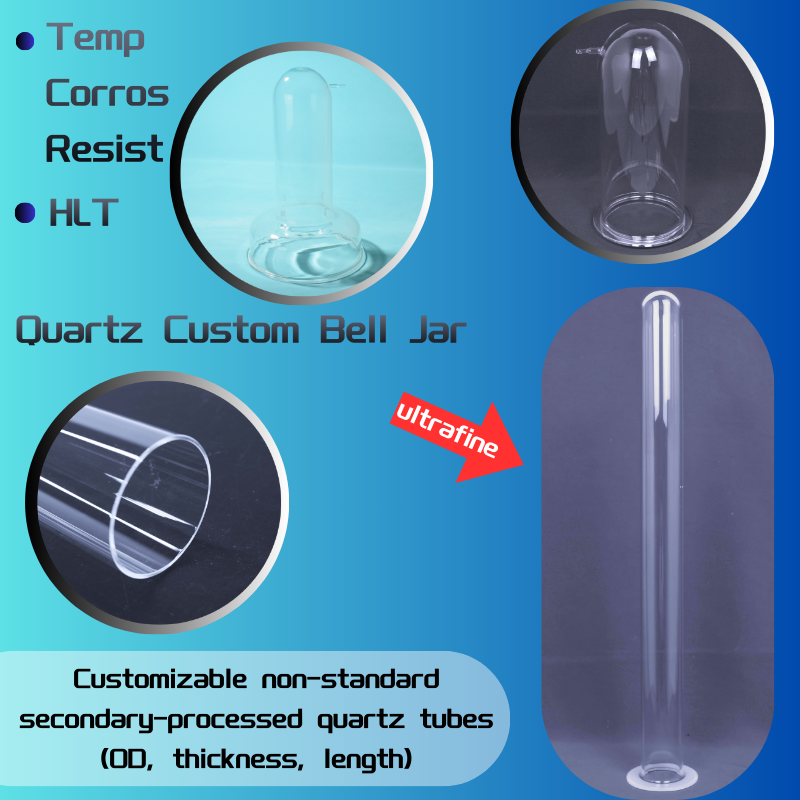
SJ 130 QUARTZ Clear Customizable High-Precision Vacuum Tube
Engineered for extreme sub-atmospheric environments, chemical vapor deposition (CVD), and inert furnace atmospheres with zero outgassing.
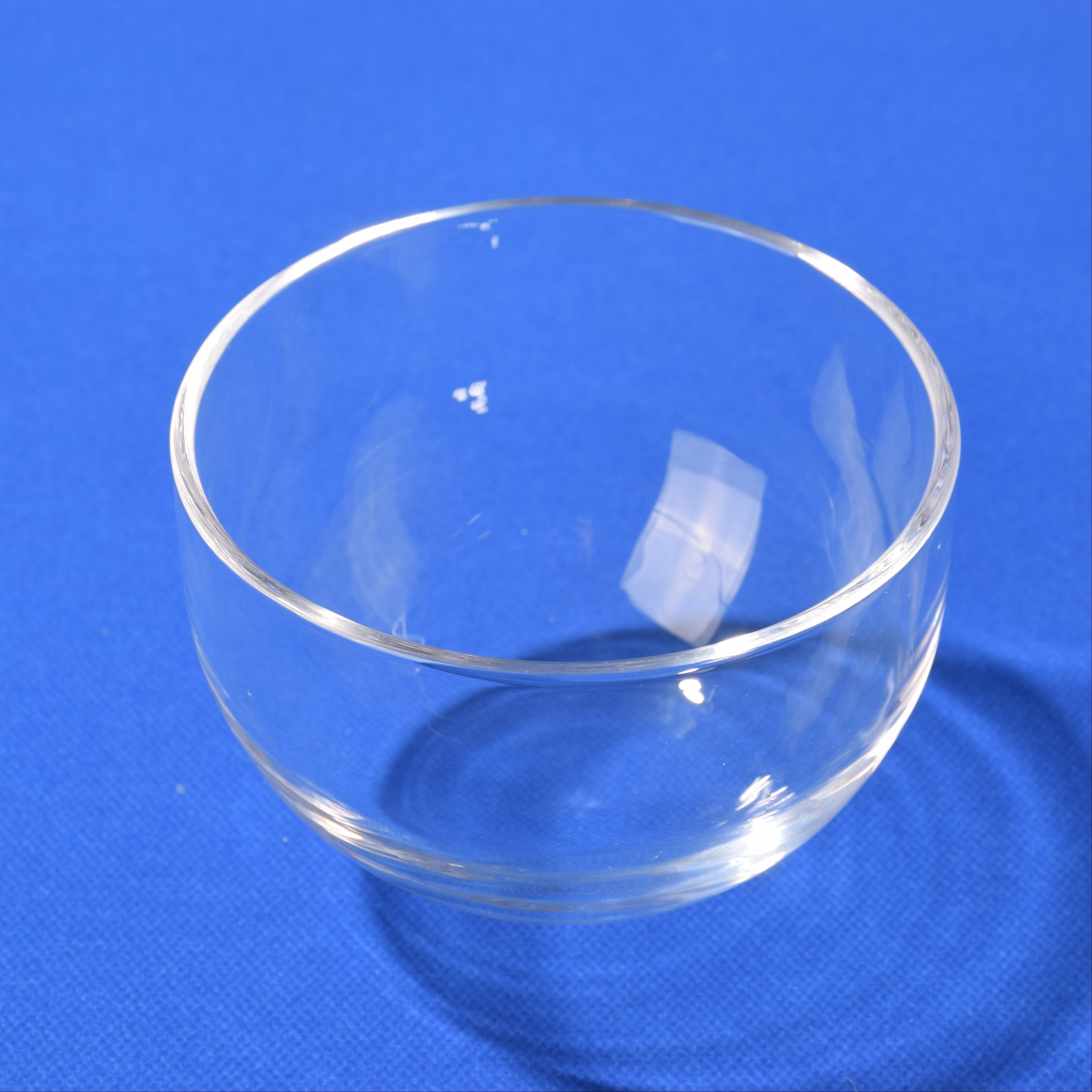
Clear Refractory Fused Quartz Crucible Bowl (SJ Brand)
Heavy-duty fused silica crucible bowls for non-ferrous metal calcination, high-purity silicon melting, and chemical calcination furnaces.
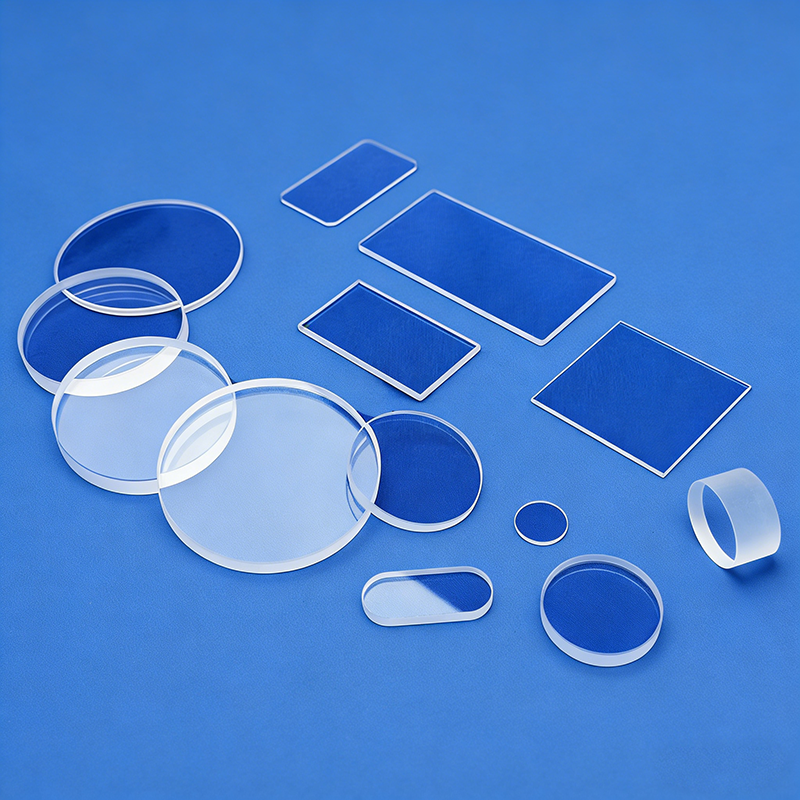
Customized Translucent Natural Fused Quartz Plates & Discs
Opaque-to-translucent high-temperature refractory barriers, heating muffle plates, and insulation shields machined with diamond tooling.
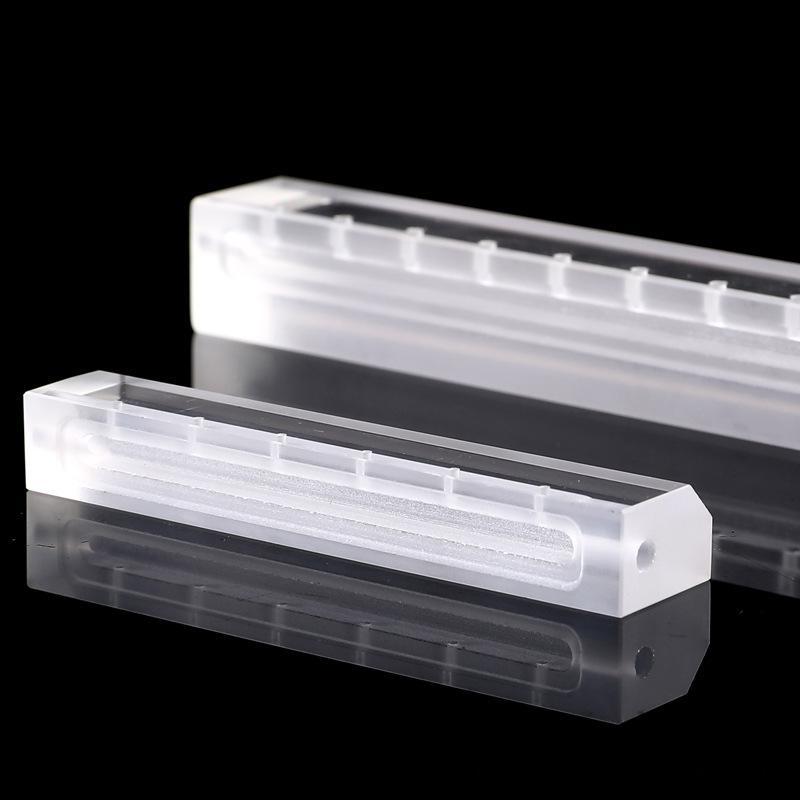
Clear Quartz Testing Sheet & Ultra-Thin Optical Windows
Precision circular and rectangular optical inspection substrates for spectrophotometry, UV laser path transmission, and clean analytical cells.
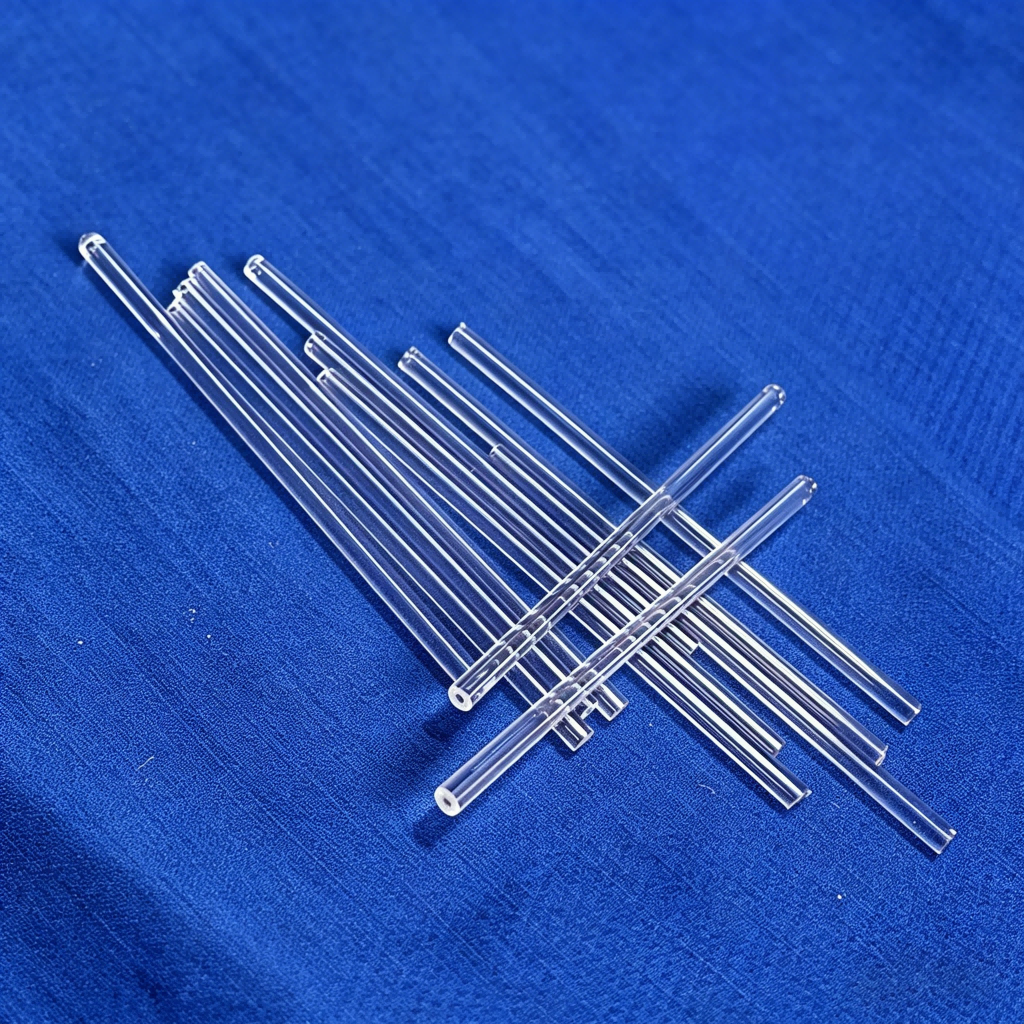
High Purity Micro-Capillary Quartz Tubes & Exhaust Tubing
Ultra-narrow diameter capillary conduits for analytical chromatography, gas exhaust systems, thermocouple sheathing, and sensor protection.
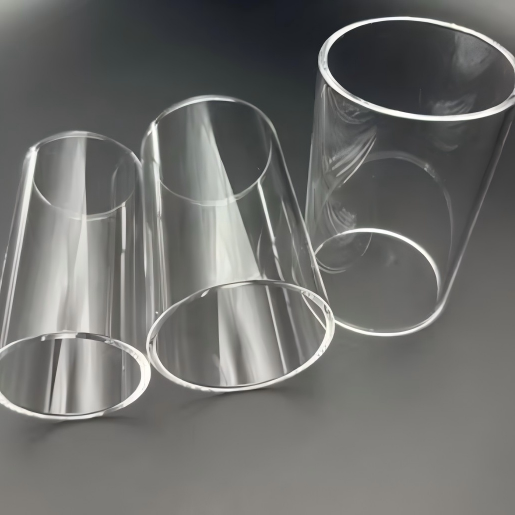
One-End Closed Quartz Combustion & Pyrolysis Tubes
Transparent polished fused silica heating vessels, closed via oxy-hydrogen lathe working, suited for horizontal tube furnaces and immersion heaters.
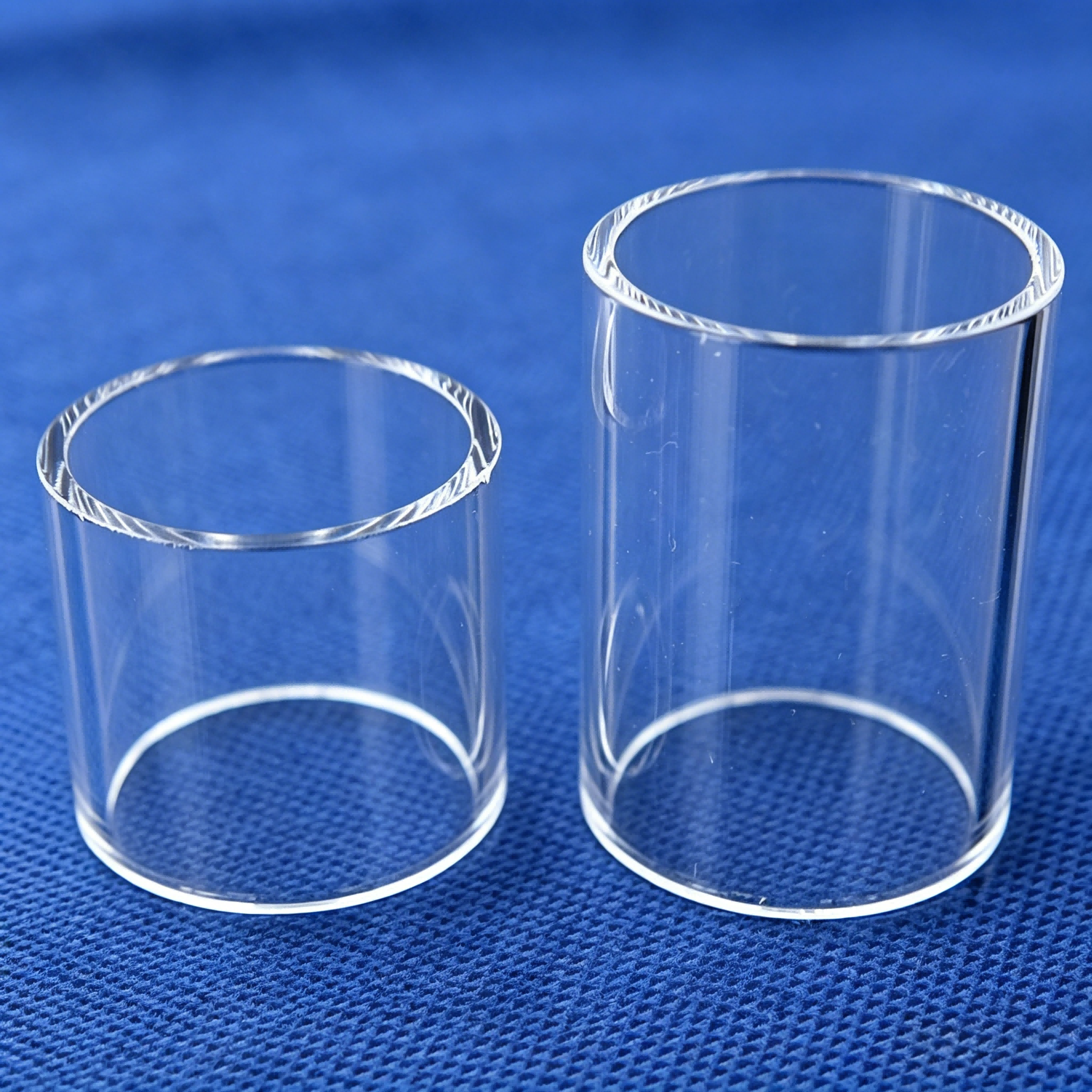
Twin-Tube & Double-Bore Custom Quartz Heating Pipes
Specialized twin-channel fused silica profiles designed for infrared emitters, dual chemical gas feeds, and precision heat-treating chambers.
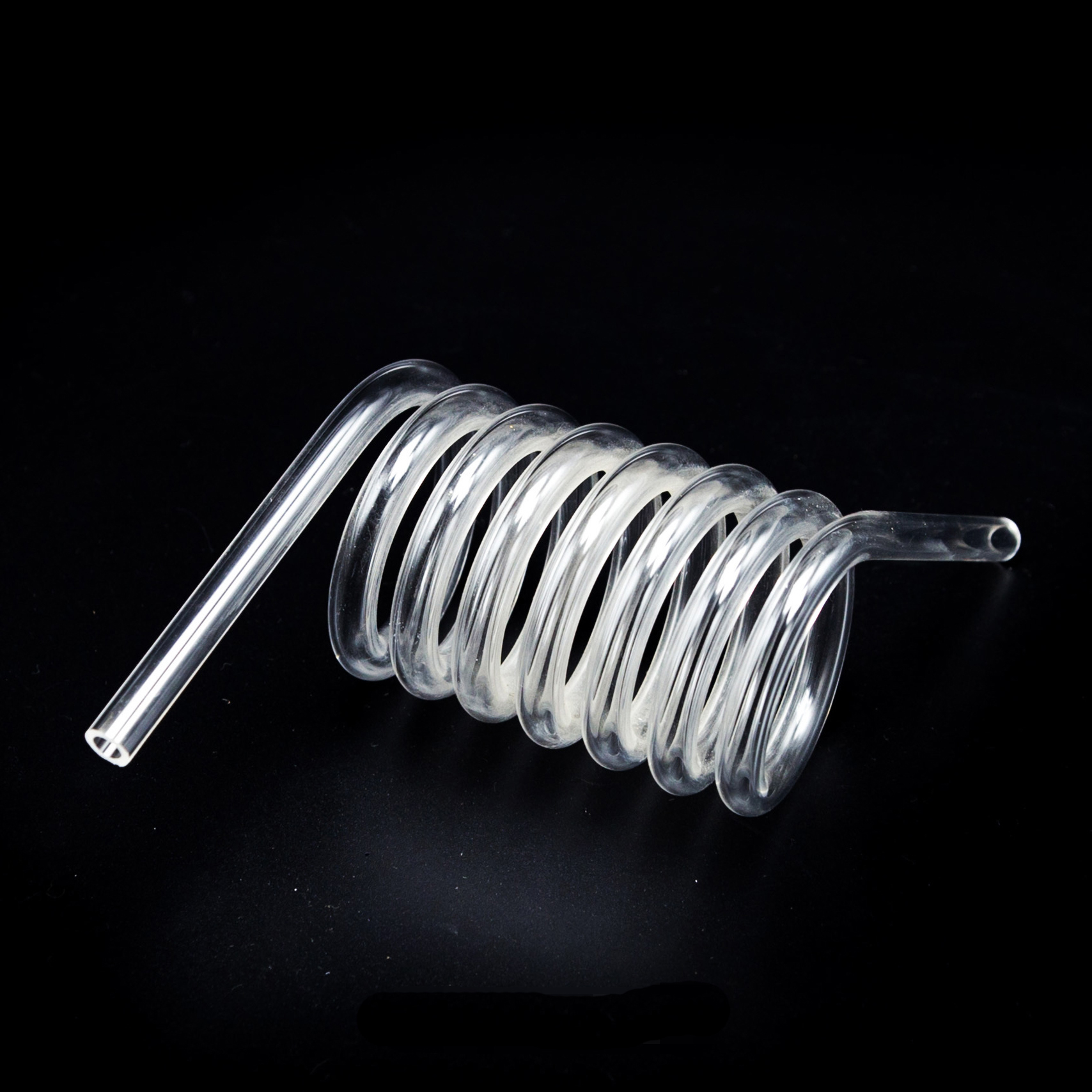
C-Shape, Spiral & Multi-Bend Custom Quartz Manifolds
Precision cold-machined and flame-manipulated spiral coils, condensing traps, and manifold loops engineered for complex lab and process piping.
High-Purity Silica (SiO₂) vs. Alternative Glasses in Central European Industrial Operations
In the high-intensity manufacturing hubs surrounding Bratislava, choosing between standard borosilicate 3.3, natural fused quartz, and synthetic fused silica directly dictates operational safety, continuous run cycles, and total cost of ownership (TCO). High thermal stress, aggressive halogen vapor exposure, and electrical breakdown risks require uncompromising physical metrics.
| Physical / Chemical Property | Vulra High-Purity Fused Quartz (JSC-1) | Synthetic Fused Silica (Suprasil Equiv.) | Standard Borosilicate 3.3 |
|---|---|---|---|
| SiO₂ Purity Content | > 99.99% – 99.999% | > 99.9999% | Approx. 81% (with B₂O₃, Na₂O) |
| Continuous Operating Temp | 1100 °C | 1150 °C | 450 – 500 °C |
| Softening Point (Viscosity Log η=7.6) | 1683 °C | 1600 – 1700 °C | 820 °C |
| Thermal Expansion (CTE, 20-300°C) | 5.5 × 10⁻⁷ K⁻¹ (Zero shock risk) | 5.2 × 10⁻⁷ K⁻¹ | 33 × 10⁻⁷ K⁻¹ (Prone to fracture) |
| Tensile Strength (Annealed) | 48 N/mm² (MPa) | 50 N/mm² (MPa) | 35 – 40 N/mm² |
| Optical Spectral Transmission | 260 nm – 2500 nm (UV-Vis-NIR) | 185 nm – 2600 nm (Deep DUV) | Cutoff at ~330 nm (No Deep UV) |
| Trace Hydroxyl Content ([OH]⁻) | < 5 ppm to 30 ppm (Custom dehydroxylated) | < 1 ppm to 1200 ppm (Grade dep.) | Not applicable (Multicomponent) |
| Dielectric Strength (20°C, 1MHz) | 25 – 40 kV/mm | 30 – 45 kV/mm | 10 – 15 kV/mm |
Engineering Takeaway for Slovak Specifiers: While synthetic silica delivers marginal benefits in extreme excimer laser optics below 200 nm, natural high-purity fused quartz processed with flame-purified natural crystal sand offers identical structural thermal stability at 1100°C continuous service, higher softening thresholds, and a 40-60% lower material cost basis—making it the definitive standard for industrial reactor vessels, thermocouple well sheathing, and diffusion furnace liners throughout the Bratislava industrial region.
Where Fused Silica Powers Bratislava & Western Slovakia Industry
Bratislava serves as the gateway to the Central European manufacturing quadrangle (Vienna – Bratislava – Brno – Győr). Our custom high-purity quartz products are optimized for four critical local vertical ecosystems.
Automotive Battery & Power Electronics
Western Slovakia hosts the world's highest per-capita car manufacturing concentration (VW Bratislava, Stellantis Trnava, JLR Nitra). Battery cell development and silicon carbide (SiC) power inverters require contamination-free thermal processing.
- SiC crystal annealing and sintering quartz muffles
- Cathode active material (CAM) calcination quartz boats
- Infrared drying twin-tubes for electrode coating lines
Chemical & Petrochemical Synthesis (Slovnaft Cluster)
Petrochemical refiners and specialty synthesis labs along the Danube river corridor demand reaction glassware impervious to hot acid condensation, concentrated SO₃/HCl gas, and cyclic pyrolytic breakdown.
- Quartz reflux condensers, boiling flasks, and evaporators
- High-temperature gas cracking tubes and sampling probes
- Corrosion-proof sight glass inspection viewports
Academic R&D & Slovak Academy of Sciences (SAV)
Leading institutes across Bratislava (Comenius University, Slovak University of Technology – STU, SAV institutes of physics and inorganic chemistry) require customized, drawing-based 1-piece prototypes for experimental setups.
- Custom XRD low-background sample holders & cells
- Photoelectrochemical sealed H-cells with quartz windows
- Specialized BET surface-area bulb tubes (BELSORP-fit)
Photovoltaics & Clean Energy Components
Slovakia's clean-tech transition fosters crystalline silicon research, next-gen perovskite-silicon tandem cells, and green hydrogen electrolysis cells operating under high temperature and aggressive electric potentials.
- Horizontal quartz diffusion furnace process tubes (up to 800mm)
- Multi-slot wafer carrier quartz boats with ±0.05mm pitch
- UV-transparent test chambers for solar simulator stress tests
Industrial UV Curing & Advanced Ozone Disinfection
Automotive clearcoat curing, electronics potting, and food/water sanitization plants around Senec and Galanta utilize our doped and pure fused quartz tubes for radiant energy delivery without ozone hazards.
- Titanium-doped ozone-free quartz sleeves (cuts <220nm)
- Synthetic UV-transmitting quartz jackets for deep germicidal 185nm
- Spiral and custom bent quartz flashlamp enclosures
Semiconductor Assembly & Sensor Fabrication
With Central Europe's aggressive expansion under the EU Chips Act, Bratislava's Tier-1 sensor and MEMS packaging facilities rely on inert quartz carriers that prevent trace metal ion diffusion during high-temp steps.
- Sub-ppm alkali impurity levels (Na < 0.5 ppm, K < 0.4 ppm)
- Laser-cut quartz sensor substrates with polished edges
- Vacuum end-cap assemblies for sealed process environments
Key Market Drivers Reshaping Fused Silica Procurement in Bratislava
The convergence of automotive electrification, supply chain near-shoring, and strict EU industrial quality standards is directly influencing how Slovak procurement managers source custom fused quartz.
The Rise of the V4 Semiconductor & Sensor Corridor
The Danube industrial zone connecting Bratislava, Vienna, and Dresden is experiencing massive secondary investments in wide-bandgap (SiC and GaN) semiconductor processing. This shift requires quartz components with ultra-low transition metal counts (Fe < 0.1 ppm, Cu < 0.05 ppm) and higher heat resilience up to 1350°C during epitaxy and doping runs.
Direct-from-Source OEM Collaboration Over Local Resellers
Traditional Slovak engineering firms historically relied on regional Austrian or German distributors who applied a 100-200% mark-up on basic quartzware. Slovak R&D labs and plant managers increasingly establish direct OEM factory relationships with verified Chinese producers who provide custom CAD engineering reviews and deliver 1-piece samples directly via air freight into Bratislava (BTS) or Vienna (VIE).
Strict EU Decarbonization & Green Hydrogen Pyrolysis
Under EU Fit-for-55 targets, industrial manufacturers across Slovakia are converting natural gas cracking and annealing operations to hydrogen-combustion atmospheres. Fused silica is essential because unlike metals, it does not suffer hydrogen embrittlement at elevated temperatures (800-1100°C), driving new demand for custom closed-end and coiled quartz heat exchangers.
Why Slovak Engineers Choose Vulra Quartz
Operating from Donghai County – the global capital of high-purity natural crystal sand – Lianyungang Vulra Quartz Products Co., Ltd. integrates full raw mineral purification, hot flame working, and cold optical CNC machining under one roof.
Drawing-Based Engineering
Our engineering team reviews your 2D/3D CAD drawings (STEP, DWG, PDF) to analyze wall thickness ratios, thermal expansion joints, and flame annealing feasibility before machining.
Prototyping from 1 Piece
No steep minimum order barriers for scientific trials. Test a single reactor tube, optical window, or furnace boat to validate dimensional fit and thermal behavior in Bratislava.
TÜV Rheinland Assessed
Our production base, legal manufacturing status, and ODM customization facilities are independently audited and authenticated by TÜV Rheinland with full certification reports.
Zero-Breakage Export Crates
Individual bubble suspension, EPE foam compartmentalization, and reinforced multi-ply fumigated wooden crates guarantee your delicate quartz arrives intact across European freight corridors.
Certified European Conformity & Environmental Compliance
All Vulra Quartz tubes, plates, crucibles, and customized laboratory ware conform to CE requirements and the EU RoHS Directive (2011/65/EU & 2015/863/EU), ensuring smooth customs clearance and regulatory compliance for Slovak enterprises.
Frequently Asked Questions by Slovak Buyers
Essential guidance on lead times, import customs clearance, material purity validation, and dimensional tolerances for companies based in the Bratislava and Trnava regions.
How do you ship custom quartz tubes to Bratislava to guarantee zero transit breakage?
1. Direct Protection: Acid-washed quartz components are individually vacuum-wrapped in static-free PE film and sealed with desiccant.
2. Cushioning Barrier: Each item is suspended inside high-density expandable polyethylene (EPE) foam cut to exact component contours.
3. Inner Box: Rigid corrugated cell cartons isolate parts from external puncture loads.
4. Outer Export Crate: Fumigated, heavy-ply plywood crates reinforced with exterior metal banding and impact sensors.
Shipments to Bratislava typically transit via direct air cargo to Vienna International Airport (VIE – Schwechat) or Bratislava Airport (BTS) with door-to-door customs clearance handled via DHL Express, FedEx, or dedicated freight forwarders within 5 to 8 business days.
Can Vulra Quartz fabricate customized parts directly from Slovak University (STU) or corporate CAD drawings?
Prior to cutting or lathe ignition, our chief glass technologist performs a Design-For-Manufacturability (DFM) review:
• Verifying wall thickness ratios to eliminate thermal stress risers.
• Confirming dimensional tolerances (standard ±0.1 mm, precision optical CNC ground up to ±0.02 mm).
• Scheduling post-welding muffle annealing at 1150°C to permanently remove residual joint stress.
What is the practical temperature limit for your fused quartz tubes in horizontal furnaces?
Engineering Advisory: If operating horizontal tubes over 1000mm in length under negative pressure (vacuum) at temperatures exceeding 1050°C, structural wall thickness must be properly sized (e.g., minimum 4mm to 6mm wall thickness) to avoid sagging over extended heating campaigns. Our engineers will provide exact wall thickness recommendations based on your furnace span.
How do we clear customs in Slovakia, and what documentation is provided?
• Commercial Invoice & Packing List with exact HS Codes (typically 7002.31 for fused quartz tubes, 7017.10 for laboratory quartzware).
• Certificate of Origin (CO) for preferential duty verification.
• Material Test Reports (MTR) verifying SiO₂ chemical analysis (99.99%+ purity).
• CE Declaration of Conformity and RoHS Compliance Certificates.
Slovak buyers with a valid EORI number can clear consignments smoothly through our integrated DDP (Delivered Duty Paid) or standard DAP freight terms.
When should a Bratislava research lab specify Synthetic Fused Silica instead of Natural Fused Quartz?
1. Your application involves 193 nm or 248 nm DUV excimer lasers, fluorescence spectroscopy, or specialized photolithography.
2. You are processing sub-14nm semiconductor wafer manufacturing steps where even single-digit parts-per-billion alkali ions compromise transistor gates.
For virtually all other heating tubes, furnace viewports, CVD boats, crucibles, and general chemical glassware, our natural fused quartz (SiO₂ > 99.99%) offers identical thermal stability and superior resistance to high-temperature sagging at a substantially lower cost.
What is the standard manufacturing lead time for custom quartz prototypes?
Accelerate Your Project with Verified High-Purity Quartzware
Send your CAD drawing or technical requirements to Vulra Quartz today. Our senior application engineers will provide a comprehensive DFM feasibility check, tolerance review, and quotation for delivery into the Bratislava and Central European industrial market.