Precision OEM Quartz ware & High-Purity Derivatives
Alongside our bulk and customized micronized fused quartz powder grades, we fabricate fully custom thermal, analytical, and process-critical quartz components conforming to verified metallurgical tolerances.
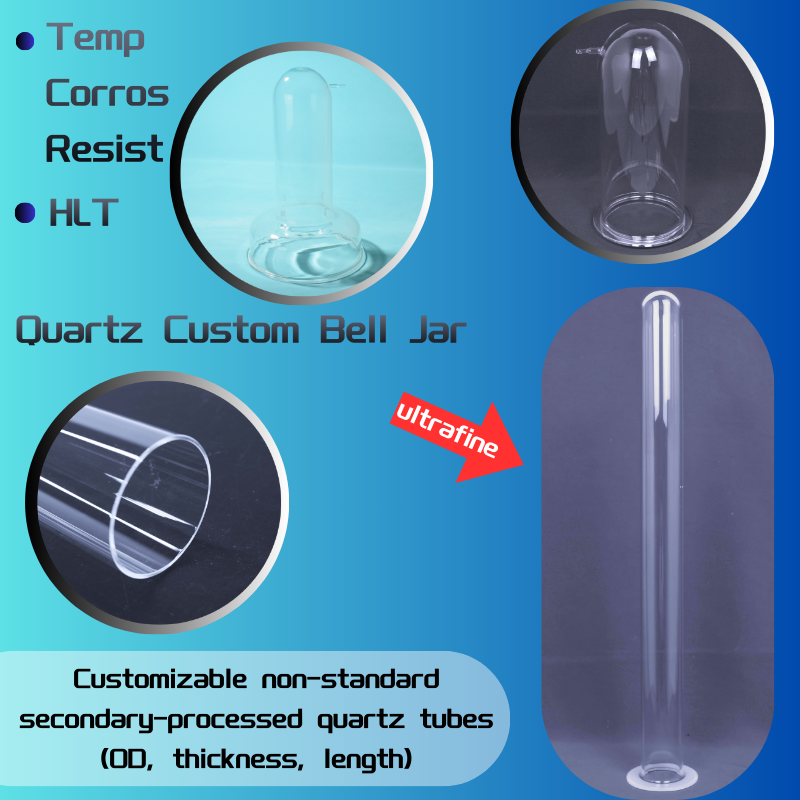
SJ 130 QUARTZ High-Precision Quartz Vacuum Tube
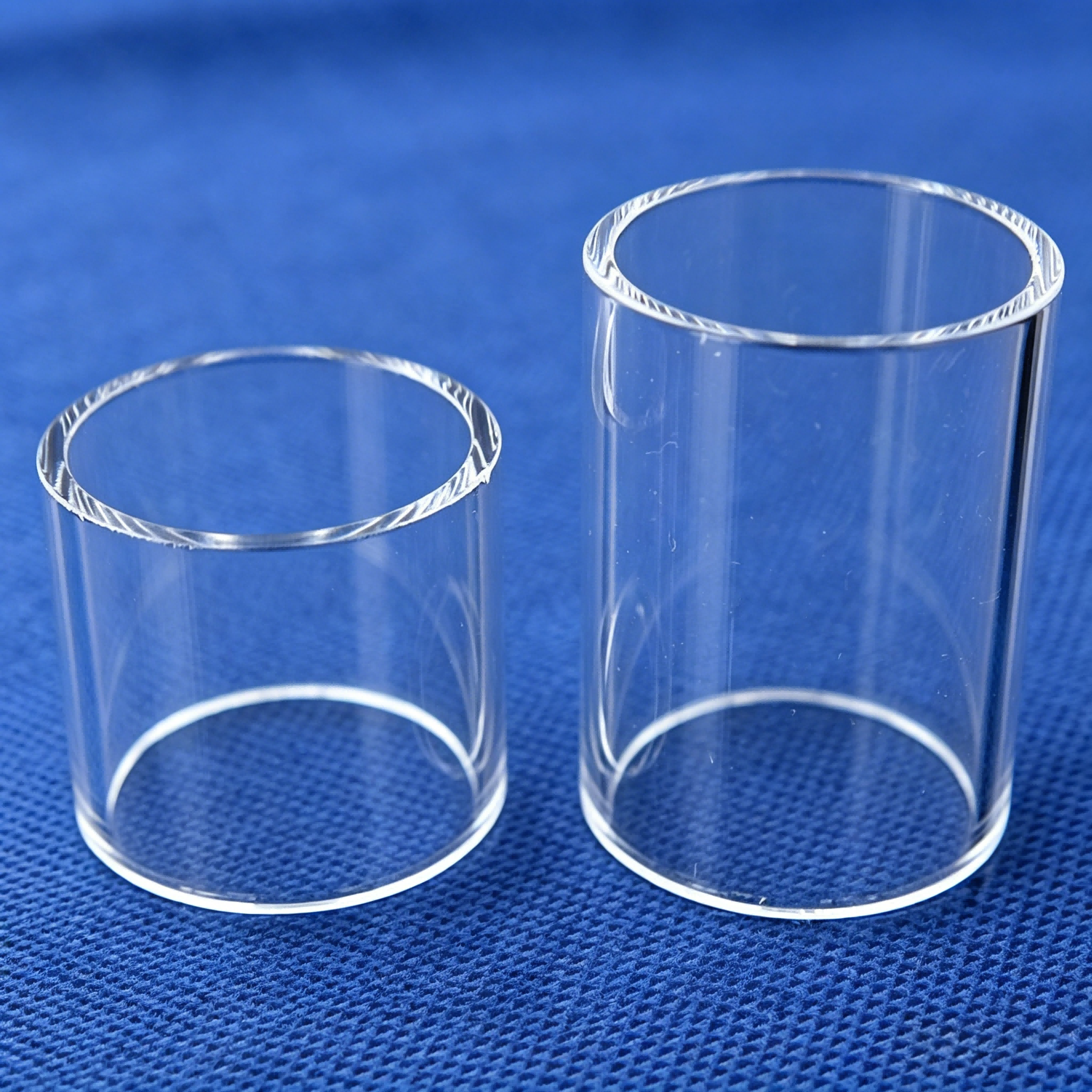
Custom High Temp Quartz Glass Twin Pipe SJ 210
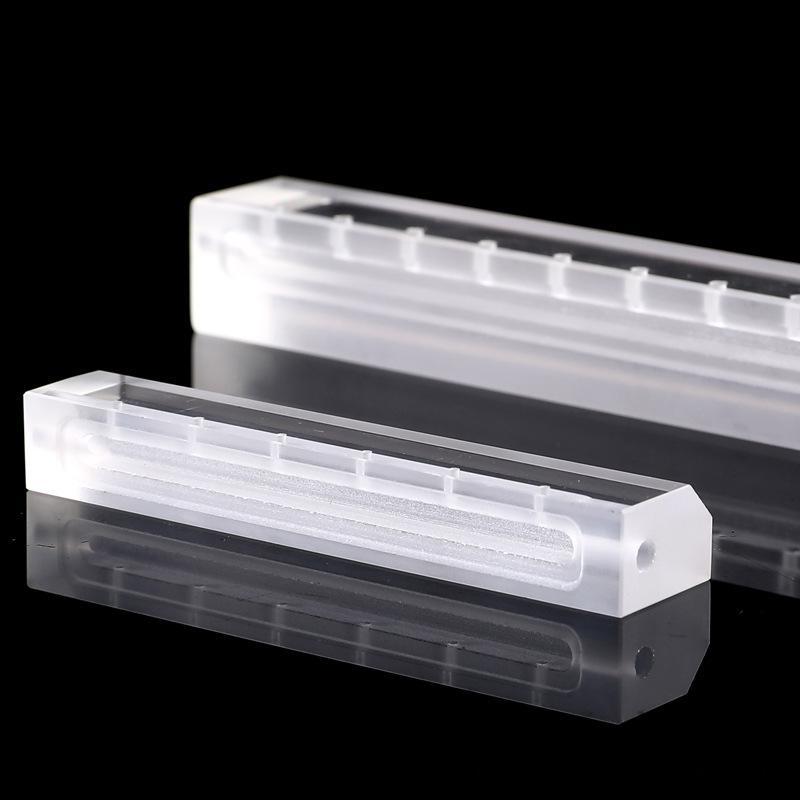
Ultra-Thin Optical Quartz Testing Sheet SJ 077
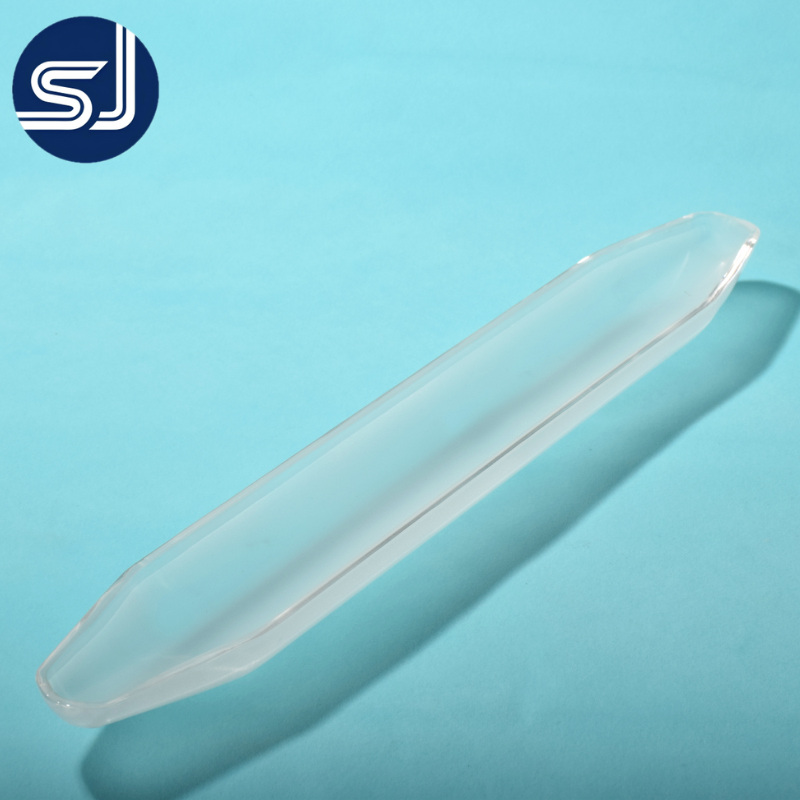
SJ 140 High-Purity Precision Polished Quartz Boat
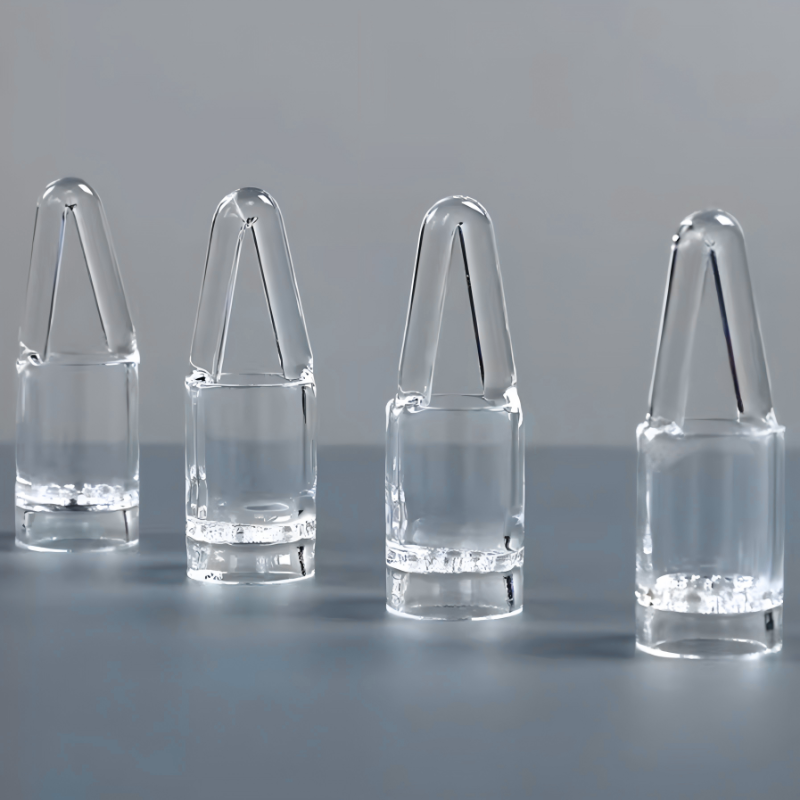
High-Temp Acid Resistant Quartz Glass Crucible
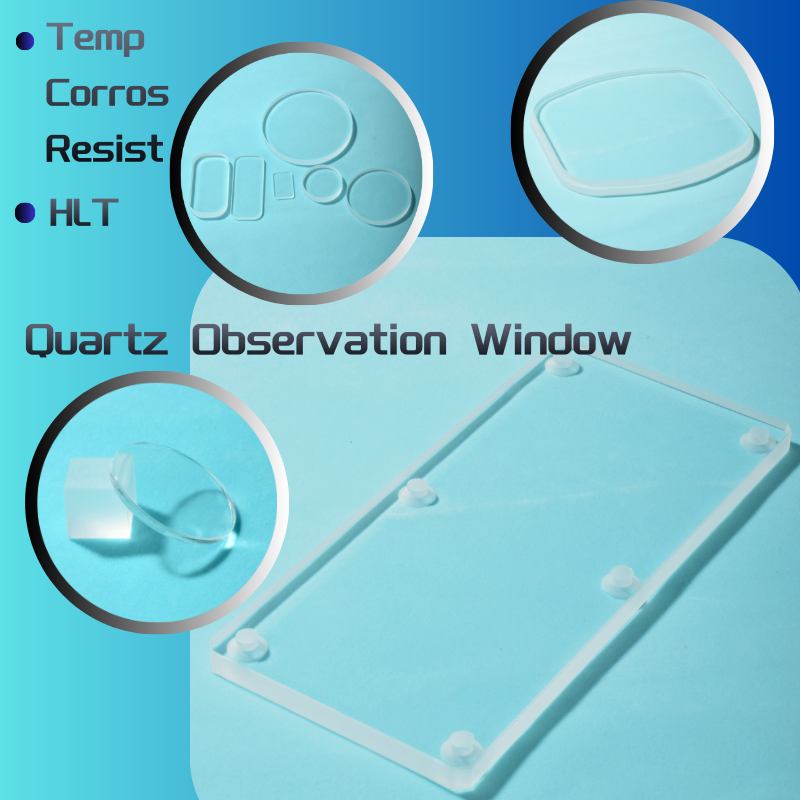
SJ Natural Fused Quartz Polished Optical Plate
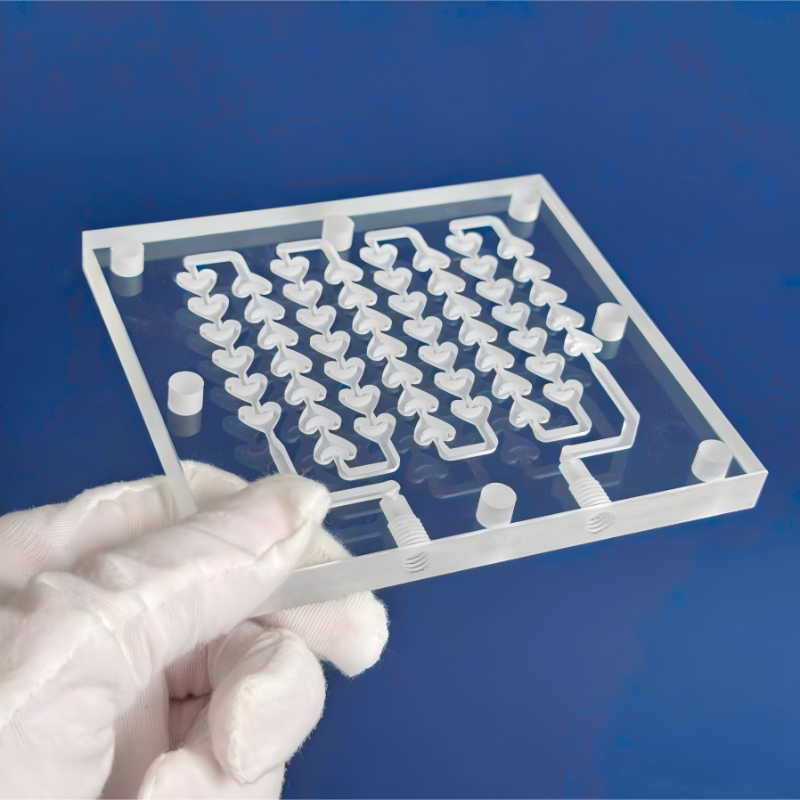
High Thermal Conductance Quartz Interlayer Chips
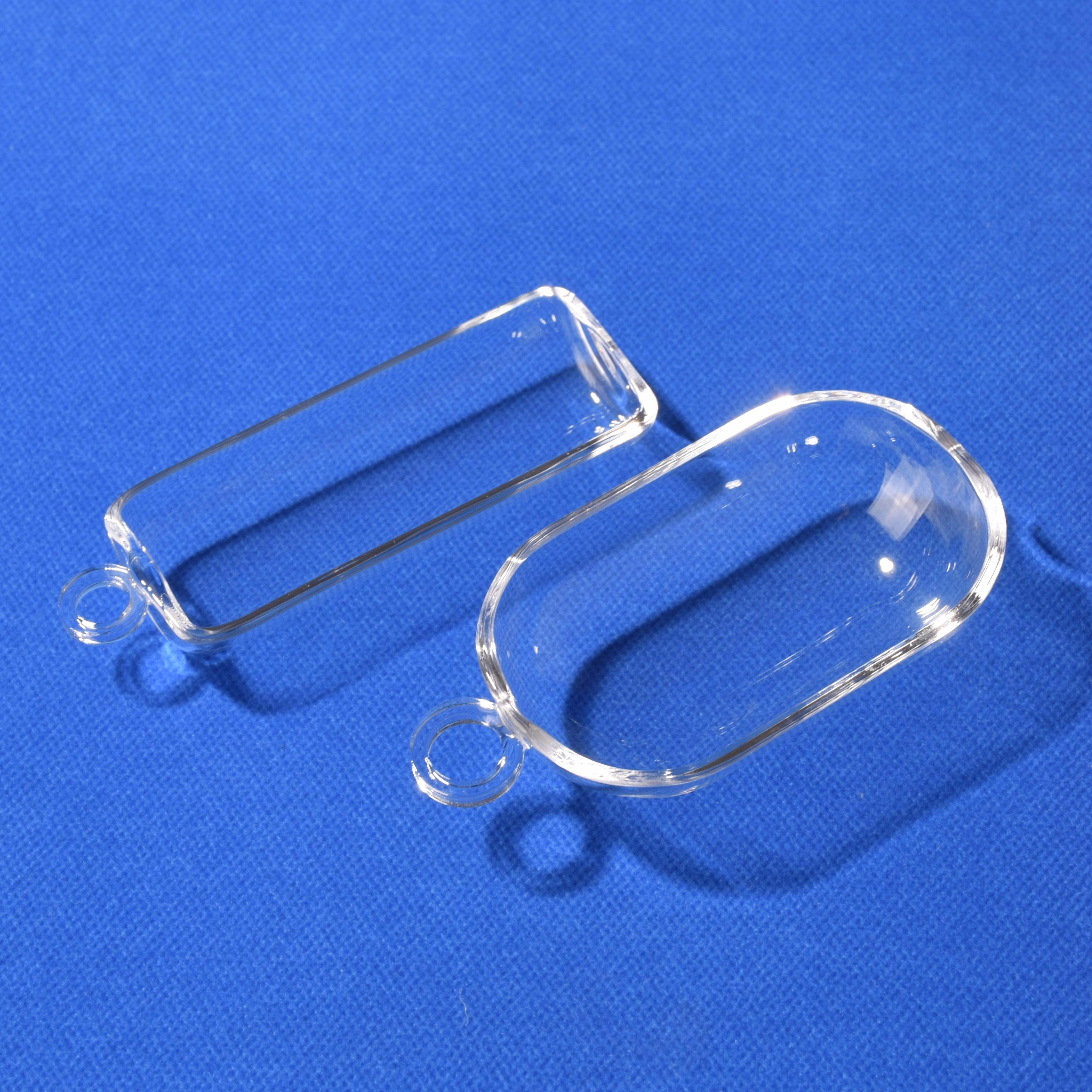
Semi-Circular Flat Bottom Tube Furnace Boat
Engineering-Grade Fused Quartz Powder: Material Science & Production Integrity
A rigorous examination of crystalline-to-amorphous phase transition, thermal dynamics, and strict particle size distributions tailored for regional procurement in Central and Upper Myanmar.
Fused quartz powder (chemically identical to amorphous fused silica, SiO₂) is an engineered non-crystalline material manufactured by melting high-purity natural quartz sand derived from our primary extraction deposits in Donghai, China—internationally recognized as the crystal manufacturing epicenter. The thermal fusion process takes place within electric-arc or gas-fired thermal reactors exceeding 2,000°C. At these extreme temperatures, the tetrahedral crystalline lattice of α-quartz breaks down completely, transforming into an isotropic, glassy matrix. Rapid thermal quenching prevents recrystallization back into cristobalite or tridymite, freezing the amorphous state. The resulting ingots undergo secondary and tertiary crushing, iron-free magnetic separation, ultra-fine ball milling with non-contaminating high-alumina or quartz ceramic media, and ultrasonic micro-classification.
For chemical and metallurgical enterprises operating in Mandalay—ranging from smelting plants in the Myotha Industrial Zone to specialty foundries, gemological purification labs, and advanced refractory kilns—the selection of fused quartz powder over crystalline silica flour is driven by fundamental thermodynamic laws. Ordinary crystalline silica undergoes a destructive volumetric expansion of approximately 1.3% at 573°C due to the displacive phase inversion from α-quartz to β-quartz. In contrast, our OEM custom fused quartz powder maintains an extraordinarily flat coefficient of thermal expansion (CTE) of just 0.54 × 10⁻⁶ /°C between 20°C and 1,000°C. This microstructural inertia eliminates thermal shock failures, increases the lifespan of investment casting shells, and guarantees dimensionally unyielding performance in high-frequency thermal environments.
| Property Parameter | High-Purity Electronic Grade | Precision Refractory Grade | Foundry Shell Grade | Test Standard / Method |
|---|---|---|---|---|
| SiO₂ Content (%) | ≥ 99.99% | ≥ 99.95% | ≥ 99.70% | XRF / ICP-OES Analysis |
| Fe₂O₃ Impurity (ppm) | ≤ 10 ppm | ≤ 30 ppm | ≤ 80 ppm | Inductively Coupled Plasma |
| Al³⁺ Impurity (ppm) | ≤ 20 ppm | ≤ 50 ppm | ≤ 150 ppm | Spectrophotometry |
| Particle Size (D50) | 1.5 – 5.0 μm | 10 – 45 μm (325-1250 Mesh) | 75 – 150 μm (100-200 Mesh) | Laser Diffraction (Malvern Mastersizer) |
| Thermal Expansion (CTE) | 0.54 × 10⁻⁶ /°C | 0.55 × 10⁻⁶ /°C | 0.58 × 10⁻⁶ /°C | Dilatometry (20°C – 1000°C) |
| Dielectric Constant (1 MHz) | 3.75 | 3.80 | 3.85 | Resonance Cavity Perturbation |
High-Purity Fused Quartz Powder in Mandalay's Industrial Ecosystem
Upper Myanmar's industrial center demands specific chemical and physical mineral solutions. Here is how our OEM powders optimize local manufacturing workflows.
Investment Casting & Precious Metal Refining
Mandalay acts as the regional hub for precious metal smelting, jewelry manufacture, and brass machinery casting. Incorporating our 200–325 mesh fused silica powder into slurry mixtures prevents mold cracking under liquid metal temperatures up to 1600°C, producing smoother casting skins and reducing post-cast machining times.
Technical Ceramics & Kiln Furniture
Pottery and refractory manufacturing units surrounding Amarapura and Myittha rely on our low-CTE amorphous powders to formulate saggers, rollers, and crucible bodies. The non-wetting characteristics toward molten non-ferrous metals and slag make it indispensable for long-campaign thermal kilns.
Epoxy Molding Compounds (EMC) & Electrical Fillers
As light electronic assembly, solar inverter maintenance, and transformer winding facilities develop along the Ayeyarwady corridor, our sub-micron treated fused quartz powder functions as an ideal dielectric filler, reducing resin shrinkage while dramatically boosting thermal conductivity.
Regional Industrial Modernization Trends in Mandalay (2025–2030)
Understanding shifting technical standards, logistical routes, and quality control paradigms shaping mineral procurement in Upper Myanmar.
Transition to Sub-Micron Sizing
Local buyers are transitioning away from unclassified, crude silica sands toward laser-graded 500–1250 mesh powders to eliminate manual sieving losses and ensure uniform mechanical strength in ceramic matrices.
Thermal Efficiency Demands
Rising energy costs in Mandalay's industrial zones make high-insulation, low-specific-heat refractories essential. Amorphous quartz refractory linings reduce furnace thermal mass, cutting gas and electric consumption.
Trace Metal Purity Protocols
Modern laboratory testing facilities require Fe₂O₃ content strictly below 30 ppm to prevent coloration and catalytic devitrification in high-temperature chemical assay procedures.
Direct Border-Corridor Logistics
Procurement strategies favor direct manufacturer-to-plant supply from Yunnan/Jiangsu corridors, bypassing intermediate traders to secure verified third-party mill test certificates and reduce transit moisture risks.
Why Myanmar Industrial Buyers Partner with Vulra Quartz
Combining raw material authority from the world capital of quartz crystal with verifiable third-party quality certifications.
Donghai Crystal Origin
Headquartered in Donghai County, China, our manufacturing facilities access direct natural high-purity silica veins, ensuring continuous raw material consistency from 1-ton trials to multi-container shipments.
TÜV Rheinland Audited
Our plant, processing equipment, laboratory standards, and production capacities have undergone rigorous on-site audit verification by TÜV Rheinland, offering verified supply-chain security.
Drawing-Based Custom OEM
Beyond fused powders, we provide hot and cold quartz processing under one roof—flame bending, optical flat grinding, ultrasonic drilling, laser cutting, and tube-sealing starting from 1 piece MOQ.
Export-Grade Moisture Barrier
Every batch is packed in multi-ply moisture-sealed kraft bags with internal polyethylene liners, palletized and shrink-wrapped in heat-treated wooden crates designed for humid Southeast Asian transit.
Frequently Asked Questions: Sourcing Fused Quartz Powder in Mandalay
Direct engineering answers addressing mineral purity, logistics, customs packaging, and operational handling.
What is the fundamental difference between quartz sand, silica flour, and your fused quartz powder?
Standard quartz sand and ground silica flour consist of crystalline silicon dioxide (α-quartz). When heated past 573°C, crystalline silica expands rapidly due to polymorphic phase shift, causing thermal cracks. Our custom OEM fused quartz powder is melted above 2000°C and quenched to yield a pure amorphous (glassy) structure. It features virtually zero thermal expansion (0.54 × 10⁻⁶ /°C) and superior thermal shock resistance, making it suitable for continuous furnace use above 1100°C.
Can you supply customized particle size distributions (mesh sizes) for our factory?
Yes. We tailor particle size distributions (PSD) to your specific slurry, refractory casting, or filler requirements. Standard mesh selections include 4–10 mesh, 10–20 mesh, 30–50 mesh, 100 mesh, 200 mesh, 325 mesh, 400 mesh, and ultra-fine micro-powders (D50 down to 1.5 microns). Each batch comes with complete Malvern Mastersizer laser diffraction curves.
How do you ensure zero heavy metal or iron contamination in high-purity batches?
Our beneficiation circuit uses multi-stage rare-earth electromagnetic roll separators exceeding 15,000 Gauss to extract any free iron particles. Fine grinding utilizes high-purity fused silica or specialized ceramic milling linings rather than steel balls, guaranteeing that total Fe₂O₃ content remains below 10–30 ppm according to your technical tier.
What is the minimum order quantity (MOQ) for shipping to Mandalay, Myanmar?
For custom fused quartz powders, our standard MOQ is 1 metric ton (packaged in 25kg multi-wall bags, palletized). For testing and R&D pilot projects in Mandalay university or metallurgical laboratories, sample packages (5kg to 50kg) can be arranged via express air freight. Custom-fabricated quartz components (tubes, boats, crucibles) have an MOQ of only 1 piece.
What are the logistics arrangements and transit durations to Upper Myanmar?
Shipments can be routed via sea freight to Yangon Port (with subsequent road/rail transport to Mandalay) or dispatched via bonded land-freight corridors via Yunnan (Ruili/Muse crossing to Mandalay), depending on your customs clearance preferences. All materials are packaged with anti-moisture barrier wraps to protect the powder from monsoonal humidity during transit.
Ready to review full chemical purity breakdowns, custom mesh grading options, and current export pricing?
Get Catalog