High-Purity Quartz Solutions Available for Naypyidaw
Manufactured from natural crystalline silica in Donghai and processed under rigorous thermal and optical quality gates. Full traceability and drawing-based customization from prototype to volume batches.
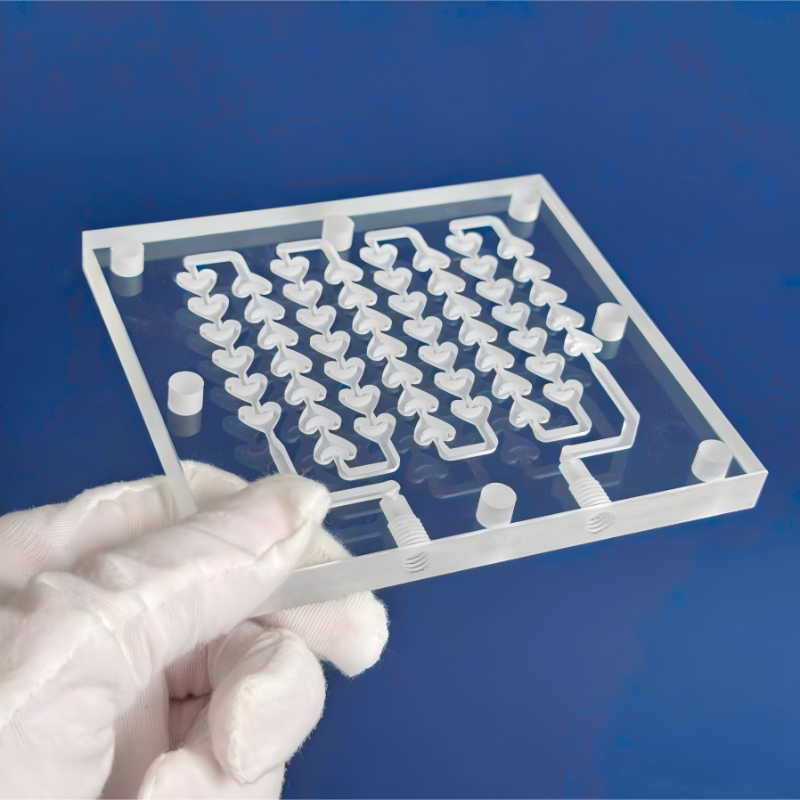
Customized High Thermal Conductance Heat-Exchange Interlayer Chips
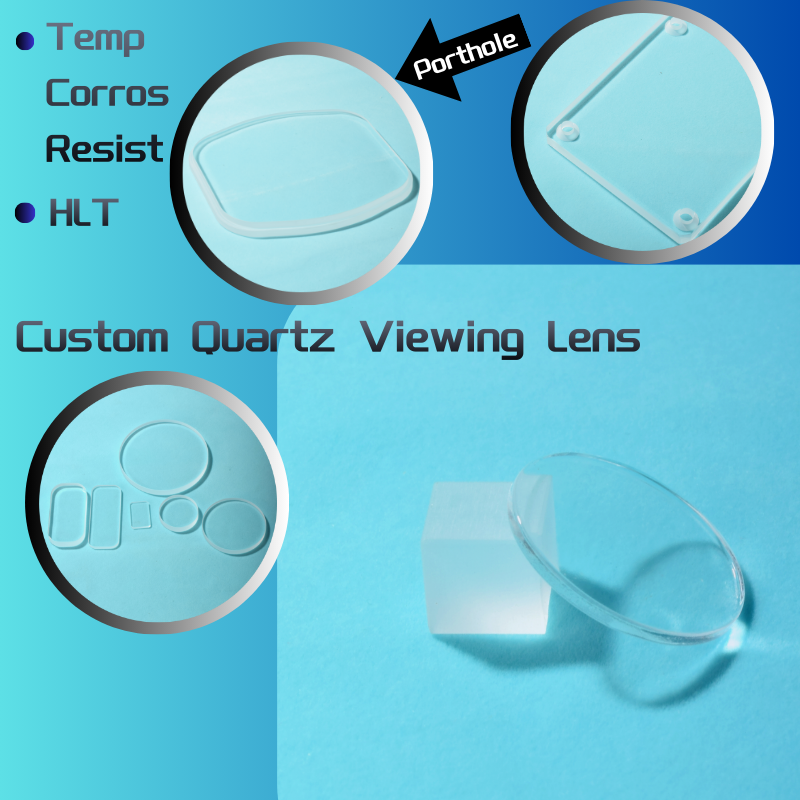
SJ 126 Natural Fused Quartz Square Thin Glass Slide
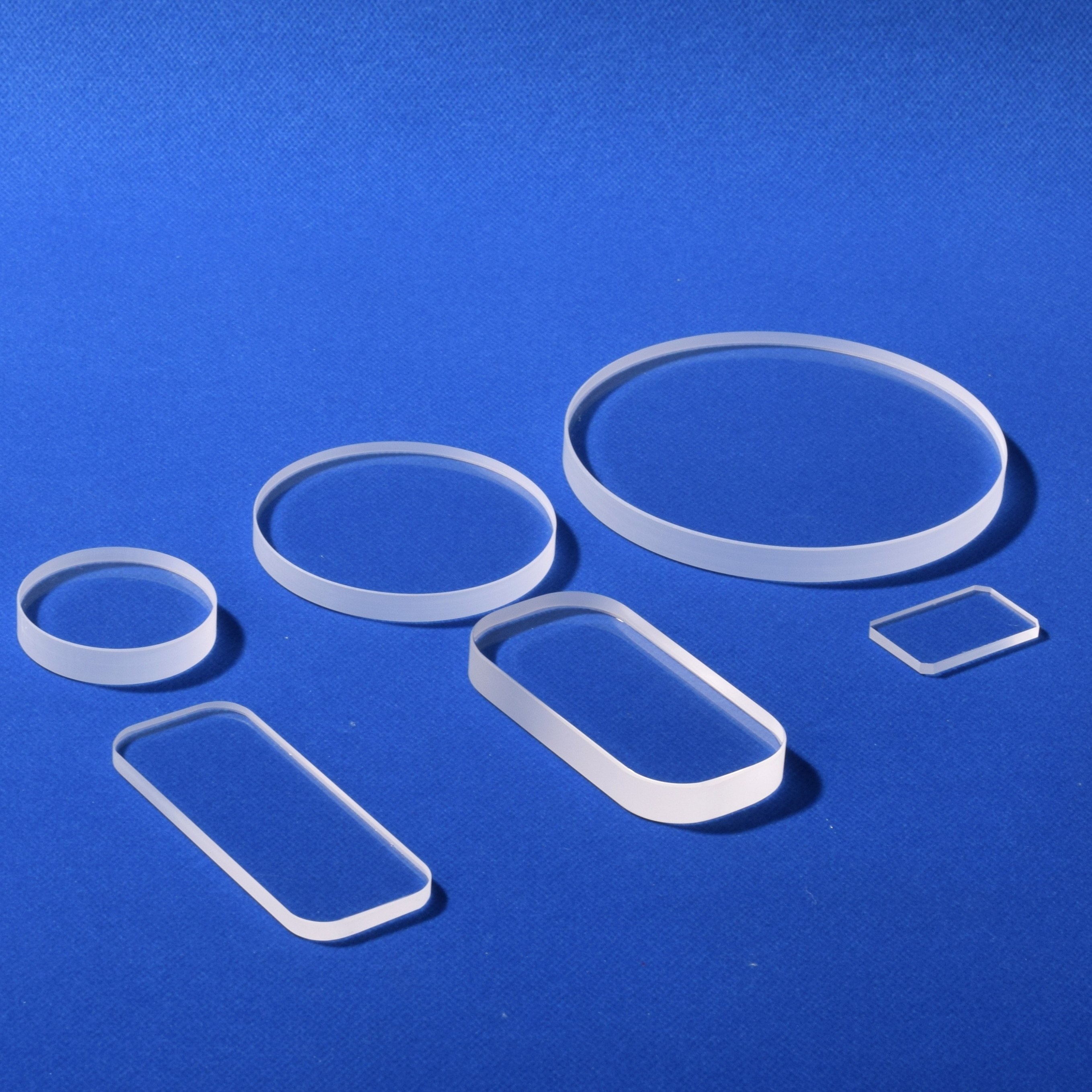
High Transmittance Heat-Resistant Transparent Watch Window
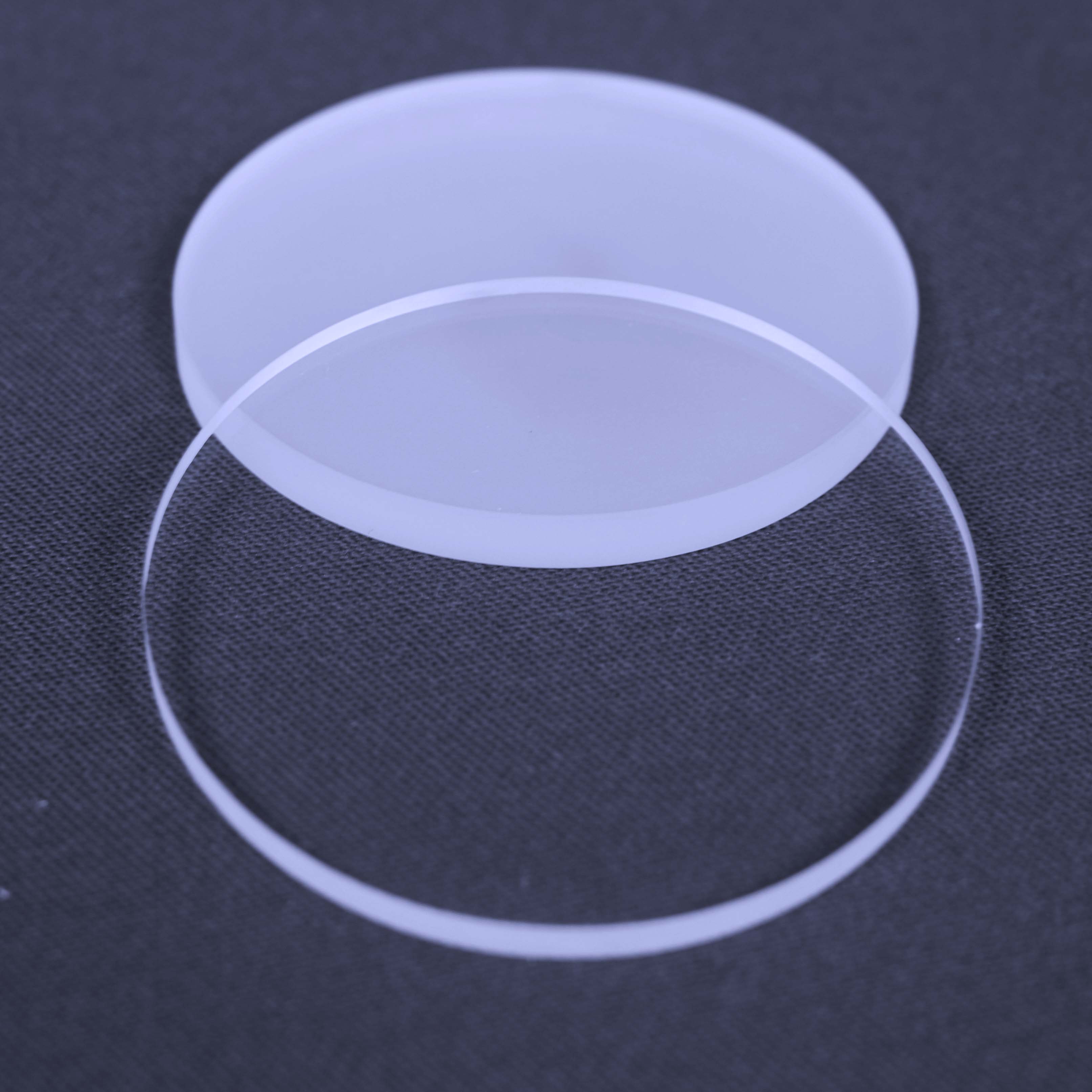
XRD Quartz Sample Holder High Transmittance Circular Plate
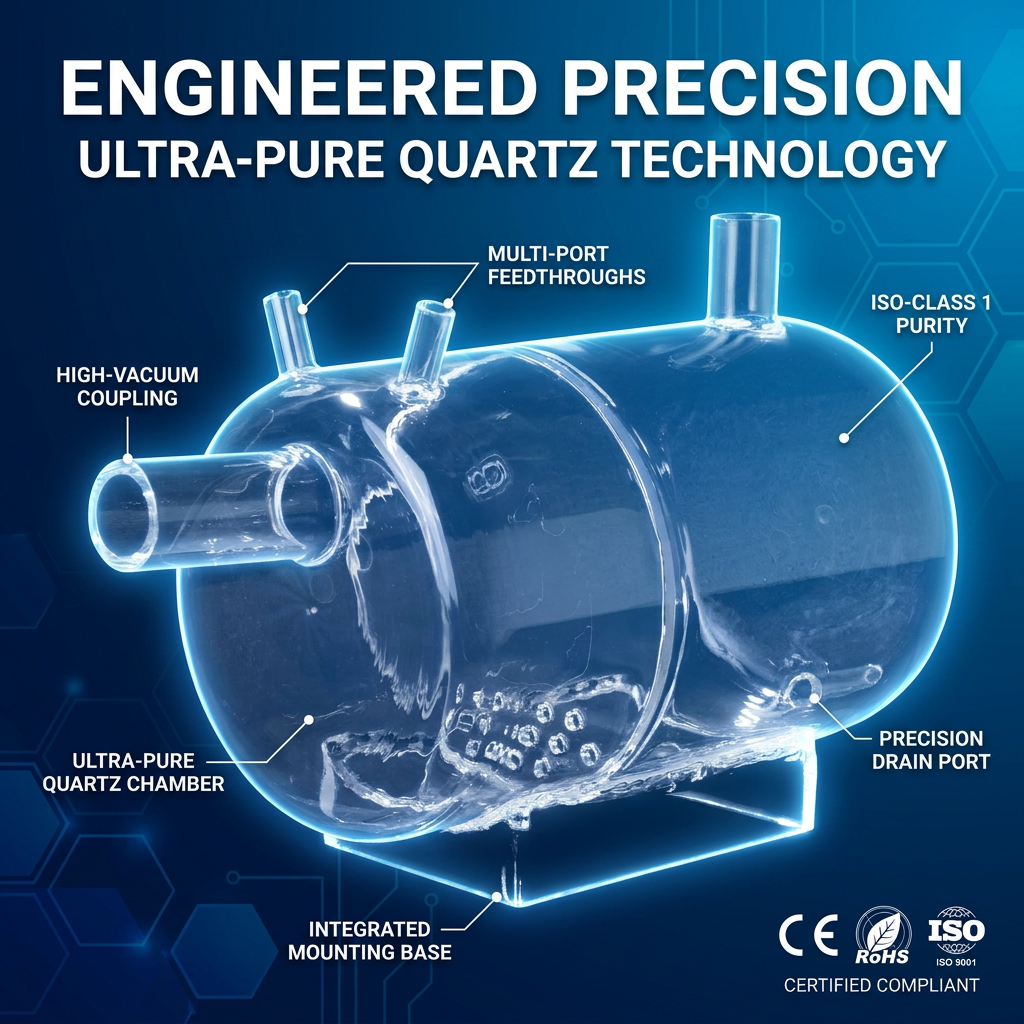
Precision Quartz Separating Container Semiconductor Grade
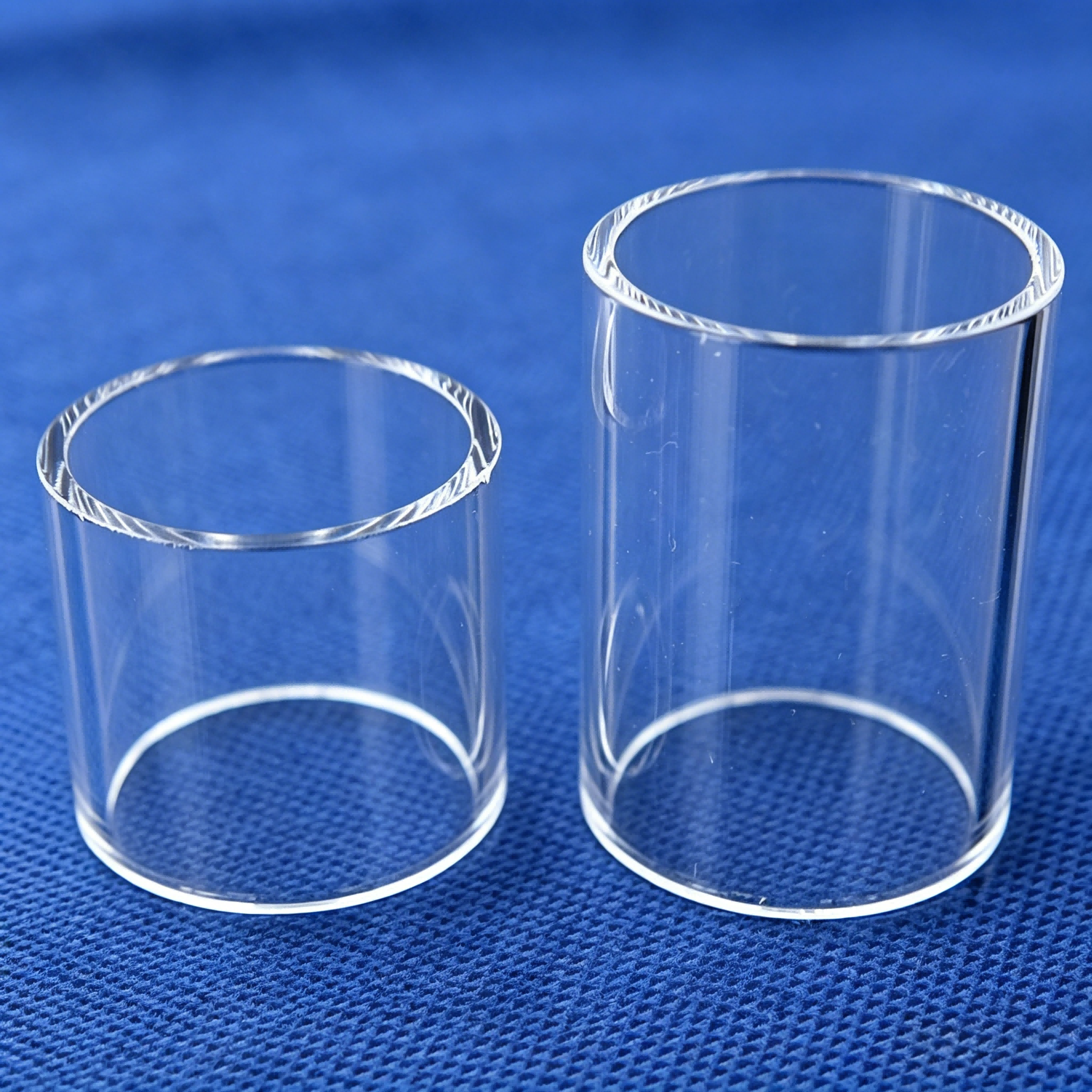
Custom High-Temperature Corrosion-Resistant Twin Quartz Pipe
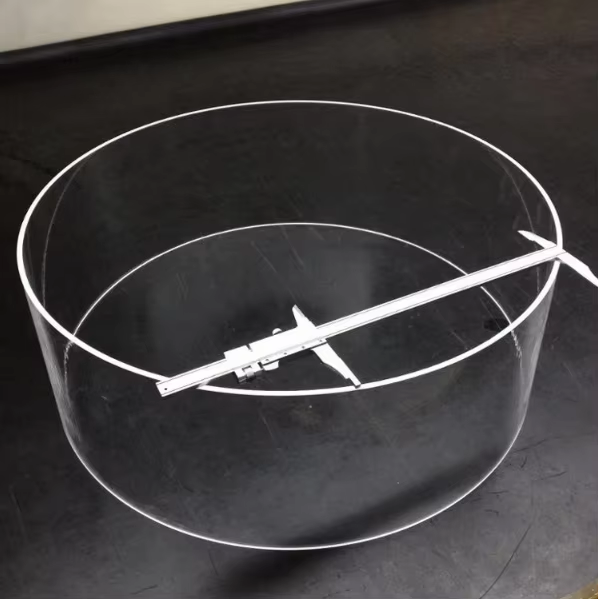
Optical Quartz & Composite Sapphire Reaction Tube
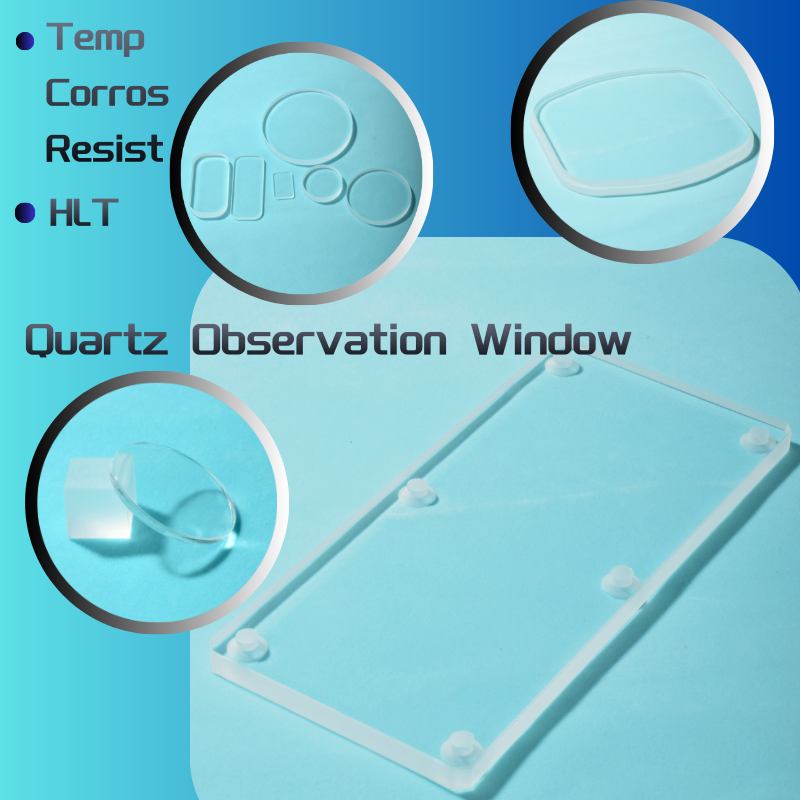
SJ Natural Fused Quartz Optically Polished Plate
Material Science Whitepaper: Fused Quartz In High-Duty Thermodynamic Systems
A rigorous examination of silicon dioxide (SiO₂) morphology, thermal shock resistance, transmission windows, and manufacturing tolerances governing international supply to Myanmar.
Transparent fused silica and clear quartz rods represent an indispensable material cornerstone across high-temperature metallurgy, precision optoelectronics, semiconductor synthesis, and analytical spectrochemistry. Chemically synthesized from naturally occurring crystal sand mined and purified to excess of 99.99% silicon dioxide (SiO₂) content, these amorphous glasses differ radically from standard borosilicate and soda-lime glass compositions. The cross-linked, three-dimensional tetrahedral network of silicon and oxygen ([SiO₄]) exhibits no long-range crystalline order, resulting in an exceptionally isotropic material capable of sustaining operating environments characterized by acute thermal shock, elevated radiation, and intense chemical volatility.
When selecting Clear Quartz Rods for deployment within the Naypyidaw administrative and scientific sectors, mechanical engineers must account for the primary thermophysical constants that govern devitrification and deformation under stress. The transformation point of continuous fused quartz approaches 1100°C, with a softening point measured at 1683°C. Crucially, the ultra-low linear Coefficient of Thermal Expansion (CTE), evaluated at 5.5 × 10⁻⁷ /°C between 20°C and 320°C, imparts legendary thermal shock durability: a fully transparent 10 mm clear quartz rod heated to 1100°C can be plunged directly into ice-cold water without micro-crack propagation or physical failure. This thermodynamic resilience is of vital consequence for analytical laboratories and industrial pilot projects located across Naypyidaw, where power fluctuations, rapid quenching stages, and high ambient tropical humidity introduce operational stresses rarely encountered in temperate industrial zones.
The transmission spectra of clear quartz rod fabrications are predominantly delineated into optical grade (JGS1 synthetic silica, JGS2 standard fused quartz, and JGS3 infrared optical quartz). JGS2 fused quartz, derived from natural Donghai rock crystal, guarantees broad-band optical transmittance above 90% across 260 nm to 2000 nm. By strictly controlling the hydroxyl (OH⁻) content via vacuum sintering or electric resistance melting, manufacturers can effectively mitigate the pronounced 2.73 µm absorption dip, granting exceptional infrared transparency for pyrometry sight glasses, infrared heating elements, and process automation sensors. For institutional and testing laboratories operating under the supervision of Myanmar's ministries in Naypyidaw, precise specification of OH⁻ content is crucial for eliminating spectral interference during quantitative FTIR and spectrophotometric analyses.
| Physical / Thermal Parameter | Standard Testing Protocol | Nominal Clear Fused Quartz Value | Engineering Implication for Naypyidaw Buyers |
|---|---|---|---|
| Silicon Dioxide (SiO₂) Purity | ICP-OES / GD-MS | ≥ 99.99% – 99.999% | Precludes sample contamination in chemical synthesis and XRD analytical assays. |
| Density (at 20°C) | Archimedes Immersion | 2.20 ± 0.02 g/cm³ | High structural packing prevents gas permeation in high-vacuum chambers. |
| Vickers Microhardness | ASTM E384 (100g load) | 8.8 GPa (~Mohs 5.5 - 6.5) | Excellent abrasion resistance against particulate erosion in mineral slurries. |
| Annealing Point (η = 10¹³ dPa·s) | Beam-Bending Viscosimetry | 1180°C ± 20°C | Defines the threshold where internal thermal stress must be relieved via factory cooling cycles. |
| Dielectric Constant (1 MHz) | Resonance Cavity Method | 3.75 | Superior RF insulation for high-frequency induction furnaces and microwave digestion. |
| Chemical Attack (98% H₂SO₄, 100°C) | Weight Loss Assay | < 0.1 mg/dm² per 24h | Resistant to virtually all mineral acids with the sole exceptions of HF and hot H₃PO₄ (>300°C). |
Localized Application Scenarios in Naypyidaw's Industrial & Research Landscape
As the administrative capital and regulatory apex of Myanmar, Naypyidaw hosts specialized national laboratories, departmental research facilities, agricultural centers, and energy infrastructure authorities requiring certified fused quartz.
Governmental & DRI Mineral Assay Laboratories
Naypyidaw’s Department of Research and Innovation (DRI) and central geological evaluation boards utilize customized clear quartz rods, XRD sample holders, and digestion containers. Because the region oversees high-value jade, gemstone, and rare-earth extraction compliance, non-interfering, zero-background fused quartz plates and high-melting sample tubes are vital to avoid calcium, boron, and sodium leaching during high-temperature flux fusion and acid dissolution.
High-Voltage Substation & Grid Infrared Inspection
Naypyidaw serves as the central control junction for Myanmar’s national power grid, connecting hydropower stations in Shan State and gas plants in Lower Myanmar. Substations require heavy-duty clear quartz viewing windows and insulating spacer rods for high-voltage SF₆ switchgear and infrared pyrometric thermal monitoring enclosures, where dielectric breakdown strength must exceed 25 kV/mm without optical darkening under high tropical thermal flux.
Photovoltaic & Renewable Solar Cell Calibration Rigs
With major solar energy installations and rural electrification initiatives operating across the Dry Zone bordering Naypyidaw, solar cell inspection facilities rely on precision optical quartz plates and rod light-guides for artificial solar simulator flashers. Clear quartz rods serve as total internal reflection wave-guides that direct continuous AM1.5G spectral light without UV photo-degradation or solarization discoloration common in inferior polymers.
Pyinmana Agricultural Bio-Refining & Soil Spectrometry
In the agricultural research belt of the Naypyidaw Union Territory (including the Pyinmana Agricultural University network), high-purity quartz distilling tubes, round-bottom flasks, and Kjeldahl digestion assemblies are essential. Soil salinization analysis and pesticide residue detection require inert quartz reaction glassware capable of resisting severe thermal boiling in concentrated nitric and perchloric acid mixtures without trace metal desorption.
Industrial Heating, Sintering & Materials Synthesis
Local industrial workshops and regional metallurgy enterprises around Naypyidaw utilize horizontal tube furnaces operating between 1000°C and 1250°C. Heavy-wall clear quartz pipes, twin-bore reaction tubes, and solid quartz push-rods withstand continuous high-temperature vacuum sintering, calcination of ceramic precursors, and thermal cracking of biomass-derived biofuels without thermal sagging or longitudinal warping.
Municipal Water UV Sterilization & Ozone Reactors
Municipal water treatment facilities servicing Naypyidaw's governmental zones and hotel complexes require ozone-free and high-intensity germicidal UV quartz immersion sleeves. Transparent quartz rods and protective tubes permit high-fluence transmission of the 253.7 nm mercury resonance line directly into flowing water conduits, offering bio-fouling resistance and exceptional tensile rupture strength under continuous hydrostatic line pressures.
Procurement Evolution & Supply Chain Trends in Naypyidaw
Analysis of market behavior, infrastructure modernization, and supply resilience factors governing quartz glassware importation into central Myanmar.
Transition to Direct Factory OEM Partnerships
Institutional purchasers in Naypyidaw are increasingly bypassing intermediary general trading outfits in Bangkok and Yangon. Direct procurement from ISO-certified and TÜV Rheinland-inspected factories in China secures drawing-based precision, guaranteed ASTM material certs, and a significant cost reduction on recurring furnace maintenance parts.
Stringency in Heavy-Metal & OH⁻ Impurity Auditing
As Naypyidaw's testing centers upgrade to higher-resolution mass spectrometry (ICP-MS) and automated spectrophotometry, procurement specifications strictly demand trace metal certification (Fe <0.2ppm, Cu <0.05ppm). Bulk industrial glass is no longer acceptable; suppliers must provide comprehensive spectrographic validation per melt heat.
Engineering for Tropical Logistics & Thermal Shifts
With seasonal temperatures fluctuating between 18°C during dry winters and over 42°C in the pre-monsoon summer, transport crates undergo dramatic environmental variations. High humidity accelerates moisture absorption on micro-fissured surfaces. Advanced export protocols—incorporating vacuum moisture-barrier bags and stress-annealed edges—are now mandatory contract clauses.
Why Institutional Buyers Rely On Vulra Quartz
Headquartered in Donghai—the world capital of crystalline quartz—Lianyungang Vulra Quartz Products Co., Ltd. brings decades of dedicated craftsmanship, automated glass lathes, and comprehensive third-party audit credentials.
TÜV Rheinland Verified
Our operational premises, hot flame welding bays, CNC machining centers, and strict QA protocols are thoroughly vetted through independent on-site factory assessments.
Origin in Donghai Crystal Hub
Direct mine-mouth proximity to premium high-purity quartz reserves guarantees chemical consistency, low OH- levels, and stable raw material pricing across all production tiers.
Custom OEM from 1 Piece
Whether you require a single bespoke quartz separating funnel for a prototype laboratory rig or 10,000 meters of precision clear quartz rod, we machine directly from your 2D/3D CAD drawings.
Intermodal Transit Crating
Engineered shock-damping packaging: inner cross-linked polyethylene suspension, vapor-sealed moisture barriers, and export-grade fumigated wooden crates tailored for Myanmar haulage.
Frequently Asked Questions by Naypyidaw Quartz Buyers
Clear, definitive answers directly from our factory metallurgical and export engineering departments addressing logistical, thermal, and mechanical concerns.