High-Purity Precision Quartzware & Optical Substrates
Explore our core selection of precision-machined fused quartz tubes, high-transmittance optical plates, chemical-vapor synthetic reaction vessels, and semiconductor-grade apparatus crafted to drawing specifications.
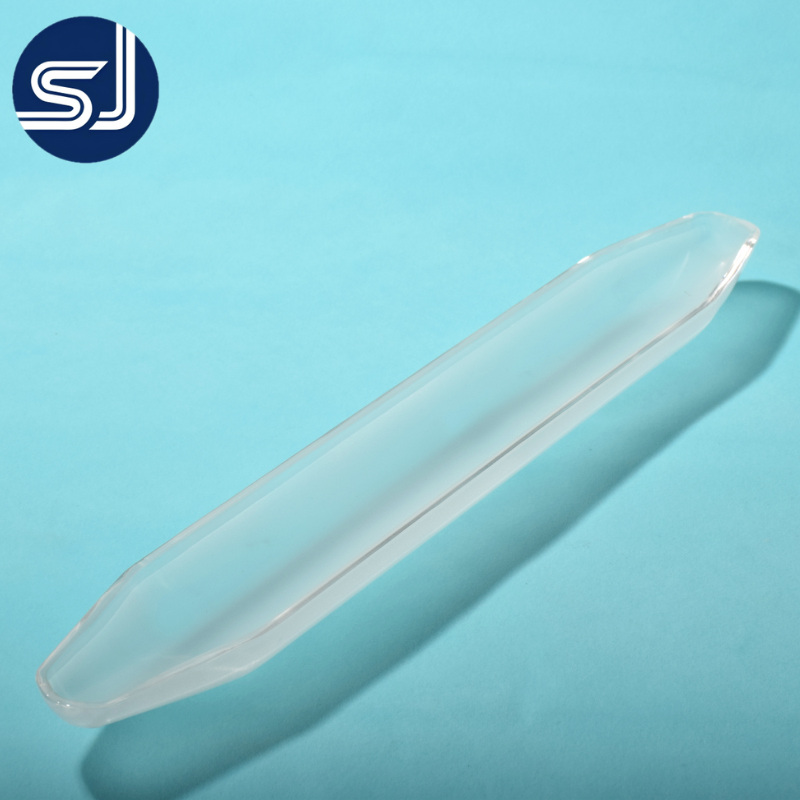
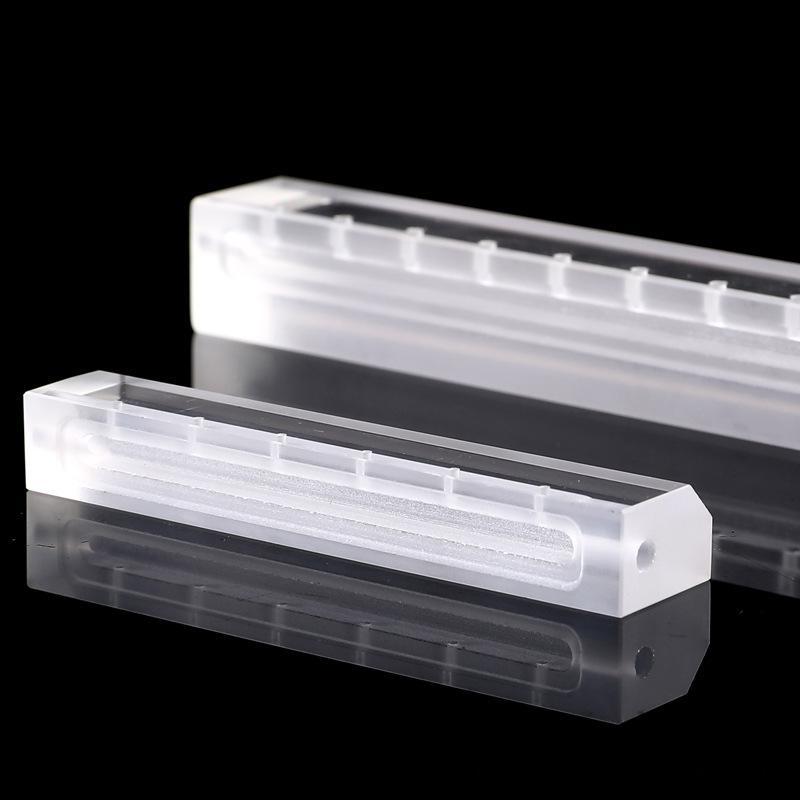
SJ 140 QUARTZ Customizable Transparent High Purity 99.9-99.999% Precision Polished Quartz Boat >85% Transmittance 1100 Lab
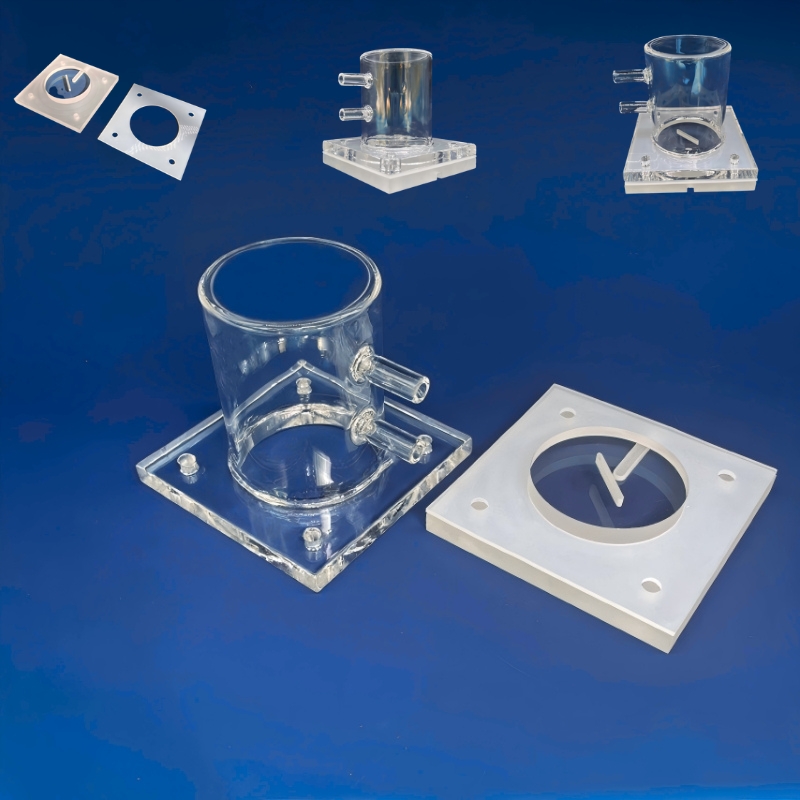
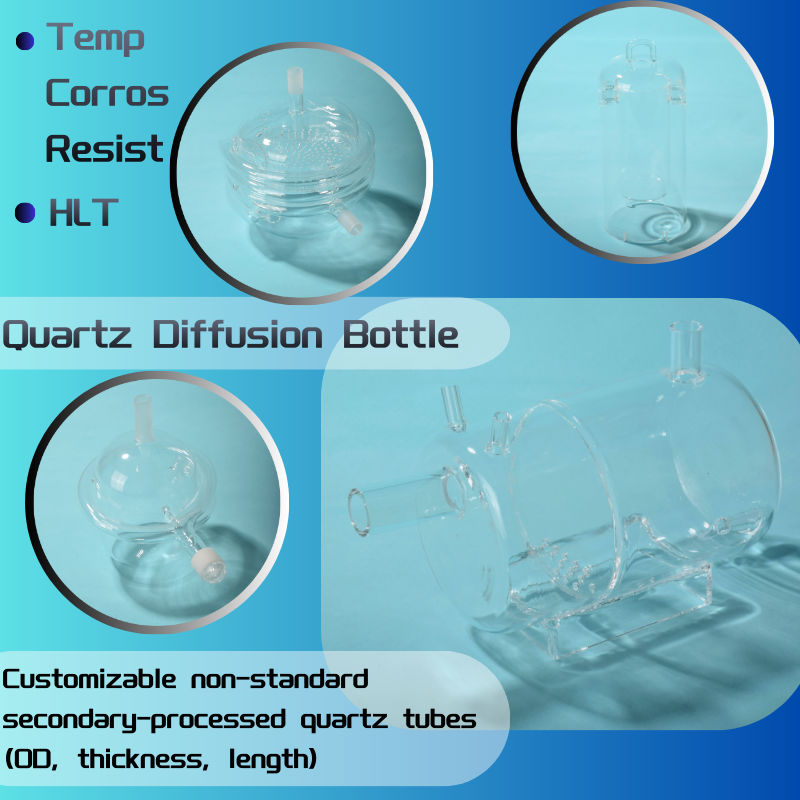
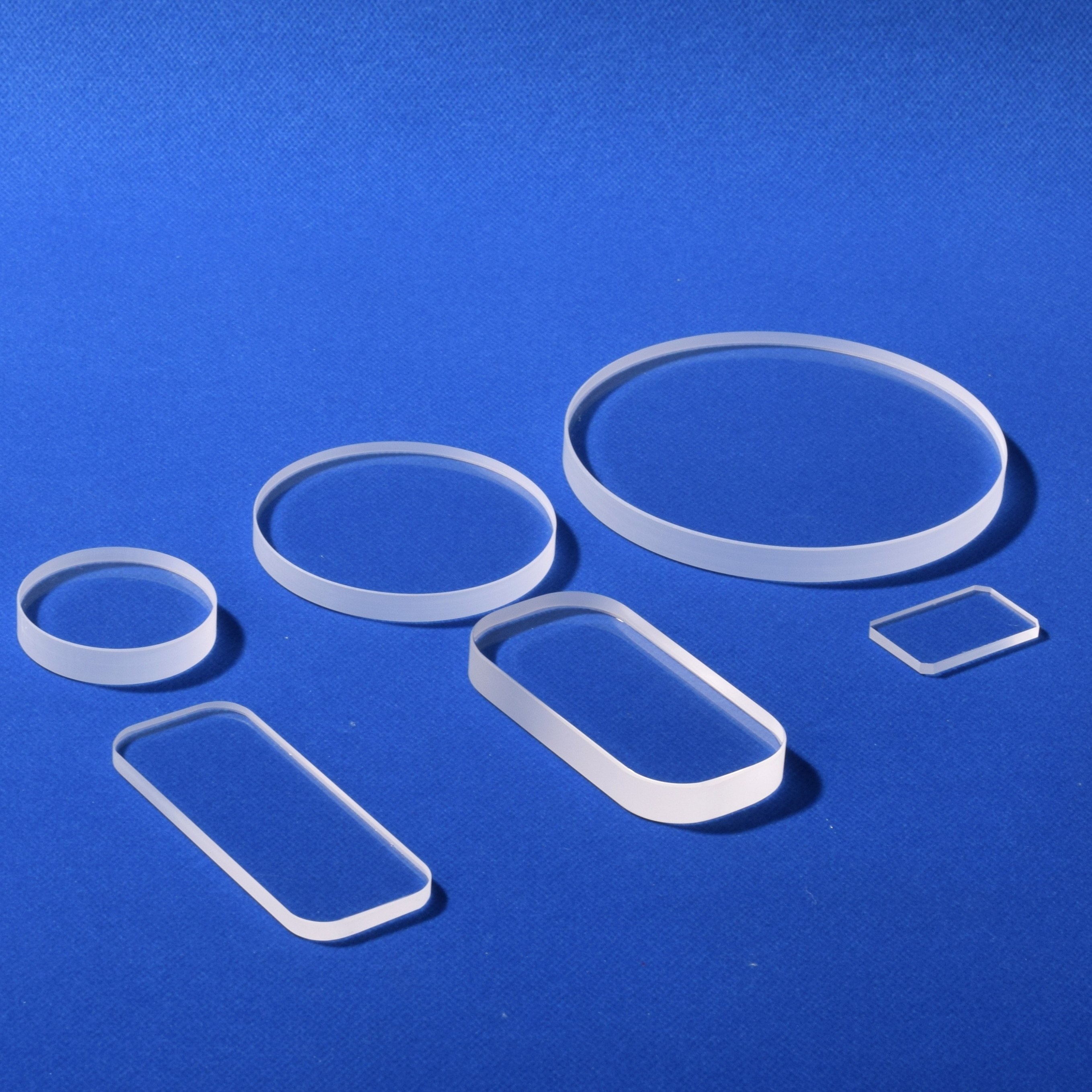
Clear Quartz Testing Sheet Ultra-thin Optical Grade Circular Shape SJ Brand Model SJ 077 High Thermal Conductance Welding
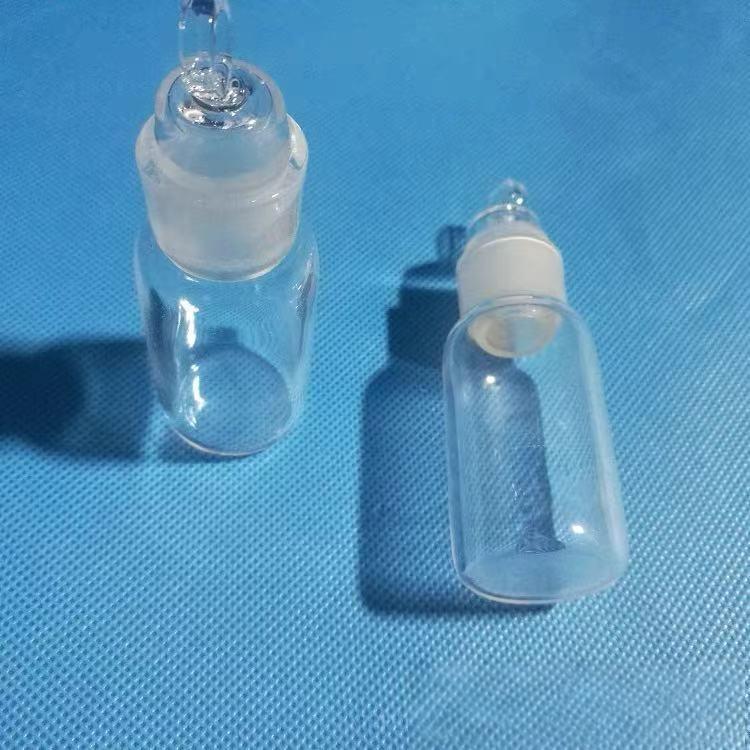
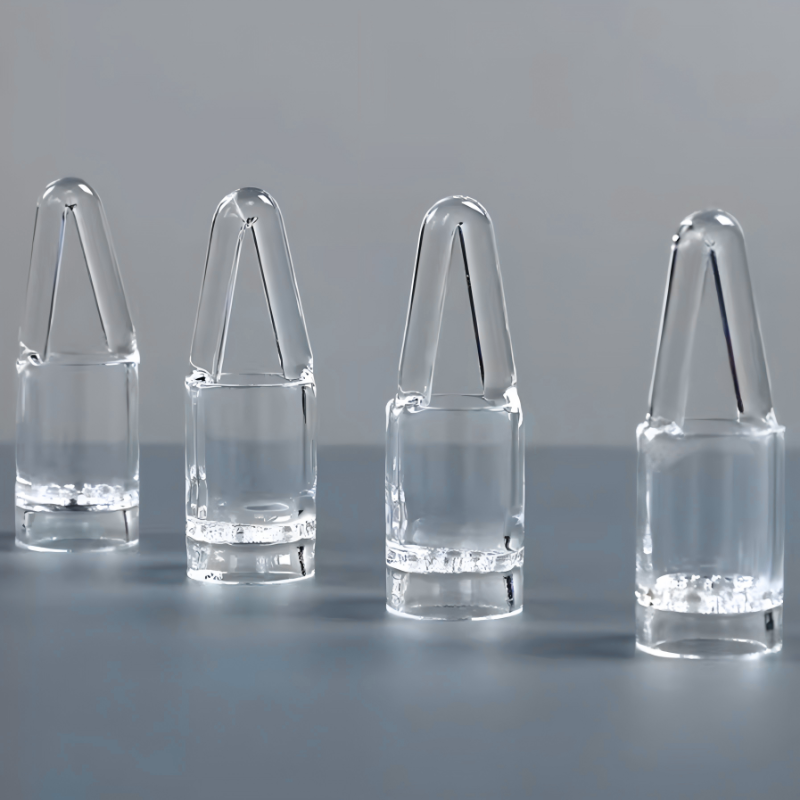
High-Corrosion Resistant High-Temperature Resistant High-Transparency Long-Lifespan Semiconductor 400 Mesh Laboratory Quartz
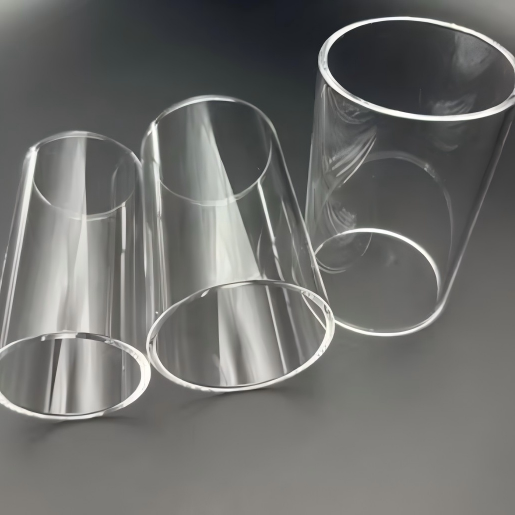
High Temperature Transparent Polished Ozone Free One End Closed Quartz Tube 5-800mm Diameter Bending Welding Cutting
Synthetic Quartz Glass vs. Natural Fused Silica: The Architectural Chemistry
A rigorous metallurgical comparison explaining molecular purity, transmittance curves, and why engineering projects in London require verified direct-source manufacturing.
In high-precision optoelectronics, quantum research, and wafer fabrication, material consistency dictates system performance. While standard fused quartz is derived from melting natural pegmatitic rock crystal sand—inherently carrying trace metal impurities such as Aluminum (Al), Iron (Fe), Titanium (Ti), and Lithium (Li) ranging from 15 to 50 parts per million (ppm)—synthetic quartz glass (synthetic fused silica) is synthetically polymerized via the vapor-phase chemical deposition of silicon-containing precursors (primarily high-purity silicon tetrachloride, SiCl₄, or siloxane octamethylcyclotetrasiloxane, OMCTS) in an oxy-hydrogen flame.
This gas-phase chemical vapor deposition (CVD) or vapor axial deposition (VAD) generates pure amorphous silicon dioxide (SiO₂) soot that is simultaneously or consecutively vitrified at temperatures in excess of 1,800°C. The resulting glass matrices contain aggregate metallic contamination levels below 0.1 ppm (100 parts per billion), eliminating absorption bands throughout the deep ultraviolet (DUV) down to 185 nm and rendering the substrate completely free of bubbles, striae, and inclusions (conforming to ISO 10110 standards).
Optical Transmission & Impurity Benchmarks
Below is the empirical property matrix evaluated under ASTM C693, ISO 11359, and DIN 58925 standards, comparing commercial optical quartz classifications against our specialized Donghai synthetic fabrication protocols:
| Physical / Chemical Property | Natural Fused Quartz (Standard Industrial) | Optical Fused Quartz (JGS2 Grade) | Synthetic Fused Silica (JGS1 Grade / DUV) | Vulra Ultra-Purity Synthetic |
|---|---|---|---|---|
| Total Metallic Impurities (ppm) | ≤ 20 - 35 ppm | ≤ 8 - 15 ppm | ≤ 0.5 ppm (Sub-ppm) | ≤ 0.1 ppm (Semi-Grade) |
| Hydroxyl Group [OH] Content | < 5 ppm (Dry) | < 30 ppm | 150 - 1200 ppm (Hydrated/Dry Opt.) | Tunable (<1 ppm or ~1200 ppm) |
| UV Cutoff Wavelength (λ0) | ≈ 220 nm | ≈ 200 nm | ≈ 170 - 180 nm | 165 - 175 nm |
| Transmittance @ 193 nm (10mm thickness) | < 10% (Ozone generation) | 30% - 60% | > 90.0% | ≥ 92.5% |
| Softening Point (Log η = 7.6) | 1,683°C | 1,670°C | 1,585°C - 1,620°C | 1,660°C - 1,683°C |
| Thermal Expansion Coeff. (0-300°C) | 5.5 × 10⁻⁷ / K | 5.4 × 10⁻⁷ / K | 5.1 × 10⁻⁷ / K | 5.2 × 10⁻⁷ / K |
| Fluorescence Index (Excitation @ 248nm) | High (Visible yellowish/red) | Medium | Virtually Undetectable | Zero Fluorescence Certified |
Precision Synthetic Quartz Glass in London’s R&D Corridors
Bridging Chinese high-purity silicon manufacturing with the rigorous technological requirements of the United Kingdom's leading research institutes, fabrication clusters, and clinical trial developers.
Life Sciences & Analytical Biochemistry
Within the King's Cross Knowledge Quarter, White City Innovation District, and London BioScience Innovation Centre (LBIC), researchers deploy our ultra-thin synthetic quartz sheets and UV cuvettes for fluorescence spectroscopy, single-molecule DNA sequencing, and analytical chromatography without parasitic autofluorescence background interference.
Hub: Bloomsbury & White City Bioscience ClustersAdvanced Quantum Photonics & Metrology
UK national quantum initiatives spanning UCL, Imperial College London, and downstream spinouts require ultra-flat optical windows and synthetic quartz laser cavities with surface roughness Ra < 0.5 nm and wavefront distortion λ/10. Our synthetic substrates maintain dimensional and optical phase fidelity across deep cryogenic and high-thermal cycling.
Hub: South Kensington - Old Street Tech BeltCompound Semiconductor & Epitaxy R&D
Specialized epitaxy laboratories and wafer processing facilities across the London-Cambridge corridor leverage our semiconductor-grade quartz boats, gas injection lances, and outer process tubes for GaN and SiC vapor-phase deposition where alkali ion diffusion would compromise crystalline purity.
Hub: London - Cambridge Tech Corridor (M11)Clean Energy & Photocatalytic Reactors
Aligned with the Greater London Authority's Net Zero 2030 targets and national hydrogen research, our ozone-free and high-transmittance quartz photocatalytic reactors provide impermeable reaction chambers for solar-to-chemical energy conversion and harsh acid photolysis without inner-wall micro-cracking.
Hub: Queen Mary & Greenwich CleanTech LaboratoriesHigh-Spec Vacuum Sight Windows & Defense
Precision viewports engineered with optical synthetic quartz disks fused into stainless steel CF/ISO flanges for vacuum chambers, high-energy plasma torches, and aerospace testing rigs across Greater London defense contractors requiring high pressure ratings and thermal shock resistance.
Hub: Farnborough - Greater London Aerospace RingIndustrial UV Curing & Sterilization Systems
Specialty UV disinfection systems across Thames Water facilities and commercial cleanrooms utilize custom ozone-free one-end-closed quartz sleeves. Precise doping blocks hazardous 185 nm emissions while transmitting 254 nm germicidal wavelengths at over 90% continuous efficiency.
Hub: Greater London Municipal & Pharmaceutical SitesSourcing Trends Across London & the UK Quartz Supply Chain
Market realities transforming how British procurement directors, university lab managers, and OEM instrument designers acquire high-spec quartz glass.
Bypassing Tier-3 UK Reseller Margins
Procurement teams across London face 250% to 400% markups when purchasing standard and synthetic quartz components through legacy domestic middlemen. Sourcing direct from verified Donghai manufacturers reduces unit spend dramatically while offering direct engineer-to-engineer review of CAD step files.
Demand for Rapid Prototyping (MOQ: 1 PC)
Fast-iteration academic incubators in White City and Shoreditch cannot commit to high minimums during early phase R&D. The shift toward single-piece custom machining—where tubes, ground joints, or flat optical flats are fabricated from drawing—enables rapid testing before industrial scaling.
Stringent Regulatory Alignment (UKCA / RoHS)
Post-Brexit UK compliance frameworks necessitate full material traceability. British engineering departments mandate third-party audited documentation confirming RoHS compliance, REACH SVHC non-inclusion, and TÜV Rheinland factory audits to guarantee zero toxic flux additions.
Direct DDP Air Freight Logistics to London
By leveraging dedicated air courier channels straight into London Heathrow (LHR) and London Stansted, custom quartz consignments clear customs seamlessly with pre-classified tariff codes (HS 7002/7017), arriving at lab facilities inside the M25 ring road within 5 to 7 working days.
Why Sourcing from Lianyungang Vulra Quartz Secures Your Project
Headquartered in China's silicon epicenter, combining certified raw material integrity with advanced hot and cold precision glass-blowing fabrication.
TÜV Rheinland Assessed Facility
Our complete production base—spanning raw stock storage, CNC cold cutting, grinding, and oxy-hydrogen glass lathes—is physically verified and audited on-site by TÜV Rheinland, assuring authentic manufacturing status and transparent trade records.
Rooted in Donghai's Crystal Cluster
Located on Dingxin Road in the Jiangsu Donghai Economic Development Zone, our factory benefits from immediate proximity to China's premier high-purity quartz reserves, ensuring consistent raw material batching and low synthesis costs passed directly to international buyers.
Combined Hot Flame & Cold CNC Machining
From micro-drilling 0.5 mm holes and double-sided optical lapping (λ/4 flatness) to precision tube bending and oxy-hydrogen welding of multi-chamber apparatus, all steps are housed under one roof to eliminate transit damage between processing stages.
Thermal Annealing & Chemical Cleaning
Every welded joint or heavily machined blank undergoes programmable furnace annealing up to 1,150°C to eliminate residual internal stresses that cause catastrophic thermal shock failure, followed by multi-stage ultra-pure hydrofluoric/nitric acid pickling and deionized water rinsing.
Specialized Export Cushion Packaging
Fragile quartz glass requires meticulous crating. We employ custom polyethylene foam moulds, individual vacuum wrapping, multi-ply corrugated cartons, and non-fumigation treated timber crates engineered to withstand international intermodal handling without micro-fracturing.
Full Drawing-Based ODM / OEM Flexibility
Whether you require standard 5 mm to 800 mm OD tubes, high-frequency crucible bowls, or complex multi-neck vacuum distillation columns, our engineering team directly ingests AutoCAD, SolidWorks, and PDF schematics, quoting lead times within 24 hours.
Frequently Asked Questions by London & UK Buyers
Clear, direct answers regarding technical tolerances, import procedures, shipping timelines, and custom engineering support.
How does Vulra ship fragile quartz to research labs in London without breakage?
We utilize a proven triple-layer protective system: individual anti-static dust sealing, high-density shock-absorbing EPE foam form-fitted to the exact profile of each tube or vessel, and reinforced outer plywood crates. In the rare event of transit damage via air or express courier, our replacement policy immediately dispatches a priority remanufacture at zero customer cost.
Can I order a single 1-piece custom prototype before placing batch orders?
Yes. We welcome 1-piece custom prototyping for researchers and equipment builders across London, Oxford, and Cambridge. This allows engineering validation of dimensions, surface finish, and thermal fit in your specific reactor or instrument before scaling to pilot or production volumes.
How do you handle UK import duties and customs documentation (HS Codes)?
We supply complete commercial paperwork with standardized tariff headings, typically HS 7002.31.00 (Tubes of fused quartz) and HS 7017.10.00 (Laboratory glassware of fused quartz). We can provide DDP (Delivered Duty Paid) shipping where all UK import VAT and carrier customs handling are settled upfront, ensuring uninterrupted delivery to your dock.
What is the standard turnaround time for custom quartz parts delivered to London?
Standard fabrication takes 7 to 14 days depending on cold grinding and flame lathe requirements. Express door-to-door air freight via DHL/FedEx directly into London Heathrow (LHR) takes 4 to 6 business days. For volume industrial orders, sea freight to London Gateway or Southampton typically requires 28 to 32 days.
What dimensional tolerances can your CNC quartz machining hold?
For cold-cut, ground, and polished plates or discs, we routinely hold tolerances of ±0.05 mm, with specialized optical lapping down to ±0.01 mm and surface roughness Ra < 0.5 nm. For hot flame-welded tubing assemblies, standard dimensional tolerance is ±0.5 mm, or tighter upon custom jig review.
Can you manufacture replacement glassware for proprietary European laboratory apparatus?
Absolutely. If your original German, UK, or American manufacturer charges excessive replacement premiums or long lead times for reactor vessels, condensors, or furnace liners, simply provide a dimensional drawing or a physical sample. We replicate identical quartz fittings with equal or superior material purity.
Initiate Your Engineering Consultation Today
Whether you require deep-UV synthetic quartz inspection windows, high-temperature furnace tubes, or complex laboratory reaction systems delivered directly to London or international facilities, our engineering team is on standby to analyze your drawings.