Featured Semiconductor & Laboratory Quartzware Catalog
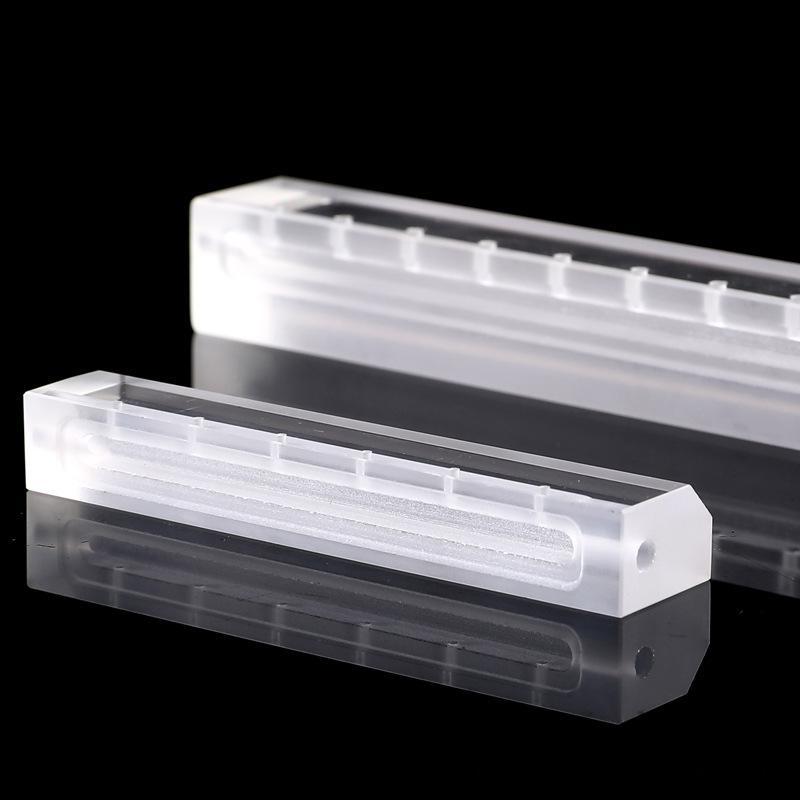
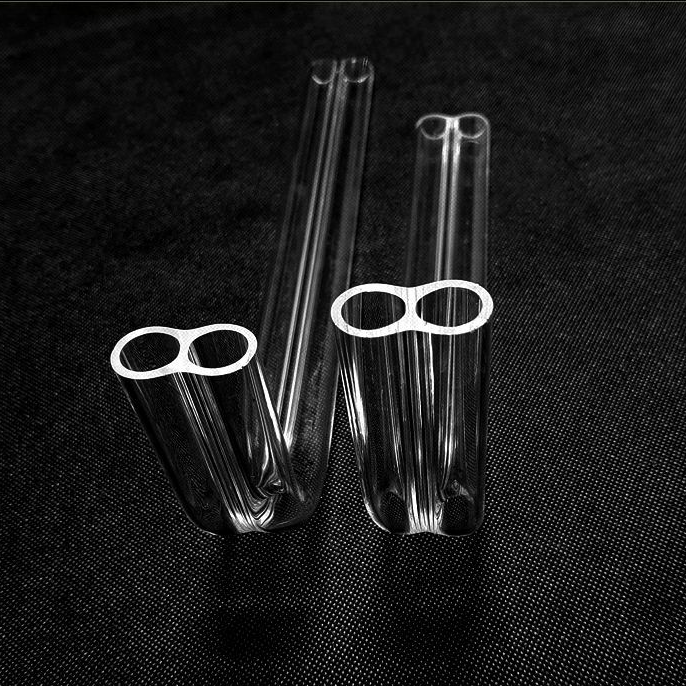
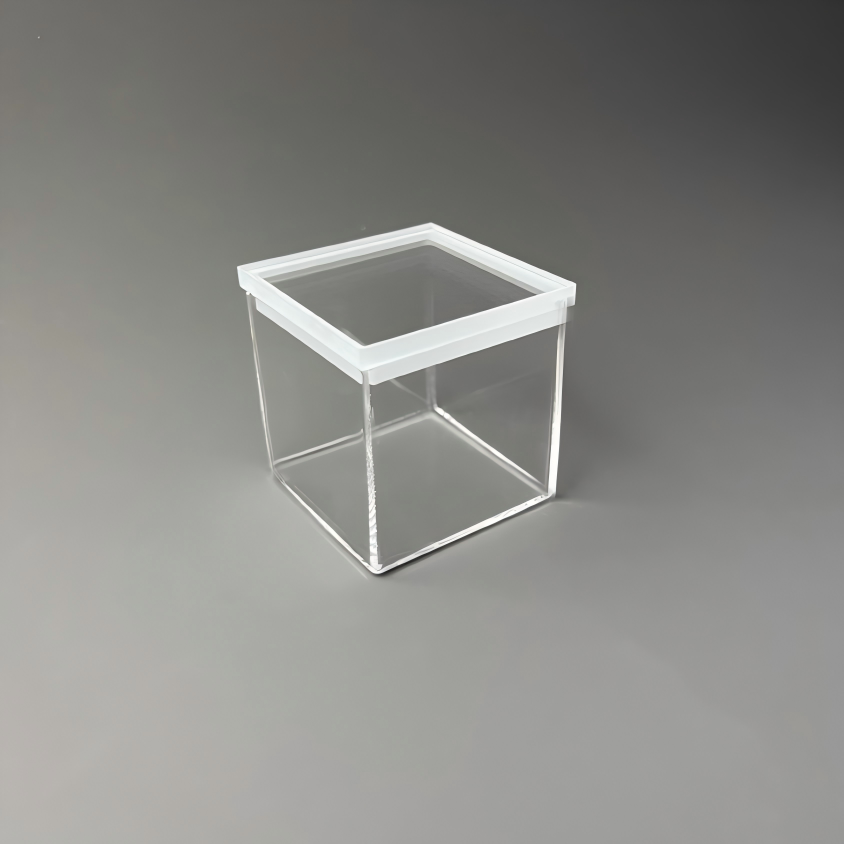
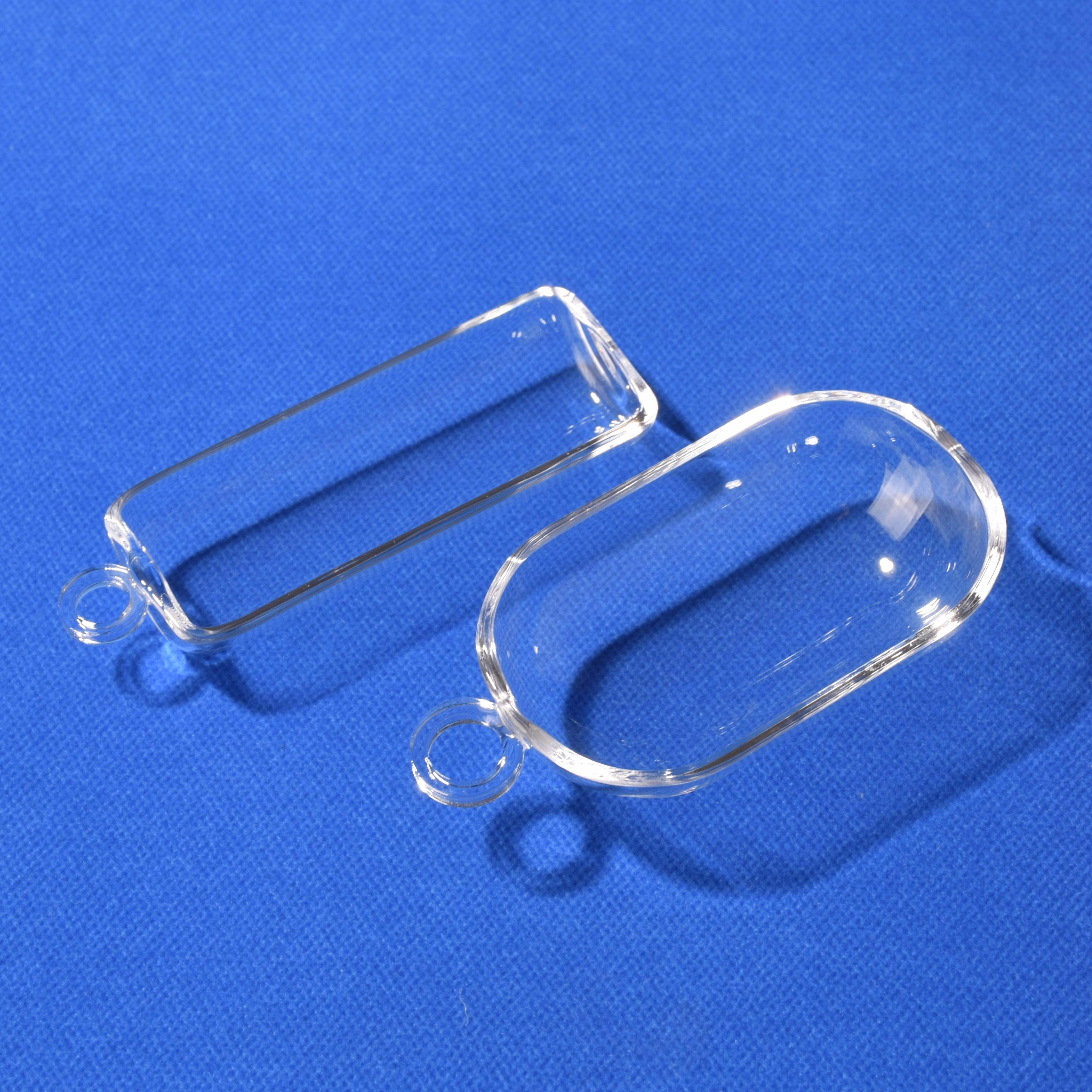
Browse our factory-standard fused quartz cylinders, reactor domes, furnace liners, and analytical components precision-machined for Bay Area cleanroom equipment and severe thermal-chemical environments.
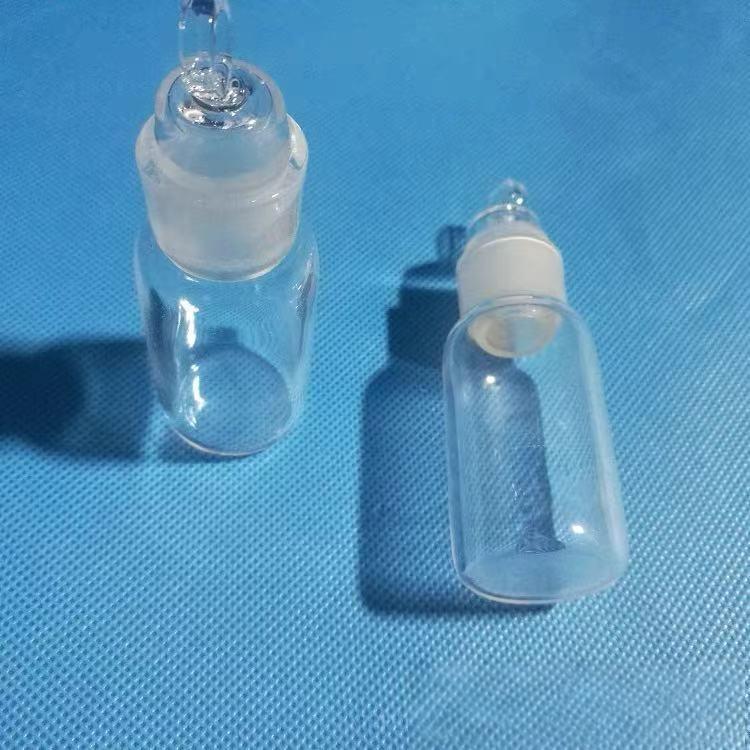
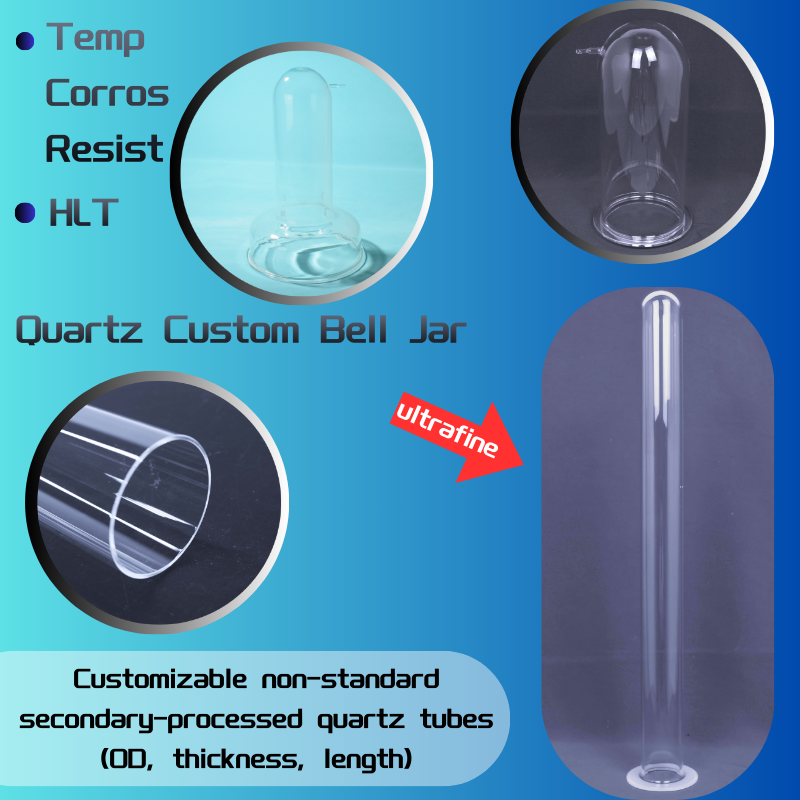
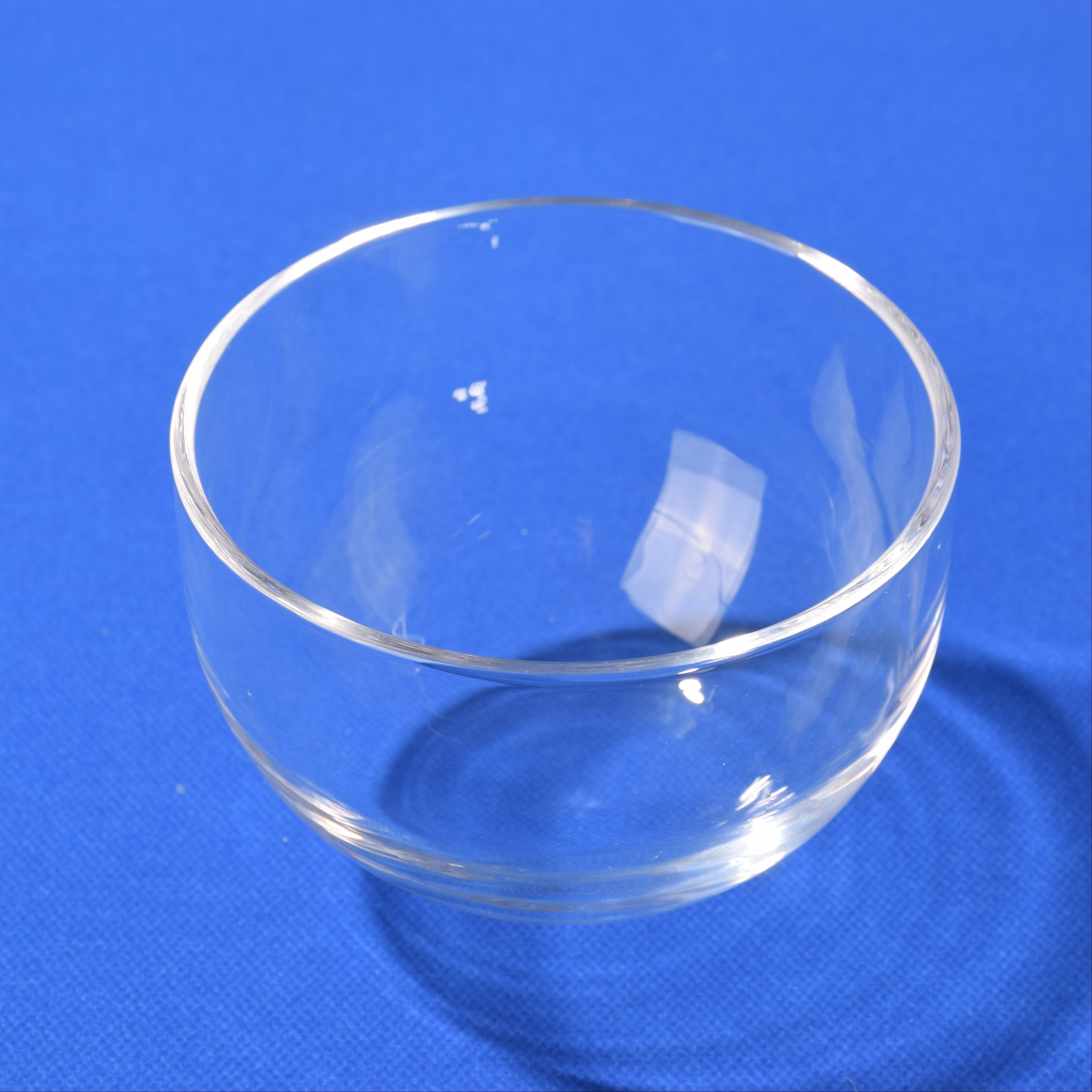
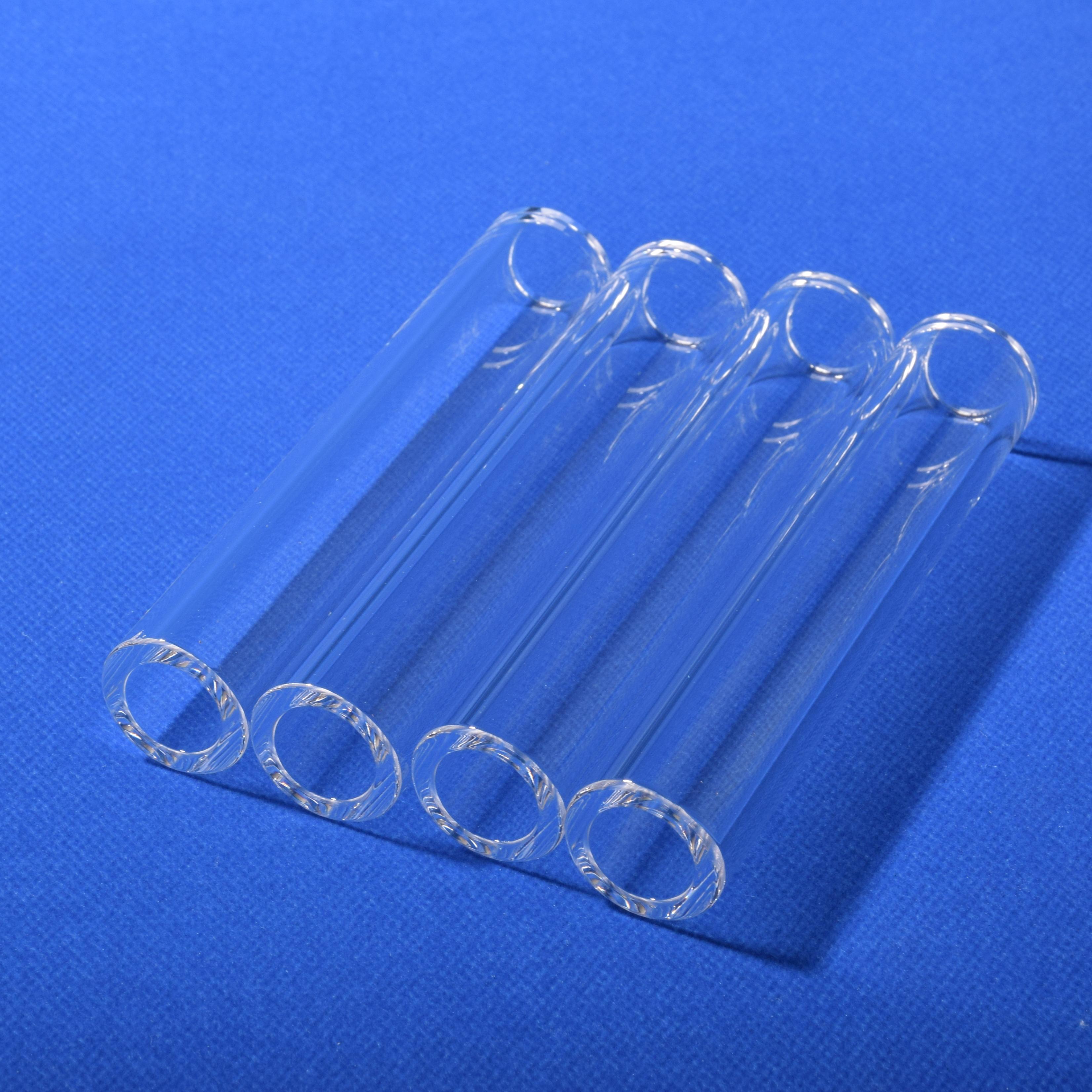
Santa Clara Semiconductor Ecosystem: Structural Quartz Demands in Advanced Nodes
Silicon Valley, centered across Santa Clara, Sunnyvale, San Jose, and Fremont, represents the global epicenter of semiconductor architecture, microelectronic research, and fab equipment design. While high-volume wafer production has expanded across international foundries, Santa Clara remains the critical cradle for Process Technology Engineering, advanced pilot fabs, plasma chemistry development, and sub-nanometer thin-film deposition prototyping.
In these rigorous Silicon Valley cleanrooms, standard laboratory borosilicate or commercial fused silica proves completely inadequate. Furnaces handling Low-Pressure Chemical Vapor Deposition (LPCVD), Atomic Layer Deposition (ALD), diffusion, and extreme ultraviolet (EUV) peripheral metrology require fused quartz glass cylinders capable of operating under sustained temperatures exceeding 1100°C without lattice distortion, bubble outgassing, or heavy-metal migration. Lianyungang Vulra Quartz Products Co., Ltd. fills this engineering link, exporting custom drawing-based quartz glass cylinders, furnace chambers, bell jars, and etch rings directly from the raw-sand mineral belt of Donghai, China to Santa Clara's manufacturing and R&D facilities.
Sub-PPM Trace Elemental Control
Sodium (Na), Potassium (K), Lithium (Li), Iron (Fe), and Copper (Cu) act as fatal mobile ionic contaminants in gate dielectric stacks. Our electric-fused and oxy-hydrogen refined natural quartz sand maintains alkali metal concentrations strictly below 0.5 ppm, preventing threshold voltage drift during sub-3nm thermal oxidation cycles.
Thermal Shock & Zero CTE Expansion
Featuring an ultra-low mean coefficient of thermal expansion (CTE ≈ 5.5 × 10⁻⁷ /°C from 20°C to 1000°C), our cylinders withstand immediate thermal cycling from ambient cleanroom temperatures to glowing operating chambers without micro-fissuring or explosive spallation.
Precision Geometrical Tolerances
Cylinders up to 800 mm in diameter are hot-drawn and diamond-wheel ground to maintain strict roundness tolerances (OOR < 0.5%), wall thickness uniformity (±0.1 mm), and bevel finish, guaranteeing helium leak-tight mechanical sealing in negative-pressure high-vacuum semiconductor toolsets.
Localized Application Scenarios in Northern California High-Tech Hubs
Equipment builders along Montague Expressway, Mission College Boulevard, and Great America Parkway integrate our high-purity quartz cylinders into specialized sub-assemblies. The table below outlines technical criteria tailored to Santa Clara's leading industrial sectors:
| Application Sector | Operational Process Conditions | Typical Quartz Cylinder Spec | Primary Technical Advantage |
|---|---|---|---|
| LPCVD & Diffusion Tooling | 900°C – 1150°C, continuous exposure to SiH₄, NH₃, and N₂O under high vacuum | OD 150mm – 450mm, wall thickness 4.5mm – 9.0mm, flame-polished bevel end | Viscous creep resistance at 1100°C; low hydroxyl (OH < 20 ppm) preventing moisture embrittlement |
| Plasma Etch & Reactive Ion Etching | Corrosive fluorinated gas chemistries (CF₄, SF₆, NF₃) under RF plasma bias | Heavy-wall ground cylinders, precision-drilled gas inlet ports, optical laser ports | High density amorphous SiO₂ matrix with reduced boundary micro-voids, suppressing plasma erosion rates |
| Photovoltaic & SiC Epitaxy | 1200°C – 1400°C, high thermal gradient furnace boats and liner tubes | Translucent/Opaque or transparent oversized double-wall jackets up to 650mm OD | Optimal infrared radiation diffusion, softening point up to 1683°C, extreme structural rigidity |
| Biomedical Laser & UV Analysis | Deep UV transmittance (193nm – 260nm) and ozone-free optical pathways | Ozone-free doped fused silica cylinders, bubble class 0/1, optical disc windows | Internal dopants absorb short-wave 185nm rays to eliminate toxic cleanroom ozone generation |
| Stanford & Berkeley R&D Labs | Custom photocatalysis, electrochemical cell domes, XRD crystal stages | Drawing-based small batch prototypes, 1-piece custom welded manifolds | Rapid CAD review, 100% tolerance compliance, zero tooling fee on bespoke geometries |
Regional Procurement Trends: Silicon Valley's Evolving Quartz Needs
Procurement engineers and hardware architects across Santa Clara County are reassessing their critical consumables supply chain. Three structural trends are reshaping how Silicon Valley acquires precision quartz components:
1. Transition to Compound Semiconductor Fabs
The explosive rise of Silicon Carbide (SiC) and Gallium Nitride (GaN) power devices across the Bay Area's electric vehicle (EV) and AI server power supply sectors demands higher process temperatures. While standard silicon wafers process near 1000°C, SiC epitaxy often approaches 1400°C. Buyers now specify refractory fused quartz crucibles and thick-wall quartz cylinders engineered with high annealing points (1215°C) and tight hydroxyl control to prevent catastrophic tube sag.
2. Direct-to-Source Agile OEM Fabrication
Domestic US quartz finishing houses face prolonged labor shortages and lead times stretching past 24 to 36 weeks. Santa Clara OEMs are eliminating intermediate domestic distributors, dealing directly with verified Chinese source manufacturers like Vulra Quartz. By utilizing direct CAD exchange and digital CMM verification, Santa Clara engineers receive custom furnace prototypes in under 3 weeks at substantial cost efficiency.
3. Stringent Cleanroom-Ready Packaging Specs
Modern fab protocols in Santa Clara prohibit incoming parts packaged in shedding particulate materials. International quartz shipments must arrive cleaned with hydrofluoric (HF) acid and deionized water baths, vacuum-sealed in double-layer polyethylene antistatic bags, and shock-cushioned inside custom high-density EPE foam crates to survive trans-Pacific logistics without micro-fractures.
Why Santa Clara Tech Leaders Partner With Vulra Quartz
Headquartered in Donghai County—the world-renowned crystalline capital—Lianyungang Vulra Quartz Products Co., Ltd. integrates crystal refining, flame benching, and CNC cold finishing under a certified ISO/TÜV framework.
TÜV Assessed Quality
Independently inspected on-site by TÜV Rheinland. Full CE and RoHS documentation verified for seamless US Customs and environmental compliance.
1-Piece Custom Prototyping
We believe research and high-yield fab modifications begin with single test pieces. We support drawing-based custom orders starting from MOQ = 1 unit.
Comprehensive Machining
Our factory floor houses computerized diamond core drills, 4-axis glass lathes, laser-guided cutting saws, and chemical fire-polishing torches for end-to-end tolerances.
Trans-Pacific Freight Guarantee
Export-hardened plywood crates with multi-axis suspension foam guarantee zero chipping or breakages on flights directly into San Francisco (SFO) or San Jose (SJC).
Frequently Asked Questions by Santa Clara Procurement Teams
Direct technical clarifications from our chief glassblowers and export engineers addressing high-frequency purchasing considerations in Silicon Valley.
Accelerate Your Santa Clara Semiconductor & Lab Quartz Supply
Send your CAD drawing or dimensional specifications today. Our senior glass engineers will evaluate thermal parameters, review custom tolerances, and supply a competitive factory-direct quote with guaranteed export delivery timelines.