Factory-Direct Quartz Products for Salvadoran Industry
Directly manufactured in our Donghai processing facility with ISO-controlled thermal fusion and optical cold-finishing. Seamlessly exported to San Salvador and Puerto de Acajutla.
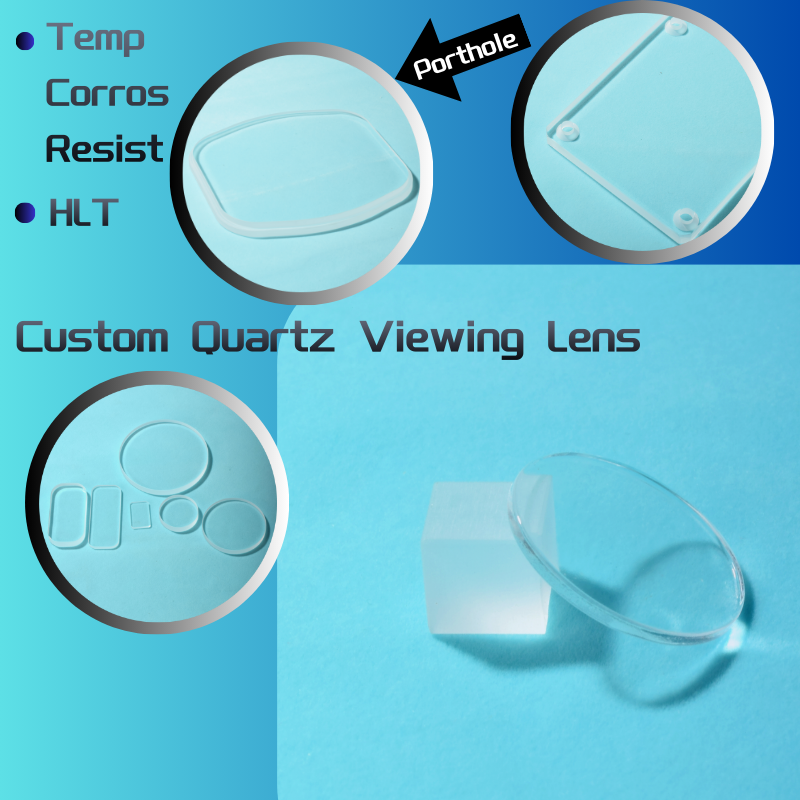
SJ SJ 126 Natural Fused Quartz Square Glass Slide
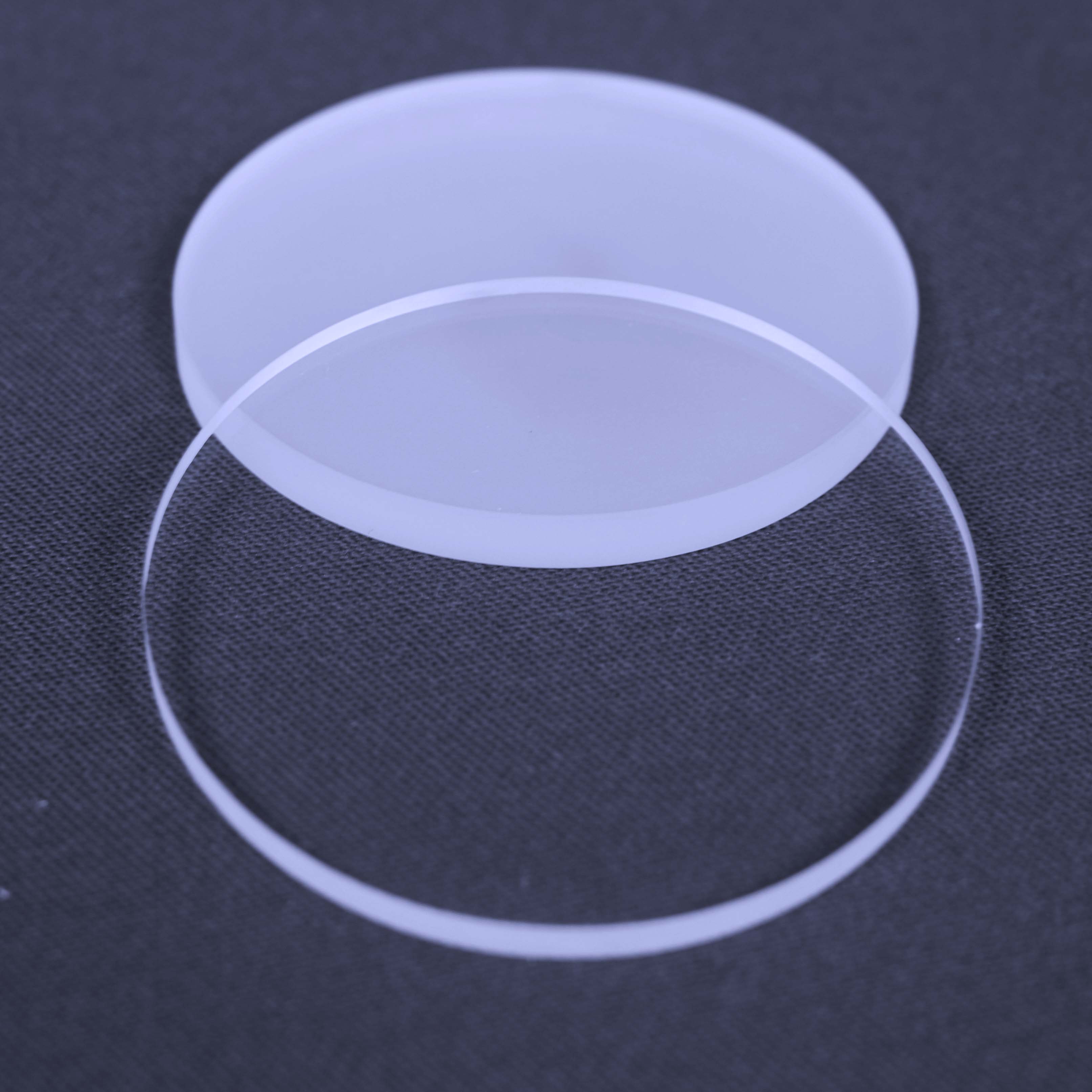
XRD Quartz Holder Circular Plate Test Sample
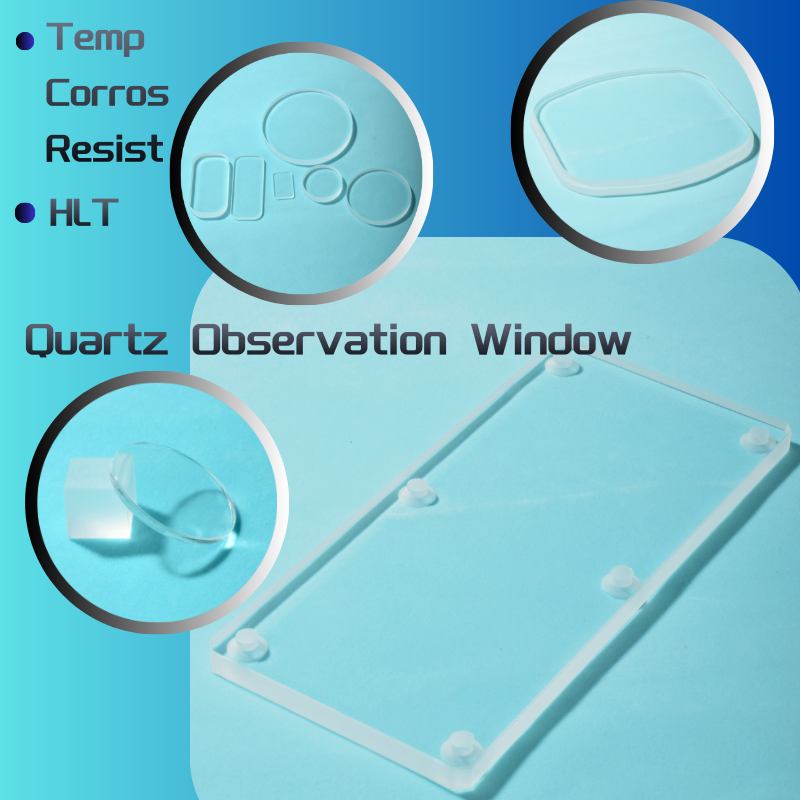
SJ Natural Fused Quartz Polished Optical Plate
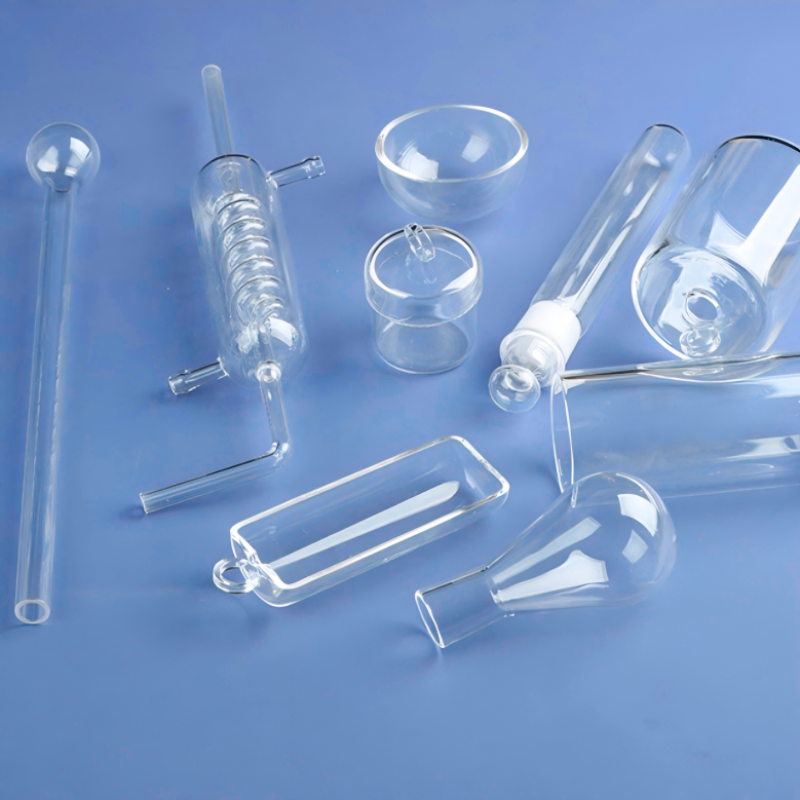
Quartz Glass Plugging Rod & Tube Boat Assembly
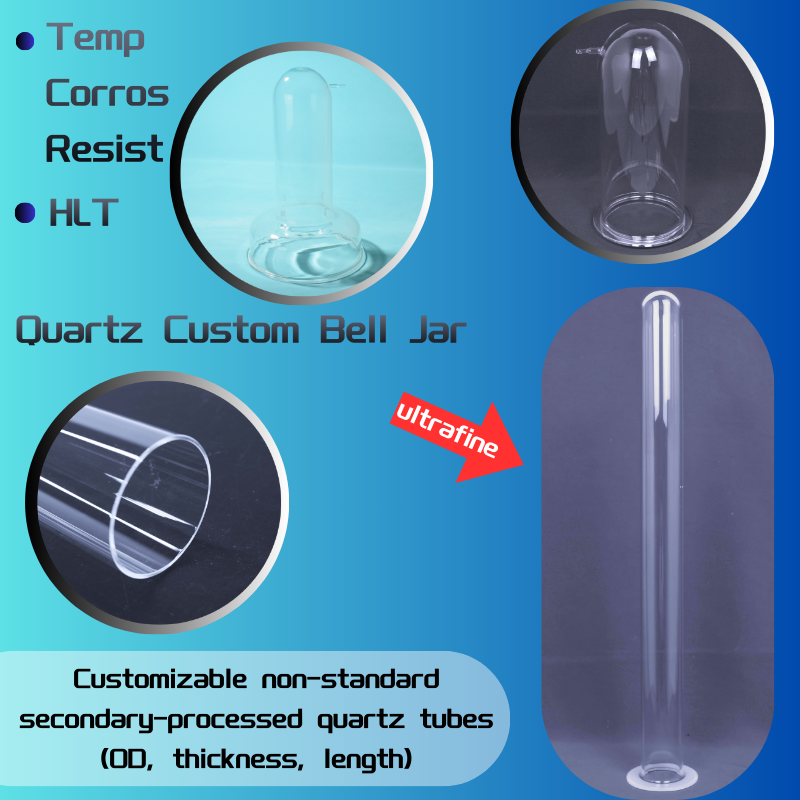
SJ 130 Precision Negative Pressure Vacuum Tube
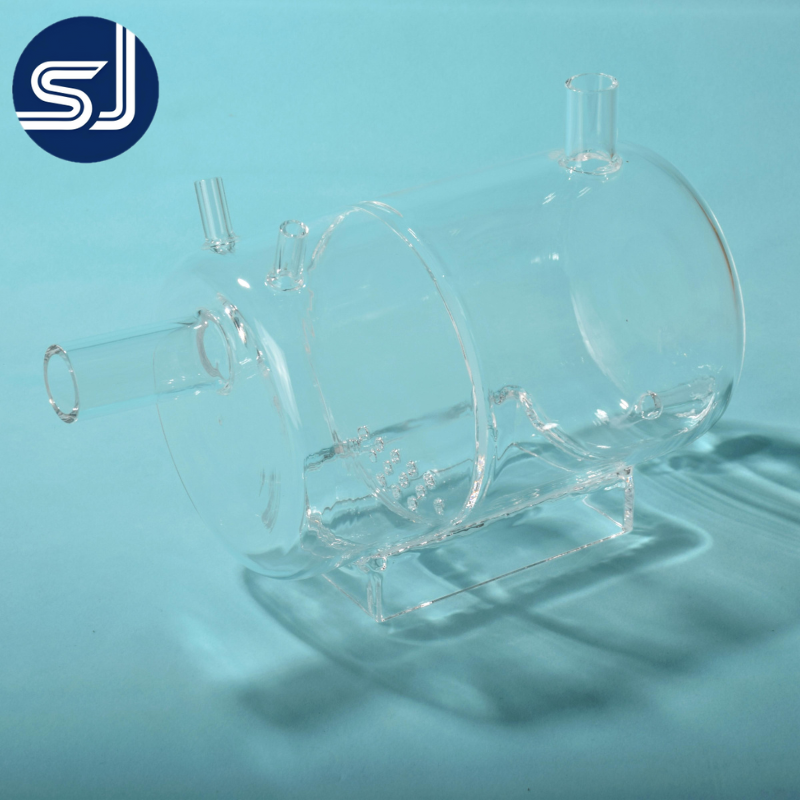
SJ QUARTZ Flow Splitting Distillation Bottle
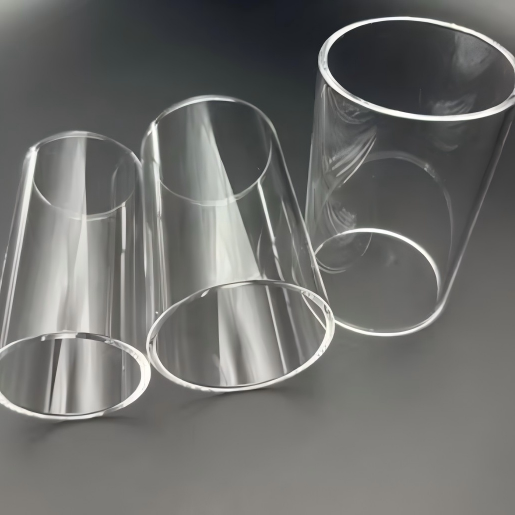
One-End Closed Polished Quartz Protection Tube
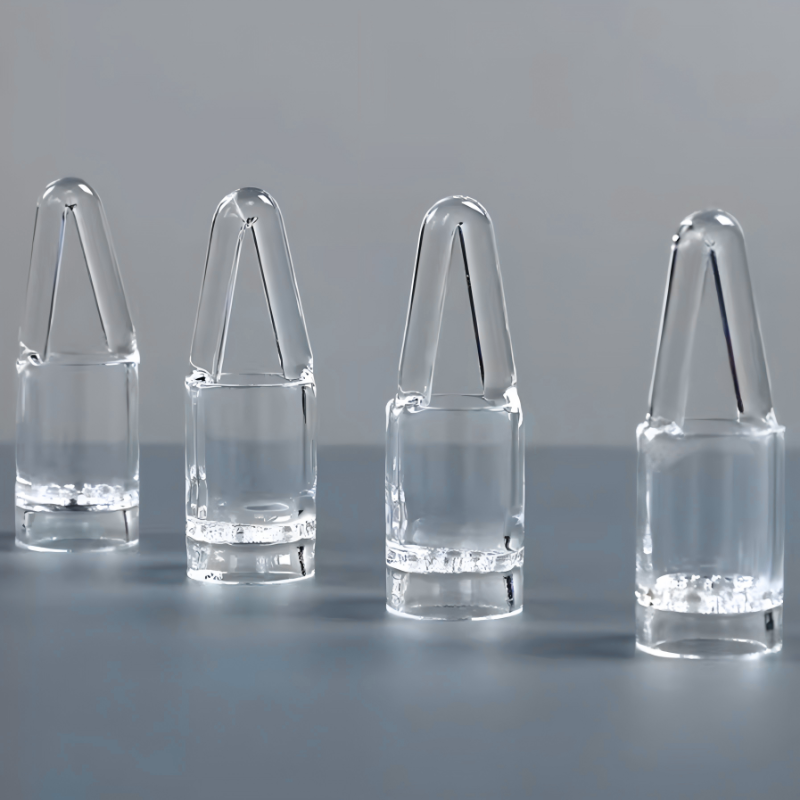
Acid & Alkali Resistant Quartz Glass Crucible
The Science of Opaque Fused Quartz Rods: Material Mechanics & Thermal Dynamics
In high-temperature industrial heating and severe chemical processing, opaque quartz rods (often designated in international metallurgy as milky quartz, translucent fused silica, or sintered silica rods) present distinctive thermodynamic benefits over clear vitreous silica. The characteristic opacity of these rods is not caused by mineral impurities or chemical doping; rather, it is generated by a controlled, uniform dispersion of microscopic gas micro-bubbles (microporosity ranging from 5 to 50 micrometers) trapped permanently within the amorphous silicon dioxide ($SiO_2$) matrix during the electric arc fusion or plasma sintering of high-purity natural silica sand.
This micro-bubble matrix functions as a natural scattering medium for radiation across the near-infrared, visible, and ultraviolet spectrums. When utilized in heating elements, furnace baffles, or thermal barriers, opaque quartz rods prevent direct specular radiation transmission, diffusing thermal energy evenly across process chambers. For industrial enterprises across El Salvador—from the high-temperature steam manifolds of geothermal power facilities to the agro-industrial furnaces of the sugar and food processing sectors—this diffuse reflection delivers balanced temperature profiles, prevents localized hot spots, and cuts radiant heat dissipation by up to 35% compared to transparent quartz glass.
Thermomechanical Resilience & Quenching Resistance
A primary failure mode of ceramic and lower-grade borosilicate components in Central American industrial setups is catastrophic brittle failure induced by thermal cycling. Standard ceramic refractories (such as mullite or cordierite) possess thermal expansion coefficients that generate internal stress when thermal gradients shift rapidly. In contrast, our opaque fused quartz rods boast an exceptionally low coefficient of thermal expansion (CTE) of approximately $5.5 \times 10^{-7} /^\circ\text{C}$ across the operating spectrum of $20^\circ\text{C}$ to $1000^\circ\text{C}$.
This virtually zero thermal expansion enables an opaque quartz rod heated to $1100^\circ\text{C}$ to be immediately quenched in ice water without micro-cracking, spalling, or structural failure. In high-pressure geothermal extraction lines operating throughout El Salvador’s volcanic volcanic corridors (such as the Ahuachapán and Berlín geothermal fields), sudden shifts between supercritical steam and cool ambient flushes destroy conventional sight glasses, level-sensing probes, and support pins. Implementing our engineered opaque quartz structural pins, support rods, and insulator mandrels ensures operational continuity without mechanical degradation.
| Physical / Thermal Property | Opaque Fused Quartz Rod (Vulra) | Clear Fused Quartz Rod | High-Alumina Ceramic (99% Al₂O₃) |
|---|---|---|---|
| Chemical Purity (SiO₂ / Primary Oxide) | > 99.99% SiO₂ | > 99.999% SiO₂ | 99.0% Al₂O₃ |
| Internal Structure | Amorphous with uniform micro-pores | Homogeneous vitreous glass | Polycrystalline sintered |
| Coefficient of Thermal Expansion (20-1000°C) | 5.5 × 10⁻⁷ / °C | 5.4 × 10⁻⁷ / °C | 8.0 × 10⁻⁶ / °C (15× higher) |
| Maximum Continuous Service Temp. | 1100 °C | 1150 °C | 1550 °C |
| Short-Term Softening Point | 1683 °C | 1683 °C | Decomposes / 2050 °C |
| Thermal Shock Resistance (Water Quench) | Extreme (1100°C to 20°C ΔT) | High (1050°C to 20°C ΔT) | Moderate to Poor (< 250°C ΔT) |
| Infrared Radiation Characteristic | High diffuse scattering & IR re-radiation | Direct transmission (unshielded) | Conductive absorption |
| Acid Resistance (HCl, H₂SO₄, HNO₃) | Chemically inert (excluding HF) | Chemically inert (excluding HF) | Vulnerable to strong acidic leachates |
Dielectric Integrity and High-Frequency Insulation
Beyond thermal performance, opaque fused silica rods function as peerless electrical insulators. With a dielectric strength exceeding 25 to 30 kV/mm at ambient temperatures and preserving high volumetric resistivity ($>10^{10} \ \Omega\cdot\text{cm}$) even at elevated temperatures up to $800^\circ\text{C}$, these rods provide crucial insulation for high-frequency induction furnaces, electric resistance heating element supports, and high-voltage grid sub-assemblies. Unlike ceramic bodies that absorb moisture in El Salvador’s tropical humid climate, the vitrified non-hygroscopic surface of opaque quartz eliminates moisture absorption, preventing flashovers, surface leakage currents, and tracking faults in outdoor electrical control gear.
Tailored Quartz Engineering for El Salvador's Key Industries
How our opaque and clear quartz products integrate directly into the manufacturing, renewable energy, and agricultural processing hubs of San Salvador, Santa Ana, and San Miguel.
Geothermal Power Wells & Steam Turbines
El Salvador is a Latin American pioneer in geothermal energy, generating over 25% of its baseline electrical power from the Ahuachapán and Berlín geothermal reservoirs managed by LaGeo. Downhole logging instruments, steam fraction separators, and turbine wellhead monitoring equipment are continuously exposed to corrosive volcanic gases containing hydrogen sulfide ($H_2S$), sulfur dioxide ($SO_2$), and hypersaline brines at elevated temperatures. Our custom opaque quartz rods serve as mechanical support rods, thermal probe insulating guides, and thermocouple protection tubes. Their total chemical inertness to sulfur compounds and immunity to thermal shock during emergency cold shut-offs prevent critical sensor failures.
Agro-Industrial & Sugar Mill Laboratories
The sugar cane milling sector (ingenios azucareros such as El Ángel, Chaparrastique, and La Cabaña) along with export-driven coffee and fertilizer plants in El Salvador operate rigorous analytical quality control laboratories. These operations depend heavily on quartz digestion vessels, optical glass slides, XRD sample holders, and flow-splitting distillation bottles. When testing soil nutrients, agricultural pesticides, and heavy metal concentrations via spectroscopy, Vulra's high-purity quartzware guarantees trace-metal background levels below 1 ppm, preventing cross-contamination and complying with international export certification standards.
Textile, Maquiladora & Packaging IR Curing
El Salvador's thriving textile, apparel, and flexible packaging maquiladoras depend on energy-intensive infrared drying lines, screen printing tunnel ovens, and plastic thermoforming machines. Opaque quartz rods serve as the central refractory core and mounting mandrels for high-efficiency spiral heating coils. Because opaque quartz naturally diffuses radiant energy, heating elements emit uniform infrared radiation across fabrics and packaging films, preventing uneven polymer curing, eliminating scorched margins, and minimizing electricity consumption in industrial zones like Ciudad Arce and American Park.
Procurement & Macroeconomic Trends in El Salvador
Navigating trade policies, infrastructure investments, and industrial modernization across the Salvadoran supply landscape.
Bilateral Trade Modernization
Expanding diplomatic and economic ties between the Republic of El Salvador and China have streamlined trade facilitation frameworks, reducing tariff friction and accelerating import customs processing through the Dirección General de Aduanas (DGA).
Port of Acajutla Logistics Upgrades
The modernization and expansion of container handling berths at Puerto de Acajutla offer direct Pacific maritime lanes from Chinese deep-water ports (such as Qingdao and Shanghai), slashing trans-Pacific transit times for heavy industrial goods down to 22-28 days.
Transition from Ceramics to Quartz
Salvadoran factory engineers are systematically phasing out conventional porcelain and cordierite heating fixtures in favor of high-purity fused silica, yielding extended component lifespans, fewer line stoppages, and improved electrical efficiency.
Direct Factory-to-Plant Sourcing
To eliminate high price markups from regional third-party traders in Miami or Panama, Salvadoran manufacturing plants are establishing direct OEM/ODM partnerships with certified Chinese manufacturers for custom, drawing-based replacement parts.
Lianyungang Vulra Quartz: Engineering Rigor Directly from China
Situated in Donghai County—the world’s crystal capital—we combine domestic high-purity natural silica sand reserves with precision robotic glassworking technology.
On-Site Assessed Production
Lianyungang Vulra Quartz Products Co., Ltd. has undergone exhaustive on-site supplier verification conducted by TÜV Rheinland. Our factory premises, operational legal status, manufacturing workshops, and testing laboratories are fully certified, granting international buyers total supply chain transparency and risk mitigation.
Drawing-Based OEM/ODM From 1 Piece
Equipped with computerized diamond CNC machines, high-temperature oxy-hydrogen flame lathing, automated tube draw towers, and clean annealing ovens, we turn complex technical 2D/3D drawings into finished parts. Whether you require a single specialized prototype rod or thousands of precision-cut furnace tubes, our engineers guarantee dimensional tolerances as tight as $\pm 0.05 \text{ mm}$.
Export-Grade Protective Packaging
Maritime shipments crossing the Pacific Ocean to Central America face significant vibration, humidity, and handling shocks. Every quartz rod, tube, and plate undergoes multi-stage acid cleaning, shrink wrapping in dust-free plastic, individually separated closed-cell pearl foam cushioning, and packing inside ISPM-15 fumigated multi-layered wooden crates.
Frequently Asked Questions for Salvadoran Importers
Essential information regarding customs clearance, technical specifications, order quantities, and freight logistics for businesses across El Salvador.
What Harmonized System (HS) codes are used for quartz shipments to El Salvador?
Our opaque and clear quartz products are typically classified under HS Code 7002.39 (Glass in rods, tubes or pipes, unworked, of fused quartz or other fused silica) or HS Code 7017.10 (Laboratory, hygienic or pharmaceutical glassware of fused quartz or other fused silica). These classifications allow swift clearance through the Dirección General de Aduanas (DGA) in El Salvador.
What shipping terms and ocean transit times apply to Puerto de Acajutla?
We provide FOB China ports (Shanghai, Qingdao, Ningbo), CIF Acajutla, or door-to-door DDU/DAP delivery to industrial facilities in San Salvador, Santa Ana, or San Miguel. Direct sea freight routes from primary Chinese container terminals to the Port of Acajutla generally take 22 to 30 calendar days. Express air courier (DHL, FedEx) is available for urgent laboratory sample orders within 5 to 7 days.
How do opaque quartz rods withstand geothermal steam containing hydrogen sulfide?
Silicon dioxide ($SiO_2$) is chemically non-reactive to sulfur dioxide ($SO_2$), hydrogen sulfide ($H_2S$), carbon dioxide, hydrochloric acid ($HCl$), and nitric acid ($HNO_3$) at both room and extreme operating temperatures. Unlike stainless steels (such as 316L) that experience pitting and stress corrosion cracking from volcanic sulfides and chlorides, high-purity opaque quartz maintains complete structural integrity across years of exposure.
Can we request custom diameters, slotting, or drilling for heating assemblies?
Yes. Our cold-machining and hot-working lines accommodate rods from 1 mm up to 100 mm in diameter, with standard lengths up to 2000 mm or custom-joined dimensions. We perform precision CNC centerless grinding, slot cutting for heating wire seating, longitudinal or transverse hole drilling, and customized chamfered or rounded ends based on your CAD engineering files.
What is the Minimum Order Quantity (MOQ) for non-standard custom parts?
Because we operate dedicated custom lines alongside our automated batch furnaces, the MOQ for most bespoke opaque quartz rods, crucibles, and fabricated lab items is just 1 piece. This flexibility empowers Salvadoran industrial clients to test dimensional accuracy, thermal characteristics, and compatibility before committing to recurring bulk procurement.
How do you ensure fragile quartz parts arrive unbroken after ocean transit?
Every piece is individually bubble-sleeved and isolated using high-density polyethylene foam dividers inside multi-wall corrugated cartons. These cartons are packed into heavy-duty fumigated wooden crates lined with waterproof vapor barriers and fitted with shock-watch indicator labels. Over 99.8% of our international ocean freight consignments arrive in flawless condition.
Connect with Our Engineering Team for Salvadoran Deliveries
Submit your technical drawings, operational temperatures, and required quantities. Our thermal specialists will conduct a free manufacturability and thermal-shock assessment, providing competitive factory-direct pricing for your facilities in El Salvador.