Hot-Selling Fused Quartz & Sapphire Components
Direct OEM/ODM Supply with Drawing-Based Fabrication for Ukrainian Laboratories & Heavy Equipment Systems
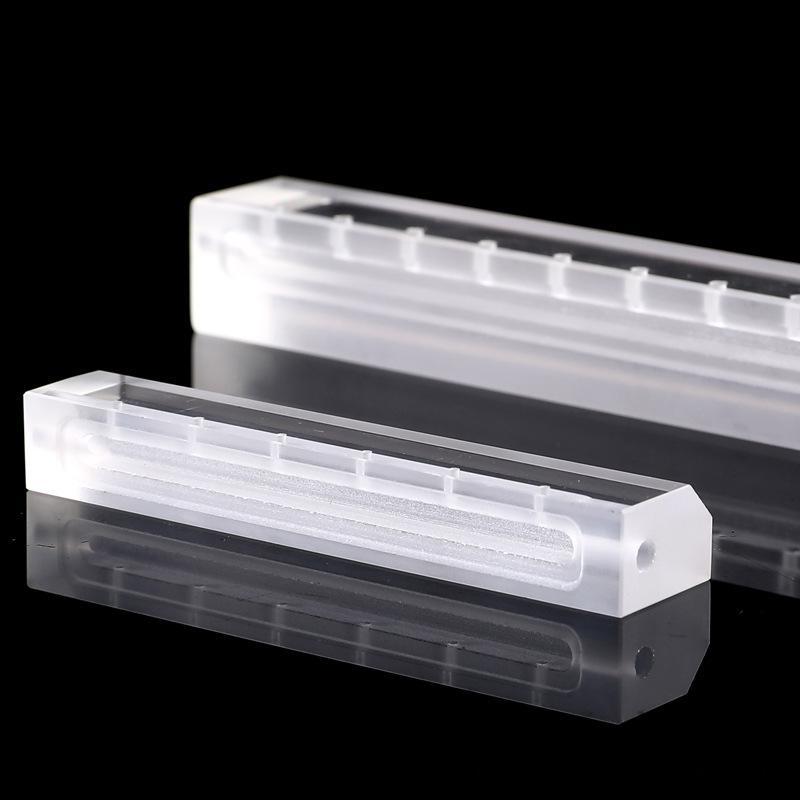
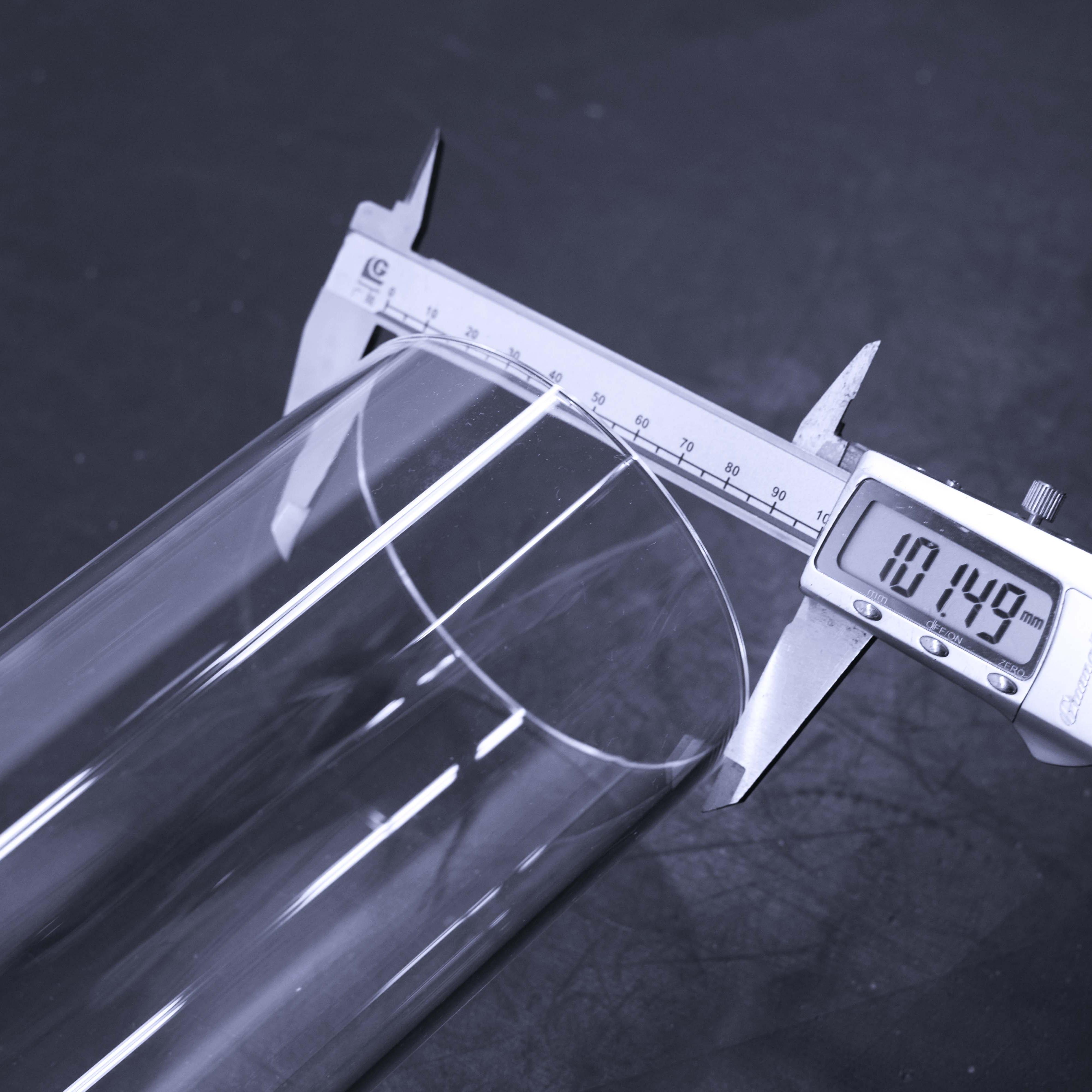
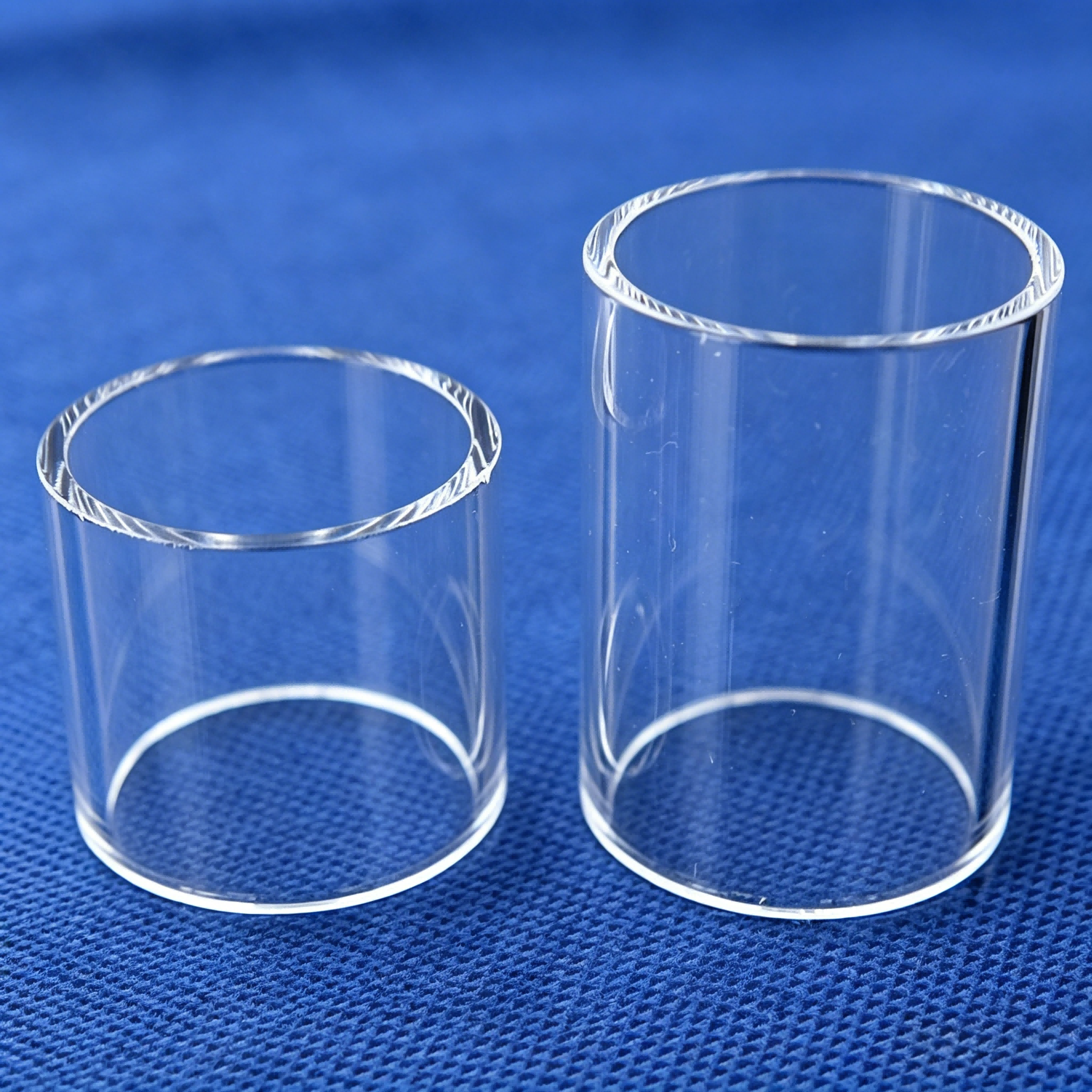
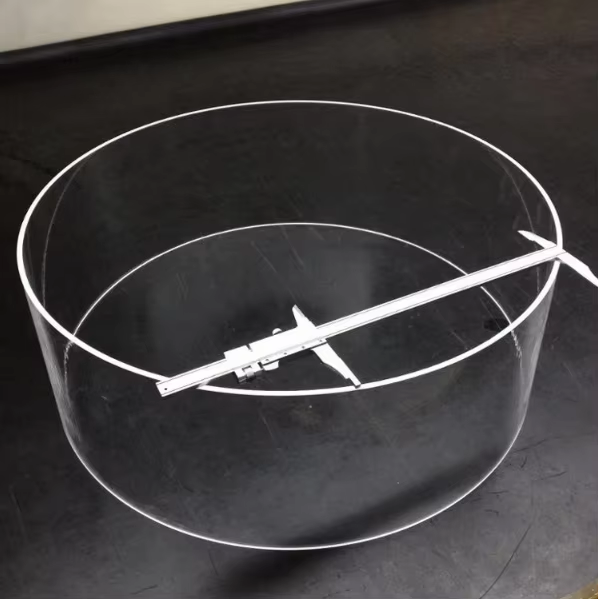
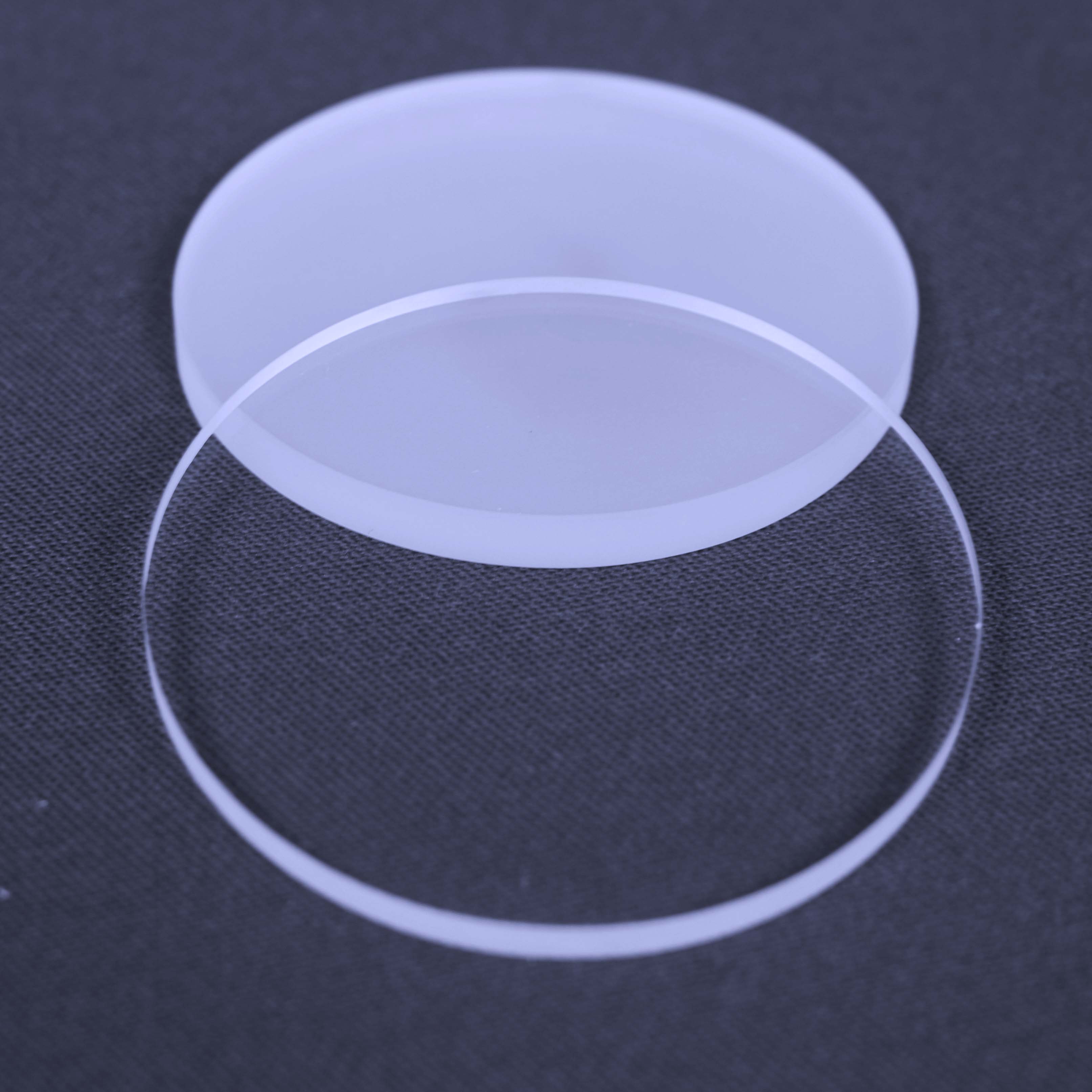
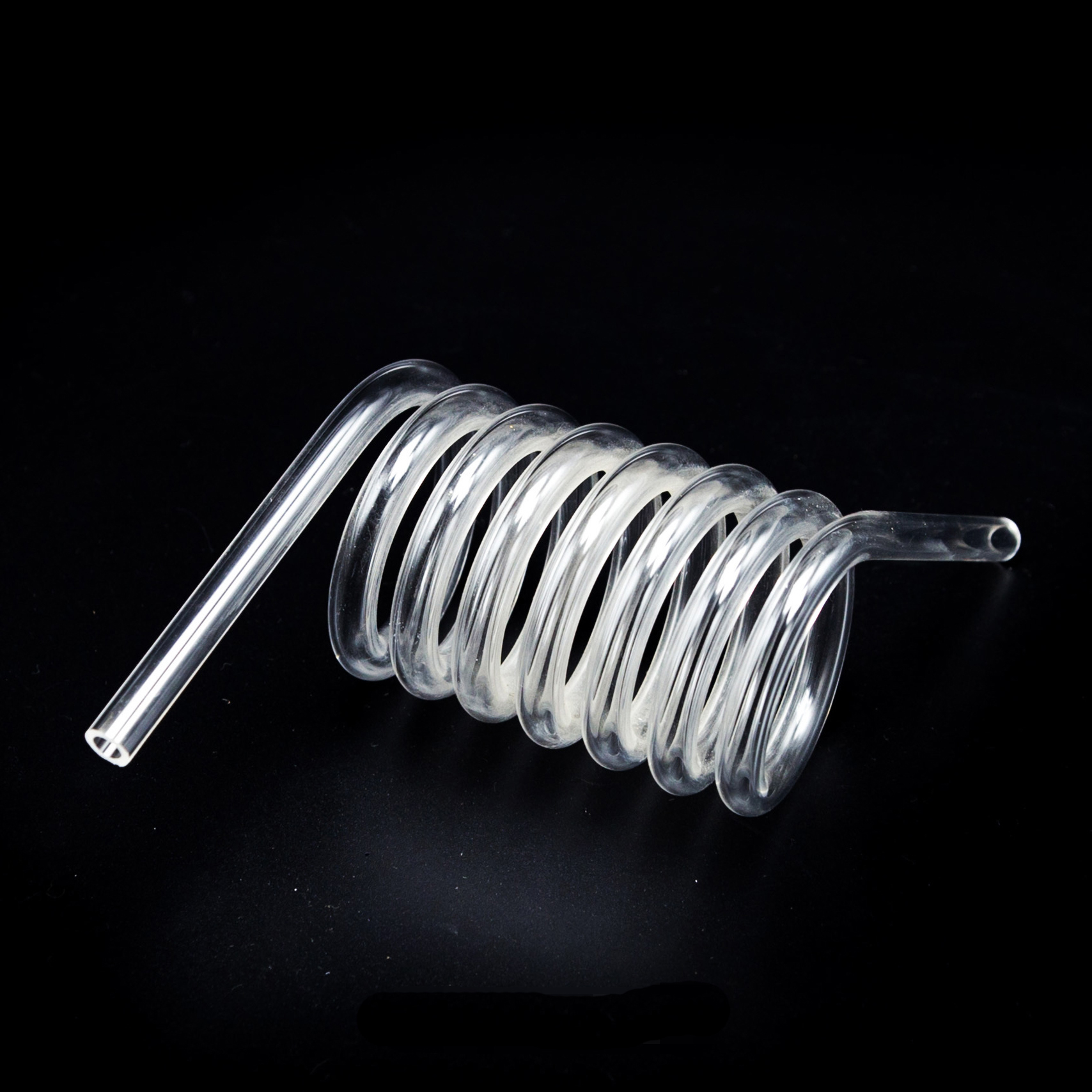
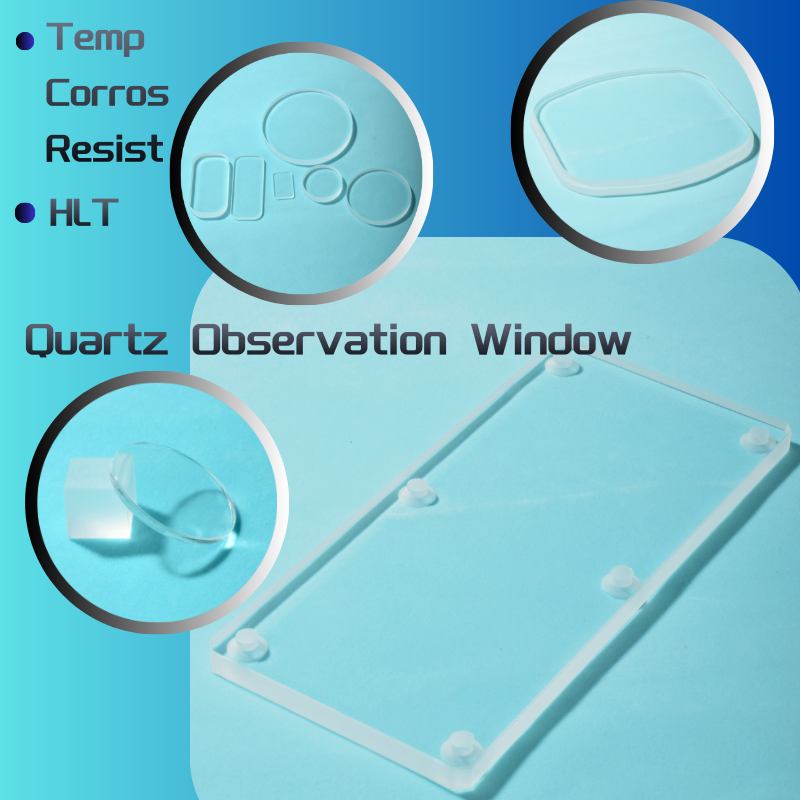
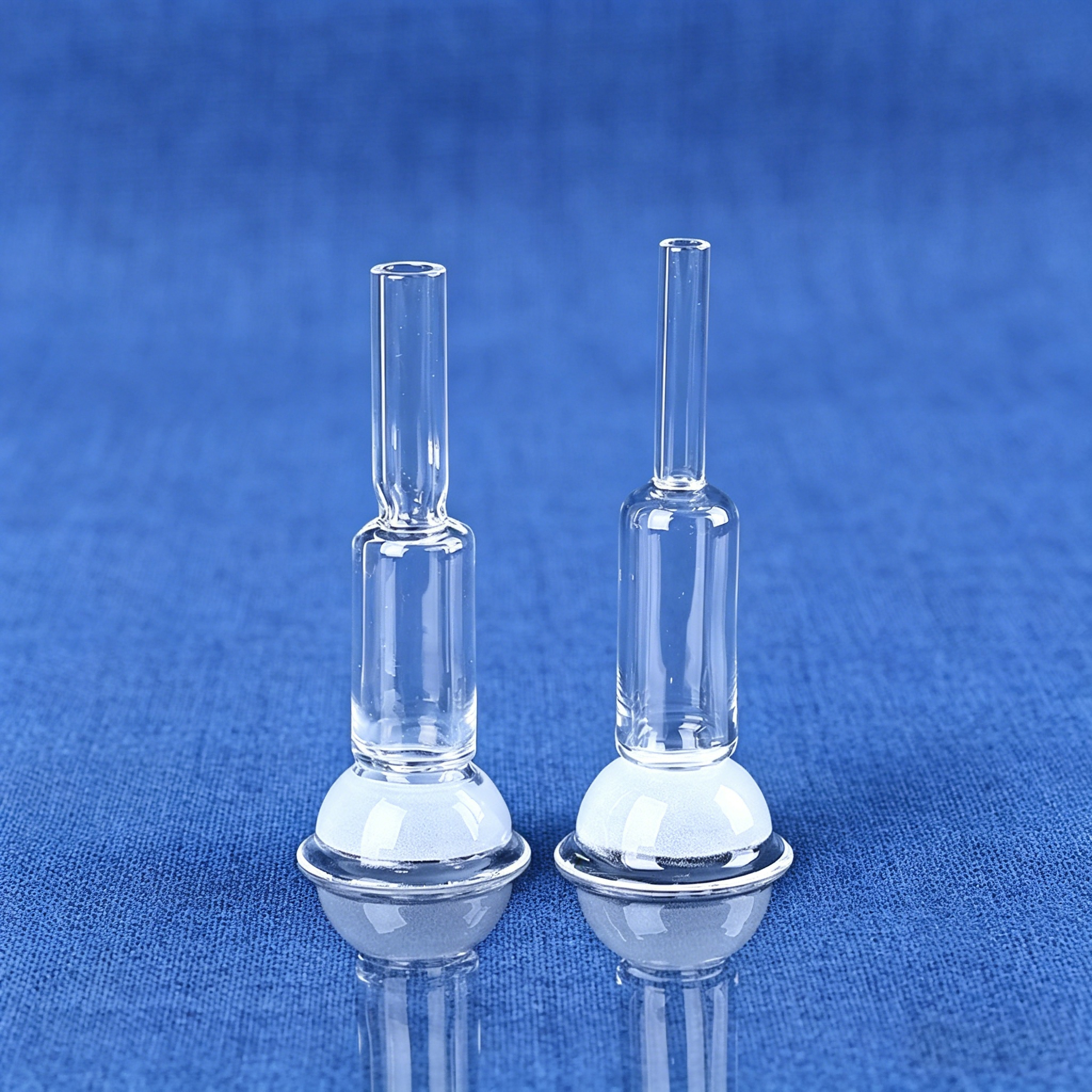
Material Science & Engineering Properties of Fused Quartz Beakers
Why High-Purity Fused Quartz Outperforms Standard Borosilicate 3.3 Glass in Demanding Industrial & Research Applications
When conducting high-temperature chemical reactions, acid digestion, semiconductor wafer synthesis, or optical spectrometry, standard laboratory glass such as Borosilicate 3.3 reaches its mechanical and physical threshold. As a specialized China Top Quartz Glass Beaker Supplier, Lianyungang Vulra Quartz Products Co., Ltd. supplies high-purity fused silica and fused quartz beakers that bridge the critical performance gap required by modern Ukrainian laboratories, metallurgical processing centers, and heavy chemical facilities.
Information Gain Benchmark: Fused quartz glass features an extremely low coefficient of thermal expansion (5.5 × 10⁻⁷ /°C), enabling a red-hot quartz beaker heated to 1100°C to be plunged directly into ice water without cracking—a physical impossibility for conventional borosilicate labware.
Extreme Thermal Shock Resistance
Capable of continuous continuous operation at 1100°C and short-term peak thermal exposure up to 1450°C. The softening point reaches approximately 1683°C, preventing deformation under intense vacuum furnaces or direct flame heat.
Inert Chemical Immunity
Fused quartz exhibits virtually complete resistance to almost all inorganic acids—including concentrated Nitric (HNO₃), Hydrochloric (HCl), and Sulfuric (H₂SO₄) acids at elevated temperatures. (Note: Only Hydrofluoric Acid and Phosphoric Acid above 150°C react with SiO₂).
High UV-Vis Transmittance
With minimal internal trace impurities (Fe, Al, Ti < 10 ppm), optical-grade fused quartz beakers and sheets allow over 90% light transmittance across the Deep UV (190 nm–350 nm), Visible, and Near-Infrared spectrums, essential for photochemistry.
Material Comparison Matrix: Fused Quartz vs. Borosilicate Glass
Engineering Metrics for B2B Sourcing Directors & Technical Purchasing Managers
| Physical / Performance Parameter | Vulra High-Purity Fused Quartz | Standard Borosilicate 3.3 Glass | Technical Impact on Ukrainian Lab Operations |
|---|---|---|---|
| SiO₂ Chemical Purity | 99.99% – 99.999% | 80% – 81% (Contains B₂O₃, Na₂O, Al₂O₃) | Eliminates sample cross-contamination during ultra-trace element elemental analysis. |
| Continuous Working Temp | 1100°C | 450°C – 500°C | Enables direct calcination, dry ash digestion, and high-temp synthesis in furnace work. |
| Max Short-Term Peak Temp | 1450°C | 550°C | Prevents beaker collapse or structural distortion during emergency thermal spikes. |
| Coeff. of Thermal Expansion (CTE) | 5.5 × 10⁻⁷ /°C | 32.5 × 10⁻⁷ /°C | Provides 6x greater shock resistance against sudden ambient temperature shifts. |
| UV Wavelength Cut-off | 185 nm – 220 nm (Deep UV) | 310 nm – 350 nm (Blocks UV-C/UV-B) | Essential for photocatalytic reactions, UV digestion, and optical laser research. |
| Dielectric Strength (KV/mm) | 25 - 40 KV/mm | 10 - 15 KV/mm | Serves as an superior high-frequency electrical insulator under plasma environment. |
Targeted Industrial & Scientific Use Cases in Ukraine
How Ukrainian Energy, Agriculture, Metallurgy, and Defense Innovation Hubs Utilize Vulra Quartz Products
1. Heavy Metallurgy & Foundry Assaying (Dnipro, Kryvyi Rih, Zaporizhzhia)
In the industrial heartlands of Eastern and Central Ukraine, steel manufacturers and slag processing facilities require high-purity quartz beakers, crucibles, and observation windows. During high-temperature slag elemental testing and spectral analysis of molten steel samples, quartz glassware stands up to 1200°C temperatures without leaching sodic contaminants into critical test samples.
2. Agricultural Soil & Environmental Heavy Metal Testing (Kyiv, Poltava, Odesa)
As Ukraine's agritech sector expands rigorous testing of black-earth (Chernozem) soil compositions and environmental water quality, lab technicians perform heavy nitric and perchloric acid digestions. Fused quartz beakers permit high-temp reflux boiling without etching or devitrification, guaranteeing precise ICP-MS elemental measurements for trace cadmium, lead, and fertilizer residue.
3. Photovoltaic & Energy Research Laboratories (Lviv, Kharkiv)
Renewable energy research institutes in Ukraine rely on specialized C-shaped quartz tubes, BET test bulbs, and optical quartz plates. Fused quartz's high clarity and zero outgassing properties under vacuum make it ideal for chemical vapor deposition (CVD) solar cell prototype synthesis and thermal energy storage experiments.
Ukraine Procurement Trends: Modernization & Supply Chain Resilience
Key Strategic Shifts in Sourcing Quartzware for Eastern European Enterprise Buyers
Shift from GOST Glassware to High-Purity Quartz Standards
Historically, many Ukrainian state laboratories relied on legacy Soviet GOST-standard borosilicate apparatus. Modern technical modernization programs in Ukraine are rapidly transitioning to ISO 9001 and CE-certified fused quartz equipment. This transition ensures seamless integration with advanced European and American analytical equipment (such as Agilent, Shimadzu, and Thermo Fisher systems).
Demand for Custom Drawing-Based OEM & Low MOQ Flexibility
With research and industrial facilities adapting to specialized localized repairs and bespoke laboratory setups, off-the-shelf catalog sizes are often insufficient. Ukrainian purchasing managers increasingly prioritize Chinese suppliers who offer drawing-based OEM/ODM manufacturing from 1 piece, allowing rapid prototyping without prohibitive tooling costs.
Export Packaging Integrity for Multi-Modal Transit
Logistics into Ukraine often require multi-modal transport routing through European logistics hubs (Poland, Romania). Secure, shock-absorbent packaging featuring custom-cut polyethylene foam, vacuum wrapping, and reinforced wooden crates is now a mandatory standard for procurement managers to ensure zero breakage during cross-border transit.
Total Cost of Ownership (TCO) Optimization
While fused quartz carries a higher initial cost than standard glass, its longevity under thermal stress and corrosion reduces replacement frequency by up to 80%. Sourcing directly from factory manufacturers in Donghai, China offers Ukrainian buyers direct factory pricing without distributor markups.
Why Vulra Quartz is China's Premier Quartz Glassware Supplier for Ukraine
Lianyungang Vulra Quartz Products Co., Ltd. combines raw material abundance, TÜV Rheinland-verified manufacturing, and precision flame engineering.
Located in Donghai — World Crystal Capital
Situated at No. 9, Dingxin Road, Jiangsu Donghai Economic Development Zone. Donghai County is global epicenter for high-purity quartz sand reserves, granting us direct access to 99.999% SiO₂ raw materials at lower procurement costs.
TÜV Rheinland Verified Manufacturer
Independently audited and on-site verified by TÜV Rheinland. Full compliance with CE and RoHS standards ensures our quartz beakers, tubes, and plates meet strict European regulatory requirements.
Full Hot & Cold Fabrication In-House
Our workshop integrates oxy-hydrogen flame welding, glass lathe spinning, diamond cold cutting, surface grinding, optical polishing, annealing ovens, and acid wash purification under one roof.
Engineering Drawing Review (OEM/ODM)
Every RFQ submit with CAD or PDF drawings is reviewed by our optical and thermal engineers for wall thickness ratios, stress points, and tolerance feasibility prior to production.
Frequently Asked Questions (FAQ) for Ukrainian Buyers
Direct Engineering Answers Regarding Quartz Glassware Specifications, Customization, and International Delivery
What is the difference between Fused Quartz Beakers and Synthetic Fused Silica Beakers?
Synthetic Fused Silica is produced from silicon-containing chemical precursors (SiCl₄), resulting in ultra-high purity (metallic impurities < 1 ppm) and superior optical transmittance in the deep UV spectrum (down to 185 nm). We help Ukrainian clients select the correct grade based on operational wavelengths, purity requirements, and budget constraints.
Can Vulra Quartz fabricate customized quartz beakers based on our CAD drawings?
How do you ensure zero damage during shipping to Ukraine?
What is the lead time for small prototype orders versus bulk industrial shipments?
Can fused quartz beakers withstand Hydrofluoric Acid (HF)?
Ready to Source High-Purity Quartz Glassware for Your Project?
Submit your technical specifications, drawing files, or standard product requests today. Our engineering sales team will provide a competitive quotation and feasibility assessment within 12 hours.
Send an Inquiry