Specialized Fused Quartz Equipment & Vessels
Drawing-based fabrication, certified dimensional tolerance, and superior refractory thermal resistance manufactured for research centers and semiconductor fabrication lines.
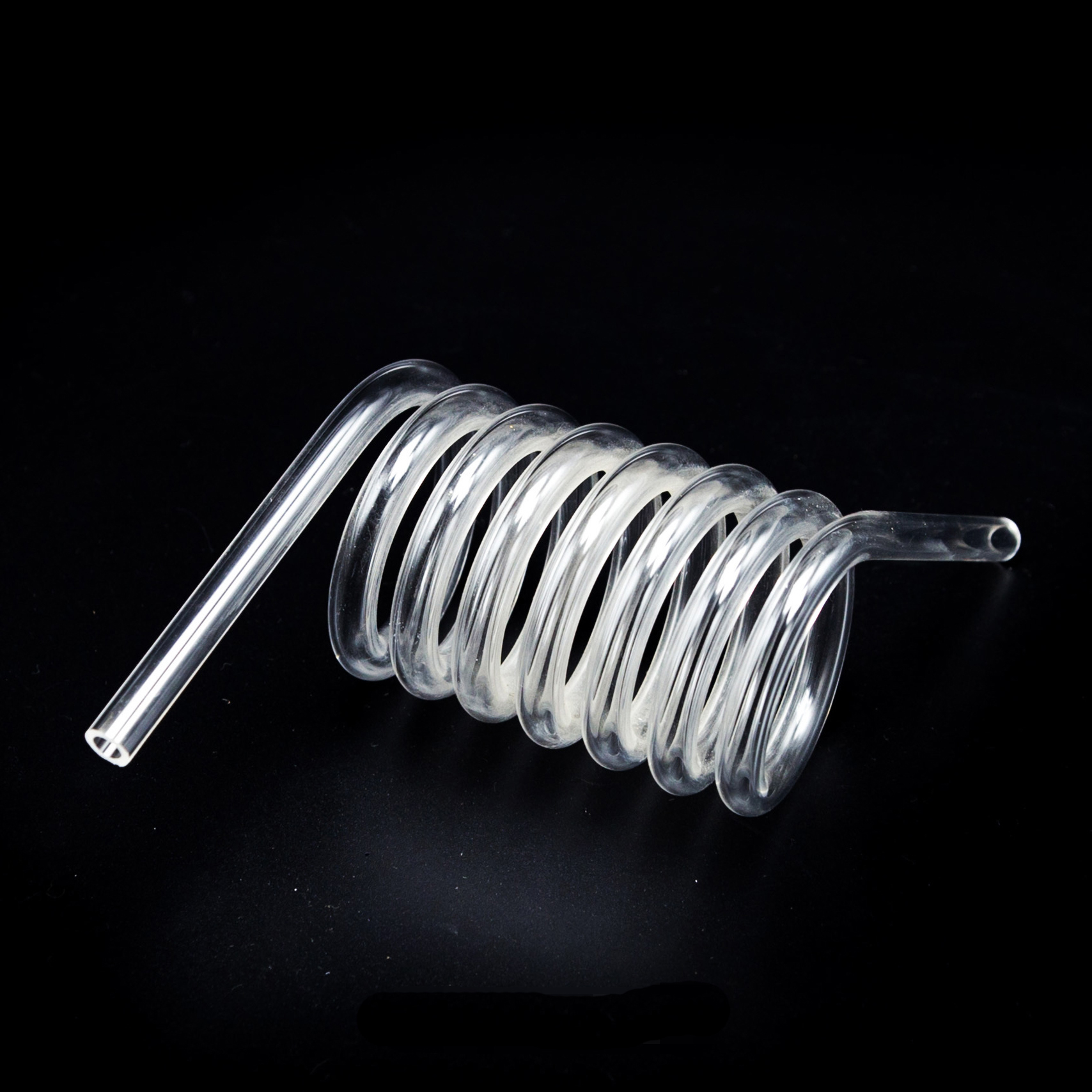
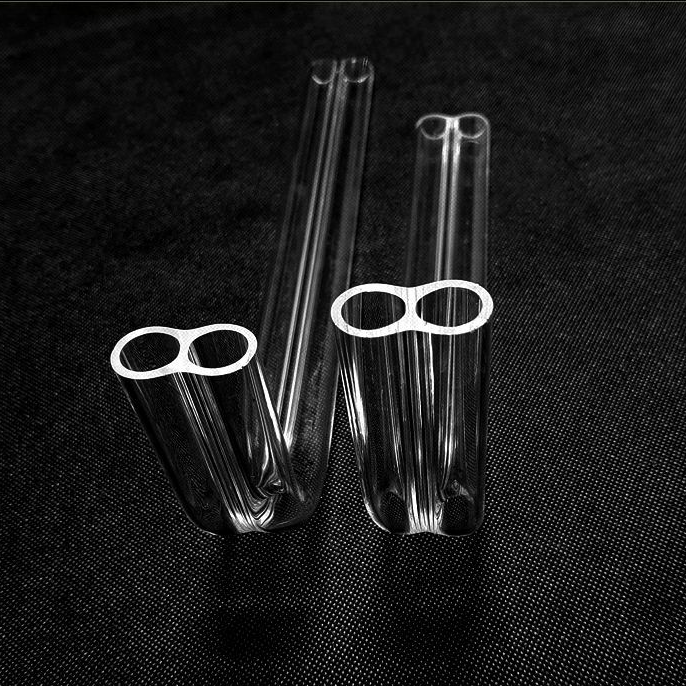
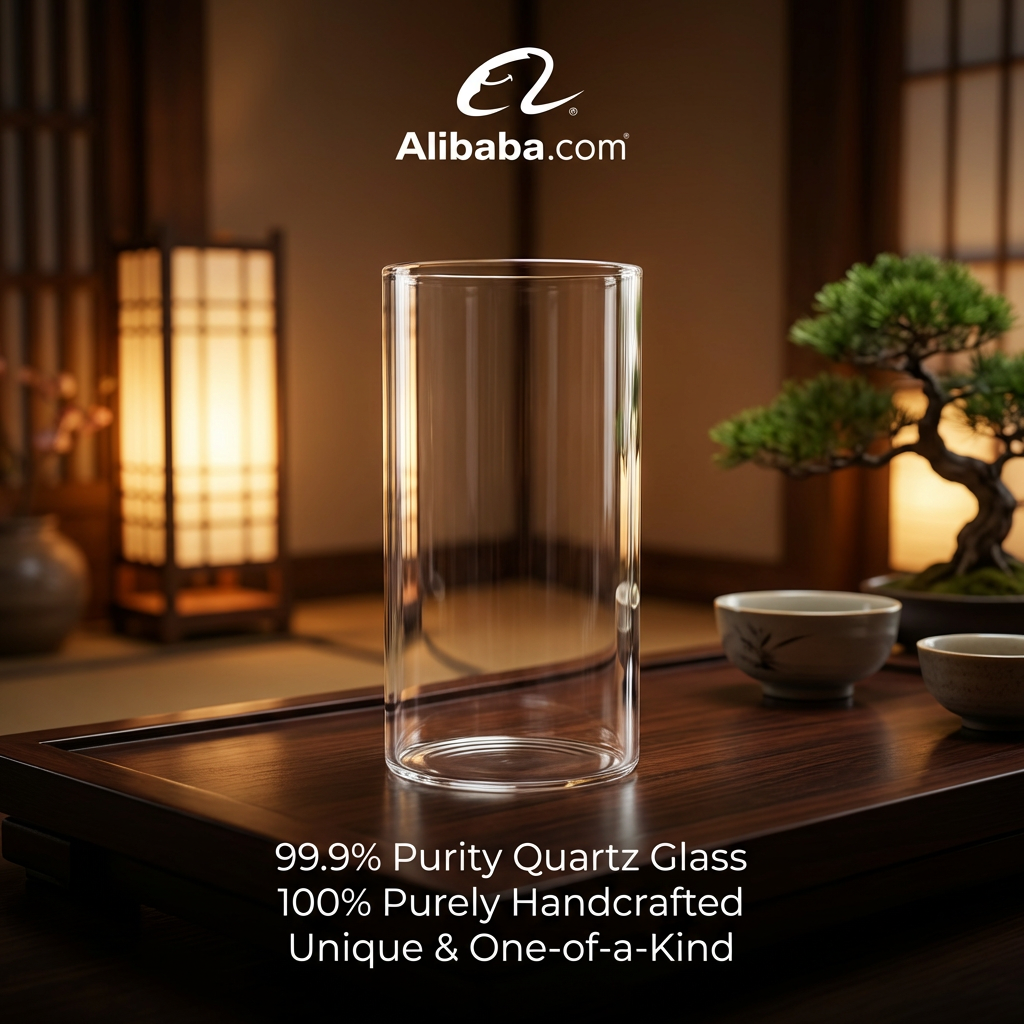
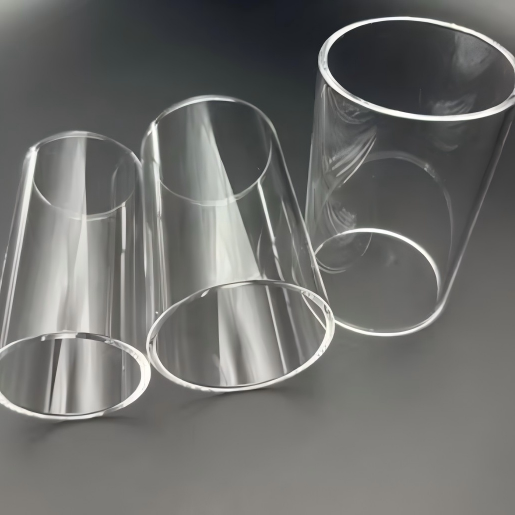
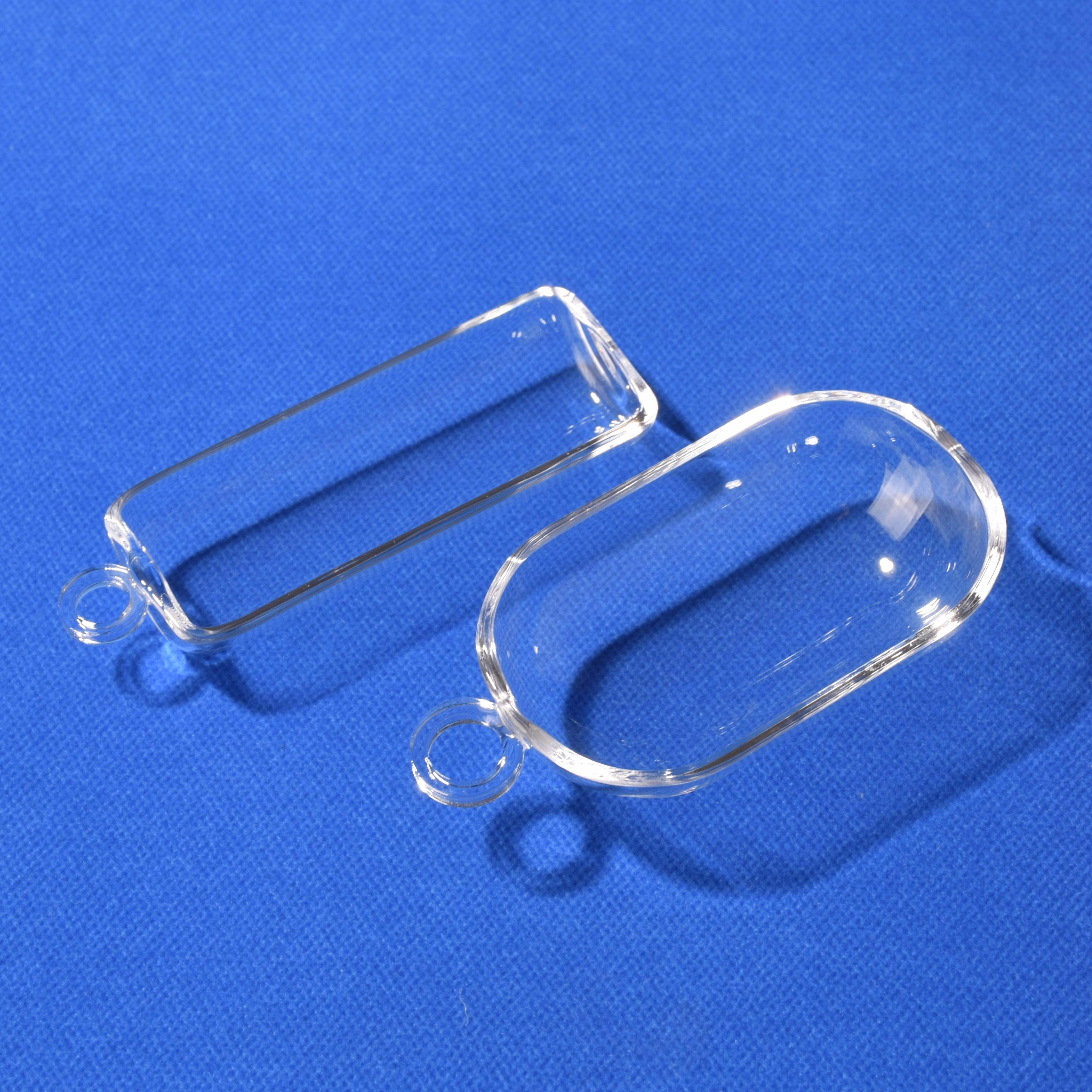
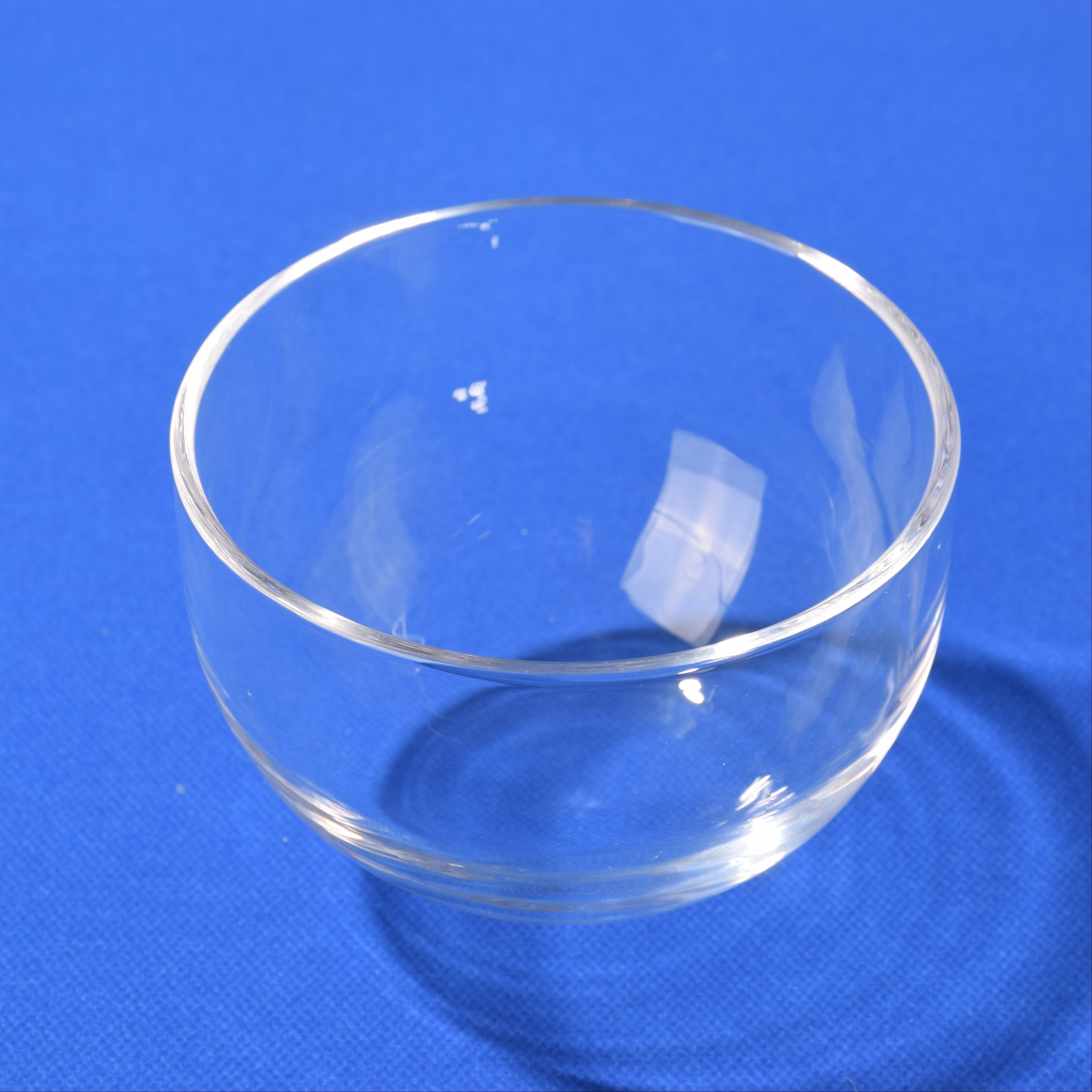
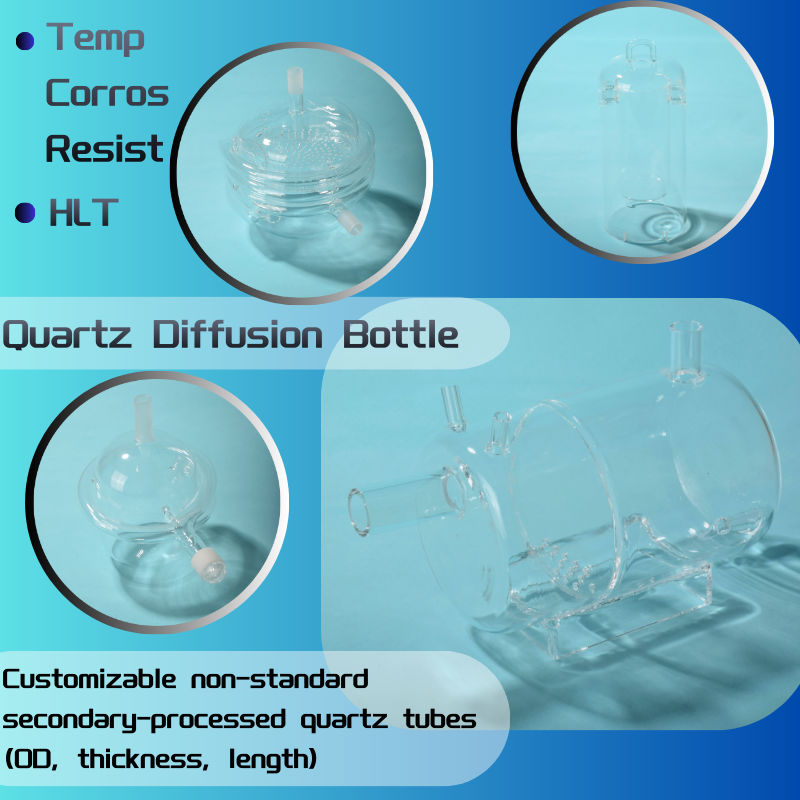
Engineering Purity: The Physics of Fused Silica Beakers in Advanced Research
Standard laboratory borosilicate glassware (such as 3.3 expansion glass) reaches its structural threshold below 500°C and exhibits noticeable alkali ion extraction when exposed to aggressive acid matrixes. In high-stakes thermal, analytical, and semiconductor processes across the Berlin-Brandenburg metropolitan region, researchers require materials that exceed thermodynamic boundaries. Fused quartz (SiO2 content ≥ 99.99% to 99.999%) delivers an exceptionally low coefficient of thermal expansion (CTE) of 5.5 × 10⁻⁷ /°C—approximately one-sixth that of standard borosilicate.
This micro-structural stability allows our quartz beakers to survive thermal shocks up to 1100°C without risk of catastrophic brittle failure. When submerged in ice water directly from an annealing flame, the matrix exhibits zero mechanical deformation. For analytical labs executing trace-metal digestion (such as ICP-MS and ICP-OES sample preparation), our fused quartz beakers prevent iron, sodium, and boron ion leaching, guaranteeing background signal integrity.
| Material Property | Vulra Fused Quartz (Donghai) | Standard Borosilicate (3.3) | Operational Advantage for Berlin Buyers |
|---|---|---|---|
| SiO2 Chemical Purity | ≥ 99.99% - 99.999% | ≈ 80 - 81% | Zero heavy metal leaching; ideal for analytical trace ICP-MS testing. |
| Softening Temperature | 1683 °C | 820 °C | Enables prolonged high-temperature fusion, calcination, and CVD runs. |
| Continuous Working Temp | 1100 °C | 450 °C - 500 °C | Withstands direct oxy-hydrogen flame exposure without sagging. |
| Thermal Expansion (CTE) | 5.5 × 10⁻⁷ cm/cm·°C | 33 × 10⁻⁷ cm/cm·°C | Unrivaled resistance to sudden, severe thermal shock cycles. |
| Optical Transmittance (UV) | > 90% at 260 nm (JGS2/JGS1) | Negligible / Opaque below 310 nm | Optimal for photochemical syntheses, UV curing, and laser observation. |
Strategic Industrial Applications in the Berlin-Brandenburg Innovation Corridor
The Berlin regional ecosystem represents one of Europe's dense concentrations of multidisciplinary research institutions, cleanroom microfabrication labs, and clean technology pioneers. Our high-purity quartz beakers, reaction vessels, and distillation units directly interface with several key industries across the capital:
Berlin-Adlershof Technology Park (WISTA)
Adlershof is renowned for photonics, microsystems, and analytical chemistry. High-precision quartz beakers and digestion crucibles provide optical transparency down to 200 nm, vital for laser-induced synthesis and deep-UV photochemical diagnostics.
Electrochemical & Battery R&D Clusters
Berlin and surrounding Brandenburg hubs are pioneering next-generation solid-state electrolytes and lithium-sulfur battery chemistries. Our acid-resistant, heavy-wall quartz beakers withstand aggressive electrolyte synthesis without trace silica corrosion.
Semiconductor & MEMS Wafer Wet-Benches
From university cleanrooms (TU Berlin, Humboldt University) to commercial micro-sensor fabs, custom quartz beakers serve in etching, degreasing, and ultrasonic acid-cleaning baths requiring low particulate shedding and zero metal ion contamination.
Berlin Market Trends: Decarbonization, Micro-Optics, and Supply Resiliency
As Germany advances its high-tech sovereignty and green industrial transition under European Union mandates, Berlin-based procurement leaders are recalibrating their critical labware supply chains. Three decisive trends dominate local sourcing demands:
1. Strict Traceability and Compliance (DIN/EN Standards): German research institutes demand documented chemical purity and adherence to REACH and RoHS regulations. Laboratory vessels must carry verified assay records proving low parts-per-billion (ppb) elemental concentrations.
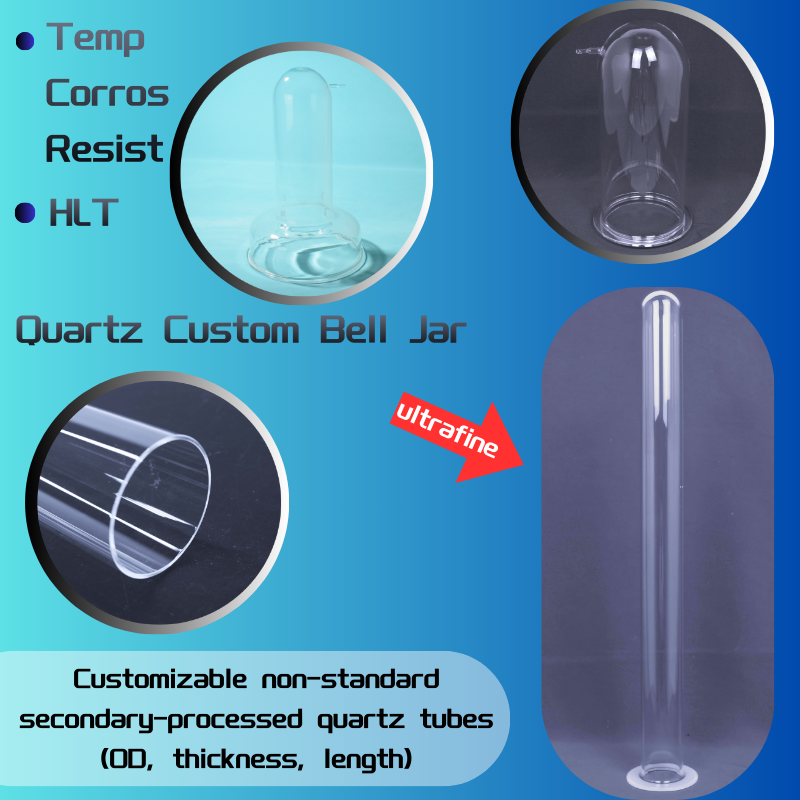
2. Direct Customization Over Off-the-Shelf Standard Ware: The transition toward automated continuous-flow reactors and robotic sampling arms requires beakers with tailored spout angles, welded ground quartz joints (NS 14/23, NS 29/32), flat-flange lips, and laser-etched calibration markings.
3. De-Risking via Verified Tier-1 Source Manufacturers: Rather than relying on multi-tier regional distributors with compounding markups and lead-time delays, institutions are establishing direct communication channels with accredited factory centers capable of custom fabrication starting from single prototypes.
Manufacturing Dominance from China’s Crystal Capital
Directly headquartered in Donghai County—the global epicenter of natural high-purity quartz sand reserves—Lianyungang Vulra Quartz Products Co., Ltd. integrates raw mineral refining, flame glassblowing, and cold machining.
TÜV Rheinland Verified Facility
Our production premises, legal credentials, and precision tolerances are independently audited and confirmed by TÜV Rheinland. We combine direct factory pricing with Western-standard audit rigor, delivering CE and RoHS certified labware.
Flexible OEM: 1-Piece Prototyping
We eliminate punitive minimum order restrictions. Whether you require a single bespoke 2000ml double-jacketed reaction beaker for a university thesis or 5,000 standard crucibles for an industrial wet line, our CNC cold-cutting and flame-lathe bays deliver.
Certified Clean Handling & Export Crating
Every quartz beaker undergoes chemical acid de-staining, ultra-pure deionized water flushing, and dust-free wrapping. Consignments destined for Berlin (via BER Air Cargo or Hamburg Sea Gateways) are packed in multi-layer shockproof suspended wooden crates.
99.999%
Maximum SiO₂ Purity
1683 °C
Softening Threshold
1 Piece
Custom Drawing MOQ
5.0 / 5
Verified Buyer Rating
Frequently Asked Questions: Berlin Direct Sourcing
Detailed technical, logistics, and compliance insights for procurement managers and academic buyers throughout Germany.