High-Purity Quartz Solutions for Panama City Laboratories
Manufactured from ultra-pure silica sand in Donghai, China. Offering optical transmission rates exceeding 92% (190 nm – 2500 nm), tolerance down to ±0.005 mm, and extreme resistance to thermal shock and corrosive reagents.
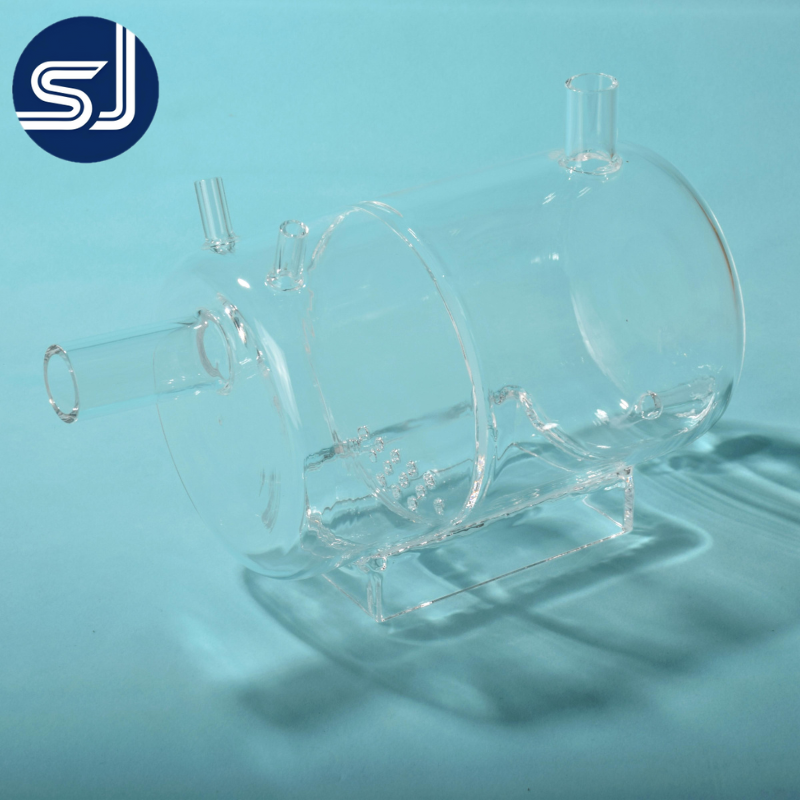
SJ QUARTZ High-Temperature Quartz Flow Splitting Bottle
Designed for continuous liquid fractionation, micro-stream splitting, and corrosive reagent distribution in analytical chemistry lines.

Custom Clear Fused Quartz Hand-Blown Vessel & Tube
Heavy-duty fused silica engineered with fire-polished rims for high-thermal assay mixing and extreme chemical containment.
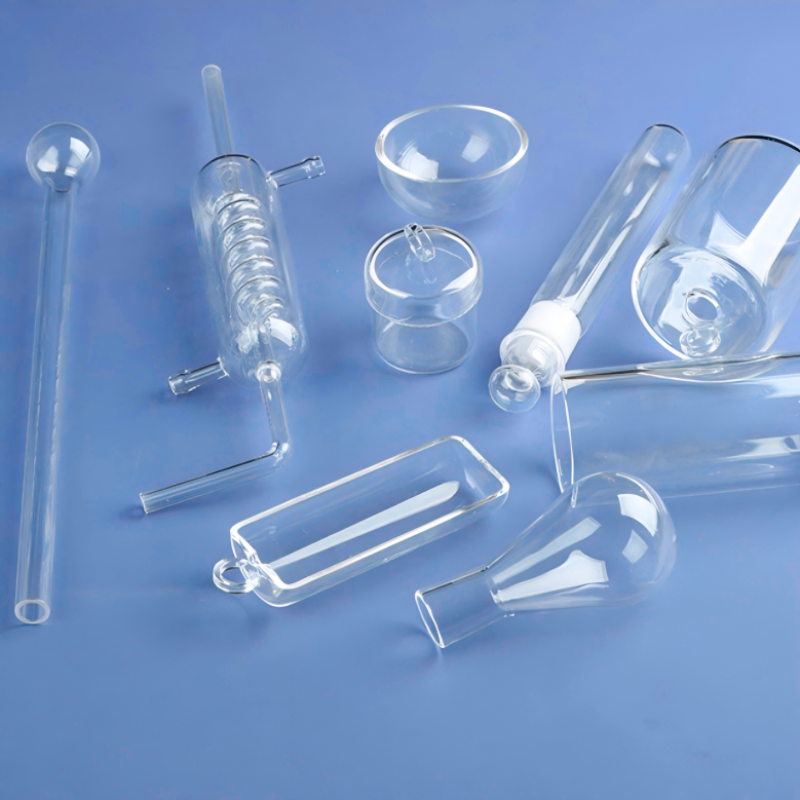
Quartz Glass Tube Plugging Rod & Heating Test Boat
Precision-ground transparent quartz plugging boats for horizontal induction furnaces and in-line thermal sensor sleeves.
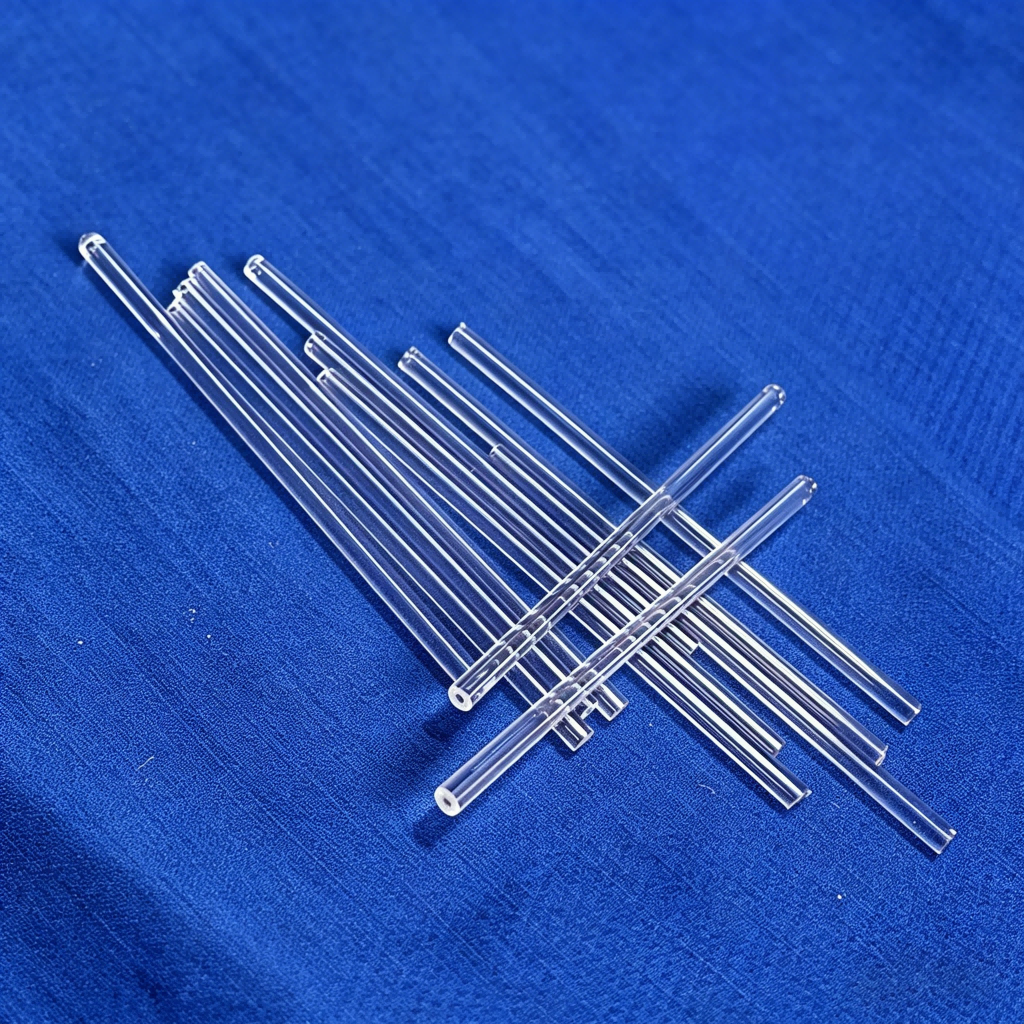
High-Purity Micro Capillary Quartz Glass Tube
Engineered for capillary electrophoresis, micro-orifice flow sampling, and high-temperature laboratory exhaust splitters.
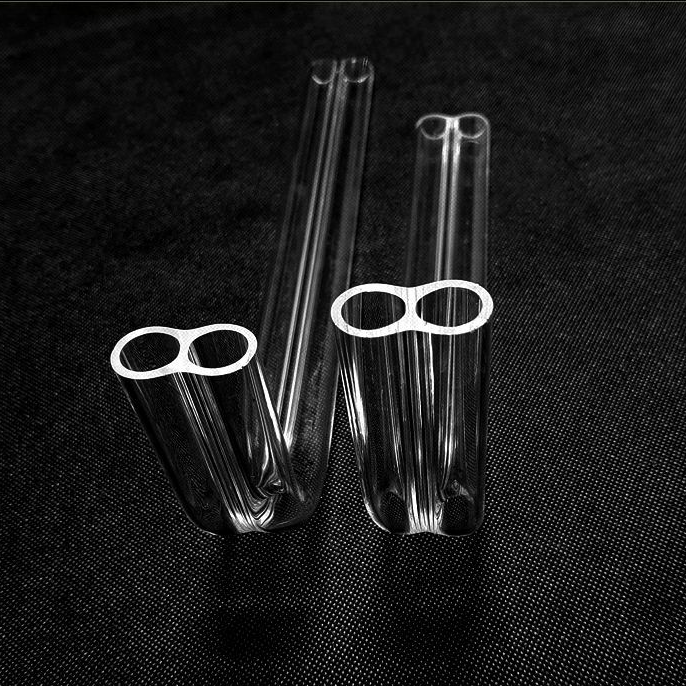
Fused Quartz Double-Tube Right-Angle Elbow
Stress-annealed double-jacketed quartz elbow assembly for circulating cooling mediums and vacuum-insulated sampling manifolds.
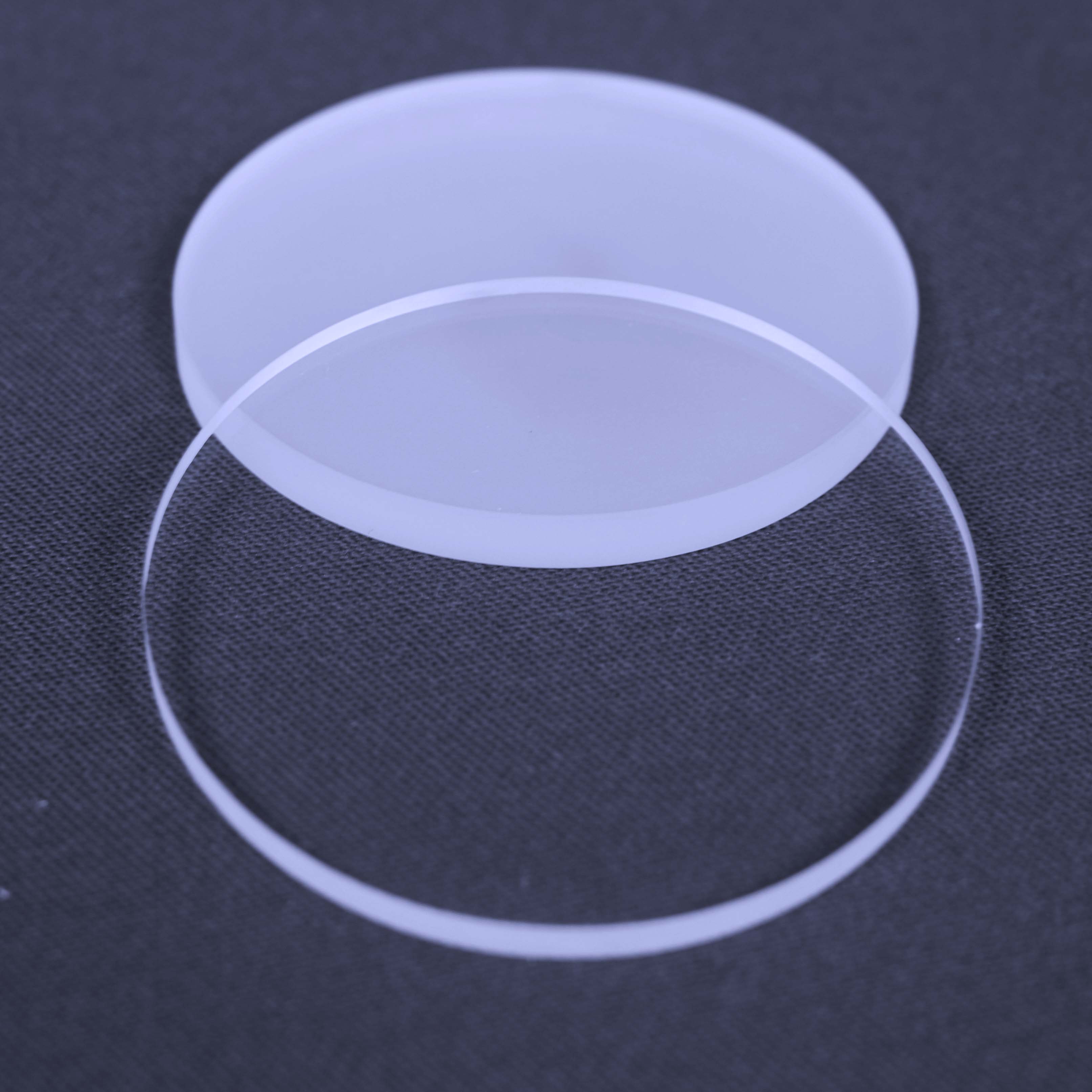
High-Transmittance XRD Quartz Sample Holder
Specialized zero-background optical disc designed for accurate X-ray diffraction, crystallographic phase analysis, and UV windowing.
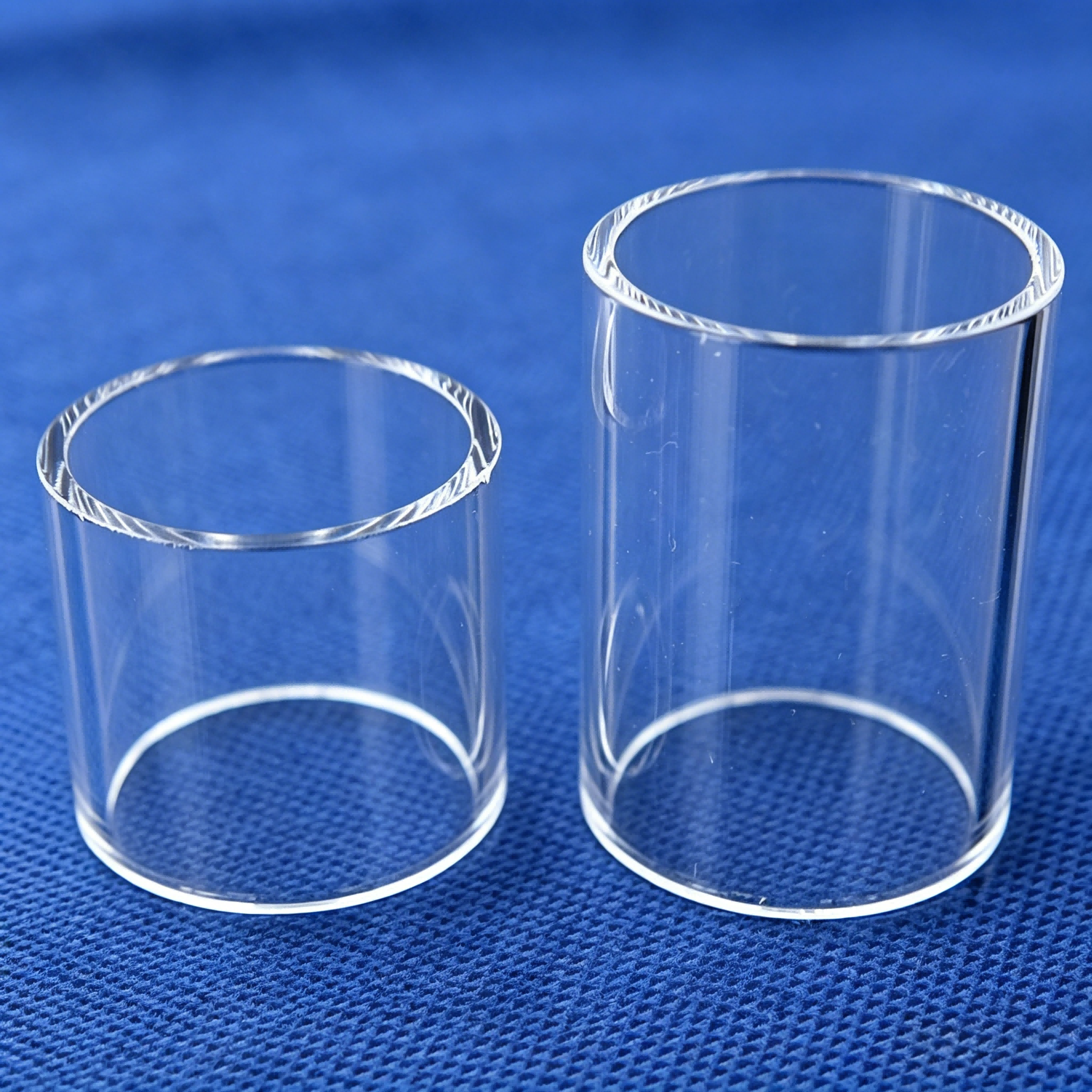
Custom Twin-Tube Corrosion-Resistant Quartz Pipe
High-precision parallel twin-tube configuration with customized optical clearance for laser measurement and chemical stream heaters.

High-Transmittance Quartz Sight Observation Window
Precision-lapped and polished fused silica pressure window for autoclave reactors, vacuum chambers, and inline fluid meters.
Precision Optical Flow Cells: Metallurgy, Hydrodynamics & Transmission
A comprehensive technical overview for laboratory managers, process chemists, and analytical instrumentation engineers in Panama City navigating harsh tropical, marine, and high-salinity testing regimes.
In analytical instrumentation—specifically High-Performance Liquid Chromatography (HPLC), UV-Vis Spectrophotometry, Capillary Electrophoresis, and Continuous Inline Water Analysis—the quartz flow cell serves as the optical heart where photometric absorption and fluorescence detection occur. Producing an industrial or laboratory-grade flow cell demands rigorous control over material homogeneity, molecular diffusion bonding, internal channel surface roughness, and refractive index stability.
At our Donghai manufacturing complex, Lianyungang Vulra Quartz Products Co., Ltd. applies both natural high-purity crystalline silica and synthetic chemical precursor fused silica (SiCl₄) to forge flow cells capable of operating without baseline drift, optical aberration, or solvent erosion. Unlike standard borosilicate cuvettes that fail under deep-UV wavelengths or crack when exposed to rapid thermal shocks, our quartz flow cells exhibit an ultra-low coefficient of thermal expansion (5.5 × 10⁻⁷ /°C), ensuring dimensional stability even under cycling process temperatures up to 1100°C.
| Optical Grade | Raw Material Source | Spectral Range | Hydroxyl (OH⁻) Content | Typical Industrial & Lab Application |
|---|---|---|---|---|
| JGS1 (Synthetic Fused Silica) | High-purity SiCl₄ vapor phase hydrolysis | 185 nm – 2500 nm (Far UV to Vis) | < 5 ppm to ~1200 ppm (Grade dependent) | HPLC micro-flow detectors, DNA/RNA spectrometry, fluorescence flow cytometry |
| JGS2 (Optical Fused Quartz) | Refined natural quartz crystal sand | 220 nm – 2500 nm (Standard UV-Vis) | < 30 ppm | Industrial wastewater monitoring, maritime ballast water analyzers, UV sterilization cells |
| JGS3 (Infrared Fused Silica) | Vacuum electro-fused natural quartz | 260 nm – 3500 nm (Vis to Mid-IR) | < 5 ppm (Water-free IR peak) | Bunker fuel FTIR analysis, petrochemical hydrocarbon stream monitoring, gas sensing |
A critical engineering differentiator of our production line is the Direct Thermal & Molecular Fusion Technique. Conventional flow cells frequently rely on adhesive or low-temperature organic frit gluing to assemble multi-piece optical windows. Over time, aggressive organic solvents such as acetonitrile, tetrahydrofuran (THF), chloroform, or concentrated acids dissolve the adhesives, causing leaks, sample contamination, and optical misalignment. Vulra Quartz utilizes state-of-the-art high-temperature diffusion bonding at temperatures exceeding 1200°C. The individual polished quartz plates fuse at the atomic lattice level without intermediate bonding agents, creating a monolithic quartz body that resists virtually all acids (excluding hydrofluoric acid) and endures internal hydraulic pressures up to 50 bar.
Furthermore, internal fluidic channel architecture directly dictates measurement sensitivity. Through ultrasonic CNC micro-drilling and sub-micron chemical-mechanical polishing (CMP), our flow channels achieve an internal surface finish of Ra < 0.05 μm. This mirror-grade finish eliminates dead volumes, suppresses micro-eddy turbulence, and prevents microbial biofilm attachment—an indispensable performance criterion when monitoring warm tropical waters in Panama City.
Tailored Quartz Solutions for Panama City's Key Industrial Sectors
Panama City stands as Latin America’s undisputed logistics, maritime, and life-sciences hub. Our quartz flow cells and custom laboratory glassware directly resolve critical technical challenges across the Isthmus.
Panama Canal & Ballast Water Testing
Under IMO D-2 ballast water discharge regulations, vessels transiting the Panama Canal must prove compliance via fluorescence or turbidimetric analysis. Our quartz flow cells provide high UV transmittance (down to 200 nm) to precisely detect living plankton, invasive microorganisms, and particulate matter without signal dampening from saline coatings.
Petroleum Terminals & Bunker Quality Control
At the Pacific and Atlantic bunkering hubs of Balboa, Cristobal, and Petroterminal de Panamá, heavy fuel oil (HFO), low-sulfur marine gasoil (VLSFO), and lubricants are continuously assessed. Our heavy-walled, high-pressure quartz cells resist organic solvents, high temperatures, and aromatic compounds during FTIR and UV absorption testing.
Biomedical Hubs & Clinical Diagnostics
Institutions such as the Instituto Conmemorativo Gorgas, INDICASAT AIP, and biomedical enterprises in Ciudad del Saber (City of Knowledge) conduct tropical disease genomics and pharmacology studies. Our zero-background fluorescence micro-cells deliver flawless signal-to-noise ratios in continuous electrophoresis and microfluidic assays.
Potable & Industrial Wastewater Testing
From the Lake Gatun catchment basin to urban wastewater treatment facilities managed by IDAAN in Panama City, automated colorimeters and TOC (Total Organic Carbon) analyzers run 24/7. Our optical quartz channels feature ultra-smooth bores that prevent calcification, algae growth, and mineral fouling in high-humidity climates.
Panama City Market Trends Shaping Analytical Quartz Procurement
Analyzing the macro-economic and regulatory currents driving increased demand for high-specification optical quartz flow components across the Panamanian Republic.
Panama Canal Net-Zero & Green Corridor Mandate
With the Panama Canal Authority (ACP) actively pursuing carbon neutrality and stricter water-conservation initiatives, transiting vessels and canal water locks are implementing real-time environmental sensors. Real-time photometric monitoring of turbidity, salinity stratification, and polyfluoroalkyl substances (PFAS) requires industrial-grade fused quartz flow sensors that resist tropical bio-fouling and intense UV exposure.
Regional Hub for Biomanufacturing & Clinical Trials
Backed by Panamanian government incentives under EMMA and SEM laws, multinational pharmaceutical corporations are establishing clinical supply and formulation laboratories in Panama Pacifico and the Colon Free Zone. These facilities require dependable, high-precision HPLC and spectrophotometric flow cells certified to international USP and Ph. Eur. standards for drug purity verification.
Modernization of Panama Bay Coastal Surveillance
The Panama City Sanitation Project (Saneamiento de Panamá) continues to expand its biological treatment and ocean discharge monitoring network. Upgraded monitoring stations are transitioning from manual grab-sampling to autonomous continuous spectrophotometric analyzers, creating sustained municipal demand for OEM replacement quartz flow tubes, splitting flasks, and window ports.
Why Panama City Engineers & Procurement Directors Rely on Vulra Quartz
Direct from Donghai—the world-renowned capital of natural crystal and silica—delivering certified high-purity quartzware engineered to exact customer blueprints.
Direct Manufacturer Supply with Zero Intermediary Markups
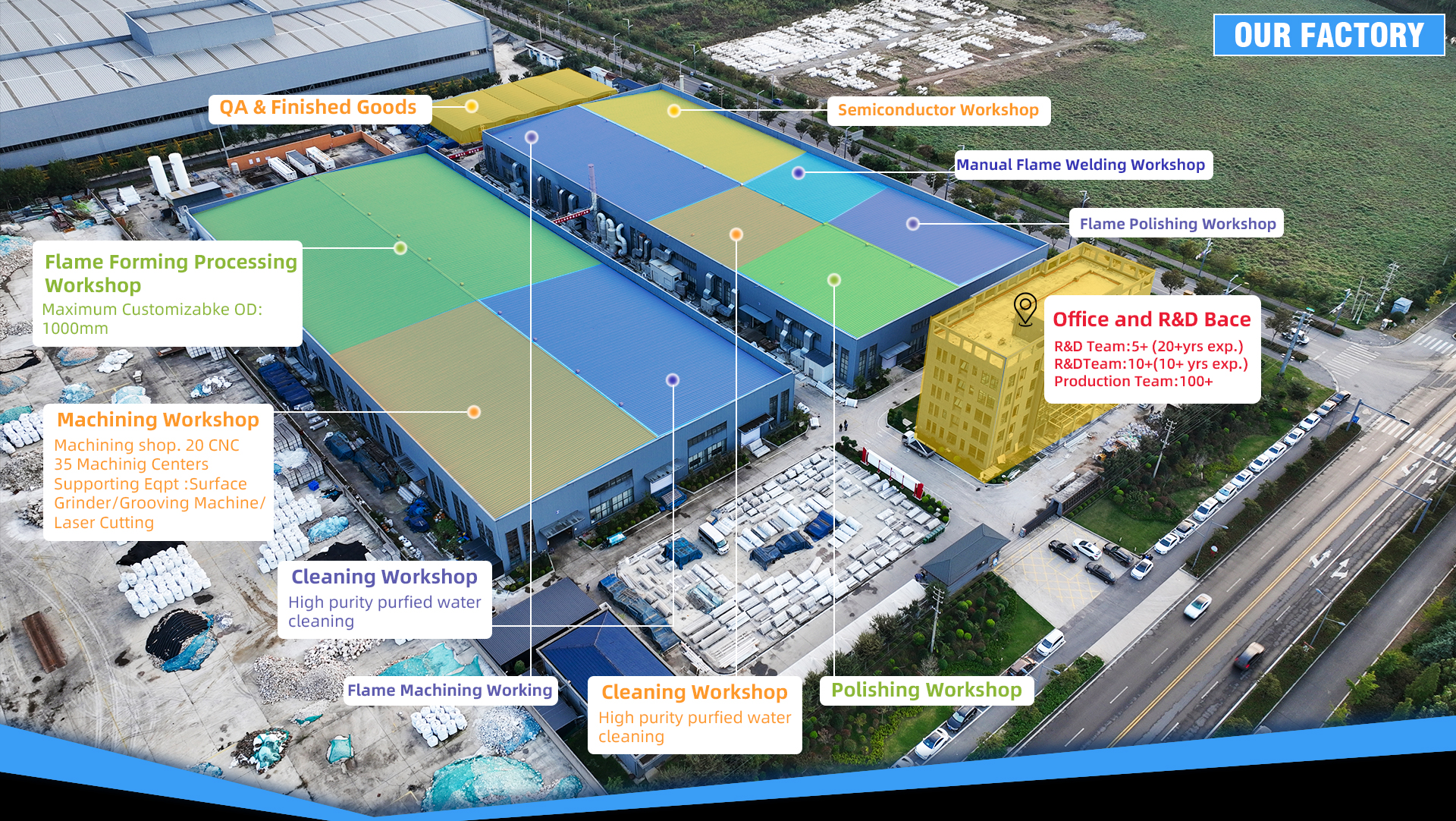
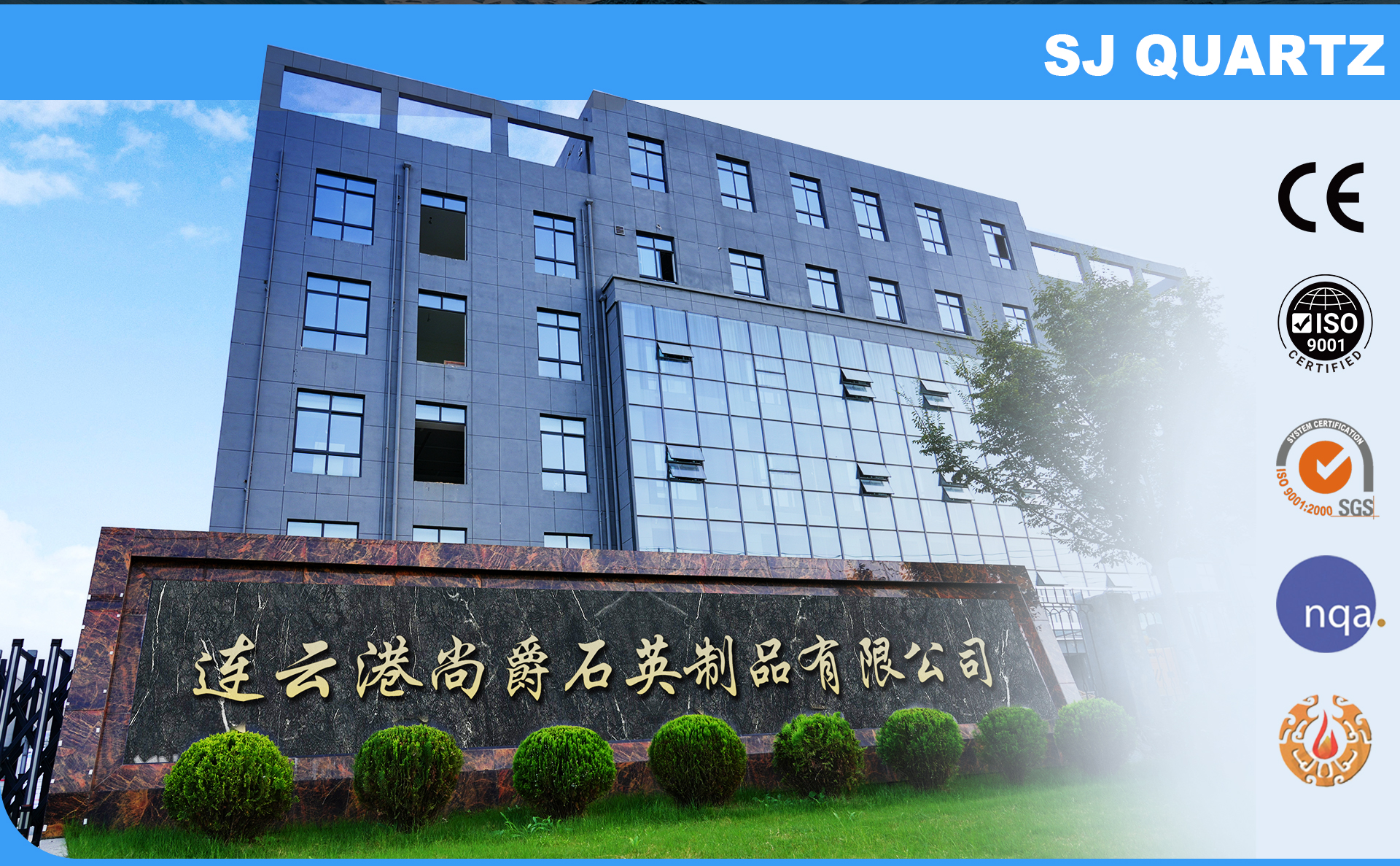
Operating from No. 9 Dingxin Road in the Jiangsu Donghai Economic Development Zone, Lianyungang Vulra Quartz Products Co., Ltd. controls an integrated manufacturing facility that spans raw silica refinement, hot flame glass-lathe fabrication, CNC ultrasonic cold machining, vacuum annealing, and cleanroom packaging.
-
TÜV Rheinland Independently Verified
Our production facilities, legal status, and quality inspection labs undergo rigorous on-site auditing by TÜV Rheinland, assuring reliable export compliance for international tenders.
-
Drawing-Based OEM/ODM Customization from 1 Piece
Panama City researchers frequently need non-standard optical pathlengths (0.1 mm, 0.5 mm, 2 mm, 10 mm, 50 mm) or tailored micro-port fittings. We produce prototypes from a single piece based on your 2D/3D CAD drawings.
-
Complete Hot Flame & Ultrasonic Cold Machining
Under one roof, we execute oxy-hydrogen flame welding, precision diamond-wheel grinding, ultrasonic drilling, laser cutting, and optical pitch polishing to guarantee total quality control.
-
Maritime & Air Freight Export-Grade Protective Packaging
Every quartz part is acid-cleaned, rinsed in deionized water, sealed in cleanroom polyethylene bags, and cushioned in custom pre-molded shock-absorbent foam within reinforced export crates to guarantee zero-breakage arrival via Tocumen International Airport (PTY) or Balboa Port.
 TÜV Assessed
 CE Compliant
 RoHS Certified

State-of-the-Art Production Techniques for Critical Optics
Observing how raw fused silica blocks and precision capillary preforms transform into analytical-grade optical flow cells.
Frequently Asked Questions: Sourcing Quartz Flow Cells for Panama
Direct answers from our senior engineering team regarding logistics, technical customizations, tropical resilience, and customs clearance.