Engineered Fused Quartz & Thermal Components
High-transparency, corrosion-resistant, and high-softening-point (1683°C) fused quartz solutions manufactured under certified ISO9001 and TÜV Rheinland protocols for rapid shipping to the Port of Liverpool.
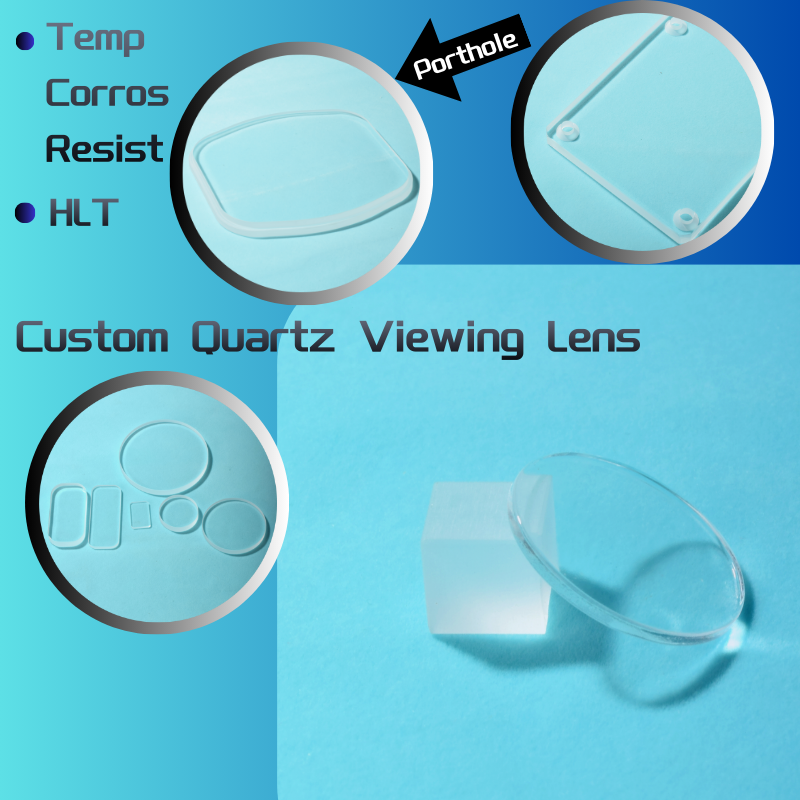
SJ-126 Natural Fused Quartz Square Thin Glass Slide Optics
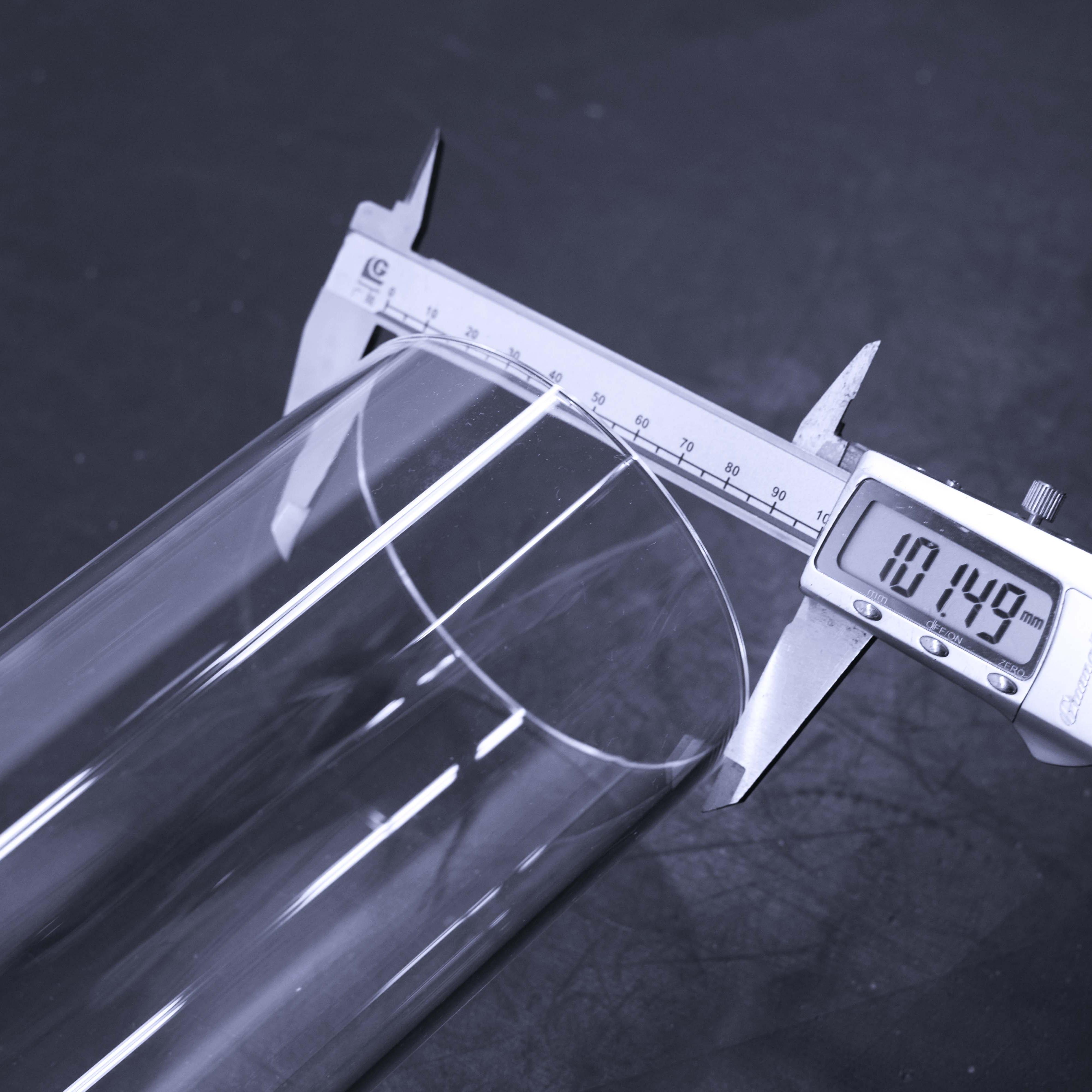
High Purity Quartz Transparent Polished Glass Tube Customizable
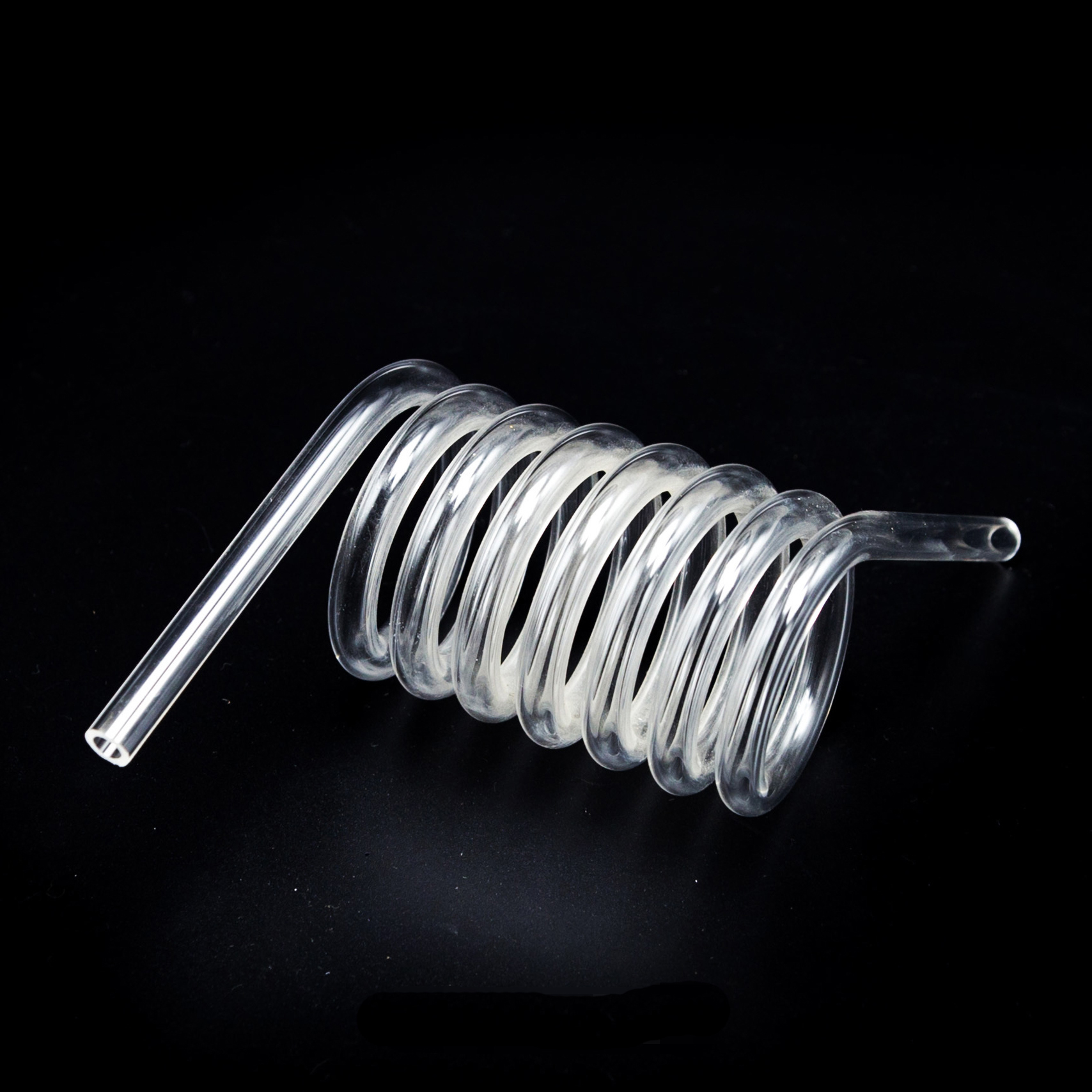
Polished Clear Quartz C-Shape Spiral & Bent Furnace Tubes
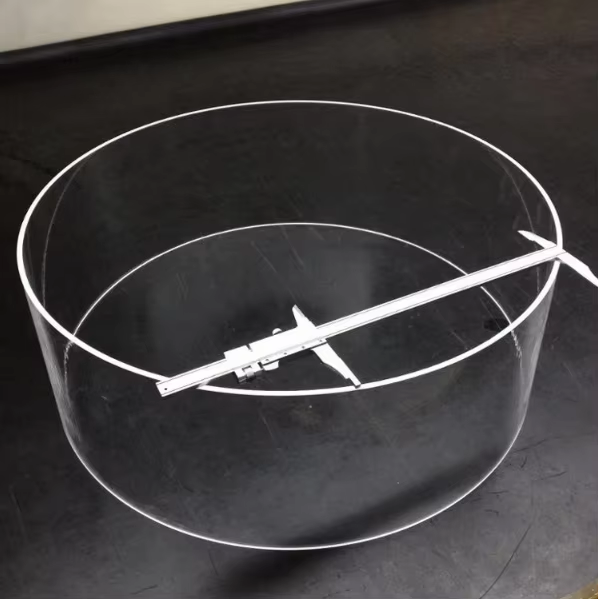
Optical Quartz Sapphire Tubes High Temperature Resistant
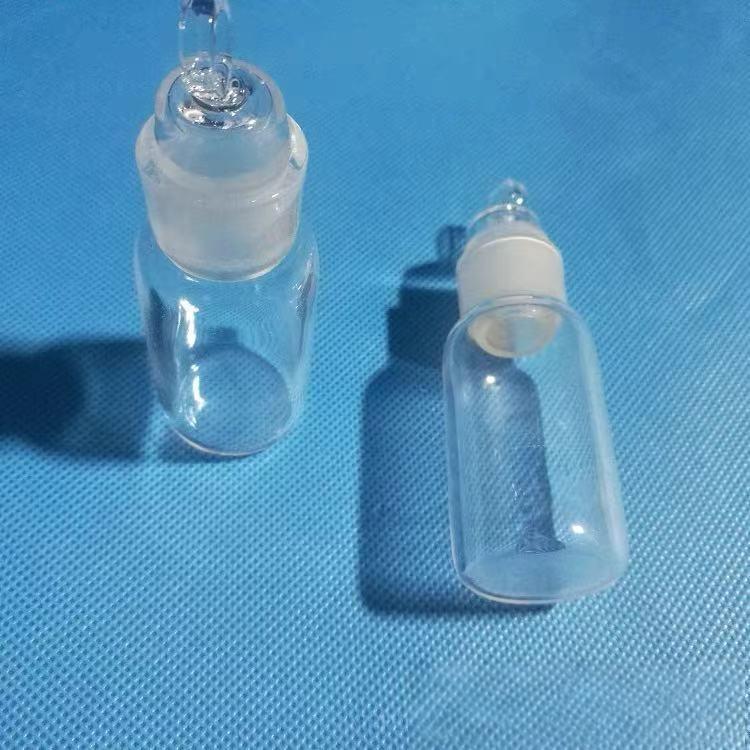
Corrosion-Resistant Semiconductor 400 Mesh Quartzware
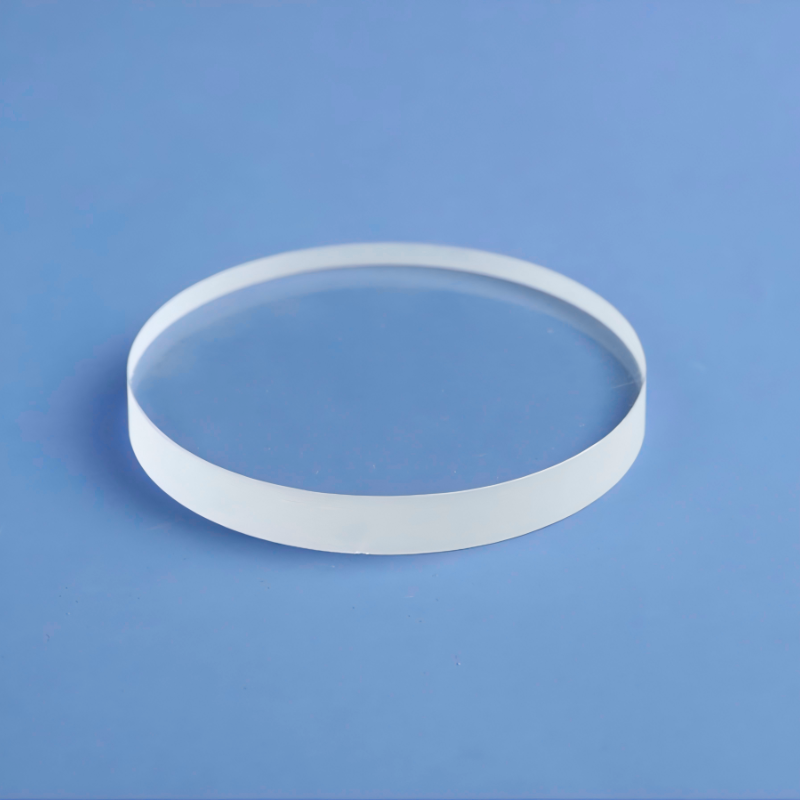
Fused Silica Quartz Glass Sheets & Crucible Pedestals
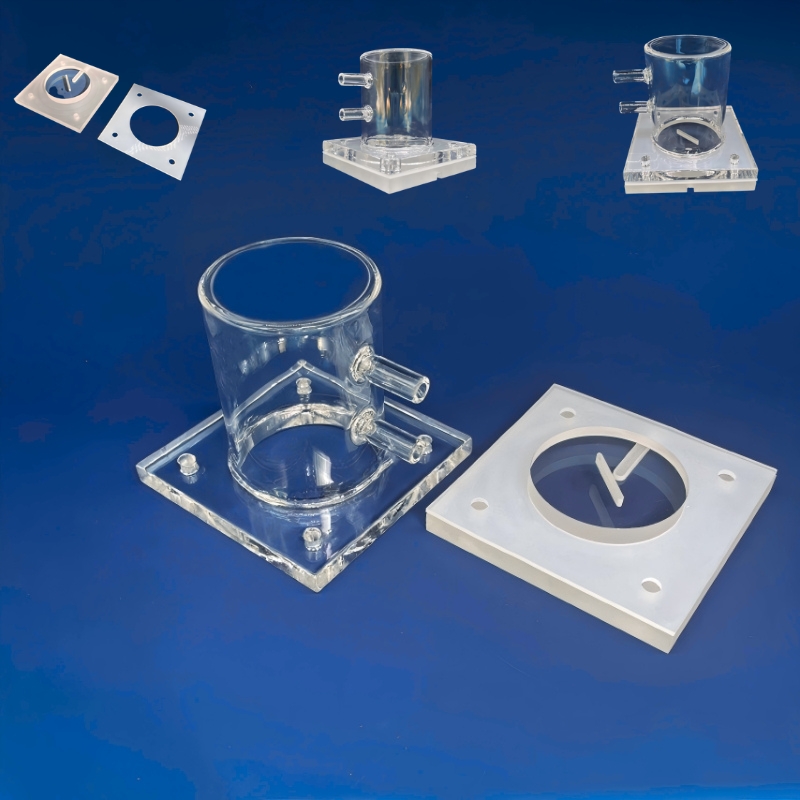
Quartz Photocatalytic Reactor Hydrogen Production Base
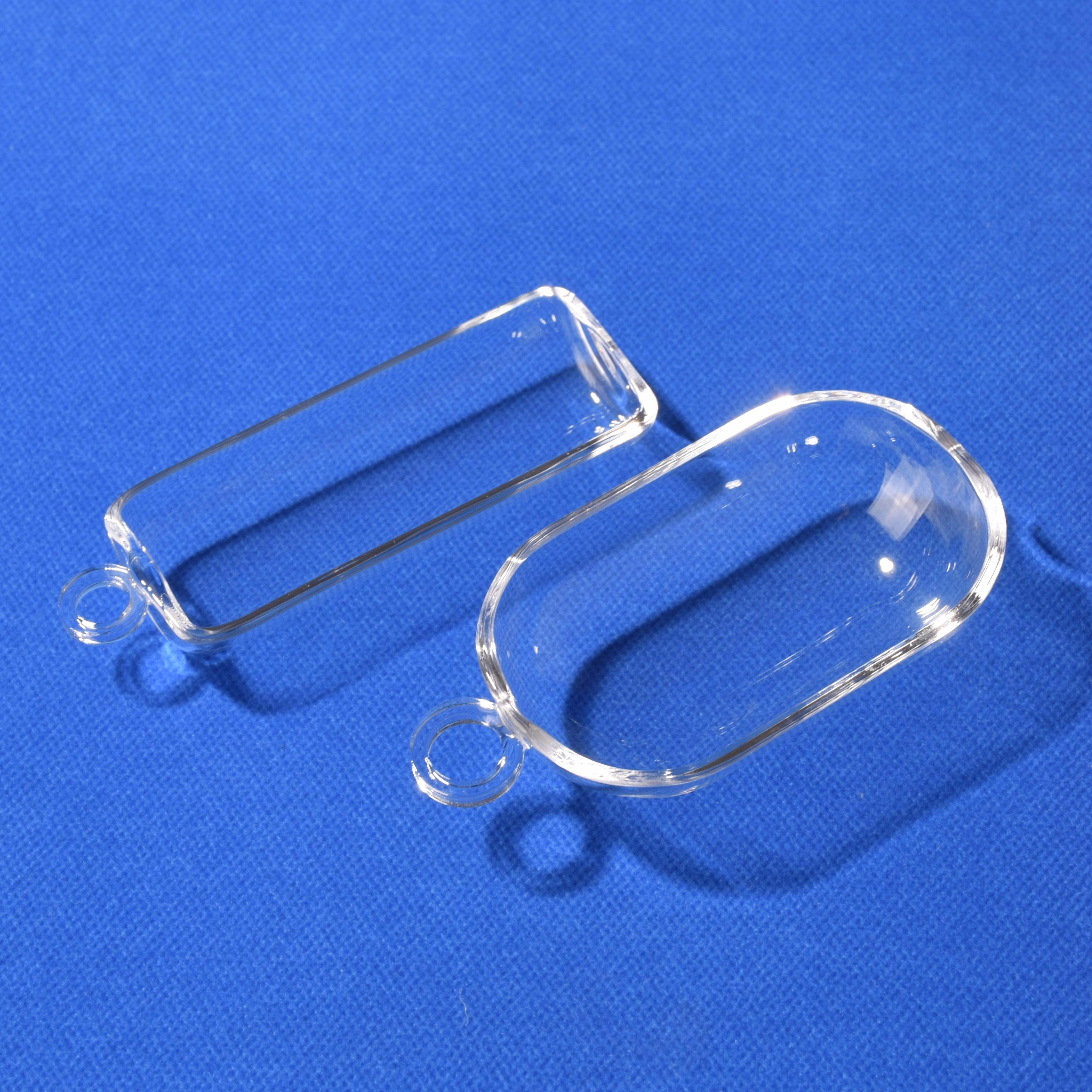
Semi-Circular Flat Bottom High Temp Tube Furnace Boat
Engineering Whitepaper: The Thermal Dynamics & Structural Integrity of Quartz Crucible Bases
In high-temperature metallurgy, semiconductor single-crystal silicon pulling (Czochralski process), and high-temperature calcination, the quartz crucible base acts as the primary thermodynamic buffer. Under sustained operating environments exceeding 1000°C to 1450°C, commercial-grade vitreous silica suffers from premature devitrification, sagging under mechanical loading, and chemical attack by volatile metal vapors. As China's premier manufacturer based in Donghai—the world's capital of high-purity natural silica reserves—Lianyungang Vulra Quartz Products Co., Ltd. designs crucible bases engineered specifically to neutralize catastrophic furnace failure modes.
The structural efficacy of our quartz crucible bases rests upon strict phase-transformation kinetic controls. While amorphous silica remains thermodynamically metastable at ambient temperatures, exposure to temperatures beyond 1150°C triggers the formation of crystalline β-cristobalite on nucleating surface defects. When cooled through 200°C–270°C, the sudden volumetric shrinkage (∼2.8% to 4%) caused by the β-to-α cristobalite inversion creates destructive tensile stresses, leading directly to spalling and base detachment. By implementing automated fire-polishing and proprietary hot-working annealing profiles in our Donghai plant, our crucible bases achieve an ultra-smooth, micro-crack-free surface topography that retards heterogeneous devitrification kinetics by up to 300% relative to conventional cut glass.
Ultra-Low Thermal Expansion
Thermal expansion coefficient of 5.5 × 10⁻⁷ / °C allows extreme quenching from 1100°C into ambient chilled water without crack initiation.
Hydroxyl ([OH⁻]) Attenuation
Controlled degassing processes reduce internal [OH⁻] to <15 ppm, elevating high-temperature viscosity and eliminating viscous sag at 1350°C.
Chemical Inertness
Virtually zero leaching into molten charges; immune to nitric, hydrochloric, sulfuric, and perchloric acids at concentrated boiling regimes.
Dimensional Flatness
Base contact surfaces CNC ground to ±0.05 mm parallelism, guaranteeing uniform thermal conduction into graphite support susceptors.
Localized Application Scenarios across Greater Liverpool & Merseyside Industrial Corridor
The Liverpool City Region, bolstered by deep maritime heritage and aggressive technological reinvention, represents one of the United Kingdom's most concentrated corridors for advanced materials engineering, life-science robotics, chemical processing, and clean energy innovation. Vulra Quartz serves as a strategic tier-1 supply partner to research laboratories, foundry facilities, and manufacturing OEMs across Merseyside, Cheshire, and Lancashire.
Autonomous Materials Discovery & Crystallography
At institutions like the Materials Innovation Factory (MIF) and the University of Liverpool chemistry labs, researchers employ automated high-throughput mobile robotic synthesis. Our custom optical fused quartz slides (SJ-126) and zero-background XRD sample holders provide deep-UV transmission (>90% at 254 nm) and chemical neutrality during accelerated catalyst screening and battery cathode calcination.
Specialty Chemical Synthesis & Fluoropolymer Linings
The chemical production facilities along Runcorn, Widnes, and Ellesmere Port require process vessels resistant to aggressive volatile halides and high-pressure mineral digestion. Our heavy-walled quartz reaction chambers, one-end closed tubes, and corrosion-resistant 400-mesh quartz components eliminate metallic contamination risks inherent in nickel alloy vessels, preventing trace catalyst poisoning.
Specialty Metallurgy & Precision Investment Casting
Advanced foundry facilities and marine component suppliers spanning the Port of Liverpool and Birkenhead utilize our heavy-duty flat-bottom crucible pedestals and silica boats. Our bases resist localized thermal shock beneath induction heating coils, preventing charge spillage when melting high-purity aerospace superalloys, gold, platinum, and reactive transition metals.
Furthermore, the emergence of the HyNet North West hydrogen production and carbon capture cluster around the Mersey basin demands unprecedented photolysis and pyrolysis performance. Vulra Quartz manufactures specialized transparent quartz photocatalytic reactors (Hydrogen Generation Units) engineered to transmit deep solar UV without solarization degradation, directly accelerating Merseyside's decarbonization roadmap.
Comparative Materials Performance: Vitreous Silica vs. Alternative Refractory Substrates
Procurement teams in the North West frequently balance thermal stability against brittle-fracture risks and purchase economics. The empirical data table below outlines why Vulra's Donghai-sourced natural and synthetic fused quartz bases outclass high-alumina, silicon carbide, and borosilicate substrates in precision thermal processing:
| Performance Characteristic | Vulra Natural Fused Quartz (Donghai) | Vulra Synthetic Fused Silica (Optics) | 99.5% High-Purity Alumina (Al₂O₃) | Borosilicate 3.3 Glass |
|---|---|---|---|---|
| Continuous Service Temperature | 1100 °C (Short-term 1450 °C) | 1200 °C (Short-term 1500 °C) | 1600 °C | 450 °C (Softens at 560 °C) |
| Coefficient of Thermal Expansion (CTE) | 5.5 × 10⁻⁷ / °C (Extreme shock proof) | 5.0 × 10⁻⁷ / °C (Zero strain) | 8.0 × 10⁻⁶ / °C (Moderate shock risk) | 3.3 × 10⁻⁶ / °C (Limited shock buffer) |
| Trace Impurities (Al, Fe, Ti, Na, K) | < 15 ppm total metallic | < 0.5 ppm ultra-trace pure | > 2500 ppm ionic cross-talk | > 50,000 ppm (B, Na, Al fluxes) |
| Resistance to Molten Metal Infiltration | Superior (Non-wetting with Si, Au, Ag) | Absolute Inertness | Prone to fluxing with acidic slags | Unusable (Melts & dissolves) |
| UV-Vis Optical Transmittance | >90% across 260 nm – 2500 nm | >92% deep UV 190 nm – 2700 nm | Opaque / Sintered white | Cuts off sharply below 310 nm |
| Dielectric Breakdown Voltage | 25 – 40 kV / mm | > 45 kV / mm | 15 – 20 kV / mm | 10 – 15 kV / mm |
Localized Development Trends Influencing Merseyside's Thermal Ceramics Procurement
As the UK manufacturing sector aligns with stringent Net Zero 2040 and Clean Industrial Strategy policies, thermal materials procurement across the Liverpool City Region is transforming rapidly:
1. Transition from Gas to Clean Induction Heating
Industrial furnaces across the Mersey basin are replacing legacy fossil fuel combustion with electric induction and RF heating. Quartz crucible bases provide ideal non-magnetic, low-dielectric-loss pedestals that allow electromagnetic waves to penetrate directly into metallic melts without parasite heating or induction distortion.
2. Strict Trace Contamination Auditing
Driven by semiconductor spinouts and high-density lithium/sodium battery material syntheses in Cheshire and Lancashire, procurement contracts now penalize heavy metal leaching. Vulra's verified 99.999% SiO₂ bases guarantee negligible iron, copper, and alkali transfer, preserving battery electrochemical performance.
3. Direct-from-Source Agile Freight Routing
Post-Brexit customs workflows and Red Sea maritime disruptions have forced Liverpool supply managers to abandon secondary stockists in Europe. By contracting directly with Vulra Quartz in China with tailored Sea-Air multimodal logistics directly into the Port of Liverpool (Liverpool2 deep-water terminal), lead times are condensed by 35% while cutting distributor markups.
Manufacturing Authority & Supply Reliability
Headquartered in Donghai, China, with complete flame-working, CNC cold machining, and certified cleanroom packaging facilities.
Donghai Crystal Origin
Located at the epicentre of China's silica deposits, ensuring continuous access to premium quartz raw sand with stable batch chemical parity.
TÜV Rheinland Audited
Production facilities, mechanical fabrication workflows, and quality systems undergo rigorous on-site audit by TÜV Rheinland with verified CE and RoHS status.
1-Piece Prototype Agility
No excessive order minimums. We accept OEM/ODM drawings for custom crucible bases and tubes starting from 1 unit to expedite UK university prototyping.
Shock-Proof Export Pack
Double-cushioned shock-damped polyethylene wrapping, vacuum shrink sealing, and fumigated timber crates engineered for rough container journeys.
Liverpool & UK Buyer Frequently Asked Questions
Direct technical guidance addressing tariffs, customs clearance, drawing tolerances, and operational longevity.
We offer flexible Incoterms including FOB, CIF, and DDP (Delivered Duty Paid) straight to your facility in Merseyside. Full container loads (FCL) and consolidated maritime freight route smoothly through the deep-water Port of Liverpool (Seaforth). Urgent lab spares and prototyping batches ship via DHL/FedEx air express into Manchester Airport (MAN) or Liverpool John Lennon Airport (LPL) within 4–6 business days.
Yes. High-purity fused silica (SiO₂ > 99.99%) is classified as an inert synthetic vitreous substance exempt from hazardous substance registries under UK REACH regulations. Our electronic and UV lamp quartzware complies fully with RoHS Directive 2011/65/EU and carries certified CE documentation validated by TÜV Rheinland.
Devitrification begins when surface impurities (notably Na, K, and fingerprints) act as catalytic nuclei for cristobalite crystal growth. We minimize this by: (1) hot-fire polishing all external faces to seal microscopic fissures, (2) cleaning via electronic-grade hydrofluoric acid baths followed by 18.2 MΩ·cm deionized water rinses, and (3) supplying buyers with clear annealing and operating protocols.
Absolutely. Our engineering workshop handles standard 2D drawings (.DWG, .DXF, .PDF) as well as 3D native files (.STEP, .IGES). We provide precision CNC surface milling, ultrasonic drilling, lip flanging, and fire-sealed thermocouple wells with tolerances maintained within ±0.05 mm across custom baseplates.
Under vacuum pressures (<10⁻³ mbar) at temperatures exceeding 1000°C, atmospheric pressure exerts immense inward mechanical load. For crucible bases and closed tubes larger than 150 mm in diameter, we recommend a minimum base thickness of 4.5 mm to 8.0 mm. Our engineers calculate the buckling factor during initial drawing reviews to prevent catastrophic implosion.
We guarantee 100% intact arrival. Every shipment uses individualized, custom-cut high-density foam cells, vacuum barrier film, and multi-layered impact boxing enclosed in export-grade fumigated wooden crates. In the rare event of transit damage, prompt photographic verification yields immediate free-of-charge remake and expedited air dispatch.
Natural fused quartz (derived from melted high-purity natural silica crystal) provides outstanding structural rigidity, excellent heat resistance up to 1100°C continuous, and exceptional cost-efficiency for industrial foundries. Synthetic fused silica (formed via SiCl₄ gas synthesis) features almost zero metallic impurities and zero bubble inclusions, making it essential for semiconductor epitaxy and deep-UV spectroscopy.
For ultra-clean thermal runs, soak the quartzware in a 5–10% hydrofluoric (HF) acid or 1:1 nitric/hydrochloric (aqua regia) solution for 10 minutes to strip surface metals. Rinse thoroughly with ultra-pure deionized water, dry in an ISO-class clean hood, and pre-bake in an oxygen atmosphere at 1050°C for 2 hours to eliminate residual moisture and organic surface residues.
Accelerate Your Thermal Processing with Precision Donghai Quartz
Consult with Vulra Quartz engineering specialists today. Send your technical CAD drawings, operational parameters, or volume replenishment schedules for an immediate, non-binding quote tailored to the Liverpool and Greater North West manufacturing sector.