Engineered Quartz Tube & Precision Apparatus Showcase
From opaque milky diffusion sleeves to ultra-high purity transparent quartz tubes, boats, and XRD analysis units, explore our verified manufacturing range ready for direct shipment to Kingston research facilities and manufacturing hubs.
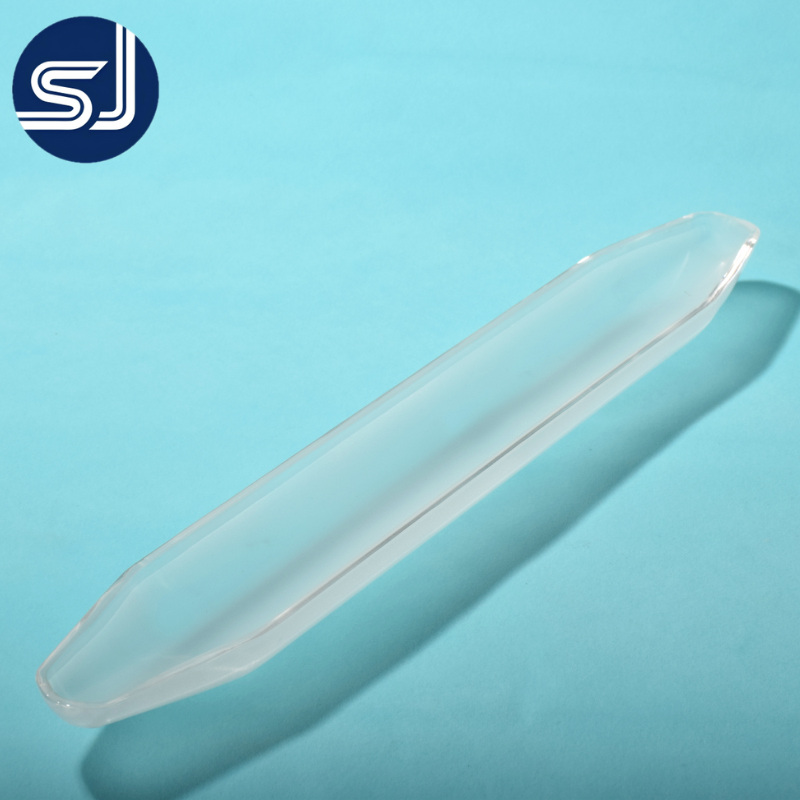
SJ 140 Customizable Transparent High Purity Quartz Boat
99.9%–99.999% precision polished quartz boat with >85% optical transmittance. Rated for continuous 1100°C furnace loading in chemical and semiconductor labs.
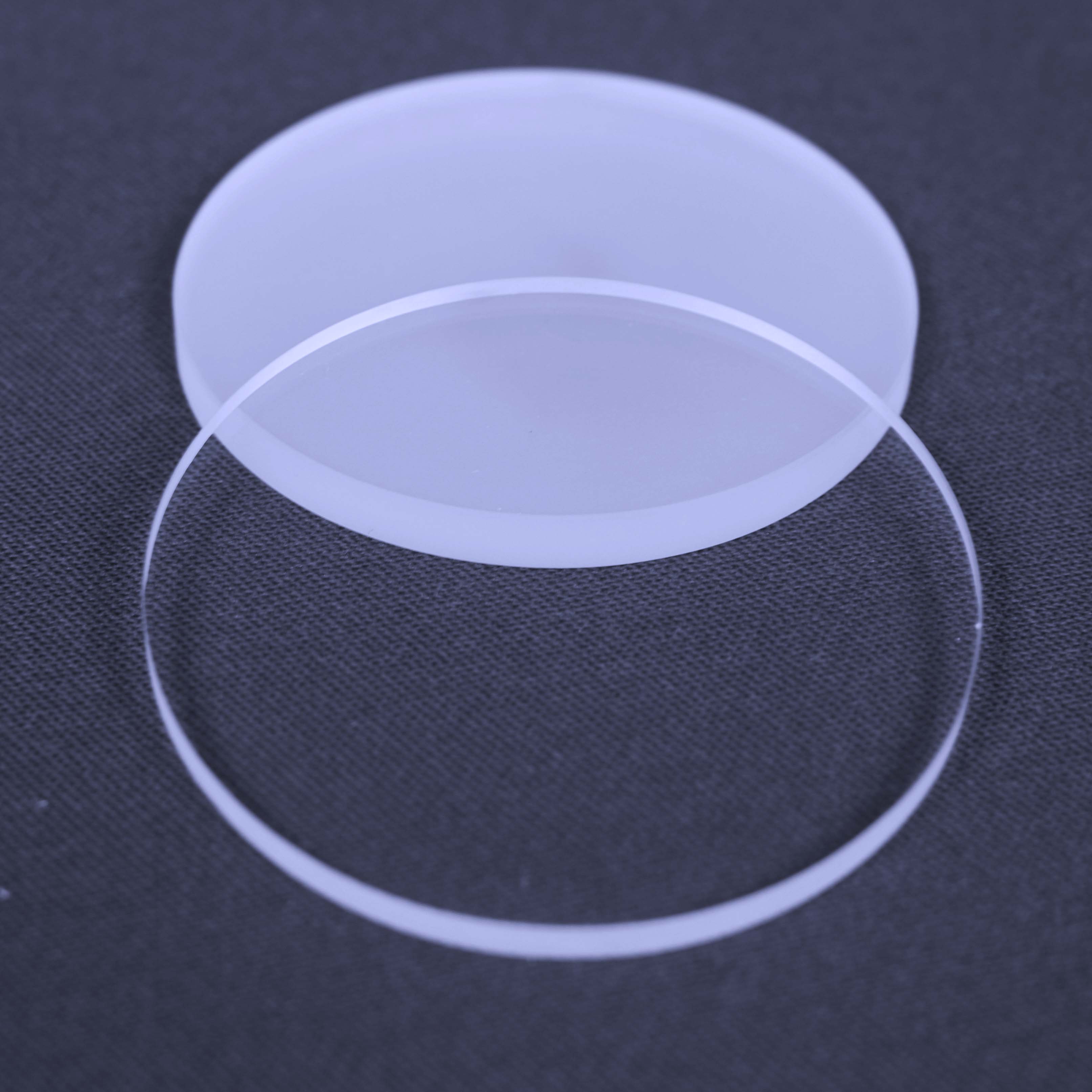
XRD Quartz Sample Holder Circular Test Plate
Zero-background optical-grade quartz discs for X-ray diffraction tests. Polished optical surface, high thermal melting point, laser-cut to exact diameter tolerances.
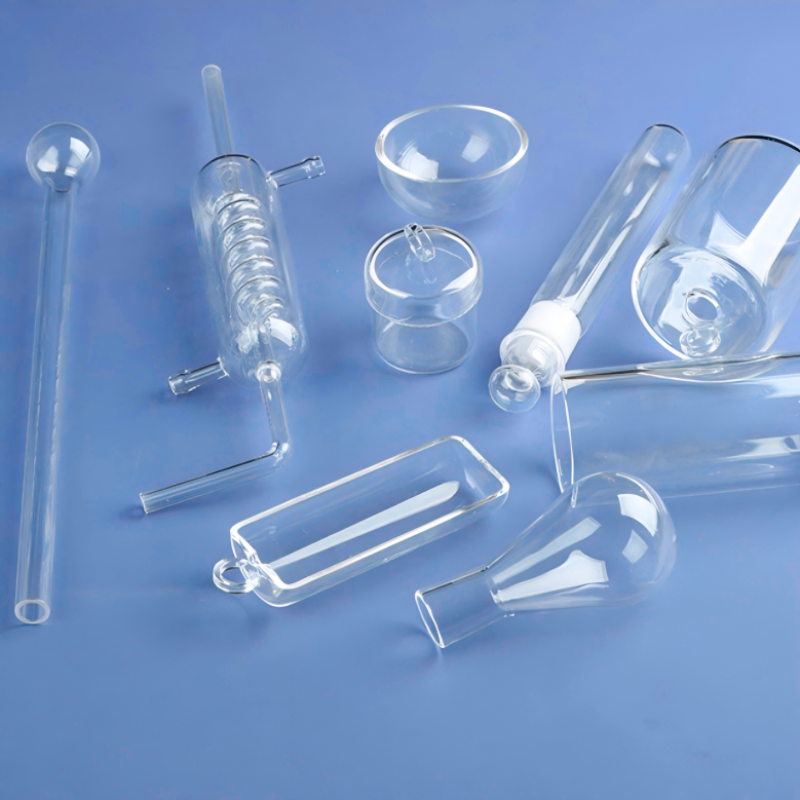
Quartz Glass Tube & Plugging Rod Heating Assembly
High-frequency transparent tube and matching sealing rod designed for vacuum heating tests, atmospheric tube furnaces, and pyrolytic quartz chambers.
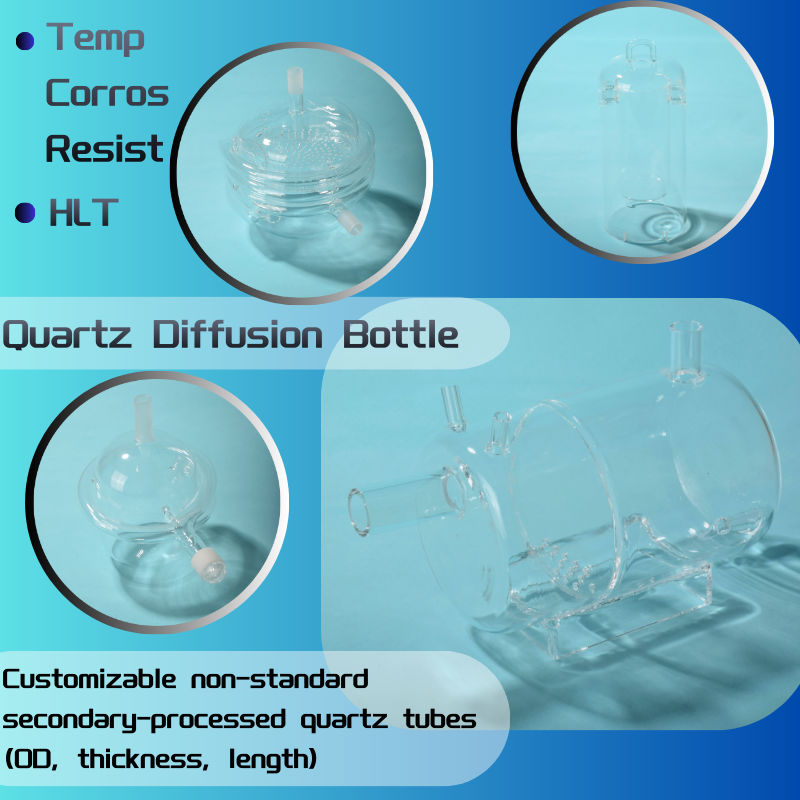
SJ 135 Custom Quartz Tube Condensers & Funnels
Corrosion-resistant acid purification glassware, distillation columns, and waste receiver jars customized for semiconductor-grade reagent reprocessing.
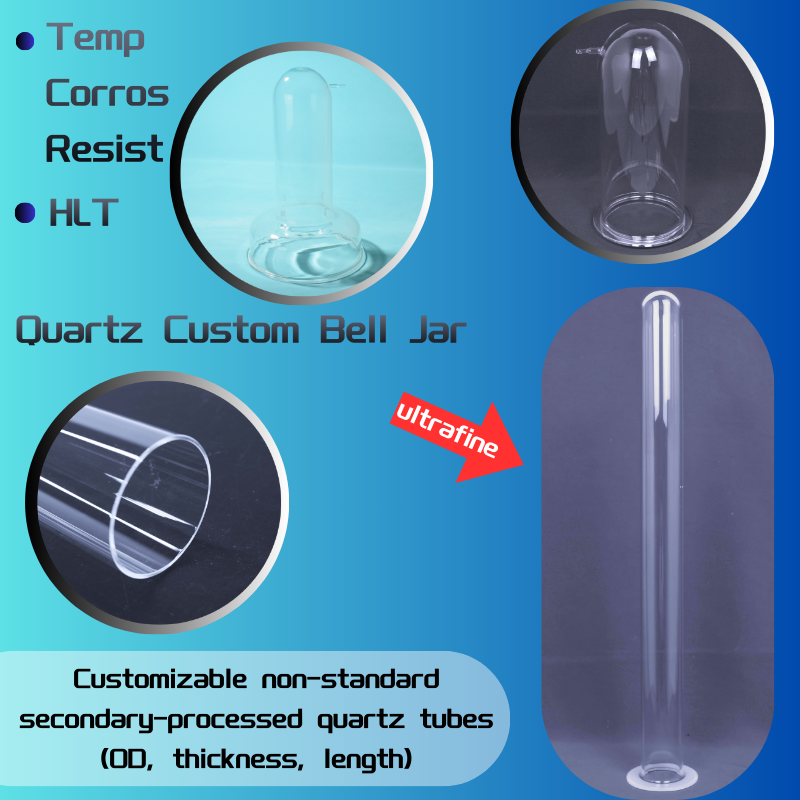
SJ 130 Precision Negative Pressure Quartz Vacuum Tube
Heavy-wall quartz tubing engineered to prevent implosion under high vacuum. 99.99% SiO₂ composition prevents ionic outgassing during CVD or RTP cycles.
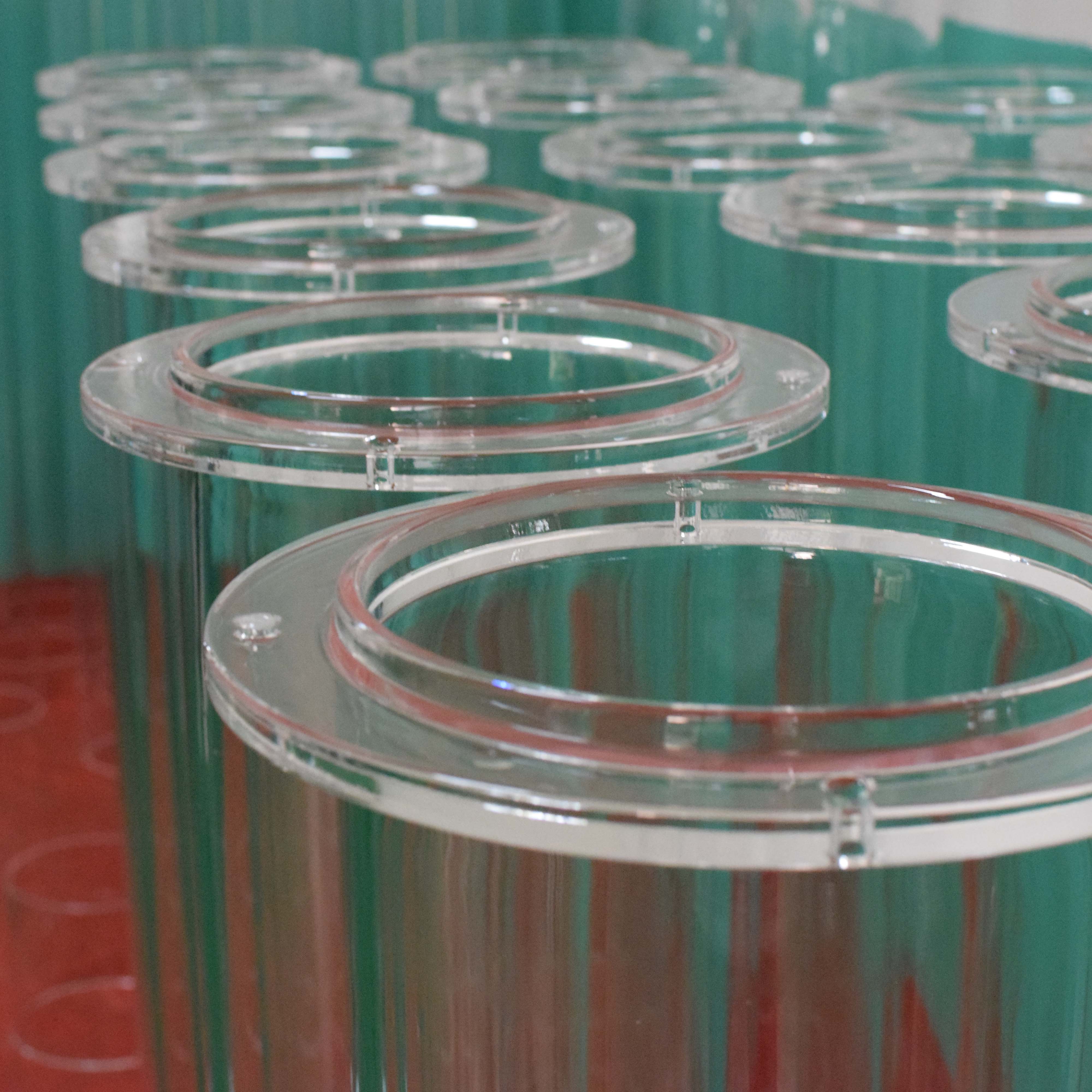
Single Crystal Quartz Glass Tube with Flange
Ozone-free 99.999% purity single crystal silica tube featuring welded standard flanges, re-feeder connectors, and stress-annealed transition zones.
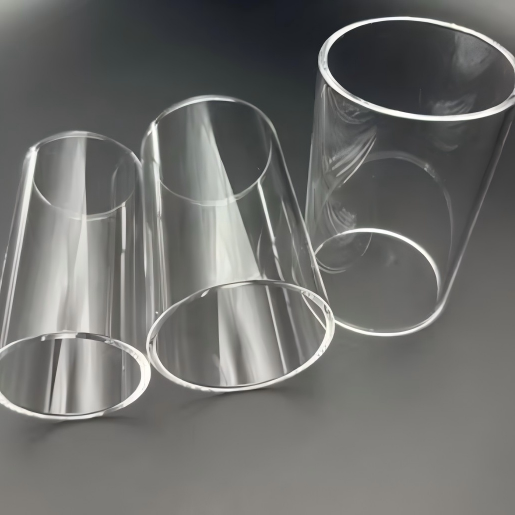
One End Closed Quartz Tube (5mm to 800mm OD)
Hemispherical or flat sealed ends for thermocouple protection sheaths, pyrometer wells, and combustion chambers. Excellent thermal shock resistance.
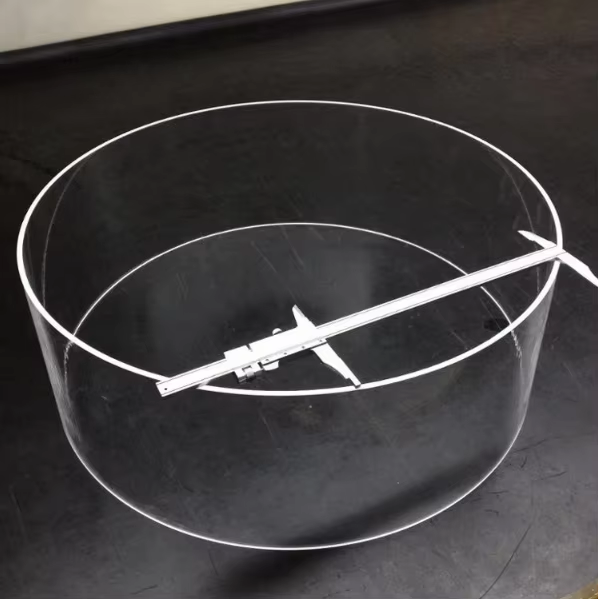
Optical Quartz & Powder Sintering Furnace Tubes
Factory-direct optical quartz processing pipes tailored for advanced UV curing, chemical synthesis, microwave plasma reactors, and battery powder sintering.
Engineering White Paper: Material Science, Thermodynamic Scattering & Advantages of Milky Quartz Tubes
Milky quartz tubes—frequently designated in engineering literature as opaque fused silica tubes or translucent quartz sleeves—represent a distinct class of vitreous silica characterized by an engineered matrix of microscopic gaseous pores uniformly suspended within an amorphous silicon dioxide (SiO₂ > 99.9%) network. Unlike optical-grade clear fused quartz, which is engineered for maximum photonic transmittance across the ultraviolet, visible, and near-infrared bands, milky quartz tubes are intentionally processed to exploit the physics of multi-interface light scattering and radiant heat management.
For industrial processing engineers, laboratory supervisors, and kiln equipment builders in Kingston, Ontario, understanding the thermodynamic distinctions between clear and milky fused quartz is paramount. The presence of millions of sealed micropores (averaging between 5 to 50 microns in diameter) acts as a microscopic optical boundary. When infrared radiation strikes the inner wall of a milky quartz tube, photon pathways are refracted and scattered in a phenomenon known as diffuse reflection. This optical scattering mechanism creates high infrared emissivity and an exceptional thermal barrier, preventing directional radiant heat loss while providing uniform heating profiles across thermal chambers.
| Performance Characteristic | Milky (Opaque) Fused Quartz Tube | Clear Fused Silica Quartz Tube | Engineering Benefit in Furnace Design |
|---|---|---|---|
| Optical Appearance | Translucent milky white, micro-porous matrix | Optically clear, fire-polished, bubble-free | Milky surfaces eliminate hot spots and glare |
| Infrared (IR) Emissivity | High diffuse emissivity (> 0.90 at elevated temps) | Low emissivity (transparent to short/mid IR) | Milky tubes maximize uniform thermal radiative transfer |
| Direct Radiation Shielding | Blocks line-of-sight UV/IR radiant heat | Passes up to 92% radiant energy | Acts as an integrated thermal insulator & baffle |
| Continuous Operating Temp | 1050°C – 1150°C | 1100°C – 1200°C | Equal long-term thermal endurance under inert gas |
| Short-Term Peak Thermal Limit | Up to 1350°C | Up to 1450°C | High resistance to sag when wall thickness is optimized |
| Thermal Expansion (CTE) | 5.5 × 10⁻⁷ /°C (20°C to 1000°C) | 5.5 × 10⁻⁷ /°C (20°C to 1000°C) | Zero risk of thermal shock fracture during rapid cooling |
| Chemical Inertness | Resistant to all acids except HF & H₃PO₄ >300°C | Identical molecular resistance to chemical attack | Resists corrosive off-gassing from metal precursors |
Thermodynamic & Structural Advantages of Opaque Quartz in Thermal Chambers
Why do procurement specialists in Kingston specify milky fused silica tubes for thermal systems instead of standard ceramics or translucent alumina? The primary rationale rests in the balance between mechanical thermal shock resistance and radiative heat homogenization:
1. Elimination of Filament Hotspots: In industrial infrared heating ovens, tubular heating elements encased in clear quartz generate concentrated radiant focal zones. When enveloped by a milky quartz sleeve, the microscopic gaseous phase diffuses the radiant energy into a uniform, panoramic field of infrared radiation, critical for curing composite materials, sintering chemical catalysts, or annealing battery components without localized overheating.
2. Thermal Insulation and Energy Efficiency: The trapped micro-bubbles within opaque quartz walls possess lower thermal conductivity than solid crystalline quartz or fused amorphous glass. This reduces conductive wall losses, functioning as an integrated thermal insulator that retains heat inside process tubes while reducing external energy consumption.
3. Resistance to Devitrification: Devitrification (the transition from an amorphous glassy state back to crystalline cristobalite) occurs when high-purity silica is exposed to temperatures exceeding 1000°C in the presence of surface alkali contaminants. Milky quartz produced by Lianyungang Vulra Quartz utilizes high-temperature flame fusion of selected natural crystalline sand from Donghai, keeping alkali metal impurities (Na, K, Li) below 5 ppm, substantially reducing nucleation rates and extending furnace tube life.
Localized Application Scenarios across Kingston & Eastern Ontario
Kingston, Ontario stands as one of Canada's most critical research and advanced industrial ecosystems, situated strategically along the St. Lawrence River and Highway 401 corridor between Toronto and Montreal. The city blends world-class research infrastructure—such as Queen's University, the Royal Military College of Canada, and St. Lawrence College—with high-tech clean energy start-ups, specialty chemical production, and metallurgy processing centers. These advanced facilities require tailored, high-performance fused quartz tubes.
Clean Energy & Battery Materials Research
Kingston has emerged as an innovation hub for battery recycling technologies and next-generation cathode material synthesis. Milky quartz diffusion tubes are actively specified in pilot-scale horizontal tube furnaces where precursor powders are calcined under regulated gas atmospheres (argon, nitrogen, or vacuum) at 850°C to 1050°C, ensuring uniform heat without contamination from metallic elements.
University & Institute Advanced Materials R&D
Academic laboratories across Queen's Department of Mechanical and Materials Engineering require customized quartz apparatuses, including high-transmittance XRD zero-background sample holders, precision vacuum tubes, and single crystal quartz liners. These components ensure absolute purity during chemical vapor transport (CVT) and solid-state crystal synthesis.
Industrial Infrared Drying & Pyrolysis Kilns
Specialty manufacturing plants throughout the Kingston industrial parks deploy opaque quartz sleeves for long-wave infrared drying tunnels, composite resin curing, and continuous biomass or polymer pyrolysis. The opaque matrix prevents radiant scorching while delivering clean thermal radiation resistant to abrasive corrosive gases.
Whether utilized within a Queen's University benchtop chemical reactor or integrated into an industrial drying line along Railway Street or Counter Street, Vulra Quartz supplies precision quartz components manufactured to exact Canadian engineering specifications (imperial or metric drawing dimensions).
Localized Market & Procurement Trends Shaping Eastern Ontario
The industrial landscape in Kingston and the wider province of Ontario is undergoing rapid evolution governed by sustainability mandates, industrial decarbonization, and supply-chain on-shoring. These macroeconomic trends directly influence quartz procurement practices across engineering teams:
1. Shift to Electrification and High-Efficiency Infrared Systems: As Ontario pushes to achieve net-zero operational targets across industrial processing plants, legacy natural gas fired kilns are systematically replaced with clean electric radiant furnaces. Milky quartz tubes serve as protective sleeves and radiant heaters in these modernized lines, operating with an electrical conversion efficiency exceeding 90% in directed thermal zones.
2. Direct Manufacturer Sourcing vs. Intermediary Trading Markups: Historically, Canadian procurement teams sourced technical quartz glass via US or European catalog resellers who added 200% to 400% price markups with extended 12-week lead times. Kingston lab managers now routinely execute direct procurement from verified Chinese manufacturers like Lianyungang Vulra Quartz. With expedited air freight routes directly into Montreal (YUL) or Toronto (YYZ) coupled with ground transit to Kingston in under 48 hours, landed project schedules are dramatically compressed.
3. Strict Traceability & Batch Compliance (E-E-A-T Demands): As clean energy start-ups in Kingston secure institutional investment and government research grants, procurement criteria have tightened. Materials engineers mandate comprehensive certificates of analysis (COA), RoHS compliance, and verified physical inspection records from accredited third parties (such as TÜV Rheinland) before onboarding new component suppliers.
Why Kingston Engineers Partner with Vulra Quartz
Headquartered in Donghai, Jiangsu Province—recognized globally as the crystal quartz capital—Lianyungang Vulra Quartz Products Co., Ltd. integrates direct sand quarrying, advanced flame fusion, and high-precision CNC cold finishing.
- Direct Donghai Cluster Origin: Guaranteed supply of virgin raw crystal sand with SiO₂ purity up to 99.999%, free from recycled post-consumer glass contaminations.
- Independent Third-Party Verification: Factory audited and authenticated on-site by TÜV Rheinland, validating legitimate OEM/ODM manufacturing capability.
- Zero Minimum Order Obstacle: Drawing-based rapid prototypes starting from just 1 piece—enabling Kingston labs to validate fit before committing to batch runs.
- Full Process In-House Fabrication: Flame bending, hot fusion welding, high-temperature annealing, CNC grinding, and laser drilling under one continuous quality system.
- Engineered Export Packaging: Custom molded shock-absorbing foam cushions and ISPM-15 export wooden crates ensure zero shipping breakages over international transit.
Comprehensive Impurity Profile & Manufacturing Tolerances
For sensitive high-temperature chemical experiments and semiconductor processing in Kingston, metallic impurity traces within quartz tubes can migrate at elevated temperatures, leading to unwanted doping or catalytic poisoning. Below is the typical chemical impurity baseline for our high-purity fused silica series:
| Impurity Element | Aluminum (Al) | Iron (Fe) | Calcium (Ca) | Magnesium (Mg) | Sodium (Na) | Potassium (K) | Lithium (Li) | Titanium (Ti) |
|---|---|---|---|---|---|---|---|---|
| Typical Concentration (PPM) | 12 – 16 | 0.15 – 0.35 | 0.3 – 0.6 | 0.1 – 0.3 | 0.8 – 1.5 | 0.8 – 1.4 | 0.2 – 0.5 | 1.0 – 1.8 |
| Semiconductor Grade (PPM) | < 8.0 | < 0.1 | < 0.3 | < 0.1 | < 0.3 | < 0.3 | < 0.1 | < 0.5 |
Dimensional Capability Range: We produce milky quartz tubes and clear furnace pipes with outside diameters spanning from 5 mm to 800 mm, with wall thicknesses calibrated between 1.0 mm and 15.0 mm. Standard outer diameter tolerance is maintained within ±0.2 mm to ±0.5 mm depending on tube sizing, with overall straightness controlled below 1.5 mm per meter.
Frequently Asked Questions by Kingston Procurement Teams
Clear answers to logistical, technical, and commercial questions when importing fused quartz from our China factory to Kingston, Ontario.
What are the lead times and shipping logistics from China to Kingston, Ontario?
How does Vulra Quartz prevent transit breakage for fragile quartz tubes?
What documentation is supplied for Canadian customs clearance and university accounting?
Can you produce custom milky quartz tubes directly from CAD drawings?
What is the difference in thermal performance between milky and transparent quartz tubes?
Do your quartz products comply with international CE and RoHS standards?
How do I prevent devitrification of quartz tubes during prolonged furnace runs?
Ready to Source High-Purity Milky Quartz Tubes for Your Kingston Facility?
Connect directly with our engineering team in Donghai. Send your dimensional blueprints, operating parameters, or custom apparatus specifications for an immediate quotation and feasibility analysis.
Get Catalog