Featured Quartz Reaction Vessels & Precision Apparatus
Fabricated from ultra-pure natural and synthetic silica (SiO₂ ≥ 99.999%) to meet the stringent contamination thresholds and thermal kinetics required by Norwegian research clusters and offshore industrial facilities.
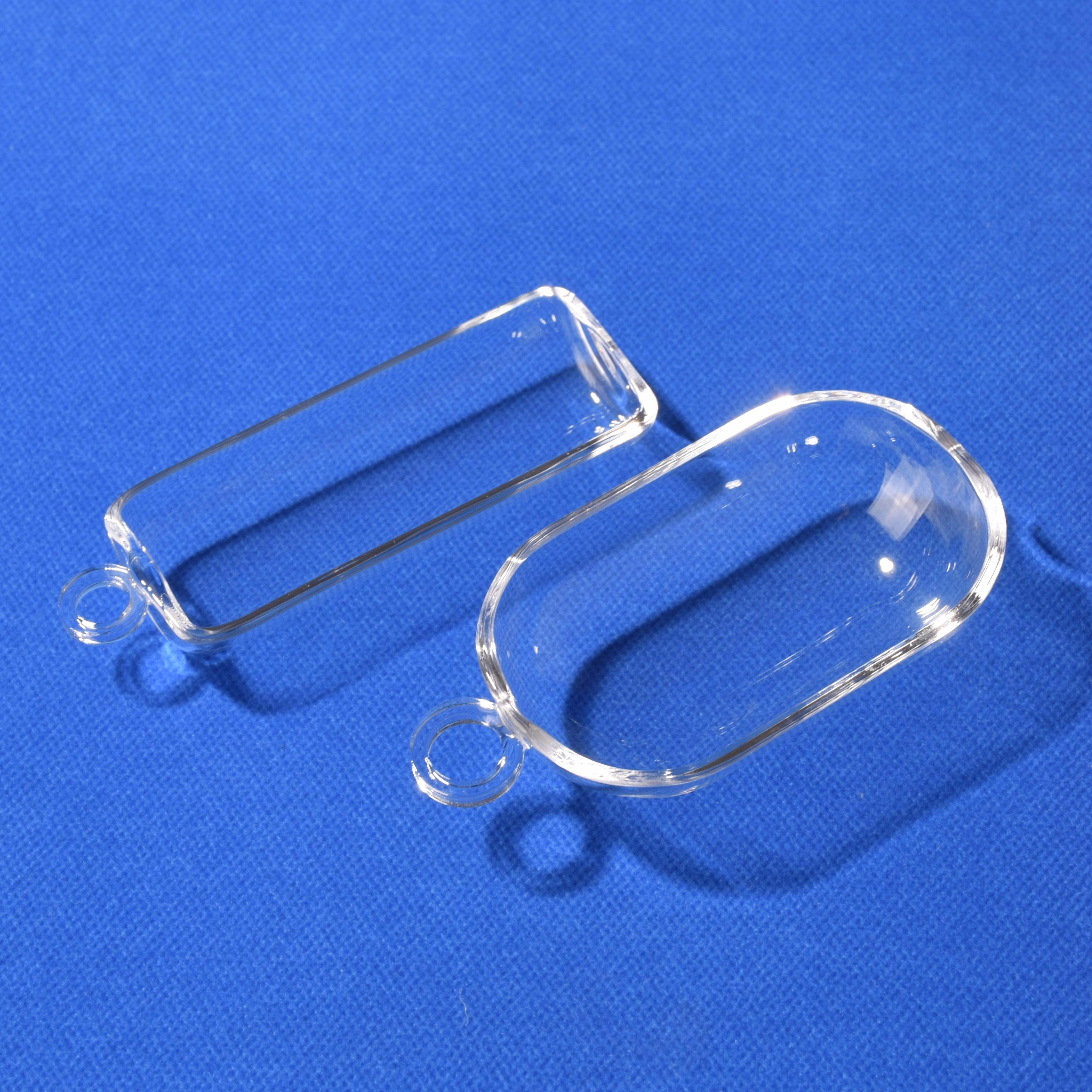
Semi-circular Flat Bottom Tube Furnace Quartz Reaction Boat
- Purity: 99.99% Optical Fused SiO₂
- Design: Fire-polished planar base
- Resistance: Ozone-free flame-worked
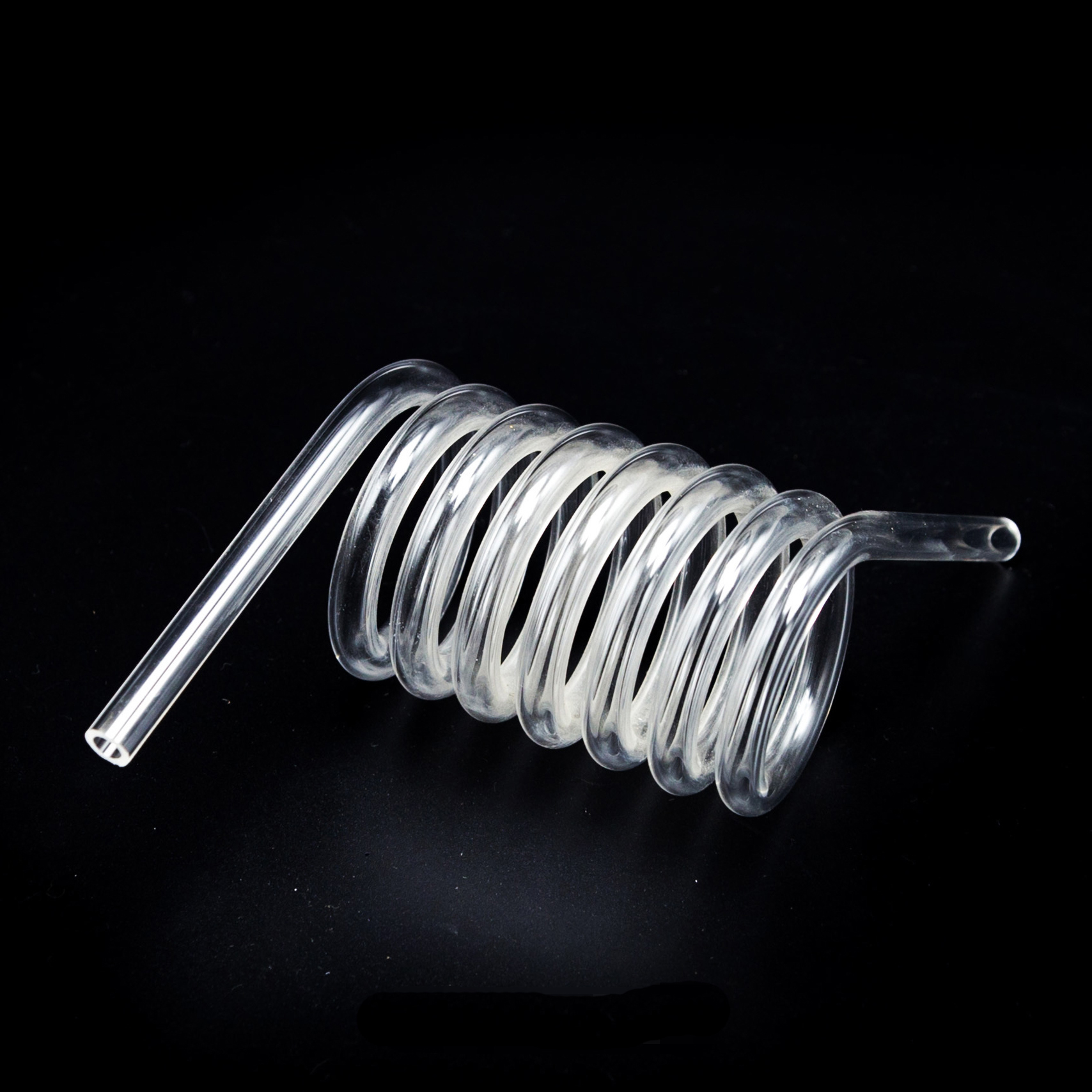
High-Purity C-Shape & Spiral Bent Condensation Quartz Tubes
- Forming: Precision CNC lathe bending
- Application: Reflux condensers & heat loops
- Tolerance: ±0.05 mm dimensional profile
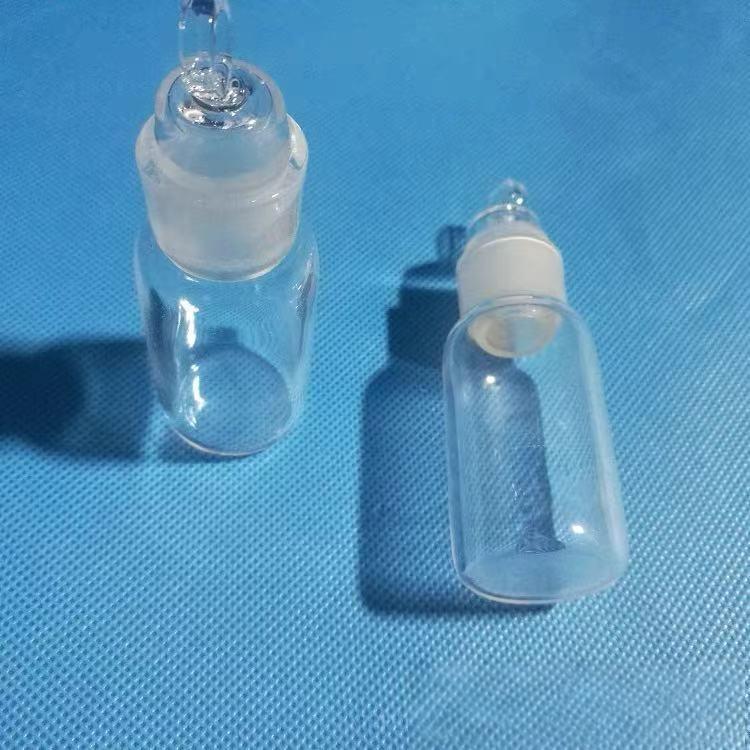
Corrosion-Resistant Semiconductor 400 Mesh Sintered Quartz Vessel
- Sintering: Micro-porous 400 mesh disc
- Resistance: Concentrated boiling acid inert
- Use: Marine sediment trace separation
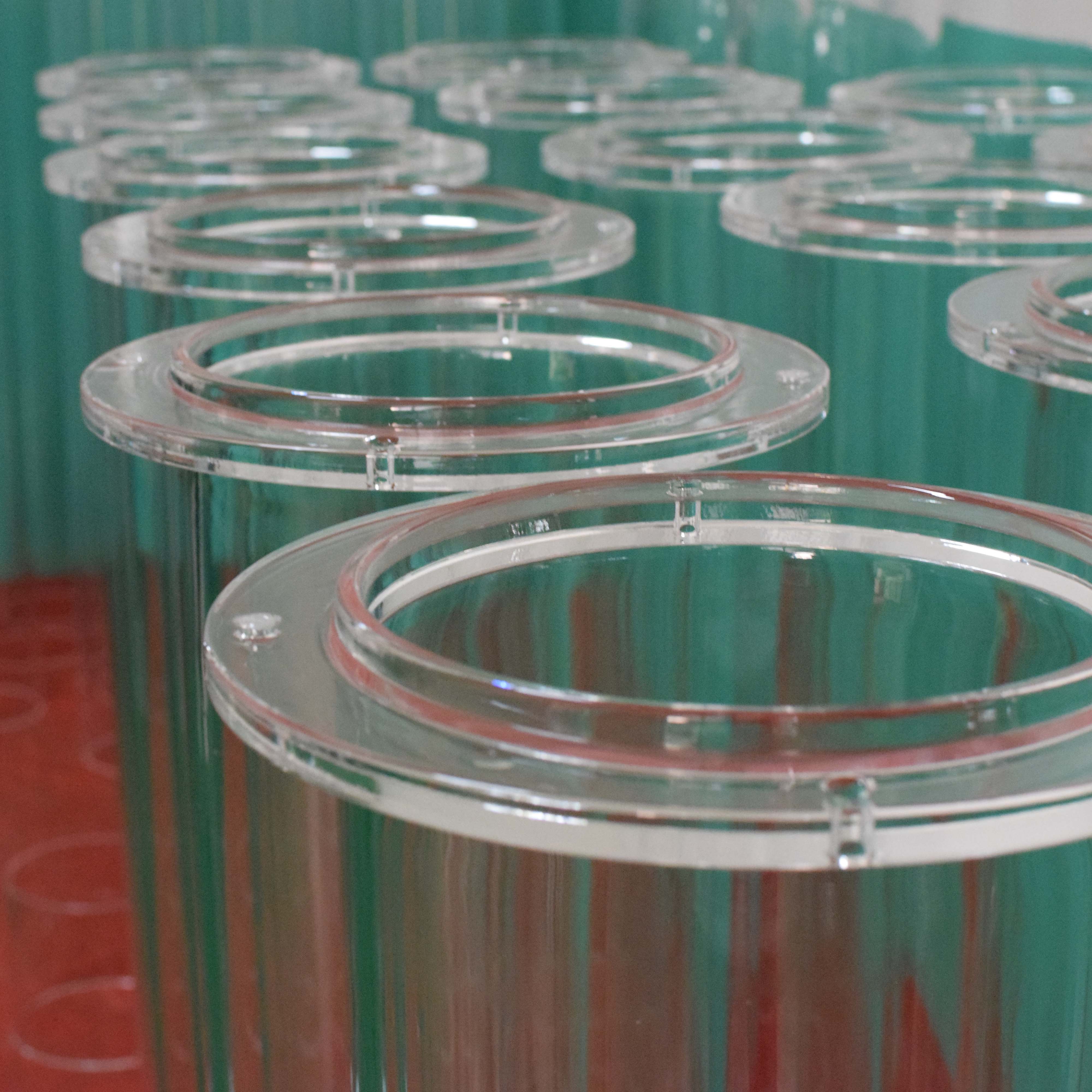
Single-Crystal Flanged Quartz Reactor Chamber with Ground Seal
- Flange: ISO-KF / NW precision welded
- Sealing: Helium vacuum leak rate < 10⁻⁹
- Integrity: Annealed internal stress relief
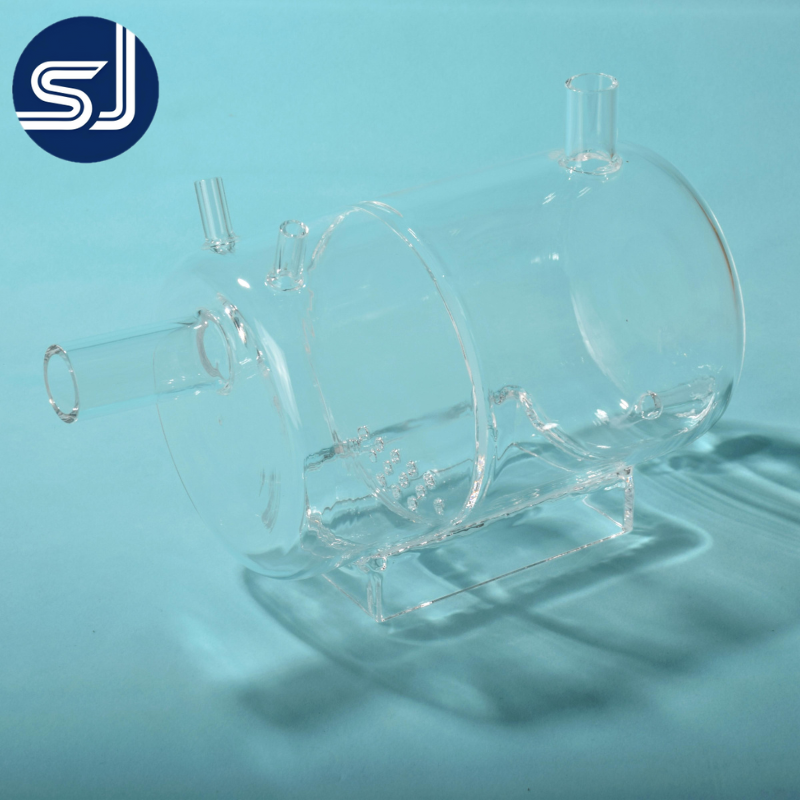
Multi-Neck Flow-Splitting Quartz Reaction Vessel (>85% Transmittance)
- Configuration: Multi-port distillation
- Optical: Deep UV to Near-IR transmission
- Duty: Bioreactor enzyme extraction
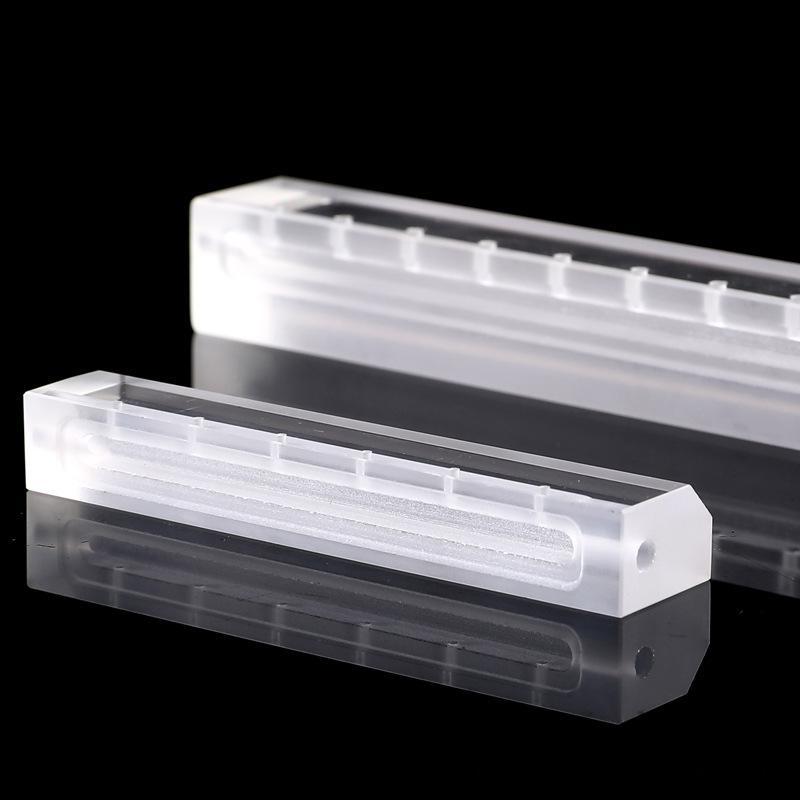
Ultra-Thin Optical Sight Glass Quartz Reactor Windows (SJ-077)
- Surface: Double-side 20/10 scratch-dig
- Thermal: 1000°C water quench shock safe
- Feature: Raman / In-situ UV-Vis access
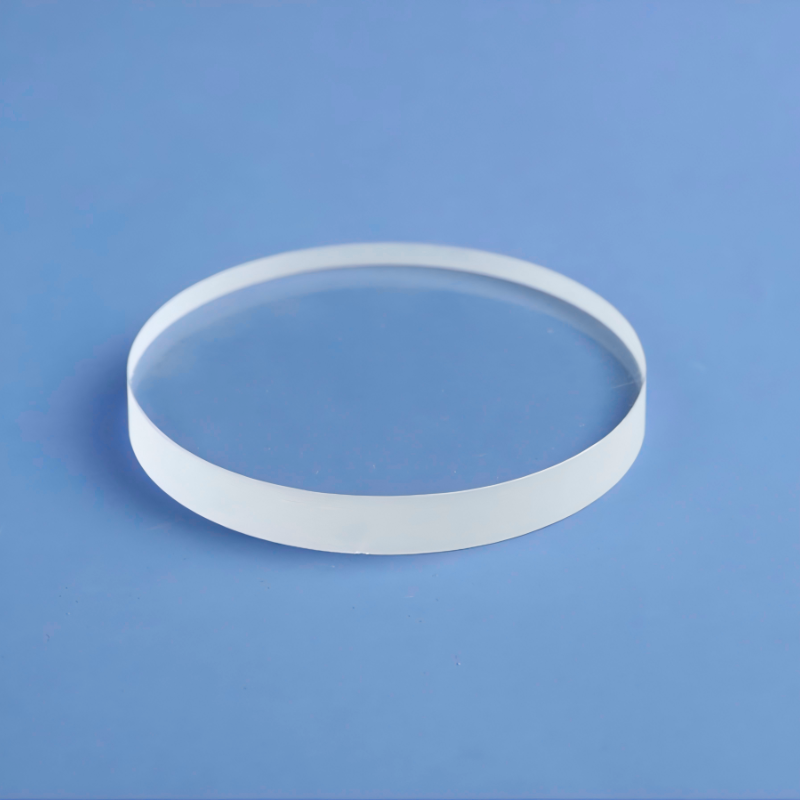
High-Pressure Autoclave Quartz Tablets & Fused Silica Plates
- Compressive Strength: > 1100 MPa
- Machining: CNC waterjet edge chamfer
- Use: Marine hydrothermal digestion cells
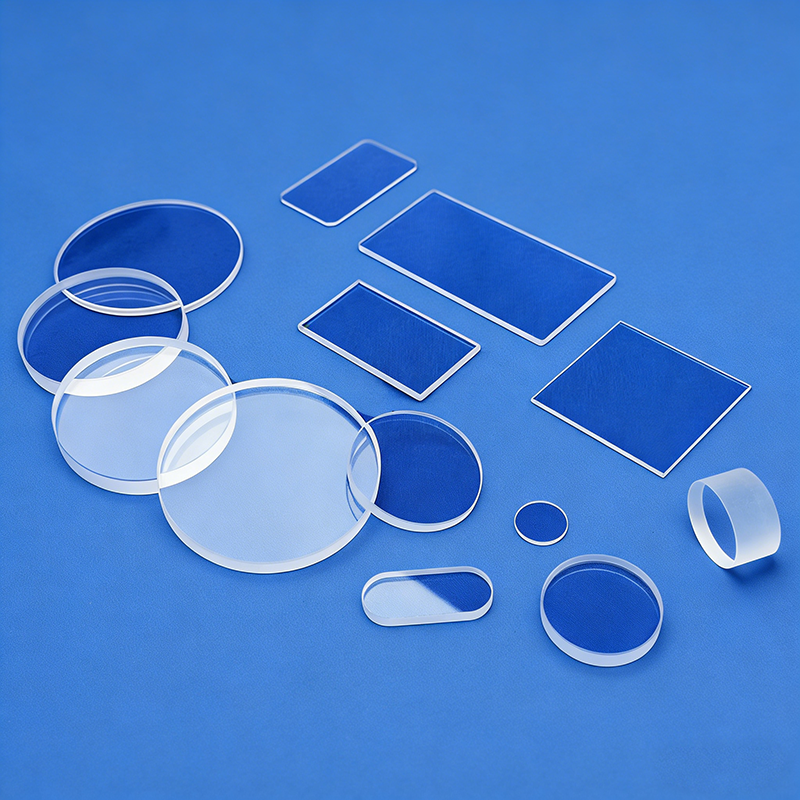
Translucent Natural Fused Silica Large-Diameter Reaction Liners
- Craft: Arc-welded thermal barrier silica
- Diameter: Available up to 800 mm OD
- Application: Pyrolysis & chlorination vats
1. Critical Material Requirements in Bergen's Maritime, Subsea, and Chemical Sectors
Situated on Norway's southwestern Atlantic rim, the City of Bergen serves as Northern Europe's epicenter for subsea engineering, oceanographical research, marine bioprospecting, and green chemical transition. Unlike conventional continental chemical laboratories, facilities operating across Greater Bergen—from the High Technology Centre at Marineholmen to Equinor's Sandsli operations, Mongstad's industrial cluster, and the University of Bergen (UiB)—conduct chemical reactions under uniquely aggressive environmental and physical parameters.
Researching subsea hydrothermal venting regimes in the Norwegian Sea or processing crude petrochemical streams containing concentrated hydrogen sulfide (H₂S), marine halogens (chlorides, bromides), and trace carbonic acids requires reaction hardware that eliminates material degradation. Conventional borosilicate 3.3 laboratory glass, while ubiquitous, fails catastrophically under continuous operating temperatures above 500°C and suffers significant sodium and boron leaching into high-purity marine matrices. This makes reliable ICP-MS baseline quantification impossible for Bergen trace analysts.
As Bergen leads Norway's aggressive drive toward green maritime fuels, hydrogen carriers, and subsea carbon capture, storage, and utilization (CCUS), quartz reaction vessels must maintain rigorous geometric stability under profound thermal shocks (water quenching from 1100°C down to 20°C without crack propagation) and continuous high-pressure hydrothermal digestion.
Applied Engineering Scenarios Across Greater Bergen
How customized fused silica reaction vessels solve critical material degradation across Vestland’s premier academic, subsea, and clean-tech institutions.
Marine Biotechnology & Enzymology
In Marineholmen and UiB Department of Biological Sciences, custom quartz jackets, distillation vessels, and split-flow columns handle cold-adapted marine enzymes and bioactive peptides isolated from Arctic fjords. Total chemical inertness eliminates trace heavy-metal enzyme denaturation.
Offshore Subsea Hydrocarbon Simulation
Facilities at Mongstad and Sandsli utilize ultra-thick wall fused quartz autoclave liners to observe multicomponent phase transitions (gas hydrates, H₂S scavengers, asphaltene flocculation) under simulated North Sea reservoir pressures up to 30 MPa with in-situ optical monitoring.
CCUS & CO₂ Mineralization Kinetics
Supporting the Northern Lights carbon project at nearby Øygarden, quartz tubular flow reactors facilitate high-temperature, high-pressure carbon dioxide mineralization studies over basaltic and ultramafic minerals, resisting prolonged carbonic acid corrosion at 850°C.
Photochemical Degradation & Ballast Testing
Bergen’s maritime sensor developers and ballast water treatment specialists deploy ozone-free and deep-UV transparent quartz cells (254 nm and 185 nm excitation) to evaluate photochemical advanced oxidation processes (AOP) against stubborn North Atlantic microflora.
2. Comparative Material Science: Borosilicate 3.3 vs. Natural Fused Quartz vs. Synthetic Fused Silica
Procurement engineers and laboratory managers in Bergen often face complex trade-offs between component cost and long-term experimental fidelity. The table below delineates the thermo-mechanical, chemical, and optical parameters critical when specifying reaction vessels for extreme industrial and academic research.
| Property Parameter | Borosilicate Glass 3.3 | Vulra Natural Fused Quartz | Vulra Synthetic Fused Silica |
|---|---|---|---|
| SiO₂ Purity Grade | ~81% (Contains B₂O₃, Na₂O, Al₂O₃) | ≥ 99.99% – 99.999% | ≥ 99.9999% (Ultra-trace metallic) |
| Continuous Service Temp. | 450 °C – 500 °C | 1100 °C – 1150 °C | 1200 °C |
| Maximum Short-Term Peak | 550 °C | 1300 °C – 1450 °C | 1450 °C – 1500 °C |
| Softening Point | 820 °C | 1683 °C | 1730 °C |
| Thermal Expansion (0-300°C) | 3.3 × 10⁻⁶ / K | 5.5 × 10⁻⁷ / K | 5.0 × 10⁻⁷ / K |
| Thermal Shock Resistance | ΔT ≈ 150 °C safe drop | ΔT > 1000 °C (Quenched in ice water) | ΔT > 1100 °C (Zero micro-fracture) |
| Deep UV Cut-Off Limit | ~310 nm (Blocks UV-C/UV-B) | ~220 nm (Standard) / ~190 nm (Doped) | ≤ 180 nm (Excellent VUV clarity) |
| Resistance to Molten Halides / Acids | Moderate (De-alkalization risk) | Immune to all acids except HF / H₃PO₄ | Total structural inertness |
For standard high-temperature pyrolysis, tube-furnace calcination, and regular petroleum fractionation, Natural Fused Quartz offers the optimal convergence of price and performance. Where extreme photochemical sensitivity, zero background fluorescence in Raman spectroscopy, or deep UV sterilization wavelengths (down to 185 nm) are paramount—such as in advanced marine genetic diagnostics at Marineholmen—Synthetic Fused Silica provides uncontested optical and structural uniformity.
Trends Transforming Reaction Vessel Demand in Bergen & Vestland
Strategic structural shifts across Western Norway driving next-generation high-purity quartz adoption.
1. The Maritime Green Transition: NH₃ & H₂ Cracking
Bergen's shipowners and port authorities are pioneering ammonia and methanol bunkering systems. To optimize fuel cracking catalysts and study onboard hydrogen generation, researchers rely on customized tubular quartz reactors capable of withstanding intense thermal cycling (ambient to 900°C in seconds) in the presence of caustic anhydrous ammonia vapors.
2. Deep-Sea Hydrothermal & Marine Minerals Exploration
With Norway's parliamentary discourse on deep-sea mineral extraction along the Mohns Ridge north of Jan Mayen, UiB's Centre for Deep Sea Research requires extreme-duty, high-pressure quartz digestion cells capable of mineralizing massive seafloor polymetallic sulfides under superheated marine conditions without trace silicon or lead contamination.
3. Stringent European HSE & REACH Compliance
Norwegian chemical enterprises must meet strict REACH restrictions regarding toxic boron and fluorinated compounds. Cleanroom-fabricated quartz reaction vessels, manufactured free of fluoropolymer coatings and chemical curing residues, guarantee completely inert reaction pathways that align with Scandinavian environmental mandates.
Why Norwegian Procurement Leaders Partner with Vulra Quartz
Direct supply advantages from China’s premier crystal capital in Donghai to Bergen’s research institutes and industrial labs.
TÜV Rheinland Audited Facility
Our comprehensive Donghai plant has been inspected on-site by TÜV Rheinland. We operate certified hot flame-working lathes, cleanroom annealing ovens, and precision cold CNC cutting, drilling, and polishing facilities, guaranteeing verified OEM manufacturing authenticity.
Drawing-to-Prototype (MOQ 1 PC)
We eliminate punitive minimum order sizes for experimental and specialized reactor geometries. Whether you need a solitary custom-flanged observation cell for a UiB PhD dissertation or recurring monthly shipments of quartz furnace tubes for Mongstad, we manufacture from 1 piece.
Integrated Hot & Cold Machining
From forming multi-port distillation necks, ground taper joints (NS 14/23, 29/32, 45/40), and optical window fused welding to CNC diamond-wheel milling, micron-level ultrasonic drilling, and helium vacuum leak-testing, all operations occur under one controlled roof.
Breakage-Proof Export Packing
Years of supplying precision glass to Nordic destinations means zero freight anxiety. We deploy custom multi-layer high-density EPE foam shock-cushioning, vacuum sealing to eliminate maritime moisture crystallization, and reinforced plywood crates designed for sea and air freight to Bergen.
Frequently Asked Questions for Bergen & Norwegian Buyers
Addressing the technical, regulatory, and logistics inquiries raised by Scandinavian chemical and procurement specialists.
How does customs clearance and Norwegian VAT (MVA) work for imports into Bergen?
Commercial shipments into Norway (a non-EU EEA member) must clear Norwegian Customs (Tolletaten). We provide comprehensive commercial invoices with precise HS classification codes (typically 7017.10 for quartz laboratory apparatus) and Certificates of Origin. Research institutes with VAT exemptions or authorized corporate importers can clear directly through our nominated freight forwarders (DHL Express, FedEx, or maritime consolidated freight to Bergen Port) using your Norwegian EORI/Org. number.
What is the transit timeline from Lianyungang / Shanghai to Bergen (Flesland or Port)?
For urgent prototypes and research replacements, air express freight (via Shanghai PVG to Bergen Airport, Flesland - BGO) typically clears and delivers to your facility in 5 to 8 working days. For bulk industrial replacement quartzware or oversized reactor liners up to 800 mm OD, maritime consolidated container shipping via Rotterdam/Hamburg into Bergen Port (Skoltegrunnskaien/Dokken) takes approximately 32 to 38 calendar days.
Can you fabricate quartz reaction vessels directly from internal CAD or engineering drawings?
Yes. Over 70% of our production is drawing-based OEM/ODM. You can submit engineering drawings in STEP, IGES, SolidWorks, DWG, or dimensioned vector PDF formats. Our optical and glass-welding engineering team reviews critical tolerances, thermal transition zones, wall thickness ratios, and flame-working radii, providing Design for Manufacturability (DFM) feedback before striking an arc.
How do your vessels prevent thermal devitrification during continuous 1100°C operation?
Devitrification (the transition from amorphous silica back to crystalline cristobalite) is catalyzed by alkaline surface contaminants (Na, K, Ca) and high OH-radical content. Our reaction vessels are melted from ultra-purified quartz feedstock (alkali metals < 1.5 ppm) and subjected to dehydroxylation thermal annealing under controlled vacuum environments. This extends devitrification-free operation up to 1150°C in continuous service.
Are your custom quartz flanges compatible with standard European vacuum and autoclave systems?
Absolutely. We manufacture precision quartz ground flanges matching European DIN, ISO-KF (NW16, NW25, NW40, NW50), CF (ConFlat), and standard spherical joints (ball-and-socket S-joints). We also produce precision flat-polished flange faces with custom Viton or Kalrez O-ring grooves to guarantee leak-tight seal integration against stainless steel reactor heads up to 10⁻⁹ mbar.
What happens if a fragile custom quartz reactor arrives damaged in Bergen?
While our specialized shock-isolated export packaging achieves a 99.7% damage-free overseas transit record, all shipments are covered under comprehensive maritime and air transit insurance. In the rare event of transit damage, submitting photographic verification upon receipt triggers an expedited emergency remanufacturing protocol, shipping replacement units via priority express air freight at zero additional cost.
Advance Your Reaction Vessel Reliability Today
Consult with our quartz engineering specialists. Send your technical drawings, operating parameters, or bespoke dimensions for an immediate DFM review, precision quotation, and complete product catalog tailored for the Bergen scientific and industrial market.
Get Catalog