Engineering Principles of Fused Quartz Reaction Vessels for High-Stress Industrial Synthesis
In modern chemical processing, semiconductor fabrication, and high-purity pharmaceutical synthesis, the reaction vessel represents the single most critical boundary between extreme thermal dynamics and aggressive chemical corrosion. For engineering teams across Eastern Europe, specifically within the expanding chemical, petrochemical, and microelectronic hubs of Belarus, selecting chemical containment equipment capable of withstanding severe conditions without contaminating process fluids is a primary structural challenge.
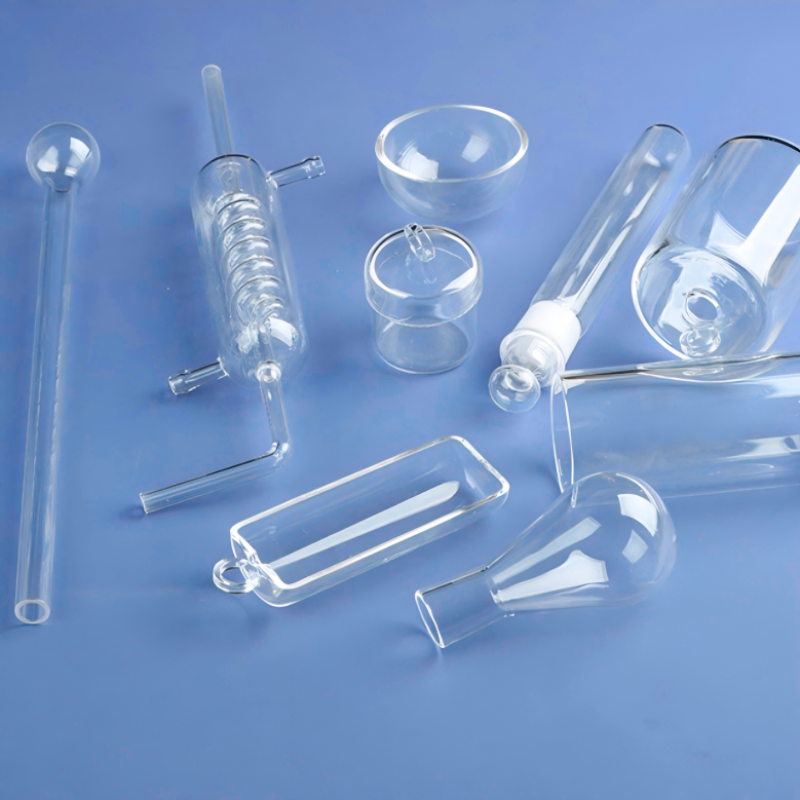
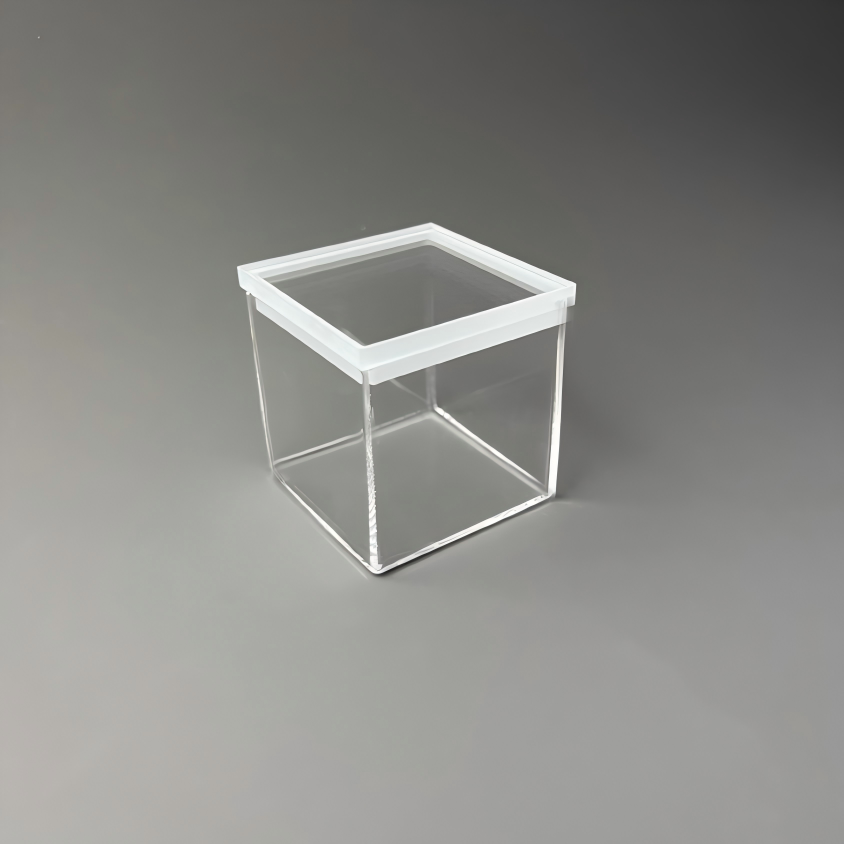
Fused quartz (fused silica) reaction vessels manufactured in China's premier quartz processing region—Donghai, Lianyungang—have emerged as the gold standard for high-temperature synthesis, vacuum distillation, photo-catalysis, and pressurized gas-phase reactions. Unlike conventional borosilicate 3.3 glass, which sags above 500°C and leaches alkali ions, fused quartz exhibits an amorphous silica structure with SiO₂ purity exceeding 99.99% to 99.999%. This crystalline purity yields an extremely low coefficient of thermal expansion ($5.5 \times 10^{-7} / \text{°C}$ from 20°C to 320°C), rendering fused quartz reaction vessels virtually immune to severe thermal shock.
| Physical / Chemical Parameter | High-Purity Fused Quartz (Donghai OEM Grade) | Standard Borosilicate Glass 3.3 | PTFE / PFA Fluoropolymer | Hastelloy C-276 Alloy |
|---|---|---|---|---|
| SiO₂ Purity / Material Base | 99.99% – 99.999% Pure SiO₂ | 81% SiO₂, 13% B₂O₃, 4% Na₂O | Fluorinated Polymer | Ni-Mo-Cr Superalloy |
| Continuous Max Temperature | 1100°C (1250°C Peak) | 450°C – 500°C | 260°C Max | 1000°C (Oxidizing Limited) |
| Thermal Shock Resistance ($\Delta T$) | > 1000°C Quench Safe | 180°C Quench Limit | Moderate | High (Risk of Distortion) |
| Acid Corrosion Resistance | Immune to all acids except HF & H₃PO₄ (>150°C) | Attacked by hot alkalis | Excellent | Attacked by wet chlorine/acids |
| Trace Element Contamination | < 10 ppb Heavy Metals | PPM level Leachable Alkali | Low (Fluoride leaching risk) | High Metal Ion Leaching |
| UV-Vis Spectral Transmittance | > 90% from 190nm to 3.5µm | Cutoff below 310nm | Opaque / Translucent | Completely Opaque |
When evaluating mechanical integrity under positive pressure or deep vacuum, engineering calculations for cylindrical quartz vessel walls must utilize modified Lamé equations. Because quartz glass lacks ductile yield, wall thickness selection must incorporate a safety factor of 7x to 10x relative to tensile strength (~48 MPa). Lianyungang Vulra Quartz Products Co., Ltd. applies precision wall-thickness distribution analysis and computerized optical strain profiling to eliminate residual stress points during the zero-defect annealing phase, ensuring complete mechanical stability for demanding Belarusian operations.
Localized Application Scenarios Across Belarus Industrial Clusters
As Belarus continues its industrial modernizations and import substitution strategies across major state enterprises and private scientific clusters, high-purity quartz reaction vessels, vacuum double-tubes, and photolytic cells play an essential role in maintaining production continuity and scientific rigor.
Heavy Petrochemical & Fertilizer Synthesis
Major petrochemical and chemical complexes in Belarus, including Grodno Azot OJSC, Naftan OJSC, and Polymir, rely on quartz reaction tubes, catalytic pyrolysers, and gas analysis sampling cells. In high-temperature ammonia cracking, nitric acid synthesis testing, and volatile hydro-carbon cracking at 900°C–1100°C, Vulra Quartz vessels eliminate metallic oxidation interference and ensure chemical purity.
API & Pharmaceutical Crystallization
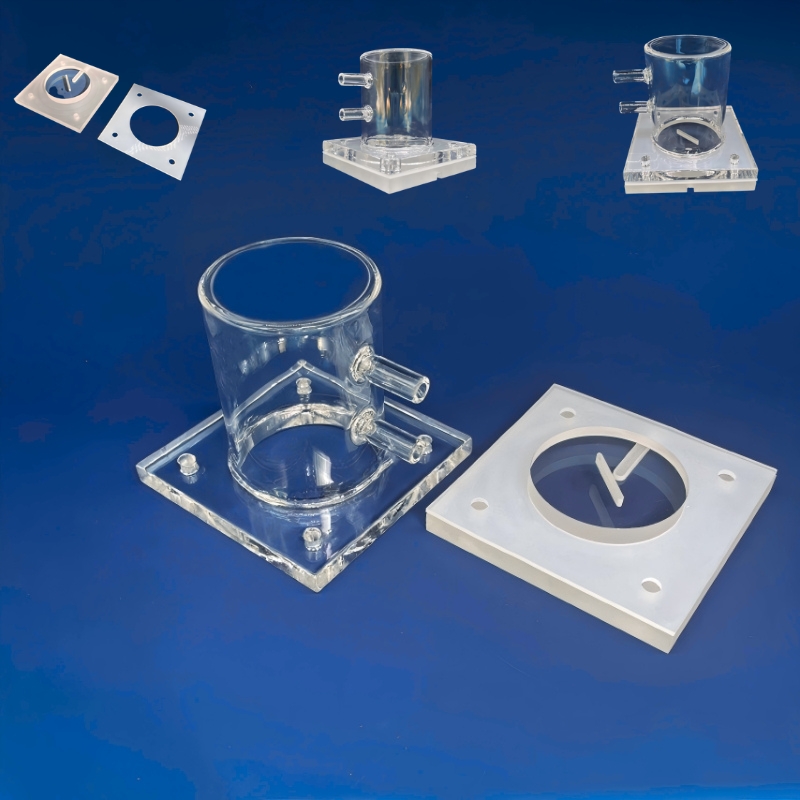
Pharmaceutical leaders such as Belmedpreparaty OJSC and Borisov State Medical Preparations Plant utilize customized jacketed quartz reaction vessels for ultra-pure Active Pharmaceutical Ingredient (API) crystallization and acidic synthesis. The near-zero metal ion leaching of 99.999% SiO₂ prevents heavy-metal catalysis degradation in sensitive pharmaceutical formulas.
Microelectronics & Optoelectronics
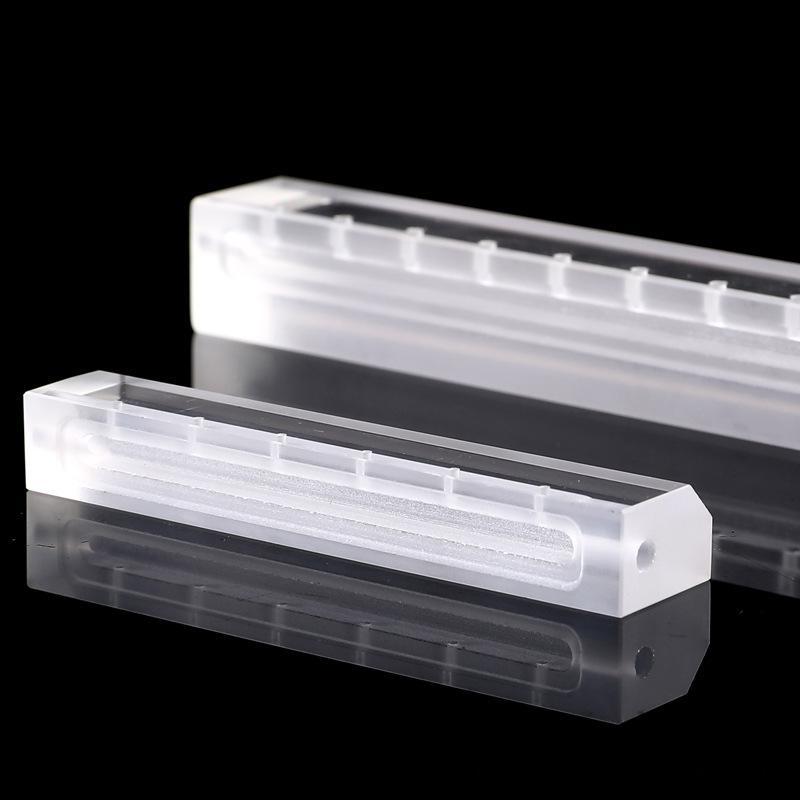
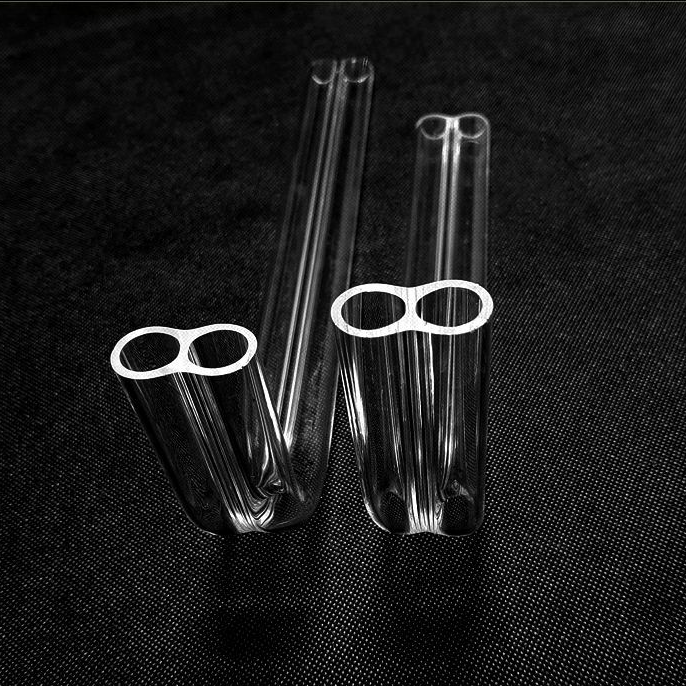
Within the Minsk Hi-Tech Park (HTP) and microelectronics enterprises like Integral OJSC, high-precision semiconductor-grade quartz vacuum tubes, wafer diffusion boats, and quartz etching cells are essential. Our ultra-low hydroxyl (<5 ppm) quartz tubes support silicon epitaxy and chemical vapor deposition (CVD) under high thermal loads without thermal sag or outgassing.
Specialized Photochemical & Nuclear Research Applications in Belarus
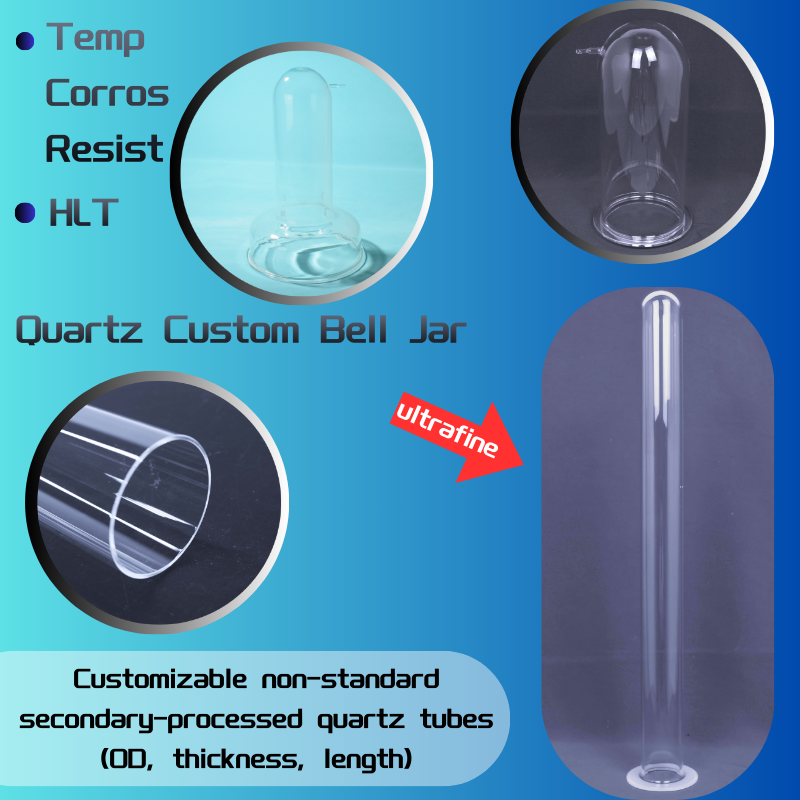
Academic and defense research bodies, including the National Academy of Sciences of Belarus (NASB) and the Joint Institute for Power and Nuclear Research - Sosny, require custom photolytic reactors, dome-sealed photo-electrochemical cells, and high-transmittance XRD sample holders. Because synthetic quartz provides exceptional deep-UV transmission (>85% at 185nm and 254nm), Vulra's ozone-free photolytic vessels facilitate advanced photocatalytic hydrogen-oxygen production and radiation stability testing under controlled temperature environments.
Market Trends, Regulatory Compliance, and Eurasian Freight Logistics
The industrial procurement landscape in Belarus has undergone a structural pivot toward direct, high-quality Chinese OEM manufacturing. Traditionally reliant on Western European glassmakers, Belarusian buyers faced escalating lead times, supply chain disruptions, and prohibitive pricing. China's top quartz manufacturers—backed by vertically integrated supply chains in Donghai—have filled this gap with fully certified, drawing-compliant fused silica components.
EAC TR CU Certification & Standard Compatibility
Procuring technical quartzware for installation in Belarusian industrial facilities requires compliance with the Technical Regulations of the Customs Union (EAC TR CU 010/2011 on Machinery and Equipment Safety) and compatibility with legacy GOST specifications (such as GOST 15130-86 for optical quartz glass). Lianyungang Vulra Quartz Products Co., Ltd. supplies full material certification sheets, TÜV Rheinland verification audit reports, RoHS compliance declarations, and CE credentials with every export shipment to ensure seamless state registration and customs clearance in Minsk or Brest.
Optimized Direct Rail & Multimodal Freight Corridors
Logistics efficiency is a vital decision factor for procurement directors in Grodno, Vitebsk, and Gomel. Direct container freight via the China-Europe Railway Express (routes originating in Chengdu, Chongqing, or Zhengzhou passing through the Dostyk/Zabaykalsk land ports to Brest-Centralny or Minsk-Severny) provides transit times of just 14 to 18 days. Vulra Quartz utilizes custom shock-absorbing timber crates lined with high-density EPE foam and vacuum-sealed anti-static wrapping, guaranteeing zero breakages across thousands of kilometers of overland rail transportation.
Why Global & Belarusian Procurement Directors Partner with Lianyungang Vulra Quartz
Located in Donghai County, Jiangsu Province—the recognized global hub for high-purity quartz crystal resources—Lianyungang Vulra Quartz Products Co., Ltd. combines raw material advantage with world-class glassblowing craftsmanship and automated cold-machining CNC precision.
Drawing-Based OEM/ODM
100% custom fabrication from 2D/3D CAD drawings. Prototypes delivered from 1 piece without exorbitant tooling fees.
Advanced Machining
Integrated CNC diamond grinding, ultrasonic drilling, laser wall inspection, oxy-hydrogen automated flame welding.
TÜV Rheinland Verified
Independently verified facility, legal status, testing equipment, and strict ISO-aligned quality management systems.
Frequently Asked Questions for Belarusian Purchasing Managers
Our high-purity fused quartz reaction vessels operate safely at continuous temperatures up to 1100°C, with short-term peak thermal limits reaching 1450°C. The softening point is approximately 1683°C. For vacuum distillation or high positive pressure applications at temperatures above 1000°C, our engineering team will calculate customized wall thickness increases to prevent structural sagging over extended thermal cycles.
Devitrification occurs when quartz glass is exposed to alkaline salts, surface fingerprints, or heavy metals at temperatures above 1000°C, causing surface conversion into cristobalite. Vulra Quartz minimizes devitrification by utilizing 99.999% SiO₂ raw sand with ultralow alkali metal content (<1 ppm total Na, K, Li) and subjecting all vessels to high-purity DI water ultrasonic acid washing before cleanroom packaging.
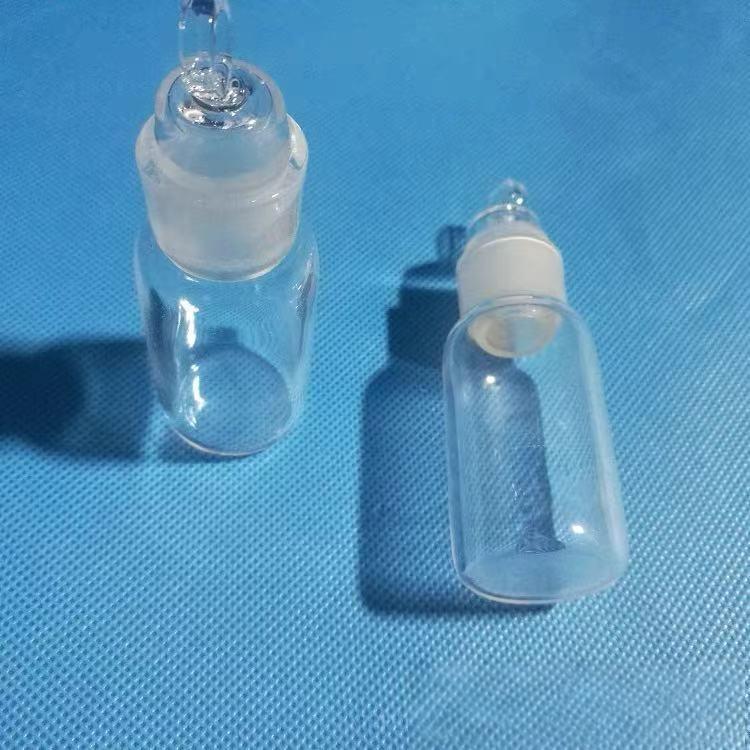
Yes. We specialize in custom OEM and ODM fabrication. We can integrate standard ISO/DIN ground glass joints (tapered NS joints, spherical socket joints), quartz flanges (KF/ISO vacuum style or custom bolted quartz flanges), thread adapters, optical sight windows, and internal bubbler spargers according to your exact CAD/PDF blueprints.
Custom prototype samples or low-volume orders are typically fabricated within 7 to 12 business days. Express air freight to Minsk National Airport (MSQ) takes approximately 5 to 8 days, while direct China-Europe Railway Express freight to Minsk or Brest customs terminals takes approximately 14 to 18 days.
Every export shipment includes a Certificate of Analysis (COA) specifying SiO₂ chemical purity and trace metal analysis, dimensional inspection reports, material safety data, commercial invoices with correct Eurasian HS Customs Codes (e.g., HS 7017.10 for quartz laboratory glassware), and Certificate of Origin (CO) documents.
We employ a specialized export packaging process: each quartz piece is individually washed, wrapped in static-free protective film, encased in custom-cut, high-density EPE foam cradles, and packed in heavy-duty corrugated inner cartons. Outer shipments are placed in reinforced plywood wooden crates that conform to international export shipping standards (ISPM 15 heat-treated), ensuring zero transit damage.
Request a Custom Technical Quote & Drawing Review
Consult directly with our senior quartz application engineers. Send your CAD files, material requirements, or process parameters for a comprehensive quotation within 24 hours.