Precision Fused Quartz Glass Portfolio
Drawing-based custom fabrication directly from Donghai—China's crystal capital. Tested and certified for optical transparency, structural integrity, and 1450°C thermal endurance across Ontario, Quebec, Alberta, and British Columbia.
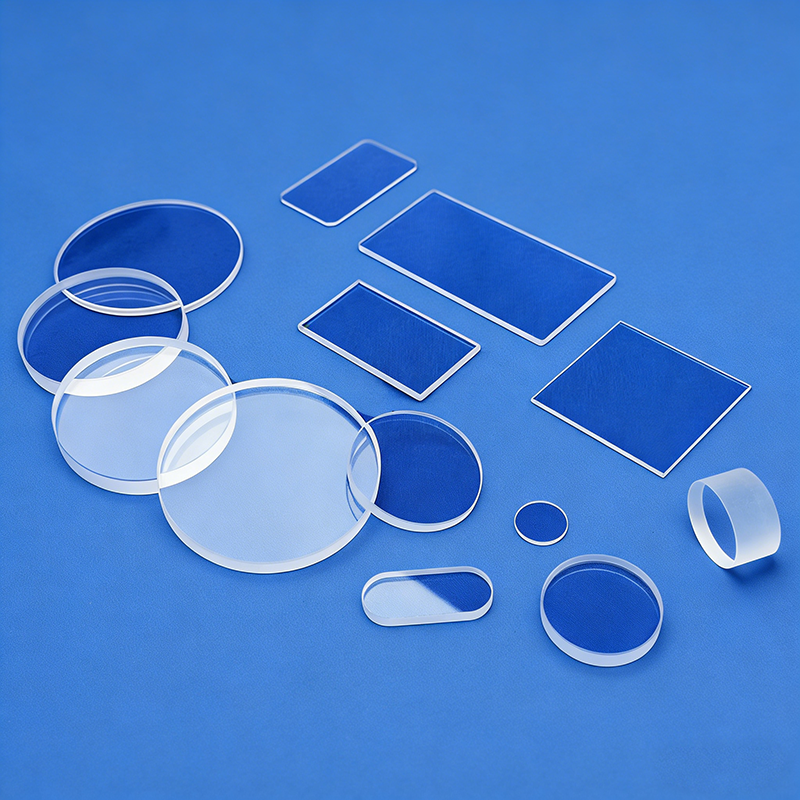
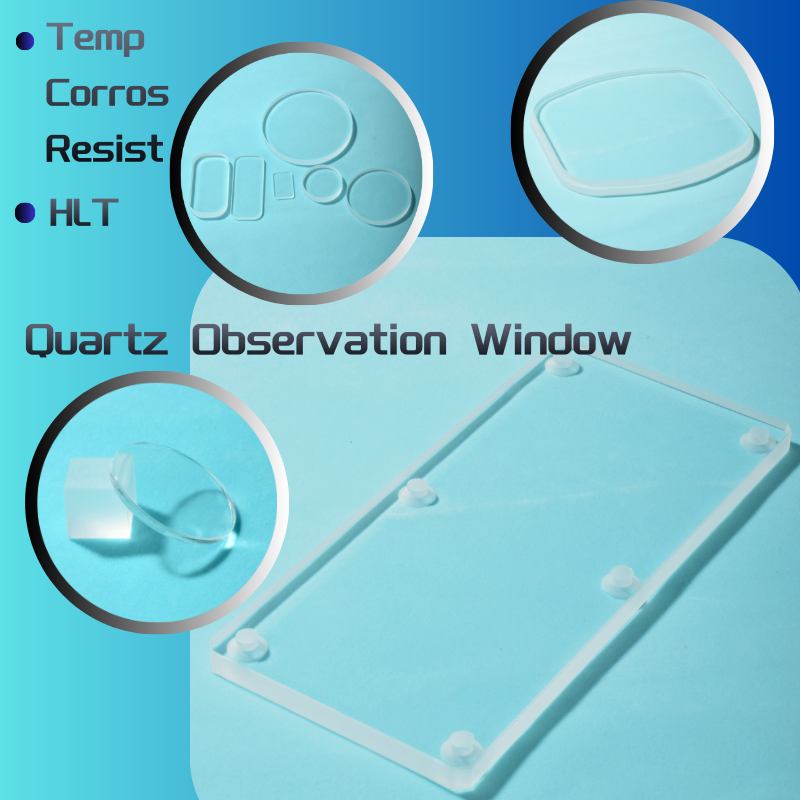
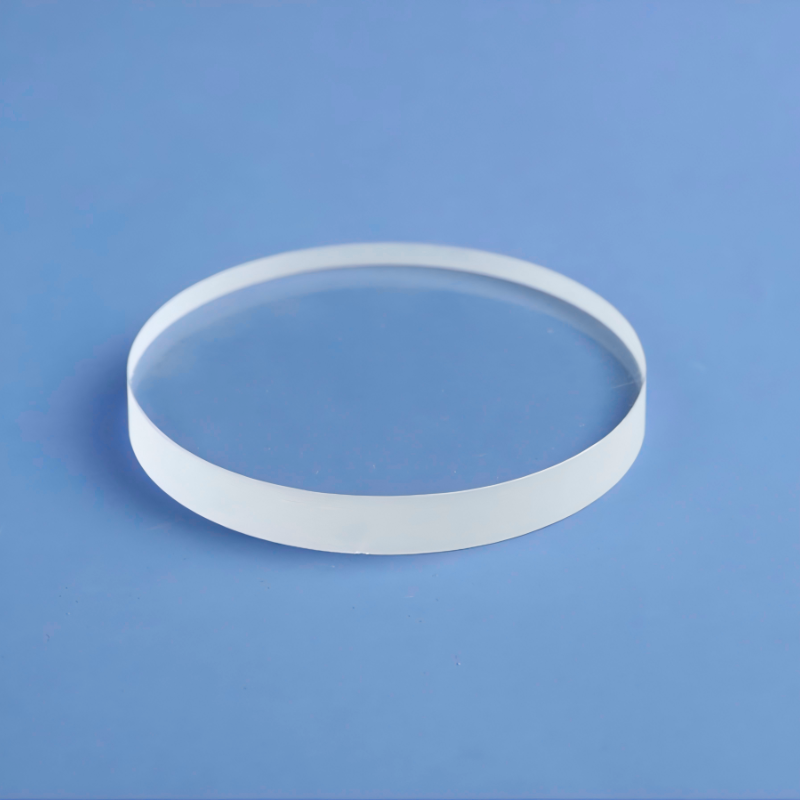
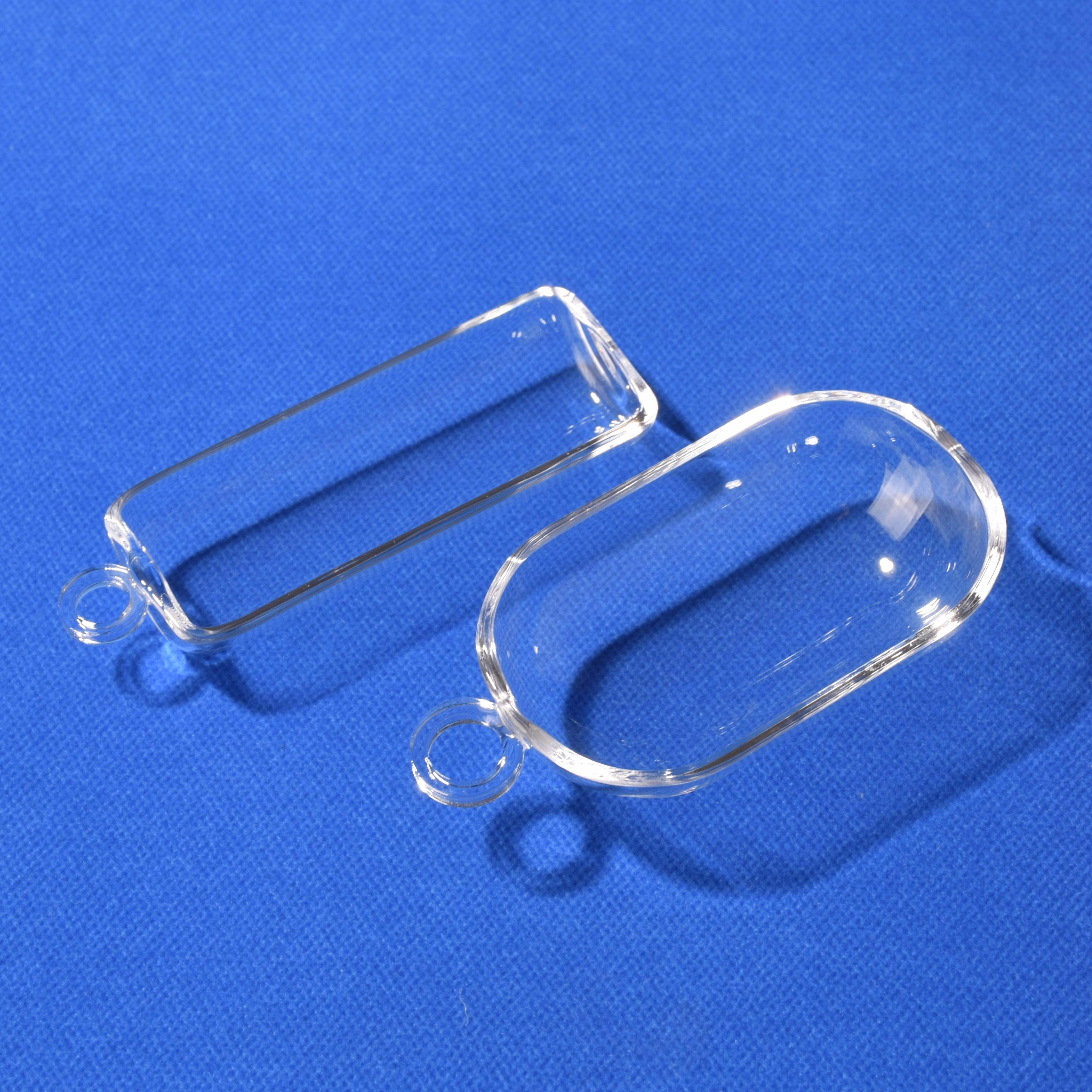
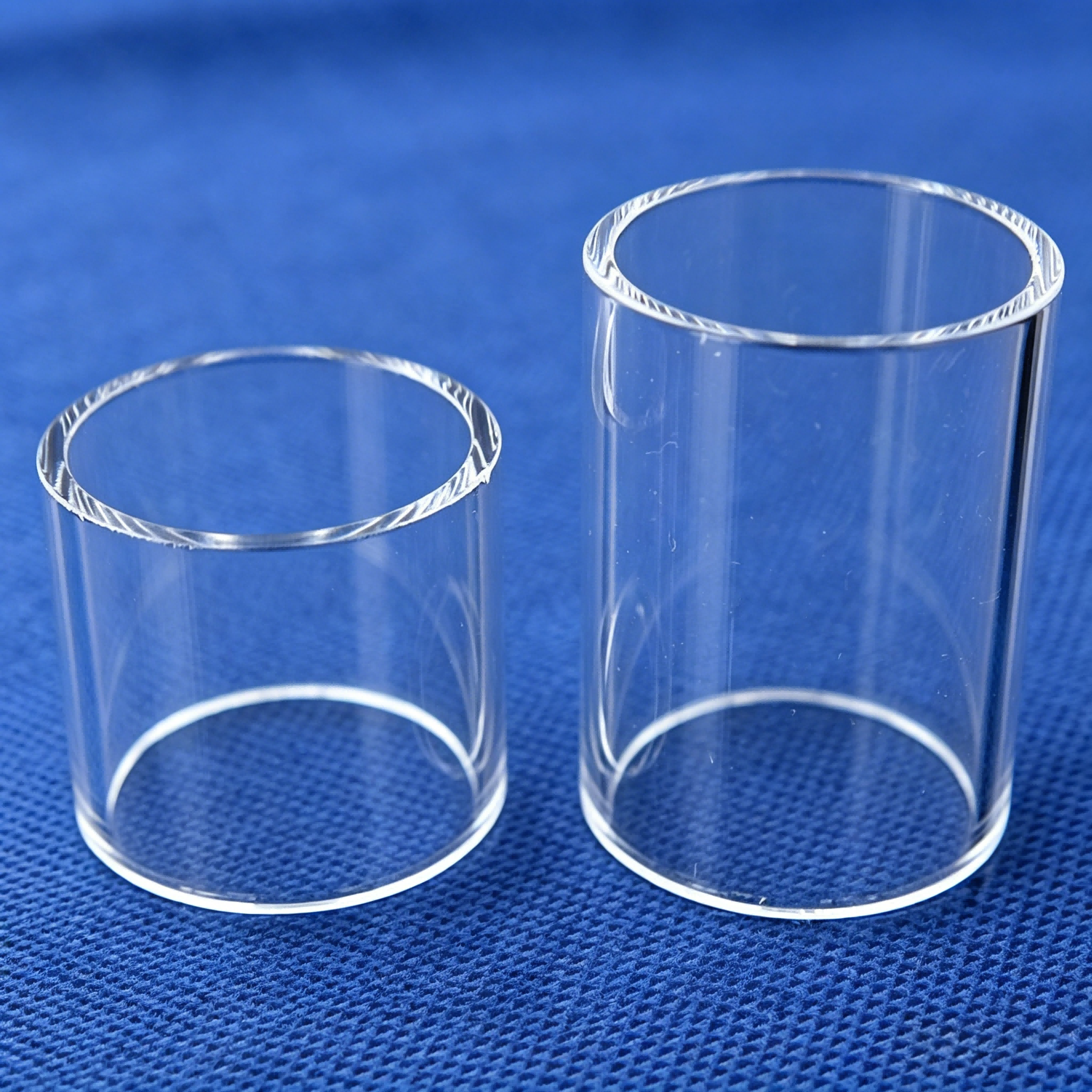
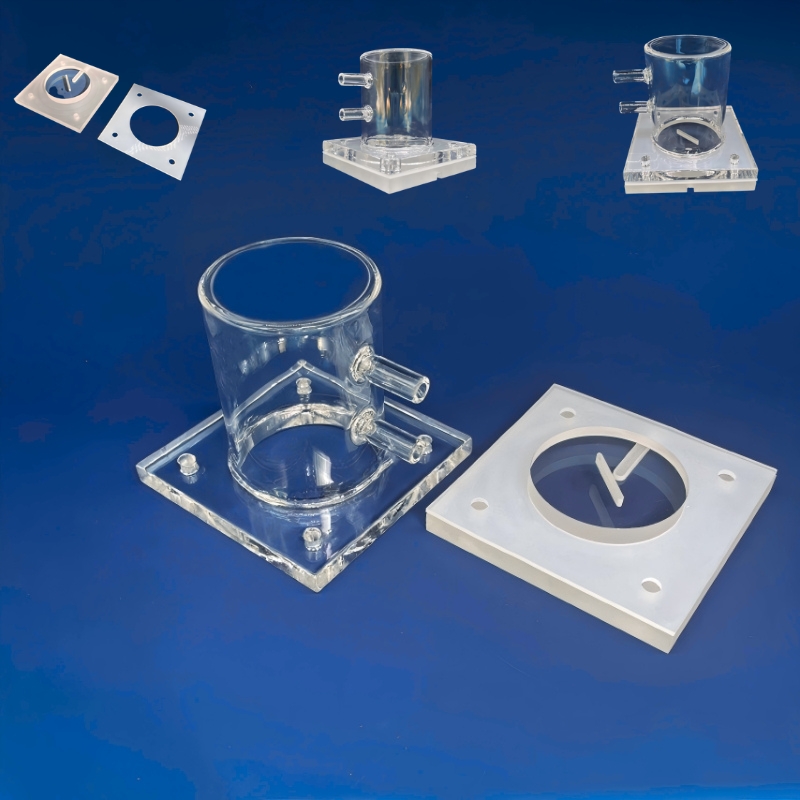
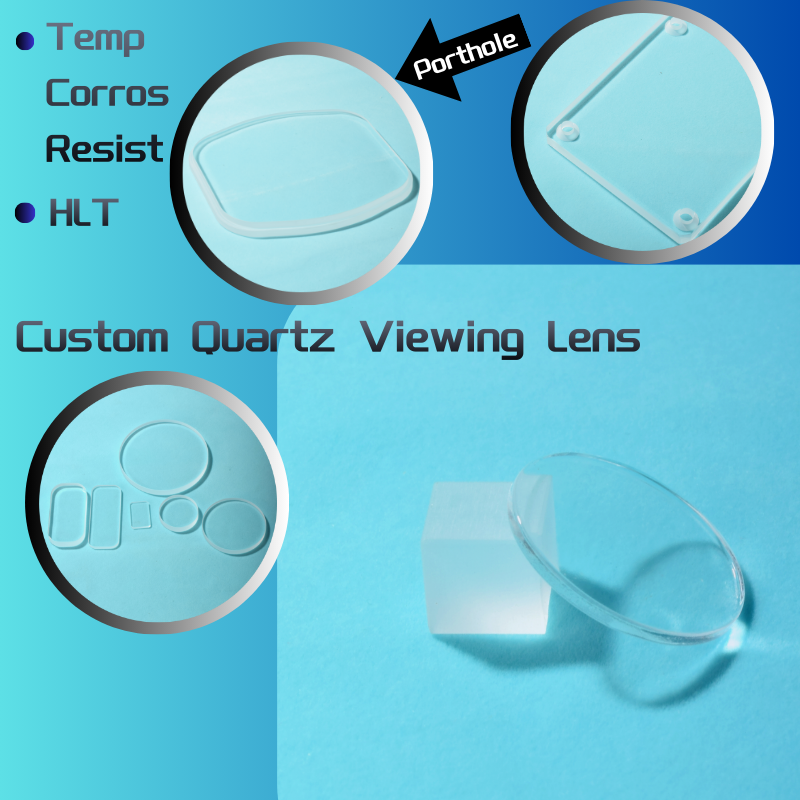
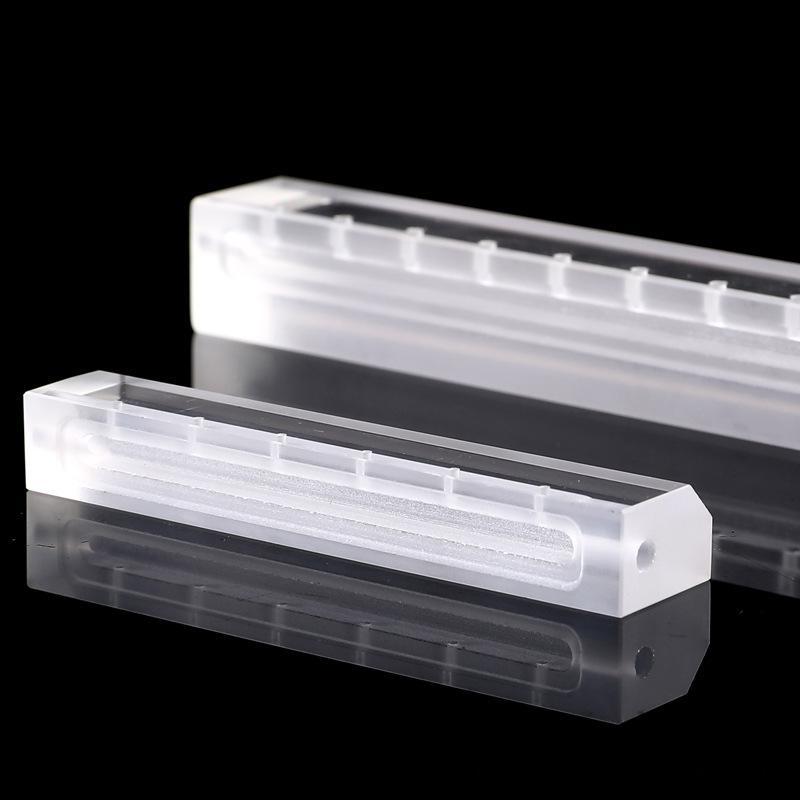
Engineering White Paper: Industrial Fused Quartz Glass Blocks
A comprehensive technical analysis on material purity, thermodynamic behavior, optical transmission, and custom machining capabilities for Canadian system builders and R&D laboratories.
Fused quartz glass blocks (also classified under fused silica billets, optical ingots, and synthetic quartz slabs) represent the apex of non-crystalline silicate engineering. Unlike standard borosilicate, soda-lime, or aluminosilicate glasses, engineered quartz glass blocks are synthesized by melting ultra-high-purity silicon dioxide (SiO₂) sand or gasified silicon precursors at temperatures exceeding 2000°C. Originating from Donghai County in Jiangsu Province—universally recognized as the silicon cluster and crystal manufacturing epicenter of China—our manufacturing base operates with direct supply-chain integration into high-purity quartz reserves, ensuring consistent chemical stoichiometry and absolute structural homogeneity across large cross-sectional profiles.
For Canadian industrial buyers located across Quebec's aerospace corridor, Ontario's advanced photonics cluster, Alberta's heavy hydrocarbon processing infrastructure, and British Columbia's clean-tech research labs, fused quartz blocks provide an unmatched combination of extreme thermal resistance, negligible thermal expansion, superior dielectric strength, and broadband optical transmission spanning the deep ultraviolet (DUV, 185 nm) through the visible spectrum into the mid-infrared (MIR, 3500 nm) band. When mechanical components or observation sight glasses are subjected to intense thermodynamic gradients or corrosive chemical atmospheres containing boiling mineral acids, our high-purity quartz blocks maintain dimensional stability without spalling, devitrification, or micro-fracturing.
| Physical / Chemical Property | Standard Clear Quartz Block (JGS2) | Optical UV Grade Block (JGS1) | Infrared Optical Block (JGS3) | Test Standard / Protocol |
|---|---|---|---|---|
| SiO₂ Purity Grade | ≥ 99.99% (4N) | ≥ 99.999% (5N Synthetic) | ≥ 99.995% (Electric Fusion) | GD-MS Chemical Assay |
| Hydroxyl (OH⁻) Content | 150 – 200 ppm | ≤ 1200 ppm (High OH) | ≤ 5 – 10 ppm (Water Free) | FTIR Spectroscopy (2.73 μm) |
| Coefficient of Thermal Expansion (CTE) | 5.5 × 10⁻⁷ cm/cm·°C (20–320°C) | 5.4 × 10⁻⁷ cm/cm·°C | 5.6 × 10⁻⁷ cm/cm·°C | ASTM E228 Dilatometry |
| Continuous Operating Temp | 1100 °C | 1050 °C | 1150 °C | Isothermal Anneal 1000h |
| Peak Short-Term Temp | 1450 °C | 1300 °C | 1500 °C | Thermal Shock Quench |
| Refractive Index (nd @ 589.3 nm) | 1.4585 | 1.4584 | 1.4586 | V-Block Refractometer |
| Bubble & Inclusion Class | DIN 3140 Class 1–2 | DIN 3140 Class 0 (Bubble-free) | DIN 3140 Class 1 | Microscopic Defect Scanning |
| Dielectric Constant (1 MHz) | 3.75 | 3.78 | 3.75 | ASTM D150 Dielectric Test |
Localized Engineering Applications Across Canada
Engineered quartz glass blocks configured to withstand extreme freeze-thaw transit, high-pressure hydrocarbon processing, and high-vacuum cleanroom conditions across Canadian industrial hubs.
Ontario Semiconductor & Photonics
In Markham, Ottawa, and Waterloo, precision optical quartz blocks serve as beam-splitter cubes, lithography substrate pedestals, and vacuum viewport blocks. Manufactured with surface roughness Ra ≤ 0.5 nm and parallelism within 5 arc-seconds, our blocks eliminate wavefront distortion in nanophotonic metrology and wafer wafer inspection rigs.
Alberta Oil & Gas Petrochemical Sight Blocks
In Fort McMurray, Edmonton, and Calgary, heavy oil extraction via SAGD (Steam Assisted Gravity Drainage) demands sight window blocks that withstand 10 MPa pressures at 350°C. Our polished, thick quartz blocks resist steam erosion and corrosive H₂S hydrocarbons, preventing blowout risks in downstream cracking units.
BC & Quebec Clean-Tech & Green H₂
Canada's aggressive Hydrogen Strategy requires ultra-pure, ozone-free UV photocatalytic reactor blocks and proton exchange membrane (PEM) test fixtures. Our precision welded and bored quartz reaction blocks allow uninterrupted UV transmission at 254 nm and 365 nm without solarization, ensuring efficient photo-electrochemical hydrogen generation.
Canadian Critical Minerals Metallurgy
Nickel, lithium, and rare-earth refining in Sudbury and Val-d'Or relies on fused quartz furnace blocks and containment liners. Featuring zero contamination risk and a softening point of 1683°C, our blocks resist devitrification against volatile calcining gases, securing clean elemental separation in pyrometallurgical crucibles.
Cryogenic-to-Furnace Thermal Cycling
Field testing equipment in the Canadian Prairies and Northern Territories must tolerate -45°C ambient temperatures while internal optical chambers exceed 1000°C. With a thermal expansion coefficient of 5.5×10⁻⁷/K, our quartz blocks withstand instantaneous water-quench cycles without micro-cracking or structural shear.
University & NRC Research Laboratories
Serving top Canadian research entities like the National Research Council (NRC), McGill, University of Toronto, and UBC. We fabricate custom-drilled electrochemical cells, BET adsorption quartz manifolds, and laser spectroscopy flow cells backed by comprehensive 3D CMM inspection reports.
Factory Direct Strength & Engineering Credibility
Operated by Lianyungang Vulra Quartz Products Co., Ltd. at Dingxin Road in Donghai Economic Development Zone. On-site assessed and certified by TÜV Rheinland, CE marked, and RoHS compliant for seamless Canadian import compliance.
Multi-Axis CNC Cold Machining
State-of-the-art 5-axis CNC diamond profiling centers, wire-saw slicing, counterbore drilling, step milling, and chamfering with tolerances down to ±0.01 mm.
Double-Sided CMP Polishing
High-precision chemical mechanical polishing (CMP) delivering laser-grade optical finishes: 20/10 Scratch-Dig, flatness λ/4 to λ/10 per 100mm, and Ra ≤ 0.5 nm.
Stress-Relief Annealing Kilns
Computer-controlled electric annealing furnaces running 72-hour de-stress cycles at 1150°C. Eliminates internal birefringence and residual stress below 5 nm/cm.
Class 10,000 Clean Acid Rinse
Multi-stage ultrasonic hydrofluoric (HF) acid cleaning and high-resistivity DI water rinsing to strip surface metallic traces before vacuum nitrogen cleanroom sealing.
Strategic Market Trends: Fused Quartz in Canada
Analyzing procurement shifts, government infrastructure roadmaps, and next-generation advanced materials consumption across Canadian industrial provinces.
The Canadian demand curve for custom-machined fused quartz glass blocks and technical quartzware is accelerating due to three macro-industrial catalysts:
1. Semiconductor Reshoring & Canadian Semiconductor Council (CSC) Directives: Canada’s national initiative to build specialized compound semiconductor capabilities (including Gallium Nitride (GaN) and Silicon Carbide (SiC) epitaxy in Ontario and Quebec) has intensified requirements for non-reactive, high-temperature quartz consumables. High-purity quartz furnace pedestals, wafer carriers, and batch process blocks that maintain structural purity under high-temperature corrosive silane/ammonia gas atmospheres are in critical demand.
2. Clean Hydrogen Infrastructure & Carbon Capture (CCUS): Canada’s net-zero 2050 target has spurred massive private and federal capital expenditure into green hydrogen generation and carbon sequestration pilot facilities across British Columbia and Alberta. Deep-UV translucent quartz reactor blocks and corrosion-immune high-temperature viewing modules are paramount to monitor continuous electrochemical degradation and supercritical CO₂ flows under extreme operational pressures.
3. Supply Chain Near-Shore Redundancy & Direct Factory Partnerships: Canadian engineering procurement teams are increasingly bypassing multi-tier domestic distributors in favor of direct manufacturer relationships with verified Chinese production plants. By collaborating directly with Donghai factories certified by TÜV Rheinland, Canadian companies cut lead times by 40–60%, avoid 200–300% distributor markups, and receive tailored drawing-to-part engineering validation from certified glass masters.
Procurement & Technical FAQ for Canadian Buyers
Clear, definitive guidance regarding Canadian import duties, CBSA customs processing, packaging for winter transit, and engineering verification protocols.
What are the Canadian CBSA HS tariff classifications and import duties for fused quartz blocks?
How do you protect fragile quartz blocks against thermal shock and physical damage during Canadian winter logistics?
What GD-MS and optical purity certifications accompany your export shipments?
What are the maximum physical dimensions for solid quartz blocks and slabs you can produce?
What is the standard production lead time and minimum order quantity (MOQ) for custom prototypes?
Can you machine quartz blocks to Imperial drawing dimensions (ANSI/ASME standards)?
Ready to Engineer Your Custom Quartz Glass Solution?
Submit your 2D/3D mechanical drawings or thermal process specifications today. Our senior glass engineers in Donghai will review your design, verify thermodynamic feasibility, and return a competitive DDP/FOB quote within 12 hours.