Featured Quartz Products for Regional Delivery
Drawing-customized fused quartz and high-silica glass components exported with comprehensive spectrometry and thermal tolerance documentation direct to Famagusta port.
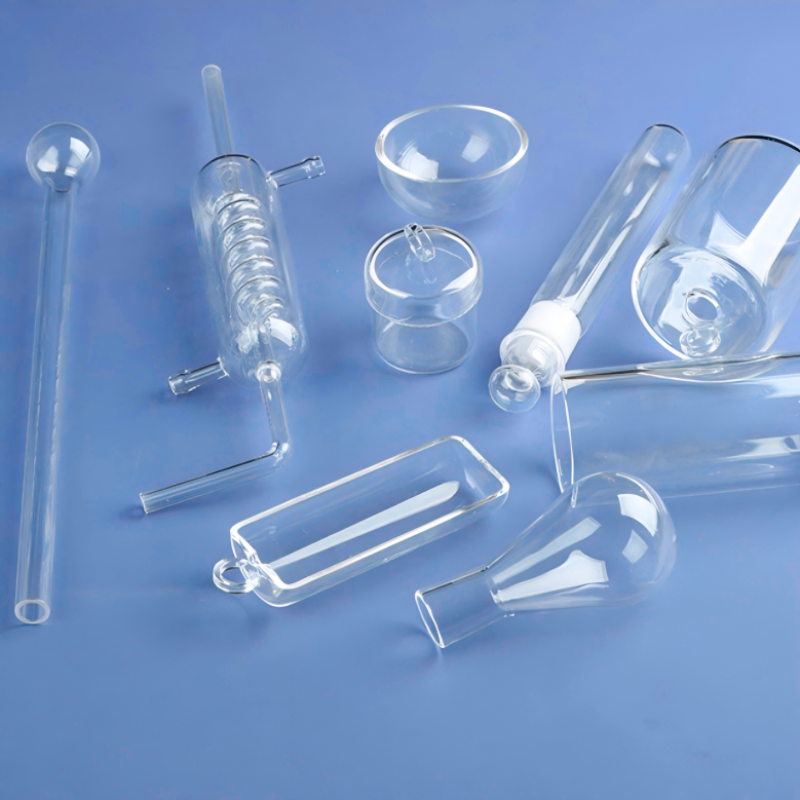
Quartz Glass Tube Plugging Rod Heating Test Tube Boat High Temperature Resistant High Frequency Transparent Polished Surface
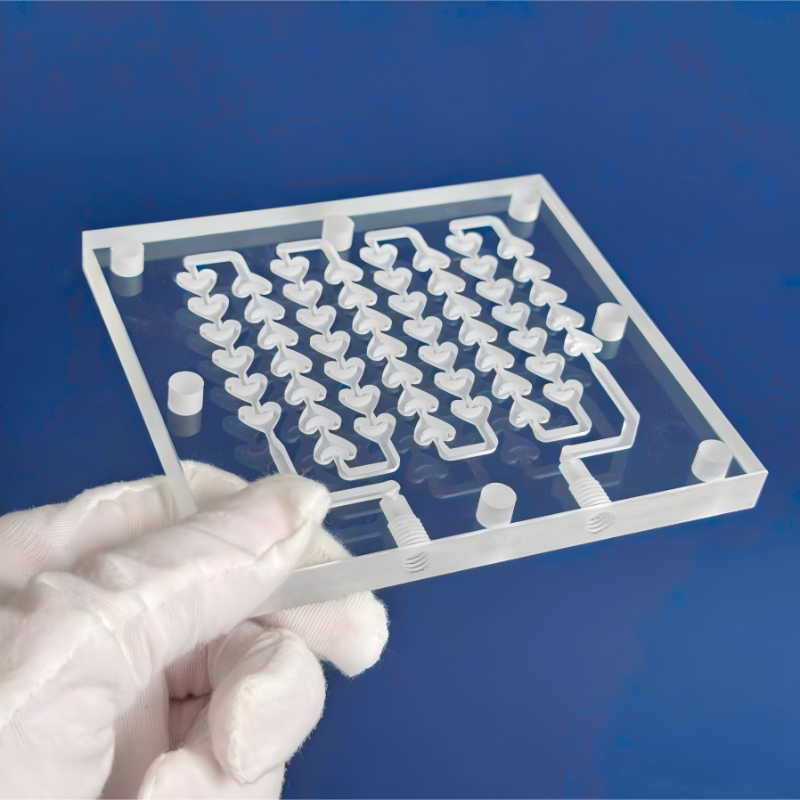
Customized High Thermal Conductance 1750C Melting Point Heat-Exchange Glass Interlayer Chips Circular Shape Quartz
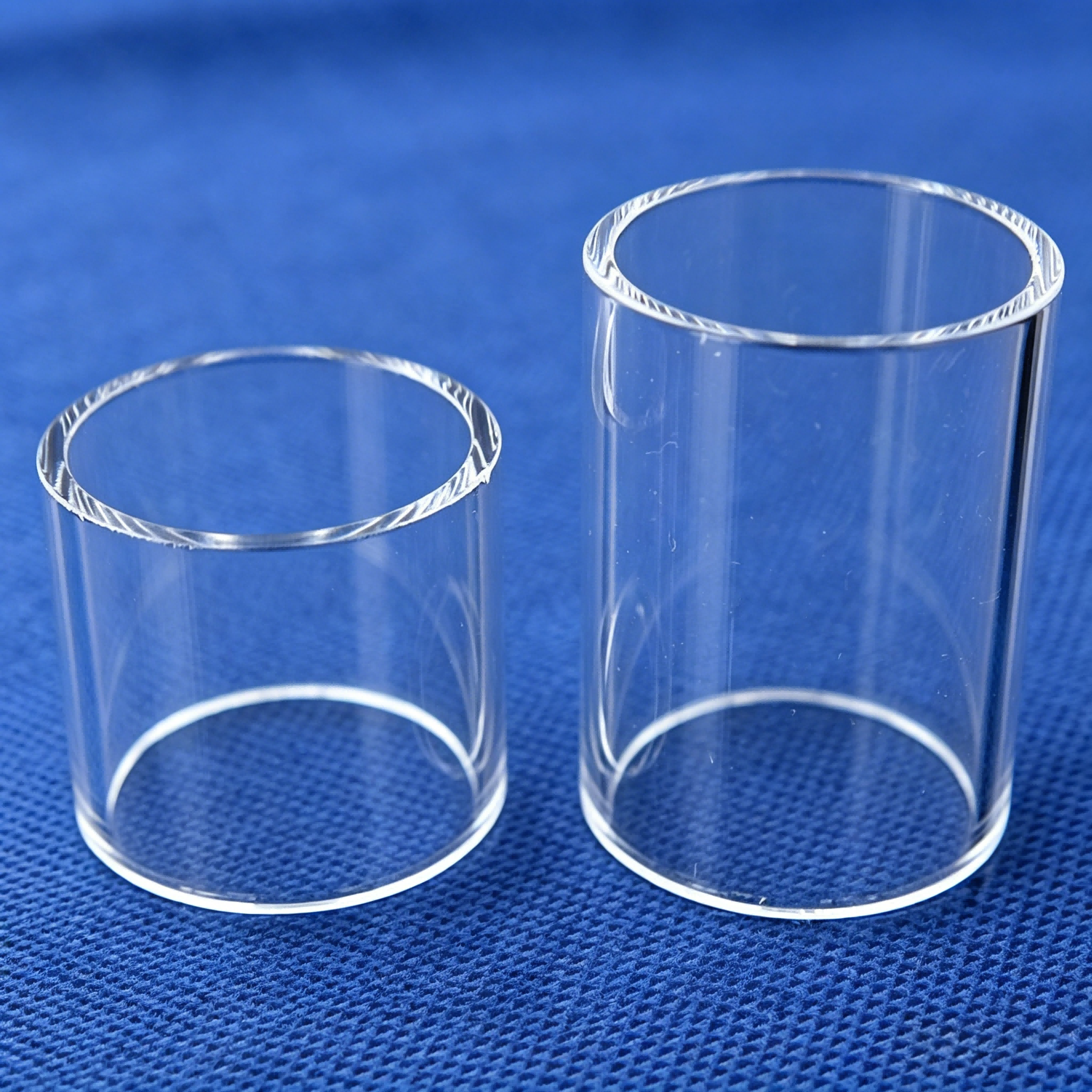
Custom High Temperature Corrosion Resistant Clear Quartz Glass Pipe | Twin Tube Polished Surface Bending/Welding/Cutting SJ 210
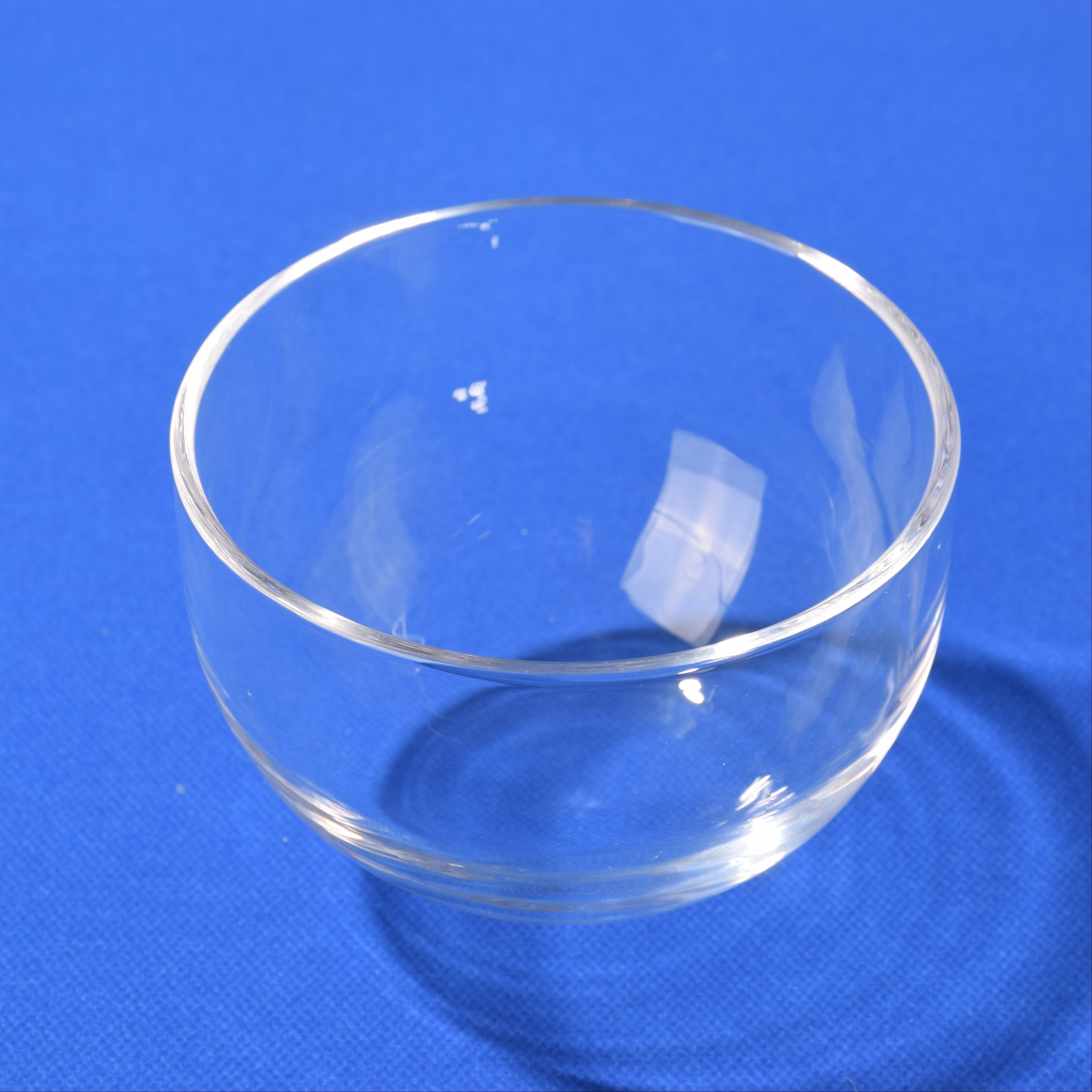
Clear Refractory Fused Quartz Crucible Bowl SJ Brand High Tension Strength 48 N/mm 1683 Softening Point Semiconductor
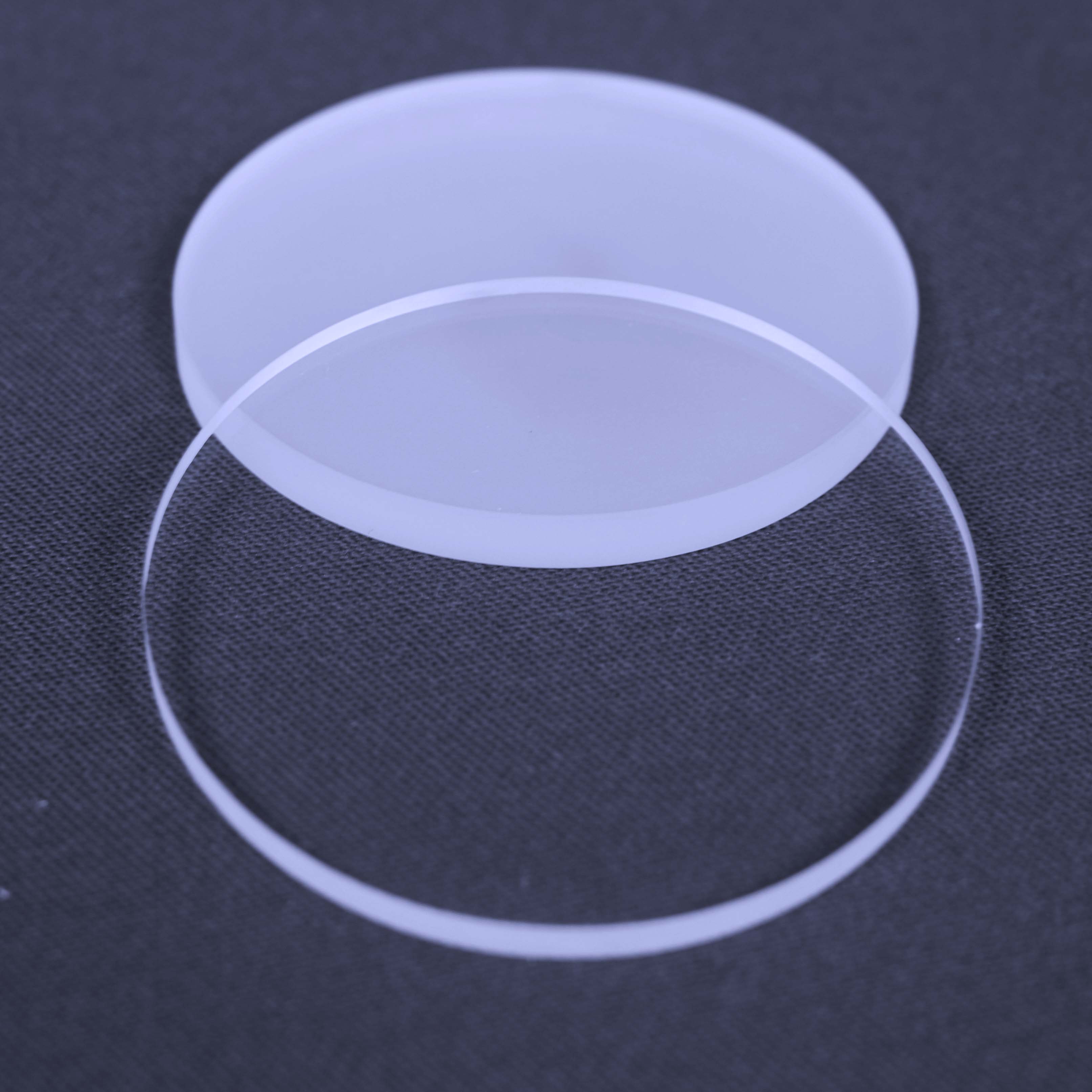
XRD Quartz Holder Test Samples High Transmittance Clear Plate Circular Shape High Melting Point Optical Grade Welding Cutting SJ
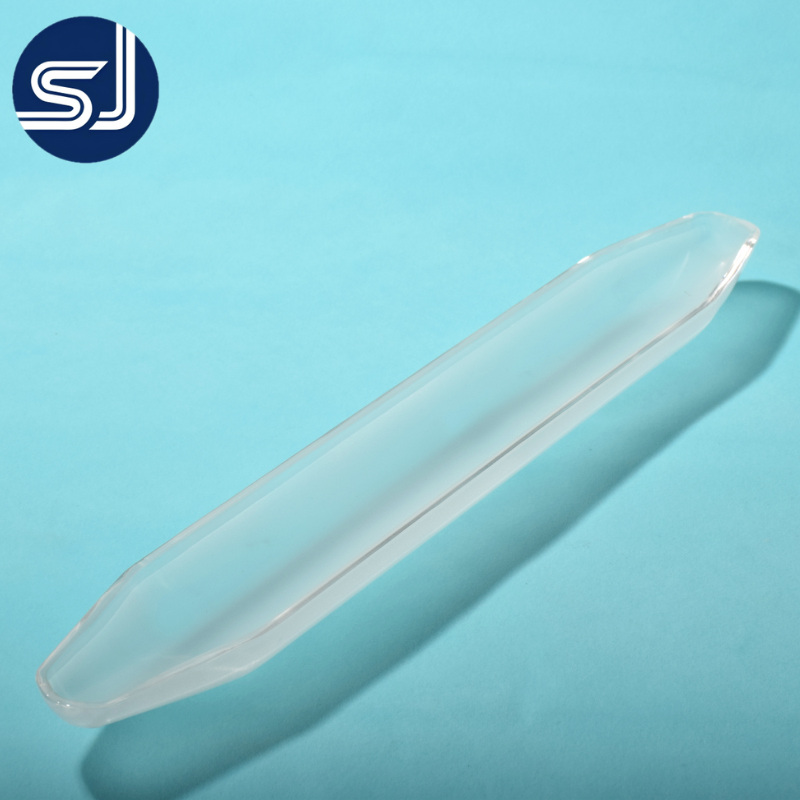
SJ 140 QUARTZ Customizable Transparent High Purity 99.9-99.999% Precision Polished Quartz Boat >85% Transmittance 1100 Lab
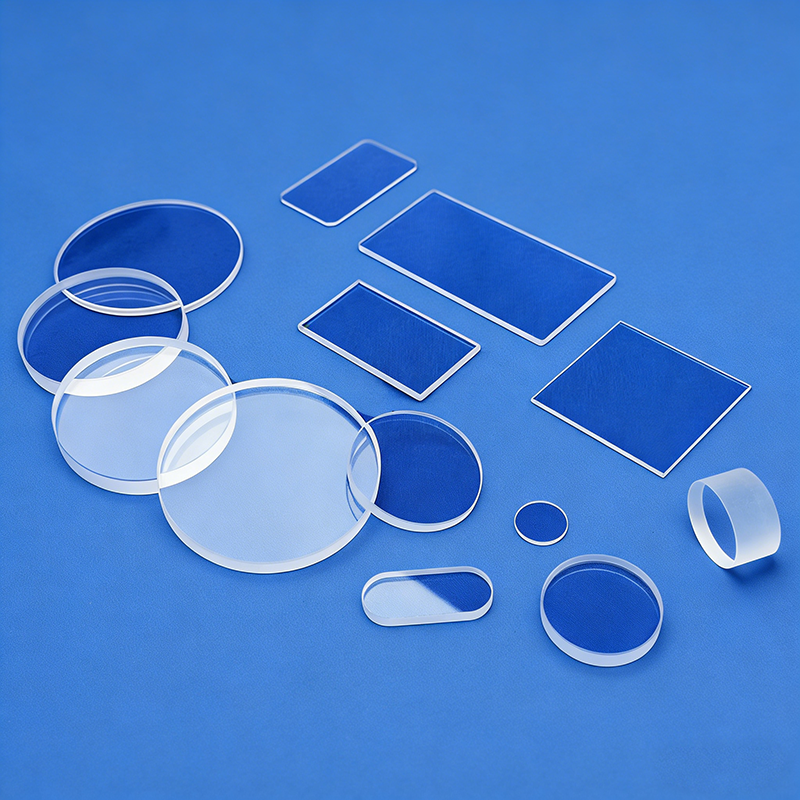
SJ QUARTZ Customized Translucent Natural Fused Quartz Arc-Welding Cutting Services Industrial Lab Applications High Purity Flat
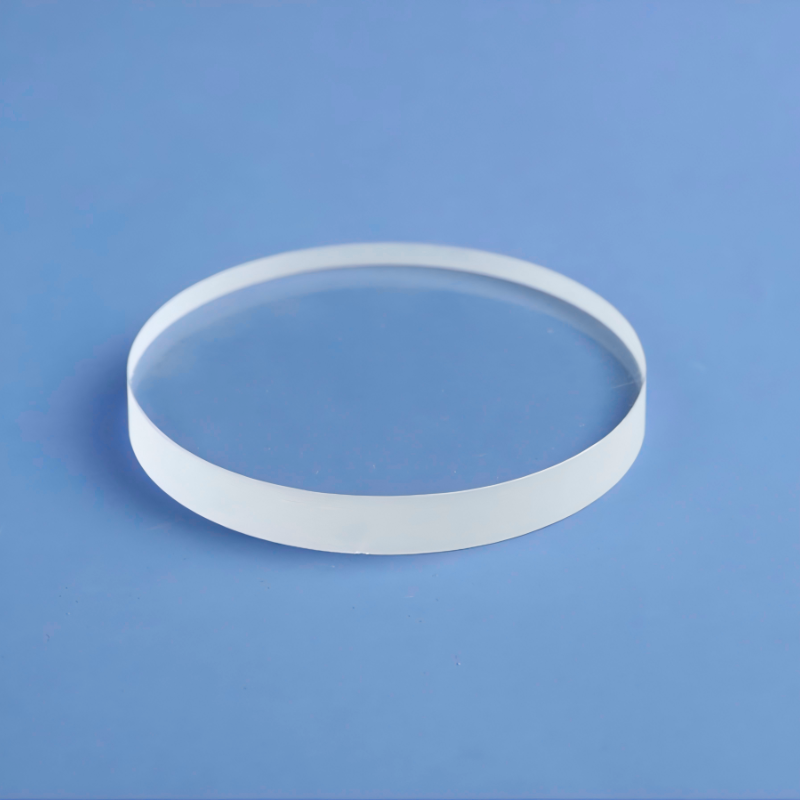
High Temperature Resistant Clear Sapphire Quartz Tablets Fused Silica Glass Sheets Customizable Sizes Polished Cutting Welding
Standard technical glasses—such as industrial borosilicate 3.3 or soda-lime float glass—routinely fail when subjected to aggressive maritime thermal gradients, high-frequency electromagnetic fields, and deep-ultraviolet (DUV) or near-infrared (NIR) spectral loads. Fused quartz disc substrates manufactured by Lianyungang Vulra Quartz Products Co., Ltd. bridge this physical boundary. Derived from refined natural quartz crystal sand directly sourced within Donghai County—the globally acknowledged capital of silicon resource processing in Jiangsu, China—our fused quartz circular discs achieve a pure amorphous silicon dioxide (SiO₂) threshold exceeding 99.99% to 99.999%.
When specifying a fused quartz circular disc or viewport window for installation in industrial machinery or laboratory reactors around Famagusta (Gazimağusa), engineering teams must delineate between electrically fused natural quartz, gas-refined quartz, and synthetic fused silica.
Electrically fused quartz disc blanks (corresponding to the JGS2 standard) offer supreme thermal stability up to continuous operating limits of 1100°C, remaining virtually inert against thermal shock even when plunged from red-hot furnace conditions into ambient cold water. Their negligible coefficient of thermal expansion ($\alpha = 5.5 \times 10^{-7}\text{ K}^{-1}$ across the 20°C to 320°C span) guarantees absolute optical plane flatness without mechanical distortion. Conversely, synthetic fused silica (JGS1), synthesized from chemical precursor chlorosilanes ($\text{SiCl}_4$), eliminates virtually all trace metallic dopants (Al, Fe, Ti, Na < 0.1 ppm), rendering the disc transparent into the DUV spectrum down to 185 nm without solarization or darkening under high-intensity excimer laser radiation.
| Performance Parameter | Electrically Fused Natural Quartz (JGS2) | Synthetic Fused Silica (JGS1) | Borosilicate Glass 3.3 (Benchmark) |
|---|---|---|---|
| Silicon Dioxide (SiO₂) Content | ≥ 99.99% | ≥ 99.9999% | ≈ 80.6% |
| Continuous Maximum Working Temp | 1100 °C | 1150 °C | 450 °C |
| Short-Term Annealing / Softening | 1215 °C / 1683 °C | 1220 °C / 1710 °C | 560 °C / 820 °C |
| Coefficient of Thermal Expansion (CTE) | $5.5 \times 10^{-7}\text{ /}^\circ\text{C}$ | $5.2 \times 10^{-7}\text{ /}^\circ\text{C}$ | $3.3 \times 10^{-6}\text{ /}^\circ\text{C}$ |
| UV Transmission Cut-off Edge | ≈ 220 nm | ≈ 185 nm | ≈ 310 nm |
| Hydrodynamic & Acid Resistance | Class 1 (Unaffected by HCl, HNO₃, H₂SO₄) | Class 1 (Extreme Pure Chemical Inertness) | Moderate (Attacked by hot alkalis) |
| Dielectric Strength (20°C, 1 MHz) | $25 - 40\text{ kV/mm}$ | $30 - 45\text{ kV/mm}$ | $10 - 15\text{ kV/mm}$ |
Famagusta serves as the primary maritime commercial gateway and an academic epicenter of Northern Cyprus. Sourcing industrial parts requires distinct environmental awareness: coastal saline atmosphere, intense UV exposure, high regional water hardness, and specialized research infrastructure require robust, failure-proof transparent media.
Maritime Marine Engineering & Sight Port Glasses
Vessels berthing at the Port of Famagusta, alongside regional dry-dock maintenance crews, employ Vulra Quartz circular discs as high-pressure sight glasses in marine steam turbines, exhaust gas scrubbers, and fuel heating circuits. Unlike standard glass, fused quartz withstands instantaneous cold sea-spray impingement onto observation ports heated past 600°C without mechanical rupture.
University Research Labs (EMU & Advanced Centers)
The engineering, chemistry, and physics departments at Eastern Mediterranean University (Doğu Akdeniz Üniversitesi) rely on Vulra's optical quartz discs, customized XRD sample holders, and tubular furnace accessories for thin-film semiconductor synthesis, perovskite solar-cell deposition, and Raman spectroscopy where background luminescence must remain zero.
Concentrated Solar Power (CSP) & Photovoltaic R&D
Operating across the high-solar-irradiance Mesaoria Plain surrounding Famagusta, experimental solar micro-reactors and high-temperature thermal collectors demand fused silica cover plates and discs exhibiting over 93% total solar spectral transmittance, zero thermal lensing, and complete resilience to solarization caused by Mediterranean UV rays.
Desalination & Advanced Brine Treatment Sensors
Regional coastal reverse osmosis facilities and thermal desalination plants utilize custom-dimensioned fused silica discs as optical inspection ports within ultra-high-pressure monitoring cells. Quartz prevents bio-fouling adhesion, withstands aggressive sodium hypochlorite cleaning cycles, and resists pitting caused by hot brine concentrates.
High-Temperature Industrial Furnaces & Ceramics
Local refractory producers and specialty fabrication facilities deploy Vulra's circular discs as blast-furnace inspection viewports. The low thermal conductivity ($k = 1.4\text{ W}/(\text{m}\cdot\text{K})$) provides personnel safety while granting unobstructed flame geometry visibility without color distortion or softening up to 1200°C.
Electrochemical Cells & Photolysis Reactors
Applied electrochemistry and wastewater purification systems in Cyprus utilize sealed dome and flat-disc fused quartz reactor covers. With extreme chemical neutrality against volatile acids and ozone gases, these components ensure that photochemical decomposition measurements remain uncontaminated by silica dissolution.
Over the past decade, the Eastern Mediterranean has transitioned from a traditional agricultural and tourist economy into an emerging hub for green hydrogen research, offshore pipeline telemetry, and academic technology incubators. This shift has reshuffled the industrial supply chain for engineered quartz glass:
- Decline of European Middlemen Distribution: Historical supply lines to Famagusta routed through continental European distributors, adding 60–120% markup margins and prolonged 12-week transit delays. Local procurement teams now partner directly with certified Chinese manufacturing facilities in Donghai, securing direct factory pricing and custom CAD manufacturing within 5 to 7 days.
- Surging Demand for Low-Volume High-Mix (LVHM) Customization: University pilot programs and niche engineering workshops rarely require standardized mass runs. The capability to manufacture custom quartz discs from a minimum order quantity (MOQ) of just 1 piece—tailored by laser cutting, precision core-drilling, and optical flame polishing—has become the prerequisite standard for Famagusta buyers.
- Stringent Verification Credentials: Heightened international scrutiny requires fully traceable mill test certificates, RoHS and CE compliance, and independent factory assessments by third-party bodies such as TÜV Rheinland, ensuring complete material authenticity and elimination of counterfeit reconstituted glass.
Operational Focus: Direct Shipping Corridors from Lianyungang to Famagusta Port
Maritime freight of precision quartz glass requires specialized consolidation to navigate the transit corridor between China's eastern seaboard and the port of Famagusta. Dispatching from our Lianyungang production facility—situated directly adjacent to one of China's primary deep-water container ports—consignments are secured within shock-damped, moisture-sealed multi-layered wooden crates.
Cargo routinely traverses established Mediterranean feeder links via Mersin or Piraeus, clearing through Famagusta Customs with full Certificate of Origin (CO), packing lists, material analysis data sheets, and verified bill of lading documentation. For emergency academic research needs or urgent shipboard repairs, our logistics department executes express air freight via Ercan International Airport (ECN) or Larnaca, achieving factory-to-bench delivery in 5 to 8 working days.
What is the standard delivery timeframe for custom quartz discs arriving in Famagusta?
How do you safeguard fragile, thin-gauge quartz discs against maritime vibration and handling impact?
Can your facility manufacture custom quartz viewports directly from AutoCAD or STEP files?
How does coastal saline humidity in Famagusta affect fused quartz compared to standard borosilicate?
What optical surface quality grades and parallelism tolerances can Vulra Quartz deliver?
Is there a minimum order quantity (MOQ) for non-standard disc geometries or step-flanged viewports?
How do we verify the authenticity of the material grade to avoid low-grade recycled silica?
Can fused quartz discs be safely used with hydrofluoric (HF) or phosphoric acids?
Why Industrial Procurement Officers Choose Vulra Quartz
Origin in Donghai Crystal Hub
Direct factory operation in Donghai County—the epicenter of global quartz purification—guarantees uninterrupted access to high-purity natural silica sand, eliminating raw material bottlenecks and price spikes.
TÜV Rheinland Assessed & Verified
Our complete production line, technical qualifications, cleanroom inspection rooms, and corporate business legitimacy are on-site assessed and certified by TÜV Rheinland for global trade confidence.
Dual Cold & Hot Processing
From high-temperature oxy-hydrogen glass blowing lathes to sub-micron double-sided optical grinding machines, ultrasonic drilling, and computerized annealers, all manufacturing takes place within one roof.
End-to-End Stress Annealing
Every welded or ground quartz disc is subjected to programmed fine annealing cycles in high-vacuum kilns, eliminating residual internal stresses, preventing birefringence, and preventing thermal shattering under pressure.