Export-Grade Quartzware for Semiconductor & Analytical Systems
Direct factory supply of high-purity single-crystal fused quartzware, manufactured in Donghai under ISO9001 certified process controls and calibrated for low thermal devitrification in high-stress processing.
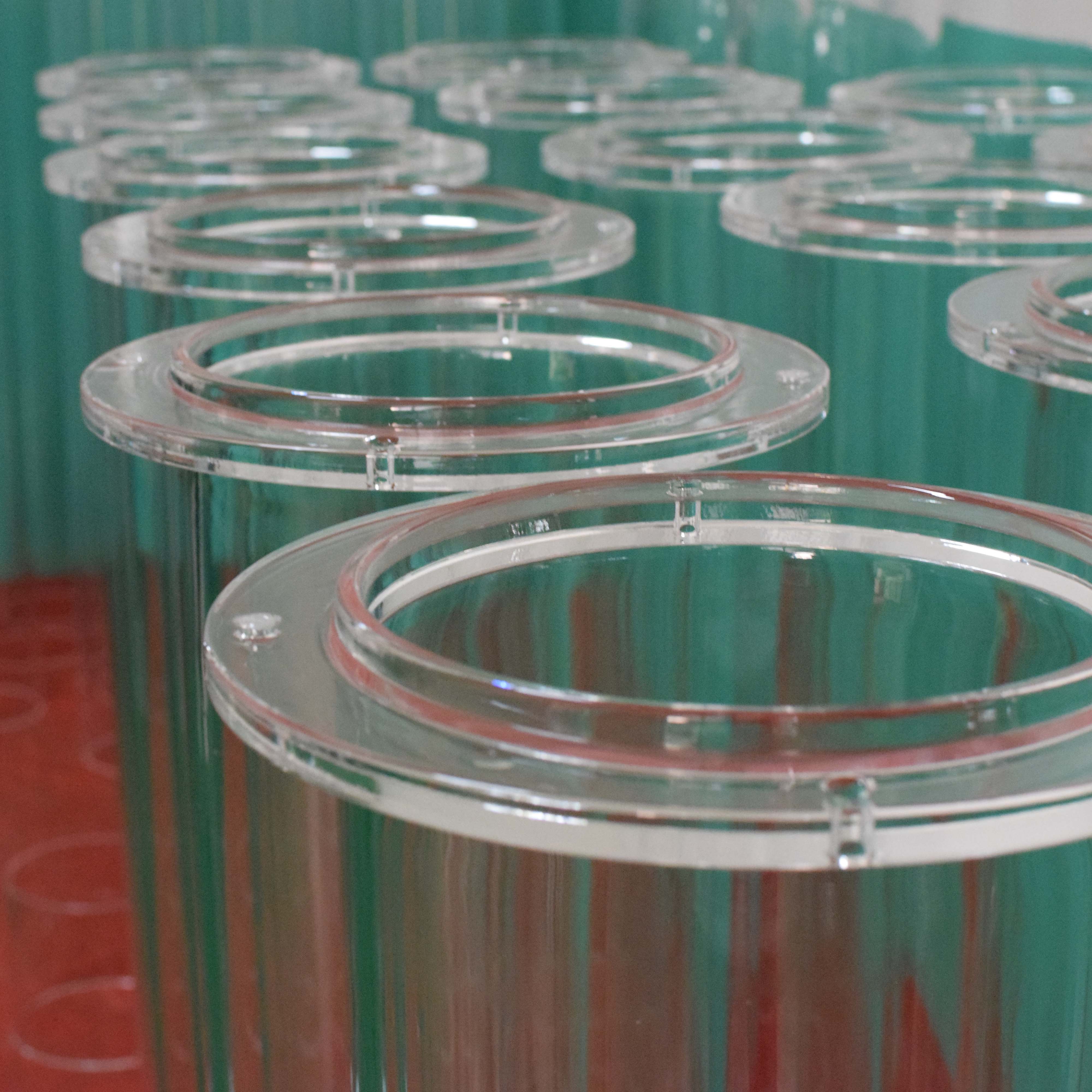
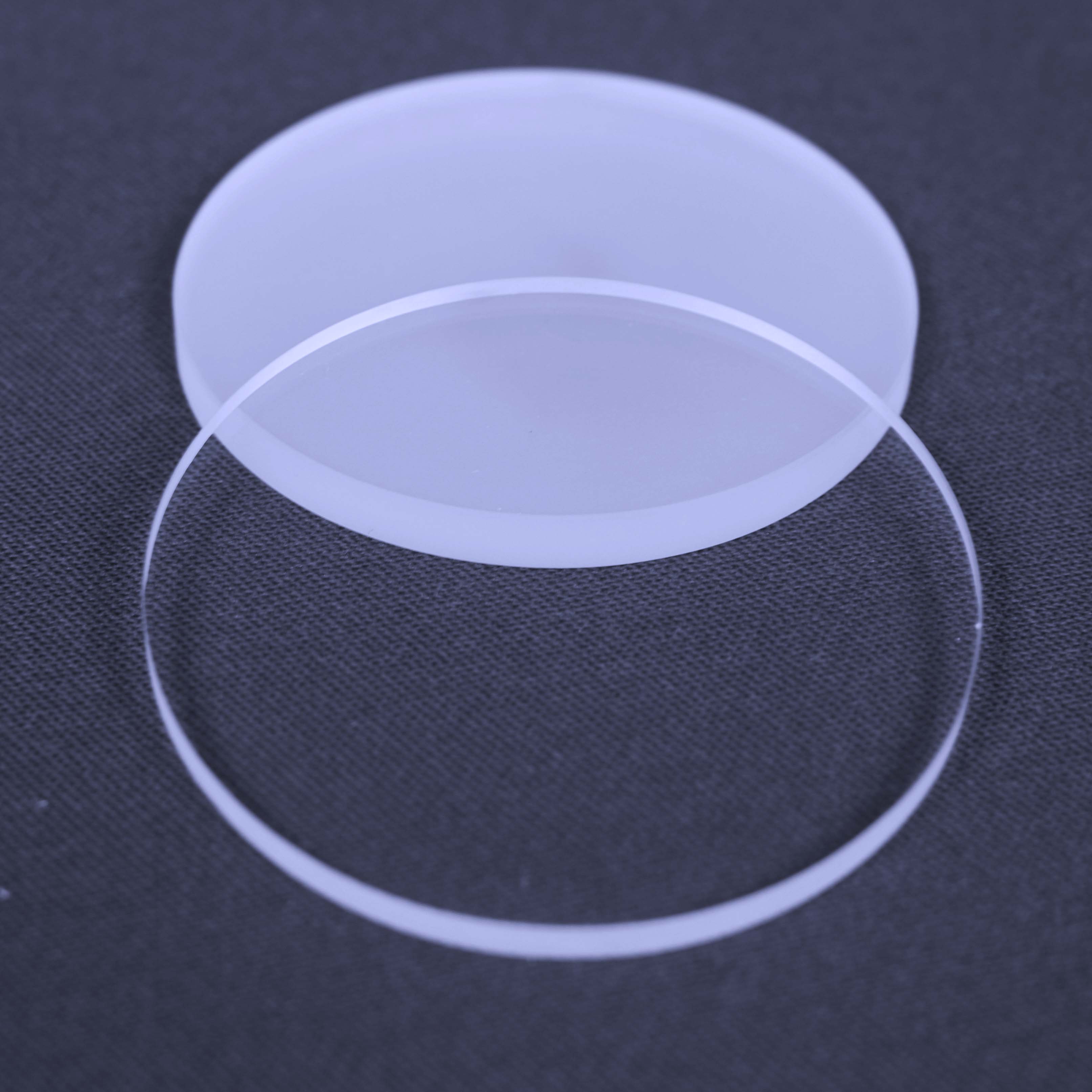
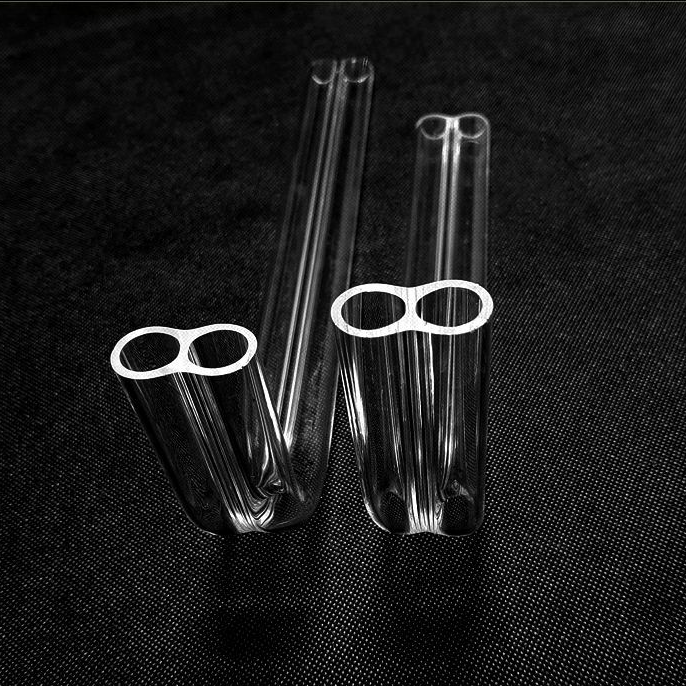
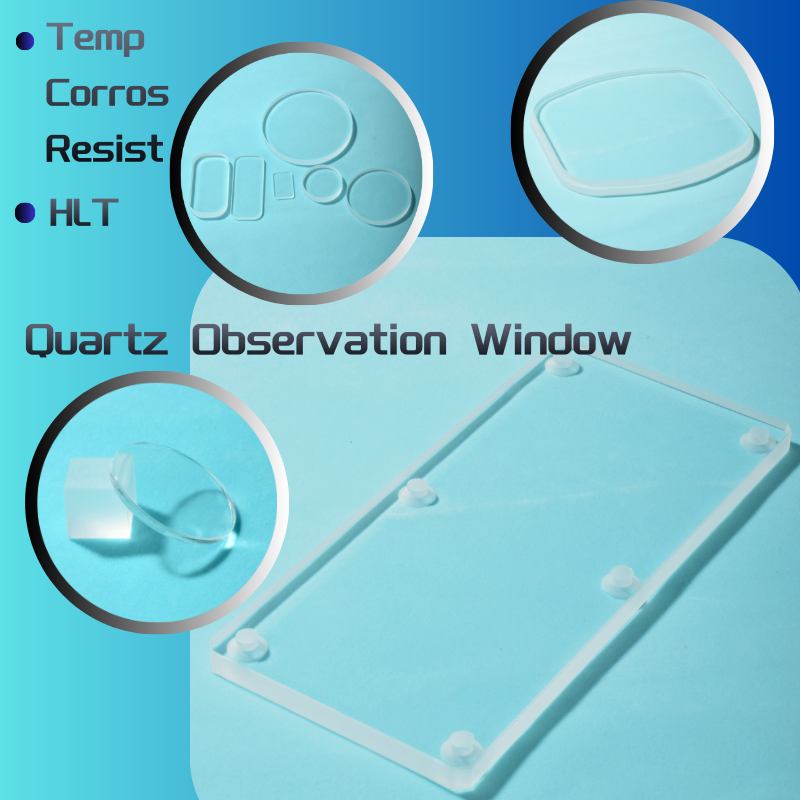
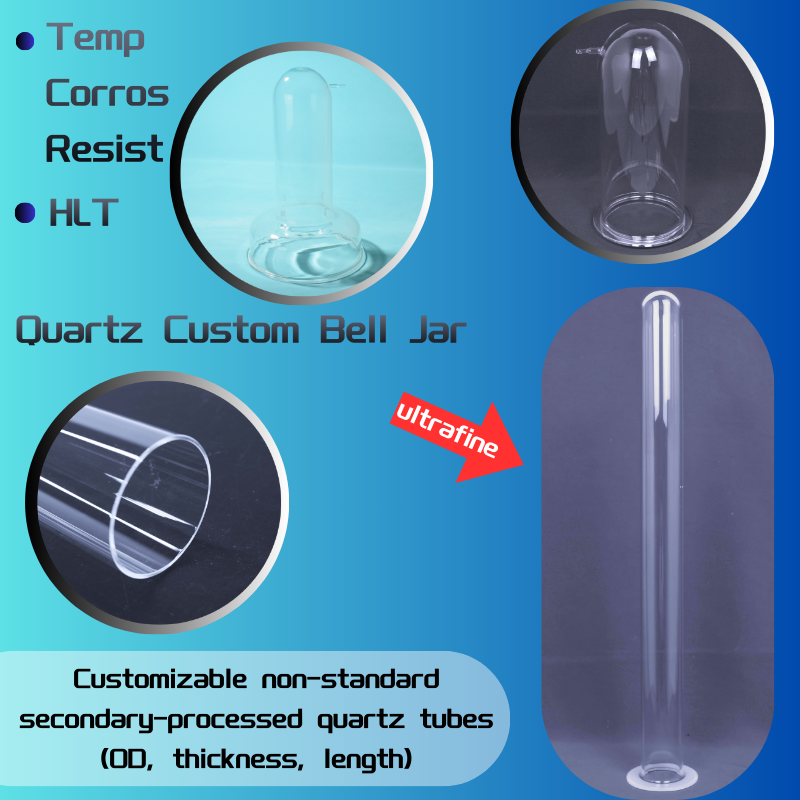
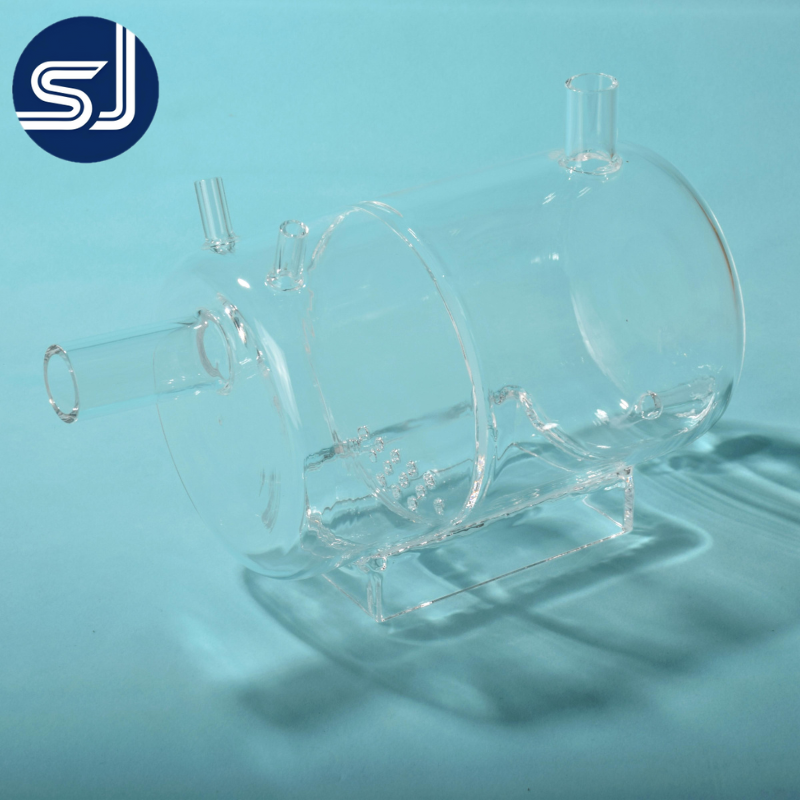
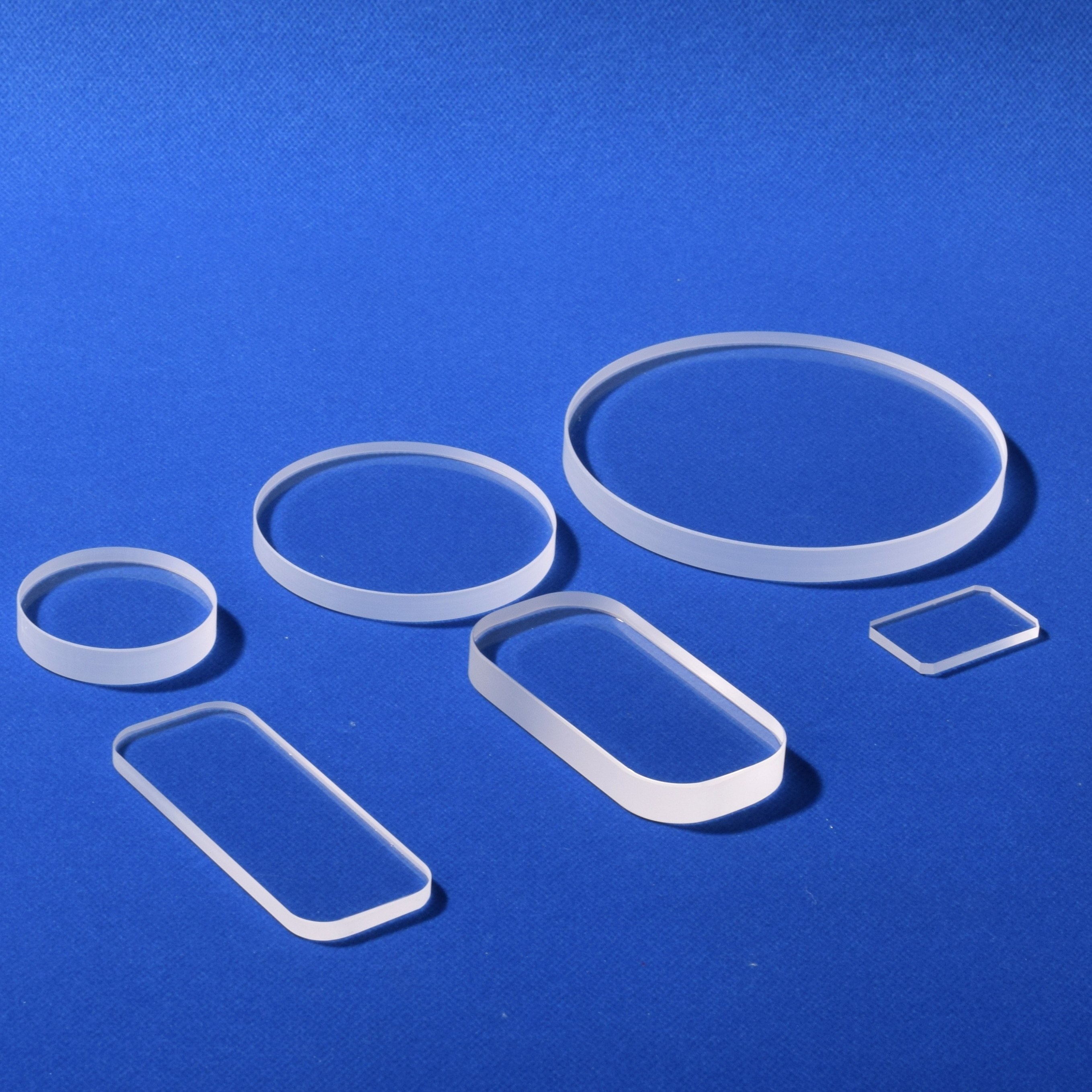
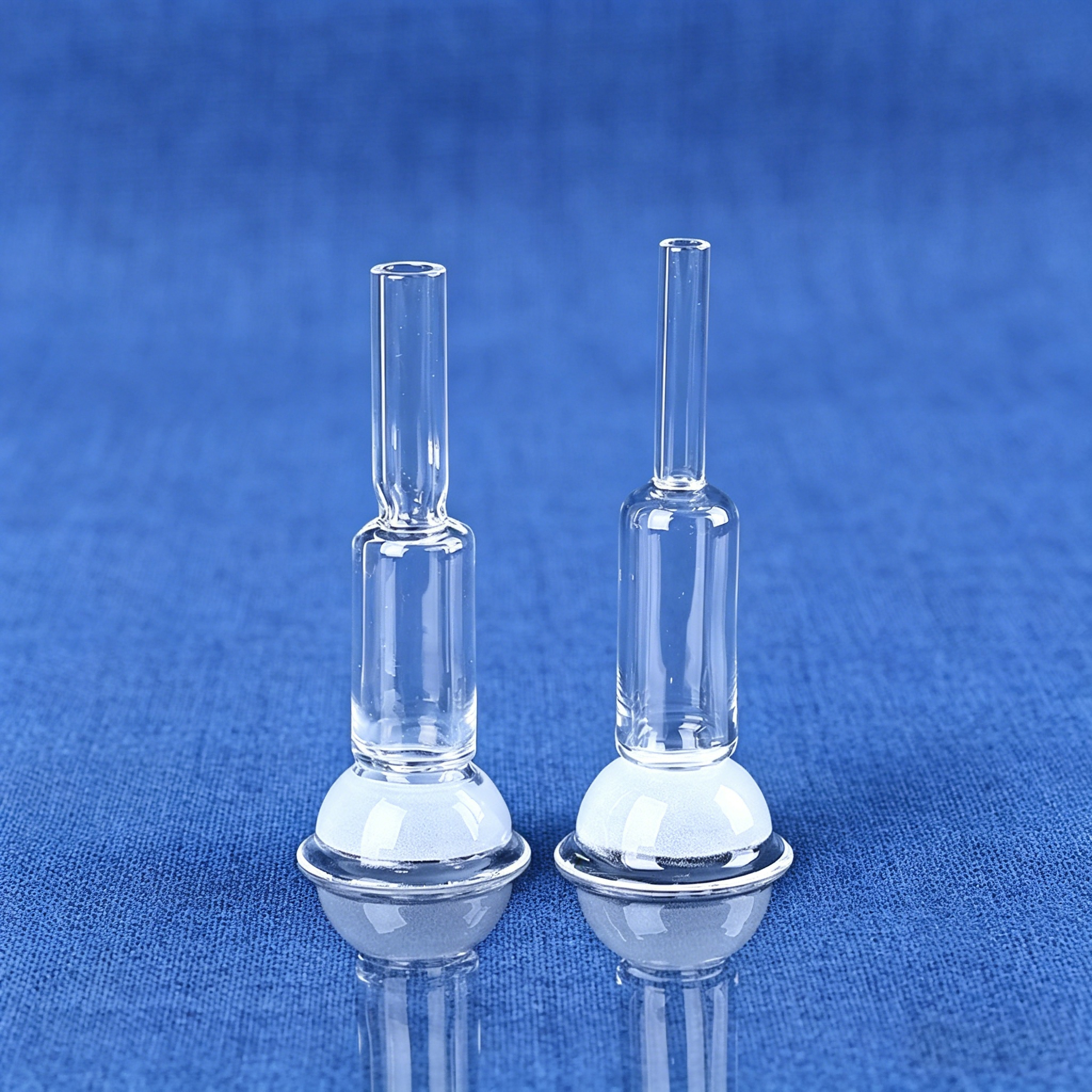
Metallurgical Purity, Thermal Kinetics, and Devitrification Mechanics of Fused Quartz Carriers
In modern microfabrication and advanced material synthesis, the quartz wafer boat is not merely a passive mechanical substrate; it is an active boundary material in high-temperature diffusion furnaces, rapid thermal processing (RTP) chambers, and low-pressure chemical vapor deposition (LPCVD) tubes. Norwegian nanofabrication hubs, from Trondheim to Oslo, operate under rigorous process purity mandates where any microscopic volatilization of alkali metal impurities or trace heavy metals directly impairs minority carrier lifetimes in high-efficiency silicon photovoltaics or causes catastrophic gate dielectric breakdown in micro-electro-mechanical systems (MEMS).
Manufactured from ultra-pure natural crystal sands mined in premier geological veins and refined via precision oxy-hydrogen fusion, our fused silica products maintain an absolute silicon dioxide (SiO₂) threshold exceeding 99.999%. The control of transition metals (iron, copper, nickel) and alkali elements (sodium, potassium, lithium) is held to sub-ppm levels via inductively coupled plasma mass spectrometry (ICP-MS) lot tracking. Preventing alkali diffusion is crucial because mobile ions such as Na⁺ migrate rapidly through silicon dioxide networks above 800°C, leading to thermal drift and threshold voltage instability in processed wafers.
Thermal Expansion Equilibrium and Devitrification Suppression
The thermal coefficient of linear expansion (CTE) of high-purity fused quartz is extraordinarily low at 5.5 × 10⁻⁷ /°C across the 20°C to 1000°C operational envelope. This imparts exceptional thermal shock resistance, enabling furnace boats loaded with 25 to 100 semiconductor wafers to withstand rapid insertion and withdrawal cycles without structural warpage or microscopic fracture. However, sustained operations above 1150°C initiate homogeneous nucleation of crystalline cristobalite on the quartz surface—a phenomenon known as devitrification. Cristobalite possesses a distinct crystalline phase transformation at approximately 220°C to 270°C accompanied by a sudden 3% volumetric contraction. When a thermal boat cycles through this boundary, differential thermal stress generates microcracking, particle spalling, and boat structural failure.
Our proprietary manufacturing process resolves this via multi-stage controlled thermal annealing at 1150°C followed by computerized gradual cooling, effectively neutralizing residual mechanical shear stresses induced during precision flame-welding and diamond-wheel slot grinding. The surface of every wafer boat is chemically etched using semiconductor-grade electronic hydrofluoric (HF) acid and ultrapure deionized (DI) water (18.2 MΩ·cm) to eliminate surface nucleation micro-contaminants, thereby increasing the operational lifetime of the boat by up to 40% under high-throughput Nordic cleanroom protocols.
| Physicochemical Parameter | Vulra Semiconductor Grade (99.999%) | Industrial High-Temp Grade (99.99%) | Test & Calibration Method |
|---|---|---|---|
| SiO₂ Content (Absolute Purity) | ≥ 99.999% | ≥ 99.99% | ICP-OES / ICP-MS Spectrometry |
| Total Fe / Cu / Ni (Transition Metals) | < 0.15 ppm | < 0.8 ppm | Direct Trace Elemental Analysis |
| Alkali Metals (Na + K + Li) | < 0.6 ppm | < 1.5 ppm | Atomic Absorption Spectroscopy |
| Softening Point / Annealing Point | 1683°C / 1215°C | 1650°C / 1180°C | Dilatometric Thermal Analysis |
| Hydroxyl (OH⁻) Radical Content | < 10 ppm (Low-OH Vacuum Baked) | < 30 ppm | Fourier Transform Infrared (FTIR) |
| Slot Pitch Positional Tolerance | ± 0.02 mm | ± 0.05 mm | Optical Coordinate Measurement (CMM) |
Precision Quartz Applications Across Norway's Technology Corridors
From micro- and nanotechnology fabrication centers in Trondheim and Oslo to specialized subsea sensor clusters in Horten, Norwegian industry relies on certified, low-carbon fused quartz products engineered to demanding Nordic specifications.
Micro- and Nanotechnology Cleanrooms (NTNU NanoLab & SINTEF MiNaLab)
Academic and applied research laboratories require tailored, high-precision vertical and horizontal wafer boats for multi-user diffusion furnaces. Processing non-standard III-V semiconductors, silicon carbide (SiC), and microfluidic sensors requires custom slot geometries that eliminate wafer pinching and thermal shadowing during chemical vapor deposition.
Ultra-Low Carbon Silicon Solar & Ingot Pulling
Norway is globally recognized for low-carbon silicon ingot production leveraging clean domestic hydroelectric energy. Our large-diameter quartz crucibles, feeder tubes, and thermal baffle plates provide absolute structural integrity and low dissolution rates in molten silicon environments at 1420°C, preventing oxygen and carbon contamination.
Subsea Acoustics & Harsh Offshore Sensing (Horten & Bergen Clusters)
Marine sensor systems deployed on the Norwegian Continental Shelf demand optical observation windows and piezoelectric quartz crystal holders that withstand hydrostatic pressure and thermal fluctuations. Our optical-grade fused silica windows maintain dimensional stability under cyclic pressures exceeding 400 bar.
Green Hydrogen & High-Temperature Electrolysis R&D
Norwegian energy transitions focus on solid oxide electrolyzer cells (SOEC) and membrane reactors. Our custom quartz flow-splitting bottles, C-shaped BET analysis tubes, and sealed electrolytic reaction cells facilitate precise high-temperature gas phase kinetics and catalytic surface area characterization.
Quantum Photonics & Integrated Optical Waveguides
Cutting-edge research at the University of Oslo (UiO) utilizes synthetic fused silica and polished optical quartz plates with deep-UV transmission (>90% at 193 nm). These substrates serve as dielectric base layers for planar waveguide lithography, providing zero optical fluorescence and pristine surface parallelism.
Geochemical & Marine Environmental Mass Spectrometry
Norway's environmental surveillance institutes utilize our ultra-pure quartz distillation flasks and corrosion-resistant reaction tubes for high-purity acid digestion. The near-zero background leaching of boron, titanium, and calcium ensures accurate elemental analysis in sub-ppb Arctic environmental assays.
Emerging Trends in the Norwegian Advanced Manufacturing Sector
The manufacturing and technical sourcing landscape in Norway is experiencing a generational transformation influenced by European decarbonization mandates, the European Chips Act ecosystem expansion, and strict supply chain transparency regulations under the Norwegian Transparency Act (Åpenhetsloven). Companies procuring quartz components are prioritizing suppliers who provide verifiable metallurgical consistency, environmental traceability, and European conformity certifications.
Transition to 200mm & 300mm Automated Furnace Handling
As Norwegian semiconductor prototyping and sensor fabrication facilities upgrade to automated handling lines, mechanical tolerances on quartz wafer boats have tightened. Conventional manual flame-worked carriers exhibit thermal variances that trigger robotics wafer-load errors. Our CAD-integrated diamond cutting stations generate precision teeth slots with angular tolerances under ±0.05°, preventing robotic end-effector misalignment and wafer slippage during rapid ramp-rate LPCVD cycles.
Demand for Cradle-to-Gate Traceability & CE/RoHS Compliance
Norwegian engineering buyers require end-to-end documentation confirming compliance with EU Directive 2011/65/EU (RoHS) and CE marking directives for equipment incorporated into commercial processing lines. Our factory operates with comprehensive material safety certifications, documenting that all fused silica tubes, flanges, and boats are completely free of hazardous lead, cadmium, mercury, and polybrominated biphenyls.
Furthermore, the integration of energy-intensive semiconductor thermal processing with Norway's 98% renewable power grid has created high demand for thermal efficiency. Our vacuum-baked, low-OH fused quartz carriers feature an exceptionally dense microstructural matrix that maximizes infrared radiant heat transfer, accelerating thermal equalization across 100-wafer furnace zones and reducing furnace electrical power consumption during prolonged diffusion dwell times.
Why Engineering Teams Choose Vulra Quartz
Headquartered in Donghai, the global hub of fused silica crystal processing, Lianyungang Vulra Quartz Products Co., Ltd. combines raw-material cost advantages with German TÜV Rheinland-inspected production standards.
Drawing-Based Engineering
Every RFQ is verified by senior quartz glassblowers for wall-to-diameter ratios, weld seam stress profiles, and wafer pitch thermal dynamics before production begins.
Prototyping from 1 PC
Eliminate excessive inventory commitments. We fabricate custom-designed wafer boats, vacuum tubes, and observation windows starting from single-piece test samples.
Full In-House Machining
From CNC diamond slicing, wire-saw cutting, and laser slotting to hydrogen flame bench lathe welding and optical polishing, all steps remain strictly under our unified factory roof.
Shock-Proof Nordic Logistics
Custom foam cavity molds, hermetic vacuum-sealed bags, desiccant liners, and reinforced export timber cases guarantee zero chipping or microfracture delivery to Oslo, Bergen, or Trondheim.
Independently Audited & Authenticated by TÜV Rheinland
Lianyungang Vulra Quartz Products Co., Ltd. has completed comprehensive on-site assessments by TÜV Rheinland. Our audited scope includes customized high-purity quartz tube blowing, precision CNC boat slotting, furnace component fabrication, and material purity assurance. Buyers across the EEA can review our factory verification credentials and third-party inspection dossiers upon request.
Frequently Asked Questions by Norwegian Buyers
Straightforward, technical answers regarding CE documentation, toll duties, cleanroom packaging standards, and furnace operation guidelines for Nordic purchasers.
What specific CE documentation and chemical safety reports are supplied with shipments to Norway?
How are custom quartz wafer boats packaged to prevent cleanroom contamination and shipping breakage?
What are the dimensional tolerances for custom wafer slot geometries (thickness, pitch, angle)?
What is the recommended cleaning protocol to avoid devitrification in high-temperature Norwegian fab operations?
What Incoterms and delivery timelines apply to orders exported to Oslo, Stavanger, or Bergen?
Can you supply synthetic fused silica alternatives if deep-UV transmittance or near-zero OH radical levels are required?
Request an Engineering Consultation & Custom Quotation
Submit your 2D/3D technical drawings (CAD, DWG, STEP, or PDF) for our engineering team to review wall tolerances, thermal stress profiles, and material purity parameters. Prototypes available from 1 piece.