Engineered Industrial Quartz Glass & Heating Assemblies
Direct supply from Donghai's premier quartz manufacturing base to industrial facilities across Athens, Thessaloniki, Patras, Larissa, and Heraklion. 100% compliant with EU Low Voltage & Machinery Directives.
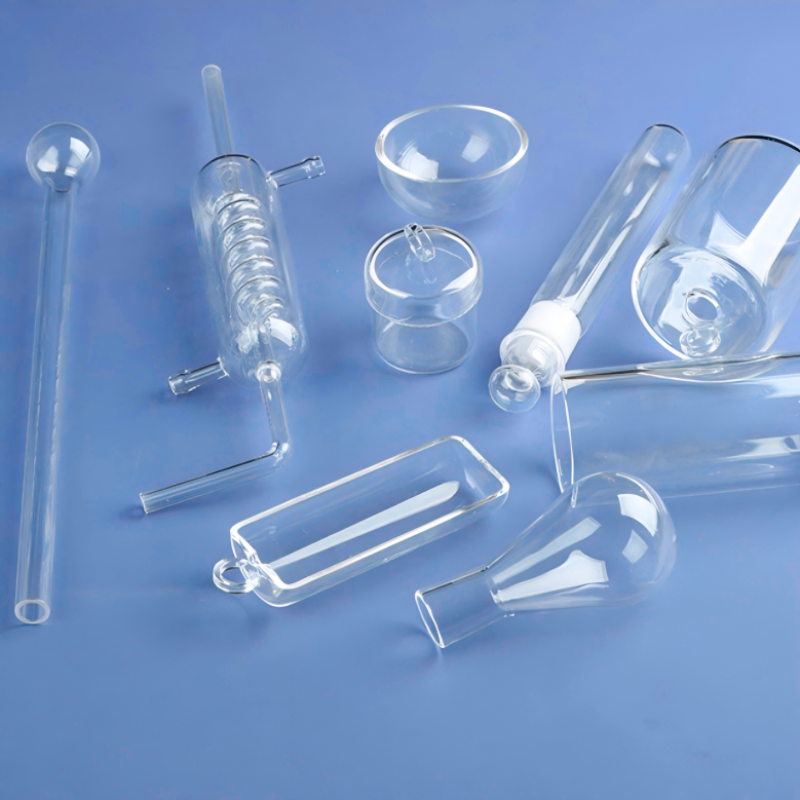
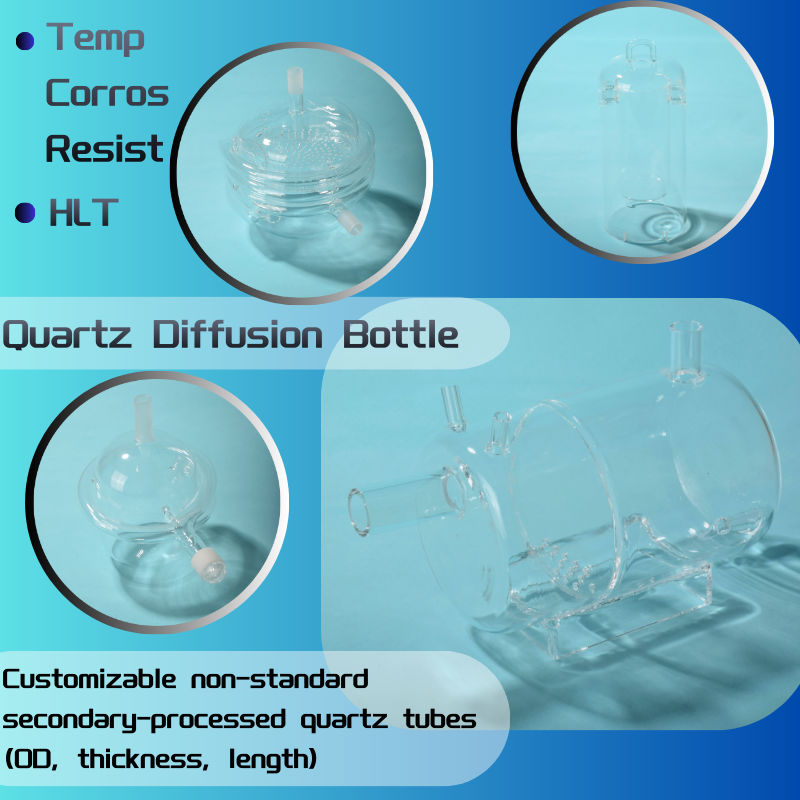
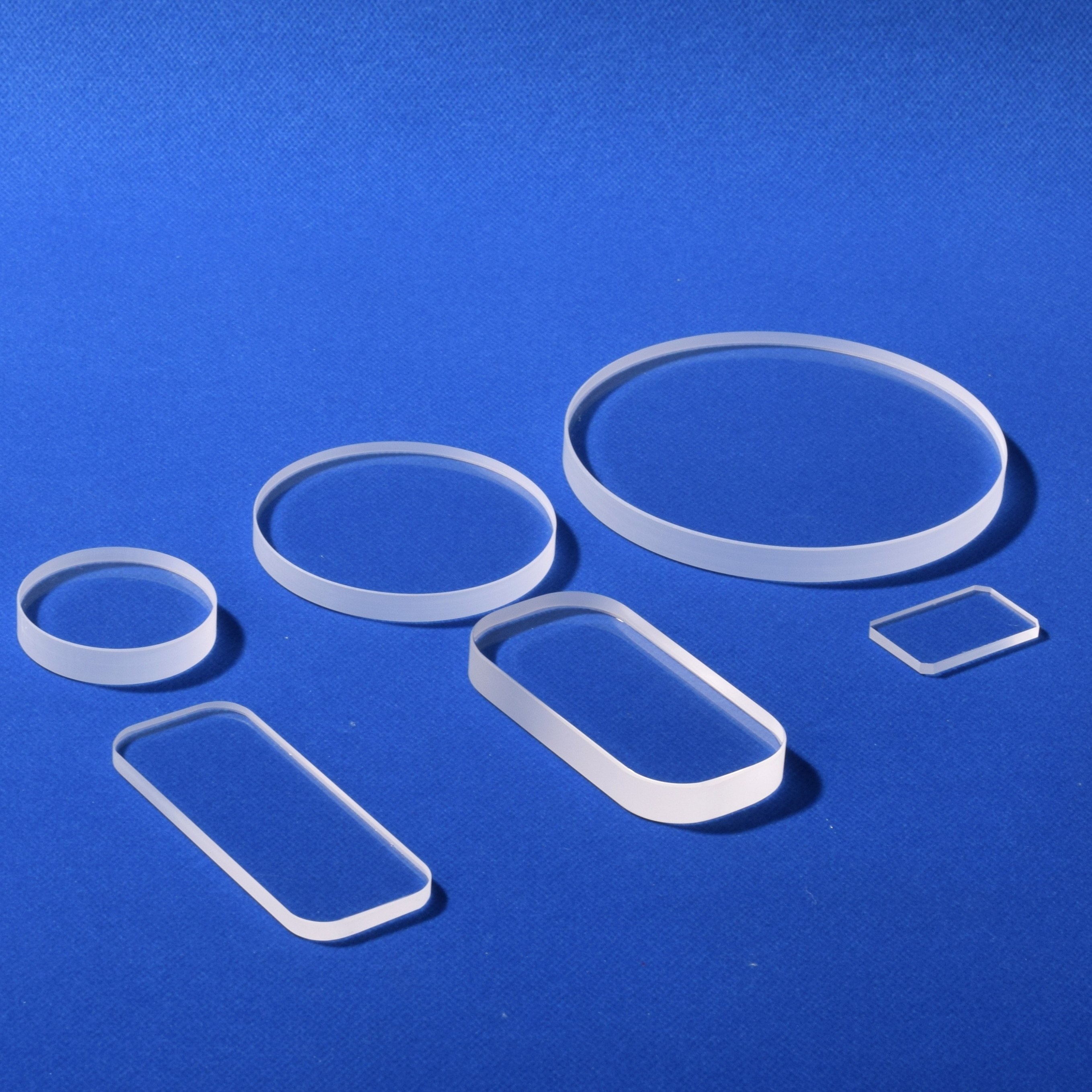
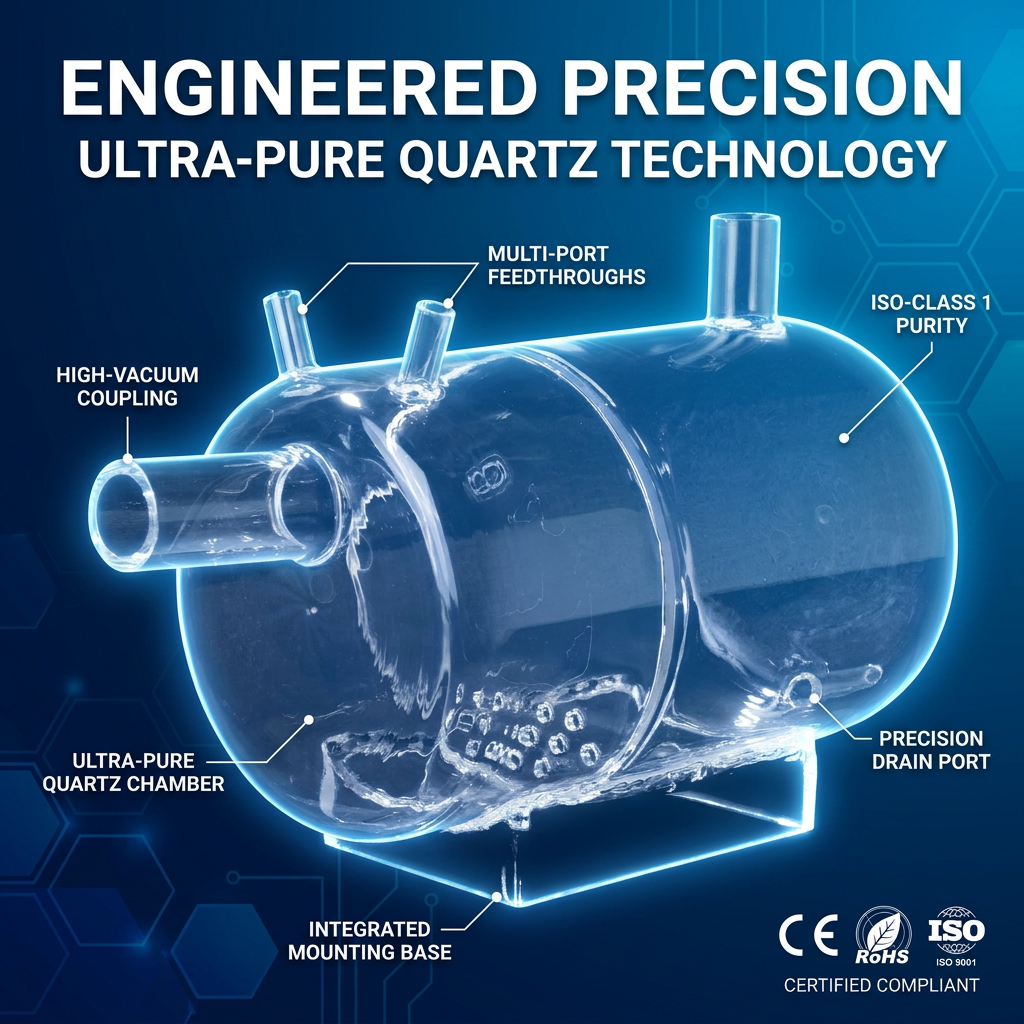
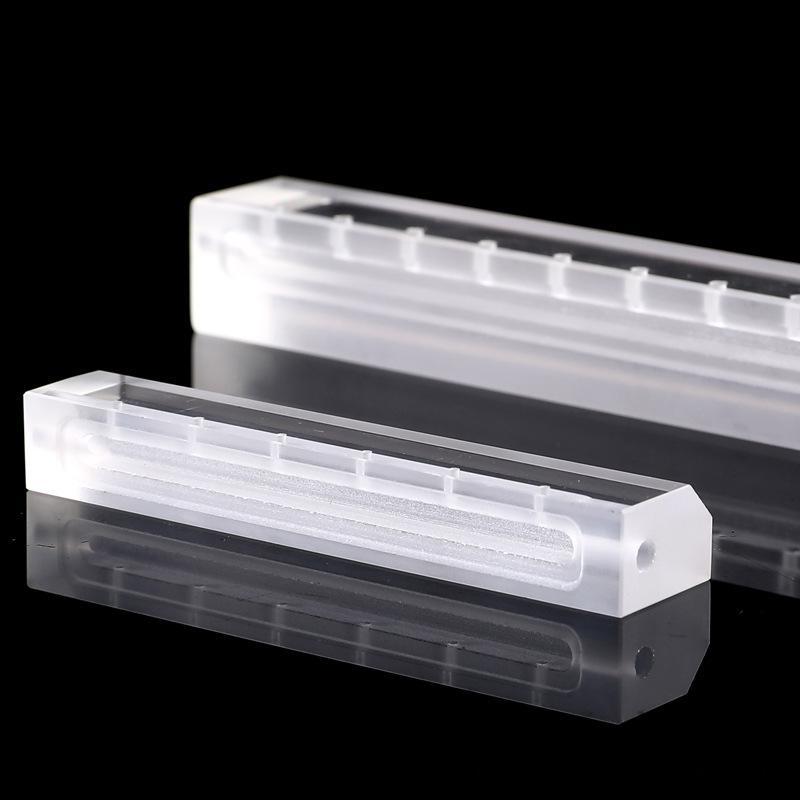
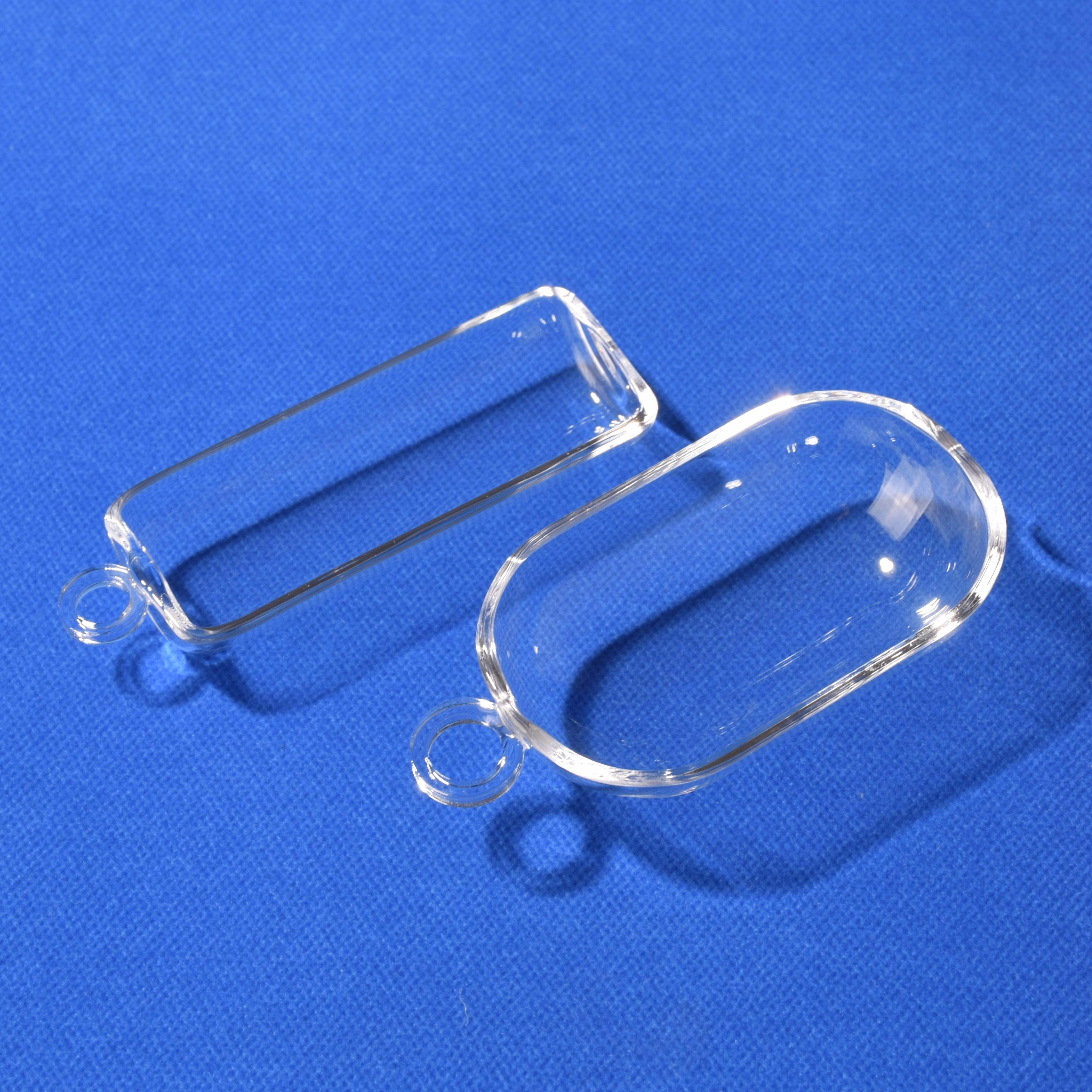
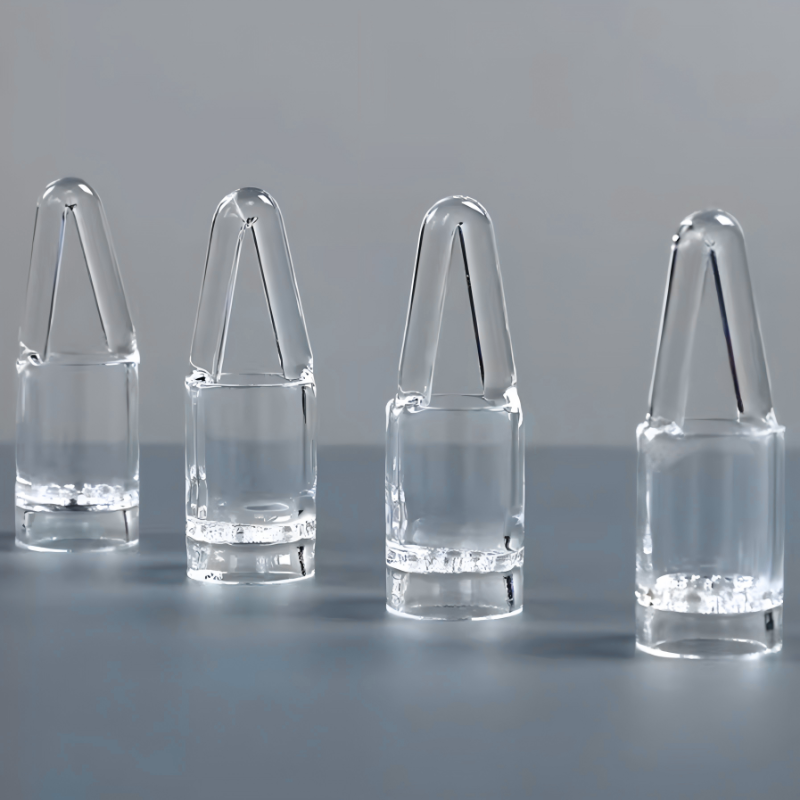
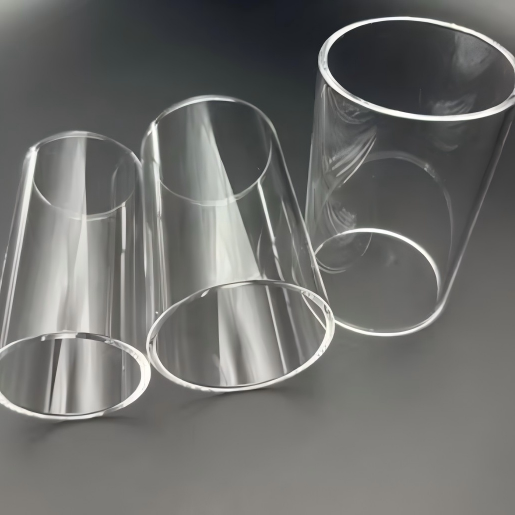
Technical Specification & Material Physics of Industrial Quartz Heating Tubes
A comprehensive examination of spectral radiation characteristics, thermal shock mechanics, and purity parameters for procurement engineers across the Hellenic Republic.
In high-throughput industrial heating, infrared thermal processing, and high-temperature environmental engineering, the selection of emitter containment materials dictates overall thermal efficiency, mean time between failures (MTBF), and operational safety. Fused quartz heating tubes—manufactured through continuous electric fusion or flame synthesis of natural ultra-pure crystalline silica—represent the gold standard in thermal radiation management. Unlike standard borosilicate or aluminosilicate glasses, high-purity fused silica (SiO₂ ≥ 99.99%) exhibits a virtually near-zero coefficient of thermal expansion (α = 5.5 × 10⁻⁷ K−1 from 20°C to 320°C). This allows industrial heating elements to undergo instant thermal transitions of over 1000°C without mechanical micro-fracturing or catastrophic failure.
For industrial plant engineers in Greece evaluating supplier credentials, CE certification of quartz heating tubes is not merely an administrative sticker; it represents rigorous verification under European harmonized standards, specifically EN 60519-1:2020 (Safety in installations for electroheating and electromagnetic processing) and EN 60335-1 (Safety of electrical appliances). CE marking mandates strict adherence to dimensional wall tolerances, dielectric insulation resistance at elevated temperatures (>10¹&sup0; Ω·cm at 350°C), minimal devitrification tendencies under continuous thermal soaking, and compliance with the RoHS Directive 2011/65/EU limiting hazardous trace heavy metals.
Engineering Core Insight: The hydroxyl (OH−) group concentration within the fused quartz matrix directly governs infrared radiation transmission. Standard quartz tubes containing 150–200 ppm of structural OH− exhibit pronounced infrared absorption bands at 2.73 µm. Vulra Quartz utilizes specialized thermal vacuum dehydroxylation protocols, depressing OH− levels below 5 ppm for high-efficiency NIR and Fast Mediumwave emitters, achieving over 93% spectral transmission directly into the target workpiece.
The operational lifespan of quartz heating tubes is critically governed by devitrification kinetics. When exposed to temperatures surpassing 1150°C in the presence of alkali surface contaminants (such as sodium, potassium, or calcium salts commonly airborne in industrial ambient air), the metastable amorphous silica structure transitions into crystalline β-cristobalite. Upon system cool-down below 270°C, β-cristobalite undergoes a rapid displacive phase transition into α-cristobalite, accompanied by a localized volume shrinkage of approximately 3% to 5%. This volumetric change induces internal micro-cracks that cause premature tube shattering. Our certified process lines incorporate rigorous hot-gas fire-polishing and hydrofluoric acid passivation etching to remove surface micro-pores, effectively suppressing cristobalite nucleation sites.
| Performance Parameter | High-Purity Clear Quartz | Ruby / Red Doped Quartz | Satin / Frosted Quartz | Gold-Reflector Coated Quartz |
|---|---|---|---|---|
| Primary Radiation Spectrum | Shortwave & Fast MW (0.8–2.5 µm) | Mediumwave Filtered (1.2–3.0 µm) | Medium & Longwave (2.0–4.5 µm) | Directional Short/Mediumwave |
| Continuous Service Temp | 1100°C – 1150°C | 1000°C – 1050°C | 1050°C – 1100°C | 850°C (Reflector surface limit) |
| Direct Infrared Transmittance | > 92% (from 0.2 to 3.5 µm) | Visible light cut off (>80% IR) | Diffused (~70% through-scatter) | > 95% forward-directed radiation |
| Thermal Shock Resistance | ΔT > 1000°C (Water quench) | ΔT > 950°C | ΔT > 900°C | ΔT > 800°C |
| CE Certification Reference | EN 60519-1, EN 60335-2-45 | EN 60519-2, EN 62233 | EN 60519-1, RoHS Compliant | EN 60519-1, CE Machinery Annex I |
Localized Applications of Quartz Heating Elements Across Greece
Deploying thermal precision engineering to solve operational heating challenges across Hellenic industrial epicenters, manufacturing parks, and processing clusters.
Food Dehydration & Agri-Processing
Greece’s agricultural export powerhouse—spanning the plains of Thessaly (Larissa, Volos) and Central Macedonia (Giannitsa, Veria)—relies heavily on thermal drying for peaches, tomatoes, figs, and herbs. Standard convection systems scorch organic compounds. Custom mediumwave quartz heating tubes emit infrared radiation specifically matched to the 2.5–3.2 µm moisture absorption resonance of agricultural foodstuffs, accelerating dehydration speeds by 40% while preserving nutritional profiles.
Plastics Thermoforming & PET Preforms
Centering around the manufacturing corridors of Attica (Koropi, Aspropyrgos, Schimatari) and Sindos Industrial Park in Thessaloniki, plastic packaging and blow-molding convert immense volumes of PET into bottled oils, water, and pharmaceuticals. High-frequency clear quartz infrared tubes deliver instant thermal response, preventing temperature drift in preform core-to-surface heat gradients, slashing reheat energy consumption, and eliminating pre-blow cycle rejects.
Maritime & Shipbuilding Surface Curing
In the shipyards of Piraeus, Perama, and Elefsina, rapid drying and curing of specialized epoxy, polyurethane, and anti-fouling coatings is a critical timeline driver for drydocked vessels. Portable quartz radiant heating fixtures equipped with CE-certified ruby and gold-coated tubes enable targeted infrared polymer cross-linking even under high relative maritime humidity, ensuring complete chemical adhesion without micro-porosity.
Pharmaceutical Synthesis & Chemical Labs
The pharmaceutical clusters of Gerakas, Pallini, and the scientific incubators at the University of Patras and FORTH Crete demand contamination-free chemical heating. Utilizing high-temperature quartz closed-end tubes and transparent heating jackets avoids ionic contamination from metal alloy sheaths, offering total inertness to hot aqua regia, concentrated sulfuric acid, and organic solvent distillations.
Solar PV & Aluminum Extrusion Preheating
Inofyta and Central Greece host advanced aluminum extrusion plants and emerging renewable photovoltaic component manufacturers. Continuous annealing lines and billet preheating systems replace sluggish gas ovens with instant-on directional quartz infrared arrays, slashing line start-up times from hours to minutes while providing granular zone temperature regulation.
Greek Industrial Decarbonization & Electroheating Trends (2025–2030)
Navigating the systemic transition from legacy fossil-gas burners to electrified infrared process heating within the EU Energy Efficiency Directive framework.
Under Greece’s updated National Energy and Climate Plan (NECP / ΕΣΕΚ), heavy industrial enterprises and mid-tier manufacturing facilities face stringent carbon penalty thresholds and surging operational costs tied to fossil-derived natural gas and LPG. Historically, drying tunnels, curing ovens, and plastic heating lines across Greece's 30+ organized industrial parks (ETVA VIPE zones) depended on indirect fossil gas burners. These systems incur severe convection heat losses (>45% energy wastage through exhaust stacks), protracted warm-up cycles, and uneven temperature distributions.
The transition toward electrification is directly accelerating the adoption of precision quartz heating elements. Infrared heating transmits radiant thermal energy at the speed of light directly to the target workpiece, bypassing intermediary air masses. In facilities retrofitted with directional gold-backed quartz emitters, overall industrial electricity consumption dropped by an average of 34% compared to standard resistance coil heating, while throughput speeds increased by 22%.
Furthermore, the rapid influx of grid-tied photovoltaic generation across mainland Greece and Crete has lowered midday industrial electricity tariffs under dynamic Power Purchase Agreements (PPAs). Modern smart factory controllers can modulate quartz infrared emitters instantly—utilizing solid-state relays (SSRs) and phase-angle SCR power packs—synchronizing peak thermal drying workloads with high-output solar hours. This agile thermal switching is mechanically impossible with bulky thermal oil or gas-fired convection kilns.
Consequently, Greek procurement directors are actively standardizing on replacement-ready CE-marked quartz tubes that drop cleanly into existing German, Italian, and domestic thermal process machinery, drastically minimizing maintenance overhead and eliminating the risks associated with uncertified third-party electrical imports.
Why Engineering Teams Depend on Vulra Quartz
Combining the mineral resource superiority of the world’s crystal capital with international accredited testing standards.
Donghai Crystal Capital Heritage
Headquartered at No. 9 Dingxin Road, Donghai Economic Development Zone, our factory draws directly from the world's most concentrated natural quartz supply chain. We maintain 100% control over silica ore refinement, ensuring consistent 99.99% to 99.999% chemical purity with total metallic impurity burdens <15 ppm.
TÜV Rheinland Assessed & Verified
Our complete production facilities, manufacturing operations, engineering team competencies, and management workflows have undergone full on-site evaluation by TÜV Rheinland. We provide verifiable factory audits, ensuring international buyers receive factory-authenticated quality control.
Drawing-Based OEM/ODM From 1 Piece
We eliminate high barrier MOQs for specialized engineering teams. Whether you require a single bespoke quartz reaction vessel prototype or 10,000 standardized radiant heating tubes, our hot-working glass lathes and CNC cold-machining stations deliver exact tolerances (±0.05 mm) based directly on your CAD drawings.
Comprehensive Hot & Cold Tooling
Operating under one integrated roof: precision oxy-hydrogen flame benching, high-speed tube bending, vacuum sealing, diamond-edge core drilling, precision optical polishing, and computerized electric annealing lehrs. Every component undergoes internal stress-relief to prevent thermal failure.
Export-Reinforced Maritime Packaging
Zero-breakage international logistics to the Port of Piraeus or Athens International Airport. Parts are individually vacuum-sealed, encased in high-density customized EPE foam cradles, and crated in heavy-duty multi-layer export plywood cases certified for multi-modal freight handling.
Frequently Asked Questions by Greek Purchasing Departments
Essential guidance covering technical compliance, customs clearance at Greek ports, logistics, and material customization.
What documentation is supplied to verify CE compliance for Greek industrial safety inspections? +
How do quartz heating tubes withstand the harsh, corrosive environments of Greek seaside plants? +
What is the import duty and TARIC customs classification for quartz tubes entering the Port of Piraeus? +
Can you reverse-engineer and manufacture replacement heating tubes for legacy European machinery? +
What is the minimum order quantity (MOQ) and standard lead time for deliveries to Greece? +
Upgrade Your Industrial Thermal Systems with Certified Quartz Solutions
Consult with our quartz glass technical engineers today. Share your equipment drawings, thermal parameters, or legacy replacement requirements for an engineering review and direct factory quote.