High-Purity Fused Quartz Plates & Precision Quartzware
Engineered with 99.99% to 99.999% synthetic and natural silicon dioxide ($SiO_2$). Available in optical micro-roughness (Ra < 0.5nm), customized geometries, and thermal tolerances up to 1450°C for direct logistics delivery to Honduras.
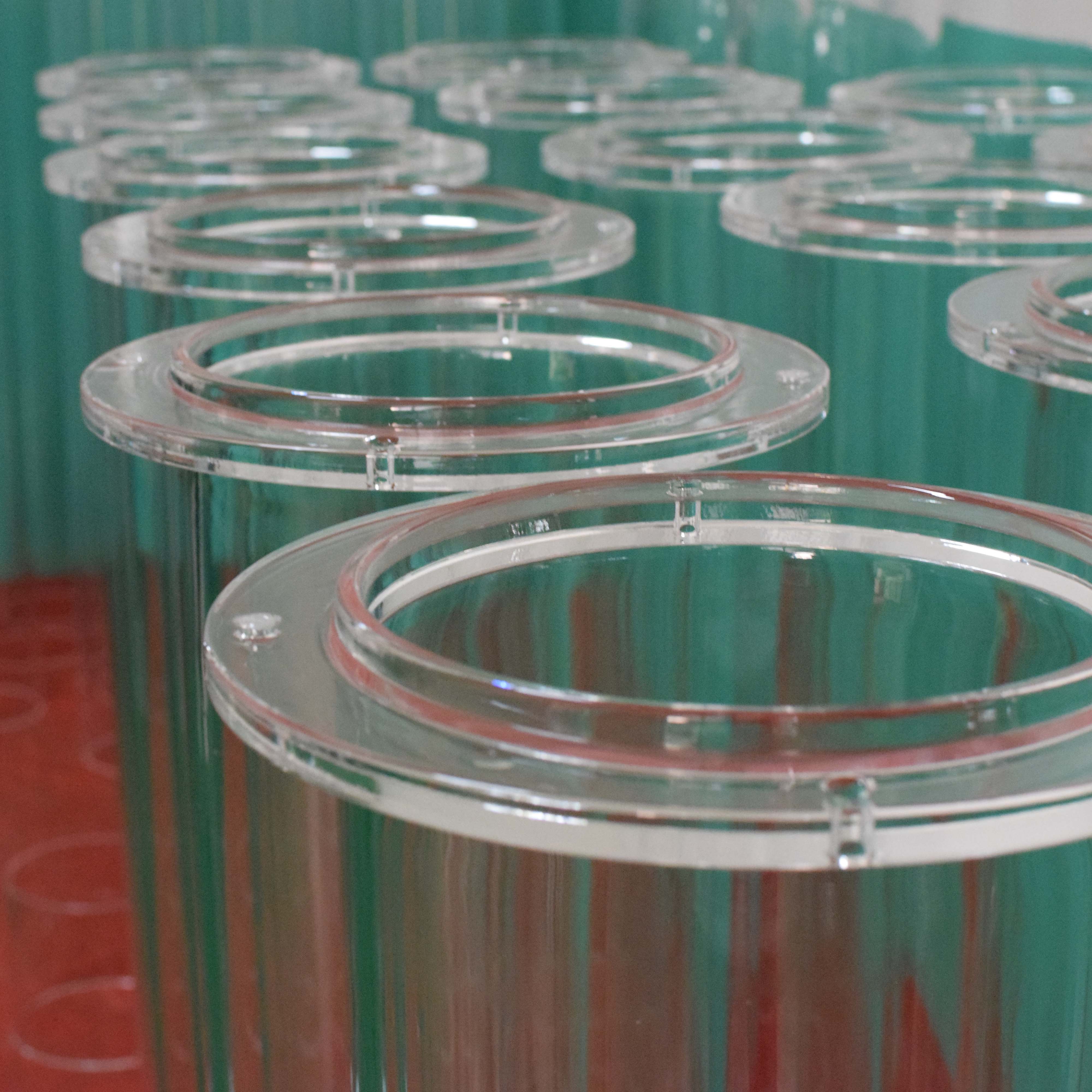
High Purity 99.999% Single Crystal Quartz Glass Tube Flange
Ultra-pure fused silica container with precision-welded flanges, ozone-free options, and vacuum tight joints for industrial reaction towers.
Technical Data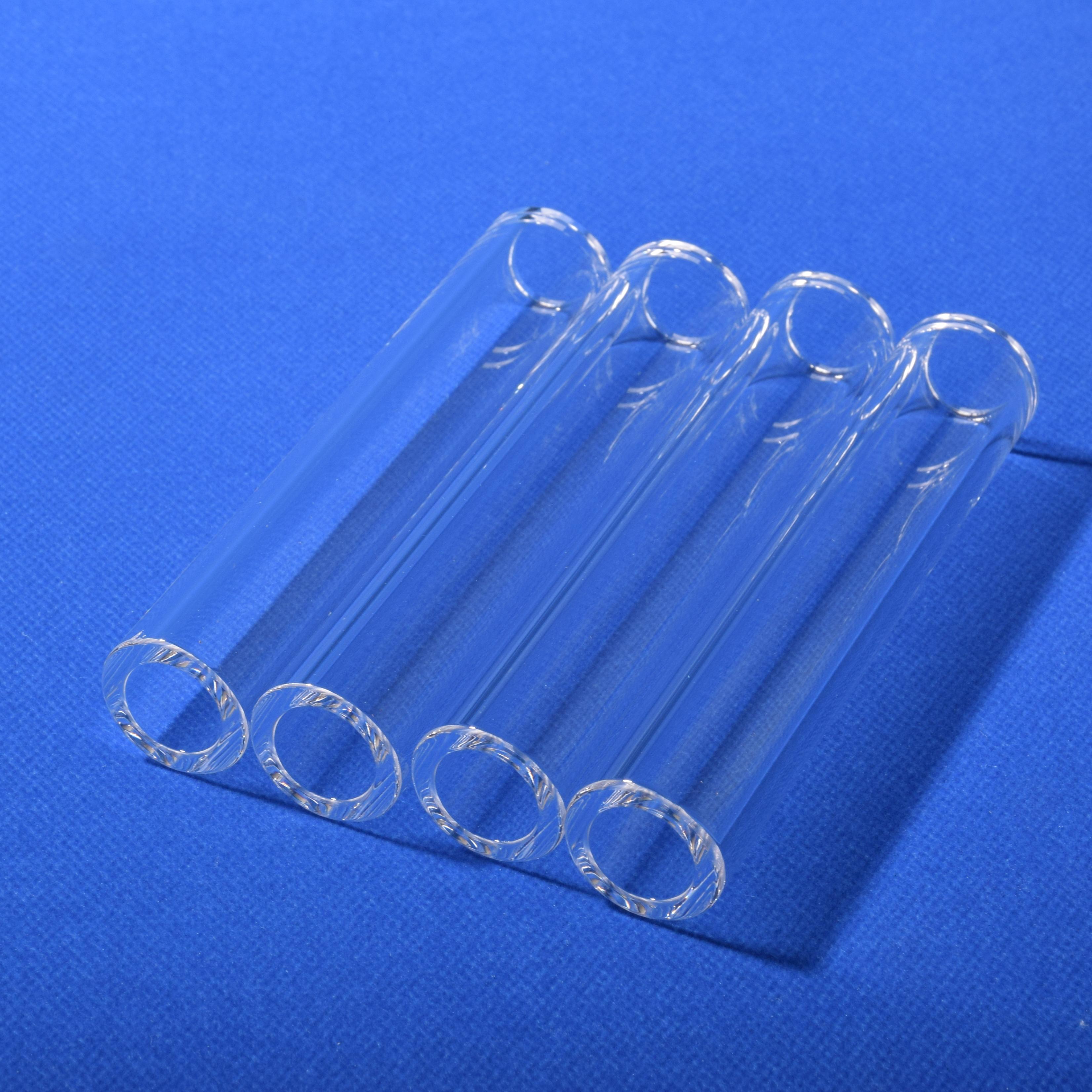
SJ 150 Translucent Oversized Thick Wall Polished Quartz Tube
1100°C continuous heat-resistant heavy-wall tube. Zero corrosion against harsh acid condensates in petrochemical and smelting exhausts.
Technical Data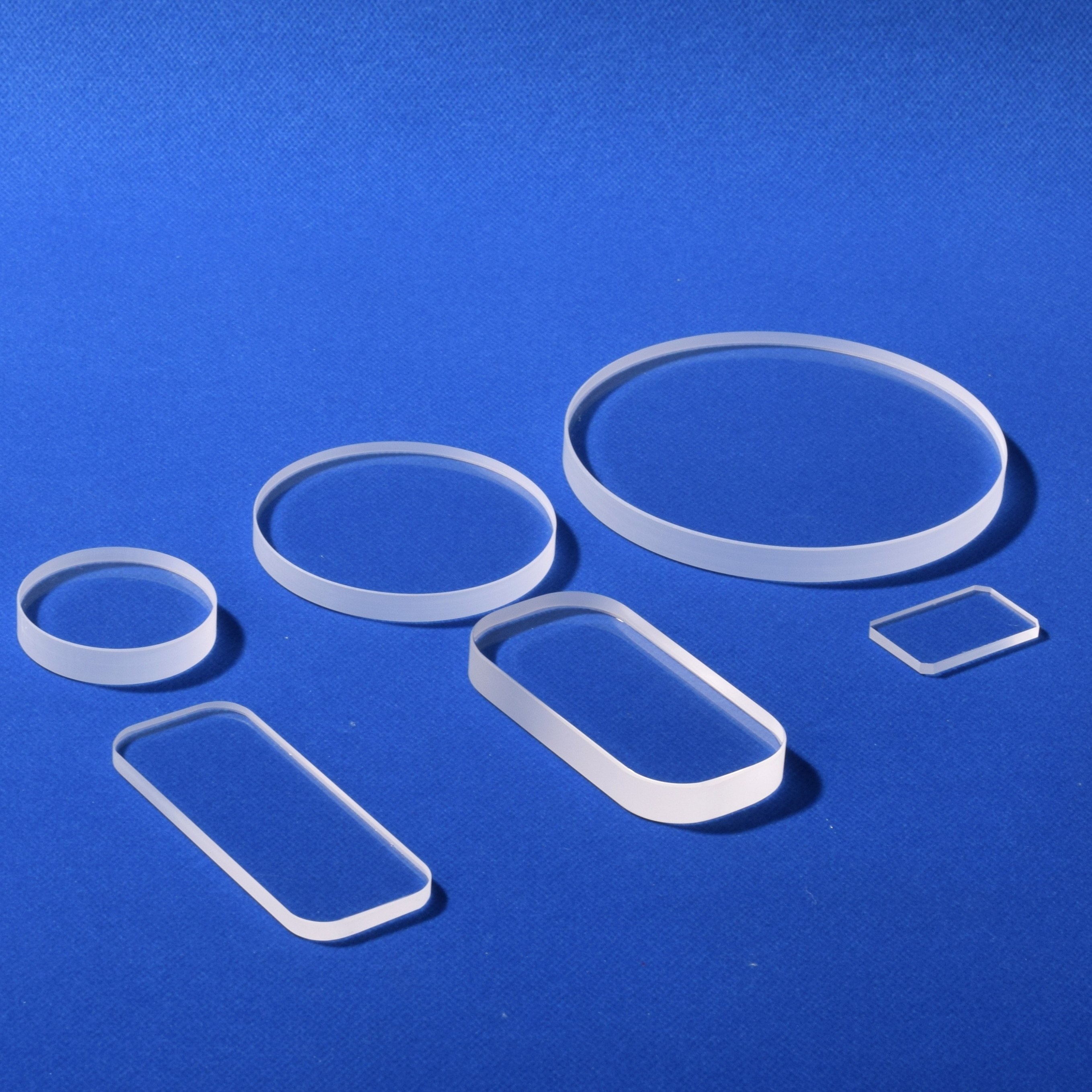
Customized Heat Resistant Quartz Glass Watch Window Plate
High dielectric insulation and 93% visible/UV transmittance. Surface double-side optical polished for boiler sight gauges and reactors.
Technical Data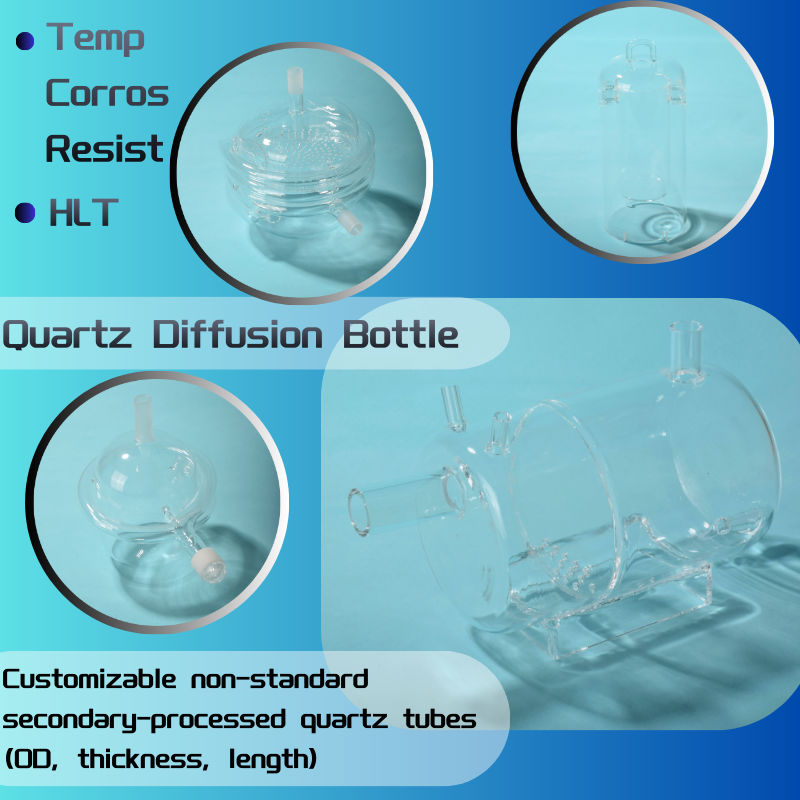
SJ 135 Clear Quartz Condensers & Purification Units
High-purity separatory and condenser quartz assemblies for ultra-pure chemical distillation, acid recovery, and high-precision testing.
Technical Data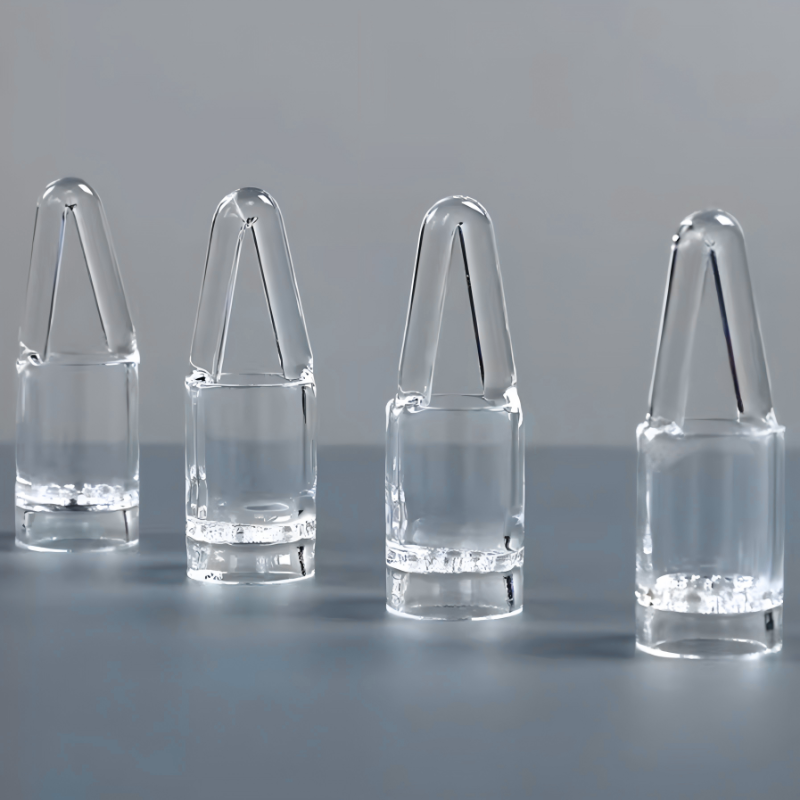
Quartz Crucible & Acid/Alkali Resistant Glass Basket
Refractory thermal shock resistance up to 1450°C. Sintered 200 mesh quartz filter bottom for corrosive digestion and metallurgical assays.
Technical Data
Semiconductor 400 Mesh High-Corrosion Lab Quartzware
Micro-porous quartz disc and plate elements for chromatography columns, inert gas dispersion, and aggressive chemical filtration.
Technical Data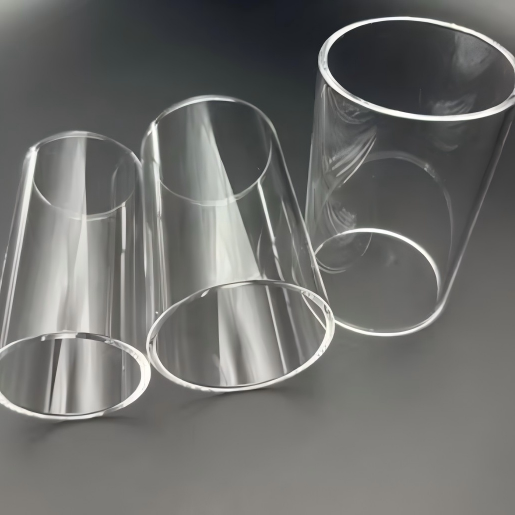
Polished Ozone-Free One-End Closed Quartz Protection Tube
Available in outer diameters from 5mm to 800mm. Essential for thermocouple thermowells, pyrometry shielding, and furnace tubes.
Technical Data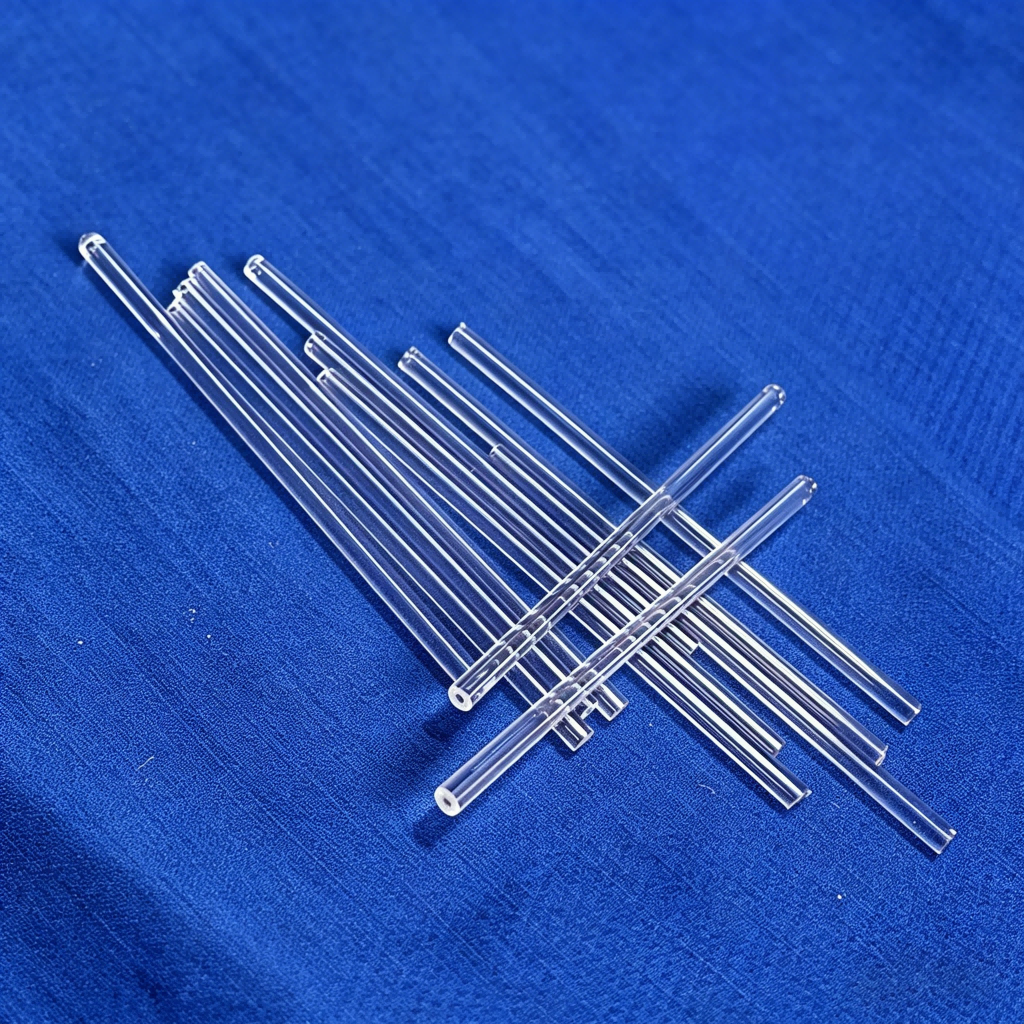
High Purity Micro Capillary Quartz Glass Tube
2-10mm OD precision capillary fused quartz tubing with 99.999% silicon dioxide concentration for gas sampling and thermal instrumentation.
Technical DataEngineering White Paper: Material Physics of CE-Certified Polished Quartz Plates
Polished quartz plates are the premier material choice for mission-critical scientific instrumentation, semiconductor manufacturing, and severe-service industrial inspection ports. Derived from naturally occurring crystal quartz sand harvested from Donghai County (the Crystal Capital of China) or synthesized through silicon tetrachloride vapor deposition, fused quartz demonstrates exceptional mechanical integrity and electromagnetic transparency across ultraviolet (UV), visible (VIS), and near-infrared (NIR) wavelengths.
When specifying quartz plates for Honduran facilities—spanning from Puerto Cortés chemical shipping terminals to thermal energy projects in Valle and Choluteca—procurement engineers must account for extreme structural, thermal, and optical differentials compared to traditional borosilicate or soda-lime glass. Borosilicate fails abruptly at operating conditions exceeding 500°C and suffers catastrophic fracture upon rapid thermal shock. In contrast, fused quartz delivers continuous structural reliability at 1100°C, short-term thermal survivability up to 1450°C, and an exceptionally low thermal expansion coefficient ($\alpha = 5.5 \times 10^{-7} \text{ K}^{-1}$). A red-hot quartz plate at 1100°C can be quenched instantly in ice-cold water without micro-fracturing or dimensional warping.
The CE certification affixed to Vulra Quartz polished plates guarantees compliance with European Union harmonized standards for pressure vessel observation ports, high-voltage electrical insulation, and chemical non-reactivity (Directive 2014/68/EU for Pressure Equipment, RoHS Directive 2011/65/EU, and REACH standards). This provides Honduran purchasing authorities and corporate engineering leads with total assurance that our plates fulfill international safety protocols, preventing costly line shutdowns and hazardous plant blowouts.
| Physical / Chemical Property | JGS1 (Synthetic Silica) | JGS2 (Optical Fused Quartz) | JGS3 (Infrared Fused Quartz) | Standard Borosilicate (Reference) |
|---|---|---|---|---|
| $SiO_2$ Purity Concentration | > 99.999% | > 99.99% | > 99.98% | ~ 81% |
| Spectral Transmission Band | 185 nm – 2500 nm (Deep UV) | 220 nm – 2500 nm (Standard Optical) | 260 nm – 3500 nm (Near-to-Mid IR) | 350 nm – 2000 nm (No Deep UV) |
| Hydroxyl ($OH^-$) Content | < 1000 ppm | < 30 ppm | < 5 ppm | N/A (Multi-component) |
| Continuous Safe Working Temp | 1100°C | 1100°C | 1050°C | 450°C – 500°C |
| Maximum Short-Term Peak Temp | 1450°C | 1450°C | 1350°C | 550°C |
| Thermal Expansion (0–300°C) | $5.4 \times 10^{-7} \text{ K}^{-1}$ | $5.5 \times 10^{-7} \text{ K}^{-1}$ | $5.5 \times 10^{-7} \text{ K}^{-1}$ | $33 \times 10^{-7} \text{ K}^{-1}$ |
| Optical Parallelism & Flatness | λ/4 to λ/10 per inch | λ/2 to λ/4 per inch | λ/2 per inch | Industrial commercial grade |
| Typical Industrial Purpose | UV Photolithography, Laser Windows | Furnace Observation, Lab Substrates | IR Heating Detectors, Pyrometry | General Laboratory Glassware |
Localized Applications of Polished Quartz Plates in Honduras
Honduras continues to modernize its manufacturing, agricultural export refining, clean energy grids, and mining operations. Explore how our precision quartz plates solve mission-critical challenges across key national sectors.
Textile Polymerization & UV Curing Exposure Beds
In the industrial free-trade zones of Choloma and San Pedro Sula, large-scale textile manufacturing requires continuous ultraviolet polymerization of technical fabrics, performance inks, and elastomeric polymers. CE-certified polished quartz plates serve as distortion-free optical beds over medium-pressure UV lamps, withstanding 24/7 radiant heat while ensuring 92%+ UV-A and UV-C wavelength penetration for instant photo-curing without blistering or yellowing.
High-Temperature Smelting Pyrometry & Sight Windows
The mining corridors around El Mochito (zinc, lead, silver extraction) and regional gold processing facilities rely on roasting furnaces, autoclaves, and smelting hearths operating at temperatures above 1000°C. Our circular polished quartz discs function as protective pyrometer observation windows, protecting sensitive infrared thermal cameras and optical sensors from explosive molten slag spatters, sulfur dioxide fumes, and intense heat radiation.
Agro-Chemical Testing & Palm Oil Spectrophotometry
Honduras is one of Latin America's leading producers of African palm oil, coffee, and specialty melons. Quality assurance laboratories in Atlántida and Comayagua utilize spectrophotometric plates, zero-background quartz sample slides, and digestion vessels to analyze free fatty acids, pesticide residues, and trace mineral profiles. The chemical inertness of high-purity $SiO_2$ guarantees zero leaching of sodium or boron into sample analytes.
Concentrated Solar Testing & Atmospheric Pyranometer Domes
The Department of Choluteca maintains some of the highest solar irradiance values in Central America, hosting major utility-scale photovoltaic and solar thermal parks. Our JGS1 and JGS2 optical quartz plates are deployed in high-precision outdoor radiometers, pyranometers, and concentrated solar power (CSP) pilot stations. The exceptional solarization resistance of fused silica ensures zero transmission degradation despite prolonged, high-flux tropical UV exposure.
Forensic Science, XRD Substrates & Electrochemistry
At academic hubs such as the Universidad Nacional Autónoma de Honduras (UNAH) in Tegucigalpa, advanced research in nanomaterials, materials engineering, and criminal forensics relies on our custom-cut quartz substrate plates. These plates provide zero-background X-ray diffraction (XRD) baselines, uniform dielectric behavior for electro-deposition experiments, and optical non-interference during precision fluorescence microscopy.
Industrial Modernization & Procurement Trends in Honduras
The macroeconomic landscape in Honduras is characterized by two major technological transformations: the rapid acceleration of industrial nearshoring (facilitated by proximity to North American supply chains and the CAFTA-DR trade agreement) and the aggressive decarbonization of national energy production. Both dynamics directly impact procurement patterns for high-performance materials like fused quartz.
1. Stringent Quality Certifications (ISO/IEC 17025 Accreditation): Honduran testing laboratories and industrial plants are transitioning away from uncertified glass imports. As commercial agricultural exporters pursue global GAP and EU organic certifications, domestic analytical laboratories must eliminate instrument calibration drifts. CE-marked quartz plates and optical flow cells provide documented chemical purity and physical flatness tolerances, eliminating batch variances in analytical testing.
2. Transition from Borosilicate to Fused Quartz Under Tropical Humidity: The Caribbean coastline near Puerto Cortés experiences average annual humidity levels exceeding 85% paired with atmospheric salt aerosols. Under high-temperature operating cycles, standard borosilicate sight glasses experience chemical leaching, alkaline surface blooming, and thermal micro-fissuring. Honduran maintenance engineers are systematically upgrading autoclave sight ports, reactor manholes, and distillation columns to CE-certified polished quartz plates, yielding a service life up to 8x longer than borosilicate alternatives.
3. Direct B2B Supply Chains vs. Expensive Intermediary Resellers: Historically, Honduran manufacturers purchased replacement quartzware from regional distributors in Miami or Mexico City at substantial price markups (often 200% to 400% above factory cost) with long lead times. By partnering directly with verified original manufacturers like Vulra Quartz, procurement teams secure factory pricing, direct drawing-based OEM machining, and dedicated export logistics straight to Tegucigalpa and San Pedro Sula.
Why International Buyers & Honduran Plants Choose Vulra Quartz
Combining world-class raw material access in Donghai with advanced CNC fabrication, TÜV Rheinland on-site audit verification, and drawing-driven production.
Direct Donghai Cluster Sourcing
Headquartered in China's crystal capital, Donghai County, we hold privileged access to premier high-purity natural silica sand beds and synthetic precursor supplies, ensuring unmatched batch consistency.
TÜV Rheinland Verified Factory
Our manufacturing premises, corporate credentials, production machinery, and quality management systems have undergone thorough on-site verification by TÜV Rheinland, providing complete auditing confidence.
Drawing-Based OEM/ODM From 1 PC
We believe prototyping should not be blocked by exorbitant MOQs. We manufacture custom polished plates, discs, and drilled observation windows from CAD drawings starting at just 1 piece.
Precision Cold & Hot Machining
Integrated workshops equipped with CNC ultrasonic milling, high-precision laser cutting, double-sided planetary lapping (Ra < 0.5nm), flame beveling, and controlled annealing ovens for complete stress relief.
Export-Proof Marine Packaging
Engineered packaging utilizing vacuum foil sealing, individualized shock-absorbent EPE foam nests, desiccant pouches, and fumigated multi-layer plywood export crates guaranteed for Caribbean ocean freight.
Comprehensive CE & RoHS Conformity
Every shipment is accompanied by a Certificate of Analysis (COA), spectrophotometer transmission reports, and dimensional inspection sheets fully compliant with CE and international industrial protocols.
Honduran Buyer FAQ: Sourcing Fused Quartz Plates
Direct answers from our international engineering team addressing customs, shipping logistics, technical validation, and operational parameters for Honduras.
Q What are the international shipping routes, transit times, and preferred ports for delivery to Honduras?
We regularly ship to Honduras through both ocean freight and expedited international air cargo. For containerized or palletized orders, cargo departs major ports in China (Ningbo or Shanghai) destined for Puerto Cortés, Central America’s premier deep-water Atlantic seaport. Ocean transit typically takes 28 to 38 calendar days. For urgent plant replacement parts, university research substrates, and precision components under 150 kg, we utilize express air freight (DHL, FedEx, UPS) directly to Ramón Villeda Morales International Airport (SAP) in San Pedro Sula or Palmerola International Airport (XPL) serving Tegucigalpa, with transit windows of 5 to 8 business days.
Q What Harmonized System (HS) tariff codes apply to quartz plates, and how is customs clearance managed in Honduras?
Polished fused quartz plates, sight windows, and quartz laboratory ware generally clear customs under HS Code 7017.10.00 (Laboratory, hygienic or pharmaceutical glassware, whether or not graduated or calibrated — Of fused quartz or other fused silica) or HS Code 7006.00.00 (Glass of heading 70.03, 70.04 or 70.05, bent, edge-worked, engraved, drilled, enamelled or otherwise worked). Shipments undergo assessment through the Honduran Customs Administration (Administración Aduanera de Honduras - Aduanas). We supply complete commercial invoices, packing lists with net/gross weights, certificates of origin (CO), and CE/RoHS conformity documentation to ensure rapid classification and clearance through your designated customs broker (Agente Aduanero).
Q How does Vulra Quartz eliminate the risk of transit damage across high-humidity Caribbean sea routes?
Fragile quartz optical plates are highly vulnerable to transit shock, vibration micro-cracking, and moisture-induced surface hazing if packaged incorrectly. Every quartz plate undergoes ultrasonic deionized cleaning and drying, followed by individual vacuum wrapping with anti-static, moisture-barrier polymer film containing activated silica gel desiccant packs. The wrapped plates are suspended in custom high-density cross-linked polyethylene (EPE) foam cells that absorb multi-axis transport shocks. The outer container consists of heavy-duty, fumigated multi-layer plywood export cases constructed according to ISPM-15 standards. We maintain a verified global damage-free delivery rate exceeding 99.8%.
Q How do I determine whether my application requires JGS1, JGS2, or JGS3 optical quartz?
The selection depends directly on the electromagnetic spectral band of your application:
• JGS1 (Synthetic Fused Silica): Essential when your process operates in the deep ultraviolet range (185 nm to 400 nm), such as UV-C sterilization systems, photolithography, and high-energy laser optics. It features ultra-low trace metal contamination (< 1 ppm total) and virtually zero bubble inclusions.
• JGS2 (Optical Grade Fused Quartz): The premier industry standard for furnace inspection windows, boiler sight glasses, pyrometry, and general chemistry laboratory ware. It transmits continuously from 220 nm through 2500 nm, providing excellent cost-performance value.
• JGS3 (Infrared Fused Quartz): Specifically treated to eliminate hydroxyl absorption bands ($OH^-$ < 5 ppm) at 2730 nm, making it transparent across the near-to-mid infrared spectrum up to 3500 nm. Preferred for infrared gas sensors, thermal imaging lenses, and moisture analyzers.
Q Can Vulra Quartz manufacture custom plate geometries, stepped edges, and drill holes from customer CAD drawings?
Yes. As a verified custom manufacturer, over 70% of our production volume is built strictly to buyer-supplied CAD drawings. We routinely execute complex geometries including circular sight discs with custom counter-bores, stepped flanges for pressure gasket seals, precision waterjet or diamond core drilling (hole diameters from 0.5 mm up to 120 mm), CNC beveled or pencil-ground edges, and high-flatness double-sided optical polishing (flatness up to λ/10, scratch-dig 40/20 or 20/10). Simply supply your 2D (.DXF, .DWG, .PDF) or 3D (.STEP, .IGES) engineering files for feasibility validation.
Q What chemical environments attack fused quartz, and how does it perform against industrial acids used in Honduran processing?
Fused quartz demonstrates near-total chemical inertness against virtually all acids, including concentrated sulfuric ($H_2SO_4$), nitric ($HNO_3$), hydrochloric ($HCl$), and aqua regia, even at temperatures exceeding 300°C. This makes it ideal for metal assay digestion and agricultural chemical testing. The only chemical compounds that actively etch fused quartz are Hydrofluoric Acid (HF) at all temperatures, and hot, concentrated Phosphoric Acid ($H_3PO_4$) above 150°C. Quartz is also sensitive to strong alkaline solutions (such as concentrated hot NaOH or KOH) at elevated temperatures, which can slowly etch the polished surface and cause gradual devitrification.
Technical Design Note: Thermal Shock Calculation & Pressure Sight Glass Gasketing
When mounting a polished quartz plate into an industrial pressure vessel or furnace port in Honduras, the mechanical clamping system must accommodate the differential thermal expansion between the quartz disc and the metallic housing (usually 304/316 stainless steel or carbon steel). Stainless steel expands at approximately $16 \times 10^{-6} \text{ K}^{-1}$, whereas fused quartz expands at only $0.55 \times 10^{-6} \text{ K}^{-1}$—an expansion mismatch ratio of nearly 30:1.
Mounting Best Practices: Never permit direct contact between the quartz plate and rigid metallic clamp faces. Always utilize resilient, heat-resistant gasketing materials such as virgin PTFE (up to 200°C), flexible expanded graphite (up to 550°C in oxidizing atmospheres, 1100°C in inert conditions), or ceramic fiber cushions. Clamping torque must be applied evenly using a calibrated torque wrench in a cross-star pattern to prevent localized bending shear stresses. Because fused quartz exhibits high compressive strength (1150 MPa) but lower tensile/shear resistance (50 MPa), preventing point loads is vital for operational safety.
The theoretical maximum thermal shock resistance ($\Delta T_{max}$) is expressed through the material's thermal stress resistance formula:
Where $\sigma_t$ is tensile strength (~50 MPa), $\nu$ is Poisson's ratio (0.17), $E$ is Young's modulus ($7.2 \times 10^4 \text{ MPa}$), and $\alpha$ is the coefficient of thermal expansion ($5.5 \times 10^{-7} \text{ K}^{-1}$). Due to its ultra-low expansion denominator, the calculated thermal shock envelope exceeds 1000°C, empowering quartz sight plates to safely withstand rapid emergency shutdowns, flame impingement, and cold fluid spray events that would instantly shatter standard sight glasses.
Ready to Source CE-Certified Polished Quartz Plates for Honduras?
Whether you need a custom-dimensioned prototype observation window, recurring batch supply for industrial plants, or certified optical substrates for research, our engineering team provides rapid CAD reviews, formal quotes, and direct export delivery.