Core Fused Quartz Components & Substrates
Custom fabricated in Donghai, China: OEM/ODM precision quartz boats, vacuum reaction tubes, custom bent segments, oversized furnace conduits, crucibles, polished optical window plates, closed-end sleeves, and electrochemical cells.
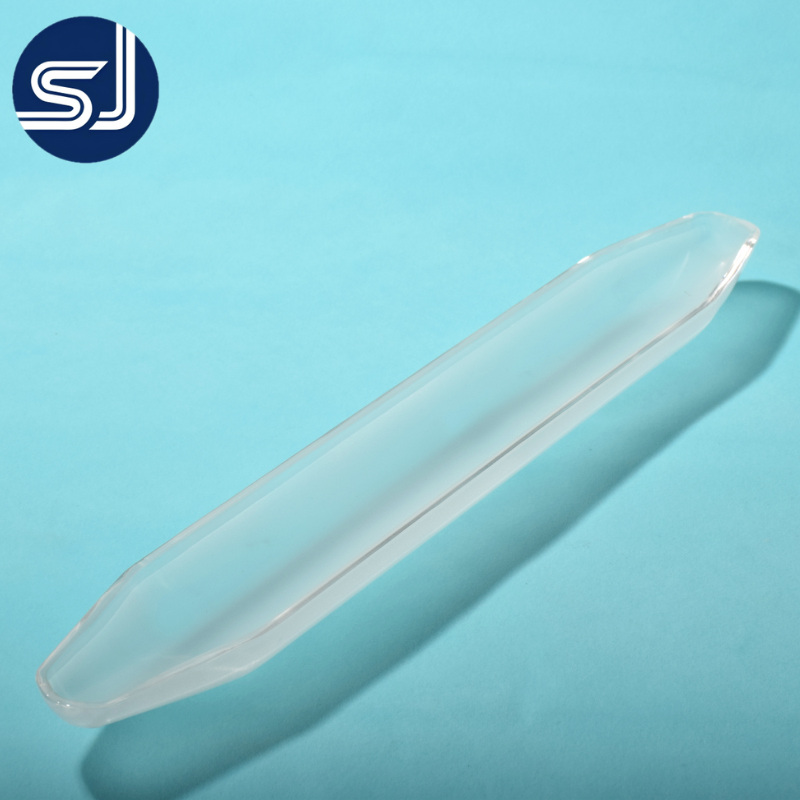
SJ 140 Customizable High Purity Precision Polished Quartz Boat
- 99.9%–99.999% SiO₂ Purity
- >85% Optical Transmittance
- 1100°C Thermal Endurance
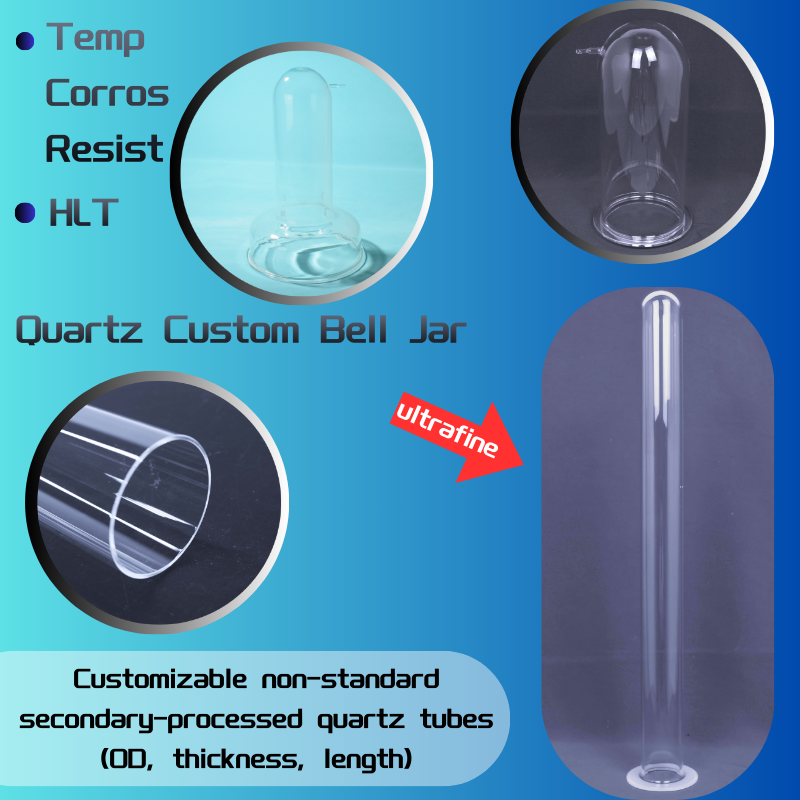
SJ 130 Quartz Leak-Proof Vacuum Chamber Tube
- 99.99% Negative Pressure Rated
- High-Precision Bore Tolerances
- Zero Micro-Leak Integrity
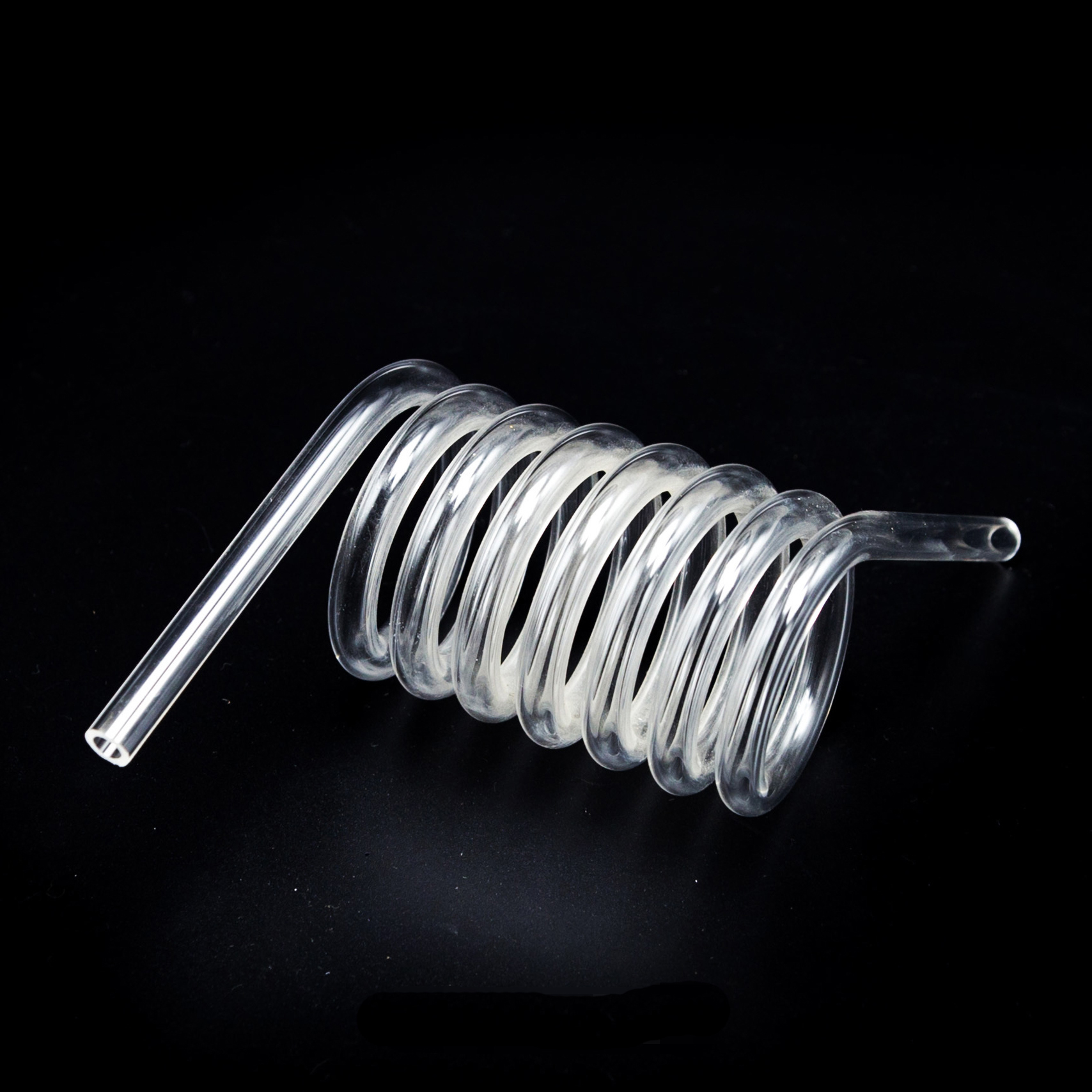
Factory High Purity Polished C-Shape & Spiral Bent Tubes
- Micro-Diameter CNC Bending
- Oxy-Hydrogen Flame Welded
- Annealed to Relieve Internal Stress
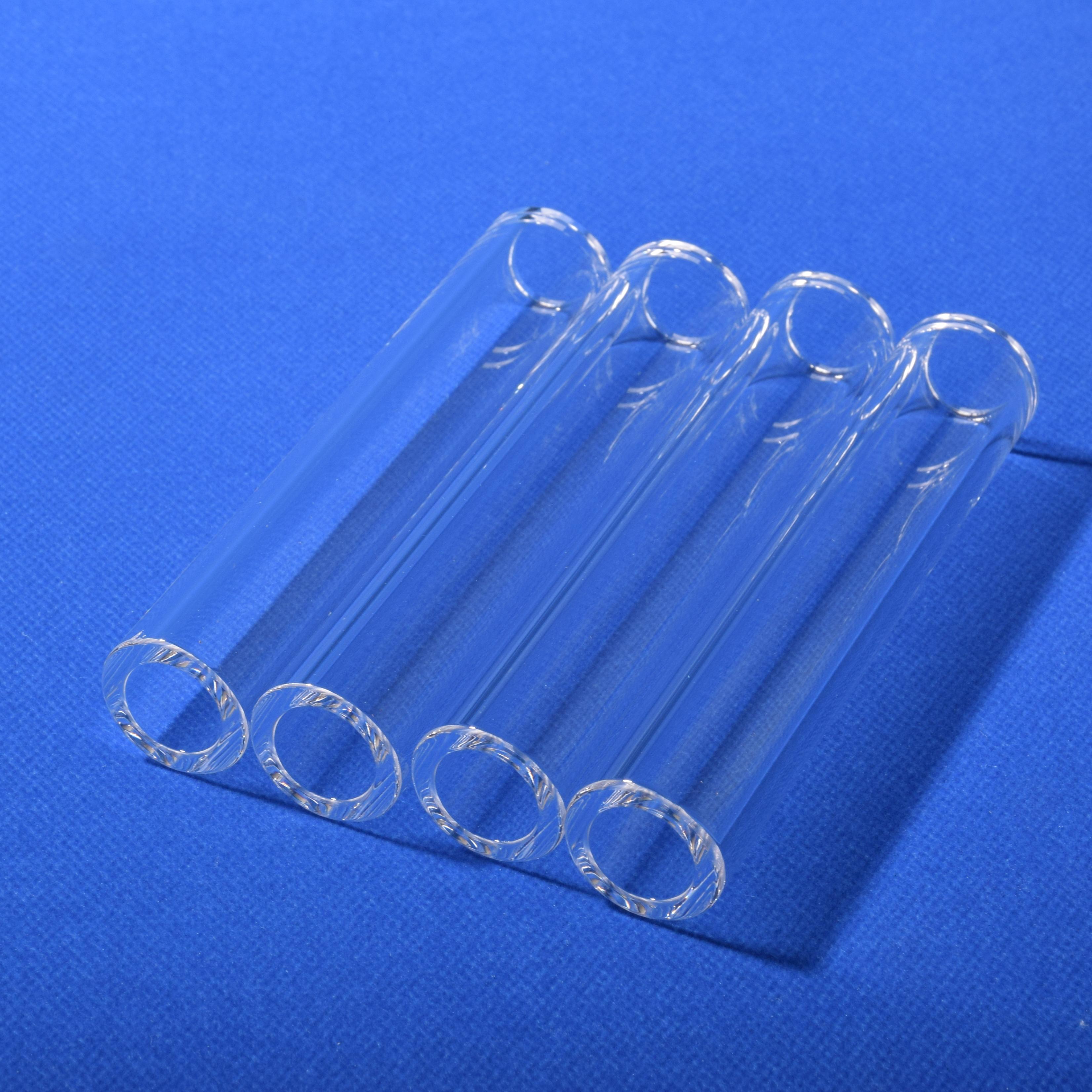
SJ 150 Oversized Heavy Wall Polished Quartz Tube
- Thick-Wall Heavy Structural Load
- 1100°C High-Temperature Rating
- Acid & Alkali Hydrothermal Resistance
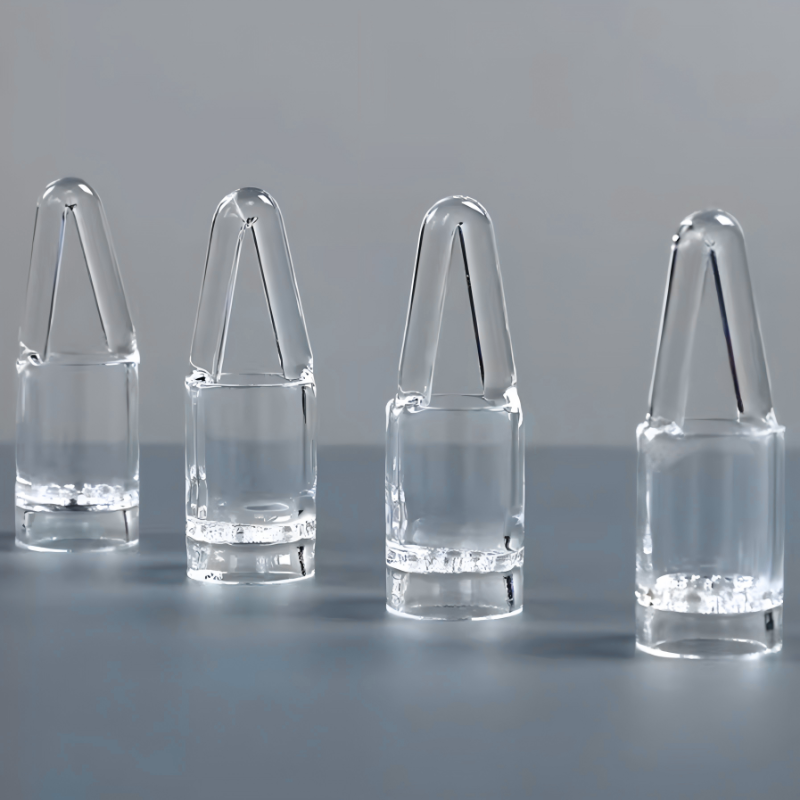
High-Temperature Acid-Resistant Quartz Glass Crucible
- Thermal Softening at 1683°C
- Ultra-Low Devitrification Factor
- Basket, Beaker & Dome Geometries
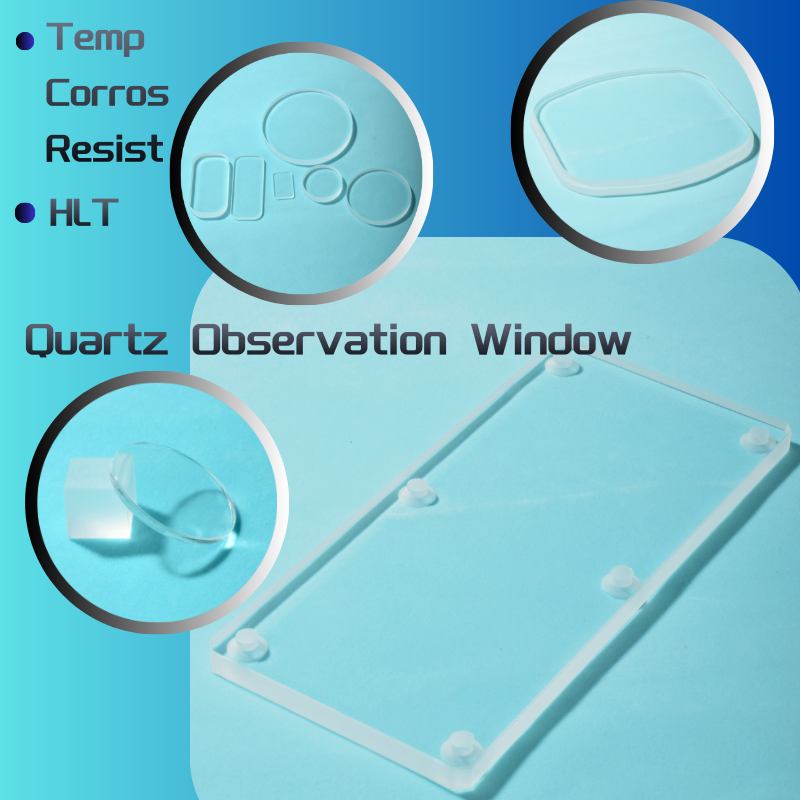
SJ Natural Fused Quartz Polished Disc & Optical Plate
- Mohs Hardness 5.5–6.5 Diamond Cut
- Laser Polished Surface Flatness
- High Parallelism & Transmittance
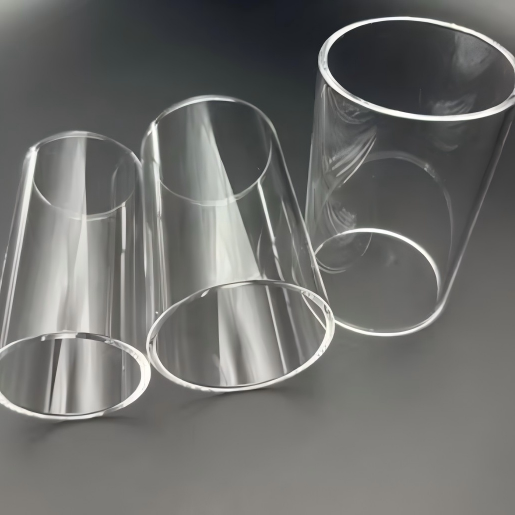
Transparent Ozone-Free One-End-Closed Quartz Tube
- Precision Hemispherical Bottom Closure
- Thermocouple Protection Sleeve
- Zero Bubble Inclusions in Fusion Seam
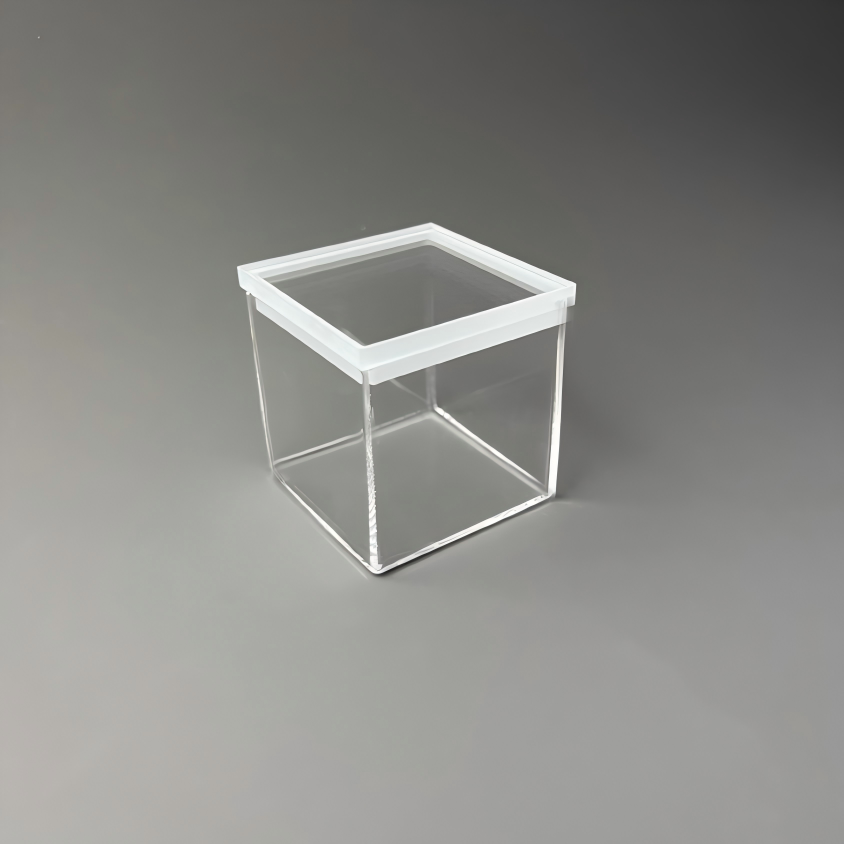
Quartz Glass Sealed Photoelectrochemical Dome Cell
- Spectroscopic UV-Transparent Windows
- Hermetically Sealed Electrode Ports
- Corrosive Electrolyte Inertness
Trace metallic impurities controlled below <15 ppm cumulative.
Continuous thermal stability maintained at 1100°C–1200°C.
Interferometer certified double-sided CNC lapped finish.
CAD/CAM drawing-based fabrication for rapid OEM iteration.
Direct-from-Source Precision Quartz Manufacturing
Situated in Donghai County—the globally acknowledged raw crystal capital—our production facility operates end-to-end hot and cold quartz processing, audited by TÜV Rheinland for global Tier-1 semiconductor and laboratory supply chains.
Donghai Raw Mineral Supply Integration
Unrivaled access to ultra-pure natural quartz silica deposits allows strict provenance monitoring. From pure crystal gravel classification to refined SiO₂ sands, our feedstock eliminates bubble clusters, seed inclusions, and structural striations at raw melting stages.
TÜV Rheinland Audited & CE Certified
Our complete production facility, physical plants, legal compliance, and quality verification frameworks have undergone rigorous on-site validation by TÜV Rheinland. Certified for CE and RoHS compliance across all industrial and analytical quartz apparatus.
Combined Hot Working & Cold Machining
Unlike simple trading entities, our workshops integrate high-temperature oxy-hydrogen lathe blowing, automated glass welding, CNC ultrasonic drilling, surface grinding, chemical-mechanical polishing (CMP), and dynamic thermal annealing furnaces under one roof.
Drawing-Based Feasibility Engineering
Every RFQ and CAD blueprint (STEP, DWG, DXF, IGES) receives full preliminary review by thermal-mechanical glass engineers. We evaluate aspect-ratio thermal stresses, bevel angle safety margins, wall-thickness uniformities, and laser-damage threshold tolerances before tooling.
Engineered Shock-Absorbing Export Packaging
Fragile optical discs and quartz components undergo multi-stage ultrasonic degreasing, cleanroom vacuum packaging, and individualized custom polyethylene foam suspension. Shipped globally in heavy-duty reinforced maritime and air-freight wooden crates.
Strict Lot Traceability & Material Mil-Cert
Every batch of optical discs, furnace tubes, and custom boats is accompanied by comprehensive optical transmission curves, ICP-MS chemical composition certificates, and dimensional CMM inspection sheets conforming to ISO 9001 and SEMI standards.
Precision Fused Quartz Discs: Fabrication, Optics & Metallurgy
An authoritative engineering breakdown of silica classification, thermodynamic resilience, laser-induced damage thresholds, and critical mechanical properties determining component life in hostile processing environments.
1. The Molecular Distinction: Natural Fused Quartz vs. Synthetic Fused Silica Discs
In precision procurement, specifying "quartz glass" without classification invites systemic project failure. High-temperature and optical applications demand a strict differentiation between Electrically Fused Natural Quartz (Type I/II) and Vapor-Phase Synthesized Synthetic Fused Silica (Type III/IV).
Natural Fused Quartz Discs are produced by melting high-purity natural silica sands in electric vacuum resistance furnaces or oxy-hydrogen gas fusion systems. With typical SiO₂ concentrations exceeding 99.99%, natural fused quartz possesses exceptionally low hydroxyl (OH⁻) content (<5 ppm to <30 ppm), resulting in zero water-absorption bands in the near-infrared (NIR) spectrum at 2730 nm. This imparts immense structural viscosity at elevated temperatures, yielding an annealing point near 1140°C and a softening threshold of 1683°C—ideal for thermal furnace sight-glasses, semiconductor LPCVD diffusion tube windows, and vacuum furnace viewports.
Conversely, Synthetic Fused Silica Discs are synthesized via chemical vapor deposition (CVD) through the flame hydrolysis of silicon tetrachloride (SiCl₄) or organic siloxane precursors. This creates an amorphous network almost completely free of metallic trace contaminants (total metallic impurities <0.1 ppm). Synthetic silica provides extreme transmittance extending deep into the vacuum-ultraviolet (VUV/DUV) band down to 185 nm–193 nm, eliminating cosmic ray color centers and solarization under excimer laser exposure (ArF at 193 nm, KrF at 248 nm). However, standard synthetic fused silica typically contains higher hydroxyl levels (up to 1000–1200 ppm), which moderately depresses the softening temperature to approximately 1585°C.
Comparative Engineering Metrology: Fused Quartz & Silica Grades
| Material Grade | Primary Chemical Origin | Optical Window (nm) | OH⁻ Content (PPM) | Coefficient of Expansion (CTE) | Primary Application Profile |
|---|---|---|---|---|---|
| Semiconductor JGS2 (Natural Fused) | Refined Donghai SiO₂ Quartz Sands | 260 nm – 2500 nm | < 30 ppm | 5.5 × 10⁻⁷ / °C | Diffusion tube windows, furnace viewports, plasma chambers |
| Deep-UV JGS1 (Synthetic Silica) | SiCl₄ Chemical Vapor Deposition | 185 nm – 2500 nm | 800 – 1200 ppm | 5.2 × 10⁻⁷ / °C | Excimer laser optics, lithography blanks, DUV spectroscopy |
| Infrared JGS3 (Water-Free Quartz) | Plasma-Fused Natural Quartz | 260 nm – 3500 nm | < 5 ppm | 5.5 × 10⁻⁷ / °C | IR sensors, pyrometry observation, FTIR spectrometer disc cells |
| Ozone-Free Doped Silica | Titanium/Cerium Doped Natural SiO₂ | 240 nm – 2500 nm (185nm blocked) | < 20 ppm | 5.6 × 10⁻⁷ / °C | High-power UV germicidal lamps, photo-curing, corona suppression |
Thermodynamic & Shock Resilience Mechanics
Fused quartz exhibits one of the lowest coefficients of thermal expansion among all known industrial glasses ($5.5 \times 10^{-7}\text{ K}^{-1}$ across 20°C to 320°C). This ultra-low CTE confers exceptional thermal shock resistance: a polished 100 mm diameter fused quartz disc heated to 1100°C can be repeatedly plunged directly into 20°C water without micro-fracturing or catastrophic failure. In vacuum and industrial processing, this enables instantaneous power ramps in rapid thermal processing (RTP) chambers.
Surface Metrology & Polishing Tolerances
For laser-grade optical discs, our factory applies chemical-mechanical polishing (CMP) utilizing nano-cerium oxide slates to achieve a micro-roughness of $Ra < 0.5\text{ nm}$ and surface quality exceeding MIL-PRF-13830B standards (Scratch-Dig 20-10 or 10-5). Interferometric transmission wavefront distortion is maintained down to $\lambda/10$ at 632.8 nm, with parallelism tightly held within 10 arcseconds to prevent beam deflection and wavefront distortion in high-power laser disc assemblies.
Future Procurement & Manufacturing Trends (2025–2030)
Macro-industrial dynamics, advanced lithography nodes, and precision supply chain relocations transforming how global engineering buyers evaluate quartz disc suppliers.
TREND 01 Sub-Nanometer Magnetorheological Finishing (MRF)
Traditional pitch polishing is rapidly giving way to deterministic Magnetorheological Finishing (MRF) and Ion Beam Figuring (IBF) for high-end optical fused quartz discs. As laser systems exceed multi-kilowatt outputs and extreme ultraviolet (EUV) optical pathways demand atomic flatness, quartz disc fabricators must eliminate subsurface mechanical damage (SSD).
Procurement teams are shifting focus from basic dimensional tolerances to post-etch subsurface inspection. Sub-surface micro-cracks induced by diamond-blade slicing cause localized laser absorption, leading to catastrophic thermal breakdown under high-fluence pulsed lasers. Top-tier manufacturers now employ acid-leaching validation to certify zero SSD before shipment.
TREND 02 Semiconductor Wafer Expansion to 300mm/450mm Carriers
Advanced packaging, fan-out wafer-level packaging (FOWLP), and 3D heterogeneous integration are driving surging demand for oversized fused quartz carrier discs and wafer support plates ranging from 300 mm up to 450 mm in diameter.
These substrates require rigorous Total Thickness Variation (TTV) controls below <1 µm and local warp values under 10 µm across the entire disc aperture. In addition, quartz disc fabricators must offer custom laser-drilled vacuum micro-through-holes and specialized edge chamfering (SEMI standard T-profile) to prevent edge chipping during robotic fab end-effector transfers.
TREND 03 Direct-from-Cluster Sourcing (The Donghai Factor)
Supply chain volatility and Tier-1 distributor markups are driving Western, European, and Asian OEMs to bypass middle-tier trading agencies in favor of direct engagement with manufacturing hubs located in integrated raw-material centers like Donghai, Jiangsu.
Direct factory engagement yields a 30% to 55% reduction in landed component costs, coupled with dramatic lead-time compression for bespoke prototypes. Buyers increasingly evaluate suppliers based on whether they possess on-site cold grinding, hot fusion lathes, cleanroom acid-etching baths, and accredited third-party validation (e.g., TÜV Rheinland on-site factory verification).
TREND 04 Sustainable Oxy-Hydrogen Plasma Fusion Technology
Global environmental mandates and ESG directives in the semiconductor sector are pushing quartz manufacturers to transition from traditional carbon-intensive gas-fired melting to green-hydrogen powered plasma torches and induction cold-crucible melting systems.
Plasma-based fusion eliminates carbon black contamination and ambient atmospheric nitrogen entrapment during ingot synthesis. For enterprise procurement directors, partnering with factories utilizing closed-loop DI-water acid neutralizing treatment facilities ensures uncompromised regulatory supply chain compliance under EU CBAM and US clean manufacturing regulations.
Critical Audit Criteria for Fused Quartz Disc Manufacturers
A pragmatic six-pillar verification rubric designed for supplier quality engineers (SQEs) and procurement leads prior to vendor onboarding.
1. Raw Sand Purity & Provenance
Verify whether the factory utilizes vetted domestic Donghai quartz sands, IOTA-grade high-purity sands, or synthetic precursor chemicals with full ICP-MS spectral lot certifications.
2. On-Site Cold Machining Infrastructure
Confirm the operational status of multi-axis CNC glass machining centers, waterjet slicing, ultrasonic coring drills, and automated planetary double-sided lapping equipment.
3. Thermal Annealing Regimes
Ensure every hot-worked or thick-sliced quartz disc undergoes monitored annealing to relieve internal mechanical stress, verified by shadowgraph polarimeters.
4. Optical Metrology Capabilities
Audit in-house testing instruments: Zygo or 4D Phase-Shifting Interferometers for wavefront flatness ($\lambda/10$), spectrophotometers (190 nm–3200 nm), and CMM coordinate machines.
5. Cleanroom Finishing & Degreasing
Verify Class 1,000 / 10,000 cleanroom environments equipped with multi-stage ultrasonic deionized water baths, hydrofluoric acid etching, and particulate-free vacuum packaging.
6. Independent Third-Party Accreditation
Insist on verifiable third-party certification audits (TÜV Rheinland, CE, ISO 9001:2015, RoHS) that confirm physical factory assets, export authenticity, and manufacturing scale.
Frequently Asked Questions: Technical Quartz Procurement
Expert answers addressing the practical engineering challenges encountered during fused quartz disc specification, design tolerances, and international logistics.
What is the standard lead time for bespoke fused quartz discs?
How do bubble classes and inclusion levels affect disc performance?
What is the maximum working temperature before devitrification begins?
Can fused quartz discs be cut or modified after optical polishing?
What surface flatness and scratch-dig specifications can you achieve?
Why is edge beveling critical on precision fused quartz discs?
How does chemical resistance compare to borosilicate glass?
What is the minimum thickness achievable for thin wafer substrates?
Request Factory Direct Engineering Quotation
Upload your 2D/3D component drawings (PDF, STEP, DWG) for thermal stress analysis, tolerance assessment, and transparent volume pricing directly from our Donghai engineering facility.
Inquire Now