Precision Quartzware & Optical Window Portfolio
Direct from Donghai's integrated manufacturing complex. Each component is fabricated from synthetic fused silica (JGS1) or high-grade optical quartz (JGS2) with certified structural homogeneity and bubble-free optical paths.
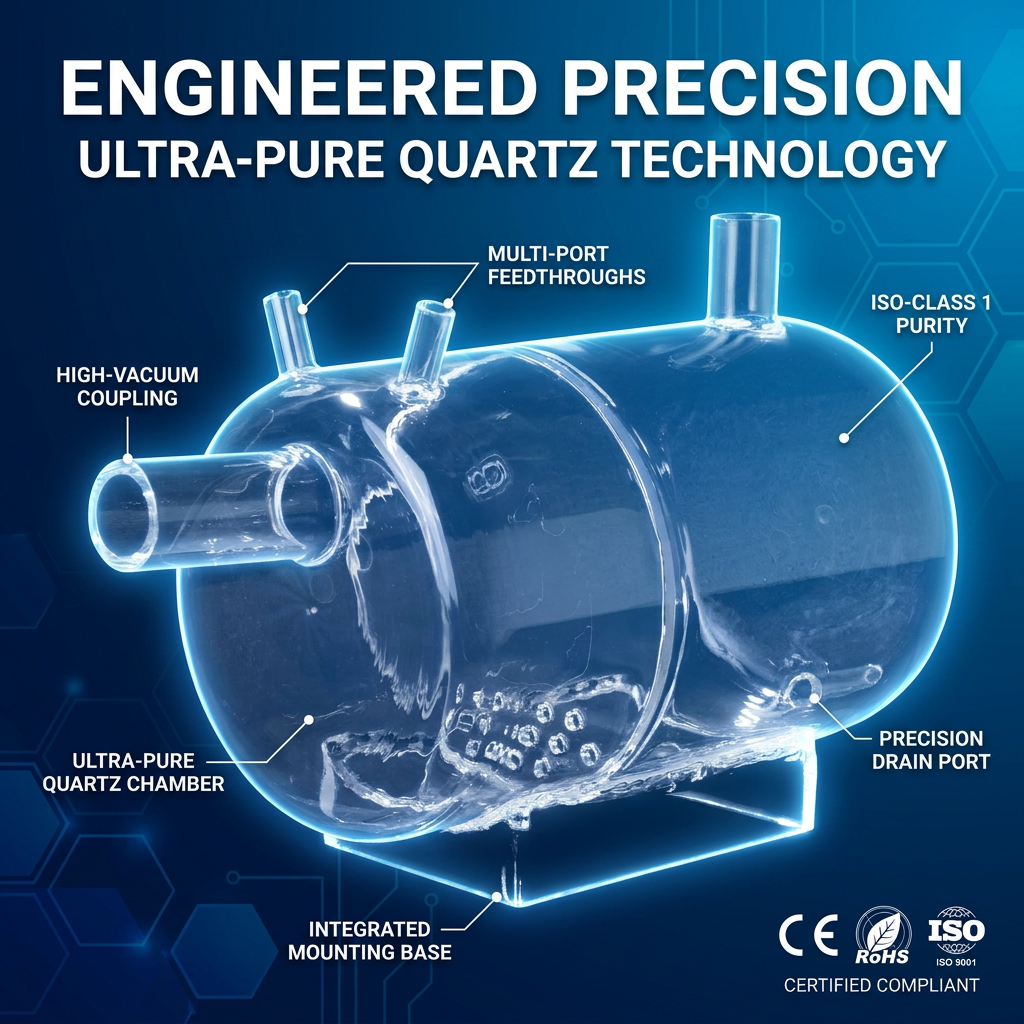
Precision Quartz Separating Container (Semiconductor Grade)
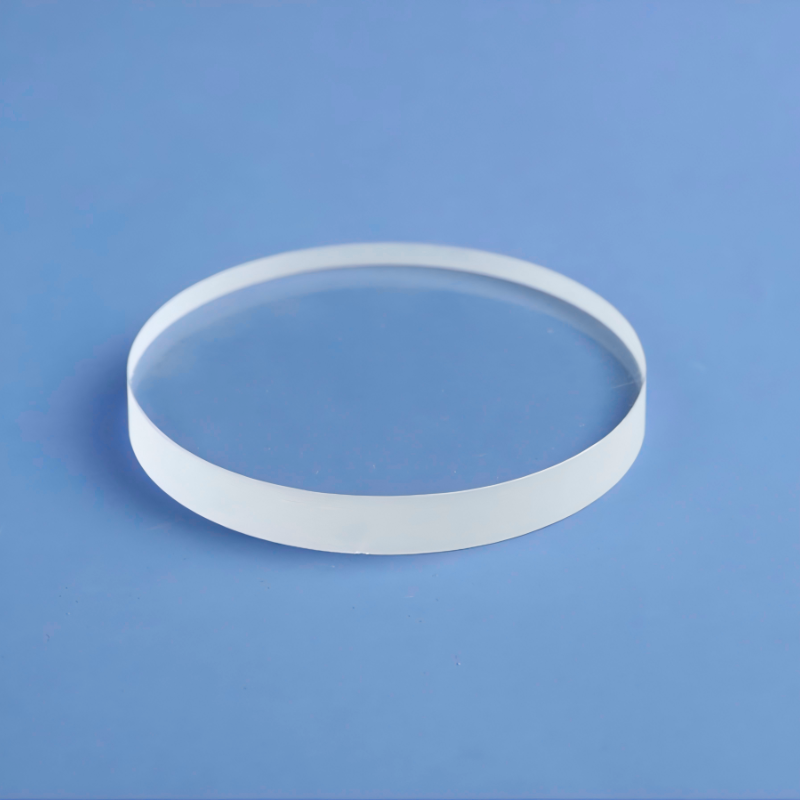
High-Temp Clear Quartz Tablets & Fused Silica Sheets
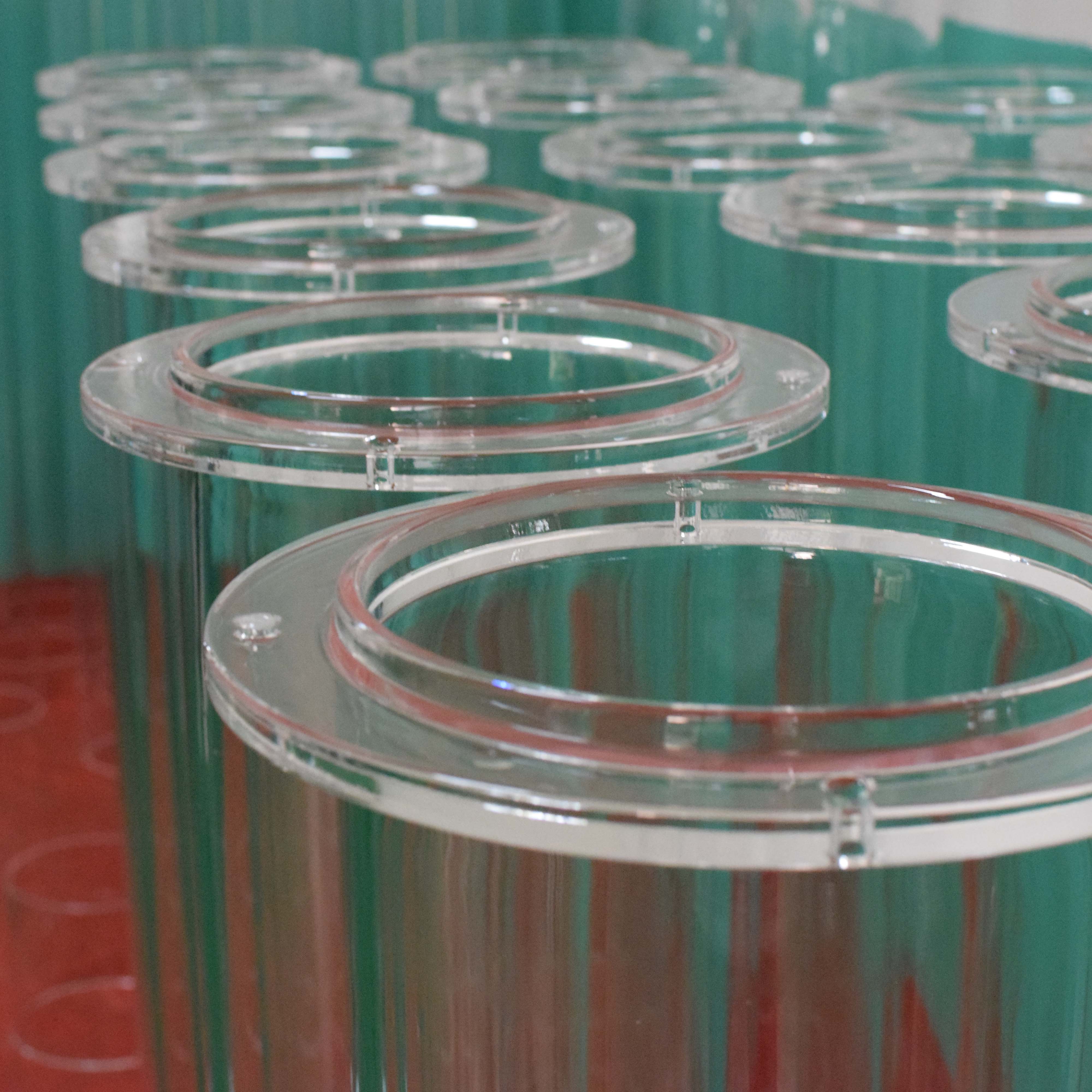
High-Purity 99.999% Quartz Glass Tube Flange Container
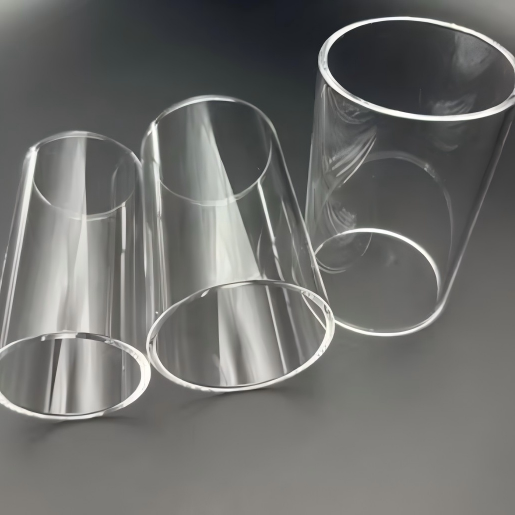
Polished One-End Closed Ozone-Free Quartz Tube (5-800mm)
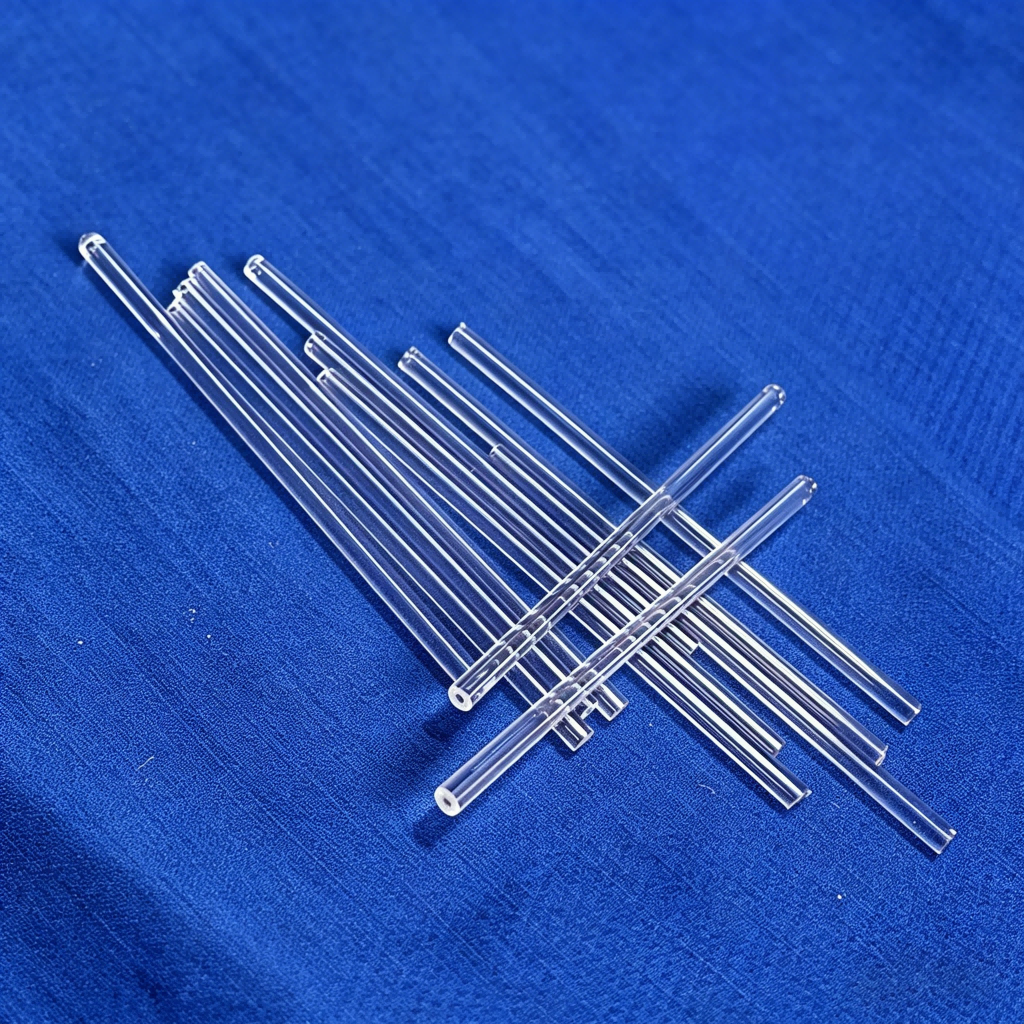
High-Purity Micro-Capillary Quartz Exhaust Tube (2-10mm)
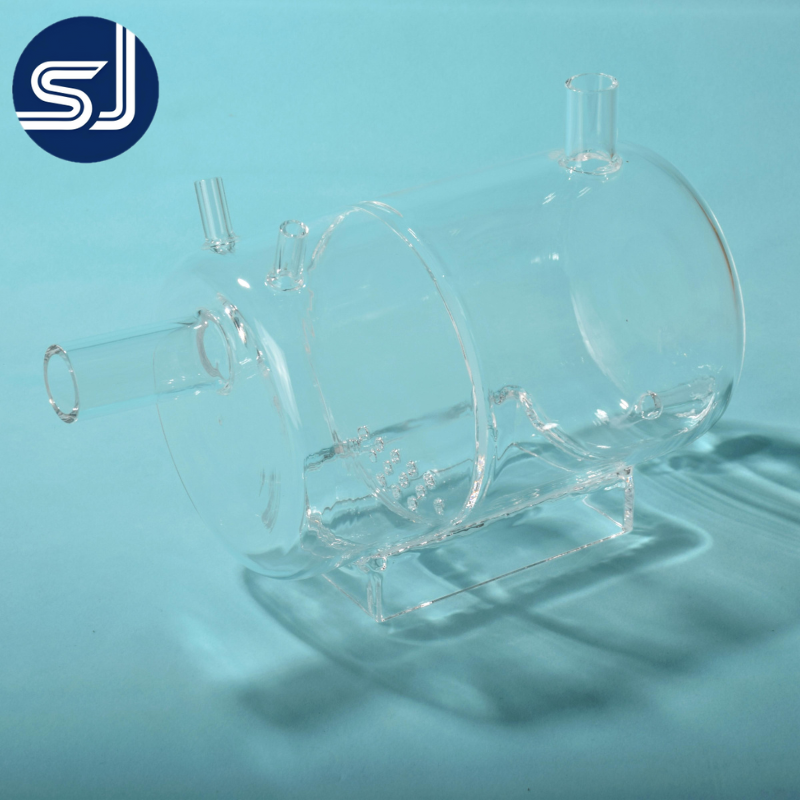
Corrosion-Resistant Flow-Splitting Quartz Reaction Bottle
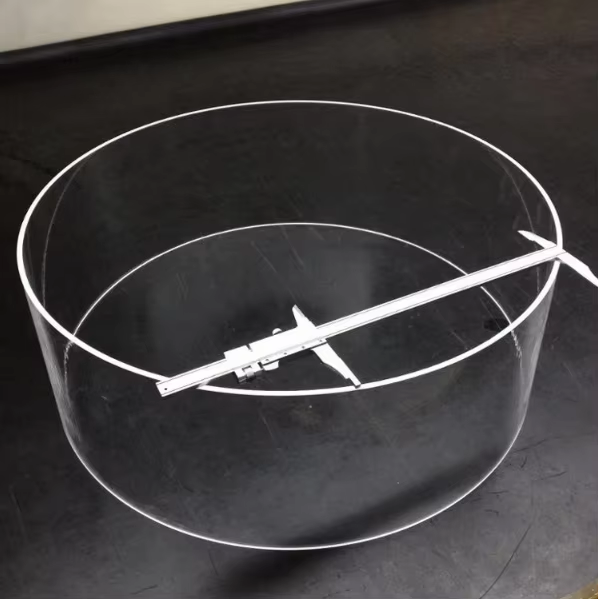
Optical Quartz & Sapphire UV Reactor Test Pipes
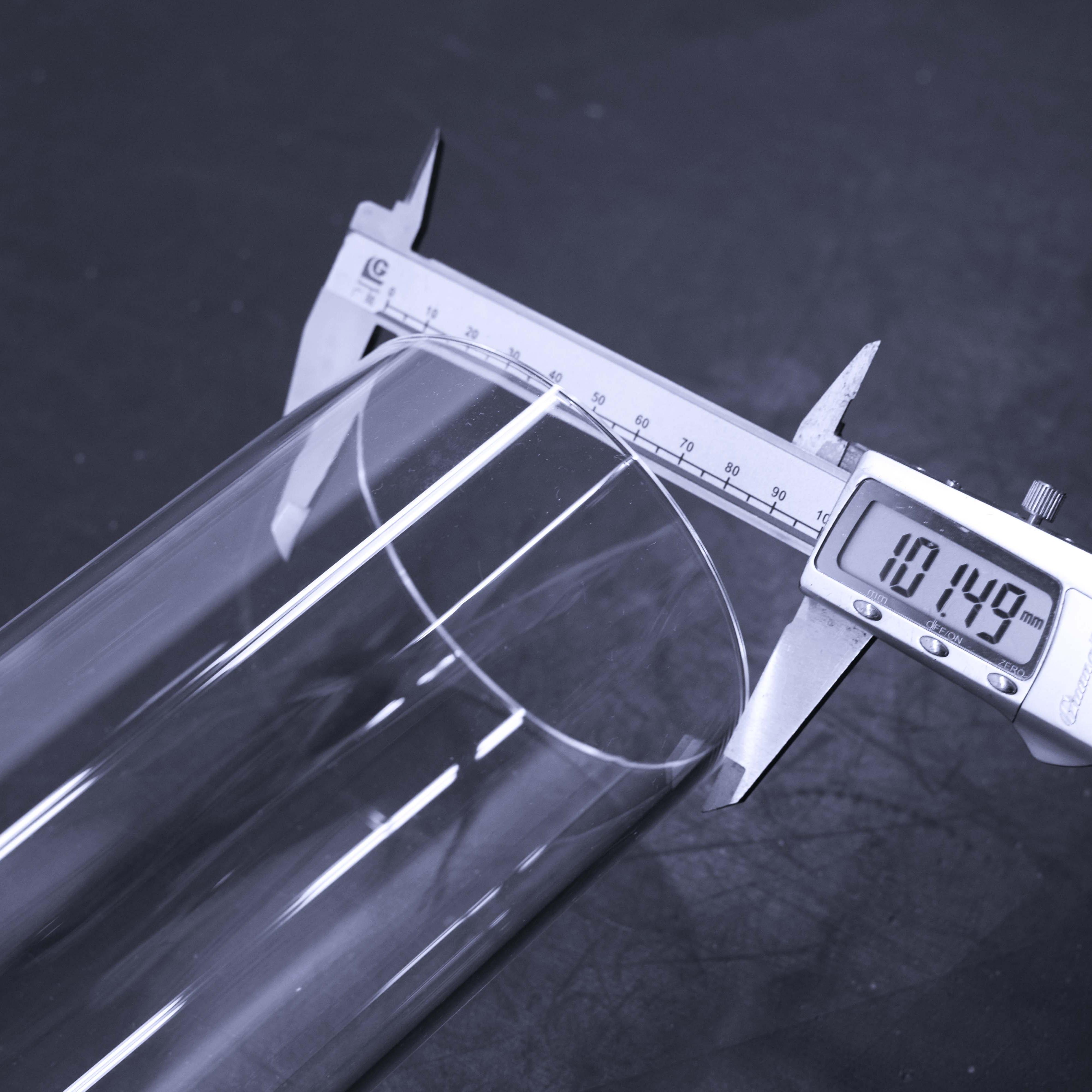
Hollow Transparent Polished Clear Quartz Viewport Glass
Physics of UV Quartz Windows: Material Selection Matrix
Selecting the appropriate ultraviolet quartz window is critical for optical engineers, semiconductor fabricators, and analytical instrument designers. The term "quartz window" encompasses distinct silica morphic states, ranging from naturally occurring fused quartz (electrically or flame melted) to synthetic fused silica (chemical vapor synthesis). The spectral operational boundary between Deep-UV (DUV: 190–250 nm), Vacuum-UV (VUV: 160–200 nm), and UV-C (200–280 nm) requires rigorous control over microscopic structural hydroxyl (OH⁻) radicals and trace elemental contaminants such as iron (Fe), titanium (Ti), and aluminum (Al).
In optical glass terminology, Chinese national standards and international equivalents categorize UV quartz into three primary metallurgical tiers: JGS1 (Synthetic Fused Silica), JGS2 (Optical Grade Fused Quartz), and JGS3 (Infrared Grade Fused Quartz). When specifying windows for high-power excimer lasers (KrF 248 nm, ArF 193 nm) or germicidal UV-C mercury and LED systems (254 nm and 222 nm), choosing between JGS1 and JGS2 directly dictates photon absorption, solarization degradation, and laser-induced damage thresholds (LIDT).
| Material Standard | SiO₂ Purity | UV Cut-off (λ) | OH Content (ppm) | 254 nm Transmittance | Primary Industrial Applications |
|---|---|---|---|---|---|
| JGS1 (Synthetic Silica) | >99.9999% (6N) | < 165 nm | > 800 – 1200 | ≥ 91.5% | Semiconductor steppers, excimer optics, VUV analytical cells |
| JGS2 (Optical Fused Quartz) | >99.995% (4N5) | ≈ 200 nm | < 150 – 200 | ≥ 88.0% | UV curing windows, high-temp sight glasses, spectrometer cells |
| JGS3 (IR Fused Quartz) | >99.99% (4N) | ≈ 260 nm | < 5 (Anhydrous) | ≤ 75.0% | Mid-wave IR inspection, pyrometry ports, high-vacuum thermal shields |
| Ozone-Free Doped Quartz | >99.99% + Ti/Ce | ≈ 220 nm (Cut-off 185nm) | < 80 | ≥ 89.0% | UV germicidal lamps, air purification systems, industrial heating |
The Solarization Phenomena & Hydroxyl (OH⁻) Role: Under sustained ultraviolet photon bombardment, quartz matrices with high transition metal contaminants experience structural color-center formation (E' centers), which drastically attenuates transmittance over time. Synthetic fused silica (JGS1) manufactured via the continuous oxidation of high-purity silicon tetrachloride (SiCl₄) vapor produces a glass network virtually free of metallic impurities. The abundance of bound OH radicals acts as an internal defect quencher, sustaining deep-UV transmission above 90% even after thousands of operating hours under 254 nm radiation.
Mechanical & Thermal Integrity Under Differential Pressure: Quartz windows deployed in semiconductor process chambers or high-pressure UV reactors must withstand intense mechanical and thermal gradients. Fused quartz exhibits an extraordinarily low coefficient of thermal expansion (CTE: 5.5 × 10⁻⁷ /°C from 20°C to 320°C), making it almost impervious to thermal shock. A quartz disc heated to 1100°C can be plunged into room-temperature water without structural fracture. However, mechanical design must incorporate the Poisson ratio (ν = 0.17) and Young's modulus (E = 72 GPa) when calculating safe window thickness for pressurized viewing ports according to ASME boiler and pressure vessel equations.
Why Source UV Quartz Windows from Donghai, China?
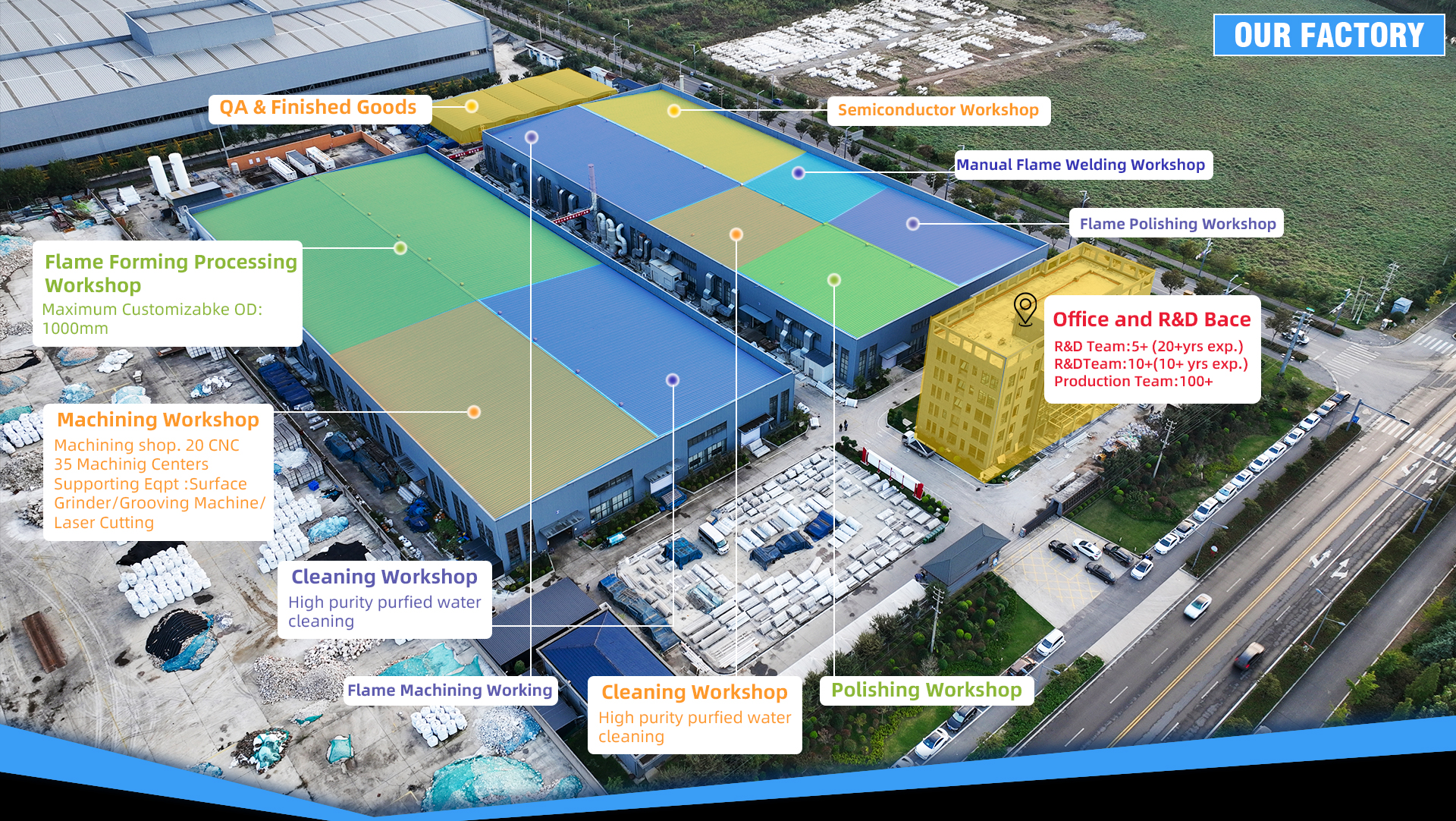
Located in Donghai County—the acknowledged global capital of quartz and crystal refining—our integrated manufacturing complex bridges raw natural crystalline silica purification with cutting-edge optical CNC machining.
Upstream Mineral Supply Control
Direct proximity to the world's most sophisticated crystalline silica processing hub allows us to secure 99.999% raw feedstock without intermediate distributor markups, guaranteeing absolute traceability of raw melt charges.
Dual Hot & Cold Machining
Equipped with oxy-hydrogen glass-blowing lathes, continuous electric melting furnaces, 5-axis CNC diamond contouring, ultrasonic coring, and double-sided planetary polishing for optical window parallelism < 30 arcseconds.
TÜV Rheinland Verified Credibility
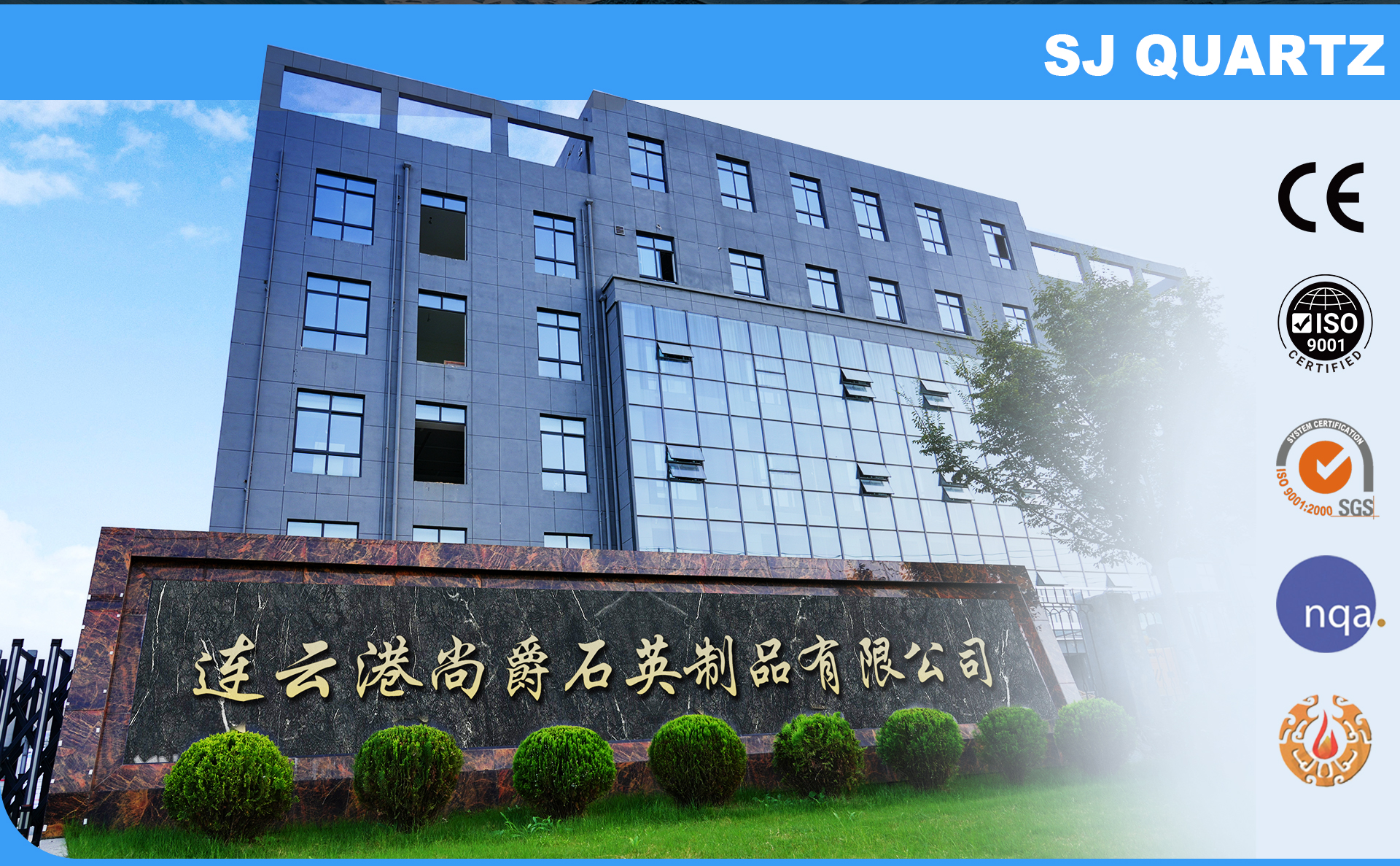
Our facility has undergone stringent on-site manufacturer audits by TÜV Rheinland. We provide CE and RoHS certifications alongside comprehensive spectrographic inspection sheets, Zygo interferometry reports, and bubble grade certificates.
1. Oxy-Hydrogen Fusion & Ingot Growth
High-temperature crystallization ensuring bubble-free matrix uniformity.
2. Precision Diamond Blade Slicing
Micro-crack suppressed wafer slicing down to 0.3 mm thickness.
3. Planetary Chemical-Mechanical Polishing
Yielding sub-nanometer surface roughness (Ra < 0.5 nm) for laser systems.
Future Procurement Trends for UV Quartz Windows
As optical systems transition toward shorter wavelengths, higher photon flux, and aggressive plasma chemistries, procurement managers and optical system architects must anticipate critical manufacturing pivots.
Transition to Far-UVC (222 nm) Optics
Driven by international public health standards and semiconductor disinfection protocols, demand for krypton-chloride (KrCl) 222 nm excimer lamps is surging. Procurement is shifting rapidly from standard fused quartz to customized hydroxyl-controlled JGS1 synthetic silica substrates to eliminate ozone generation while maintaining >90% transmission at 222 nm without solarization aging.
Extreme Sub-Nanometer Surface Roughness
Next-generation semiconductor metrology, wafer-level inspection, and photonic quantum computing platforms require window substrates with root-mean-square roughness (Rq < 0.2 nm). Sourcing specifications now emphasize Magnetorheological Finishing (MRF) and super-polishing processes to minimize scattered light losses and prevent high-power laser damage.
Anti-Reflective & Hard Carbon Coatings
Single-piece raw quartz windows are giving way to turnkey optical assemblies. Procurement contracts increasingly mandate electron-beam PVD dielectric anti-reflection (AR) multi-layer coatings designed for specific operating angles of incidence (AOI 0° or 45°) alongside hydrophobic or diamond-like carbon (DLC) protective layers capable of withstanding reactive halogen plasmas (CF₄, Cl₂).
Direct-from-Source Supply Chain Compression
Global optical Tier-1s are systematically bypassing Western repackagers in favor of verified Chinese origin factories capable of offering end-to-end drawing-based OEM fabrication. Direct collaboration with Donghai manufacturers reduces prototype iteration cycles from 12 weeks to under 10 days while cutting unit bill-of-materials costs by 40% to 65%.
Quality Audit Checklist for Overseas Quartz Window Buyers
To prevent premature optical failure, vacuum breach, or wave-front distortion in high-precision assemblies, procurement engineers must insist on verifiable quality control deliverables prior to batch release:
1. Striae & Inhomogeneity Class
Require shadowgraph or polariscopic certification compliant with ISO 10110-4. Optical windows utilized in imaging paths must meet Striae Grade A (zero visible striae in the clear aperture).
2. Bubble & Inclusion Density
Inspection per DIN 3140 or ISO 10110-3. Windows for laser application must adhere to inclusion cross-section class 1/1×0.10, ensuring no micro-inclusions that could cause thermal runaway.
3. Spectrophotometric Trace
Demand an actual UV-Vis-NIR spectrophotometer scan (190 nm to 1100 nm) on a sacrificial sample coupon from the same melt ingot, confirming internal transmittance and the absence of iron-induced 240 nm absorption valleys.
UV Quartz Window Engineering & Sourcing FAQ
Clear, direct answers from our production engineering department covering thermal stress, optical specifications, custom geometries, and export logistics.
JGS2 is optical-grade fused quartz manufactured by flame-melting natural high-purity quartz crystal sand. It covers the UV-to-Near-IR spectrum (220–2500 nm) with medium OH content and is the industry's most cost-effective solution for standard UV-C germicidal windows, observation sight glasses, and photolithography stages.
JGS3 is an anhydrous (low OH, < 5 ppm) quartz glass melted in vacuum electric furnaces. It eliminates the deep 2.73 µm water absorption band, optimizing transmission across the infrared spectrum (260–3500 nm), but is not suitable for deep-UV applications below 260 nm.
- Surface Figure / Flatness: λ/4 to λ/10 per inch @ 632.8 nm (verified via Zygo laser interferometers).
- Surface Quality (Scratch-Dig): MIL-PRF-13830B 20/10 for laser optics; 40/20 to 60/40 for industrial viewports.
- Parallelism / Wedge: < 30 arcseconds for standard flat windows; < 10 arcseconds for optical laser flats.
- Surface Roughness (Ra): Sub-nanometer finish down to Ra < 0.3 nm using colloidal silica final polishing slurries.
- Dimensional Tolerances: Diameter/Length/Width controlled to ±0.02 mm; thickness to ±0.01 mm.
Accelerate Your Optical Engineering Project
Upload your 2D engineering drawings (PDF/DXF) or 3D STEP files. Our senior quartz processing engineers will review purity grades, thermal tolerances, and optical surface parameters to provide a DFM report and firm quotation within 24 hours.