Featured High-Purity Quartz Components
Explore our core line of high-purity quartz products engineered for extreme acid resistance, high thermal shock tolerance, and sub-nanometer cleanroom applications.
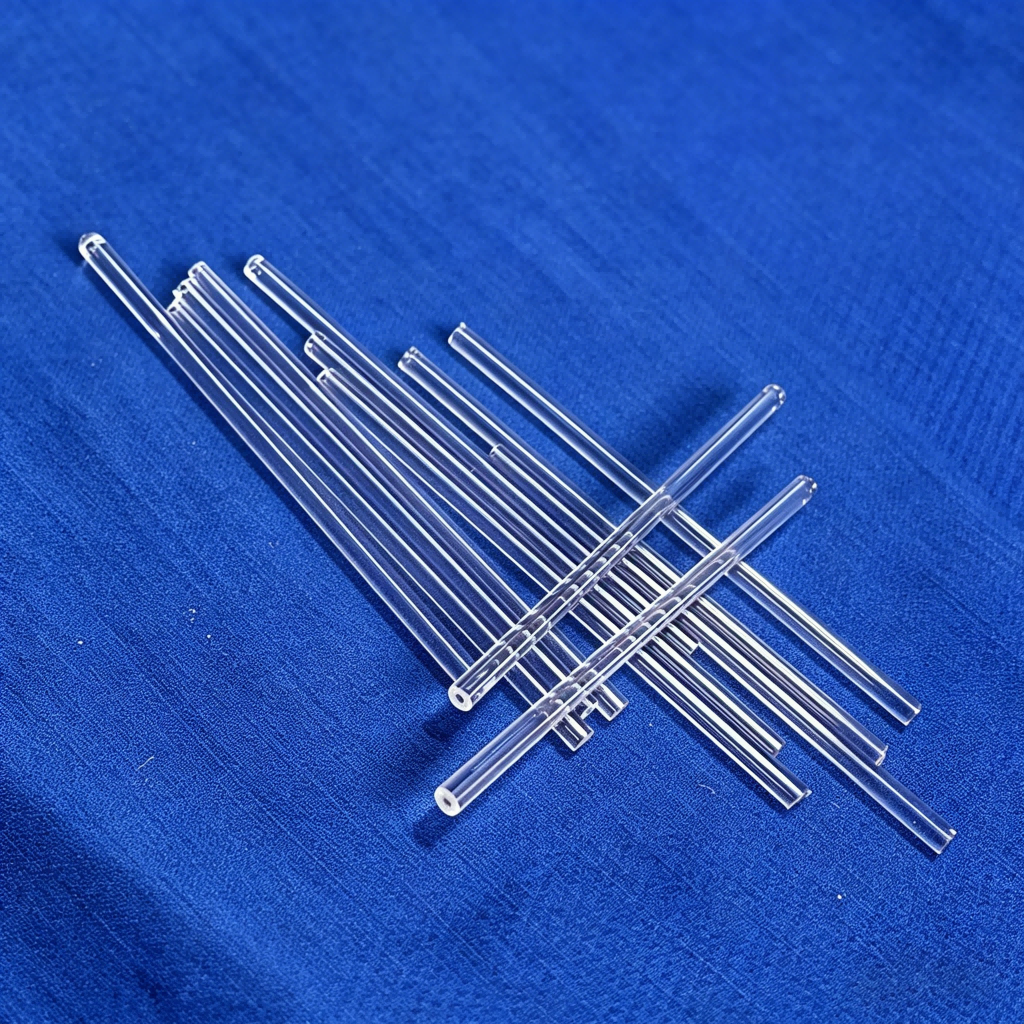
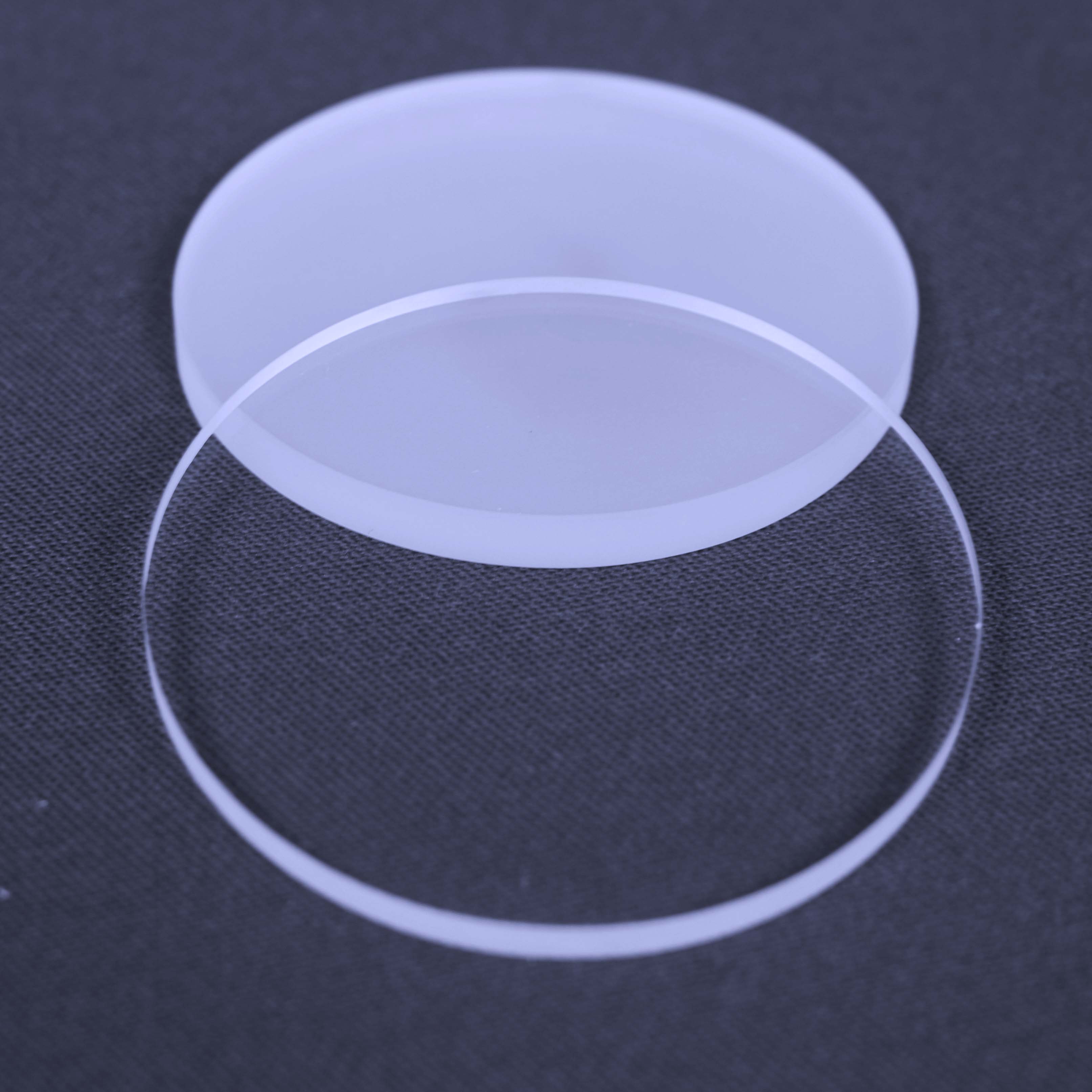
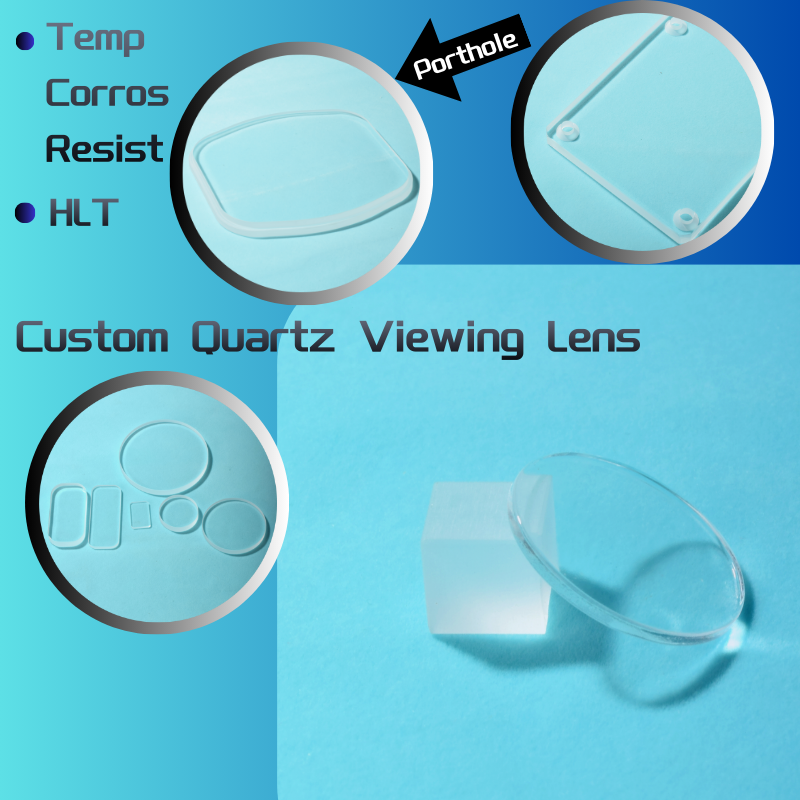
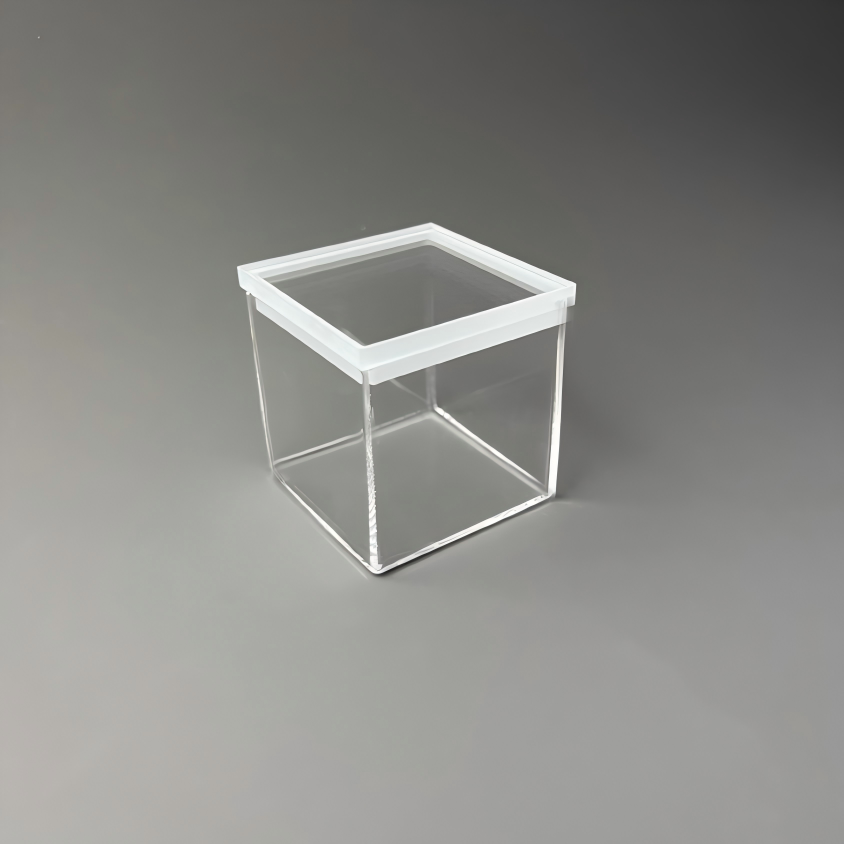
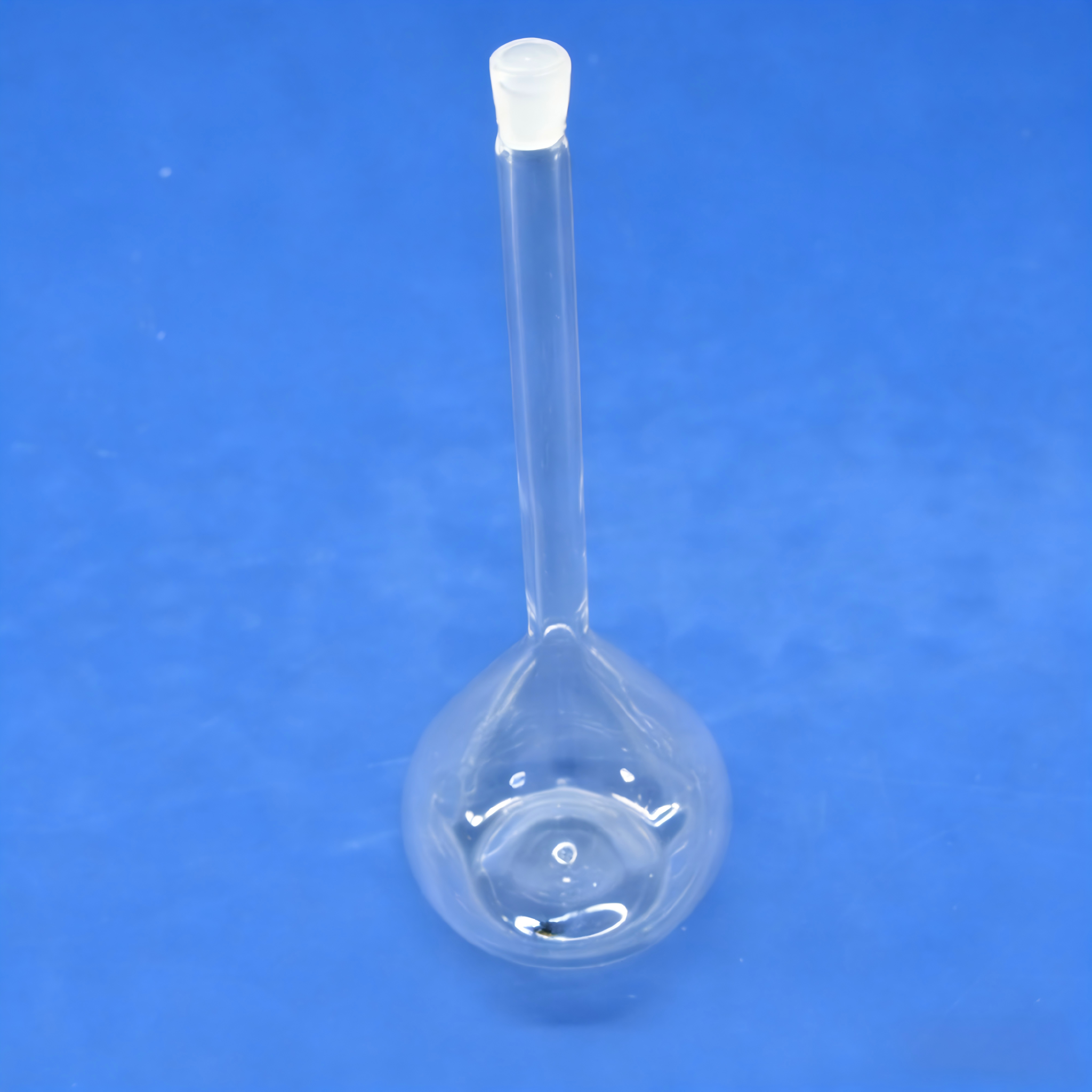
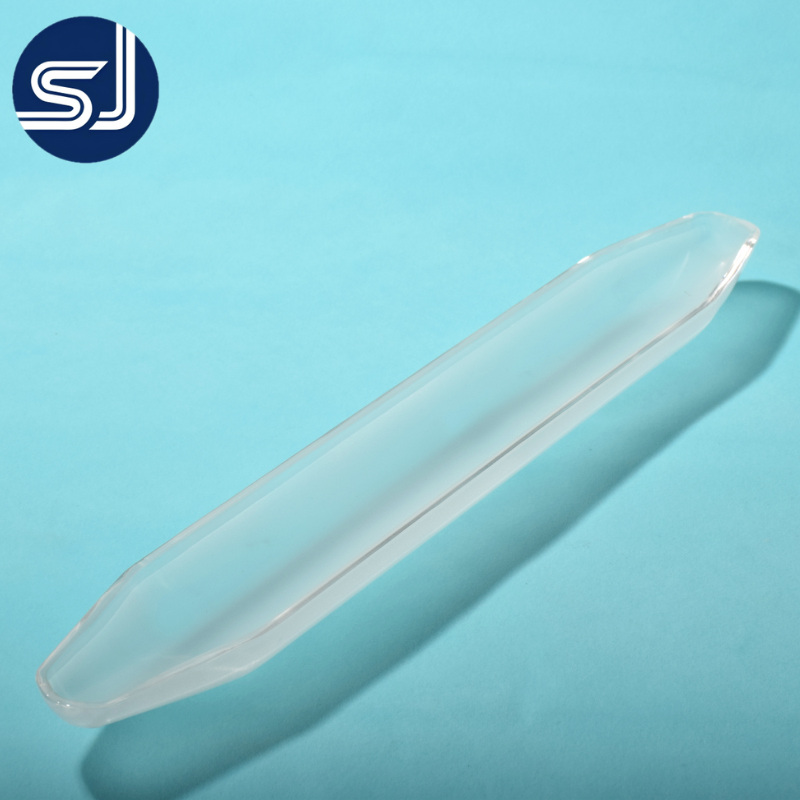
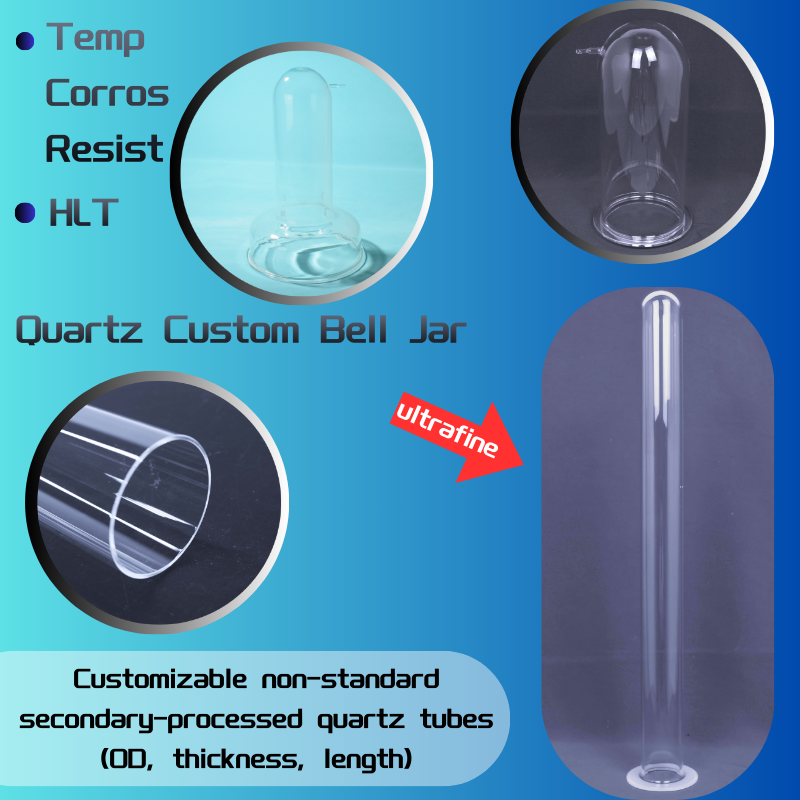
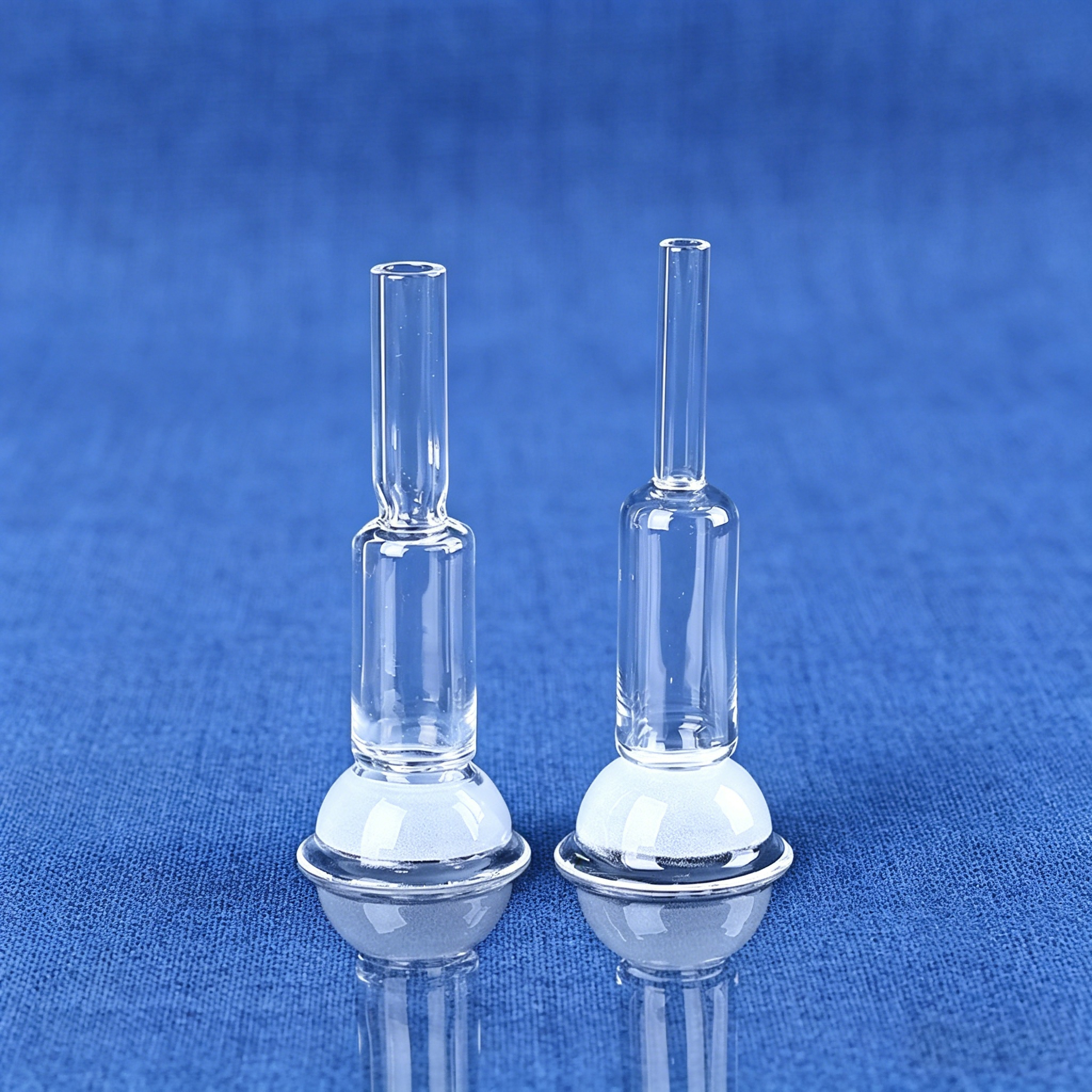
Engineering High-Purity Quartz Etch Tanks for Semiconductor Wet Benches
In modern semiconductor wafer fabrication and photovoltaic solar cell processing, wet chemical etching remains a critical unit operation for surface cleaning, native oxide stripping, wafer thinning, and sub-micron feature definition. The chemical bath vessel—most prominently the fused quartz etch tank—serves as the primary containment barrier directly exposed to aggressive reagents, including hydrofluoric acid (HF), buffered oxide etch (BOE), hot phosphoric acid ($H_3PO_4$ up to 180°C), and sulfuric peroxide mix (SPM).
Selecting premier China quartz etch tank factories and exporters requires a rigorous understanding of silica material purity grades, flame-fusion joint welding techniques, thermal stress annealing protocols, and strict particle contamination thresholds. Fused quartz ($SiO_2 > 99.999\%$) provides an unmatched combination of ultra-low thermal expansion coefficient ($5.5 \times 10^{-7} / ^\circ\text{C}$), superior dielectric strength, zero metallic trace leaching, and robust thermal shock resistance under dynamic chemical temperature cycles.
This technical white paper evaluates the critical engineering criteria, manufacturing processes, and global procurement dynamics when sourcing custom quartz wet baths, constant-temperature recirculating etch tanks, and megasonic-integrated quartz vessels from China's leading quartz production hubs.
Critical Manufacturing Capabilities in Top China Quartz Factories
Advanced Chinese quartz fabricators have evolved from basic laboratory quartz glass suppliers into high-precision OEM partners for semiconductor equipment manufacturers worldwide. Delivering reliable quartz etch tanks demands four specialized fabrication competencies:
Flame Fusion & Seamless Welding
Utilizing high-purity oxy-hydrogen flame lathes and robotic torch manipulators to merge heavy quartz plates with zero weld porosity, avoiding structural micro-voids where chemicals could stagnate or cause micro-fractures.
Multi-Stage Thermal Annealing
Precise thermal ramping up to 1150°C followed by controlled cooling curves inside computer-regulated annealing kilns. This eliminates residual stress induced during plate cutting and thermal welding, preventing catastrophic failure during thermal shock.
Precision Machining & Fire Polishing
5-axis CNC diamond tooling creates accurate overflow weirs, bottom drain flanges, N₂ sparging ports, and transducer window cutouts, finished with flame polishing to restore surface smoothness down to $Ra < 0.05 \mu\text{m}$.
Material Selection: Transparent Fused Quartz vs. Opaque Quartz
China's top quartz etch tank factories offer two distinct structural options depending on thermal and chemical exposure:
| Property / Parameter | Transparent Fused Quartz Etch Tank | Opaque / Bubble-Free Quartz Tank |
|---|---|---|
| Material Purity (SiO₂) | 99.99% – 99.999% (Ultra-pure natural silica) | 99.95% – 99.99% (Micro-porous heat shielding) |
| Optical Transmittance | > 90% (Visible & UV Range) | Opaque (Translucent White) |
| Primary Application | Hot Phosphoric Etch, Standard Wet Cleaning, Megasonic Baths | External High-Temp Insulation Jackets, Heavy-Duty Heaters |
| Chemical Resistance | Immunity to $HNO_3, H_2SO_4, HCl, H_3PO_4$ (Except HF) | Same chemical inertness; enhanced radiant heat diffusion |
| Surface Polish Finish | Fire Polished ($Ra < 0.05 \mu\text{m}$) or Optical Lap | Ground or Fine Sandblasted Finish |
Future Procurement Trends in Quartz Wet Bench Equipment (2025–2030)
As semiconductor node scaling advances toward 2nm and 3D NAND stack counts exceed 300 layers, global fab buyers are adjusting their quartz wet bench sourcing strategies. Key trends dominating future procurement cycles include:
1. Transition to 300mm / 450mm Substrate Form Factors & Heavy-Wall Vessels
Processing larger wafer diameters requires quartz etch tanks with wall thicknesses exceeding 10mm to 15mm to resist hydraulic pressure and prevent deformation at 180°C. Leading Chinese factories are investing in heavy-duty automated glass lathes and large-zone annealing furnaces capable of handling tanks up to 1200mm in length.
2. In-Situ Megasonic Transducer Window Integration
Particle removal at sub-10nm nodes demands precise megasonic agitation (800 kHz – 3 MHz). Quartz tanks now feature specialized bottom-window machining where quartz thickness is controlled within $\pm 0.02\text{mm}$ to ensure acoustic energy coupling without thermal hotspot failure.
3. Ultra-Low Alkali Trace Element Requirements
Modern advanced logic fabs demand trace sodium (Na), potassium (K), lithium (Li), and iron (Fe) concentrations below $0.05\text{ ppm}$. Exporters are adopting synthetic fused silica liners and acid-leached raw quartz feedstocks to eliminate mobile ion contamination into sensitive silicon channels.
4. Smart CAD-to-Flame Manufacturing & Traceability
Global OEMs now require direct digital traceability. Top Chinese suppliers maintain full material batch certification, laser-etched serial numbers, polariscope stress test logs, and CMM dimensional inspection reports for every exported quartz tank.
Need Custom Quartz Etch Tanks or Lab Quartzware?
Consult with our senior quartz engineering team for CAD drawing evaluations, material purity selection, and competitive volume pricing direct from China's primary quartz production hub.
Send an InquiryWhy Source From Lianyungang Vulra Quartz Products Co., Ltd.?
Located in Donghai County, Jiangsu Province—globally celebrated as China's premier high-purity crystal and quartz processing base—Lianyungang Vulra Quartz Products Co., Ltd. is an independently verified custom manufacturer and exporter of high-purity fused quartz products.
We combine raw-material vertical integration with advanced hot and cold quartz machining lines, serving semiconductor fabs, photovoltaic manufacturers, analytical research institutes, and chemical equipment OEMs across North America, Europe, and Asia-Pacific.
- TÜV Rheinland Verified Facility: Third-party verified manufacturing operations, legal status, and custom production capabilities.
- Drawing-Based OEM/ODM Customization: Engineering review of every buyer drawing for thermal stress, wall ratio, and weld integrity from 1-piece prototypes to batch runs.
- Full Process In-House: Cutting, bending, welding, drilling, precision grinding, fire-polishing, and multi-zone thermal annealing under one roof.
- Export-Grade Clean Packaging: Acid-cleaned, DI-water rinsed, Class 100/1000 cleanroom vacuum-bagged, and suspended in foam-cushioned wooden crates for zero-breakage global freight.
Factory Capabilities at a Glance
Quartz Etch Tank Sourcing FAQs
Technical answers to common questions raised by semiconductor process engineers and B2B procurement managers.
How do Chinese quartz factories prevent stress fractures in high-temperature phosphoric acid tanks?
Hot phosphoric acid ($H_3PO_4$) processes operate at elevated temperatures around 160°C to 180°C. Stress fractures are avoided by maintaining uniform wall thickness across welded seams and executing a computer-controlled multi-stage thermal annealing cycle up to 1150°C. This eliminates internal strain gradients. Top factories verify residual stress using optical polariscopes prior to shipment.
What are the maximum temperature and hydrofluoric acid (HF) limits for transparent fused quartz?
Fused quartz offers continuous thermal service up to 1100°C and short-term peak resistance up to 1450°C (softening point ~1683°C). However, hydrofluoric acid ($HF$) chemically reacts with silicon dioxide ($SiO_2 + 4HF \rightarrow SiF_4 + 2H_2O$). For ambient-temperature dilute HF baths ($DHF < 5\%$), quartz can be utilized for controlled etching periods, but continuous concentrated HF etching requires specialized polymeric materials like PFA/PTFE or sacrificial quartz thickness allowances.
How does Vulra Quartz ensure zero metallic particle leaching in semiconductor-grade baths?
We source ultra-high purity natural crystal quartz sand from Donghai deposit clusters ($SiO_2 \ge 99.999\%$). Completed quartz tanks undergo hot nitric/hydrochloric acid leaching washes to strip surface contaminants, followed by 18 MΩ·cm deionized water cascading rinses inside cleanroom environments before clean-bag sealing.
Can custom quartz tanks be built with integrated overflow weirs, nitrogen spargers, and drain ports?
Yes. OEM customization according to customer 2D/3D CAD drawings (STEP, DWG, PDF) is our core strength. We routinely integrate serrated overflow weirs, sub-surface liquid inlets, bubble sparging quartz tubes, bottom flare connections, and megasonic window mounts with tight dimensional tolerances.
What is the standard lead time and prototype Minimum Order Quantity (MOQ)?
Most custom quartz tanks, boats, crucibles, and specialized tube components start from an MOQ of 1 piece for engineering design validation. Standard custom prototype lead times range from 7 to 14 working days, with expedited schedules available for emergency fab replacements.
How are fragile quartz tanks packed to guarantee damage-free international freight?
Products are wrapped in anti-static cleanroom film, encased in thick high-density PE shock-absorption foam chambers, packed into heavy-duty multi-wall corrugated inner boxes, and sealed inside fumigated plywood crates. All international air and ocean shipments are fully insured and shock-label monitored.
Ready to Upgrade Your Semiconductor Chemical Processing Baths?
Send us your dimensional drawings, target acid chemistry, and working temperatures. Our technical specialists will provide a preliminary engineering feedback report and quotation within 24 hours.
Send an Inquiry