Engineered Far-Infrared & High-Purity Fused Quartz Series
From ultra-thin optical circular testing discs to double-bore radiant heating quartz pipes and electrochemical reaction domes, our products meet extreme mechanical, optical, and thermal thresholds.
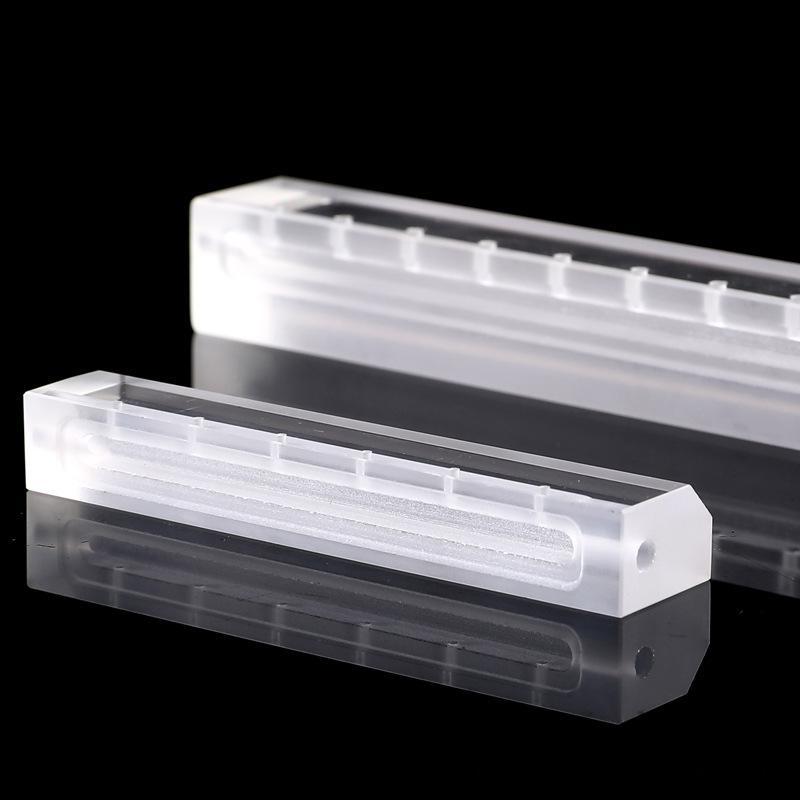
Clear Quartz Testing Sheet Ultra-thin Optical Grade Circular Shape
Engineered for extreme thermal conductance and high UV-to-FIR spectral transmission. Polished optical faces with flame-welded edges for analytical sample inspection.
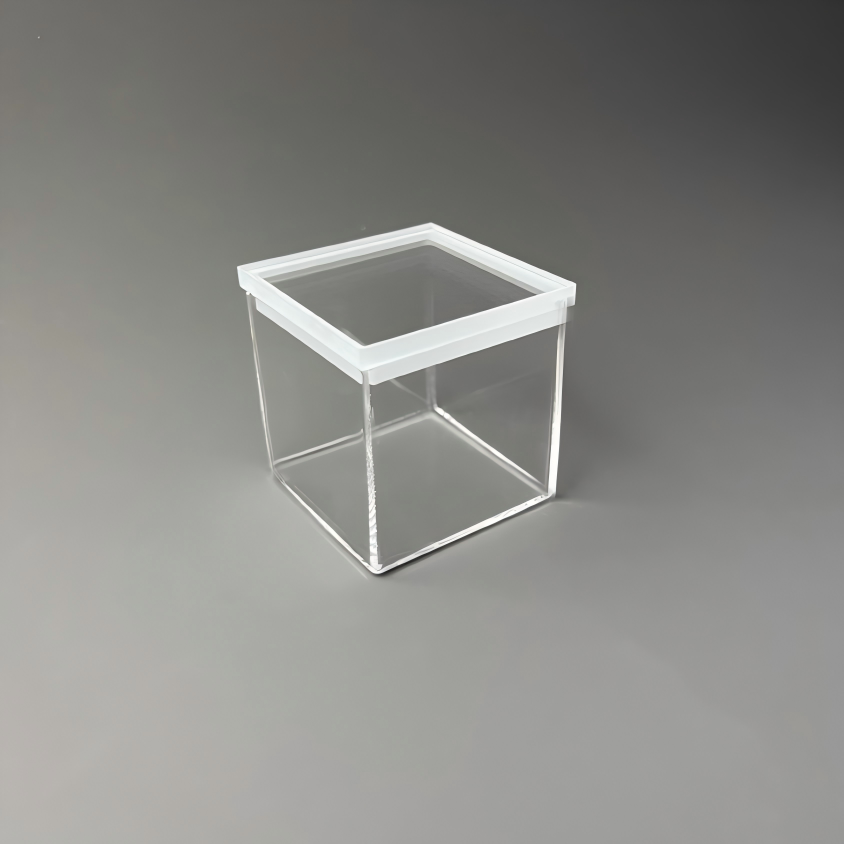
Quartz Glass Sealed Electrolytic Cell Dome Closed End Custom Dimensions
Hermetically sealed photoelectrochemical reaction chamber. Zero-bubble fused silica dome delivers unhindered photon excitation and chemical resistance under acid electrolyte conditions.
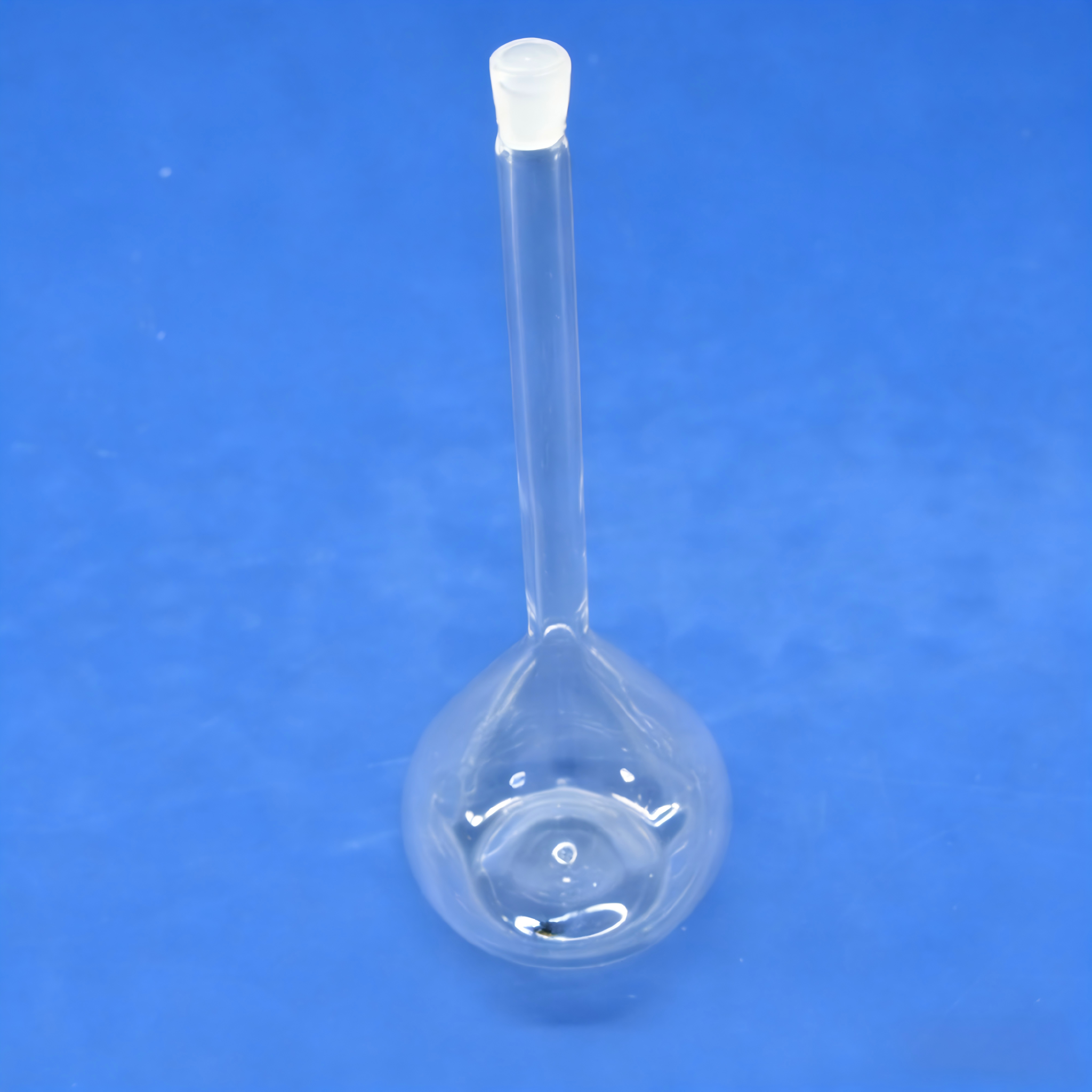
High Purity Transparent Quartz Glass Ampoule Customized Clear Quartz Flask
Precision-blown and flame-annealed quartz flask ampoules for ultra-pure synthesis, thermal degas testing, and chemical sublimation up to 1100°C continuous service.
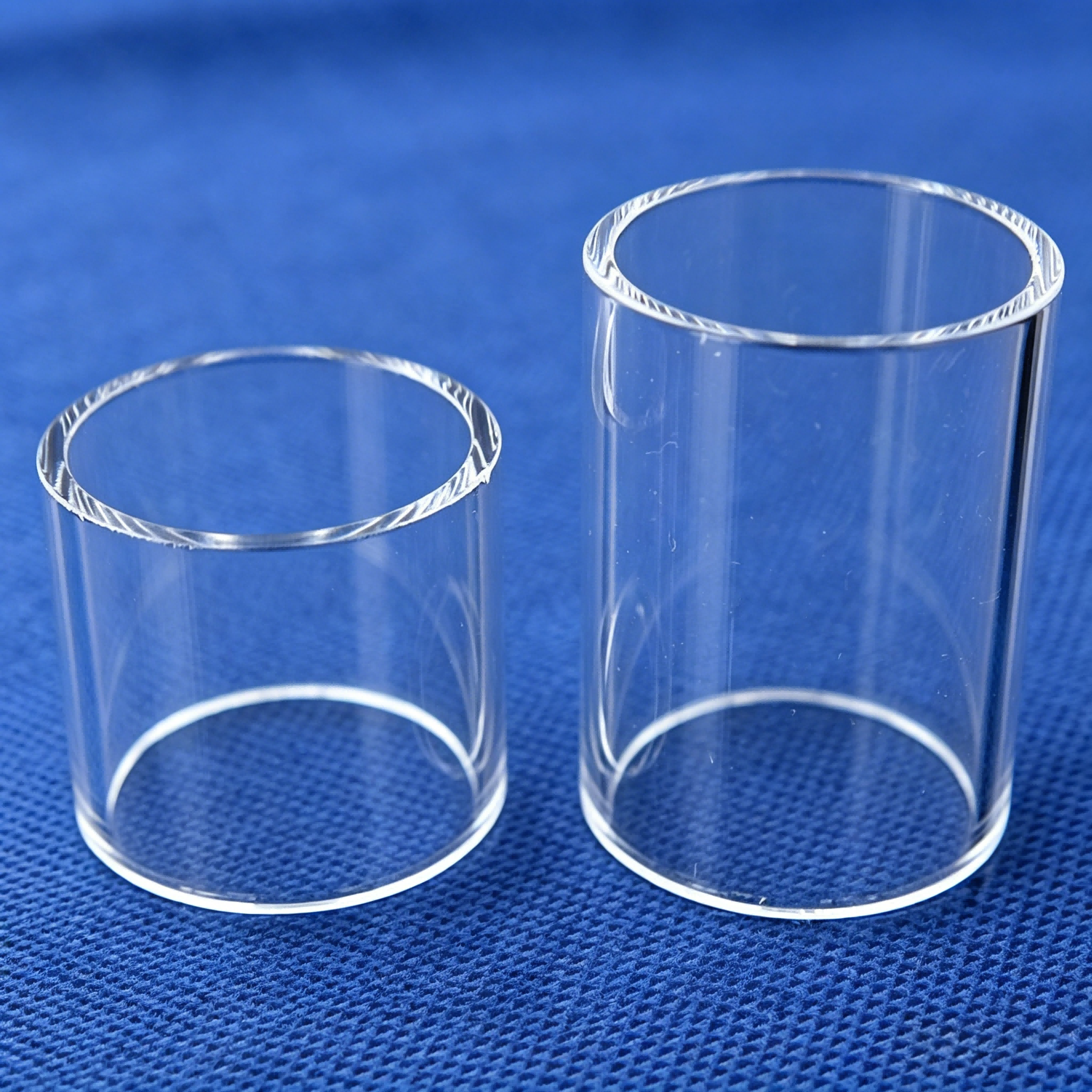
Custom High Temperature Quartz Pipe Twin Tube Polished Surface
Heavy-duty dual-bore profile developed for far-infrared emitters and high-density heating modules. Outstanding mechanical rigidity and thermal radiation uniformity.
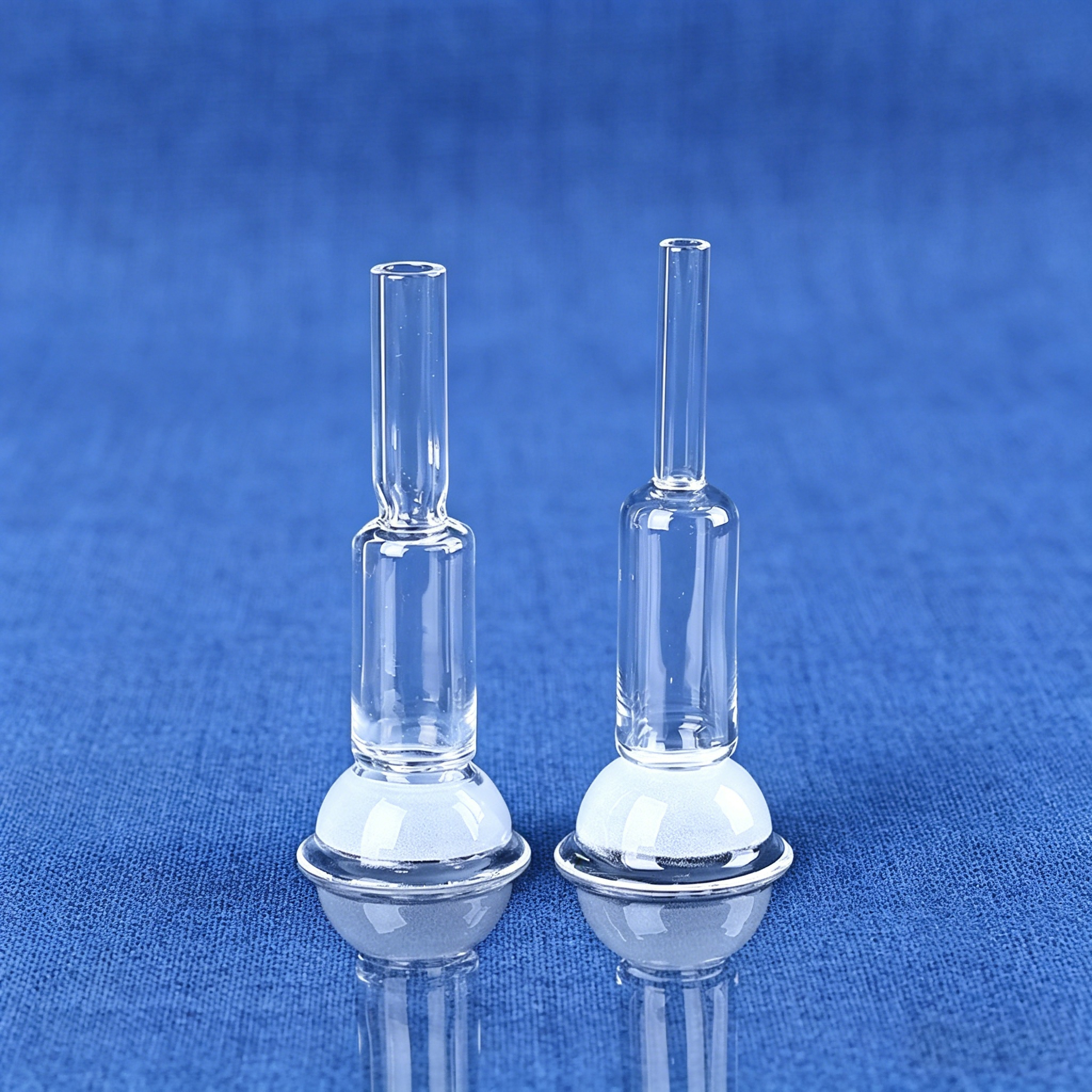
Custom High Purity Quartz C-shaped Small-sized BET Sample Tube
Precision micro-bent quartz analyzer glassware for gas physisorption and specific surface area analyzers. Extreme wall tolerance with polished sealing stem.

Custom Clear Fused Quartz Tube Fire Polished Silica Hand-blown Vessel
Hand-worked high-clarity fused silica container with thermal stress-free joint welds. Resistant to sudden temperature differentials exceeding 1000°C water quench.
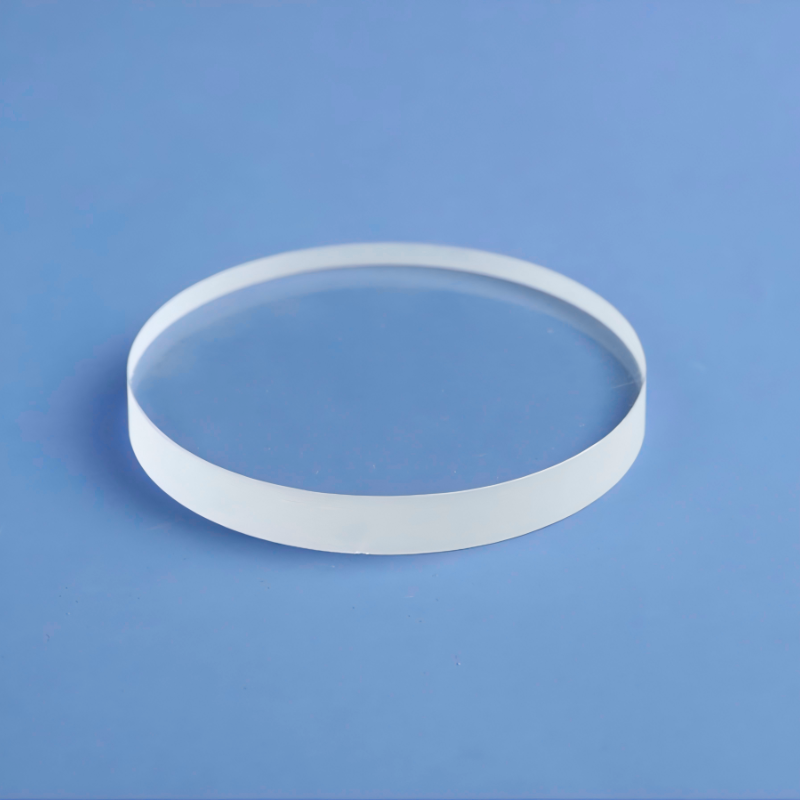
High Temperature Resistant Clear Quartz Tablets Fused Silica Glass Sheets
Parallel ground, double-sided polished silica plates for optical viewports, infrared emitter shielding, and high-temperature vacuum furnace windows.
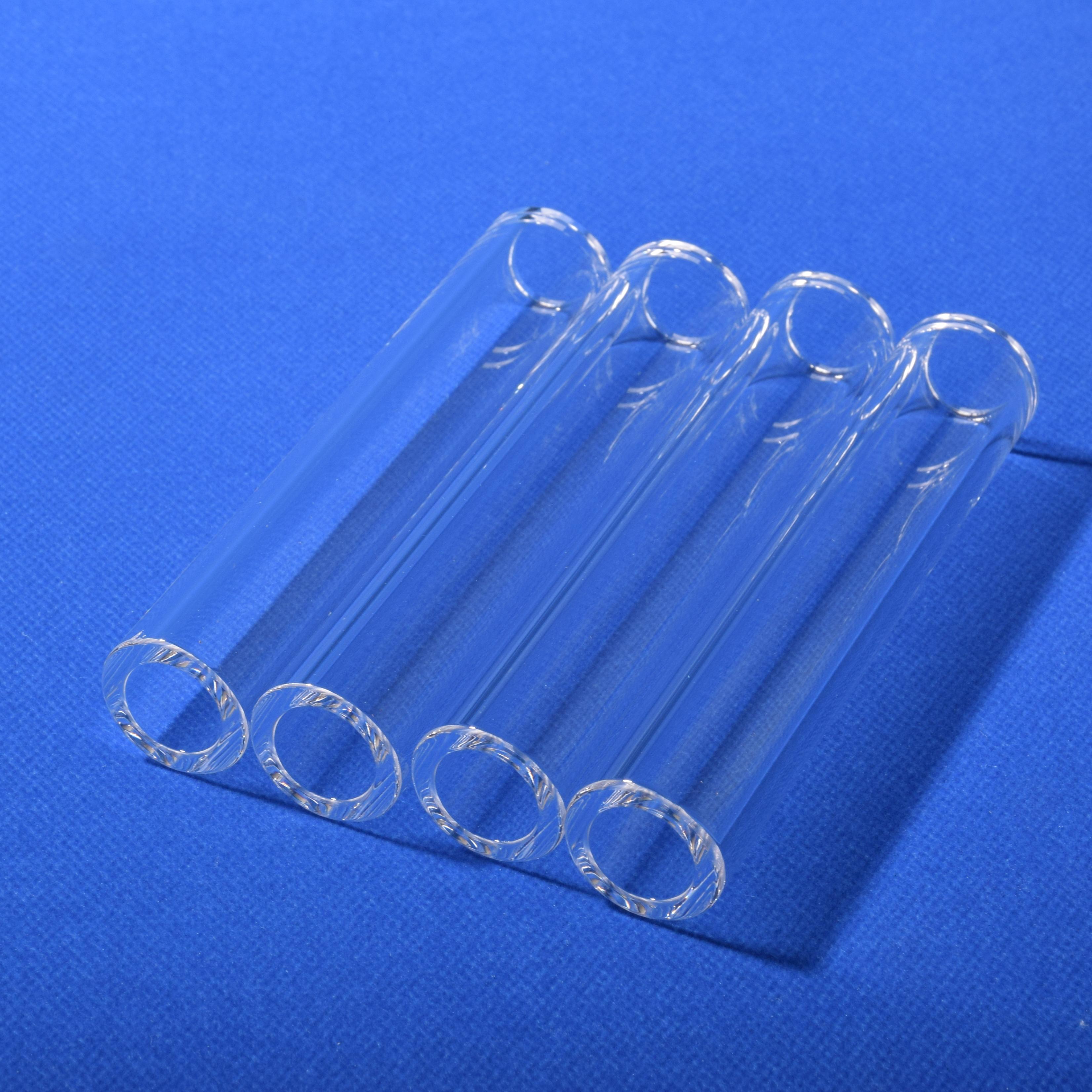
SJ 150 Translucent Oversized Thick Wall Polished Far Infrared Tube
High-scatter translucent quartz profile that transforms direct filament radiation into diffused far-infrared wavebands (3–8 µm). Built for high-load industrial ovens.
Why Tier-1 Industrial Buyers Choose Vulra Quartz
Based in Donghai County—the international epicentre of silica refinement—Lianyungang Vulra Quartz Products Co., Ltd. merges proprietary metallurgical processing with stringent international compliance.
TÜV Rheinland Audited
Our Donghai manufacturing plants, testing laboratories, legal registration, and capacity capabilities are independently assessed and certified on-site by TÜV Rheinland with verified CE and RoHS compliance marks.
Raw Mineral Supremacy
Located in China's crystal capital, we source first-grade natural quartz crystals refined through multi-stage magnetic separation and thermal cracking, achieving baseline SiO₂ purities between 99.99% and 99.999%.
Dual Hot & Cold Working
Complete in-house control: automated CNC precision milling, laser slicing, diamond-blade centerless grinding alongside hydrogen-oxygen glass lathes, high-temperature flame bending, and programmed annealing furnaces.
Export-Grade Protective Crating
High-purity quartz requires rigorous shock dissipation. We deploy customized, multi-density PE cellular foam cushioning nested in ISPM-15 export-compliant fumigated plywood crates for zero-breakage worldwide delivery.
Material Science of Far Infrared Quartz: Spectral Efficiency & Thermal Dynamics
In thermal radiative physics, far-infrared (FIR) wavelengths spanning 3.0 µm to 10.0 µm represent the optimal absorption spectrum for organic polymers, water molecules, semiconductors, and specialized composite curing. Conventional borosilicate or soda-lime glass completely fails in industrial emitter roles due to low softening thresholds, high thermal expansion, and pronounced chemical softening under long-wave radiative exposure. Fused silica and high-purity quartz serve as the definitive standard for industrial thermal engineering.
At Lianyungang Vulra Quartz Products Co., Ltd., our engineering methodology relies on synthesizing three-dimensional amorphous silicon dioxide ($\text{SiO}_2$) networks. By carefully modulating the hydroxyl ($\text{OH}^-$) radical concentrations and introducing precise micronized surface texturing or translucent micro-bubble scattering layers, our far-infrared quartz tubes effectively attenuate unneeded short-wave glare and convert electrical input into highly targeted, long-wave thermal radiation with electro-thermal radiant conversion efficiencies surpassing 86%.
Physical, Thermal & Optical Performance Benchmarks
The operational survival of far-infrared emitter tubes, semiconductor diffusion chambers, and analytical vessels relies directly on pristine raw-material purity. The presence of trace alkali metals ($\text{Na}, \text{K}, \text{Li}$) accelerates devitrification (recrystallization into cristobalite) at temperatures above 1000°C. Below is the verified physical property matrix maintained across Vulra Quartz production batches:
| Property Parameter | Testing Standard / Condition | Standard Clear Fused Quartz | Translucent Far-Infrared Quartz |
|---|---|---|---|
| Chemical Purity ($\text{SiO}_2$) | ICP-OES / GD-MS Analysis | > 99.99% – 99.999% | > 99.98% |
| Hydroxyl ($\text{OH}^-$) Content | FTIR Spectrometry | < 5 ppm (Low-OH) / < 30 ppm | < 20 ppm |
| Coefficient of Thermal Expansion | 20°C to 1000°C Dilatometry | $5.5 \times 10^{-7} \ \text{K}^{-1}$ | $5.4 \times 10^{-7} \ \text{K}^{-1}$ |
| Thermal Shock Resistance ($\Delta T$) | Water Quench without Fracture | 1100°C to 20°C water | 1100°C to 20°C water |
| Continuous Operating Temp | Normal Atmosphere Furnace | 1100°C | 1150°C |
| Maximum Peak Working Temp | Short Duration Transient (< 1 hr) | 1450°C | 1450°C |
| Softening Point ($\log \eta = 7.6$) | High-Temp Viscosimetry | 1683°C | 1670°C |
| Spectral Emission Optimization | Infrared Spectroradiometry | Transmissive: 0.20 – 3.5 µm | Radiant FIR: 2.5 – 12.0 µm |
Precision Welding & Flame Workmanship in Donghai
Unlike automated mass-stamped metal stampings, precision quartzware demands extensive artisanal mastery. At our Donghai facility, glassblowers and automated glass lathes operate with high-temperature oxy-hydrogen flames reaching over 2000°C. This allows seamless joining of twin-tube far-infrared emitter shells, hermetic quartz end-dome closures, and micro-capillary branch connections. Following hot processing, all components enter our programmable 1150°C annealing furnaces to eliminate residual internal hoop stresses, preventing catastrophic micro-cracking during aggressive industrial thermal cycling.
Strategic Procurement Trends in the Far-Infrared Quartz Market
Global original equipment manufacturers (OEMs), engineering procurement managers, and specialized research institutes are shifting their procurement strategies. Rapid technological shifts in green energy, semiconductor miniaturization, and industrial electrification are fundamentally reshaping the criteria used to select far-infrared quartz exporters in China.
Electrification of Heat
Industrial lines in automotive drying, plastics thermoforming, and ceramic sintering are replacing fossil fuel burners with precision far-infrared quartz radiant heaters to comply with international carbon neutrality targets.
Sub-ppm Purity Control
Next-generation semiconductor packaging and photovoltaic TOPCon/heterojunction solar cell sintering require quartz tubes with ultra-low trace iron, copper, and alkali metals to eliminate wafer cross-contamination risks.
On-Demand Prototyping
Procurement teams are moving away from massive fixed inventory. Direct-from-factory suppliers offering 1-piece minimum order quantities (MOQ) and rapid drawing-to-prototype validation cycles provide a distinct competitive advantage.
Third-Party Traceability
International buyers demand third-party supply-chain audits. Complete supplier evaluations by TÜV Rheinland or SGS, alongside traceable raw-sand origin certifications, have transitioned from optional perks to mandatory supplier criteria.
Technological Evolution: Next-Gen Far-Infrared Quartz Manufacturing
The manufacturing of far-infrared quartz is undergoing unprecedented technical evolution driven by advanced spectral coatings, automated optical glass-forming lathes, and composite structural engineering. The following four technological vectors define modern high-efficiency quartz production:
Directional Reflectors
Direct vapor deposition of micro-thin pure gold or nano-white ceramic diffuse reflectors onto half of the quartz tube perimeter redirects over 90% of lost back-radiation directly toward the target substrate, reducing furnace power draw.
Doped Ozone Suppression
Through controlled doping of fused silica sand with trace titanium and cerium ions during electro-fusion, radiant quartz envelopes absorb destructive 185 nm VUV radiation while preserving 100% of optimal long-wave infrared transmission.
Twin-Tube Geometry
Transitioning from single circular profiles to integral figure-8 (twin tube) quartz geometries dramatically improves structural resistance against mechanical sagging across large spans (up to 3000 mm) in wide conveyor furnaces.
Laser & CNC Machining
High-power CO₂ and picosecond laser cutting systems are replacing traditional diamond wheels for micro-orifice drilling, eliminating edge micro-fractures and producing superior edge finishes on optical testing sheets and BET tubes.
Far-Infrared Quartz Procurement FAQ
Clear, engineering-driven answers to the technical, operational, and commercial questions international sourcing directors ask before placing custom production contracts.
Launch Your Quartz Sourcing With Verified Donghai Manufacturers
Whether you require standard far-infrared twin-tube emitters, custom photocatalytic electrolytic cells, or high-purity optical grade quartz sheets, Vulra Quartz delivers drawing-accurate precision backed by TÜV Rheinland verification.
Get a Quote