A comprehensive technical procurement whitepaper evaluating high-purity fused silica boats, precision furnace carriers, devitrification kinetics, and global supply chain strategies.
Featured Quartz Components
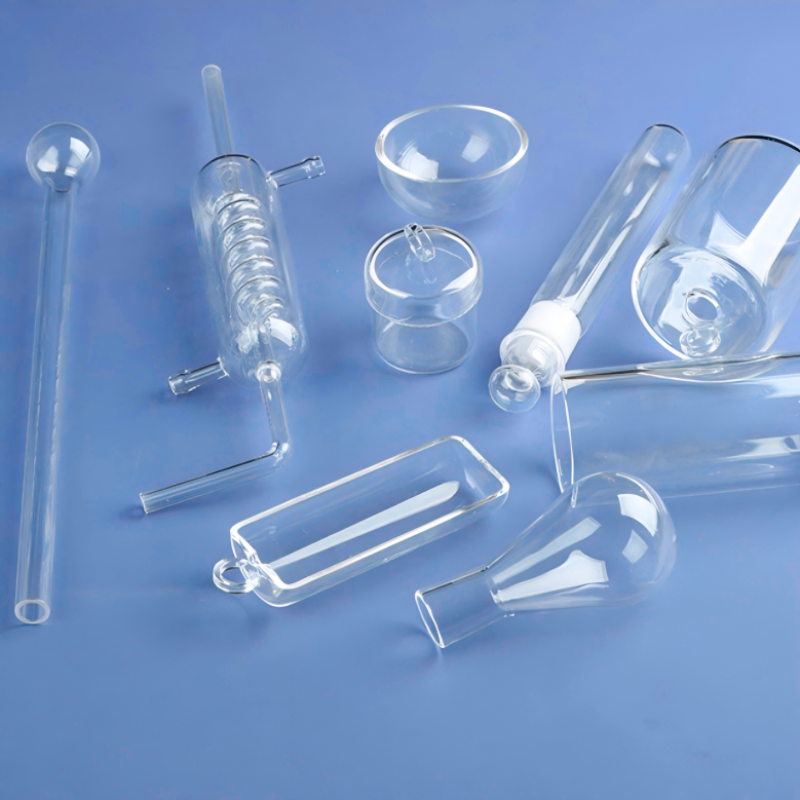
High-Purity Wafer Carriers & Thermal Process Quartzware
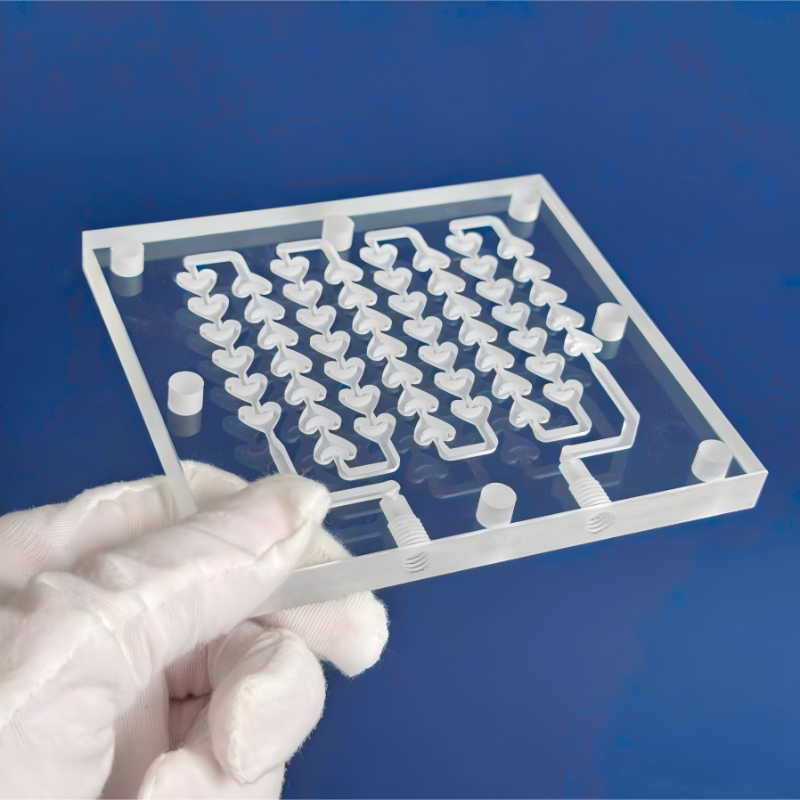
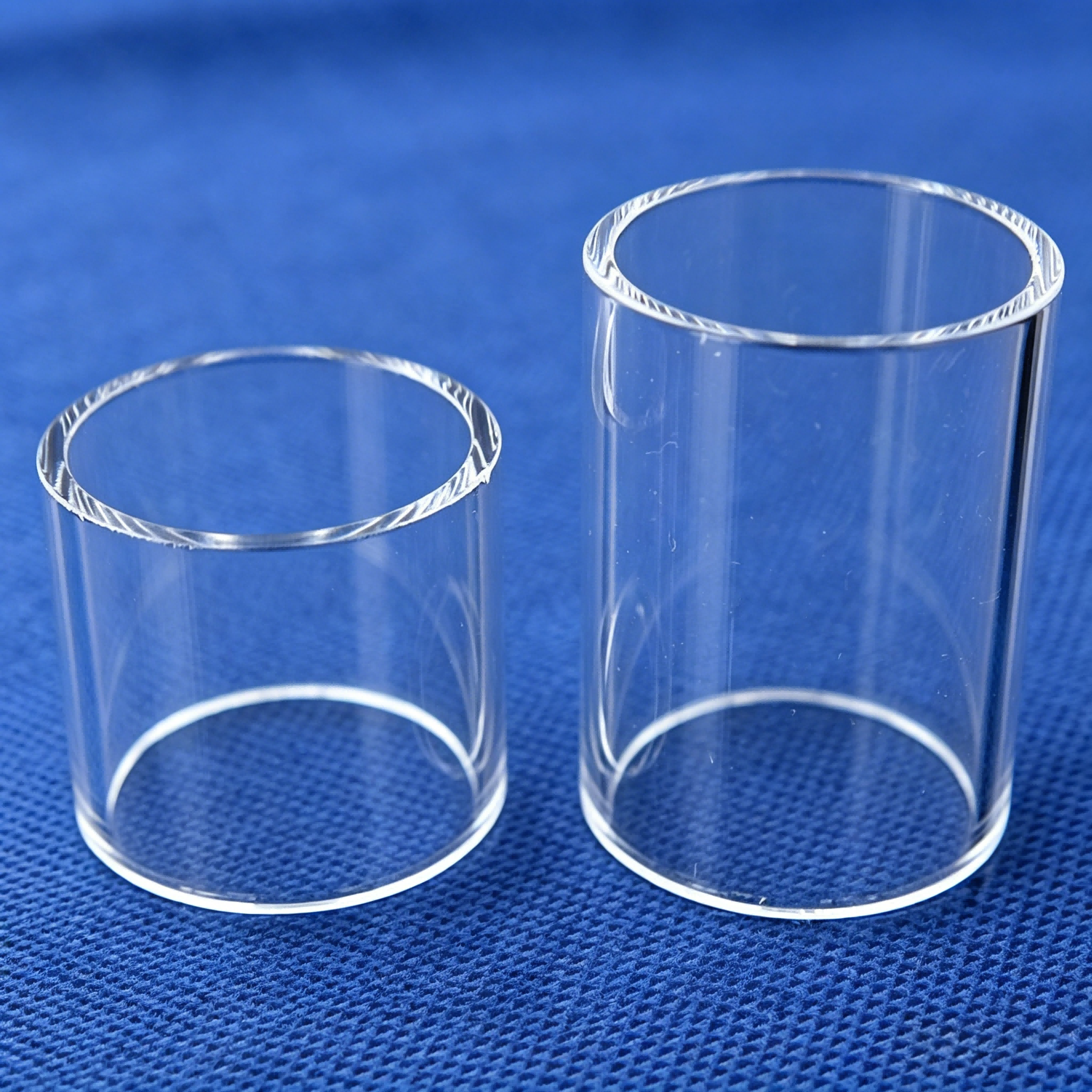
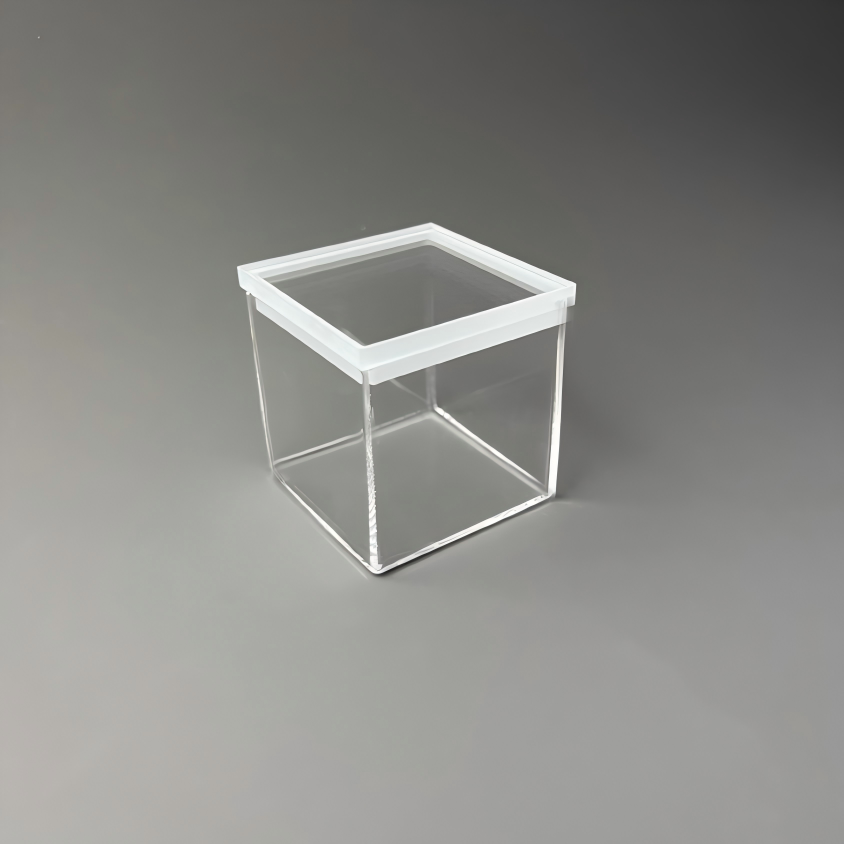
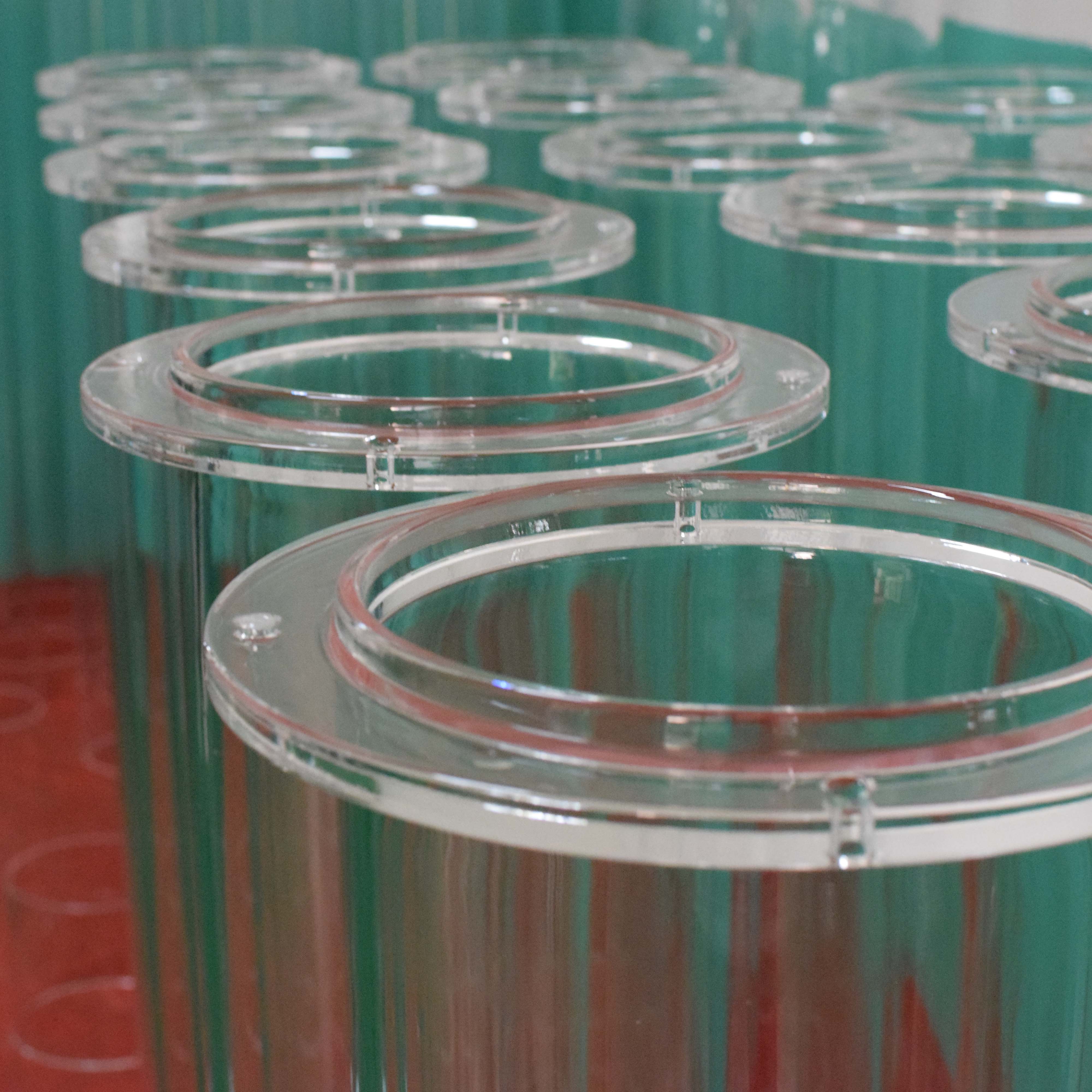
Engineered for diffusion furnaces, chemical vapor deposition (CVD), and corrosive wet bench etching. Manufactured with certified 99.999% SiO₂ natural fused silica, offering exceptional resistance to thermal shock up to 1450°C and a softening point of 1683°C.
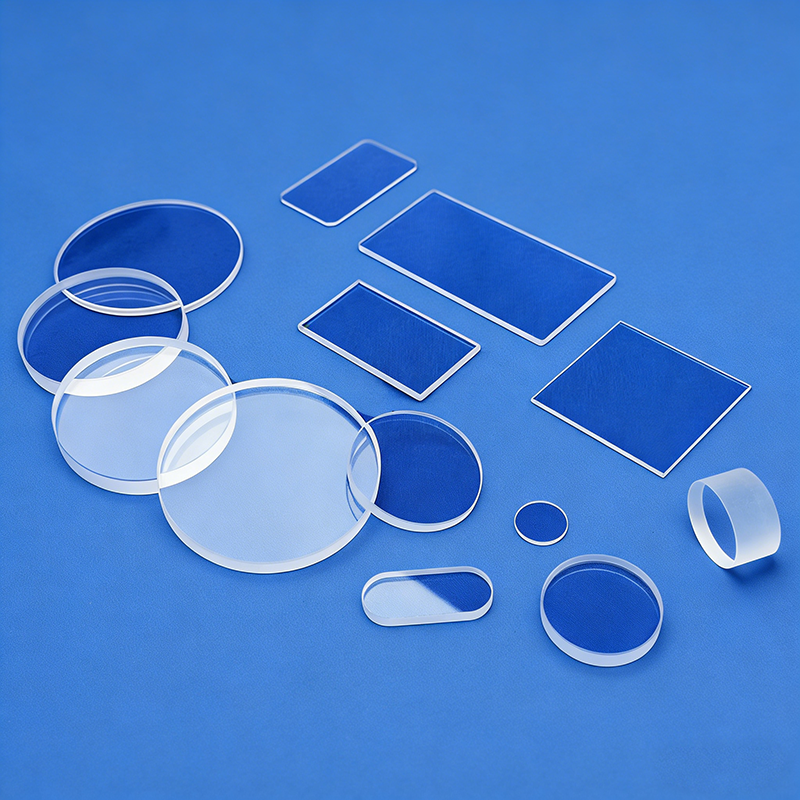
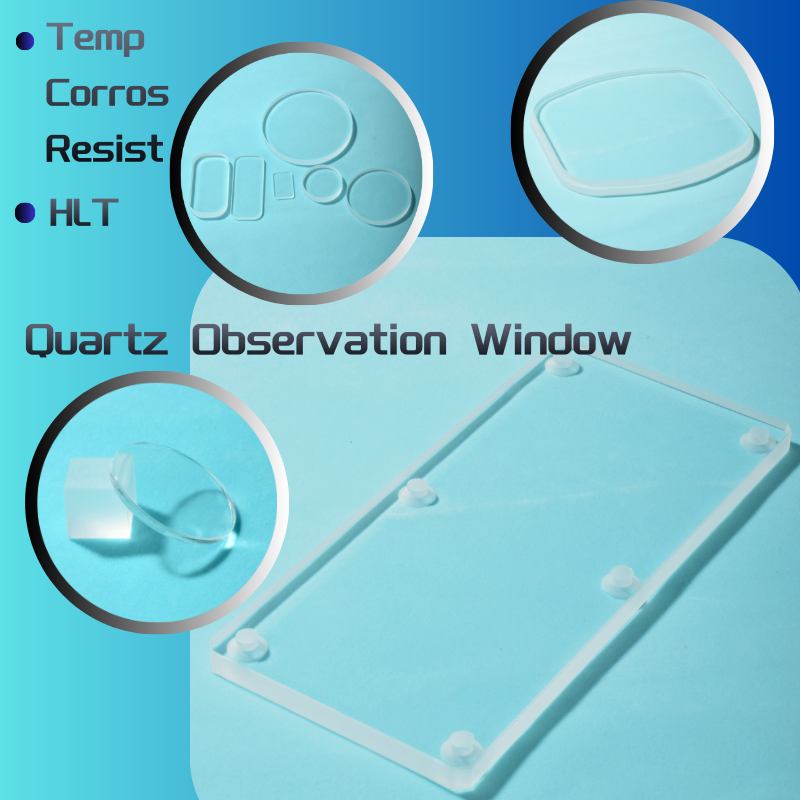
Double-sided precision polished fused quartz substrates exhibiting high bubble class I/II, zero striae, and optimal damage thresholds for lithography windows.
1. Executive Summary & Semantic Scope of Quartz Wafer Carriers
In modern semiconductor microfabrication, photovoltaic (PV) PERC/TOPCon/HJT cell processing, and advanced packaging architectures, the quartz wafer carrier (frequently referred to across cleanroom engineering disciplines as a quartz boat, wafer cassette, diffusion carrier, or quartz ladder) functions as the critical substrate support matrix during extreme thermal and chemical cycles. Fused quartz stands out as the engineering material of choice due to its phenomenal dielectric properties, an exceptionally low coefficient of thermal expansion (CTE of 5.5 × 10⁻⁷ /°C from 20°C to 320°C), immune resistance to aggressive mineral acids (with the deliberate exception of hydrofluoric and hot phosphoric acid), and structural stability up to continuous temperatures of 1100°C–1200°C.
Procuring semiconductor-grade wafer carriers requires comprehensive technical vigilance. A wafer carrier is not merely a piece of glassware; it is a micron-tolerance mechanical jig operating in close contact with multi-million-dollar silicon batches. Devitrification—the transition of amorphous silica back into the crystalline cristobalite phase at high temperatures—can lead to lattice spalling, micro-particulate shed, wafer contamination, and catastrophically expensive fab line stoppages. This whitepaper analyzes the Top 10 Quartz Wafer Carrier Suppliers and Exporters across the global market, dissecting production methodologies, purity metrics, thermal resistance kinetics, and supply chain continuity to equip technical procurement officers and fab operations directors with actionable intelligence.
99.999%
SiO₂ Minimum Purity
1683°C
Silica Softening Point
±0.05mm
Slot Pitch Tolerance
48N/mm²
Tensile Strength Limit
2. Critical Engineering Evaluation Criteria for Wafer Carriers
When assessing quartz carrier suppliers, fab engineering teams must look beyond initial unit pricing. The total cost of ownership (TCO) is dictated by carrier service life, batch yield consistency, and dimensional drift under repetitive thermal gradients. The primary engineering parameters include:
Trace Metal Impurities
Alkali metals (Na, K, Li) and transition elements (Fe, Cu, Ni) must be kept strictly below sub-parts-per-billion (ppb) thresholds. Alkali ions cause catastrophic devitrification acceleration and diffuse rapidly through silicon gate oxides.
Slot Pitch & Tooth Profile
Modern Automated Material Handling Systems (AMHS) and atmospheric robots demand slot spacing tolerances tighter than ±0.05 mm. Chamfered, fire-polished teeth prevent mechanical micro-chipping at the wafer bevel.
Hydroxyl [OH⁻] Content
Hydroxyl radicals directly reduce silica viscosity at elevated temperatures. Low-OH quartz (< 5–15 ppm) is mandatory in horizontal diffusion furnaces to eliminate carrier warpage, structural sagging, and bow over extended thermal soaks.
3. Top 10 Quartz Wafer Carrier Suppliers & Exporters Worldwide
The global quartzware ecosystem comprises specialized Tier-1 integrated material producers and agile high-precision engineering converters. The following ranking benchmarks the leading suppliers based on material grade availability, CNC cold machining capabilities, cleanroom welding standards, and international export velocity.
1. Heraeus ConamicGermany / Global
Core Competence: The preeminent raw material synthesizer producing high-purity natural fused quartz (HSQ series) and synthetic silica (Suprasil). Heraeus sets the benchmark for wafer carriers deployed in sub-7nm CMOS foundries and high-temperature vertical furnaces.
2. Tosoh Quartz CorporationJapan / USA
Core Competence: Recognized worldwide for ultra-high-precision vertical wafer boats, quartz furnace tubes, and pedestals. Tosoh delivers unparalleled dimensional repeatability and Class-1 cleanroom packaging for 300mm automated wafer handling.
3. Shin-Etsu Quartz Products Co., Ltd.Japan
Core Competence: A joint venture between Shin-Etsu Chemical and Heraeus, dominating the Asian foundry market. Shin-Etsu provides flawless integration with silicon crystal pulling crucibles, large-diameter carriers, and optical-grade fused silica tooling.
Core Competence: Located in the world crystal capital (Donghai), Vulra Quartz is a TÜV Rheinland-verified custom manufacturer offering rapid prototype-to-volume production from 1 piece. Renowned for drawing-based custom wafer boats, twin-tubes, and low thermal drift 99.999% SiO₂ processing.
5. Techno Quartz Corp.Japan
Core Competence: Highly specialized in dry etching quartz rings, shower heads, and specialized wet bench wafer cassettes. Renowned for complex multi-axis CNC slot grinding and exceptionally low particulate generation during HF dip baths.
6. QSIL SEGermany / Netherlands
Core Competence: Renowned European manufacturer of plasma-fused hollow cylinders, opaque quartz rings, and wafer thermal carriers. Excellent European supply chain integration with strong engineering presence in EUV optical components.
7. Saint-Gobain QuartzFrance / USA
Core Competence: Legendary quartz legacy (Quartzel) specializing in high-purity wool, crucibles, and customized diffusion carriers. Particularly dominant in aerospace, defense, and specialized silicon-carbide (SiC) epitaxy support components.
8. Wonik QnC CorporationSouth Korea
Core Competence: Major supplier to Samsung Electronics and SK Hynix. Strong expertise in 3D NAND vertical furnace boats, high-aspect-ratio wafer batching, and ultra-high-velocity cleaning and refurbishment protocols.
9. DS Techno Co., Ltd.South Korea
Core Competence: Focuses on CVD SiC, hot-zone silicon parts, and fused quartz carriers. Exceptional capabilities in combining composite ceramic-quartz fixtures to mitigate differential thermal expansion during wide furnace ramps.
10. Maruwai Quartz Co., Ltd.Japan / Taiwan
Core Competence: Precision fabrication partner for leading Taiwanese wafer foundries. Specializes in custom quartz boat modifications, laser slot alignment verification, and rapid-turnaround maintenance cycles for high-volume fabs.
4. Engineering & Material Benchmark Matrix
To assist procurement specialists during the Request for Proposal (RFP) stage, the following table benchmarks key technical metrics across standard commercial quartz grades versus high-purity semiconductor formulations:
Evaluation Parameter
Commercial Grade Quartz
Semiconductor Grade (Vulra / SJ)
Synthetic Fused Silica
Significance to Fab Process
SiO₂ Purity
99.9% – 99.95%
99.99% – 99.999%
> 99.9999% (6N)
Prevents wafer gate oxide metal poisoning.
Softening Point
~ 1580°C
1683°C
~ 1600°C
Dictates resistance to structural sagging at 1200°C.
Tensile Strength
35 – 40 N/mm²
48 N/mm²
50 N/mm²
Resists mechanical shock during robotic AMHS loading.
Typical Hydroxyl [OH]
100 – 200 ppm
< 15 – 30 ppm
< 1 ppm (Dry) / 1000 ppm
Controls thermal viscosity and devitrification rates.
Tooth Pitch Tolerance
±0.20 mm
±0.05 mm
±0.02 mm
Prevents wafer slippage, scratching, and edge chipping.
Annealing Method
Standard Torch Chill
Computer Vacuum Anneal
Precision Optical Retardation
Eliminates residual stresses that induce thermal fracture.
The global semiconductor supply chain is undergoing profound structural shifts driven by geopolitical diversification, 300mm wafer capacity surges, and ultra-high-aspect-ratio 3D chip structures. Technical procurement directors must anticipate the following trends:
A. Shift from Horizontal Boats to Automated Vertical Tower Carriers
As 200mm fab lines modernize and 300mm lines dominate, legacy horizontal quartz boats are rapidly yielding ground to monolithic vertical quartz carriers (ladder towers). Vertical carriers distribute gravity vectors evenly across the wafer plane, drastically suppressing wafer warpage at elevated oxidation temperatures. Vertical wafer carriers require ultra-precise diamond grinding of wafer support teeth, with each tooth featuring compound lead-in angles to accommodate robotic end-effector placement.
B. Precision Laser-Assisted Slot Machining
Mechanical diamond blade slotting inevitably creates micro-cracks and sub-surface damage along carrier rods. Modern top-tier suppliers have migrated to picosecond laser milling followed by controlled acid polishing. This eliminates stress concentration notches, boosting carrier operating cycles by up to 40% before recrystalization or fatigue fractures initiate.
C. Low-Carbon Closed-Loop Refurbishment
Supply chain security concerns and corporate ESG mandates are driving demand for certified wafer carrier refurbishment. Rather than scrapping devitrified quartz boats, fabs now partner with specialized exporters who chemically strip cristobalite crusts, perform precision tooth re-machining, re-anneal under vacuum, and re-certify pitch tolerances—yielding up to a 60% reduction in capital expenditure.
Headquartered at No. 9 Dingxin Road in the Jiangsu Donghai Economic Development Zone, Lianyungang Vulra Quartz Products Co., Ltd. (operating internationally with the renowned SJ Quartz brand mark) stands as an authority in precision fused quartz manufacturing. Benefiting from direct geographic proximity to China’s highest-grade natural quartz sand deposits, the company integrates deep mineral refinement with aerospace-grade fabrication.
Vulra Quartz is an independently assessed and TÜV Rheinland-verified Custom Manufacturer. Unlike trading intermediaries, Vulra owns and operates complete in-house hot and cold manufacturing facilities:
Full Custom Drawing Execution: From 2D CAD prints or 3D STEP models, our production engineering department reviews wall-thickness ratios, weld stress relief channels, and structural bracing before manufacturing begins. Minimum Order Quantity (MOQ) starts at just 1 piece for bespoke prototypes.
Advanced Hot Fabrication: Oxy-hydrogen glass lathes capable of handling tube diameters from 5 mm up to 800 mm, executing high-integrity flame joints, domed vacuum closures, and precision flange welding.
CNC Cold Machining: Ultra-precision diamond saw cutting, multi-axis slot milling, surface grinding, core drilling, and fire-polishing to achieve surface roughness down to Ra < 0.2 µm.
Thermal Stress Relief: Heavy-capacity electric annealing furnaces ensure all quartzware undergoes controlled ramp-down cycles, completely eliminating internal strain birefringence.
Cleanroom Acid Decontamination: Multi-stage hydrofluoric and nitric acid pickling, followed by 18 MΩ·cm deionized water cascading rinses, drying, and Class 100/1000 double-vacuum cleanroom packaging.
What causes devitrification in quartz wafer carriers, and how can it be prevented?
Devitrification is the phase transformation of metastable amorphous silica into crystalline cristobalite. It occurs predominantly above 1150°C and is drastically accelerated by alkaline contamination (fingerprints, dust, Na/K residues). To prevent it: (1) maintain stringent cleanroom handling protocols using powder-free nitrile gloves; (2) implement regular light HF dip etching to strip trace surface contaminants; and (3) select high-purity natural fused quartz with trace alkali metals certified below 1 ppm.
How do thermal expansion mismatches affect quartz boats during rapid thermal cycles?
Silicon wafers have a CTE of approximately 2.6 × 10⁻⁶ /°C, whereas fused quartz exhibits a CTE of 5.5 × 10⁻⁷ /°C. During rapid furnace ramps (exceeding 10°C/min), the silicon expands roughly five times faster than the quartz slot. If the carrier slots are cut too tight without proper chamfering or pitch clearance, the expanding wafer will bind within the slot, leading to wafer edge pinching, crystal slip dislocations, or carrier tooth fracture.
What is the difference between natural fused quartz and synthetic fused silica carriers?
Natural fused quartz is melted from refined crystalline quartz rock, offering high viscosity, high softening point (1683°C), low hydroxyl content, and superior resistance to structural sag at high temperatures (> 1100°C), making it ideal for diffusion furnace boats. Synthetic fused silica is created via the vapor-phase hydrolysis of silicon compounds (SiCl₄), yielding absolute purity from metallic impurities and extreme UV transparency, but with lower viscosity at high temperatures unless specifically treated with dehydration annealing.
Can Vulra Quartz fabricate customized wafer carriers directly from proprietary 2D/3D drawings?
Yes. Vulra Quartz specializes in drawing-based OEM and ODM production. You can submit CAD drawings (.DWG, .DXF, .PDF) or 3D spatial models (.STEP, .IGES). Our engineering team conducts a Design for Manufacturability (DFM) review to ensure thermal weld stability, proper wall thickness, and precise tooth slot geometry. Prototypes are produced from a 1-piece minimum order quantity to validate fab fit before scaling to batch production.
How are fragile quartz wafer carriers packed to ensure zero-breakage global export?
Export shipments undergo a certified multi-layer protective protocol: each component is cleanroom decontaminated, sealed in cleanroom PE bags, suspended within high-density custom-molded shock-absorbing EPE foam blocks, and encased inside heavy-duty corrugated cartons. For international air or sea freight, products are secured in custom, export-certified fumigated plywood crates equipped with shock-watch and tilt indicators.
What certifications and quality validations accompany Vulra Quartz shipments?
Shipments are supported by extensive compliance documentation, including TÜV Rheinland factory assessment reports, CE declaration of conformity, RoHS material compliance certificates, ICP-MS trace elemental purity analysis sheets, and coordinate measuring machine (CMM) dimensional inspection reports detailing slot-pitch precision.
Request an Engineering Consultation & Carrier Quote
Connect directly with our senior quartzware production engineers. Submit your wafer carrier drawings, technical specifications, or furnace operating parameters for immediate feasibility review and direct manufacturer pricing.